Opinion

Sickle Cell: Why intending couples should know their genotypes

By Maimunna Katuka Aliyu

Understanding blood types and genotypes is crucial for emergencies, such as blood transfusions during accidents. However, knowing one’s genotype, particularly before marriage, is equally important to avoid having children with Sickle Cell Disease (SCD).

Blood genotypes determine an individual’s blood type, inherited from our parents and remain constant throughout our lives. The four main blood types are A, B, AB, and O, classified based on the presence of antigens in red blood cells. The Rh factor can also be present (Rh-positive) or absent (Rh-negative), further defining blood types.

Blood genotypes play significant roles in the following:
– Blood Transfusions: Ensuring compatibility between donor and recipient blood.
– Pregnancy: Preventing complications like haemolytic disease of the newborn.
– Organ Transplants: Matching donor and recipient blood types for successful transplants.
– Disease Susceptibility: Influencing susceptibility to diseases like sickle cell anaemia.

Sickle cell disease is a genetic disorder affecting haemoglobin production, leading to abnormal red blood cells. These cells become crescent-shaped and rigid, causing a range of health problems. The genotype responsible for SCD is known as HbSS or HbSβthal, resulting from a mutation in the HBB gene.

Individuals with sickle cell disease have two copies of the mutated gene (HbSS), while those with one normal gene and one mutated gene (HbAS) have the sickle cell trait but generally remain healthy. Understanding an individual’s genotype is crucial in determining their risk of developing SCD or passing it to their offspring.

The symptoms of sickle cell disease can vary in severity and include:
– Anemia
– Fatigue
– Shortness of breath
– Pale skin
– Yellowing of the skin and eyes (jaundice)
– Painful episodes (crises)
– Swelling of hands and feet
– Increased risk of infections

While there is no cure for sickle cell disease, several management options help alleviate symptoms and prevent complications:
– Pain Management: Medications like acetaminophen and ibuprofen.
– Blood Transfusions: Increasing healthy red blood cell levels.
– Hydroxyurea: Reducing the frequency of painful episodes and improving anaemia.

Aisha Mahmud, a sickle cell patient diagnosed at age three, shared her experiences. As she grew older, the frequency of her crises reduced, occurring only once every three months. She regularly visits Primus Hospital in Karu, Abuja, and FMC Azare for checkups. Aisha emphasises that emotional stress often triggers crises, highlighting the importance of therapy over medication. Remarkably, her genotype changed from SS to AC, bringing immense joy to her family.

The challenges faced by sickle cell patients are immense, impacting them physically, psychologically, emotionally, and financially. Crises can occur unpredictably, causing significant distress to patients and their families.

Researchers are continuously exploring new treatment options for sickle cell disease. Some of the latest developments include:

– Hydroxyurea: Reduces pain crises and acute chest syndrome, decreasing the need for blood transfusions.

– Voxelotor: Approved for people age four and older to reduce pain crises and improve anaemia.

– Crizanlizumab: Approved for people age 16 and older to reduce pain crises.

– L-glutamine: Approved for people age five and older to reduce pain crises.

– Bone Marrow Transplant: Can cure some individuals with SCD but requires careful consideration and a suitable donor.

– Gene Therapy: Genes are used to correct the mutations that cause sickle cell disease.

– CRISPR Technology: A gene-editing tool that corrects the mutation causing SCD.

In conclusion, sickle cell disease is a complex and debilitating genetic disorder affecting millions worldwide. While there is no cure, management options help alleviate symptoms and prevent complications. Ongoing research and new treatment options offer hope for improved treatment and potentially a cure in the future.

Maimunna Katuka Aliyu wrote via munat815@gmail.com.

What lead did to Zamfara and its people

By Dr. Abdulkadir Lawan

A putatively held belief is that the banditry and crime in the Zamfara region of Nigeria cannot be unconnected to the politics of gold and other natural resources mining. But something deadlier than politics, a stealthy by-product of crude extraction methods at the core of gold mining, might have played a leading role in the increase in crime we are witnessing today in the region. 

In the early 2000s, possibly due to the recent change in rule from a military to a democratic one, a renewed gold interest in Zamfara resulted in a mini gold rush. Women and men in the villages would dig out rock ore and extract the gold through crushing and grinding; the resulting dust was contaminated with lead. Some even brought this newfound work to their homes, contaminating their food, water, clothes, and, most dangerously, children. What followed in child deaths from lead poisoning created an unintended raucous through polio vaccination outreach and ended up inviting several efforts to clean up the areas and treat the surviving children.

It is well known that lead is dangerous, even in small doses. It mimics calcium in the body and can be stored in bones, continuing to poison the body even years after initial exposure. The brain is the most sensitive organ to lead. It basically blocks the release of neurotransmitters, which causes headaches and memory loss, and children are especially susceptible. There is no doubt among scientists that lead exposure can cause permanent learning disorders and behavioural problems.

Studies on baby teeth showed that even lead exposure well below the “safe” level results in delayed learning, decreased IQ and increased behavioural problems. There was a direct correlation between lead in children and the inability to graduate from high school in the US. While the CDC has since lowered the acceptable levels of lead in children’s blood from 60ug/dL to 3.5ug/dL over the years, there is no safe lead level as far as it is known today.

Globally, about 65% of all unexplained intellectual disability are believed to be caused by lead. Many countries have monitored the levels of lead exposure in their children over time. In Nigeria, we have little to no data nationwide. A particular US data, however, shows troubling correlations. 

Violent crimes steadily rose from the 1970s to the 1990s before abruptly declining. The troubling part? A graph of average preschool blood lead levels looked strikingly similar to crime levels roughly twenty years apart. The question was whether kids exposed to higher levels of lead grew up to commit more crimes.

The same pattern appears in Britain, Canada, and Australia. In another study, the lead concentrations in the blood of those arrested for violent and anti-social behaviour could not have been more correlated with their behaviour. This shows that lead is at least very likely responsible for some of the increase in crime. 

Whatever the reason for the resurgence of artisanal gold mining in Zamfara in the early 2000s, children raised in that period were in their early teens and 20s when the country began to witness an upsurge in bandit activities at the start of 2010. Thankfully, considerable clean-up efforts and community sensitisation mean there is an unlikely recurrence of lead poisoning effects on this scale around the region. A decline in violent activities can only then be hoped for. 

Glissading along the same line, the biggest source of lead pollution worldwide was the tetraethyl lead compound that was added to gasoline to make leaded fuel. Nigeria completely phased out leaded gasoline in 2004, as did all other countries between 1986 (Japan) and 2021 (Algeria). Nigeria witnessed a record period of civil violence from the 1970s until about the early 2000s. The current crop of our, in my opinion, clearly cognitive-declined politicians was the most exposed to vehicular lead poisoning in the same generation as the perpetrators of multiple violent religious and ethnic crises.

The dangers of lead had already been known for hundreds of years. In 1786, Benjamin Franklin remarked that lead had been used for far too long considering its known toxicity – “This, my dear friend, is all I can at present recollect on the subject. You will see by it that the opinion of this mischievous effect from lead is at least above sixty years old. And you will observe with concern how long a useful truth may be known and exist before it is generally received and practised on.” 

Scientists decided to add lead to fuel one hundred and fifty years later (i.e., after Benjamin Franklin’s speech). Almost one hundred years after that, the juveniles among our (Nigerian) citizenry were exposed to lead, leaving a nation to wonder why there is so much crime in our time.

Dr. Abdulkadir Lawan wrote via abdullwn@gmail.com.

Classroom Dynamics: A call for modern teaching methodologies in Nigeria

By Buba Kamal Danladi

In education, the approach to teaching is as crucial as the content itself. Teaching methodology, the comprehensive plan or strategy for systematically presenting material in the classroom, goes beyond merely delivering facts. It embodies beliefs about learning and teaching and specific techniques and activities aligned with these ideologies.

The choice of teaching methodology profoundly influences knowledge acquisition, skill development, and capacity building. Educators must embrace innovative methods that promote critical thinking and interactive learning in an era that transcends traditional role learning. This is especially pivotal in Nigerian tertiary institutions, where outdated teaching approaches often lead to disengagement and subpar academic performance.

Several methodologies warrant attention and adoption in Nigerian educational settings, such as Differentiated Instruction, Catering to diverse learning styles and abilities; Lecture-Based Learning, Traditional yet evolving to include interactive elements; Inquiry-Based Learning, Encouraging curiosity and critical analysis; Technology-Based Learning, Integrating digital tools to enhance understanding; and kinesthetic Learning: Emphasizing hands-on experiences and physical engagement. 

Reflecting on my undergraduate experience at Skyline University Nigeria, I recall the transformative impact of Mr. Abdulhameed Olaitan Ridwanullah’s teaching methods. He epitomised effective education through interactive sessions that valued each student’s thoughts and promoted a culture of inquiry and confidence. His teaching philosophy centres on interactive and student-centred learning. 

Unlike the conventional lecture-heavy approach, his classes are characterised by lively discussions, group projects, and the use of technology to facilitate learning. By integrating digital tools into his curriculum, he engages students and equips them with essential skills for the modern workforce. This tech-savvy approach is particularly relevant in mass communication, where understanding digital platforms is crucial.

Also, his departmental seminar, which he organised, nurtured my public speaking ability. He mandated that all students offering his courses research specific topics and present their findings to seasoned academics. Many students at first despised it, but as some of us inevitably embraced it, it became a ritual. 

The students’ seminar approach not only fostered a deep understanding of the themes the students researched but also ignited a passion for learning, a stark contrast to the disinterest prevalent in many Nigerian institutions.

Educators must critically assess and adapt their teaching strategies to address the disconnect between teaching methodologies and student engagement. The goal is to cultivate an environment where learning is not a passive experience but a vibrant journey of discovery.

However, the transition to such innovative teaching practices requires systemic changes. It calls for investment in digital infrastructure, teacher training, and curriculum development. Policymakers and educational institutions must recognise the value of these modern methodologies and provide the necessary support and resources to implement them.

To our students, I offer this reminder: “Do not merely pass through school; let the transformative power of education pass through you.” Embrace learning as an active participant, for the quality of your education shapes your future.

Buba Kamal Danladi writes from Lagos via kamalbuba05@gmail.com.

Learning under Professor Atta

By Bilyamin Abdulmumin, PhD

You will find some highly versatile members whose contributions drive their areas in every place. The Department of Chemical Engineering at ABU Zaria is no exception. I cannot imagine the department without Professor Atta’s services.

 Advanced Chemical Reaction Engineering is among the PhD courses that ring the bell in the department, thanks to the delivery methods perfected by Prof.

Prof. designed his class with weekly assignments submitted before each session. Students take turns submitting and answering immediate follow-up questions, ensuring that even those copied must read. Adhering to this weekly activity is a Prof trademark except for unusual circumstances, keeping students engaged throughout the week. The more time one dedicates to a topic, the better one understands it.

There is also a group project where the class is divided into teams. Each team is assigned a research topic to develop into a term paper. This project often includes laboratory work, computational work, or both to publish a paper in a respected journal. Like the weekly assignments, group work is reported biweekly. The group leader makes a presentation, but each member contributes. Though it is challenging for a group of two or three to produce a paper during coursework, the skill that comes with that is priceless.

Then there is the industrial visit. Prof. Atta ensures that students make at least one visit to a process industry, particularly the Kaduna Refinery and Petrochemical Company (KRPC), to study chemical reaction units such as Fluid Catalytic Cracking (FCCU) and fixed bed reactors. These academic excursions are vital for complementing student knowledge or, as Prof. puts it, making knowledge functional.

During our visit to the KRPC FCC unit, the chief operator unleashed the practical working principles of the process. At the same time, Prof. Atta facilitated the connection between theory and practice to us. The duo of Prof. and the experienced chief technician, a reservoir of experience, kept us on our toes until we wished to call it a day. A colleague turned to me and whispered, “Whenever a chemical reaction is being discussed, Dr. (then) can never have enough.”

Of course, this rigorous teaching approach doesn’t sit well with every student, but that never makes Prof. Atta take his foot off the gas. I was surprised at the end of the coursework when a colleague, who was in collusion terms with the course, declared, “I now understand modelling and simulation for the first time.” This is another reason one should not be deterred by complaints of those he is supposed to train. Trainees often want to avoid the process and jump to the achievement, so a trainer must stick with his gun; as they say, the end justifies the means.

A conducive environment is a major concern for research students in Nigeria. Simple tools like a weighing balance, pH meter, or glassware can affect and slow down research. To address these small but impactful issues, Prof. prepared a mini lab equipped with all basic and some analytical equipment. This lab includes a working area, a reading area, and lockers for everyone.

One day, an MSc student met me in the lab and, after his observations, declared, “You, Prof. students, are enjoying,” as if he would say I will join you. Still, to my chagrin, he confessed: I couldn’t join Prof. because I wasn’t serious enough to qualify to work with him.

Another major concern for postgraduate students is time. Many suffer from a lack of contact time and engagement with their supervisors. However, with Prof. Atta, the story is different. His office is a Mecca for PG students, with students queuing from morning to evening, each waiting for their turn.

 Of course, other significant issues that concern the nation and society pop up and are discussed. As a melting pot, the professor’s office allows free fall for ideas, but primordial affiliation has no place. Such gatherings of students, sometimes Professor colleagues, and visitors from various backgrounds are a rare opportunity not only to get a glimpse into diverse area research and technological trends but also to learn about others’ personal life journeys and ambitions. 

The professor’s dedication to academics is exemplary and worthy of emulation by young (and not-so-young) scholars. It will go a long way to facelift postgraduate study in Nigeria.

Bilyamin Abdulmumin, PhD, wrote via bilal4riid13@gmail.com. 

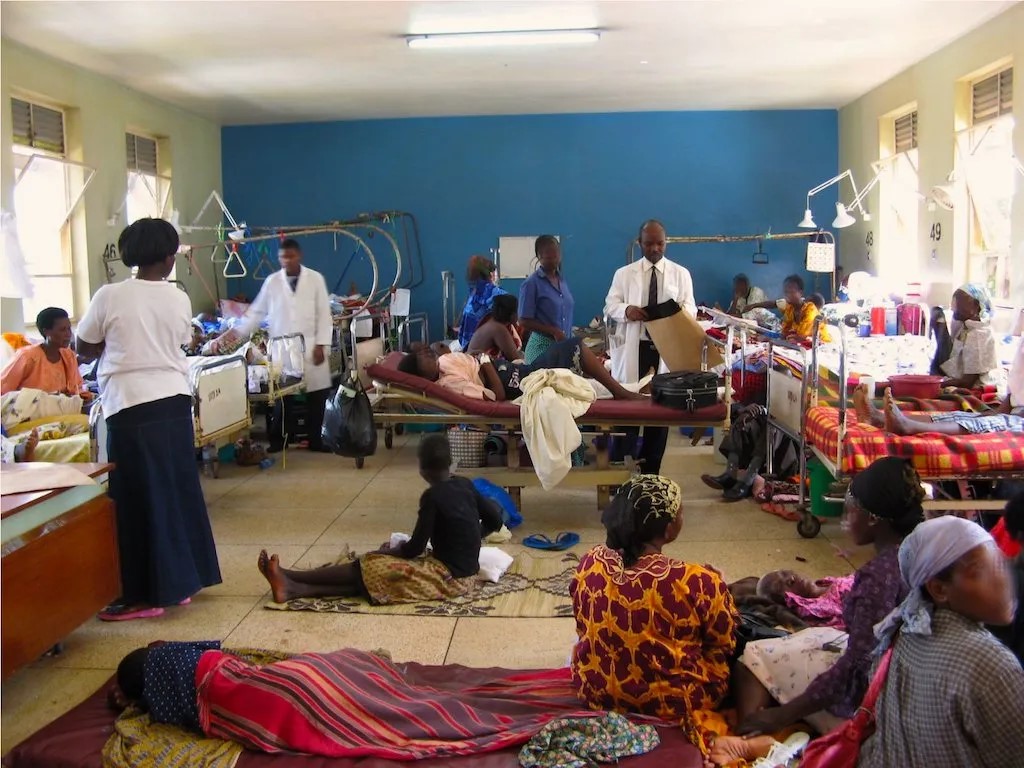
The pains, emotions and struggles of families living with sickle cell

By Aisha Musa Auyo 

September is globally declared Sickle Cell Awareness Month.  The month is dedicated to raising awareness about sickle cell disease (SCD) and the challenges faced by those living with this inherited blood disorder. It serves as an opportunity to educate the public, promote early diagnosis, and advocate for better treatment options and research. 

The month also highlights the importance of genetic screening, support for patients and families, and increased funding to improve the quality of life for individuals affected by SCD. Through community events, health campaigns, and social media, advocates aim to bring attention to the urgent need for action and support for those impacted by sickle cell disease.

Today, I want to discuss sickle cell disease from a social and psychological perspective rather than a medical one. While I’m not a medical doctor, I’ll focus on the impact this condition has on families and individuals beyond the clinical aspects.

Anyone who knows me as a relationship coach knows that I deeply love and believe in love. I advocate for it passionately. However, when it comes to marriage, love is just one of many essential foundations. I’ll be very realistic here—there’s much more needed to make a marriage thrive. We’re all witnesses to the struggles and the painful moments of crisis of sickle cell sufferers. We know how their parents strain to cope with the financial demands at times of crisis.

For AS-AS couples who choose to look beyond their genotype and marry for love, the romantic vision they once had is often overshadowed by constant worry, fear, and apprehension. The looming possibility of having a child with sickle cell disease adds significant stress. After having children, the anxiety only deepens, with parents constantly fearing an impending crisis or managing one. This often results in the other children not receiving the care and attention they need, as the focus shifts primarily to the sick child.

Sometimes, the mother has to forfeit most of her dreams and aspirations because she’s always in and out of the hospital. I don’t want to mention the fear, horror, and pain they endure whenever their kids are in the hospital. The hospital becomes the second home of sickle cell kids with their parents. 

These parents hardly have any social life outside their homes and hospitals. The mothers, who are naturally more emotional, tend to be most affected by this.

Now, let’s discuss the pain and agony of sickle cell children. As much as I hate to write about it, we have to do it.  The pain experienced by a sickle cell patient is not only severe but often unpredictable. It can occur when least expected. 

The crisis stems from the sickle-shaped red blood cells that block blood flow, reducing oxygen delivery to tissues and causing intense pain. The pain can affect various parts of the body, particularly the bones, joints, chest, and abdomen. It can be acute (lasting hours to days) or chronic (persistent over time). The episodes are triggered by stress, dehydration, cold, or infections. The ensuing pain can be debilitating, leading to hospitalisations and significantly affecting the patient’s quality of life.

As these children grow older, many develop feelings of resentment toward their parents. They feel that their parents prioritised their desires over the potential suffering of their children. Every painful episode and crisis can remind you of choices made without fully considering the long-term consequences. This resentment stems from a sense of betrayal as they bear the physical and emotional toll of a decision that was not theirs. Parents often face this blame, which adds another layer of pain to an already difficult journey.

Parents in this situation are bound to carry the heavy burden of guilt and regret. Some marriages don’t survive the strain, leading to divorce, while others remain intact but with the painful decision to stop having children. 

I’ve seen firsthand the difficult choices couples make, including terminating multiple pregnancies because the babies were predicted to have sickle cell disease. It begs the question—why start down this path in the first place, knowing the potential heartache? No one should have to make these choices, and it’s a reminder of the importance of understanding genetic risks before taking that step.

Dear aspiring couples, Love, while beautiful, is not enough to withstand the many challenges that marriage brings. If both of you carry the AS genotype, I urge you to reconsider your relationship. There are many potential partners out there, and though it may be difficult, stepping away now could save you unimaginable heartache later. Trust me, it’s not worth the pain.

To couples already married with the AS genotype, please think carefully before bringing more children into the world. Consider the immense suffering that comes with sickle cell disease—for both you and your child. Spare them the pain and constant crises. Your love can be expressed in ways that protect their future.

Dear parents of children with sickle cell, my heart goes out to you. As a fellow parent, I can only imagine the trauma, pain, regrets, and difficult choices you face. The physical, financial, and emotional toll can feel overwhelming at times. 

Please remember that this is beyond your control, and you are doing your best for your child. Stay strong and lean on each other for support. Don’t hesitate to seek help from family, and make time for yourselves to recharge. Remember, there’s a life outside the hospital and home—try to socialise and find moments of joy. 

Connect with other parents who understand your journey, learn the best ways to care for your child, and never stop seeking knowledge. Above all, pray for Allah’s guidance and strength. You are not alone, and you will get through this.

Dear sickle cell warrior, please know your parents are deeply feeling your pain. They live with a mix of empathy and guilt, wishing they could take away your suffering. While they can’t change the course of destiny, they are sacrificing so much to ensure you have the care and support you need. Their love for you runs incredibly deep, often even more so because of the battles you face. If they could go back and change things, they would do so in a heartbeat. Always remember that your health and happiness mean the world to them.

The spread of the sickle cell genotype can end in a few generations when we intentionally avoid reproducing that genotype. It is a must for all of us to know our genotype before engaging in any serious relationship with the opposite gender. A stitch in time saves nine.

In my next post on this topic, I will discuss prevailing medical solutions in the management and treatment of sickle celldisease.

Aisha Musa Auyo is a Doctorate researcher in Educational Psychology. A wife, a mother, a homemaker, caterer, parenting, and relationship coach. She can be reached via aishamuauyo@live.co.uk.

The weight of grief

By Sa’adatu Aliyu

It was in the harmattan of December 2023. My siblings and I were at home when my elder sister, the firstborn, called to update us on her husband’s current state.

He had recently undergone surgery and was back home recovering with his family. I couldn’t tell whether she spoke calmly or sounded agitated when she called my brother on the phone. But as soon as he hung up, he said she told him that her husband’s sickness had resurfaced, and they were heading to the hospital.

Aside from my faith in God that everything would be fine, I remained calm because I believed it was normal for people to fall ill from time to time. Sometimes, the illness may be severe, and other times, it may not, but eventually, everything will be fine. I held onto this thought as I continued eating my plate of boiled yam.

But shortly after, my brother called back to ask what was happening, as anxiety was starting to get the better of him. I kept eating the soft yam with a sprinkling of oil and “yaji” while my brother waited for my sister to answer the phone.

Ya rasu, he’s dead,” she said as soon as she picked up the phone. My brother then softly exclaimed, “From Allah we are and to Him is our return.”

Since I hadn’t considered the possibility of death in our family and had taken the illness lightly – I mean, I, too, have undergone surgery before – my brother’s words didn’t immediately make me think of death. But I couldn’t explain why my heart sank in terror despite my attempt to brush it off. However, I carefully got out of bed and went to the parlour to ask what was happening.

My brother told me that she said he had passed away. I said, “From Allah we are and to Him is our return,” knowing that after this, I wouldn’t return to eating my yam and that it would be a long night.

This was the only thing I had the strength to do. While I watched my younger siblings break into tears and the news spread to the rest of the world, I pretended to be strong. I wanted to be strong. I couldn’t wail like others. Despite being known as the emotional one in the house, I was unusually calm. I easily shed tears over the slightest pain, but I didn’t cry when I heard the news of my sister’s husband’s death, a man who had loved and treated us well.

Later, I realized it had been three to four months since I last saw him physically. I had been studying in my first year of master’s at university, and due to my health issues and other reasons, I couldn’t visit his house.

Afterwards, I realized I had let many memories of him slip away due to forgetfulness. When the announcement of his death came, I struggled to recall even his appearance. I don’t know if this is a form of betrayal. However, after time had somewhat eased our loss, I began to feel a little bereaved. At least I remembered that he fervently supported my writing and had confidence in my ability to succeed in the literary world.

Then, something gripped me. I felt hollow, like a bottomless abyss, suddenly doubting my ability to be the great writer he always praised. I felt like I had betrayed him. I couldn’t shed a tear, only once, and it was when I went to console my sister, and she expressed gratitude to her siblings for being there. Now, my dreams felt hollow, no longer worth pursuing. He called me “our writer” with delight in his eyes and pride in his voice.

However, perhaps I didn’t break down at his death news because I’ve learned to be a pillar for my family to lean on. Maybe I knew that showing blatant grief would break us all. But this death arrested me unexpectedly, making me exhibit a composure that felt real when it was just a mask. It stole my reason to pray consciously for him despite him being a loved one. It reinforced the reality of death as our eventuality and the need to move on, which I tried to do, perhaps too early.

However, I know the fatality of my emotions. Or perhaps I’d changed as a human being, embarrassed to be perceived as emotional, and had become so cruel and cold in this December harmattan because I’d been accused in the past by people I loved of being too emotional. Ever since maybe I’d subconsciously vowed never to show weakness in the face of adversity. Whatever it may be, now I know that I may never forgive those who have accused me of being too emotional because they’ve essentially succeeded in making me a little less compassionate and merciful.

And if this is just one of those things death does to people – causing them to evolve – then I’ve seen such change in my sister. After spending a month in her house during the mourning period, I saw her sometimes hiding her tears as she remembered her now late husband and sometimes reaching for her phone to place a call to her husband to ask for the location of something she couldn’t find in the house before she remembered he was no more. I’ve since noticed new things about her. She would hide her phone underneath the bed every night when she was about to sleep and ask if I did the same with my phone. “My husband always did that to keep away from robbers in case of a break-in,” she would look at me and say. I didn’t know what to tell her.

She cooked spaghetti differently from how we cooked in our house before she was married. She would say, “The foaming top of the ogbono soup must disappear before it’s ready to be eaten.” She did other things I’ll call strange, only because her husband did them. Sometimes, they were against my liking, but I reasoned that perhaps the death of a loved one altered us in ways I could not comprehend. Maybe she held on to those things, even though they sometimes felt strange – a museum of special memories of him that were quickly within reach.

Though I was numb for days after his death, it wasn’t until recently that I was able to pray for him consciously. I hope I’ll pay his rightful due to him, my fervent supporter. May Allah have mercy on him, amin.

Sa’adatu Aliyu is a writer from Zaria. She is currently pursuing an M.A. in Literature at Ahmadu Bello University, where she also works as a lecturer at the Distance Learning Centre. Her writing interests include Prose fiction and International politics. She can be reached at Saadatualiyu36@gmail.com.

Fuel Subsidy: Another alternative

By Zayyad I. Muhammad 

There is a massive call for President Bola Ahmed Tinubu to restore the petroleum subsidy. The ongoing 10-day “End Bad Governance” protest and the high prices of commodities and services are the result of the removal of fuel subsidies.

If President Ahmed Bola Tinubu does not plan to restore petroleum subsidies, the government must find another way to reduce the price of petroleum products, especially premium motor spirit (PMS), popularly called petrol. Petrol is the lifeblood of any nation. The social problems arising from the aftermath of petroleum subsidy removal are purely local issues that require theoretical and practical solutions. 

Sometimes, the government relies solely on experts who understand the problem from a theoretical perspective, forgetting the real players in the petroleum industry who understand the problem from all its angles: importation, depot loading, haulage, retailing, and manpower management.

Apart from the subsidy, there are other ways to drastically reduce the price of petrol. Tinubu should critically consider restoring the Petroleum Equalisation Fund (PEF). Since it is a contributory fund, its source is principally the net surplus revenue recovered from oil marketing companies. The bridging claims paid to petroleum marketers automatically equalise petroleum prices throughout Nigeria while maintaining affordability.

Aquila’s innovative electronic business solution has eliminated any irregular distribution and claims of bridged regulated petroleum products. The Aquila project is an excellent electronic business solution designed to track the movement of petroleum products throughout Nigeria.

Though the Petroleum Industry Act (PIA), budgetary provisions, and some economic reasons were the guiding principles that led Tinubu to remove subsidies and float the naira, sometimes national interests—security, economic, and social order—must be paramount. It’s purely a local problem that requires purely home-grown solutions.

Some countries painstakingly control the prices of petrol for national security. These countries often have uniform prices for petrol across the entire country. For example, Saudi Arabia, the United Arab Emirates, India, Malaysia, Iran, and Venezuela. In most countries, national security overrides other considerations; the government has significant control over fuel pricing and distribution, often through subsidies or state-owned oil companies.

Take India, for instance. India controls petrol prices through market dynamics and government policies, such as daily price adjustments based on the international price of crude oil. The Indian government sometimes provides subsidies to control the prices of petroleum products. This helps keep the prices within a certain range and makes them more affordable for the general public.

The Indian government achieves this through the national oil companies Bharat Petroleum Corporation Limited (BPCL) and Hindustan Petroleum Corporation Limited (HPCL). Another mechanism India uses in the price control measures to address inflation concerns, freight, and logistics is that the government can intervene directly by adjusting excise duties or providing relief to the oil marketers.

The Tinubu government should critically consider reintroducing the Petroleum Equalisation Fund. It would sharply reduce petrol prices, bring uniformity in prices throughout Nigeria, bring the 21 NNPC depots to life, restore many lost jobs, and double-check product quality.

Zayyad I. Muhammad writes from Abuja via zaymohd@yahoo.com.

Neocolonized Nigeria

By Sunusi Abubakar

With a growing prime working-age population, considerable natural resources endowment, good economic potentials, large labour forces, highly motivated entrepreneurs, vast domestic market, strategic coastal locations, large and fragile agricultural land, and developing ICT sector, Nigeria has favourable economic potential which could lead her to be among the top 20 economies in the world. 

But problems like corruption, nepotism, political instability, inadequate infrastructures and poor economic management are failing its journey to greatness. Unfortunately, all the aforementioned regressive factors are not natural but a breed of artificial additive called colonialism.

Colonialism was first practised by empires such as Ancient Greece, Ancient Rome, Ancient Egypt, and Phoenicia. From about 1550 B.C. onward, these civilisations all extended their borders into surrounding and non-contiguous areas and established colonies that used the physical and population resources of the people they conquered to increase their own power. This resulted in capitalism and imperialism and metamorphosed into neo-colonialism. 

Ancient colonialism is seen worldwide as the origin of capitalism, which is said to be the source of the power and accumulation of Western countries. 

Capitalism is said to emanate from the Cambridge School, a group of economic philosophers. The group was led by the neoclassical economist Alfred Marshall, with Walras, Merger, and British economist John Maynard Keynes on the board. The system always accepts the market system as the best way to organise economic activities in society. They believed in allocating resources through the market forces of demand and supply. 

For them, the commodity is said to be a thing when it is produced to make money. They maintained that the source of their capital accumulation is through profit gained and plough back for future profit, but many people are against this idea. They were cautioned by German economist and human rights lawyer Karl Marx, who described the process as primitive. 

Marx argued that their capital is wherever in the world, made initially through the enclosure movement, dislocation of feudal agrarian productions, huge price inflation, monopolies of trade, acquisition of colonies, extortion enslavement, entombment in the mines of the aboriginal population, looting of indie and Africa as well as hunting of black skins. 

However, capitalism is seen worldwide as the maceration of the proletariat, a low class in society. Capitalism always favoured the bourgeoisie, the owners of the means of production. Moreover, the history of capitalism can only be completed by mentioning the name of the Italian philosopher Machiavelli. 

Machiavelli was the founder of the theory of Mercantilism and a major contributor to the development of capitalism. Mercantilism is an economic system which supports the development of capitalism and the exploitation of the proletariat through the accumulation of monetary reserves by positive balance using the import and export of finished goods. 

Shortly after some economic revolutions that emancipated some countries in Europe, Africa, and Asia, the colonial masters, who were the champions of capitalism, veered to continue their colonial agenda through imperialism. They came up with an idea that saw the integration of world financial institutions like the IMF and World Bank to recolonise former colonies through debt conditionalities. Many African countries fall into their trap. Some managed to escape while others were still bedevilled by it.  

As imperialism seemed ineffective, those colonial masters changed their sinister agenda to neocolonialism. Neocolonialism is also a system that is aimed at giving developed economies indirect control over their former colonies and access to their system of economy, politics, militarism, idealism and other policies to achieve two objectives:

1. Keeping those colonies within the world capitalism system.

2. Preserving the condition of exploitation and unequal exchange between developed and developing economies. 

Like other developing economies, Nigeria is also suffering from the problems of neo-colonialisation.

Neocolonialism paved the way for the developed economies to wage a silent war on Nigeria’s industrial sector indirectly through the development of manufacturing industries and technological advancement. They electrified, mechanised, and chemicalised our agricultural sector. Their dominance mandated our farmers to use pesticides, insecticides, and other agrochemicals mainly produced in their countries. 

Moreover, education is also a victim of neo-colonialisation in Nigeria. The educational sector in Nigeria is neocolonialized through privatization. The government has intentionally neglected our educational sector, leading citizens to enrol their children in private schools at home and abroad. 

Neocolonialisation has also victimised Nigeria’s political landscape. It also affects our system of administration, military,and foreign policy. Western countries have an indirect involvement in Nigeria’s electoral processes through this. They use observation to interfere cunningly in the choice of our leadership. 

However, the ongoing insecurity problems affecting Nigeria are another form of neocolonialism. It is through which Western countries exploit our economy and enjoy the remaining in the name of peacekeeping, intelligence assistance and arms procurement.

With these problems on trend, this is a healing time. It is a time for reflection on what can be done to help Nigeria cunningly harness its economic potential. It is a time to preach against government policies that align with a neocolonialist agenda through dialogue and moral suasion. 

If we fail to reflect as a nation, Nigeria is bound to go back into the decades of direct subjugation, economic exploitation and brutality.

Sunusi Abubakar wrote via muhammadsunusi29@gmail.com.

Grade matters!

By Abdurrazak Muktar

Grades play a crucial role in determining academic and professional opportunities, particularly in Nigeria. The importance of graduating with high grades, such as a 2:1 or a First Class, cannot be overstated. These distinctions not only reflect a high level of academic achievement but also significantly influence career prospects and societal perceptions.

In Nigeria, a First Class degree is often seen as a mark of exceptional capability and dedication. Graduates with such distinctions frequently find themselves in advantageous positions, receiving more attention from employers and academic institutions. This respect is not merely symbolic; it often translates into tangible benefits, such as better job opportunities and career advancement.

The significance of high academic grades is underscored by how people’s attitudes shift upon learning of one’s academic achievements. A First Class graduate, for example, can command immediate respect and open doors that might otherwise remain closed. This is not just about the prestige associated with such grades but also about the perceived reliability and potential of the individual.

The connection between academic success and professional opportunities is evident in real-world scenarios. For instance, prominent individuals in various fields often inquire about a candidate’s degree classification during recruitment or networking conversations. This highlights the weight that academic performance carries in shaping career trajectories.

Moreover, discussing school grades has become a notable topic in the Arewa media space. This debate is one of the region’s most engaging and influential trends, reflecting how deeply academic success is intertwined with personal and professional development. 

The discussion around grades not only fosters a competitive academic environment but also serves as a catalyst for broader conversations about educational standards and career prospects.

In conclusion, while opportunities exist for all graduates, those with higher academic achievements often have enhanced prospects. The debate around school grades, especially within the Arewa media, underscores the critical role that academic performance plays in shaping futures. Thus, striving for excellence in one’s academic pursuits is a matter of personal pride and a strategic advantage in the competitive landscape of career opportunities.

Abdurrazak Muktar (Makarfi) wrote via prof4true1@gmail.com.

Reasons to avoid searching for your health symptoms on Google

By Mutalib Jibril

Have you ever felt a sudden twinge in your back, experienced a sharp pain in your chest, or noticed unusual fatigue? Did you rush to your favorite search engine to discover what might be wrong? You could be a patient of Dr. Google. Even with the best intentions, your search can quickly become a tangled mess of confusion.

Technology has made nearly everything easier and more convenient, giving us access to a wealth of information at our fingertips. This convenience extends to the health sector as well. 

A research review suggested that 90% of people in the United States have searched the internet for health information. It also revealed that 1 in 3 adults have gone online to try to diagnose a medical condition.

Googling your symptoms makes you believe you have a serious or even deadly health condition. When this happens, it’s known as cyberchondria. This term is used for an individual who develops extreme, unwarranted anxiety by using the internet to search for medical information.

For instance, you are experiencing a persistent cough. Almost instinctively, you grab your phone and search “persistent cough is a symptom of ….” In an instant, you are bombarded with a range of potential causes, such as allergies, asthma, tuberculosis, pneumonia, whooping cough, and chronic obstructive pulmonary disease (COPD). Now, you are not only coughing but also feeling overwhelmed and anxious. 

Turning to Google to diagnose what is wrong with you can lead to fear and anxiety because Google will not provide specific information about your health.

Online resources can be beneficial but are often confusing, alarming, and filled with inaccurate information. Google has no knowledge of your medical history, current medications, or other personal details crucial for an accurate diagnosis. One of the biggest risks of self-online diagnosis is that it may deter you from seeking the professional help you need.

When your car breaks down, you don’t just Google the problem to find out why it happened. Searching online may provide numerous reasons, but it won’t pinpoint the exact issue. Instead, you consult a mechanic with the expertise to identify and fix the issue. 

Similarly, seeing a medical doctor is more effective when you are experiencing health problems rather than relying on search engines.

When your smartphone starts acting up, you wouldn’t just rely on online searches to troubleshoot the issue. Instead, youwill visit a tech specialist who can fix the problem. Why, then, are you Googling your health problems? These two examples illustrate why seeking expertise is always the best approach.

Medical doctors undergo years of training that fully equip them with the precision to diagnose and treat a wide range of medical conditions that Google simply cannot match.

Mutalib Jibril wrote via mutalibdantanisabi300@gmail.com.