Education

NBAIS N18bn Staff Cost Draws Criticism as Agency Defends Budget

By Abdullahi Mukhtar Algasgaini 

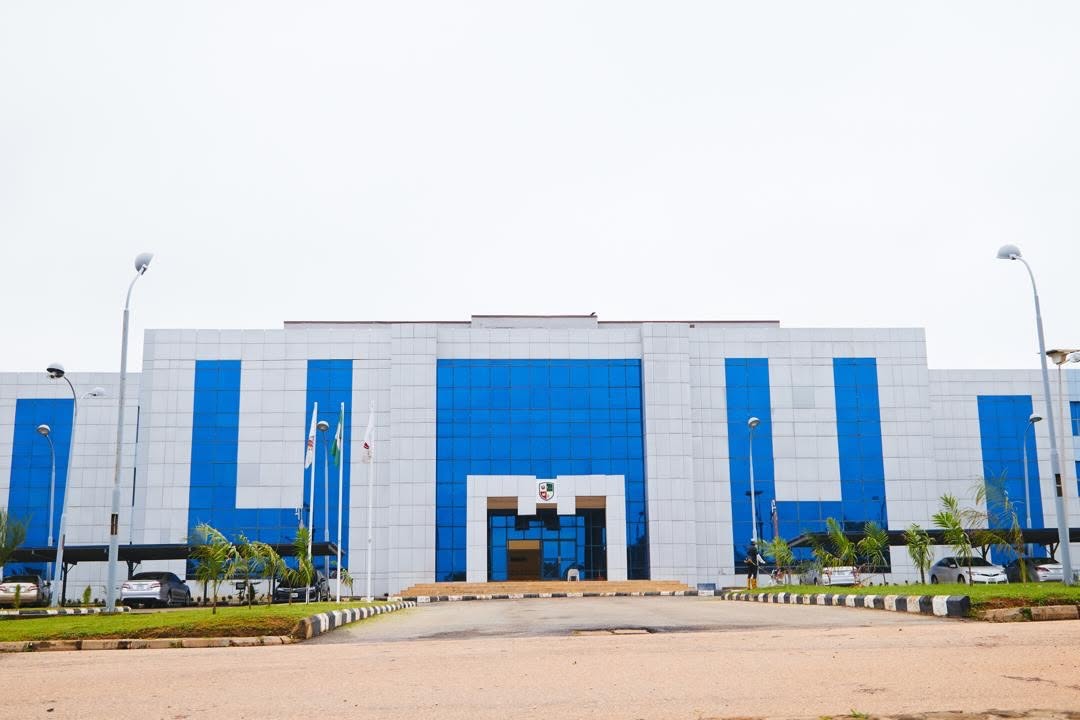
The National Board for Arabic and Islamic Studies (NBAIS) has come under scrutiny after allocating N18.049 billion of its N26.47 billion 2026 budget to staff salaries and allowances, representing 68 per cent of its total budget.

The agency, responsible for standardising and certifying Arabic and Islamic education across Nigeria, plans to spend N15.414 billion on salaries and N2.636 billion on allowances and social contributions for its workforce, according to budget documents.

While N146.6 million is earmarked for allowances, N2.489 billion has been allocated for social contributions, including N770.15 million for the National Health Insurance Scheme and N1.540 billion for staff pensions.

The remaining 32 per cent of the budget covers N318 million for overhead costs and N8.104 billion for capital expenditure.

The board has also set aside over N2.5 billion for projects including road construction, solar streetlights, food distribution, and social media training across Kano, Katsina, Kogi, and Zamfara States.

Notable allocations include N210 million for road construction in Kano Central Senatorial District, N175 million each for solar street lights in three Kano LGAs, and N28 million for rice distribution in Zamfara State.

A combined allocation exceeding N1.5 billion has been made for solar street light installations across multiple Kano LGAs, with amounts ranging from N140 million to N175 million per local government area.

Dr Umar Yakubu, Executive Director of the Centre for Fiscal Transparency and Public Integrity, called for the board’s scrapping, describing it as a duplication of existing agencies.

“First of all, we create agencies we don’t need. How can you create a whole agency just to conduct exams when you can easily give that role to WAEC, JAMB or other bodies?” he asked.

Yakubu alleged that “90% of the staff don’t have work to do,” adding that the EFCC has been investigating corruption allegations at the agency for years.

Public analyst Lasisi Olagunju highlighted the disparity in spending, noting that NBAIS’s personnel expenses exceed the entire personnel budget of NECO (N15.53 billion), NUC (N4.216 billion), NBTE (N1.843 billion), and NCCE (N1.306 billion).

“How many workers does the National Board for Arabic and Islamic Studies have in its employment to justify a personnel bill of more than N18 billion?” Olagunju queried.

Sources within the agency, speaking on condition of anonymity, revealed that the board has approximately 6,000 staff members. Some employees admitted to having little to no work, with one headquarters staff member stating: “I come to work twice a week because there is nothing for me to do.”

NBAIS was recognised as a national examination and regulatory body in 2011 following approval by the National Council on Education, covering over 1,600 public and private schools and more than 5,000 Tsangaya schools.

The agency’s Head of Information, Abdul Salam Ramalan, promised to respond to inquiries after consulting with his principal but had not done so at the time of filing this report.

Kogi Poly Suspends Six Lecturers Over Allegations Of Sex-for-Grades, Cultism

By Anwar Usman

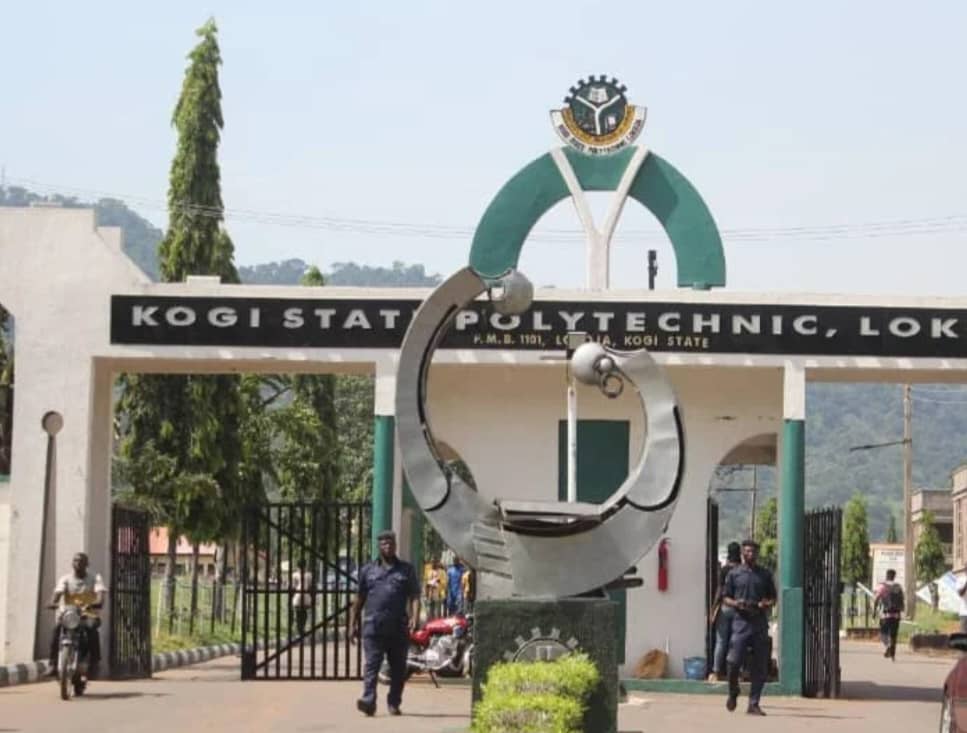
The management of Kogi State Polytechnic, Lokoja, has suspended six lecturers allegedly found selling unauthorised handouts and textbooks, while another lecturer has been suspended over alleged sexual harassment as the institution investigates claims of sex-for-grades, cultism and other related offences.

This was disclosed by the institution’s spokesperson, John Onimisi, in a statement issued on Sunday in Lokoja.

“Six lecturers on Wednesday, July 22, 2026, were suspended by the management of the institution for the unauthorised sale of handouts and textbooks, while a lecturer was also suspended for alleged sexual harassment”, the statement partly read.

The incidence comes amid growing concerns over allegations of sexual harassment, cultism activities and other forms of indiscipline within the institution.

Sources within the polytechnic revealed that some lecturers had been requesting sexual favours or money from female students in order to obtain good grades, while cult activities had also resurfaced on campus.

One source claimed that disciplinary measures introduced by the previous administration had weakened, emboldening erring staff and students.

Reports further alleged that some female students who reported incidents of sexual harassment had received little institutional support and were instead subjected to intimidation.

Other claims included the alleged reintroduction of compulsory handout sales, relaxation of the institution’s dress code and enforcement of student identity cards, all of which, according to the source, had contributed to declining discipline on campus.

However, while reacting to the allegations, Onimisi said the management was already investigating the claims through the institution’s disciplinary committee.

He assured that appropriate action would be taken based on the outcome of the investigation.

He reiterated that “the school management is aware of the allegations, and the disciplinary committee of the Polytechnic is already investigating them. The outcome will be made available to journalists in due course.

FG suspends WAEC, NECO Fee Hike Following Public Outcry

By Anas Abbas

The Federal Government has withdrawn its recent increase in registration fees for the West African Senior School Certificate Examination (WASSCE) and the National Examinations Council’s (NECO) Senior School Certificate Examination (SSCE), following widespread criticism from Nigerians.

The Director of Press and Public Relations at the Federal Ministry of Education, Boriowo Folasade, announced the suspension in a statement on Monday, confirming that the letter dated June 18, 2026, which had communicated the new fees, has been withdrawn pending further review.

According to the ministry, the initial proposal was driven by rising operational costs, covering logistics, security, printing, technology deployment and quality assurance, needed to maintain credible national examinations, noting that registration fees had stayed largely the same for years despite these growing expenses. 

However, Minister of Education Dr Maruf Tunji Alausa has now directed that the plan be put on hold in the interest of a more inclusive and transparent policy process.

The ministry said it would consult more broadly with examination bodies, state education ministries, school administrators, parents’ groups, labour representatives and other stakeholders before any new fee structure is considered. 

It added that the review would not proceed until this consultation process concludes, and reaffirmed its commitment to protecting students’ welfare and equitable access to education.

The fee increase had drawn sharp criticism from prominent Nigerians, including African Democratic Congress (ADC) presidential candidate and former Vice President Atiku Abubakar, who had described the hike as insensitive to the realities facing Nigerian families.

BUK Clinches Top Honour at National NHEF Faculty Capstone Competition

By Hadiza Abdulkadir

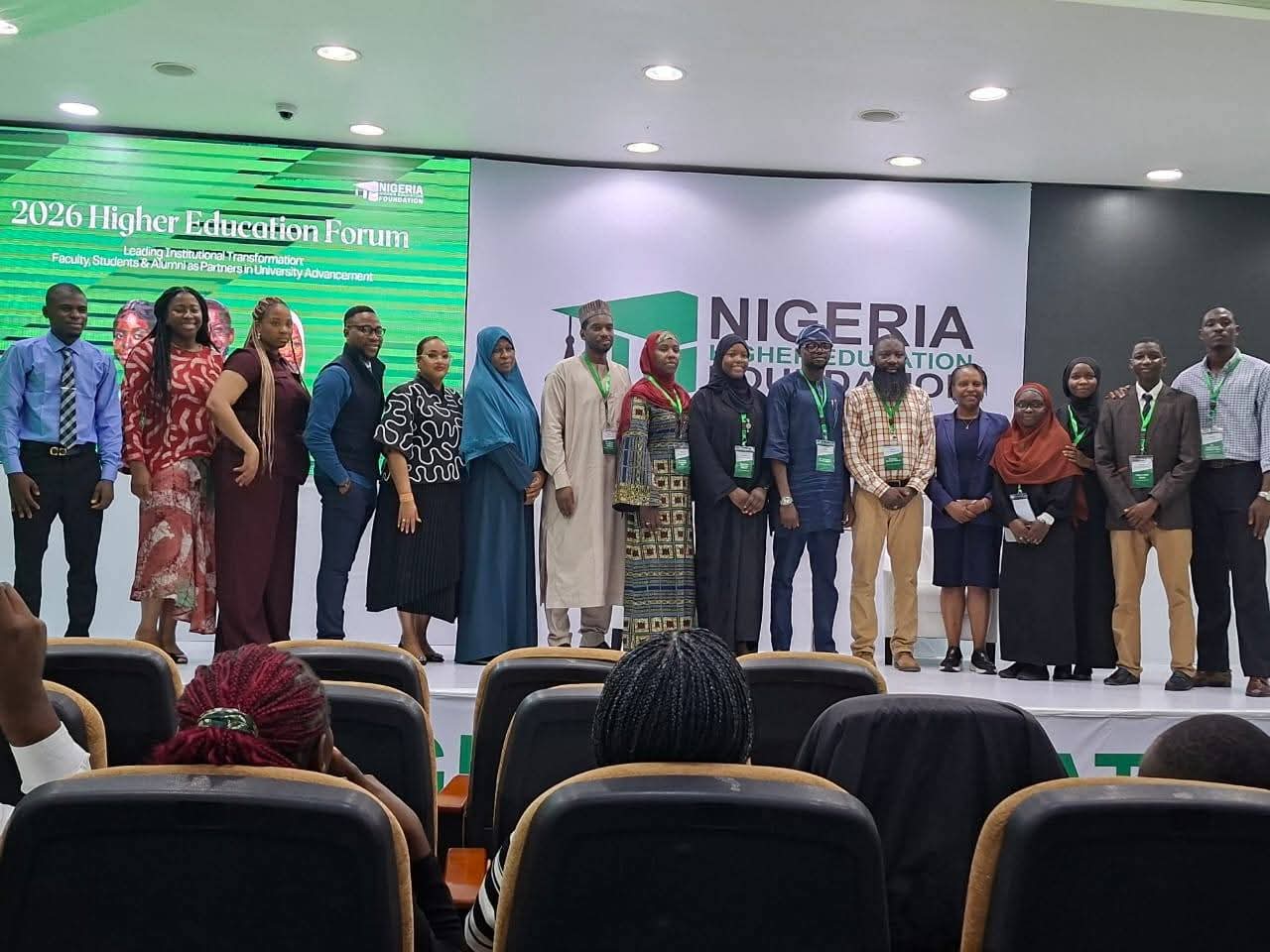
Bayero University, Kano (BUK), has emerged as the overall winner of the Nigeria Higher Education Foundation (NHEF) Faculty Capstone Project Competition, defeating six other federal universities in a keenly contested event held in Victoria Island, Lagos.

The competition, which brought together faculty teams from Ahmadu Bello University, Zaria; the University of Ibadan; the University of Lagos; the University of Nigeria, Nsukka; and the University of Port Harcourt, saw BUK’s delegation distinguish itself through exceptional innovation, collaborative synergy, and academic rigour.

The victorious BUK team was represented by Dr. Shukrah Bello, Dr. Adamu Abubakar Rasheed, Dr. Halima Abdulkadir Idris, Dr. Ibrahim Shehu Dauda, and Dr. Adenekan Lanre Qasim. Their outstanding performance not only secured the top prize but also brought national acclaim to the Kano-based institution.

In a statement following the victory, the team expressed deep gratitude to the university’s management, led by Vice-Chancellor Professor Haruna Musa, FSI, praising his administration’s unwavering commitment to staff development and institutional support, which they credited as instrumental to their success.

The latest feat adds to BUK’s growing stature as a beacon of academic excellence and leadership within Nigeria’s higher education landscape, reaffirming its position among the country’s foremost centres of learning and innovation.

FG Approves N50,000 Uniform Fee for WAEC, NECO Exams

By Abdullahi Mukhtar Algasgaini

The Federal Government has approved a new uniform registration fee of Fifty Thousand Naira (N50,000) for the Senior School Certificate Examinations (SSCE) conducted by both the West African Examinations Council (WAEC) and the National Examinations Council (NECO).

The approval was conveyed in a letter dated March 31, 2026, from the Office of the Director of Senior Secondary Education at the Federal Ministry of Education, addressed to the National Examinations Council.

According to the letter signed by Mr. Adeniji Ibrahim, Director of Senior Secondary Education, the decision followed a meeting of Examination Bodies held with the Honourable Minister of Education, where the need for an upward review of examination fees was extensively discussed.

During that meeting, the Minister directed that both WAEC and NECO should adopt a uniform fee structure for the conduct of their SSCE examinations. The newly approved fee of N50,000 applies to both examination bodies.

The directive, which takes immediate effect, mandates that all relevant stakeholders be informed of the new fee regime. The letter concluded with warm regards from the Honourable Minister to all parties concerned.

This development comes amid growing concerns over the rising cost of education in Nigeria, with stakeholders expected to weigh in on the implications of the new fee structure for students and parents nationwide.

Sexual Harassment: MAAUN Reaffirms Zero-Tolerance, Says Accused Lecturer’s Appointment Expired 

By Uzair Adam 

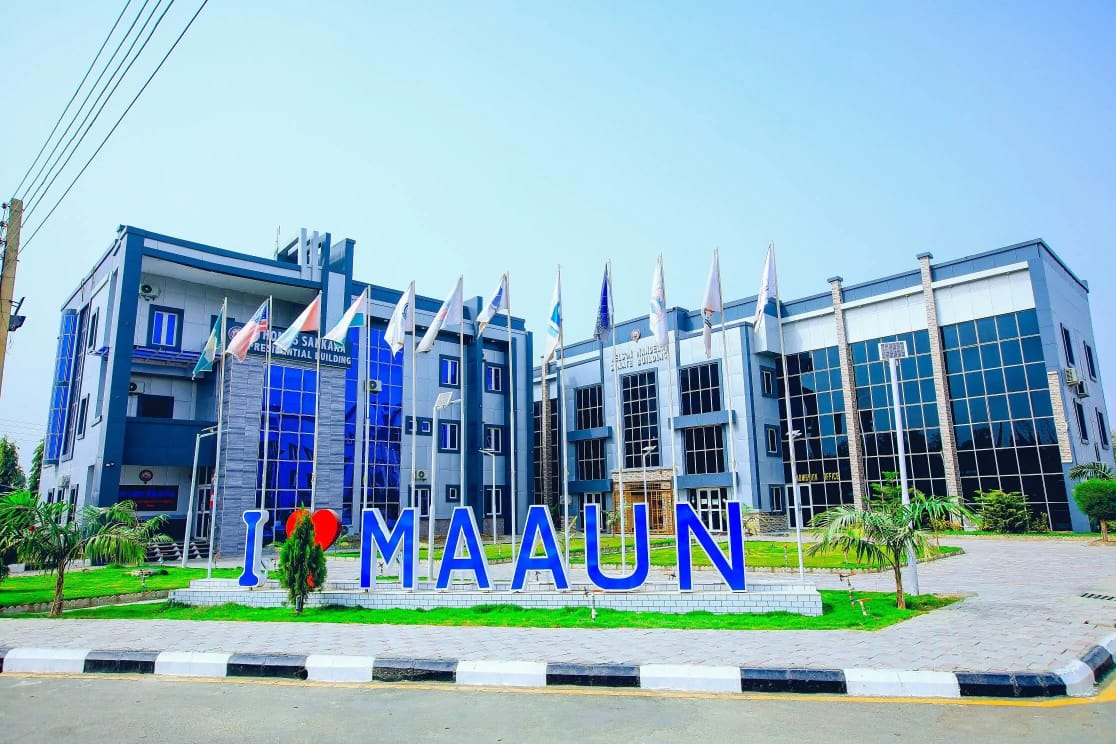
Maryam Abacha American University of Nigeria (MAAUN), Kano, has clarified that Dr Nasa’i Gwadabe, who has been linked to sexual harassment allegations circulating on social media, is no longer a member of its academic staff, while reaffirming its zero-tolerance policy on sexual harassment, abuse and exploitation.

The clarification was contained in a statement issued on Thursday and signed by the university’s Registrar, Habibu Awaisu, who said Dr Gwadabe’s one-year appointment as a Visiting Lecturer expired in May 2026 and was not renewed.

The statement followed allegations that Dr Gwadabe attempted to sexually harass a female student who was reportedly under his academic supervision.

The allegations drew widespread public attention after a video circulated on social media showing the lecturer being assaulted by some men. 

Social media users alleged that the men were the student’s husband and his friend, who reportedly lured him to a location where he had allegedly arranged to meet the student.

“The Management of Maryam Abacha American University of Nigeria wishes to clarify recent reports circulating on social media regarding Dr Nasa’i Gwadabe,” the statement read.

“His one-year appointment ended in May 2026 and was not renewed. He is therefore no longer affiliated with MAAUN.”

The university explained that visiting lecturers are employed on one-year contracts, with renewals based on satisfactory performance, institutional needs and management approval.

According to the statement, Dr Gwadabe’s contract expired alongside those of several other visiting lecturers, stressing that the decision not to renew his appointment was unrelated to the allegations currently attracting public attention.

The management reiterated that MAAUN maintains a strict zero-tolerance policy on sexual harassment, abuse and exploitation.

It added that the university’s founder had instituted a N5 million reward for any female student who reports and provides credible evidence of sexual harassment or sexual assault involving any lecturer or staff member through the appropriate reporting channels.

The university also dismissed claims circulating online that a student was delayed for two years because of the alleged misconduct or that one of the alleged victims was a postgraduate student.

According to the statement, both claims are false, noting that MAAUN only recently graduated its first set of students and has yet to commence postgraduate programmes.

The management urged journalists and members of the public to report the matter accurately and avoid referring to Dr Gwadabe as a current staff member, insisting that his affiliation with the institution ended in May 2026.

To support its position, the university released a letter dated April 27, 2026, signed by its President, Prof. Mohammad Israr, notifying Dr Gwadabe that his application for reappointment as a Senior Visiting Lecturer had been unsuccessful.

Bridging the Divide: A Student’s Take on Nigerian Education

By Saifullahi Attahir

In our class of 76 MBBS students, about 25 are from Jigawa State, while 51 (68 per cent) are from outside the state, which is a common admission criterion at a public federal university in Nigeria. An appreciable proportion of those 68 per cent have transitioned through private education at either nursery, primary, or secondary level.

Even among the 25 students from Jigawa State, another proportion had the privilege of a private education at either the nursery, primary, or secondary level. Among those who attended only public schools, a large share came from the ultra-top 5 public schools in the state: Academy for the Gifted and Talented Bamaina, Science Secondary School Kafin-Hausa and Gumel, Dutse Model International, Government Girls Secondary School Jahun, and Taura.

These ultra-top public schools have an entirely different educational model and standards. Entry requires a special Common Entrance Examination. They were referred to as Science Board Schools, a replica of the two famous Dawaki’s (Dawakin Kudu/Dawakin Tofa). Their standards were levelled with those of the private schools, with special tutors rotated amongst themselves and better living conditions enabling study.

From this survey, you can conclude the role that private schools played in producing the right candidates for high-demand university courses in Nigeria, like Medicine, Engineering, and Law, where public schools are no longer capable of filling the gap. If you were not fortunate enough to be from those private or model public schools, your chances of scaling through to read high-demand courses are very low.

In such exotic professions, people coming from my type of public secondary school (Government College Birninkudu) are the 1 per cent. Even for that 1 per cent chance, I had to spend more than 7 years reconstructing and rediscovering, and finally, with God’s assistance, I got a chance. It’s very difficult to get direct admission right from secondary school. This is not just my story, but the story of thousands from those types of public institutions.

In my graduation year 2009, out of a population of more than 1,000 students, only 2 got admission to read MBBS, and less than 15 got direct university admission that year. Not more than 30 have got into professional courses like Engineering, Accounting, Quantity Surveying, Pharmacy, Software Engineering, or Law to date.

The question is: what is the fate of other students from more than a hundred other public secondary schools who were not fortunate enough to secure admission into the top universities across the country? They ended up giving up studying or taking courses that do not directly contribute to their individual or national economic growth.

This trend is similar in 2009 as in 2026, and similar across the entire country. Students ended up studying courses they neither willingly chose nor enjoyed. The end result is a waste of talent, for there is no way you can be outstanding in any work or field that you lack passion for. The fault was not entirely theirs, for they love to study, but were either bereft of the orientation, skills, and adequate knowledge to compete amongst their peers from private schools during university entrance examinations.

The difference lies not just in the disparity in financing efforts but in the commitment rendered. Some public schools receive more funding than many private institutions, including for staff salaries, overhead, and staffing levels. But still, that will not amount to any significant change. The majority of the ruling class have their children in private schools, so it’s easy to understand the lack of commitment.

The system barely rewards excellence. Hardworking and brilliant teachers who further their studies to earn a Master’s or PhD never return; instead, they search for other high-paying jobs. These were automatically replaced by less deserving teachers or teachers without the same energy and enthusiasm, hence the continuous drop in teaching standards.

Most of those students are hardworking and willing to escape the poverty surrounding them. But hard work is not enough here; they need a compass, direction, and tools, which were mostly absent or inadequate in those public-run facilities.

The cancer is not just in secondary school education. The problems of our tertiary institutions are mostly their failure to translate the knowledge imparted into direct national development. Some institutions are more consumers than producers. Graduates should be equipped with the right skills to become productive members of their societies.

Graduates ending up taking jobs that even their peers who have not attended any college were not doing is quite frightening. That only leads to a more derogatory view of the system and the ongoing boycott and out-of-school population.

So many courses are now obsolete and have no relevance to the fast-changing world labour market. Even the so-called professional courses are now taught in such an old-fashioned manner that, immediately after graduation, students lose their relevance and become confused.

The courses should be taught in a way that reflects the current situation of the world. We should move with technology. We need to move fast to keep up with this dynamic generation. While paper and pencils are still relevant to us, the world has long moved on to Artificial Intelligence (AI), wireless, cloud computing, virtual reality, and genomics.

I still wonder why universities as large as Ahmadu Bello University, Zaria; University of Lagos; University of Ibadan; and University of Nigeria, Nsukka, with large student populations and billions in government allocations, are still spending millions to generate electricity despite having established faculties of engineering, renowned professors, and brilliant students.

We produce thousands of graduates in Agriculture, some with first-class grades, but rest assured, any GMO crops with high yield potential seen in this country must have come from either Brazil, Argentina, Thailand, China, or the US.

This is a story of first-generation universities, let alone the third-generation universities, state-owned colleges, and polytechnics.

We should have a national priority, as in India, where the majority of students pursue degrees in Engineering, Computer Science, or Medicine/Pharmacy. That’s the only way to rapid economic growth. Subsidies, stipends, and scholarships should be attached to those courses to attract youth.

In Nigeria, we should prioritise Engineering, Computer Science, and Agriculture more than Medicine and Law degrees. Production and creativity are the only solutions to our poverty and alarming population growth. I’m not advocating a total boycott of other courses, but there must be a target in which a large number of candidates are required to read certain disciplines.

The reason I prioritise Engineering over Medicine is the entitlement mentality many Nigerians have, who end up studying medical courses just for the ready-made job opportunity, without the passion or vision to contribute to national development.

Producing more doctors may not guarantee a rise in national gross domestic product (GDP), but surely a country with more productive engineers will see increased production, lower unemployment, lower crime rates, greater well-being, less malnutrition, and even fewer diseases.

China and Russia are living examples of the wonders engineering can do for a country. I’m not promoting any profession over another; I’m talking about national economic growth, numbers, and productivity index.

Some parts of this country already understand this crucial reality. Looking at the Joint Admissions and Matriculation Board (JAMB) results for the past 5 years, the top-scoring candidates with scores above 320 from the South West and South East of this country were mostly from private schools. The most striking fact was that 95 per cent were applying to read Software Engineering or Mechatronics at the University of Lagos or the University of Ibadan, not the usual MBBS or Pharmacy. That’s the future now!

The most devastating fact is that Arewa (Northern Nigeria) is still battling out-of-school children. Even those in school are better off not being there, for the majority of the students memorised more names of Hausa movie actresses and season films than the Chemistry Periodic Table or quadratic equations!

However, when the poverty index spots us, we start shouting marginalisation and all sorts of victimisation excuses. You can’t grow while continually shifting blame or expecting a change from outside yourself. We need rigorous introspection.

It’s not all without hope. Some examples highlight the feasibility of improving the system. States like Yobe will produce wonders in the next 25 years.

 Their consistently sound educational policies have already begun to yield positive outcomes. Other willing states in the country, especially in the North, should copy similar approaches. Their approach to sponsoring brilliant young minds to prestigious colleges and other key interventions is quite rewarding in the long term.

Saifullahi Attahir is the President of the National Association of Jigawa State Medical Students (NAJIMS), the National Body. He writes from Federal University Dutse, wrote via saifullahiattahir93@gmail.com.
Presidency Renames PTDF College in Kaduna After Shehu Musa Yar’Adua

By Muhammad Abubakar

The Federal Government has renamed the PTDF College of Petroleum and Energy Studies in Kaduna in honour of the late Nigerian statesman, Shehu Musa Yar’Adua.

According to a statement issued by the management of the Petroleum Technology Development Fund (PTDF), the institution will now be known as the General Shehu Musa Yar’Adua University of Geological Sciences and Engineering Technology. The renaming follows a presidential directive by Bola Ahmed Tinubu.

PTDF said the decision recognises Yar’Adua’s contributions to national unity and Nigeria’s democratic development. The fund assured stakeholders that all academic programmes, partnerships, and institutional operations would continue without disruption under the university’s new identity.

The institution is expected to maintain its focus on research, specialised training, and engineering technology development aimed at supporting Nigeria’s oil, gas, and renewable energy sectors.

China Cuts Thousands of University Degree Programs in Major Education Overhaul

By Hadiza Abdulkadir

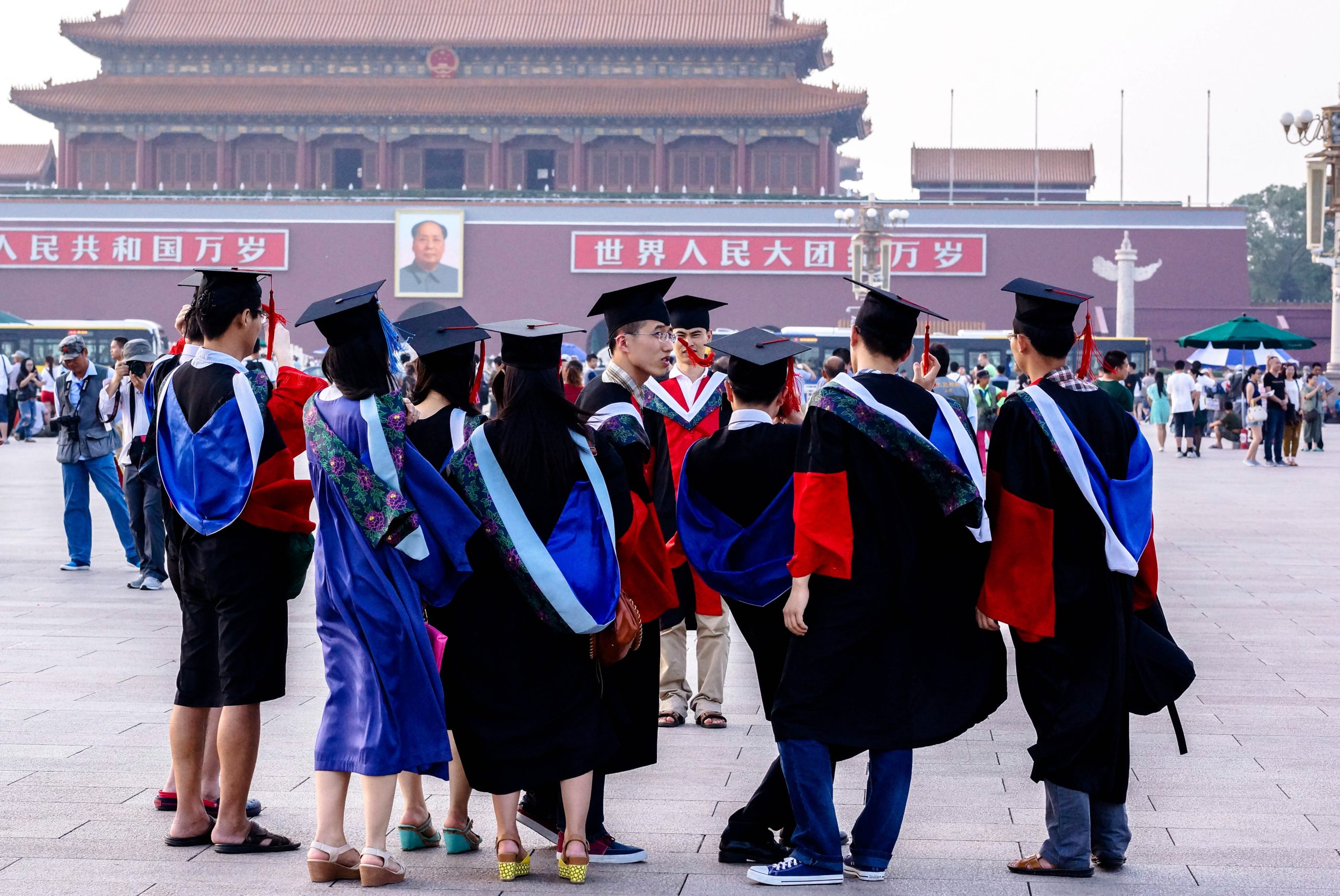
China has removed or suspended more than 12,000 university degree programs as part of a sweeping reform aimed at aligning higher education with the country’s economic and technological priorities.

According to data from China’s Ministry of Education, universities revoked or suspended about 12,200 undergraduate programs between 2021 and 2025 while introducing roughly 10,200 new ones. The changes affected more than 30 per cent of university programs nationwide. The cuts were concentrated in arts, humanities, foreign languages, and management-related disciplines.

Programs such as English literature, product design, and public administration were among those affected as universities reviewed courses deemed obsolete or less closely aligned with current labour-market needs.

The reforms come as China seeks to address a graduate employment challenge and strengthen its position in advanced technology industries. Officials and university administrators have increasingly emphasised programs that are seen as supporting national development goals and emerging sectors.

To replace the discontinued programs, universities introduced thousands of new degree offerings focused on advanced technologies and strategic industries. New majors include embodied intelligence, semiconductor engineering, and brain-computer interface technologies, among other fields linked to artificial intelligence and high-tech manufacturing.

The overhaul reflects Beijing’s broader ambition to build a highly skilled workforce capable of supporting innovation, technological self-reliance, and long-term economic growth. Supporters argue the reforms will improve graduate employability, while critics warn that reducing opportunities in the humanities could weaken intellectual diversity and critical inquiry within universities.

As China continues to reshape its higher education system, the reforms are likely to attract close attention from policymakers and educators around the world who are grappling with similar questions about the future of work and the role of universities in a technology-driven economy.

Professor Gumel Makes History in Global Mathematical Biology Leadership

By Muhammad Abubakar

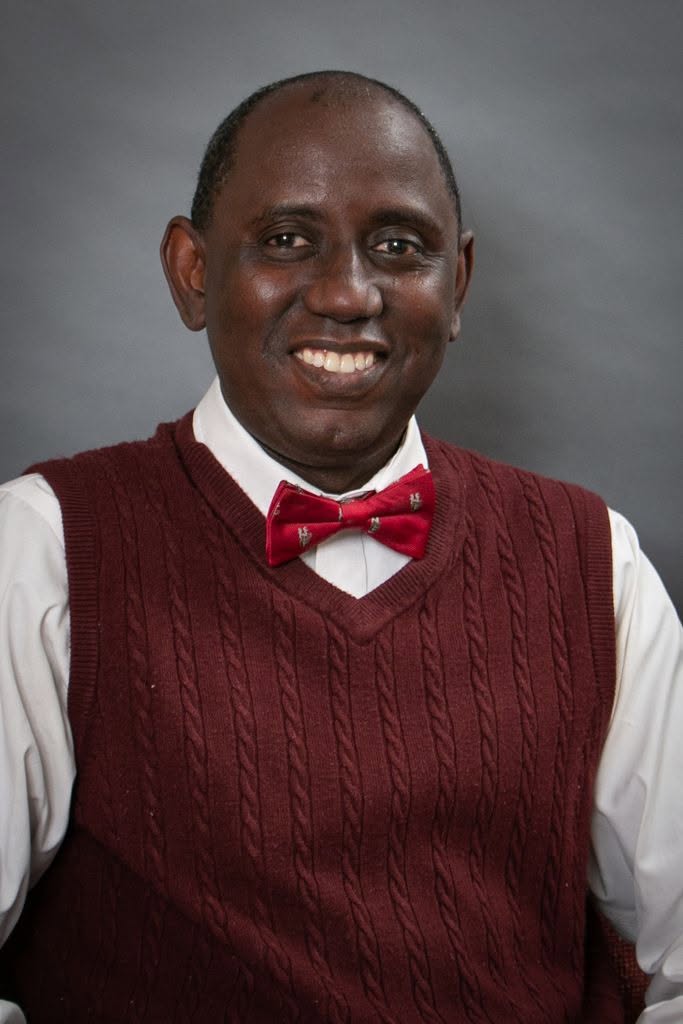
A renowned mathematician and infectious disease modeller, Professor Abba B. Gumel, has been elected President-Elect of the Society for Mathematical Biology (SMB), becoming the first African to attain the prestigious position.

The announcement was celebrated by academics and researchers across the world, including Dr Salihu Sabiu Musa, who described the achievement as a major milestone for mathematical biology and African scholarship.

The Society for Mathematical Biology is one of the world’s leading professional organisations dedicated to advancing research and education at the intersection of mathematics and the life sciences.

Professor Gumel is internationally recognised for his pioneering contributions to infectious disease modelling, particularly in the study of epidemics and public health challenges. His work has influenced scientific understanding of disease transmission and informed public health responses globally.

According to Dr Musa, Professor Gumel’s election reflects his outstanding scholarship, leadership, and commitment to mentoring students and early-career researchers. He noted that the professor has inspired and supported countless scientists worldwide through his research and academic guidance.

Scholars have described the development as a significant achievement for Africa, highlighting the growing global impact of African researchers in science, technology, engineering, and mathematics.

Professor Gumel is expected to help shape the future direction of mathematical biology as the field continues to play an increasingly important role in addressing global health and environmental challenges.