Month: October 2026

The Pervading Culture of Intimidation in Nigeria 

By Emy Okpara

Across the length and breadth of Nigeria, there’s a foreboding that pervades. It is palpable and tense. Instigated by a new culture of intimidation that reminds one of the Gestapo. The average Nigerian citizen has been chiselled into silence in a way never before seen!. What’s even more worrisome is the fact that this has become the norm across the board. Since Nigeria returned to democracy in 1999, the average Nigerian citizen has never faced this level of intimidation from both the government and fellow citizens. 

Interestingly, this new wave of intimidation of citizens has continued to gain traction in recent times. Not only are citizens locked up for demanding accountability from the government; individual citizens have formed the habit of intimidating fellow citizens! The case of Mrs Love Dooshima, who was recently arrested and detained by the police on the orders of the CEO of Bon Bread, comes to mind. For reviewing a storybook for primary school children, a young mother of two was also arrested by the author. With state institutions now willing to be abused by the highest bidders, citizens live in constant fear and trepidation. 

In the University of Nigeria, Nsukka, a visually impaired student who complained about the deplorable state of the hostel facilities attracted the ire of the school management. They swiftly swung into action, not to address his concerns but to eject him from the hostel facility! Sadly, all this happened while fellow students looked on, a testament to the fact that Nigerians are gradually losing their ability to fight back. In the past, such actions against a student would have been met with stiff resistance. 

On March 26, 2026, Winnie Miller was allegedly assaulted by the local government chairman of the Ahoada West local government area of Rivers State for posting the dilapidated state of a school in her community. Examples like this have become commonplace in Nigeria, and we cannot list them all. 

The times are perilous in Nigeria, and as a concerned citizen, it has become expedient to ask: for how long will this suppression of the people’s rights to freedom of speech continue? More often than not, government institutions like the police and the army have become willing tools in the hands of the oppressors. By all indications, these institutions now pledge loyalty to individual officeholders rather than serving the public interest. 

In April 2026, Nigerians witnessed two disturbing incidents: the first was the gruesome murder of Oghenemine Ogidi in broad daylight by men of the Nigerian police force in Delta State. Human rights activist Justice Mark Chidibiere (Justicecrack) was abducted for daring to amplify the voices of men of the Nigerian army who cried out for better welfare. It took the timely intervention of well-meaning Nigerians and civil society for the Nigerian military to release him after 48 hours! 

There is a well-calculated attempt to beat the average Nigerian into submission. Unfortunately, this new trend is being enabled by the judiciary’s tacit permission. It is now common practice to hear frivolous judgments without justice from the very institution meant to uphold justice! Our legal practitioners have sold their conscience for a morsel of porridge! Judges now scramble to run errands for politicians, all in exchange for choice houses.

Nigeria, a supposed democratic nation, now operates without the tenets of the rule of law. Hundreds of Nigerian citizens are languishing in Nigerian prisons owing to the filibustering antics of the judiciary. Justice is no longer the hope of the commoner but the exclusive preserve of the high and mighty. The constitution, which is supposed to be the grundnorm, no longer holds supremacy. 

It is indeed sad that we are gradually building a society where feedback is no longer tolerated. Why should diversity of opinion become a crime? How did we get here? More worrisome is the fact that while law-abiding citizens are constantly being harassed and intimidated, criminal elements are left to roam freely. 

A situation where institutions of the state funded by the taxpayers become an instrument of oppression against the citizens they are supposed to protect is a recipe for disaster. Nigeria is sitting on the precipice if this is allowed to continue. On no account should citizens be subjected to torture for seeing things differently. In a democracy, freedom of expression is a fundamental human right which every citizen must enjoy. The fact that most Nigerians are now made to live in fear violates that constitutional right.

Nigerians must understand what the goal of the political class is: silence opposing voices through fear and intimidation to establish their dynasties! It is not by accident that most of their wards are now contesting for political offices. Only our silence can enthrone their dominance, and after serving the fathers, we will serve their children! It is in our collective best interest to keep raising our voices against oppressive tendencies. We cannot afford to be silent at moments like this because we will have an eternity of silence when we pass on. 

On the other hand, those in positions of authority must realise that power is transient and that they hold these offices in trust for the people. This tradition of intimidation will not persist for long because the power of the people is far greater than the power of those in office. Nigeria is a constitutional democracy, and it is still well within the rights of individual citizens to speak against unfavourable government policies without fear or favour. 

As citizens, we must remain resolute and steadfast; refuse to be silenced! We must use our voices and numbers to continue demanding accountability from those whom we have placed in positions of authority. Our strength lies in our numbers. No government can be more powerful than the people it is meant to serve. Therefore, we must continue to stand together as one in demanding a Nigeria that works for all.

Emy Okpara wrote via emyokparaoo1@gmail.com.
The Strong Thing that the 2023 Election Did to Banky W

By Ugochukwu Ugwuanyi

Full disclosure: I had the song “Strong Ting” by Banky W on auto-repeat in my music playlist while in the world. Be that as it may, that’s by the way!

“…But David encouraged himself in the Lord his God.”

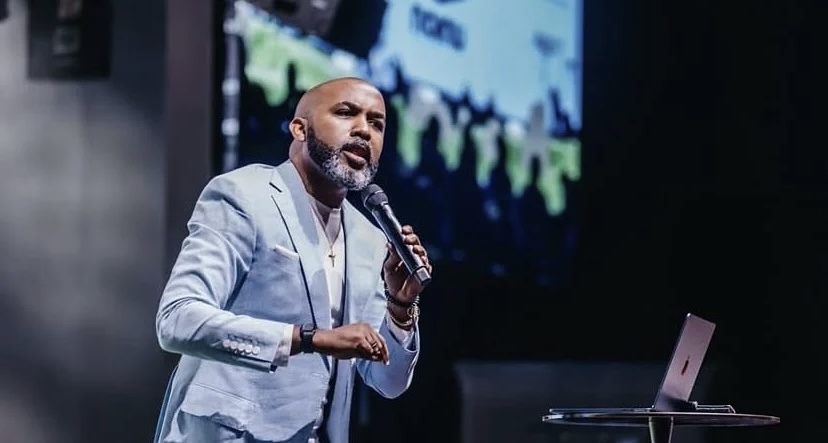
Nigerian singer and filmmaker Bankole Wellington, better known as Banky W, relived this aspect of 1 Samuel 30:6 after losing his bid for the Eti-Osa Federal Constituency seat in the House of Representatives during the 2023 general election. Finding courage in the Lord like David did when distraught and threatened, Banky found clarity amidst the maze and melancholy.

We will get to this momentarily, but not before ridding the elephant in the room. That would be the streets and cynics taunting: “Who send am go run for election?” or something like, “Couldn’t he have seen that the odds were stacked against him?” If his instincts couldn’t, how about his spiritual discernment as a man of God? The comment section also has others asking why he’s giving up so easily by not trying “his luck again” or worming his way into the good graces of the prevailing political establishment.

Politicians, particularly of the Nigerian stock, are Pollyannaish in nature. In fact, it seems a major qualification to be a politician in Nigeria is an overbloated sense of one’s worth or extreme optimism. They hardly give up on their ambitions. Banky W not being on the ballot in this round of elections affirms his epiphany or Road to Damascus experience.

In a post on his Instagram page this Thursday, @bankywellington wrote, “In 2023 I lost an election. And while the experience inspired me in many ways, it also broke my heart into a million little pieces. When the dust settled, I took those pieces back to God. And I surrendered.” We commend him for turning to God like David did when he seemingly lost it all. How great is the Lord to have successfully mended a heart shattered into a million fragments! This is why, upon life’s billows, people should run to, not away from Him. Perhaps those jostling for political positions in Nigeria’s 2027 election will, by Banky’s testimony, learn how to snatch victory from the jaws of defeat when the chips are down.

It is in the character of many to pick a quarrel with God when things don’t work out as planned. Such persons should heed the admonition of the tried and triumphant Job by acquainting themselves with God, and be at peace: so that good can come unto them (Job 22:21). If only the aggrieved had a sense of the big picture, they would see that the good Lord has not called the seed of Jacob to seek Him in vain. Even when you have acted in spite, or volitionally, the loving Father’s penchant for turning a mess into a message makes Him to bestow on you “a crown of beauty instead of ashes, the oil of joy instead of mourning, and a garment of praise instead of a spirit of despair” (Isaiah 61:3).

Banky W is definitely better off currently than he would have been holding a political office. That’s probably why he is out of the 2027 polls. This isn’t about him working as a teacher and leader at Union College in the United States, but about what his koinonia with the Holy Spirit can bring. We congratulate the music label boss, who significantly propelled the career of Grammy-grabbing Wizkid as the EME honcho, for being able to expressly hear from the Lord and align with the Almighty’s will for his life. Hear him again: “One year later, I’m reminded that sometimes what feels like the end of your story is really just God turning the page. The election didn’t go the way I hoped. But God’s plans for my life are bigger than the plans I had for myself.”

We can now see that all things work for the good of those who love him, who have been called according to his purpose. If not for his loss at the polls, Banky wouldn’t have come to a better and beneficial understanding of God. This brings us back to whether he didn’t get Heaven’s green light before initially throwing his hat in the ring. That could also have been God’s means of helping the prodigiously talented celebrity actualise destiny. Notice that while acknowledging God’s expansion of his assignments, he didn’t list politics. As it were, not even the “P” in his P.Banks moniker was cited as representing “politician.” “I used to joke that the ‘P’ in P.Banks stood for Professor, not Pastor. I guess God heard and said, ‘Why not both?’” he wrote. It pays greatly to know and follow the divine will for one’s life.

The consciousness of God in your corner would never allow you to turn the curveball life throws at you into an own goal. But this requires subjecting your will to His on every matter. That word “surrendered,” as used by the former secular singer, is basically what is needed. So many people have missed it in life and destiny because they couldn’t yield. We advisedly used “couldn’t” since some people are eager to be led but don’t know how. Come to think of it, how can someone not desire being led by the Lord? The fact that politicians are no longer making a singsong of “follow who know road” in this electioneering season doesn’t mean that the street wisdom is no longer valid. How much more the privilege of having to follow the Road (no pun intended – John 14:6).

King David absolutely knew what he was talking about when he declared in Psalm 23, “The LORD is my shepherd; I shall not want.” The ensuing verses list other amazing benefits. God rewards those who diligently seek Him. Graciously, He is not hard to find. Verses in the Old and New Testaments affirm this much. Jeremiah 29:13: “You will seek me and find me when you seek me with all your heart.” Matthew 7:7: “Ask and it will be given to you; seek, and you will find; knock and the door will be opened to you.” In reality, He is the one actually doing the seeking. This is why He said in Revelation 3:20, “Behold, I stand at the door, and knock: if any man hear my voice, and open the door, I will come in to him, and will sup with him, and he with me.”

Nonetheless, without bothering ourselves with the semantic symmetry between seeking and following God, the Good News is that both spiritual endeavours are enabled by the same manual – the Bible. You seek and know God by studying and meditating on His Word. For sure, there are Sons who can hear God directly and clearly; they all started from somewhere – a hunger for the Word of God. You’ve got to begin from the known to the unknown. In the main, be sure not to dissent as you discern!

VIS Ugochukwu is a sage, storyteller, and branding specialist who welcomes feedback at nmiringwu@gmail.com.

Adeleke Backs Tinubu’s Re-Election Bid, Says APC Will Return To Aso Rock

By Sabiu Abdullahi


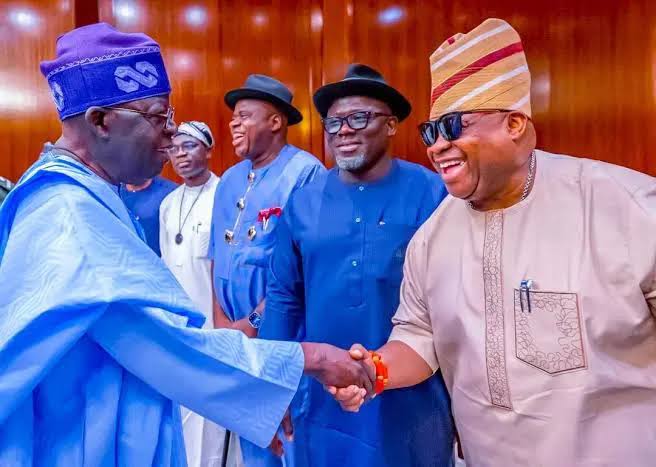
Osun State Governor, Ademola Adeleke, has declared support for President Bola Tinubu’s bid for a second term in office, expressing confidence that the All Progressives Congress (APC) will retain the presidency in the 2027 general election.

Adeleke made the declaration on Wednesday at the inauguration of the APC Presidential Campaign Council (PCC), where he urged Nigerians to give Tinubu more time to implement his administration’s reform agenda.

The governor expressed optimism about the ruling party’s electoral prospects and called on its supporters to sustain their efforts ahead of the 2027 polls.

He argued that a single four-year term would not be sufficient for Tinubu to fully implement his proposed reforms, urging Nigerians to remain patient with the administration.

“Nobody can stop this movement. We shall dance all the way back to Aso Rock.

“We must give our father, the President of this nation, time for his reforms to work. It’s not easy. Four years is not enough,” Adeleke said.

The Osun governor also called for greater emphasis on action rather than rhetoric, noting that efforts were already underway to secure Tinubu’s re-election.

His declaration signals support for the President’s second-term ambition as political activities and preparations for the 2027 general election continue to gather momentum.

Simeone Hails Lookman After Super Eagles Star Ends Goal Drought Against Man United

By Sabiu Abdullahi

Atletico Madrid manager Diego Simeone has described Nigerian forward Ademola Lookman as a key player for the Spanish side after he scored in their 2-0 victory over Manchester United in the UEFA Champions League.

Lookman came off the bench to find the net in the 79th minute of Tuesday’s encounter at the Riyadh Air Metropolitano, ending a six-match goal drought.

The Super Eagles forward reacted quickly to a rebound after United goalkeeper Senne Lammens parried Jonathan David’s effort, allowing the Nigerian to slot the ball into the net.

The goal marked Lookman’s second in all competitions this season and his 100th senior club goal, according to Transfermarkt.

Speaking after the match, Simeone praised the 28-year-old’s attacking qualities, particularly his scoring ability and skill in one-on-one situations.

“He is a very important player; he has very good stats, he scores goals, he is good in one-on-one situations,” the Argentine said.

However, the Atletico manager noted that Lookman was yet to consistently demonstrate his full potential, despite his return to scoring form.

“He is not at that point where that comes through, but he has rediscovered his scoring touch. He had the instinct to follow up the play and the rebound worked in his favour. We got the win we needed,” he said.

Atletico made an early breakthrough through Pablo Barrios, who scored within the opening minute of the match.

Manchester United’s hopes of recovering from the deficit suffered another setback in the 74th minute when defender Leny Yoro received a red card for fouling David as the last defender.

The victory extended Atletico Madrid’s winning streak to five matches, while Manchester United’s winless run reached five games.

Lookman’s goal is expected to provide a confidence boost as he seeks to establish himself further in Simeone’s squad and maintain his scoring form in the ongoing campaign.

IMF Warns Nigeria Against Fuel Subsidy Return, Urges Targeted Relief

By Sabiu Abdullahi

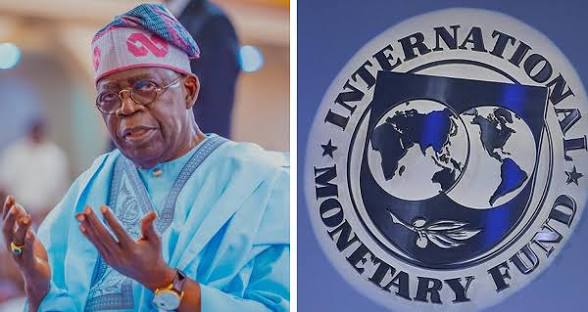
The International Monetary Fund (IMF) has cautioned the Nigerian government against restoring blanket petrol subsidies, advising it to direct financial support towards vulnerable households struggling with rising fuel and transportation costs.

Rodrigo Valdés, Director of the IMF’s Fiscal Affairs Department, gave the advice on Wednesday during the IMF and World Bank Group Annual Meetings in Bangkok, Thailand.

He was responding to growing calls for the reinstatement of petrol subsidies in Nigeria amid rising energy prices and political pressure ahead of the 2027 general elections.

Valdés acknowledged that increases in petrol and diesel prices could create significant political challenges for governments. However, he warned that subsidising fuel consumption for everyone could place an additional burden on public finances.

He said, “At the end of the day, it’s very tempting politically speaking because it’s not trivial the political effect of the price of oil, of fuels, of gasoline, of diesel.

“But you have to explain that this is a global shock, first. Second, that it’s very, very expensive for the country not to recognise that shock.

“And third, it’s much better to use some of that money that would be spent in the subsidies channelled towards more vulnerable people.”

The IMF official argued that targeted assistance would offer greater benefits to low-income households than a universal subsidy that applies to all consumers, regardless of their financial circumstances.

He also proposed transport support as a possible alternative to reducing petrol prices across the board.

“Yeah, gasoline could go up, and perhaps bus fees may be subsidised in a way. That is a much better policy at the end of the day than just a blanket subsidy for everybody,” Valdés said.

The IMF has consistently argued that universal fuel subsidies can strain public finances while disproportionately benefiting wealthier households, which typically consume more petroleum products.

FG Introduces Temporary Petrol Price Relief

The IMF’s warning comes amid renewed concerns over petrol affordability in Nigeria, where rising international energy prices have increased pressure on household budgets and transport operators.

In response, the Federal Government recently introduced a 30-day petrol price discount at Nigerian National Petroleum Company Limited (NNPC) retail outlets, with public transport operators listed among the priority beneficiaries.

The Minister of Finance and Coordinating Minister of the Economy, Taiwo Oyedele, said the arrangement required NNPC Retail to temporarily forgo its profit margin and sell petrol at cost to provide relief to consumers.

Oyedele stressed that the measure was a temporary intervention and did not represent a return to the former petrol subsidy system.

IMF Raises Concern Over Fuel Demand

Beyond the financial implications, Valdés warned that keeping fuel prices artificially low during periods of supply disruption could encourage consumption and worsen pressure on global petroleum supplies.

According to the IMF’s position, allowing fuel prices to reflect market conditions can encourage consumers to moderate demand when supplies are limited.

The fund’s recommendation places emphasis on targeted support for vulnerable Nigerians, particularly those most affected by rising living costs, rather than a nationwide subsidy that benefits consumers across all income groups.

The debate over petrol pricing remains a major economic and political issue in Nigeria, as the government faces pressure to ease the cost-of-living burden while maintaining fiscal stability.

[OPINION]: The Ownership Equation: Governor Buni, SSG, and Dangote’s Opportunity for 43,928 Yobe Women

By Maji Bappa Maina


Poverty often forces people to think about today at the expense of tomorrow.

For a widow struggling to feed her children, a woman displaced by insurgency, or a household living under severe economic pressure, immediate needs can leave little room to consider long-term financial security.

This is why initiatives that connect social support with asset ownership deserve closer attention.

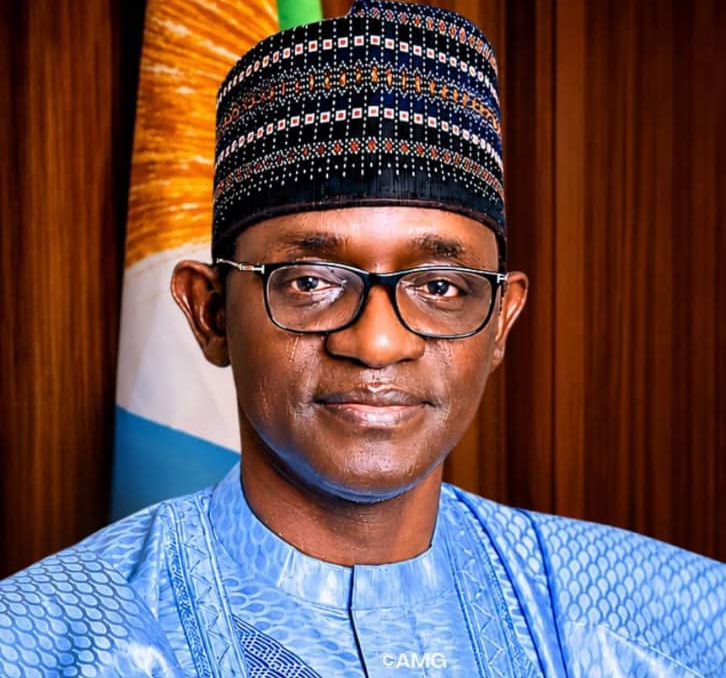
Governor Mai Mala Buni’s approval of ₦230.62 million for the purchase of Dangote Refinery shares for 43,928 vulnerable women across Yobe State introduces an important dimension to the state’s recovery efforts.

Under the proposed arrangement, the Aliko Dangote Foundation is expected to provide an equivalent matching grant, bringing the projected investment to approximately ₦461.24 million, subject to applicable IPO conditions and successful allotment.

The significance of this initiative goes beyond the amount involved.

It raises an important question about how government can help vulnerable citizens move from receiving assistance to participating in economic opportunities.

Beyond Conventional Financial Assistance

Traditional welfare interventions often focus on immediate needs.

Such assistance remains essential, particularly for households affected by conflict, displacement and extreme poverty.

However, lasting economic inclusion also requires opportunities for people to acquire assets and participate in the formal economy.

The proposed share initiative seeks to introduce that additional dimension by giving eligible women an opportunity to own shares in a major Nigerian industrial enterprise.

According to the government’s announcement, each participating woman is expected to receive 20 shares in her own name, credited to her individual Central Securities Clearing System account, subject to successful allotment.

This is significant because ownership gives the beneficiary a documented financial interest rather than merely a temporary benefit. However, shares are investments, not guaranteed income.

Their value can fluctuate, and returns depend on the company’s performance and applicable investment conditions.

For this reason, financial education must accompany the programme so that beneficiaries understand their rights, the value of their holdings and the risks associated with investment.

The Value of Partnership and Strategic Engagement

The proposed matching arrangement with the Aliko Dangote Foundation illustrates how government resources and private philanthropy can potentially combine to expand opportunities for vulnerable citizens.

The role of strategic engagement also deserves recognition.

According to the government’s announcement, the initiative followed discussions led by the Secretary to the State Government, Dr. Mohammed Goje, with the Aliko Dangote Foundation during the 81st United Nations General Assembly in New York.

This engagement illustrates how international platforms can be used to explore partnerships that connect private-sector resources with local development priorities.

The next measure of its value will be the successful completion of the arrangement and the delivery of the promised ownership opportunities to the women concerned.

By prioritising internally displaced households, widows with multiple dependants, women with disabilities and those living in extreme poverty, the initiative also recognises that economic recovery must reach people facing substantial barriers to participation.

Yet the success of this approach will depend on implementation.

Beneficiary selection must be transparent, ownership properly documented and the shares successfully allotted.

Women must also be able to verify their accounts and access information about their investments without unnecessary difficulty.

These safeguards are essential to ensure that the programme delivers its intended benefits fairly.

From Approval to Measurable Impact

The approval of funding marks an important step, but the ultimate value of any development initiative is established through implementation and results.

Yobe State can strengthen this programme by monitoring the number of women who successfully receive their shares, ensuring that beneficiaries understand their ownership rights and evaluating whether the initiative contributes to their longer-term financial security.

Such evidence would help distinguish the number of people reached from the actual benefits achieved.

It would also provide useful lessons for future programmes designed to support households recovering from conflict and economic hardship.

The wider policy lesson is that social protection and economic participation need not be treated as separate objectives.

With appropriate safeguards, an intervention can address vulnerability while opening a pathway into formal investment.

For Yobe’s 43,928 intended beneficiaries, the real milestone will be the successful transfer of ownership and the ability to understand and exercise the rights attached to it.

Governor Buni’s initiative presents an opportunity to connect public support with financial inclusion on a substantial scale.

Its lasting significance will depend on transparent delivery, genuine individual ownership and measurable benefits to the women it is designed to serve.

Maji Bappa Maina, Voice of Development, Leadership & Public Insight

‎Kannywood Movies Review – ‘Soyayyata’

Director: Mustapha M. Shareef

‎Producer: Abdul M. Shareef

‎Language: Hausa

‎Company: Shareef Studio

‎Premiere: 16-04-2026

‎Cast: Abdul M. Shareef, Umar M. Shareef, Maryam Booth, Asmeey Wakili, Tijjani Faraga, Zainab Barka, Madina Abdul, etc.

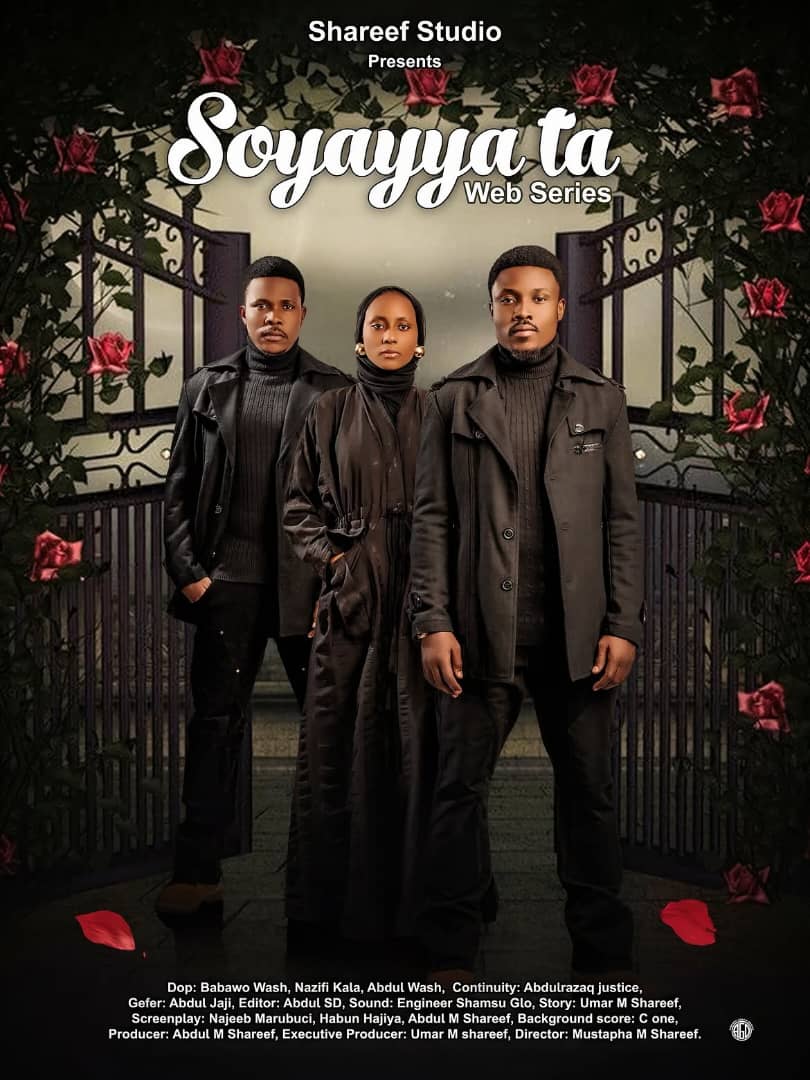
‎The Shareef brothers, Abdul and Umar M. Shareef, seem to have a strong fondness for playing romantic heroes. This likely inspired them to produce an emotional love story in which they take on their favourite leading roles. The production, entitled ‘Soyayyata’ (Translated as ‘My Love’), also appears to be their first series under the ‘Shareef Studio’ banner.

‎Soyayyata (though they mistakenly wrote the name as “Soyayya ta”) is a romantic drama exploring unrequited love, mistaken assumptions, and the complexities of family ties. The series primarily follows a love triangle involving Abbas (Abdul M. Shareef), Zuhra (Maryam Booth), and Haneef (Umar M. Shareef).

‎Abbas and Zuhra are cousins raised together within a shared family compound. Since childhood, his mother had betrothed Zuhra to him, as is customary in Hausa tradition. Abbas grows up to love Zuhra, but she sees him as nothing more than a brother. Meanwhile, she meets Haneef at a wedding, where he falls in love with her at first sight – an affection she fortunately reciprocates even more deeply.

‎Noticing something unusual in Zuhra’s behaviour, Abbas’s younger sister, Suhaima (Madina Abdul), persuades their parents to formally approach Zuhra’s family about the intended marriage. However, while Zuhra’s father, who is Abbas’s uncle, approves, her mother rejects the proposal. Abbas also learns the painful truth that Zuhra does not love him romantically, igniting emotional turbulence and family conflict.

‎Meanwhile, Haneef’s mother opposes his choice of Zuhra because of her humble background but later concedes because of his persistence. However, his father falls ill and dies suddenly on the day of his wedding to Zuhra, setting off a chain of dramatic twists that reshape the course of the story.

‎Despite its compact premise, the series sustains engagement through the gradual introduction of new narrative layers and characters. For instance, Ilham (Asmeey Wakili), introduced in a pivotal role towards the end of Season 1, breathes new life into the story. Despite its rather slow pace, the series keeps audiences engaged with steadily mounting tension.

‎Soyayyata is indeed worth watching for its relatable theme, which resonates strongly with young audiences. It dramatises the familiar scenario of a childhood-betrothed ‘cousin’ losing out to a ‘newcomer’. Young women with early betrothal experiences will identify with Zuhra’s predicament, while those nursing a secret crush will empathise with Abbas, who suffers in silence, enduring the pain of unrequited affection.

‎Additionally, beyond its central love story, Soyayyata explores themes of class discrimination, parental materialism in marriage arrangements, and the far-reaching consequences of such decisions. It also highlights how a lack of open communication can make arranged marriages fragile enough to break even the strongest familial bonds.

‎The series, however, scores little in terms of production quality. Continuity lapses are evident, and the editing lacks finesse. Also, while the interconnection across episodes is reasonably sustained, Episode 4 largely recycles scenes from Episodes 1 and 3. Nevertheless, these shortcomings are pardonable, given the competent direction and commendable performances that make the series ultimately captivating.

‎Finally, if you are struggling to keep pace with the endless YouTube series being released every day, Soyayyata is one you shouldn’t overlook. It is well worth your time.

‎Rating: 3/5

Taraba Hunters’ Leader Dies After Gun Battle With Suspected Bandits

By Sabiu Abdullahi

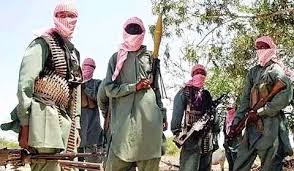
A community hunters’ leader and member of the Forest Guard Corps, Shuayibu Danladi Ciroma, has died after sustaining a gunshot wound during a clash with suspected bandits in Andamin community, Karim-Lamido Local Government Area of Taraba State.

Ciroma was reportedly part of a joint security team that mobilised on Monday evening after receiving intelligence about a planned attack on the community.

In a statement dated October 13, 2026, the community leader, Tanko Bobbo Andamin, said the team comprised military personnel and local hunters who set out to prevent the suspected attack but encountered armed men along the way.

“A joint team of military personnel and hunters mobilised towards the area to prevent the suspected attack but encountered the armed men along the way, leading to a fierce exchange of gunfire,” the statement said.

Ciroma reportedly sustained a gunshot wound to his leg during the exchange and lost a significant amount of blood.

The statement said the team returned to its base after the confrontation but later discovered that Ciroma was missing. A search party returned to the scene early the following morning and found his body.

Andamin mourned the deceased, describing him as a man who died defending his people, land and humanity. He also extended condolences to Ciroma’s family, the Andamin community and fellow hunters.

The community leader called on the Taraba State Government, security agencies and intelligence authorities to strengthen security operations in the area.

He expressed concern that persistent insecurity had disrupted residents’ livelihoods, with many reportedly unable to travel safely to their farms, visit markets in neighbouring communities or conduct routine business without fear of attacks.

According to the statement, the situation had worsened poverty, hunger and starvation as residents’ economic activities continued to suffer.

The community also alleged that armed groups initially entered Taraba from neighbouring states but had since moved closer to local settlements.

It called for urgent, coordinated security measures to protect lives and property, restore peace and rebuild public confidence.

When contacted, the Taraba State Police Command’s Public Relations Officer, Victor Mshelizah, said poor network connectivity had prevented him from reaching the Divisional Police Officer for details of the incident.

He promised to provide further information after establishing contact with the officer.

Poverty, School Dropout Increase HIV Risks Among Girls, AHF Warns

By Sabiu Abdullahi

The AIDS Healthcare Foundation (AHF) has urged federal and state governments to adopt and fund the Girls Act model to reduce HIV infections among adolescent girls and young women, citing poverty, school dropout and limited access to information as factors that increase their vulnerability.

The advocacy group made the call on Tuesday during activities to mark the International Day of the Girl Child in Abuja.

AHF said although progress had been made in the global fight against HIV/AIDS, adolescent girls and young women continued to face a disproportionate risk of infection, particularly in sub-Saharan Africa.

Steve Aborisade, AHF’s Advocacy Lead, cited data from the Joint United Nations Programme on HIV/AIDS (UNAIDS), which indicate that women account for more than half of people living with HIV globally and about 60 per cent in sub-Saharan Africa.

The data also show that adolescent girls and young women aged 15 to 24 are up to two to three times more likely to acquire HIV than males in the same age group.

“Adolescent girls and young women aged 15 to 24 years are up to two to three times more likely to acquire HIV than young males of the same age.

“Biologically, women face a roughly two-fold higher acquisition risk per unprotected heterosexual act due to a larger mucosal surface area and longer exposure to seminal fluids.”

The report further highlighted challenges that prevent adolescents from accessing HIV testing, including physiological, psychological, legal and social barriers.

“Adolescents aged 10 to 19 years face distinct physiological, psychological, legal and social factors that make them disproportionately vulnerable to low uptake of HIV testing,” the data indicated.

AHF said gender inequality, poverty and inadequate information often restrict girls’ ability to make decisions about their health and personal lives.

“A girl who cannot afford menstrual products, who has dropped out of school, or who depends on others for money, has fewer options, including options about sex. HIV and other sexually transmitted infections (STIs) thrive in exactly those conditions,” AHF said.

Girls Act Targets Health, Education And Leadership

The organisation said its Girls Act programme seeks to prevent HIV and sexually transmitted infections, support girls living with HIV to remain on treatment, reduce unplanned pregnancies and help girls stay in school.

According to AHF, the initiative had more than 4,500 girls actively participating as of 2026.

The programme operates across four areas: health, education and livelihoods, leadership, and results.

Under its health component, girls living with HIV receive support to remain on treatment, while HIV-negative participants learn how to prevent infection and make informed decisions.

The programme also provides free menstrual health products to girls and surrounding communities. It teaches participants to make and maintain reusable sanitary pads to improve access beyond direct supplies.

On education and livelihoods, AHF said the programme supports girls who wish to return to school and provides life-skills training and business support to those who have dropped out.

Its leadership component creates opportunities for mentorship, advocacy and access to resources to enable girls to take active roles in their communities.

“Girls are turning up empowered, able to negotiate safe sex and exercise bodily autonomy.

“Negotiating safe sex is the difference between exposure and protection, and bodily autonomy is not a slogan but a public health asset.”

AHF Seeks Government Funding

AHF called on federal and state governments to incorporate the Girls Act model into HIV, education and youth development plans, with dedicated funding for its activities.

The group said the funding should cover menstrual health products, skills training and start-up support for out-of-school girls, assistance for girls returning to school, leadership opportunities and stronger links to HIV testing, treatment and care.

“This means dedicated budget lines for menstrual health, so no girl misses school for want of a sanitary pad; skills training and start-up support that reach out-of-school girls where they live; support for girls to return to, and stay in, school; leadership platforms for girls in schools and communities; and clear pathways linking young people to HIV testing, treatment and care,” the advocacy group said.

The organisation also urged stakeholders in the national HIV response to give greater attention to the needs of girls and young women.

“Some will say the country has more pressing priorities. They should weigh the cost of inaction: new infections among young people, lifelong treatment, interrupted schooling and lost productivity.

“Prevention that also builds livelihoods and leadership is among the smartest investments a government can make.

“Our girls have shown what is possible when someone invests in them. They have earned the right to be treated as a key population in the national response, not as an afterthought.”

Nigerian Arrested In India Over Alleged Cocaine Supply Network

By Sabiu Abdullahi

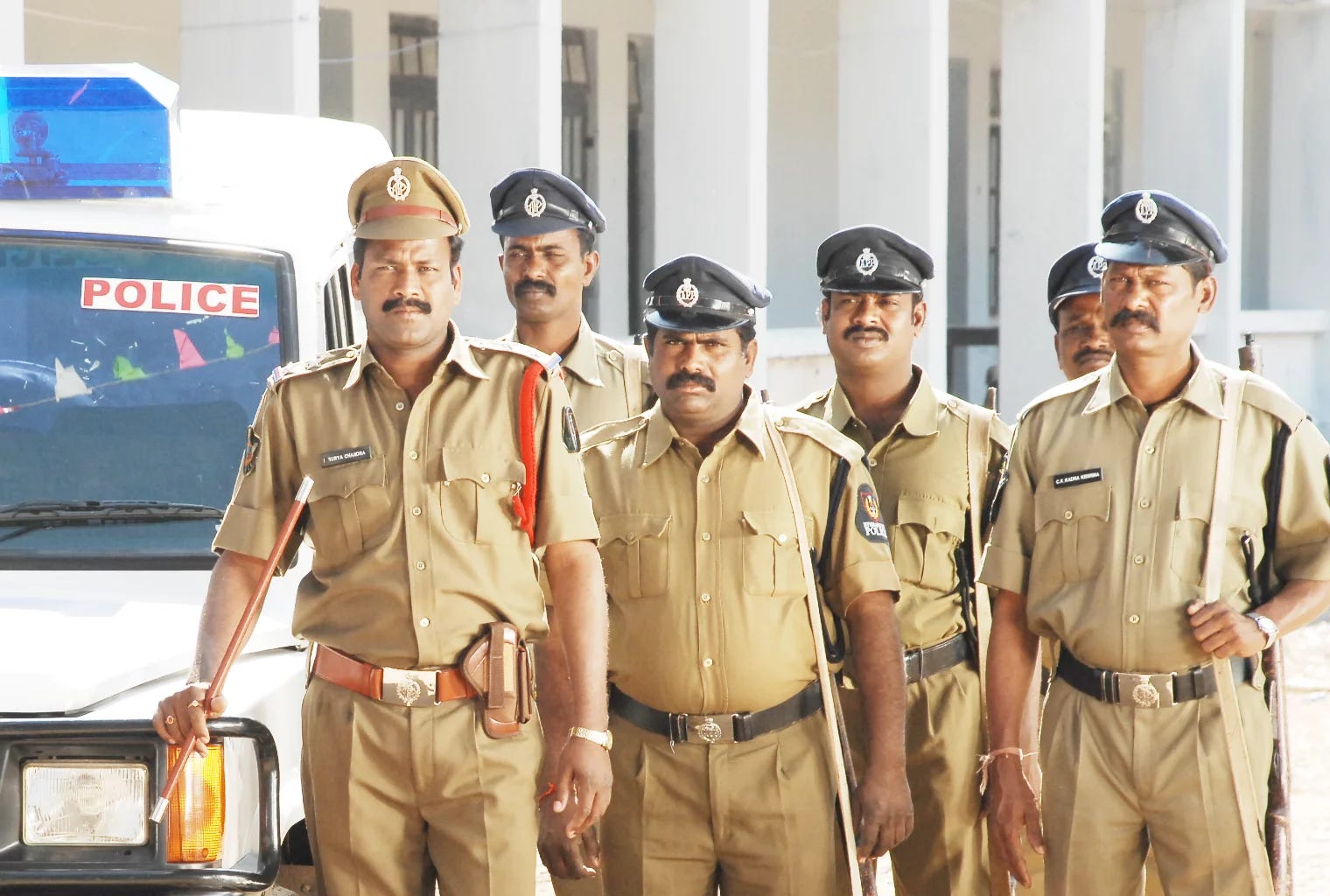
Indian police have arrested a Nigerian national, Ezeaputa Chijioke, over allegations that he supplied cocaine to club-goers and partygoers through intermediaries in Chandigarh and surrounding areas.

According to a report published by The Times of India on Tuesday, Chijioke was arrested on October 6 with approximately 70.5 grammes of cocaine.

The arrest followed a crackdown on an alleged drug distribution network that led to the arrest of three suspected dealers, from whom police reportedly recovered a combined 113 grammes of cocaine and an ATM card.

The operation began on October 4, when officers arrested Rakesh Kumar, also known as Karan, near Sector 23-C market. Police reportedly recovered 22.1 grammes of cocaine from him.

“During interrogation, he named Jaskaran Gill as his supplier. Jaskaran was arrested in Dehradun the same day,” the police reportedly said.

Gill allegedly identified Chijioke as his source of supply, leading to the Nigerian’s arrest two days later.

The report said Chijioke was unable to produce his passport and was suspected of staying in India illegally. The allegation has not been established in court.

Police alleged that Kumar, a private cab driver, delivered cocaine to customers on Gill’s instructions and received Rs 500 for each delivery.

Gill reportedly obtained the drugs from Chijioke and coordinated deliveries through Kumar, while payments were allegedly collected through QR codes and online platforms.

Investigators also reportedly recovered 21.30 grammes of cocaine, a Mercedes-Benz, a Mitsubishi Pajero, a Tata Safari and an SBI ATM card allegedly linked to financial transactions from Gill.

The vehicles were suspected by police to have been purchased with proceeds from drug trafficking. The report said Chijioke had been living in Kharar before his arrest.

Police investigations into the alleged network are ongoing.

The arrest comes less than three months after four Nigerian nationals were reportedly arrested in India over alleged links to a drug trafficking network, with narcotics valued at approximately Rs 15 crore, equivalent to about N2.1bn, recovered during several operations.

The Hindu reported that those arrests followed coordinated operations by the Narcotics Control Bureau, state police and other security agencies targeting foreign nationals suspected of drug trafficking and overstaying their visas.