Women

Women who sacrifice for other’s education

By Hajara Jaoji

Kudos to my paternal uncle (a family man) who cared for ten of us, including my mom, after our dad died in 2010. He ensured we had a sound, good life as if our late father were on earth. 

This story is about me, a young beautiful, under thirty years old single intelligent lady. I am the third in my family, with two older brothers, two younger brothers and four younger sisters.  I graduated from university and finished my youth service in 2020. I got a temporary job appointment (still on it) before,  during,  and after my youth service.

I used to help and take care of my siblings. Regarding education, I helped my eldest brother pay his professional exam fees. I also help my immediate older brother in pursuing his education at university. In addition, I covered all the expenses for the two junior brothers in their secondary school days. One is now a student at Aminu Kano College of Legal Studies (second year); the youngest brother recently graduated from secondary school and is looking forward to securing admission into the university for him. 

For the sisters, I took over my immediate younger sister’s expenses from my uncle. She’s a student at Bayero University, Kano (BUK). The other junior sister recently got admission to the School of Hygiene, Kano, while the two younger ones are secondary school students, and I still care for them all. 

Maturity is not by age but rather by the number of responsibilities one is able to shoulder. The best investment in life is to invest in human beings. I would rather walk around with old clothes and an old-fashioned phone, knowing that my siblings are busy getting qualitative education (modern and religious).

I  pray that God will increase my heart and bless my income so that I will help other non-blood-related orphaned children worldwide.

Hajara can be contacted via hajaraibrahimjaoji2019@gmail.com.

The rise of misandry to promote gynocentric agenda

By Abdullahi Yusuf

The agitation for gender equality could be dated back to the beginning of the 18th century when Mary Wollstonecraft wrote her book titled A vindication of the right of woman, in which she argues for women’s right to education. The issue rose to cosmopolitan through the 18th and 19th centuries when women from different parts of the world began to advocate for gender equality and fight against any act they considered as oppression against women by their opposite gender. They aggressively campaign against patriarchy – admonish it and call for its total abolition.

The central themes of most of their campaigns, as they usually proclaim, are centred around fighting against gender stereotypes and gender-based violence. And also seek equal opportunities as men, and women’s education, among others. They perceived women as being oppressed since the inception of humanity.

But unfortunately, the moral justification of this ideology puts men at a disadvantage. They consistently receive backlash as a predicament of these struggles. Those ardent advocates always consider men as oppressors, narcissists, egoists and self-centred, which causes all the misfortunes in women’s lives. This makes women that are adamant about this ideology highly androgynous.

Androphobia has become part of the ideology per se because most of those promoting it display one aspect of man-hating or the other. The radical ones among them tend to even distance themselves from any intersexual relationship due to their adamant stand on ideology. Do women who do not believe in this ideology have anything to lose? Why are many women against this ideology, and some even consider it evil?

According to major religious beliefs and scientific views about creation, almost all living things are created in pairs (i.e. male and female). The disparity is primarily because of reproduction. Therefore, females alone cannot reproduce without their male counterparts. Contemporarily, in this technologically advanced world, there are certain procedures that some women adopt to conceive without the physical involvement of men in the process. Still, regardless, man has to contribute in one way or the other along the way. That’s in the case of reproduction alone.

Human beings are created with inadequacies. Men tend to be physically stronger than women and can cope with the stressors of life more than women. Women, on the other hand, are meant to be more compassionate than men. They can better take care of the responsibilities of others without being stressed. That is why they tend to play a more significant role in the upbringing of children. Coming together of man and woman to form a family has never been a mistake, but rather to fill up the inadequacies of one another and form a society where morality is respected.

Unfortunately, marriage is the first institution destroyed by those promoting gynocentrism. That is why there is a high increase in the rate of single mothers in the developed world, negatively affecting the upbringing of children and victimising women by increasing the level of their responsibility to the children. Broken homes are mostly a predicament because of this ideology that usually renders many men homeless and distances them from their children.

Suicide among men has been on the rise, caused mainly by judgement issues by family courts in developed countries. The legal system has been tempered to favour women in matrimonial cases, which promotes gynocentrism. Men are being oppressed and victimised worldwide, but sadly, nobody talks about it.

Many rape cases where men were held responsible are just false accusations from women to get revenge for what might have occurred between them. Severally, men have been traumatised mentally over allegations of rape cases against them that have not happened. Men face a series of domestic violence. Many men were sexually molested during their childhood by elderly women, which perverted them in their old age. Men are being oppressed on several occasions by women, but nobody is standing for men, and nobody is advocating for men’s rights.

The equality that promotes gynocentrism advocate is subject to women’s superiority. You’ll be tagged as a misogynist when you talk to them about equality that will strike a balance between men and women.

Injustice can be found everywhere, across gender, race, tribe, etc. There’s no monopoly when it comes to justice or injustice. Anybody can oppress and can be oppressed. Therefore, try to be objective in your approach when calling for equality or justice. Nobody will deny you the right to advocate for your rights, but don’t be unjust in trying to find justice. Know your position in society and respect your social obligations and that of others.

Abdullahi Yusuf is a 400-level student of Health Education at Bayero University Kano. He can be reached via abdoolphd@gmail.com.

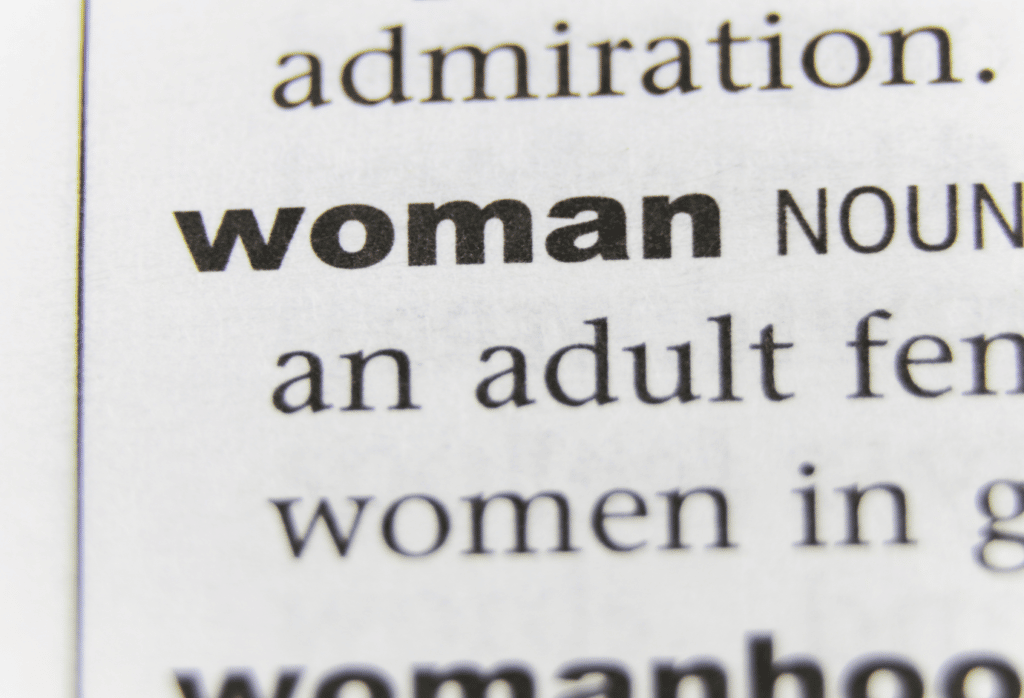
Dictionary.com names “woman” as word of 2022

By Muhammadu Sabiu 

In light of the intense debate over gender in politics and public life in the US and elsewhere, Dictionary.com has named “woman” as its Word of the Year for 2022.

According to Dictionary.com, there has been a significant spike in users looking for the meaning of “woman,” which at its peak increased by 1,400%.

It stated on its website that this year, searches for the word woman on Dictionary.com increased considerably in relation to various high-profile events.

“Our selection of woman as our 2022 Word of the Year reflects how the intersection of gender, identity, and language dominates the current cultural conversation and shapes much of our work as a dictionary,” it said.

The site lists the definition of ‘woman’ as an ‘an adult female person’.

Menopause: Cognition and Mood

By Aisha Musa Auyo

World Menopause Day (WMD) is held annually on the 18th of October. The purpose of the day is to raise awareness of menopause and the support options available for improving health and well-being. Professionals and women are encouraged to participate in this global awareness-raising campaign by printing and sharing these materials, organising events to engage their communities, and sharing WMD social media posts. The theme for the 2022 WMD is Cognition and Mood

Before going into this year’s theme, I’ll explain the basics of menopause as a reminder and enlightenment for those who do not know much about it.

Menopause happens to most women with an average age of 51 years, but it’s normal to have menopause anywhere between 45 and 55 years – although some women have it earlier or later. Perimenopause is the time leading up to menopause, and postmenopause is the time after the final period. So it’s likely that you have reached menopause if you haven’t had a period for 12 months.

What happens at menopause?

From about 35–40 years of age, a woman has fewer eggs left in the ovaries, so one often doesn’t ovulate (release an egg from your ovary) regularly. Menopause means ovulation and periods stop.

Hormones are chemicals in one’s body that relay messages through the bloodstream. For example, your hormones tell your body to eat and sleep. The three main hormones that change as one approaches menopause are oestrogen, progesterone, and testosterone; change in hormone levels leads to different menopausal symptoms and the menopause transition

1. Perimenopause is the stage before your final period (menopause). It’s when your body reaches the end of its reproductive years. Perimenopause is a natural part of a woman’s life, and it usually happens sometime in her 40s. On average, it lasts four to six years but can also last from one to 10 years.

During this time, your ovaries begin to run out of eggs. This causes hormone levels, particularly oestrogen, to fluctuate, causing different symptoms like hot flashes and mood swings. Changing hormones can also affect your menstrual cycle. For example, your periods may be irregular, shorter (or longer), lighter (or heavier), or they may not come for a few months.

Some months you may ovulate, and other months you may not. You may even ovulate twice in a cycle. Symptoms include: Irregular periods, vaginal dryness, hot flashes, chills, night sweats, sleep problems, mood changes, weight gain and slowed metabolism.

2. Menopause occurs when you’ve stopped producing the hormones that cause your menstrual period and have gone without a period for 12 months in a row. Once this has happened, you enter postmenopause.

3. Post-menopause is the time after menopause has occurred. Once this happens, you’re in post-menopause for the rest of your life. Your hormone levels will remain low, and you will no longer have a monthly period. You can’t get pregnant because your ovaries have stopped releasing eggs.

Most people in post-menopause feel lingering symptoms from menopause. However, the symptoms are less intense. In some cases, they almost disappear. Lingering symptoms are caused by low levels of reproductive hormones. Women in post-menopause can feel symptoms such as hot flashes and night sweats, vaginal dryness and sexual discomfort, depression, changes in sex drive, insomnia, dry skin, weight changes, hair loss and urinary incontinence.

Talk with your healthcare provider if your symptoms become more intense or interfere with your daily life. They may want to rule out any underlying condition causing these symptoms.

How do I manage symptoms of post-menopause on my own? Particular lifestyle or at-home changes can help you manage symptoms of postmenopause. Some of these include:

• Using a water-based vaginal lubricant during sex to make it more pleasurable. Lubricating the vagina helps with dryness and pain.

• Regular exercise, meditation and other relaxing activities can help with depression and other side effects of postmenopause.

• Eating a diet rich in phytoestrogens (plant-based sources of estrogen) such as whole-grain cereals, flaxseed, chickpeas and legumes. Reducing caffeine and alcohol intake has also been shown to help.

Cognition and mood in menopause

Cognition

During the menopausal transition, many women complain of memory problems such as difficulty with words, forgetfulness and “brain fog”, thus suggesting that hormonal changes related to menopause may be responsible for changes in cognition. This is due to the deep connection between estrogen and cognitive function. Still, some lifestyle changes one can make may ease symptoms and improve memory.

For example, you should eat a well-balanced diet; a diet high in low-density lipoprotein (LDL) cholesterol and fat may be bad for your heart and brain. Also, get enough rest, and exercise your body and mind.

Mood

Irritability and feelings of sadness are the most common emotional symptoms of menopause. Often, they can be managed through lifestyle changes, such as learning ways to relax and reduce stress. Here are some tips that may make it easier for you to handle your fluctuating emotions: Exercise and eat healthily; find a self-calming skill to practice, such as yoga, meditation, or rhythmic breathing; avoid tranquilisers and alcohol; engage in a creative outlet that fosters a sense of achievement; stay connected with your family and community; nurture your friendships.

Supporting someone through the menopause

Menopause can be associated with many physical and emotional changes for women, making it a challenging and complicated time.

If you know someone who might be going through menopause or perimenopause, it’s helpful to find out more about how you can support them. For example, some women will drop out of the workforce if not supported. Adapting working policies, such as providing access to flexible working, can help women remain in the workplace.

Learn more about menopause

Getting yourself and others informed is a significant step. It will give you an idea of what your partner, family member, friend or colleague might be going through.

A good first step would be to learn about all the various symptoms of menopause, the impact these symptoms may have on your loved one and others, and the potential treatments and support available.

Listen to them

Communication is key. Ask about how others feel or what they’re going through. It’s essential to keep in mind that not everyone might want to talk about specific symptoms or feelings. It is also important to remember that everyone’s menopause is different, so don’t make assumptions about what they are experiencing. However, letting them know you’re there if they need you will make them feel supported.

Encourage them

They might not feel like doing things they usually would, and their self-esteem might be low. Words of encouragement can help make them feel more uplifted and empowered. Inviting them to engage with various people or activities will also provide opportunities to feel good about themselves even when experiencing symptoms.

Help with their symptoms

An active, healthy lifestyle can ease some of the symptoms of menopause. For example, you can encourage them to go for a walk, swim or try a yoga class to get more active. In addition, changing the ways you spend time together, like cooking a healthy meal together.

Menopause and the workplace

Many women have said that they often find managing symptoms of menopause in the workplace very challenging. Coping with symptoms in the workplace can be hard, especially as many women find it difficult to talk about menopause at work.

Workplaces

It is vital that women feel supported to continue working throughout their menopause. Managers and organisations can make many small changes to ensure workplaces are healthy and welcoming places for women going through menopause.

Supporting staff

Menopause is a normal transition for many women. Thus, employers can contribute to a positive work environment by providing help and support for women who are managing menopause symptoms at work.

Menopausal symptoms can also be protected by employment law. Therefore, it is crucial that managers and colleagues feel informed and comfortable about the symptoms and impact of menopause.

Aisha Musa Auyo is a Doctorate researcher in Educational Psychology, a mother of three, a Home Maker, caterer and parenting/ relationship coach.

Gender-based Violence: Culture, society and psychology

By Hassan Idris

In discussing sexual and gender-based violence, it is of utmost importance to distinguish between sex and gender. Sex is the biological predisposition of being a male or female, while gender refers to a social construction which is socially created. It’s sexual and gender-based violence because it’s violence against the sexual predisposition of somebody, accompanied by social and cultural norms against one’s gender. Sexual and gender-based violence can be violence against men by men, men by women, women by men or women by women. But I’ll be more concerned with violence against women by men. 

Culture and Gender-Based Violence

The role culture plays in sexual and gender-based violence is perilous because most sexual and gender-based violence cases revolve around social and cultural norms that are culturally made by society. Social norms are contextually and socially derived uncontested intentions of ethical behaviours. Sexual and gender-based violence persists as one of the extensively prevalent and ongoing issues confronting women and girls globally.

Disputes and other humanitarian emergencies spot women and girls at heightened risk of numerous forms of sexual and gender-based violence. The Inter-Agency Standing Committee (IASC) 2015 Guidelines for Integrating Sexual and Gender-based Violence Interventions in Humanitarian Action defines sexual and gender-based violence as “any fatal act that is perpetrated against a person’s will, and that is based on socially ascribed (i.e., gender) differences between females and males. 

What Makes up Gender-Based Violence?

Gender-based violence comprises conduct that imposes physical, sexual or mental harm or hardship, perils of such acts, intimidation and other deprivations of freedom. These destructive acts can transpire in public and in private. Toxic social norms that strengthen sexual and gender-based violence include women’s sexual virtue, conserving family respect over women’s safety, and men’s sovereignty to discipline women and children.

It’s paramount for us to know that women are at enormous risk of sexual and gender-based violence. We have seen circumstances where women are endangered by parental violence and violence during adolescence, and survivors always report adverse effects on physical, mental and reproductive health. Yet, often time hostile health and social effects imposed on women are never dealt with because often women do not divulge sexual and gender-based violence to providers or key health care or other services (e.g., safety, legal, traditional authorities) because of social norms that accuse the woman for the onslaught. 

Personal Experience with Gender-Based Violence

I can recall a friend’s elder brother who molested and beat his wife mercilessly because she served his mother food with her left hand. To him, it’s against his culture, and he had to beat his wife till she was hospitalised. Another man beat his wife because she cooked food for him while she was on her menstrual period, which he claimed went against his culture and traditional norms. There are many cases where women are badly hit because of their biological predispositions and cultural norms that give men more power.

Social and Psychological Impacts of Gender-Based Violence.

Sexual and gender-based violence have caused a lot of physiological, psychological and sociological injuries to numerous women. All indicate and enhance inequities between men and women and jeopardise victims’ health, self-respect, protection and freedom. Moreover, it incorporates various human rights infringements, including sexual exploitation of teenagers, rape, home cruelty, sexual battering and harassment, trafficking of women and girls and multiple other dangerous traditional practices.

Any one of these abuses can leave deep mental wounds; ravage the well-being of women and girls in a widespread manner, encompassing their reproductive and sexual health, and in some specimens, results in death. 

It is a Human Rights Violation

Violence against women is the most vastly yet subtlest renowned human rights intimidation in the world. It is an exhibition of historically unequal hegemony approaches between men and women, which have directed to dominance over and unfairness against women by men and to the impediment of the comprehensive advancement of women. Brutality against women is one of the crucial social tools by which women are impelled into a subordinate roles compared with men.

This violence may have contemplative effects, both direct and indirect, on a woman’s reproductive health, including undue pregnancies and insufficient acceptance of family planning information and contraceptives, unsafe abortion or damages unremitting throughout a legitimate abortion after an undesirable pregnancy, drawbacks from recurring rent, high-risk pregnancies and deficiency of follow-up care, sexually transmitted infections, including HIV, continual gynaecological problems as well as mental hardships.

Conclusion

In conclusion, to curtail and reduce sexual and gender-based violence, fundamental deterrence programs that promote change by dealing with the elementary causes and drivers of sexual and gender-based violence at a population level should be enacted. Such programs traditionally included endeavours to economically empower girls and women, enhanced legal penalties, enshrining women’s rights and gender equivalence within national legislation and policy, and other measures to promote gender equality and reduce sexual and gender-based violence.

Hassan Idris wrote from Kogi State, Nigeria, via drishassan035@gmail.com.

Nigerian lady, Halima Shuwa, awarded Student of the Year at University of Manchester

By Ahmad Deedat Zakari

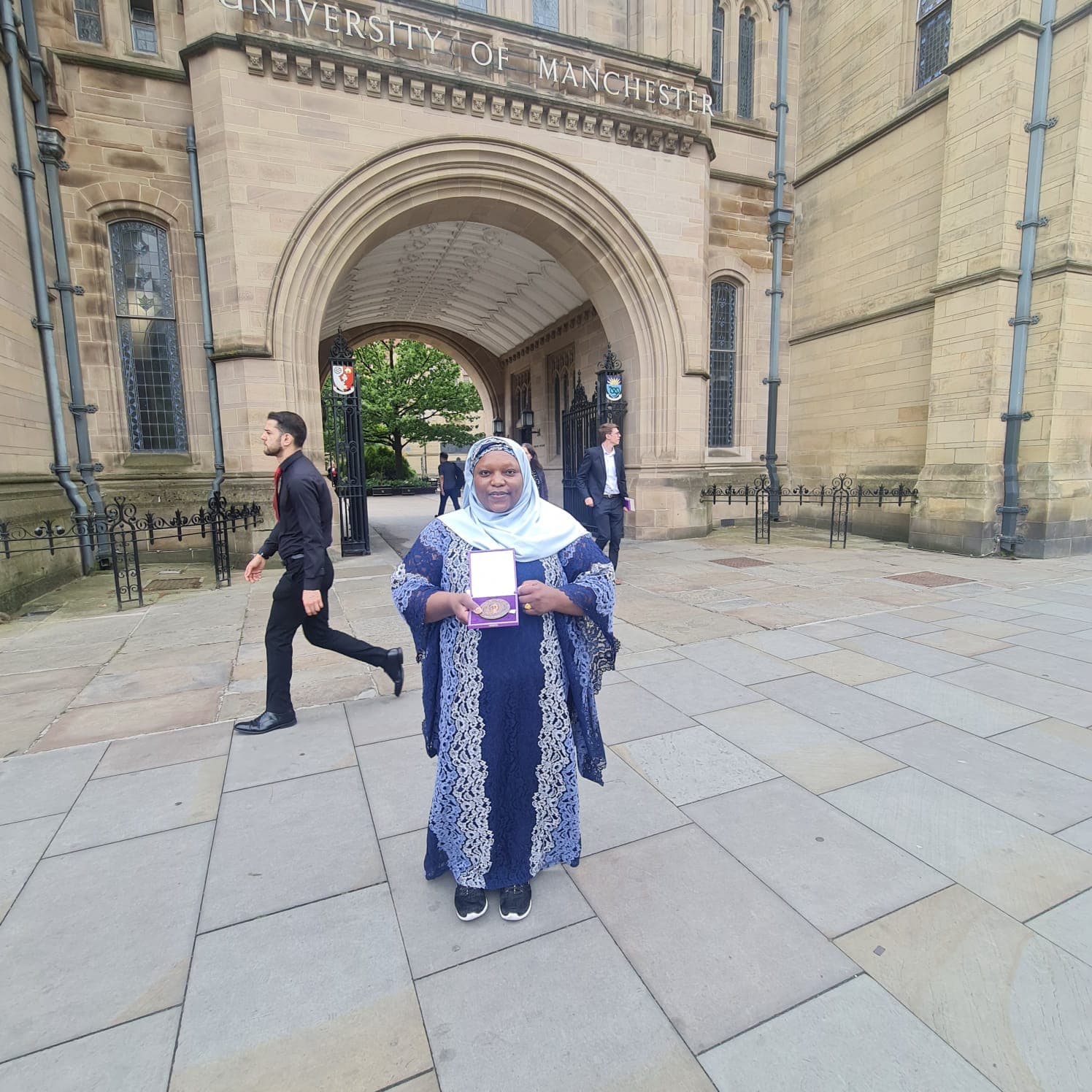
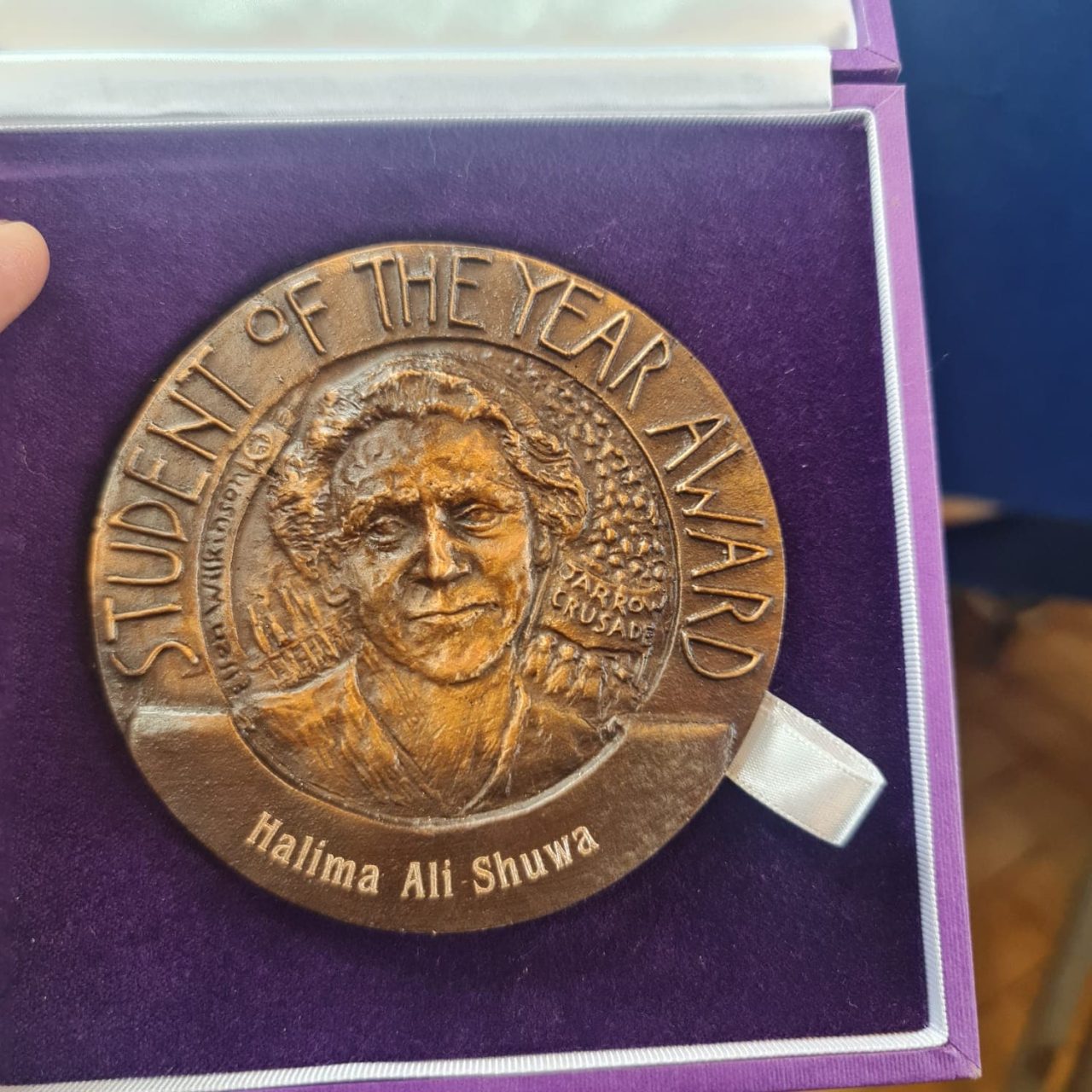
A Nigerian lady, Halima Ali Shuwa, has been recognised by the reputable University of Manchester and awarded with Student of the Year Award.

Ruth Macarthy, a doctoral researcher at Salford University, announced this on LinkedIn on Wednesday. 

“Sitting in Whitworth Hall today, at the prestigious University of Manchester, was one of my proudest moments as a Nigerian. It was the moment Halima Ali Shuwa was called up [to] the podium to receive the “Student of the Year” award from the President of the university.” Ms Macarthy wrote.

While presenting the award, the President of the university stated that Halima was chosen because of her dedication and selfless commitment to research excellence.

Halima’s Student of the Year Award

The President added that Halima dedicated a huge amount of time to researching the immune response in the blood of hospitalised COVID-19 patients – and predicting which patients will further develop long-term covid complications.

She was the first to publish on the associated long-term changes with fatigue and breathlessness in patients who would subsequently develop long covid.

Halima, a recipient of the prestigious Petroleum Technology Development Fund (PTDF) scholarship, hails from Shuwa town of Madagali Local Government Area of Adamawa State. She was born, brought up and schooled in Maiduguri, Borno State.

Halima studied Bachelor of Medical Laboratory Science at the University of Maiduguri, MSc Immunology at Usmanu Danfodiyo University, Sokoto, and then got a PTDF scholarship to the University of Manchester, where she did her PhD in Immunology. 

Halima has published seven papers in high-impact journals during her studies and has four more papers under review. 

Towards the end of her PhD, Halima managed to secure multiple job offers from the University of Manchester and several pharmaceutical companies. Finally, she accepted the job offer from GSK (GlaxoSmithKline), where she’ll continue her cutting-edge research to discover an alternative cancer treatment targeting B cells in Immuno-Oncology settings.

Personal Hygiene: care of the genitals (I)

By Audu Haruna J.

There are so many simple ways through which each and every individual can take very good care of himself. In fact, there is no one to take good care of you, more than you. These easy procedures can vary, to some extent, between ladies and gentlemen, this is probably due to their biological and physical composition. Therefore, let us see these tactics for men, and for women.

● Care of the Genitals – For Men
Change your boxers frequently. Instead of sniffing it to know if it is still suitable for reuse simply have a ‘1 boxer a day’ policy. Let me further explain why you shouldn’t reuse boxers. You will recall the previous write up I did on understanding body odours. The pubic area has an abundance of apocrine glands that produce sweat rich in substances suitable for use by microorganisms. There is therefore more microorganism-sweat interaction in the pubic area (and armpits) than any other part of the body making them the most prone to bad smell. These microorganisms are also collected by your boxers. When you have your bath, you wash them off your genital area. But when you reuse the boxers of yesterday, rather than start afresh, you simply reintroduce those populations stuck on the boxers back into the genital area. Thus people who reuse boxers are more likely to have a smelly pubic area.

●Shave your pubic areas when due.
You would wonder why anyone will neglect his most prized organ to be overgrown by ‘bushes’. Not only will you sweat more, you simply create a good environment for microbial ‘wildlife’ to thrive (pardon my sarcasm). Shave the pubic hairs when they are dyed and do it properly. Some men don’t know how to shave down there. They only shave off the visible/frontal part alone. You should include the hairs on the scrotal sack, that hidden crevice where the scrotum meets your thigh, and the stretch all the way to the anus. These hidden places are even the reservoirs of genital smells. A person may shave regularly but these parts he hasn’t touched in nearly a year. Please be thorough. This may not be related, but your pregnant wife in the last trimester may need your help with shaving because the bulging stomach may make it difficult for her to do it herself unless you don’t mind someone else doing it for her in the labour ward.

●Try to keep the genital area dry, don’t leave it damp. Dry yourself properly after having your bath before wearing your boxers (men know how impatient they can be about this especially when late for work). Due to the impact of water activity on microbial growth, a moist genital area makes life conducive for bacteria and fungi to thrive. The most common infection that results from a damp genital area is Tinea cruris (Jock itch) which causes an itchy, smelly and sometimes reddish ring-shaped rash on the genitals. If you notice this increases your hygiene in the genital area, avoid undies unless it becomes necessary (for instance go boxer less while at home) and seek medical assistance for an antifungal prescription.

So, if you don’t shave regularly and properly, don’t change your boxers frequently, and still keep a damp genital area, I can not begin to imagine how you smell down there. You can do better! May I add that it will be cruel for someone like you to demand oral sex from your wife!

●Avoid Sexually Transmitted Infections (STIs) as much as you can. Abstain from random sexcapades and stick to your wife. Use condoms if you insist (at least to protect your innocent wife at home). However, know that condoms do not protect you from all STIs.

For Women

It is important that as a woman you have a female who is a health professional with whom you can easily discuss changes in your body and get the right advice. This could be a friend, relative, acquaintance or even a social media personality you follow. You need the right information as there is a lot of misinformation out there.

● You need twice as much, all that has been said above about men. Biologically you are more ‘delicate’ and need more ‘maintenance’ than men. If men are Nokia -cheap and rugged, women are like Samsung – expensive and fragile, to be handled with care.

●The vagina is self-cleansing. You don’t need yoni pearls and those other ‘vagina cleansers’ out there whatever the claim of miracles. If you notice ‘abnormal’ changes in the smell and discharge from your genitals consult your Doctor.

●White and 100% cotton underwear is what is recommended, for proper aeration of the genitals and to reduce the chance of trapping microbes. Nylon, acetate and other kinds of underwear made from synthetic (man-made) materials make you prone to irritation. They may be sexier but not necessarily ideal.

●Insertions, especially when done for masturbation (making it frequent) makes you prone to infection.

●Use mild soaps only to wash the (outer) genital area to avoid irritation.

●Do not abuse antibiotics as this may upset the balance of beneficial bacteria (LAB) in your vagina allowing for pathogens to colonise the area.

●Follow female health professionals on social media for more health tips (you may tag and appreciate some you know doing a wonderful job).

‘Dirty’ and ‘woman’ are two words that should never go together for it will be a sight for sore eyes.

Audu Haruna J. is a lecturer from the Faculty of Pharmacy, Kaduna State University, Nigeria. He can be reached via:
harun1789@yahoo.com

Social media giants fail women, Ofcom warns

By Ahmad Deedat Zakari

An investigation by the United Kingdom media regulatory agency, Ofcom, has shown that women are more prone to online attacks than men. 

According to the study, women are wearier of their online presence and prone to discriminatory, hateful and trolling content. They also feel less able to have a voice and share opinions online than their male counterpart. 

Ofcom then calls for technology firms that build sites and apps used by millions of people in the UK to act and make online space safer for women and girls.

Also, according to the study, women from minority ethnic backgrounds are more likely to be affected by their painful online experiences. 

“The message from women who go online is loud and clear. They are less confident about their personal online safety, and feel the negative effects of harmful content like trolling more deeply.

“We urge tech companies to take women’s online safety concerns seriously and place people’s safety at the heart of their services. That includes listening to feedback from users when they design their services and the algorithms that serve up content,” says Dame Melanie Dawes, Ofcom’s Chief Executive.

On learning to let go before it’s too late

By Aisha Musa Auyo

When I was in primary school, my grandmother visited us, and she was mesmerized by our nature-friendly environment. She said we were wasting resources by not utilizing the space with livestock. So she suggested animal rearing, that she would send a sheep first, and if all goes well, that sheep will give birth to many others, and in a few years, we will have a flock. She kept her words and sent a pregnant sheep. It was assigned to me since I’m the eldest.

The Fulani in me took over, and the bonding was natural for my sheep and me. I fed her morning and night. I brought her out and tied it with a rope in the afternoon for grazing. I then returned her to the barn in the evening. On a fateful Friday afternoon, I brought her out and tied her to a guava tree in our compound so that it would graze as usual.

I can’t recall what happened, but she cleverly freed herself. (That euphoria when a captive gains independence ). She walked, played, jumped and danced! Then, when she became aware of her absolute freedom, she began to run, somewhere far away from our house, and I followed her. The race continued, but I managed to hold the rope.

My sister went in to let my parents know of the happening. I was still holding the rope, but I fell while that ‘wicked’ sheep was still running. I was somersaulting and screaming but still managed to see my parents laughing like crazy outside. My world was spinning, and I had bruises all over my face.

Finally, when I couldn’t bear it anymore, I let go of the rope, thus the sheep, and as I managed to open my eyes, my parents were at the spot to pick me up, but still laughing at my stupidity. ‘Yar fari’ (first daughter), they all chorused! Firstborns are believed to be idiots!

They calmed me down, soothed my wounds and finally, they said, “This could be avoided. You should have simply let go of the rope and the sheep. She will come back”.

This is a life lesson I learned the hard way. I’m glad it happened in my early days of life, as within two days, the wounds healed, and all the bruises disappeared in a week. All thanks to the fruits and medication that I’ve been taking. But from that day, I learned to let go of anything I perceive as a threat to my life or my happiness with immediate effect.

My instincts always alert me of immediate danger, and I respond unhesitatingly. Sometimes even too early that people around me think I do not give people or situations the benefit of the doubt or that I make early conclusions. Still, better early than late. Letting go comes easy because I’ve learned before that holding on to what doesn’t want to stay leads to bruises, wounds and pain.

The recent trends in domestic abuse have made me think, how can we reduce this menace in the upcoming generations? How can we raise mentally sound and selfless generations that will not abuse and tolerate abuse? What are we doing in our power to sensitize our wards of this growing menace?

People, especially women, tend to hold on to their mental and physical abusers be they friends, husbands, relatives, house helps or any other person. They endure all kinds of pain and suffering while trying to hold on to what they think is theirs until they are finally bruised, injured, suicidal, or killed. That’s when they let go. No, this has to stop!

I’m not in the position to punish abusers, but the little I can do now is to enlighten you, the reader, to learn to let go of that which harms you or threaten your happiness and or well-being. Learn to follow your instincts, they are there for a reason, and most often than not, they don’t fail us.

May Allah protect us from abusers, amin. May we never abuse anything under our care, amin. May Allah give us the strength to leave that which will harm us. May we never get attached to what isn’t ours, amin. May the love and respect we give be appreciated and reciprocated, amin. May we see the light even in darkness, amin.

Aisha Musa Auyo is a Doctorate researcher in Educational Psychology. A mother of three, Home Maker, caterer, parenting and relationship coach. She can be reached via aishamuauyo@gmail.com.

Why do we ignore religious domestic violence?

By Sabo Ibrahim Hassan

Did I just say Religious Domestic Violence? Of course, you heard me very right. It may though initially sound quite odd and obfuscated, but when you allow it to sink and give the brain some time to analyze the phrase critically, it will indeed become your today’s take-home. While countless homes unknowingly suffer from this type of domestic abuse, notably in religious geographies, the need to unveil and tackle this type of intimate partner violence becomes an inevitable obligation.

According to the United Nations (UN), Domestic Violence, also called “domestic abuse” or “intimate partner violence”, can be defined as a pattern of behaviour in any relationship used to gain or maintain power and control over an intimate partner. Abuse is physical, sexual, emotional, economic, or psychological actions or threats that influence another person. This includes behaviour that frightens, intimidates, terrorizes, manipulates, hurts, humiliates, blames, injures, or wounds someone. 

In line with the definition above, we can say that religious-domestic violence refers to the use of half-baked understanding or rather misconception of religious command, painted with sentiment, to inflict a sense of insecurity, and manipulate or frighten the psychology of partner, to ultimately have their total control.

The ill-conceived interpretation and manipulation of some scriptural verses is the primary cause of this religious-domestic violence. However, the issue remains controversial because many deem it the only way to sustain their power and maltreatment against their intimate partners. Besides, our inability to question any irrational interpretation of any scripture, simply because the compass of our thought has been disoriented, hence forced to think in lower rather than higher resolution, has chiefly contributed to the escalation of this menace. Meanwhile, we are not challenging the scripture rather the unfair interpretation of it. Additionally, the fear that you can be easily given your certificate to hell by some so-called custodians of religion has made this type of domestic violence seemingly undefeatable.

The effect of this pseudo-domestic violence is such apparent that it has stolen the joy and peace of many homes, leaving most women helpless with severe psychological trauma. Moreover, the effect is not restricted to the primary victim. It also affects the closest people to the victim, like children, affecting their psychology and perspective. Hence, the fear, insecurity, and misconception of the sacred meaning are passed through different generations, leaving potential victims banged up in fright and uncertainty.

Religious domestic violence often cuts across mental, economic, and psychological boundaries. For example, in a situation where one, due to his badly thought-out interpretation, renders one’s wife inferior, with no regard in decision making, it becomes psychological. Similarly, when one marries or bears children more than one’s capability, that certainly involves both the mental and economic nature of domestic violence. The superiority of men over women lies in their ability to protect them with all their might, provide for them, support them with all they have, and be a shoulder for them to lean on, anywhere, any time.

Rational and fair explanations of some sacred commands, notably those related to marriage, should be the priority of any society that wants to see the end of this menace. That reminds me of a viral video of a woman perceived to be a scholar, preaching to some Muslim women that, should their husbands slap them, they should be patient and respectful enough to, perhaps, kneel and ask for forgiveness while pretending like nothing though happened. I still can’t see any rationale behind her counsel, let alone relevance. Authorities should inexcusably halt such fake scholars. Fair counter-explanation and how to morally react under situations of such nature should be explicitly taught and encouraged.

Until a reasonable explanation of the scripture becomes paramount, and an irrational interpretation painted with sentiment is scrapped, many homes will continue to live in agony. Many men will continue to hide under the masquerade of religious interpretation to maltreat their partners. Therefore, creating a paradigm shift in geographies affected by this unfair perspective becomes necessary. Sensitization is vital, and the responsibility to do that is collective.

Know your religion and what it says, seek rational interpretation of the scriptures, and do not hesitate to question anything irrational.

Sabo Ibrahim Hassan sent this article via ibrahimsabohassan60@gmail.com.