United States of America

Nigerian economy and the Washington package

By Mohammad Qaddam Sidq Isa (Daddy)

Now that Nigeria has finally embarked on the total implementation of the Washington Consensus package of neoliberal economic policies, what becomes of the country’s economy, in the long run, remains to be seen. 

As a product of consensus among the Washington-based World Bank, the International Monetary Fund (IMF) and the United States Department of the Treasury, the package was purportedly designed to guide developing countries bedevilled by protracted economic crises to recovery and achieve sustainable economic development. 

Also, as a capitalist template with inherent and unmistakable lopsidedness in favour of the rich and those with access to public resources, the package encourages governments to literally but gradually wash their hands of the critical economic sectors in favour of profit-oriented local and foreign investors.

Under pressure from neoliberal international financial institutions, successive Nigerian governments have gone to various extents in selective and partial implementation of the package, triggering rounds of controversy. 

However, now with the country going fully and irreversibly capitalist, there is no more time to waste in criticising capitalism and romanticising some obsolete socialist and populist ideas that are no longer realistic. After all, the reform policies can still work out if the federal government pursues requisite measures, which include, among other things, total transparency in governance, governance cost-cutting and prioritisation of the strategic sectors of the economy that have a direct bearing on people’s lives. 

In other words, for the reform to be effective, governance at all levels must be too transparent to accommodate any act of corruption; and anti-corruption measures, including appropriate punishments, must be in force and deterrent enough to deter any would-be perpetrator. 

Likewise, appropriate governance cost-cutting measures must be implemented judiciously to save resources without prejudice to productivity and efficacy.   

Equally, public spending must strictly follow the public’s priorities that entail appropriate investments in strategic sectors with clear short, medium and long-term goals measured not by mere figures but by their real effect on people’s living conditions. 

With these and other requisite measures in place, the investment atmosphere in the country will be transparent and competitive enough to attract local and foreign investors with appropriate job-creating investments that would facilitate real and sustainable economic development. 

That way, and with time, the local and foreign rent-seeking opportunists and profiteers, who have dominated the business sphere in the country, making hugely disproportionate returns compared to their real investments, will have to follow suit to remain relevant or simply lose out. 

Unless the Tinubu administration pursues these measures with appropriate commitment, the reform will end up counterproductive, thus making life even more unbearable to most Nigerians. At the same time, a tiny politico-business clique continue to wallow in abundance.

Interestingly, there has been conspicuous silence on the part of our local West-admiring Washington Consensus apologists, who have advocated total capitalist reform as the only panacea to the country’s persistent underdevelopment. Ordinarily, having passionately advocated it, they should now feel morally obliged to show some understanding, or at least fake it, over the ensuing escalating hardship in the country. 

Besides, though supposedly experts in economics and other related fields, none have developed a viable alternative economic recovery package or even introduced viable inputs to the Washington Consensus package to make it relevant to our peculiar circumstances and other underlying challenges.

Mohammad Qaddam Sidq Isa (Daddy) wrote from Dubai, UAE. He can be reached via mohammadsidq@gmail.com.

Nigerian biofuel policy and incentive: 16 years after

By Bilyamin Abdulmumin

On Tuesday, at a meeting with the United States Assistant Secretary of State, Bureau of Energy Resources, Ambassador Geoffrey Praytt, at the State House, Abuja, President Bola Ahmed Tinubu reiterated Nigeria’s commitment to honouring all its obligations to climate change and the quest for clean energy.

The president further called for stronger and better ties with the United States as Nigeria and the rest of the world move in the quest for renewable and other clean energy sources. This revelation made by President Bola Ahmed Tinubu made it imperative to bring to the front a related issue: Nigerian Biofuels Policy and Incentives.

To contribute to the global fight against climate change, Nigeria implemented the biofuel policy and incentive in 2007. This policy aims to encourage bioethanol and biodiesel production as supplementary to conventional transportation fuel, which is unfriendly to the climate.

It provides several incentives for potential investors, creating a conducive environment for biofuel production, and promises to establish a Biofuel Commission along with a dedicated Research Centre for the development of the sector. However, 16 years after, limited progress has been achieved, with only a few Memoranda of Understanding (MoUs) between Nigerian states like Kebbi, Niger, Ondo, Kogi, and the Nigerian National Petroleum Corporation, NNPC.

The policy has considered one of the major challenges of the biofuel sector globally: the expensive cost of production compared to conventional fossil fuels. As such, a range of incentives was offered, such as tax holidays, withholding tax exemptions, waivers on import and customs duties, waivers on value-added tax, long-term preferential loans, insurance, and most importantly, creating market demand (a promising alternative that the policy overlooked however was the use of cheaper local technology, materials, and equipment). Despite these incentives, the success of biofuels in Nigeria hinges on the government’s political will.

According to the policy, the Federal Government is responsible for providing necessary infrastructure, amenities, and facilities to communities where biofuel companies operate. The State Governments are mandated by the policy to facilitate the procurement and utilisation of agricultural land by biofuel companies. Additionally, in collaboration with State Governments and biofuel companies, the Local Governments are expected to organise out-grower schemes and other cooperative initiatives.

The feedstock of biofuel is grains/sugar, and oils. So, this highlights the hope the biofuel industry holds for the Nigerian poor who rely on subsistence farming. Traditional farming practices in Nigeria have remained unchanged for centuries. But thanks to the policy, farming technology can be drastically improved by integrating agriculture with the energy sector by adopting biofuels, hence more wealth and prosperity. 

However, there is trouble in Paradise; biofuel feedstock brings about another major challenge: food vs energy conflict. But the policy did not keep a blind eye, as there were provisions for out-growers schemes for massive crop production. In Kebbi State, more than 5 000 hectares were procured for cassava cultivation.  Other measures put in place to counter food vs energy conflict include the development and adoption of transgenic varieties of the feedstock to be specifically customised for the efficient production of biofuels (a promising alternative to food that the policy didn’t capture is utilising second-generation feedstock, which is more abundant and cheaper, that is, waste lignocellulosic materials and underutilised agricultural and forestry).  

In effect, the biofuels mission holds dual benefits:  foster economic growth and inclusivity for farmers while addressing the pressing issue of climate change, which the president just reiterated. Dear FG, considering the immense potential of this policy, and against the backdrop of celebrated bold actions on critical issues you have been undertaking, please give this policy a second chance, summon new hope, and get it hit the ground running.

Bilyamin Abdulmumin wrote via bilal4riid13@gmail.com.

Senator Abdulaziz Yaradua: A legacy within the Yaradua dynasty – A comparison with the Kennedys

By Ayatullah Muhammad and Aminu Ismail Elyakub

In my History of the US Founding and Constitution class, I had the rare privilege of reliving the experience of the constitutionalist and founding patrons of the country. It elicited a feeling of foundational belonging despite each representative being entitled to their colonies or settlement. This led to a brief conversation during the semester where a colleague of mine in a friendly conversation uttered, “I love Aristocracy”. My radical response had to be heard, “I hate aristocrats because of their elitism and…” a list of things identifiable with modern oligarchs today.

I may have defeated my colleague but not for too long. He responded, “I see what you are saying, but my reasons are tied to the values….” That made no sense, even though I ended up writing an article on aristocratic values shaped and eschewed by leaders that ended up being transcendental. I was too hasty for a moment. The case of the Musa Yar’adua family presents a typical example of what virtuous aristocracy can bring to the building of the nation-state.

The 10th National Assembly commences with a renewed commitment and a rejuvenated pursuit toward Nigeria’s unhindered democratic succession. This comes with a mixture of veterans, the newly elected, and experienced former governors coming into the Senate. From the pool of “freshmen”’ comes Senator Abdulaziz Yar’adua, representing Katsina Central in Northwestern Nigeria.

The entry of Senator Yar’adua marks another moment for his constituents and enthusiasts of democracy globally as we spotlight family dynasties and their potential for impacting nation-building and making their distinct mark in public service. In this article, we highlight Senator Abdulaziz Yaradua, a distinguished member of the Yaradua family and arguably the first bi-cameral legislator of the dynasty’s siblings. This opens up possibilities for making parallels to the Kennedy family as examples of counterparts across the Atlantic with a serendipitous trajectory in destinies of similar dynasties.

The authors of “The Democratic Imperative: Exporting the American Model” have noted that dynasties are not an inherent aberration to democracy but an opportunity to enhance it with their experience and public service. Thus, the oldest democracy in the world has had five political dynasties across two centuries since its inception. This includes notables such as Adams, the Roosevelts, and, most recently, the Bush family.

The dynasty began with the late Patriarch of the Family and Mutawallen Katsina Musa Yar’adua, a parliamentarian who held two ministerial portfolios in the Tafawa Balewa Cabinet. However, the family name was shot into the limelight when an illustrious son, Gen. Shehu Musa Yar’adua, became the defacto “Second in Command” to General to the Head of State following the 1976 Coup. Since the late General SM Yar’adua’s passing, Shehu’s beacon of political light and values have arguably been responsible for shaping political decisions, contests, and prodigies since 1999, including the late Umaru Musa Yar’adua’s ascension to Presidency in 2007. Beneficiaries of such illustrious mentorship in the early 90s were two of the prominent aspirants of APC and PDP at the 2023 presidential elections.

As a significant member of the Yaradua dynasty today, Senator Abdulaziz Yaradua is continuing his family’s history and advancing Nigeria’s unity and prosperity. The senator’s career began as a disciplined and commissioned military officer of the Army’s Signal Corps, mirroring his elder brother’s path and earning him the moniker “Audu Soja”.

Despite being the penultimate child among his mother’s children, he heeded his father’s call for higher education. He joined the famous brothers in becoming the third university graduate from the men of a large family and a distinguished engineer in his own right. Senator Abdulaziz Yaradua has had a stint at being dependable on security issues, to Tinubu’s delight, while in the recent past also had a brief stint as an administrator of the country’s Rural Electrification agency under Buhari’s stewardship.

Like the Kennedy family in the United States, the Yar’aduas are not without their trials. Shehu Yar’adua could be paralleled to Robert F Kennedy, who died as a prominent political figure outside of an official capacity, compared to Umaru Yar’adua and John F Kennedy, who died in similar official capacities. Beyond the trials, however, were similar shared convictions, progressive ideals and activist mindsets championed by Shehu-RFK and Umaru-JFK positions and situations, respectively. They never missed their marks in setting stones and policies that etched them in the hearts, projects and legacies of admiration today.

Senator Abdulaziz Yaradua could learn from his late Senator Kennedy counterpart in history with hopefully a longer lifespan and influence etched in the Red Chamber of the NASS. While in a similar vein, expected to continue on their family’s tradition, he has his priorities and goals, including helping the Tinubu administration with bills to improve infrastructure and ensure long-term economic growth. His dedication to educational reforms and constituency empowerment projects sensitive to the needs of his community is further evidence of his intention to improve his people’s lot in life.

The tall and elegant leader with a built statute also best fits the “bridge builder” role. Tinubu could find a dependable “Senator Biden” in him capable of working across party lines to accomplish shared goals, a quality that is consistent with his family’s tradition.

Judging from the bios of the dynasty’s youngest politicians, it is clear that both men forged their unique paths while inheriting a powerful history. Senator Yar’adua did not have an easy way to political victory today as the family name was not enough to earn him a win in at least four contests he was involved in between 2011 and 2019. A devotion to democratic values, social equality, and inclusive governance has characterised the Yaradua dynasty. Senator Yaradua shares these values.

Expectations are high as Senator Abdulaziz Yaradua pursues his political career. He holds a good place in the Yaradua dynasty due to his unshakable commitment to the values supported by his family and his vision for a prosperous Nigeria. By taking a cue from his predecessor’s accomplishments, traditions, and values in pursuing a better future through their dedication to public service, social advancement, and economic prosperity. Like the late Senator Kennedy, Senator Yaradua represents the promise and hope of his people and constituents toward a better political system for his Katsina state and Nigeria’s evolving democracy.

Ayatullah Muhammad and Aminu Ismail Elyakub can be reached via ayatmatters@gmail.com.

Titanic submersible: Pilot, 4 passengers presumed dead

By Muhammadu Sabiu 
 
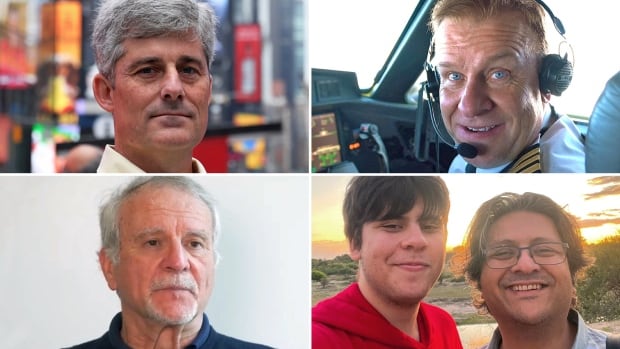
All five passengers of a missing submersible near the Titanic catastrophes, according to sub operator OceanGate, have died.
 
It’s now suspected that Paul-Henri Nargeolet, Hamish Harding, Shahzada Dawood, and his son Suleman Dawood have tragically passed away, the company said in a sombre statement on Thursday.
 
The firm expressed condolences to every member of their families during this tragic time and described the men as true explorers who shared a distinct spirit of adventure, and a deep passion for exploring and protecting the world’s oceans.
 
“We grieve the loss of life and joy they brought to everyone they knew. This is an extremely sad time for our dedicated employees who are exhausted and grieving deeply over this loss.
 
“This is a very sad time for the entire explorer community, and for each of the family members of those lost at sea,” it says in a condolence message.
 

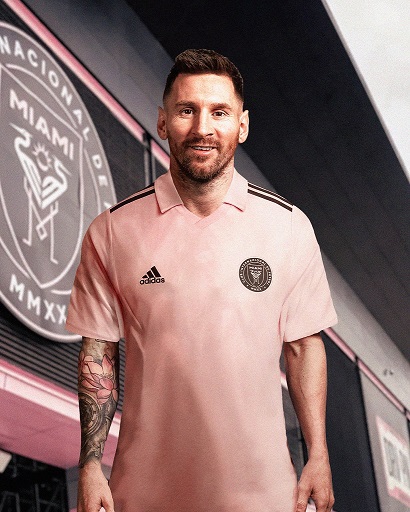
Breaking: Lionel Messi joins American side, Inter Miami

By Muhammadu Sabiu  

Argentina captain Lionel Messi has joined an American side, Inter Miami, after parting ways with the French club, Paris Saint-Germain (PSG). 

According to Fabrizio Romano, Messi will make an announcement about the new club he has joined in a few hours. 

Reporting on his official Facebook page today, Romano wrote, “Lionel Messi to Inter Miami, here we go! The decision has been made and it will be announced by Leo in the next hours. 

“Messi will play in MLS next season. No more chances for Barcelona despite trying to make it happen.” 

Recall that before this year’s Ligue 1 campaign came to an end, it was already announced that Messi would not continue at PSG. 

There were speculations that the 7-time Ballon d’Or winner would return to his former side, Barca, but the deal wasn’t sealed by the two parties.

Sudan’s warring parties arrive Saudi Arabia for peace talks

By Muhammadu Sabiu  

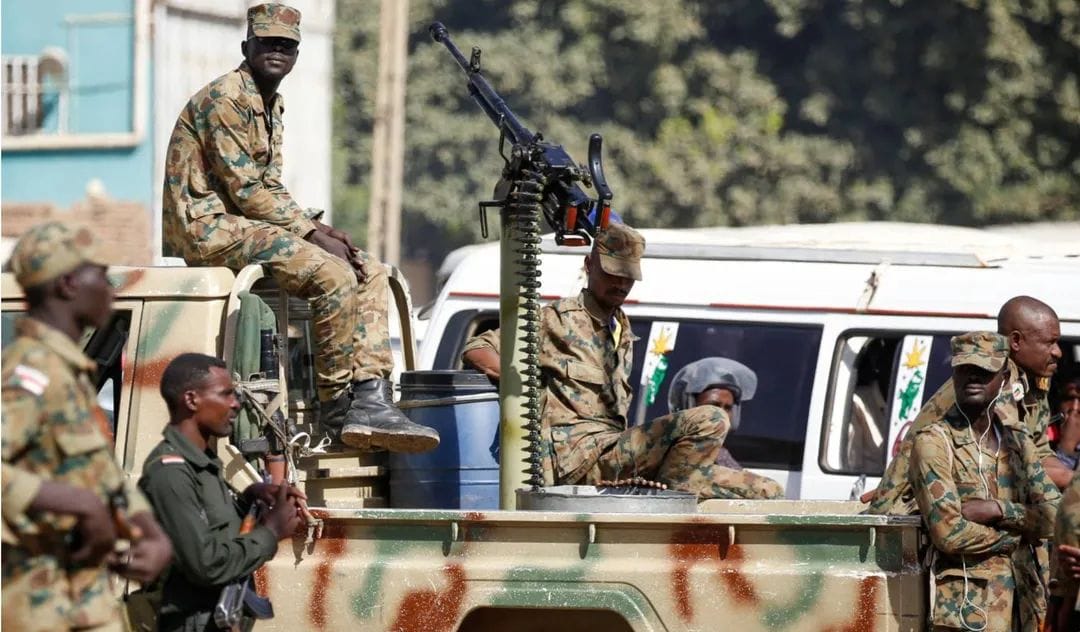
Representatives of the warring factions in Sudan have gathered in Saudi Arabia for face-to-face peace talks for the first time since the war broke out in mid-April. 

There will be talks sponsored by Saudi Arabia and the United States between the country’s military and the RSF security forces. Several previous ceasefire agreements have failed since the start of the war a few weeks ago. 

Both sides said they would agree to a ceasefire to allow civilians to leave the areas where the war is most intense. On Saturday, the Minister of Foreign Affairs of Saudi Arabia, Faisal bin Farhan, welcomed the representatives of both parties who arrived in the country for the reconciliation talks. 

He said he hoped the talks would end the conflict and restore peace and security to the country. General Mohamed Hamdan Daglo, who leads the RSF forces, stated on his Twitter page that the RSF welcomed the decision to cease fire in order to be able to send support into the country. 

He also said that the RSF is ready to return power to the hands of civilians in the country.

Nigerian man creates 25 bank accounts, robs US citizens of $3.4 million

By Muhammadu Sabiu 
 
Olaniyi Nasiru Ojikutu, a 39-year-old Nigerian, was convicted of participating in a multi-year romance scam and was given a sentence of nearly seven and a half years in a U.S. prison.
 
Ojikutu, a permanent resident of the US, allegedly opened roughly 25 bank accounts under his own name, a fictitious name, and the name of a shell company, through which nearly $3.4 million in fraud proceeds were moved.
 
It was revealed that Ojikutu and nine other people were charged in Operation Gold Phish, a Chicago-based sting operation that uncovered cybercrimes that preyed on senior citizens.
 
Ojikutu was charged with wire fraud in the scheme in 2019 and received an 88-month prison term on Wednesday, according to Fox32Chicago.
 
Ojikutu fled to Canada by bus after being charged, but was apprehended seven months later and turned up to American authorities in January 2020.
 
Last July, he entered a guilty plea to one count of wire fraud.
 
Social networking sites, including Facebook and Instagram, as well as the mobile dating app Match.com were used to contact scam victims.
 
Prosecutors asserted on Thursday that Ojikutu used the money obtained fraudulently for his own personal gain, including buying cars in the US and exporting them to Nigeria for resale.
 
Federal prosecutors reported that some victims suffered financial losses of several hundred thousand dollars as a result of Ojikutu’s acts.


How Harvard University sponsored students for Umrah

By Muhammad Jameel Yusha’u, PhD

On Friday, I spent the early morning hours participating in a boot camp on negotiation. It was part of the effort of Professor Rand Wentworth to build the capacity of his students in negotiation. The boot camp was facilitated by Monica Giannone.

Immediately after the boot camp ended at 12 pm, my friend Alibek Nurbekov and I proceeded to the Friday prayer. As I was about to enter the prayer hall, Dr Khalil Abdur-Rashid was also arriving. Dr Khalil is the Muslim Chaplain at Harvard University and teaches courses at Harvard Kennedy School and Harvard Divinity School.

“Sheikh Khalil, welcome back from Umrah,” I said as he made his way into the prayer hall.

“Good to see you, Jameel. I need to talk to you after the prayer,” he said, and I nodded in agreement.

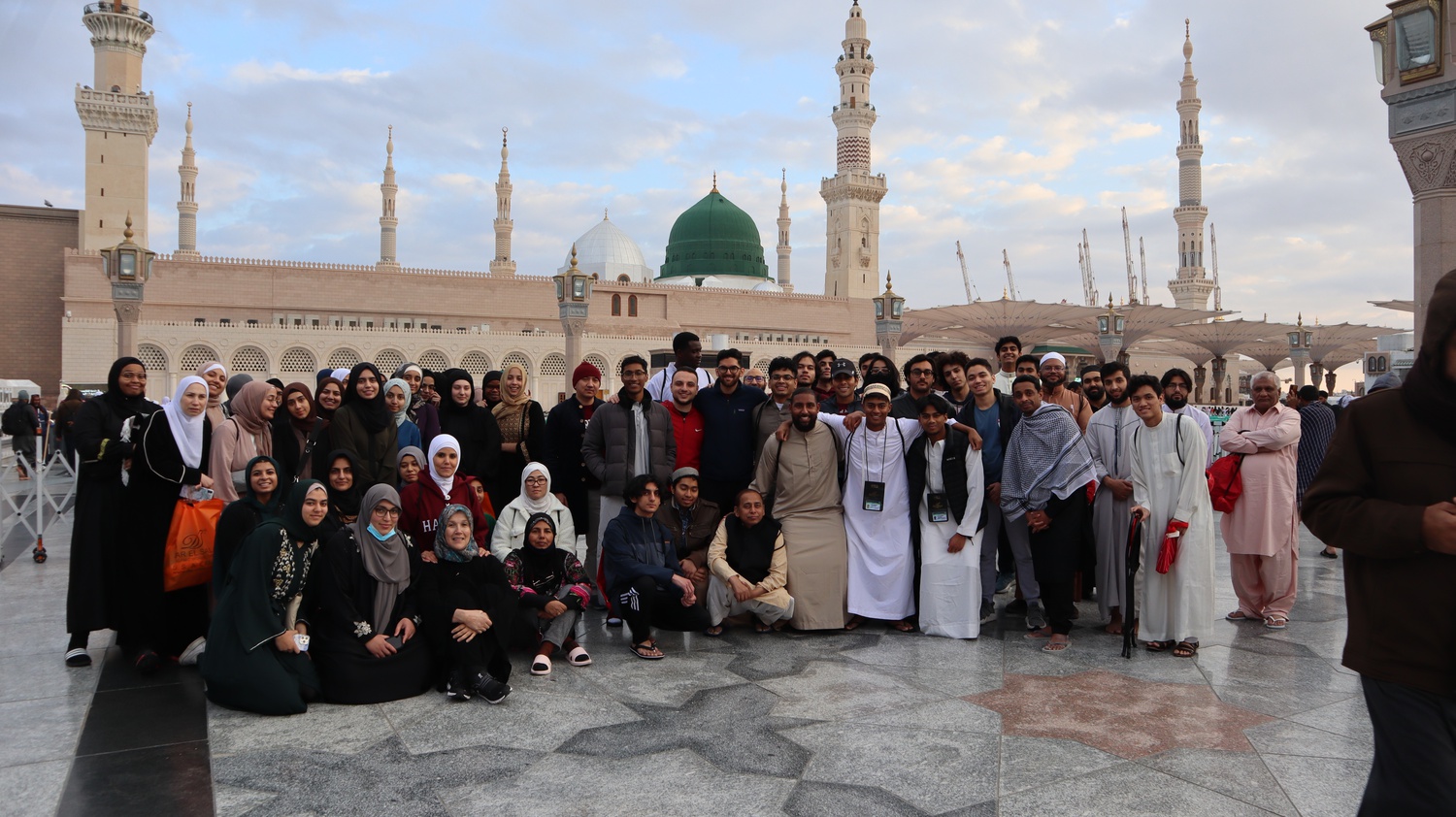
Dr Khalil led a group of students and other members of the Harvard Community to participate in Umrah, the lesser Muslim pilgrimage, where Muslims visit Makkah and perform the Umrah rites. They also visit Prophet Muhammad’s (PBUH) mosque in Madina and other historical places in the Kingdom of Saudi Arabia.

I came to know about the Harvard Umrah trip during the welcome orientation for students led by Dr Khalil last year at the beginning of the fall semester. He announced that some donors had provided scholarships for Muslim students to attend the pilgrimage, and he played a video for us on the experience in 2019 when they went on a similar voyage. Many students pledged to join the group for the trip in January.

Organising trips to different countries is a common tradition at Harvard University during the January break. Many trips were organised to Brazil, Singapore, Mexico, Saudi Arabia and more. The Harvard chaplaincy also utilised the break to organise the Umrah from 4th-14th January 2023.

Quoting Dr Khalil, The Harvard Crimson reported that “a generous donation from a graduate of Harvard Business School and a parent of two current Harvard undergraduates allowed the University to offer the trip at no cost to first-generation, low-income Muslim students. The donation for this year’s trip reportedly totalled approximately $100,000.”

As the Friday prayer finished, I waited patiently for Dr Khalil. As he came out, he asked me to walk towards his car. He brought a gift from the car and handed it to me. “This is a gift from the Umrah.” His wife Samia, who is also the female Muslim Chaplain, said, “it is a little gift for your girls.”

I thanked them in appreciation and headed home to enjoy the rest of the evening with my family. You can find the full story on the Harvard Umrah trip entitled “Spiritually Stimulating: Harvard Students Embarked on First Umrah Trip in Four Years.” (https://lnkd.in/et_dEBer).

Takeaway: Spiritual well-being is important in helping students to have a balanced educational experience.

Muhammad Jameel Yusha’u, PhD, is a candidate for a Mid-Career Master’s in Public Administration at Harvard University, John F Kennedy School of Government. He can be reached via mjyushau@yahoo.com.

We’ll support Nigeria in fight against illicit drugs—US

By Muhammadu Sabiu 

The government of the United States has unveiled a scheme that will help Nigeria’s fight against illegal drugs.

The National Drug Law Enforcement Agency’s (NDLEA) capacity for forensic and chemical analysis, intelligence gathering, and prosecution will be strengthened by the support.

The intervention is being coordinated by the Bureau of International Narcotics and Law Enforcement Affairs (INL) of the U.S. Department of State.

The announcement was made in a statement released on Monday by Femi Babafemi, Director of Media for NDLEA.

The chairman of the anti-drugs agency, Brig. Gen. Mohamed Buba Marwa (ret. ), made the requests after meeting with American representatives in Abuja and Washington, D.C.

The project will be carried out in Nigeria by the United Nations Office on Drugs and Crime (UNODC).

The assistance will strengthen NDLEA’s intelligence-driven inquiries using various tools, including legal texts, an e-library for prosecution, and others.

Babafemi stated that by adopting enhanced collection, handling, and custody practices, the agency would be able to prosecute cases with solid evidence.

The initiative “will be a vital step in furthering our shared objective of a united, peaceful, and stable Nigeria,” the U.S. government stated in its message.

National Museum of African American History and the horror of slavery

By Muhammad Jameel Yusha’u, PhD

Apart from hosting us in their house during the Thanksgiving holiday, Danielle Callaway Njama and her husband, Philip Njama, booked a ticket for us to visit the National Museum of African American History in Washington DC. It was another rich historical voyage. I strongly recommend visiting the museum if you happen to be in Washington DC.

The museum, formally launched by President Barack Obama in 2016, documents the history of slavery and the unspoken contribution of Africans to European and American economies.

Walking through the floors of the museum, an air of historical insecurity, goosebumps, and lamentation engulfs you. As you read through the stories of how the enslaved Africans were transported to Europe and North America in chains and other inhuman conditions, you feel the blood of sympathy circumambulating in your veins.

While these thoughts were going through my mind, there was sudden silence among my family. I turned back, and my eldest daughter was in tears, struggling to hold her emotions while reading through the stories of Africans like Ayoub Suleiman from The Gambia, who was enslaved in Maryland, and Mahommah Baquaqua from Benin, who was sold in Brazil and transported to New York.

Being a student of economic development, I couldn’t miss the section in the museum that estimated the value of cotton produced by African Americans to $250,000,000 in 1861; and the value assigned to enslaved African Americans at $3,059,000,000 in 1860. What is the value in today’s terms?

This is a difficult history, but as I have discussed many times with friends and colleagues, Africans shouldn’t allow themselves to be the psychological prisoners of the trauma caused by slavery. Yes, it is difficult, but Africans must move forward with zeal and unparalleled determination to write a glorious chapter of their story no matter the odds against them. Creating a path to development is the antibiotic to economic dependency.

Takeaway: Torturous lessons of history are difficult to ignore. It is the lessons from history that help determined communities to write a glittering chapter for future generations.

Muhammad Jameel Yusha’u, PhD, is a candidate for a Mid-Career Master’s in Public Administration at Harvard University, John F Kennedy School of Government. He can be reached via mjyushau@yahoo.com.