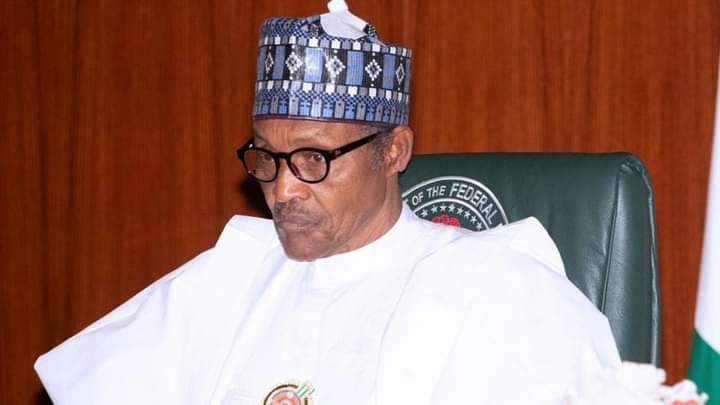
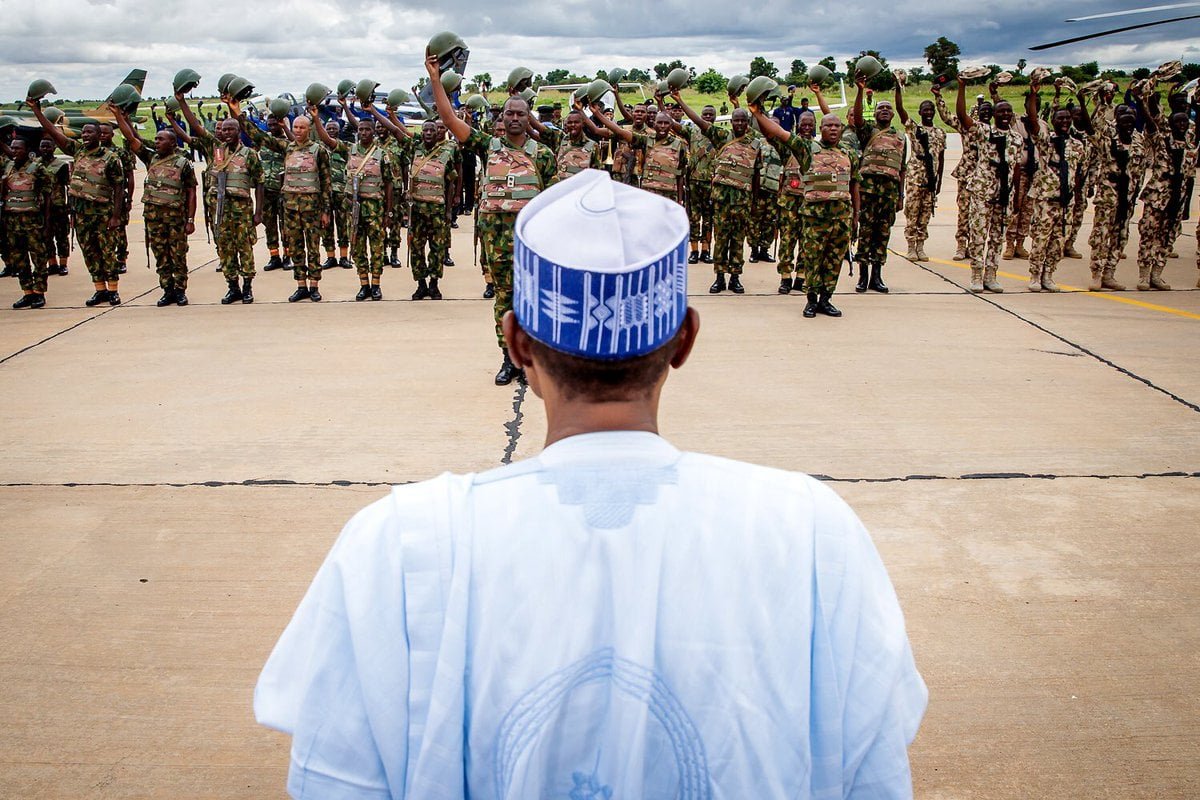
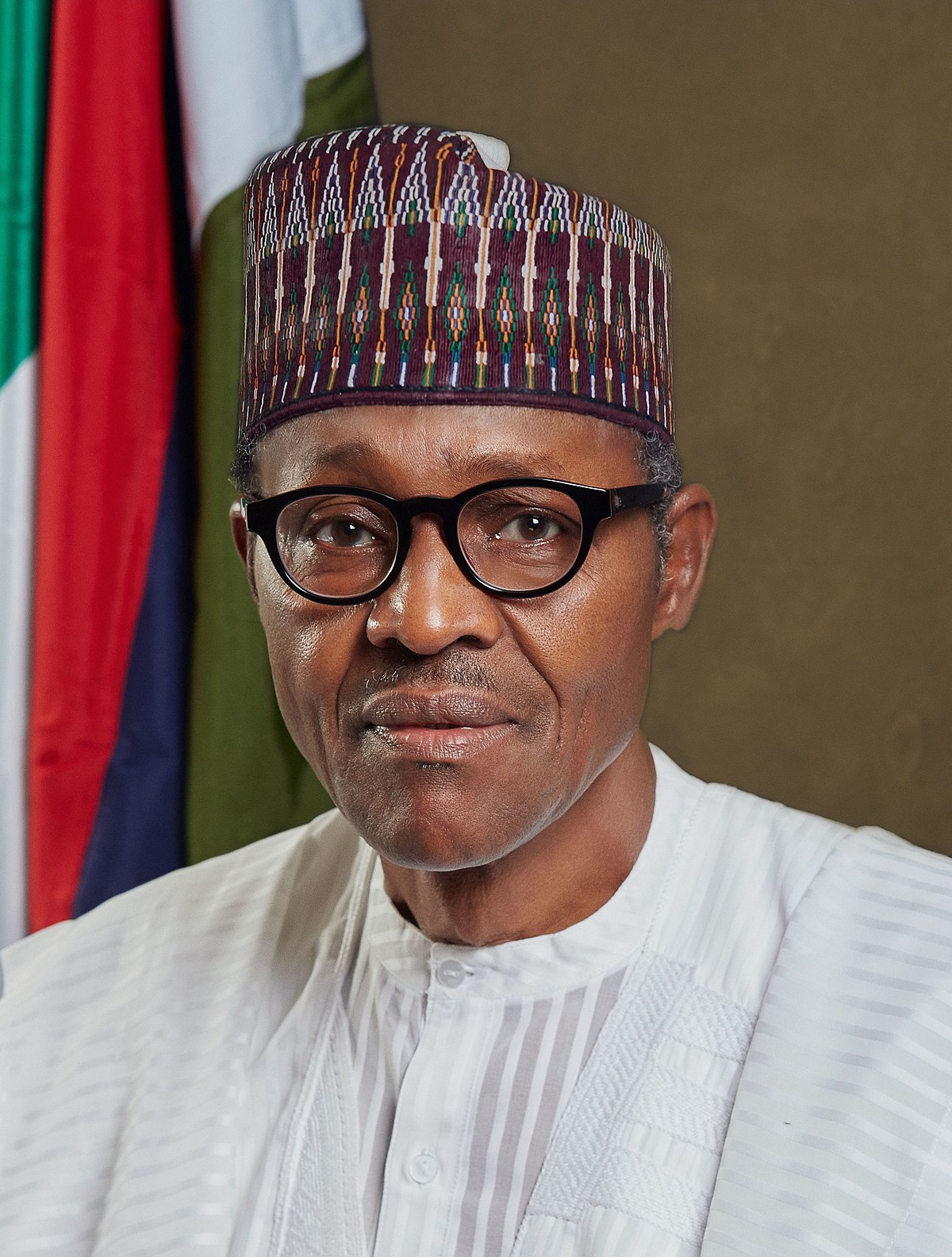
President Buhari, are you really a former military leader?
By Zayyad I. Muhammad
Firstly, the military has been stretched doing other ‘peoples’ jobs’ the military is tackling the terrorist bandits at the ‘surface’- see and kill, while the root causes still remain. The military is not a policing institution. The Nigerian Army is under intense pressure to fill security gaps. Security experts say, globally military involvement in crime-fighting is problematic practically because they are not trained to do so.
Secondly, the police which are trained to uproot the causes of this kind of criminality, deal with it at the surface & seal the seals, are handicapped beyond tolerance level- the police are underfunded, ill-motivated, under-equipped, and neglected. If the Nigerian police can get half of what it needs, they will tackle the bandit terrorists from end to finish. The police are superb in gathering intelligence from primary sources because the police are everywhere and trained to do so.
Thirdly, it seems, President Muhammadu Buhari is so much relying on a bulk information-first line of information ( service chiefs) he should also get information from the second and third levels- field commanders and local communities dwellers. If he is doing it, he should seek more. Though, the presidency on December 12th, 2021 said “Alongside military force, the government is seeking to address the violence at its economic source. Massive infrastructure projects like the coastal rail and new train from the southern coast through the north-east to our neighbour Niger, aim to expand employment and opportunity across the country, bringing hope to our more remote and poorer regions where bandits and terrorists thrive”
Fourthly, Governors, security votes and benefits- some officials of government who in one way or another benefit from the opaque security vote system will always work hard to make sure bandits’ Terrorisms continue- it’s a business. some state governors are doing their best, but some of their officials may be sabotaging their efforts.
Fifthly, communities social disorder- abject poverty, the death of community-living, everybody for his own has also contributed in oiling recruitments into the banditry business- this problem was as a result of one thing- the hijack of the local government system by the governors and state legislators. LGAs are the best sources to cater to the need of local people- when this source is no more, local people start searching for new sources to survive. Though, sheer criminality and materialism among some Fulbe including the international proliferation of small arms are also factors
According to a report by American Security Report (ASP)- ‘Banditry in northwest Nigeria has become an appealing method of income in the region where weak governance, youth unemployment, poverty, and inequality have left people with depleted options for livelihood. Security services are often understaffed and lack the proper resources to effectively combat banditry. Vast areas of unregulated forests allow for easy concealment, and police and military forces have difficulty penetrating the rough terrain. In addition, under-policed borders have aided the proliferation of small arms and light weapons’ amongst bandit groups’
Bandits Terrorisms have reached the red level- the problem now requires a holistic approach – new and already established effective methods must be implemented to tackle the problem from the root causes. For example, academics and security experts have done some excellent research on the cause of banditry in the northwest and other regions, the intelligence community can use it for early warning and intelligence gathering. Furthermore, the firing angle must be backed by more funding of the police by the federal government. Intelligence, accountability, selflessness, and national interest must also be a priority as well.
By Sumayyah Auwal Usman
President Muhammadu Buhari’s popularity has plummeted to the lowest level since he took over as the country’s leader in 2015, according to the latest Vanguard for Good Governance Initiative (VGGI) survey.
Results of the survey compiled by VGGI, show President Buhari’s popularity has declined sharply during the past two months with his approval rating dropping from 58 percent to 21 percent.
On specific issues, the survey found Nigerians, especially northerners, were unhappy over matters of heightened insecurity. Moreover, concerns about the economy, especially the cost of living and rising inflation are now seeing the president’s popularity hitting an all-time low among Nigerians.
The survey also reveals that the IPOB activities in the South-East is crippling the economy of the region.
VGGI says its survey consisted of phone calls, emails, interviews and text messages over the past three months to slightly more than 150,000 people.
By Mubarak Shu’aibu
The insecurity challenge in Nigeria has assumed a formidable dimension that requires a stakeholder’s approach as it is being touted in various quarters and, in all honesty, necessitates a call for creativity and long-term work. The alarming rate of insecurity is no less disturbing despite the reform undertaken and a substantial share of the national budgets allocated to the security sector.
The sensation of insecurity citizens of our societies experience is one of the main threats against the quality of life in a democracy. Thus, this has caused public opinion to cry in favour of searching for solutions to the woes. There is an acceptance that a lot needs to be done to turn the current malaise around, and espousing Forensic Science as a tool should be considered on the list of priorities as it would make a profound impact and or even lay a groundwork for the fight against insecurity. Proof for sexual offences, drugging, cold blood murder, bank robbery, identification of victims and other menaces could be decisively dealt with by forensic techniques.
Forensic Science refers to the application of scientific methods in the recovery, analysis and interpretation of relevant materials and data in criminal investigations. It is both an intelligence and evidential tool to assist in the crime management and delivery of justice.
Scientific advances already play an essential role in solving crimes. According to the American National Institute of Justice, since 2009, the institute has funded forensic science projects worth more than $127 million, including approximately $116 million for 269 research awards and nearly $11 million for projects by federal partners. This funding has resulted in more than 900 reports, publications in scholarly journals and presentations. Therefore, it is a wise bit of business in a country like Nigeria, where the criminal activities are devoid of sophistication like that of America, to expend more resources in forensics.
Just as medical, agricultural and economic research are crucial for the advancement of a country, a sustained progression in the research underlying forensic sciences also is critical for advancing safety and the administration of justice. Unfortunately, Nigeria is hooked on instant highs and short-term fixes, which has ultimately and gruesomely halted our general progress as a country.
In retrospect, lack of intrinsic abilities on forensic had many arguing in favour of the Kano State Governor Abdullahi Umar Ganduje when his videos stacking dollars into his pocket were leaked. This event had the public stupefied, including President Muhammadu Buhari, who in the aftermath remarked that he didn’t know the extent of technology used to record the video, a matter that could quickly be settled within a fraction of seconds with good forensics in place.
In a similar terrain, a snake swallowed handsome money in the JAMB office, a fire outbreak in one of the finance offices in Abuja, the recent accident that occurred recording scores of deaths by one of the elite sons and many more stories whose verdicts to date remain surreptitious for Nigerians.
Bringing this to a close, I can say employing forensic science techniques in our fight against lingering insecurity and corruption should be considered inevitable and necessary. That will solve many other problematic issues such as sexual offences, drugging, cold murder, etcetera.
Mubarak Shu’aibu wrote from Bauchi State, Nigeria.
By Uzair Adam Imam
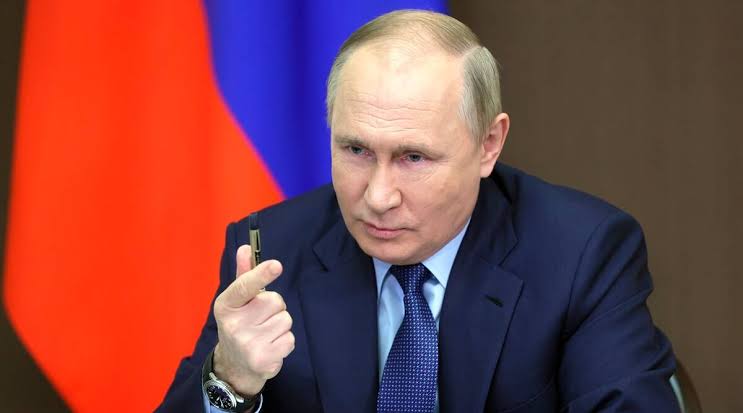
The Russian president, Vladimir Putin, has promised Nigeria his support in fighting terrorism and countering religious extremism.
Receiving the Nigerian Ambassador to Russia, Professor Abdullahi Y. Shehu, the president gave his words.
President Putin made the assurance to Nigeria adding that a “very promising expansion on substantive dialogue on topical issues related to maintaining stability in the world hydrocarbon markets, combating terrorism and countering religious extremism.”
He stated that Russia was open to mutually beneficial partnership with all countries without exception.
Putin declared that “Russia is ready for multifaceted interfaces for mutual interests with the countries that their new envoys have come to represent in Russia.”
By Muhammad Sabiu
By Uzair Adam Imam
President Muhammadu Buhari congratulates the leader of Nigerian Muslim Ummah and chairman of Nigerian Supreme Council of Islamic Affairs (NSCIA), His Eminence, the Sultan of Sokoto, Muhammad Sa’ad Abubakar (III), as he marks 15 years on the throne.
The statement signed Tuesday by the Senior Special Assistant to the President, Malam Garba Shehu, disclosed this, describing the Sultan as a “peacebuilder and a true embodiment of commitment to service”.
The statement also added, “Sultan Sa’ad has remained a leader who dedicated his life to the welfare of the people.”
“Greetings to His Eminence, the Sultan on his 15th year on the throne of his fathers. On behalf of my family and I, the government and the people of Nigeria, I wish you many more years in the position and working tirelessly to promote inter-religious and inter-communal harmony throughout the federation.
“It is very reassuring to have such leadership at these challenging times. My prayers are for your long and healthy life,” said the president.
By Zayyad I. Muhammad
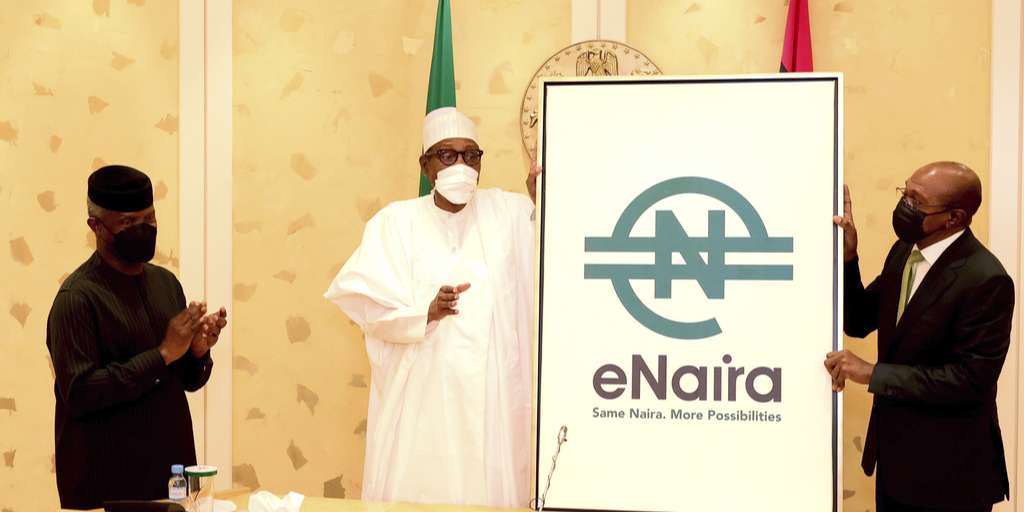
On October 25, 2021, President Muhammadu Buhari officially launched the much-awaited Central Bank of Nigeria (CBN) digital currency, the eNaira. The launch of the eNaira is a good and commendable initiative. The CBN said, “As technology evolves and advances, it is critical that Central Banks also evolve to continue to play their roles and the Central Bank Money adapts to take advantage of these opportunities provided by new technologies. Today is one of those moments where new technology offers the Central Bank an enormous opportunity to play its role even better, thereby improving the society and economy of the nation.”
The CBN is right in taking advantage of new technologies. However, there is a problem – many ordinary Nigerians are not aware of the eNaira and its benefits. The CBN has done well in enlightening the already-informed segment of the society on the advantages of the eNaira. The CBN boasts that the eNaira is secured, tamper-proof, processes verifiable transactions, simple and reduces the cost of transactions. But the majority of the common people are not aware of the eNaira and its advantages. So the big question is: What are the innovative approaches through which the CBN can enhance the acceptance and usage of the eNaira and e-transactions, generally among common people in Nigeria?
First, the radio. Radio plays a vital role in enlightening people, especially in rural and peri-urban areas. It is a significant source of information and news. The CBN can take advantage of the radio to create awareness on the benefits of the eNaira. Secondly, telecommunication service providers, with over 80 million users in Nigeria, the GSM creates a platform for the CBN to reach nearly half of Nigeria’s population on the advantages of the eNaira.
The CBN can collaborate with the Ministry of Humanitarian Affairs, Disaster Management and Social Development (FMHDSD) to create an e-wallet for all Federal Government social investment programme beneficiaries. Most of the beneficiaries are poor with prior low financial inclusion. The FMHDSD have ensured these people have bank accounts. Recently, through the Ministry, the Federal Government announced the launch of the Mobile Money Agent Programme and the commencement of training for 1,850 beneficiaries in Nigeria. These are viable means for the CBN to disseminate the advantages of the eNaira.
The CBN may collaborate with businesses that have daily interactions with common people. For example, collaboration with filling stations, market associations and transport unions to use eNaira in their transactions will help integrate more common people on the eNaira platform, as the people can use it with phones that are not internet-enabled. The eNaira should also be enhanced to allow banks to transfer it into a regular bank account automatically.
Bringing ordinary people on board will undoubtedly assist the CBN, and the government boosts the use and acceptance of the e-Naira. A columnist, Gimba Kakanda, wrote, “CBN needs to offer a layman’s explanation of the eNaira and break it down in various local languages to justify its usefulness, difference from cryptocurrency and what sets it apart from the electronic transactions Nigerians are used to.”
To bring millions of common Nigerians on the platform of the eNaira, the CBN should seek the help of experts in media, communication and public relations (PR) to develop programmes and models that will promote the acceptance of the eNaira.
Zayyad I. Muhammad writes from Abuja. He can be reached via zaymohd@yahoo.com.
By Uzair Adam Imam
President Muhammadu Buhari will leave for Saudi Arabia Monday, October 25, 2021, to take part in the 5th edition of the flagship investment event by business executives from Nigeria.
This was contained in a release issued on Sunday by the presidential media aide, Malam Garba Shehu, adding that the aim of the conference is to discuss issues on the future of investments across the globe.
However, Buhari is said to be accompanied on the trip by the Minister of Communications and Digital Economy, Dr Isa Ibrahim Pantami; Minister of State for Foreign Affairs, Amb Zubairu Dada; Minister of State for Petroleum Resources, Chief Timipre Sylva; National Security Adviser, Maj. Gen Babagana Monguno; Director-General of National Intelligence Agency, Amb. Ahmed Rufai Abubakar and other public officeholders.
On the other hand, the conference will also host participants from private sectors like Alhaji Mohammed Indimi, Alhaji Aliko Dangote, Tope Shonubi, Wale Tinubu, Alhaji Abdulsamad Rabiu, Hassan Usman, Omoboyode Olusanya, Abubakar Suleiman, Herbert Wigwe and Leo Stan Ekeh.
Shehu added that, after the conference, Buhari will perform a lesser Hajj before returning to the country on Friday.