Northern Nigeria

Children’s Day: A trip down childhood lane in Gyallesu Zaria

By Maryam Idris Bappa

Introduction

It was May 2023, and as I surfed the net for ideas on how to spend children’s day with my family, I imagined that my parents had likely not undergone this dilemma. I also realised it had been a decade since I considered myself part of Children’s Day. But, of course, I had once been a child, and I had once been celebrated. This prompted me to take a trip down memory lane to recall my childhood experiences.

The fact is that as of the early 2000s, there was no internet, to begin with. There were hardly any mobile phones in Nigeria or GSM,  as it was referred to back then. So scouting the net for activities was not a practice. Moreover, it was in the mid-2000s that landlines were domestically replaced with the GSM. So any planned activity had to be offline. And the news had to travel within a certain social circle.

News of any fancy activity was restricted to fancy neighbourhood kids who had arranged visits to fancy kids’ fairs, amusement parks and the rest of the hullabaloo typical of the elite social classes in their well-laid-out residences.

As for me, living in a neighbourhood of people from different socio-economic backgrounds meant I had to mingle with what was available. The only place where Children’s Day stimulated jubilee was the Western cultured school I attended outside the neighbourhood. This is because a foreigner co-founded it. The school organised march pasts by carefully selected participants who were expected to participate in school for the parade that day. The rest of us were given leave to remain home as a public holiday.

As one of the children staying home on Children’s Day, I vividly have no recollection of any activity significant to the occasion. Both my parents were working-class citizens who were exempted from the break. Nonetheless, any day off school was never a day wasted. Aside from that, the neighbourhood I grew up in comprised families of different social classes. Some with more exposure than others. That was where my home stood.

My Home

I lived in a few places in my childhood right before teenagerhood. But where my earliest conscious and vivid memories sprouted was from the age of five, when we moved to Gyallesu, Makama Road Zaria. There we lived until I became a decade old.

As mentioned earlier, my neighbourhood, Gyallesu, was a mixed neighbourhood of different socio-economic classes of families.

My home, a semi-detached three-bedroom duplex, comprised four families of similar cultural lineage. Like many post-colonial houses, the design had all rooms opening to living and dining quarters. With an indoor kitchen opening to a backdoor. There were also boys’ quarters of tenants of different ethnic groups, many of whom were students of an  FCE nearby. 

There was also a businesswoman who was very fond of me. As a tiringly interrogative child, I would arrest her time immediately when she returned from a journey and eagerly listened to her travelogues while munching on her gifts. She was good company, and I would spend many times in her single bedroom.

The other rooms that housed male student tenants were off-limits on adult orders. I was allowed only polite hellos, and any long conversation had to happen in the compound, under the vast open sky. The reason, which I assume many of you will know. But that is a different topic.

I also had friends within my compound.  The family we shared a wall with had a daughter roughly my age. We would play together in the mix,  attend Islamiyya, and sort out our differences. She was my best friend, and we would explore the neighbourhood outside the confines of our sizeable green-gated compound.

My Neighbourhood

Outside the compound of my home was a street I was not familiar with the name of. This access road ran abreast of my house to the east and west, joining the FCE and Makama roads.

Therefore, my closest neighbours were those along the same access road, on the same and opposite lane. Most houses there were working-class families whose children attended the same school as mine. We would sometimes go together or return the same. On the opposite lane was a polygamous home, a shop, a pharmacy and other homes. The families there were a bit different from ours. Quite content to keep to themselves.

The heart of Gyallesu was the Makama road, which stood perpendicular to one end of our street and was a tarred road bustling with majorly commercial activities. Along it stood provision stores, pharmacies, tailoring shops and a community school. Naturally, children attending the school would face a certain stigma and sometimes object of whispered ridicule by the more affluent kids. But how could the bullies have understood that those kids enjoyed decent education,  closer proximity and cheaper fees?

An essential presence in Gyallesu stood at the end of Makama Road. It was called the Banadeen gate, a security entrance gate to our neighbourhood. One that would be helpful in incidental unrest when the notorious Shi’a leader, also a resident of our neighbourhood, put up personal defences right at the gate. The Shiite presence would pose an internal threat constantly to the residents, yet a comfort during the external invasion. Moreover, the gate would only admit workers after clear identification, an added security point.

So, the neighbourhood contained most of the basic amenities necessary for daily activities. Moreover, security was good, and education was also an integral factor, for at its borders were the Ahmadu Bello University Kongo and the FCE.

One thing was sure. Gyallesu, in the early 2000s, was a very good neighbourhood with room for everyone. Its secure atmosphere allowed children to mingle freely within its streets. In those times, the best memories of my childhood were engraved.

The Chronicles

The choice of the word ‘Chronicle was indeed intentional. For in a child’s mind, the memories that stand out the most were those with the most adventure and mischief.

To say there were many memories of my childhood in Gyallesu is understated. But in the turbulence of these memories, as they filled my head with the sweet nectar of satisfaction, were memories that would corner a smile on my lips for one reason or another. Few among them were our play territories, Quranic learning school, extra-curricular activities and my earliest personal achievements.

  1. Play territories

The first thing you should know about children playing in a neighbourhood is that their guardians always set limits or boundaries. The rush, unfortunately, was on breaking them.

Beyond our approved area of play, we would speedily cycle beyond the approved speed limit considered safe by our parents. This violation did not stop at going beyond approved distances but also to dangerous places.

Remember the water hole Simba and Nala went to after being told strictly by Mufasa not to? Yes, we could take our freshly air-pumped bicycles down dangerously steep slopes to go to a river our parents were likely not aware of its existence, spending hours practising jaw-dropping dares.

Thinking of the imagined thrashing we would get if caught was not worthy of stopping us. So we went anyway.

Children will be children.

  1. Quranic learning school.

Mischief can be found everywhere, even in the least likely place. My compound friend and I were no exception.

Off Makama Road, we would take the road to our Islamiyya on foot, happily crunching at our remaining break funds we used to buy local delicacies and eat during lessons, which was, of course, frowned upon by teachers.

But the biggest mischief we would put up was finding a reason to race home after lessons. We ensured this by looking for trouble from one person or the other, who clownishly chased us off before my friend’s brother intervened and then threatened to report us back at home. But we would call off his bluff as we thought we also did him a favour by giving him a chance to play the hero of saving us.

We would hide any bruises gained from the ordeal from our parents to prevent further chastise.

  1. Extra-Curricular Activities

When I say extracurricular activities, I imagine something productive we would engage in outside school and play.  

For me, this came as a collective effort by the children of my compound to engage in agricultural activities. We all painstakingly participated in planting mangoes and yams for our imagined consumption shortly. But, alas, our dream was to be short-lived as the neighbourhood goat would intervene and eat up our young sprouts, despite our attempts of barbed wire-fencing the young shoots.

This planted anger in our hearts and enacted our intentions for revenge. But, as fate would have it, the accused goat was caught in action. We took turns torturing the goat, which I would not explain. But in the end, it avoided our territory, and we never planted again.

Thinking of the incident brings satisfaction and shame to my now-adult mind. I have learned that the best memories may not always be the strongest but also the worst.

  1. Personal Achievements

Above age five, I was beyond being celebrated for milestones. It had to come from something I did in school, at home, or religiously. This memory was from my first attempt at fasting.

At the age of 8, my competitive nature, typical of children, pushed me into attempting 13 hours without food or water.

As a first-timer, the hailing of my siblings and peers got me through the first 10 hours before my biological clock ticked time for protest.

I fought against all pleas and threats to complete the last hour of my fast. Fortunately for me, the Adhan for breaking fast was called just as the silver cup of pap I downed after finishing a plate of Akara touched the table. My mother declared that my fast was valid against the adverse remarks of my disappointed peers.

If you are wondering why I consider this a personal achievement. It is because I think my trial is my most outstanding achievement. The fact that I had not allowed myself to be peer-pressured into my self-prophesied untimely demise was a testament to my strong will and independence.

Conclusion.

Children’s Day may be celebrated differently among different generations. But every childhood is unique per individual.

Now a mother, the childhood I envision for my children is one I hope that someday they remember and cherish the experiences and lessons gained from it.

Happy children’s day to all the children, youth, adults and aged.

Maryam Idris Bappa can be contacted via bappamaryam6@gmail.com.

The North always supports Yoruba Presidency – OPF replies OPC

By Muhammad Abdurrahman

Moved by the recent threat to the North by the Oodu’a Peoples Congress (OPC) on the issue of contesting the National Assembly leadership sharing formula announced by the National Working Committee of the All Progressives Congress, the Oodu’a Peoples Frontiers (OPF) said, time immemorial, the North has always supported Yoruba Presidency.

In a statement issued to the media signed by the convener, OPF, Comrade Moses Oluwasegun Odewale said, the threat by the OPC, is in no way representative of the views of the decent Yoruba nation and should not be seen as such.

The statement said, “If anything, the threats, though empty and unsolicited, are embarrassing, shameful and only expose the inconsistencies of the OPC and other groups like the Afenifere that pose as representatives of the entire Yoruba nation.

“Whether OPC, Afenifere or any other group from any region wants to believe it or not, available facts and figures prove that the North is majorly responsible for the emergence of the Asiwaju as APC flag bearer and to his eventual victory at the polls.

“We cannot forget so quickly that eleven APC governors of Northern Nigerian states stood firmly against all odds and ensured that power moved to the South and to the Southwest in particular which paved the way for Tinubu’s emergence.

“And there is no disputing the fact that Tinubu’s final victory at the polls was secured by the northern votes which made up 60 percent of the total votes he got, far and above what he got in the Southwest.”

Odewale, reminded that, facts of history have shown how the North had been consistent with its support for a Yoruba presidency even at the expense of candidates from the North.

“During the 1993 elections, Bashorun Abiola contested on the platform of the Social Democratic Party, partly due to the influence of a northern force presented by the late General Shehu Yar’Adua.

“And at the polls, the Northern votes comprehensively went to Abiola to ensure his success over their own son, Alhaji Bashir Tofa, a prominent, respected personality.

“Record shows that of the 6.6 million votes that had been announced before the annulment, Tofa had received 2.3 million and Abiola  4.3 million of which more than half came from the North.

“Abiola won all the states of the south-west; three of the seven states in the south-east; five of the nine northern states including Kano, Tofa’s state; and four out of the seven states in the central middle belt.”

He further revealed that the gesture was replicated when Olusegun Obasanjo was released from prison by the northern establishment, made a candidate for the Peoples Democratic Party by the northern elite and voted for the presidency by the northern voters in 1999.

“On all these three occasions such self-professed Yoruba protection groups as the Afenifere and OPC were nowhere visible, in fact they only surfaced after the June 12 annulment to bask in the glory of what they did participate in.

“Also in 1999,  Afenifere and the OPC led the Yoruba nation to favour Olu Falae while the North worked for Obasanjo’s victory against their son.

“And this time around, Afenifere openly declared opposition to Tinubu, OPC was missing in the field while the North did all the work.”

From its viewpoint, the OPF believes that by making it look like the OPC are protecting their son, the President-elect, Asiwaju Bola Ahmed Tinubu, it has ended up exposing him in particular and the South-west several political vulnerabilities in the future.

“It is therefore the peak of insanity, shamelessness and ingratitude for the OPC or any Southwest group to reward the North with threats in the false presence of defending their son whom they rejected earlier.”

OPF, therefore, emphatically dissociates the decent Yoruba nation from these threats to the North in particular and to any other section of the country while condemning with all might the uncivilized action of OPC that threatens the long standing political friendship that exists between the North and the Southwest.

OPF further called on the President-elect not to fall for the dirty game of the OPC and Afenifere which only aims to pitch him against his most reliable traditional political allies.

“Asiwaju should as much as possible distance himself from agents of destabilisation operating in various guises and instead concentrate on governance and the task of nation-building with justice and equity to all.”
 

A scorecard for Buhari 

By Mukhtar Jarmajo 

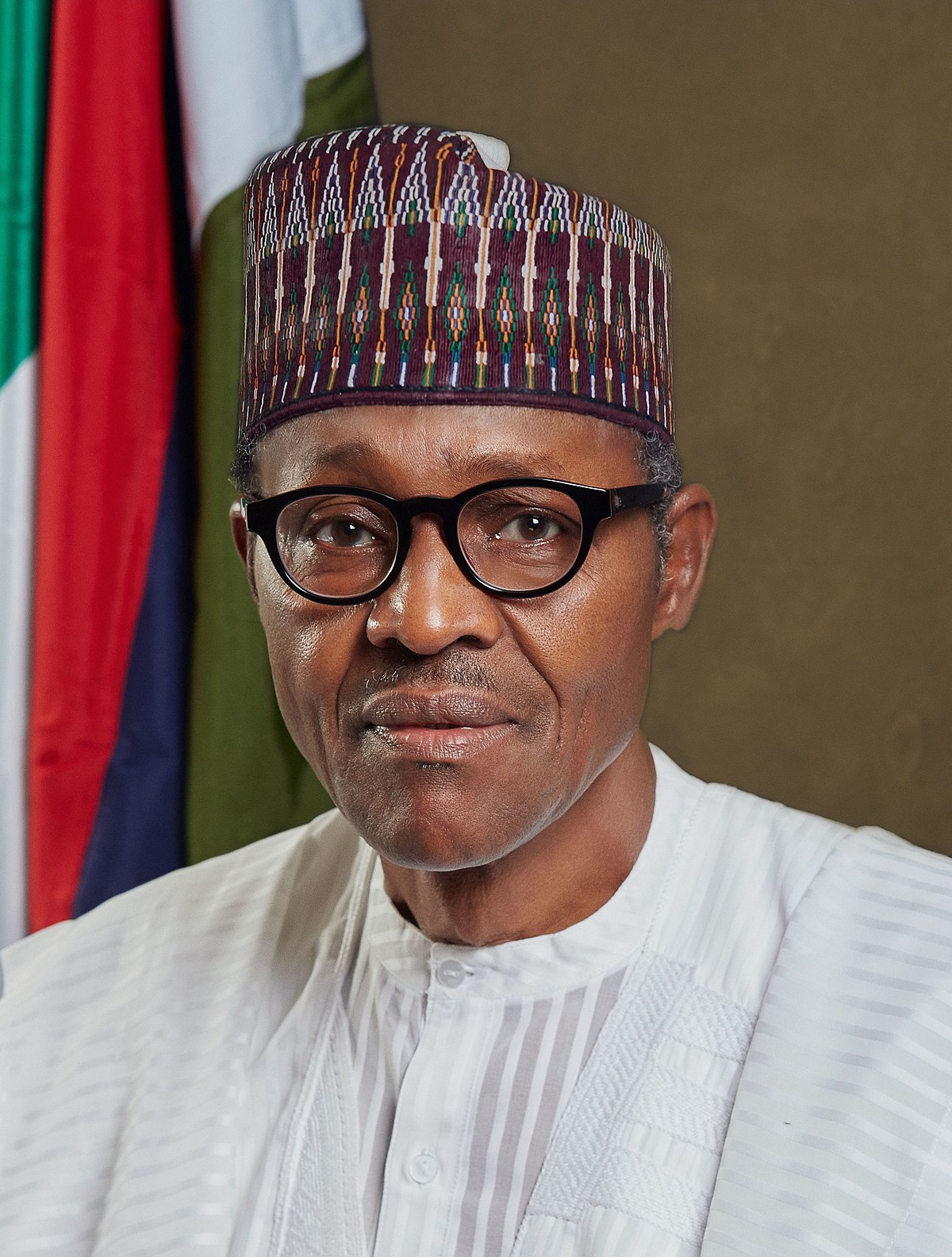
As President Buhari prepares to leave office the following Monday, reflecting on his tenure and his impact on Nigeria is important. When he assumed office in 2015, he came with the promise of improving security, revamping the economy and tackling corruption. While much is still desired, it is clear that he has made significant strides in achieving these goals.

On security, President Buhari’s administration has made considerable progress in the fight against insurgency, particularly in the country’s northeast region. The Boko Haram terrorist group has been significantly weakened, and the government has also made gains in the fight against banditry and kidnapping in other parts of the country. Although much work still needs to be done, it is clear that the foundations for a more secure Nigeria have been laid.

In terms of the economy, President Buhari inherited a challenging economic situation, with falling oil prices and a depreciating currency. His administration implemented a series of economic policies, including a diversification drive, the implementation of the Treasury Single Account, and the launch of the Economic Recovery and Growth Plan. These policies have helped to stabilise the economy and put it on the path to growth. While there is still much work to be done, the next administration will have a more solid foundation to build upon.

President Buhari’s administration also significantly tackled corruption, a major challenge for Nigeria for many years. The government implemented various anti-corruption measures, including establishing the Presidential Advisory Committee Against Corruption, launching the Whistleblower Policy, and prosecuting high-profile corruption cases. While corruption remains a major issue, it is clear that the government’s efforts have had a positive impact and set the stage for further progress.

Many challenges have characterised President Buhari’s tenure, but also significant achievements. As he prepares to leave office, it is clear that he has laid the groundwork for a more secure, prosperous, and corruption-free Nigeria. The incoming president will undoubtedly find things easier, given that many of the difficult decisions needed to make Nigeria great have already been taken. President Buhari will go down in history as one of the most tolerated presidents in the annals of Nigeria, and his contributions to the country will be remembered for years.

Jarmajo wrote from Wuse Zone 2, Abuja. 

The truth we owe President Muhammadu Buhari (2015 – 2023)

By Abubakar Suleiman

In a few days, President Muhammadu Buhari will be vacating the coveted seat of the president and will retire to his hometown Daura or Kaduna state. William Shakespeare reminded us in one of his sonnets that “like as the waves make towards the pebbled shore, so do our minutes hasten to their end.” It was like yesterday; Buhari defeated the then-incumbent president, Mr Goodluck Jonathan.

The sending of Jonathan back to his hometown, Otuoke, after his defeat in the March 2015 presidential elections was greeted with happiness, unbridled hope and unmatched optimism. Even lives were lost, and limbs were severed in the cause of celebrating the emergence of a ‘Messiah’ with the name President Muhammadu Buhari.

People were tired of ‘common stealing is not corruption,’ insecurity, the roadblocks by security forces and many other socioeconomic issues. However, the demeanour of President Buhari started manifesting after taking some months to form his cabinet. The long time taken to form the cabinet did not match the citizens’ expectations as the list was not majorly peopled by experienced and competent technocrats. And this signalled that the country is probably far from being an Eldorado.

However, the masses gave President Buhari the benefit of the doubt that he would rally the cabinet towards building a more secure, economically sustainable, prosperous country.

One of the pressing issues in 2015 was Boko Haram, which he faced headlong. Virtually all the local governments under their control were retrieved, and the insurgents became less organised, with cracks emerging among its ranks. ‘Tactical manoeuvres’ by Nigerian soldiers became a thing of the past, indicating that they have been more motivated with incentives and new armoury than what was obtainable under former President Jonathan. Checkpoints on many major roads disappeared, and there was seemingly no more stop-and-search at religious centres or places of worship.

When we are trying to have a deep sigh of relief, another type of insecurity – kidnapping and banditry – surfaced or upsurged in northern Nigeria. The insecurity reached a crescendo that a soldier was kidnapped within the perimeters of the Nigerian Defence Academy (NDA) in Kaduna state, and banditry became pervasive in Katsina, Zamfara and Niger states. The kidnapping of secondary school students also resurfaced. Travelling by road for socioeconomic activities became a life-threatening matter.

Furthermore, parts of Southwest and North Central states are not excluded from this kidnapping menace. Southeast also became a haven for a terrorist group – the Indigenous People of Biafra (IPOB). Just as many people deserted the Abuja-Kaduna road for the safety of their dear lives and to enjoy the goodies of the railway infrastructure, the big boys in town, the Boko Haramites, once again reminded us that they are still much around. They halted a moving train with a bomb; exchanged fire with the police officers onboard the train; killed many passengers, and shepherded dozens of persons into a thick forest.

True to his leadership style, President Buhari never deemed it necessary to address the nation on television. At best, his media foot soldiers only regurgitate or rehash previous press releases to console the masses and ‘assure’ them of Mr President’s commitment to solving the menace. Public perception of optics was never given a damn in most parts of his administration. He understands the power of silence amidst rancour or agitations, but sometimes this silence is not golden.

If one is to carry out a comparative assessment and scientifically conduct analysis of data, taking into consideration variables like the number of people killed resulting from insecurity, number of people kidnapped, number of people injured and number of people displaced from their homes and living in camps, it will be difficult to conclude that President Buhari is leaving a safer and more united country than he met it.

Furthermore, the major reasons for these drawbacks are the lack of taking the country’s diversity into consideration during appointments and the lack of synergy among the service chiefs and the officers in charge of other security apparatus.

A fair-minded person on infrastructure will give President Buhari a pass mark because he invested heavily in critical infrastructure. He continued projects he inherited and initiated spectacularly new ones. He built new railway networks and world-class airports, and dualised and expanded major roads.

In addition, bridges were built strategically to ease the movement of goods and services. The Ajaokuta-Kaduna-Kano natural gas pipeline was also a unique and futuristic project the administration initiated. There is indeed no diversification without investments in infrastructure. Plus, the Dangote refinery has also been strategically commissioned.

The administration recorded significant Executive Orders and signed many Bills into Act, especially the nagging Petroleum Industry Bill. It also gave local governments, states judiciary and legislature financial autonomy except for the greediness and arm-twisting of the Nigerian Governors.

Unfortunately, we did not get the “Nigeria Air” promised by the Minister of Aviation, Hadi Sirika. Agriculture was also given good attention and interventions from the Central Bank of Nigeria (CBN) and other financial institutions, thereby increasing rice production locally and making many farmers smile at the bank. But insecurity suppressed these achievements at some intervals.

Without making excuses for President Buhari, he inherited a not-so-impressive economy. Former president Jonathan’s subordinates literally stole and squandered monies meant for procuring arms; the insecurity necessitated by the Boko Haram insurgency is already biting the country’s meagre resources, displacing people and their economic activities, then oil prices in the global market nosedived from above $100 per barrel to as low as $38 per barrel. With oil being the primary source of forex, that was a big blow, and recession became imminent.

The country was trying to recover from these economic shocks, but the COVID-19 pandemic rare its ugly head and the global supply chain was distorted. Honestly, even the best team of sincere and brilliant economists will find it difficult to recover this economy amidst corrupt and weak institutions like ours.

However, Buhari missed some opportunities. He failed to deregulate the oil sector when the oil in the international markets was low. And a country recovering from economic shocks ought not to have closed its borders, no matter how noble the intention is. Local rice factories and production increased, but inflation took plates of food off people’s tables and crippled many legitimate businesses.

President Muhammadu Buhari gave Emefiele unfettered power in currency crisis management, but Emefiele enabled round-tripping between Naira and Dollar. And the conservative nature of the CBN’s fiscal and monetary policies was thrown into the gutters. There was no economic adviser to advise Mr President, as he doesn’t easily sack incompetent subordinates. Ultimately, he gave us a parting but bile gift – a cashless policy and cash crunch. This singular ill-thought-out and insensitive policy perished many small and medium enterprises and rendered many people poor.

The President enjoyed goodwill and was not painted with the corruption brush by his political friends and transducers. Still, it would be difficult if corruption charges were not placed at the doorsteps of some of his cabinet members, aides, and probably his family members post-May 29. After May 29, when Economic Financial Crimes Commission (EFCC) begins knocking and revealing the corruption under his watch, Mr President will realise how he must have been scammed or manipulated. Many aides would have taken to their heels due to corruption charges, while the clever thieves would be enjoying the spoils of the wars.

The incoming administration has much to learn from the successes and, most significantly, the failures of President Buhari’s administration. The Renewed Hope by President-elect Tinubu must hit the ground running by May 29th because hope is the only thing most Nigerians are holding onto, just like a drowning man clutching a straw.

Abubakar Suleiman writes from Kaduna and can be reached via abusuleiman06@gmail.com.

Please, hide my identity

By Abubakar Suleiman

If you are conversant with the Arewa cyberspace, it will be surprising if you are unaware of the cliché, “Please, hide my identity.” It has gained so much currency (or notoriety) on Instagram, Facebook and Twitter. And it is mainly followed up with bad news, especially related to relationships and marriages – cases of incest, infidelity, marriage battery, heartbreaks and others.

People usually send their relationship or marital problems to popular social media pages or handles managed by self-styled marriage counsellors. These counsellors or opinion shapers then subject the problems to the public for solutions while hiding the identity of the sender of these problems.

Surprisingly, these people who found themselves in a toxic relationship or abusive marriage have parents or guardians who married them off to their spouses. Still, they many times seem to bypass them for advice or counselling.

They also rarely approach certified marriage counsellors or therapists for solutions. Therefore, the problem is thrown to the public, and with too many disjointed ideas or solutions, sieving the best solution to the peculiar problem becomes complicated.

Not so fast; how are we even sure these stories or problems are true? What if someone sits in the comfort of their room or basement and concocts these unfounded narratives to make the stories trend? Many people don’t check the logical validity or fallacy of these stories.

Social media gave everyone a platform to air or voice out their views. The problem with the advent of these platforms is not the access to information but rather the processing of information. Many people find it uneasy to check the authenticity of stories or the validity of statistics.

The blowback or unintended consequence of this ‘hide my identity’ trend is that it has made many young people consume many negative stories, thereby fuelling suspicion between both genders. Moreover, stories of successful and happy marriages have been in short supply. Therefore, some young people no longer see marriage as a worthwhile endeavour wherein you invest your patience, energy and prayers.

On the one hand, love movies from Nollywood, Bollywood or Kannywood made young people see marriage or relationship as a perfect bed of roses or land of Eldorado instead of the cocktail of happiness, sadness, compromises and sacrifices that it is.

On the other hand, ‘hide my identity’ stories have increasingly made partners or lovers dine with each other with a very long spoon. Each sees the other as a veiled threat or a potentially dangerous person. These trends have created overnight feminists and misogynists.

The above backdrop does not downplay the effects of abusive or toxic marriages or relationships that appropriate authorities could reasonably address – parents, guardians, certified counsellors or the court. However, young people must be guided on what marriage entails, its prospects and its challenges. They need a direction or triangulation amidst a plethora of negative information and scary marital or relationship stories.

They should also be fed with successful marital examples or stories and the possibility of a happy marriage. And this makes parenting a more difficult task in our contemporary world.

The last time I checked around, we still had more good homes than broken ones. But, unfortunately, the familiar stories of abusive marriages or relationships are just the case of bad news flying more than the good ones.

Check out families around you, your pairs, neighbours, colleagues at the workplace or married classmates. You’ll understand that except for the usual day-to-day challenges in marriage, they are relatively not bad as it is being portrayed. However, we can canvass for improvements, coping mechanisms or detailed exit plans for worst scenarios. Therefore, ‘hide my identity’ stories are many times fabricated stories or isolated cases than the whole.

Abubakar Suleiman wrote from Kaduna and can be contacted via abusuleiman06@gmail.com.

Danmodi’s shelterbelt plan will tackle desertification in Jigawa

By Hamisu Gumel

The environment is an essential component of human life and sustenance. It provides the necessary resources and ecosystems to support our daily activities. However, with the increasing human population and industrialisation, the environment has become severely threatened, leading to environmental degradation and climate change.

As I write this, increasing areas in the northernmost part of Nigeria, including parts of Jigawa State, are turning into deserts due to climate change, which brings about high temperatures and soil degradation, among its adverse effects. Climate change is a significant environmental issue affecting the world for decades, and its impacts have become more apparent in recent years. Climate change is a long-term change in global weather patterns, resulting in more extreme weather events such as droughts, floods, heat waves, and heavy rainfall.

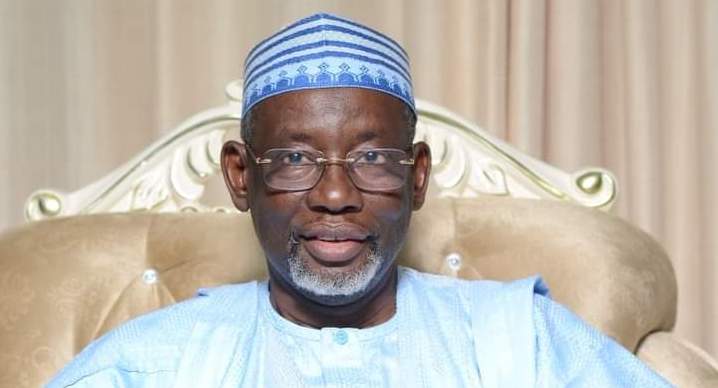
Jigawa State, located in the northwestern part of Nigeria, is among the frontier states facing the adverse effects of climate change as it has suffered from the symptoms of desertification: erosion, rain shortages, and drought. In response to this challenge, Umar Namadi’s blueprint for environmental protection in Jigawa State is a significant step towards protecting and conserving the environment.

No doubt, for any serious government to come on board in the state, the issue of land conservation must take centre stage. With agriculture as the economic mainstay of the state, over 80% of households rely on farming for food and income. And Jigawa’s wetland (fadama) areas represent about 14% of the state’s total landmass of 24,742 square kilometres. But desertification, exacerbated by our unsustainable felling of trees, is threatening this natural endowment.

One of the significant highlights of Umar Namadi’s blueprint is the continued support of relevant afforestation and reforestation programs and projects under the Environmental Protection Agenda. Afforestation and reforestation are crucial measures for mitigating the effects of deforestation and climate change. Deforestation adversely affects the environment, leading to soil erosion, loss of biodiversity, and reduced water quality. Afforestation and reforestation help mitigate these effects by restoring lost forests and planting new ones.

The Great Green Wall Initiative is another critical project that Mallam Umar Namadi’s blueprint supports and aims to implement in the letter. The Great Green Wall is a pan-African initiative to combat desertification and land degradation in Africa’s Sahel and Sahara regions. The initiative involves planting a wall of trees that spans over 8,000 kilometres from Dakar in Senegal to Djibouti in the Horn of Africa. The incoming Jigawa State Government’s intention to invest in this project indicates Danmodi’s resolve towards combating desert encroachment and restoring degraded land in the affected parts of the state.

Yet, a crucial aspect of this blueprint that catches my fancy most is the item on the establishment of 250 km of shelterbelts and woodlot plantations in the state. A shelterbelt is a strip of trees or shrubs in a straight line to protect farmland, homes, and other structures from wind erosion and soil degradation. This can be said to encompass all the factors of environmental protection. The 250 km-long shelterbelts, according to the blueprint, would cut across the north-western part of the state, starting from Guri Local Government Area and passing through Birniwa (both in the northeast) along the border with the Niger Republic up to Maigatari, Babura, Yankwashi, Gwiwa, and Roni Local Government Areas.

Establishing shelterbelts and woodlots along the northwestern part of Jigawa State is particularly significant and desirable as the area is prone to soil erosion and desertification. In addition, the site also serves as a buffer zone between the Sahara Desert and other parts of Nigeria. So, this shelterbelt protection program, if implemented, will go a long way in helping to reduce the effects of desertification and land degradation and serve as a model for other regions facing similar challenges.

Among the benefits of the proposed shelterbelt program is that the shelterbelt will protect farmland and communities from wind erosion and soil degradation. Wind erosion is a significant problem in this part of the country, resulting in the loss of topsoil and nutrients, making it challenging to grow crops. A shelterbelt will reduce wind velocity and protect the soil from erosion, improving soil fertility.

Also, Jigawa State is prone to desertification and land degradation resulting from deforestation, overgrazing, and poor land use practices. A shelter belt will help mitigate these problems by reducing the effects of wind and water erosion, promoting soil conservation, and improving soil fertility.

Likewise, establishing a shelterbelt will promote agroforestry, which involves growing trees alongside crops or livestock. Across the world today, agroforestry has been proven to be a practical approach to sustainable agriculture as it improves soil fertility, conserves water, and promotes biodiversity. Establishing a shelterbelt in Jigawa State will promote agroforestry and create opportunities for communities, especially those in the drought-affected areas of the northwestern part of the state, to generate income from tree products such as fruits, nuts, and timber.

Lastly, establishing a shelterbelt in Jigawa State is a significant step towards environmental sustainability, as it will help reduce greenhouse gas emissions, improve soil quality, and promote biodiversity.

Now, as the May 29th inauguration day is fast approaching and all eyes are on the incoming government of Mallam Umar Namadi to translate into action its campaign promises, I have no iota of doubt that the man is equal to the task. We believe that by applying these greener development strategies, the state government could create employment opportunities, increase agricultural yields, and protect the environment for the good of our people. We know that many tree planting (or shelterbelt) programs were initiated and failed in the past, but if this particular project comes to fruition, it will be the first of its kind in the country.

Hamisu Gumel wrote from Limawa Quarters, Gumel, Jigawa State. He can be reached via hamisugumel@yahoo.com.

It’s phone robbery, not phone snatching

By Salisu Uba Kofar-Wambai

It is no longer a front-page story that phone robbery has become a mammoth calamity in Kano state. And it’s gradually spreading like cancer to other parts of Northern Nigeria. One trait peculiar to Northern Nigeria as a geographical entity is that new trends quickly spread and gain ground like wildfire without being questioned. This is precisely what occurred with kidnapping cases.

 If one has no guiding principle, one will always be carried away in imitating others, whether good or bad actions. Phone robbery is now a trend. Many caught in the act would testify that they were not such but got tempted by what others were doing and getting away with it. What a society!

However, unsuspected members of the public have lost their phones, valuable properties and above all, their dear lives and some got injured as a consequence of this brutal and barbaric act. And 95% of the confessions of the wrongdoers have shown that they’re drug addicts and Indian hemp smokers.

Unfortunately, phone users can no longer display their phones or pick up a call because those robbers are somehow like invisible elements and can appear with their life-threatening weapons to pounce on you, which include thorny knives, hatchet, long sharp metals and have you. Often, any attempt to resist their advancement will land one in trouble of losing his life or getting a severe injury that may eventually threaten his health and life. The victims of this are uncountable in Kano and other parts of the North.

However, our legal system is not helping to curb the menace either. Many caught red-handed are seen getting their freedom back. At the same time, those arrested for capital offences are languishing in prisons without meeting appropriate punishment measures on capital offences. And the politicians who have just finished using these thugs and other undesirable elements of society are also contributing a lot in this direction.

Politicians employed them in their recent campaigns as a strategy for winning elections. After the campaigns and elections, they usually leave them alone after spoiling them with vast amounts of free money from the state treasury to enjoy. Those thugs have nowhere to turn in the absence of such goodies but to terrorise unsuspecting and innocent citizens.

Before this, society had its traditional way of dealing with truants and miscreants. The schools of “Yan Mari” are used to shackle those children and disassociate them from the public so that they were given moral remedy of teaching them Quranic recitation, training them on new religious upbringing, and making them off drugs. Owing to the weakness of this system, the Federal and State governments abolished the system by tagging it “gross human rights abuses and violations” instead of helping them to improve and enhance it.

Nevertheless, what’s on everyone’s lips now is that since the government has failed in checkmating the catastrophes, let’s employ jungle justice that everyone caught in the act should be maimed and killed on the spot to serve as a deterrent to others. But can our society accept this? The sanctities of our moral and religious upbringing won’t allow us to think like Lagos Area Boys of burning suspected thieves with tyres alive. Instead, we need to think of more civilised methods.

First, most perpetrators of this act are Indian hemp smokers and drug addicts. So, what are we doing to mitigate it? We allow Igbo drug traffickers to make our state their paradise. And in turn, they are every day, every minute spoiling our young men (and women) who are our future.

Secondly, we haven’t built rehabilitation centres to change these criminals to develop positive characters and morals so they can be reincorporated into society again. And those built were closed down for the greedy notion that the government could no longer feed them. Sad!

Thanks to the new legal thinking, such suspects will be tried as armed robbers from now on. But all these measures cannot solve the problem in toto until we fight Indian hemp and drug smugglers. We can only end up killing our children and still, others joining. Parents also have to do more for their kids.

May Allah guide our children and us all, amin.

Salisu Kofar-Wambai wrote from Kano and can be contacted via salisunews@gmail.com.

Al-Istiqama varsity vows to conduct drug test for students

By Uzair Adam Imam

A Nigerian private university, Al-Istiqama University Sumaila (AUSU), Kano, has taken a bold measure to address the lingering issue of drug abuse among youth, particularly its students.

Professor Salisu Shehu, the university’s Vice-Chancellor, disclosed this on Tuesday on his verified Facebook account.

The Vice-Chancellor said the university would not tolerate any form of drug abuse, adding that the move was to ensure “drug-free campuses.”

Reports on the danger of drug abuse by our media outlets recently filled the air following the murder of a Kano mother by her drug-addict son a few days ago.

The Vice-Chancellor further disclosed that the university has made it mandatory for all its students to go through a ‘drug screening exercise’.

In the disclosure he titled ‘Zero Tolerance to Drugs in Al-Istiqama’, Professor Shehu added, “As part of our efforts to ensure drug-free campuses, we have made it mandatory for each and every student, fresh or returning, to go through DRUG SCREENING EXERCISE at the beginning of each session.

“As we have just returned for the 2022/2023 Session, the exercise is currently ongoing, as can be seen in the photos below. ALHAMDULILLAH ALA TAUFIQIHI WAMTINANIHI,” he stated.

The Daily Reality, going through people’s reactions to the post, learned the measure taken by the university is fully supported by the public.

The decision was appreciated, and other universities were also called on to emulate Al-Istiqama to ensure a drug-free environment.

English: Language of science and emancipation

By Abdurrazak Mukhtar

English has become the language of science and emancipation. Whether we like it or not, this is a fact that we cannot ignore. The reasons for this dominance are complex, but we can trace them back to several historical and cultural factors.

In many ways, the emergence of English as the language of science can be traced back to the scientific revolution of the 17th century. This was when scientific knowledge expanded rapidly, and scientists needed a common language to communicate their findings. English became the obvious choice as the language of the dominant scientific culture in Europe and North America.

Over time, English has become the dominant language of science for many other reasons. First, it has a large and growing population of speakers worldwide, making it a common second language for many people.

Second, English has a relatively simple grammar and spelling system, making it easier to learn than many other languages. Finally, English-speaking countries have historically been major scientific research and development centres, giving English prestige in the scientific community.

Beyond science, English has also become the language of emancipation in many parts of the world. The spread of English has been closely tied to the expansion of Western political and economic power, and many countries have adopted English as a way of breaking free from the legacy of colonialism. Today, English is seen as the language of global commerce, and proficiency in English is often seen as a key factor in social and economic mobility.

Of course, the dominance of English is not without its drawbacks. Many languages and cultures risk being marginalised in the global marketplace, and there is a growing recognition of the need to promote multilingualism and cultural diversity. Nonetheless, proficiency in English remains a valuable asset for individuals looking to succeed in science, business, or other areas of international engagement.

The good news is that mastery of any language can be rewarding personally and professionally. The ability to speak multiple languages opens up new avenues of communication and understanding and can lead to greater cultural exchange and collaboration opportunities. Moreover, mastering a language is an art in itself, requiring discipline, creativity, and perseverance. Whether you choose to focus on English or another language, the art of mastery is a valuable skill that will serve you well in any field.

In conclusion, English has become the language of science and emancipation for various historical and cultural reasons. While there are challenges to this dominance, the rewards of mastering any language are great in terms of personal growth and professional success. So, whether you want to improve your English or learn a new language entirely, mastery is always worth pursuing.

Abdurrazak Mukhtar can be contacted via prof4true1@gmail.com.

AI Hackathon: Arewa Data Science Academy wins $800 prize

By Uzair Adam Imam

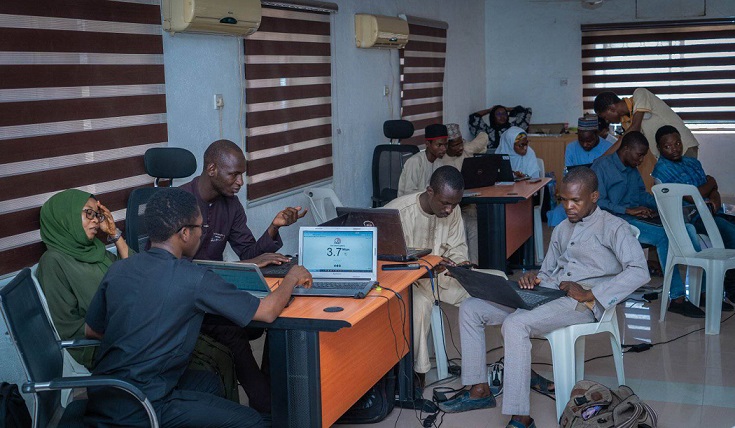
There was jubilation at the Arewa Data Science Academy on Sunday as their team emerged 2nd place in the just concluded Cohere AI Hackathon, winning a prize of Eight Hundred Dollars + Cohere AI Credit.

One of the team leaders, Dr Shamsuddeen H. Muhammad, relayed the exciting news on his Facebook account on Sunday.

Dr Muhammad added that the Arewa Data Science Team had competed against different teams and demonstrated skills and creativity in machine learning.

He stated, “I am happy to share that the Arewa Data Science team has won the competition at the Cohere AI hackathon and received a prize of 800 dollars and Cohere AI credits!

“Our fellows competed against different teams worldwide and demonstrated their skills and creativity in Machine Learning. Congratulations to the team on this achievement!”

Muhammed further stated that Arewa Data Science Academy is a free training program for Arewa youth who want to learn data science and machine learning.

He added that the academy “provides monthly stipends (N10,000) and free internet data (20GB) to our fellows to help them in their learning activities. 

“If you are interested in joining us, visit our website at: https://arewadatascience.org,” he stated.