Northern Nigeria

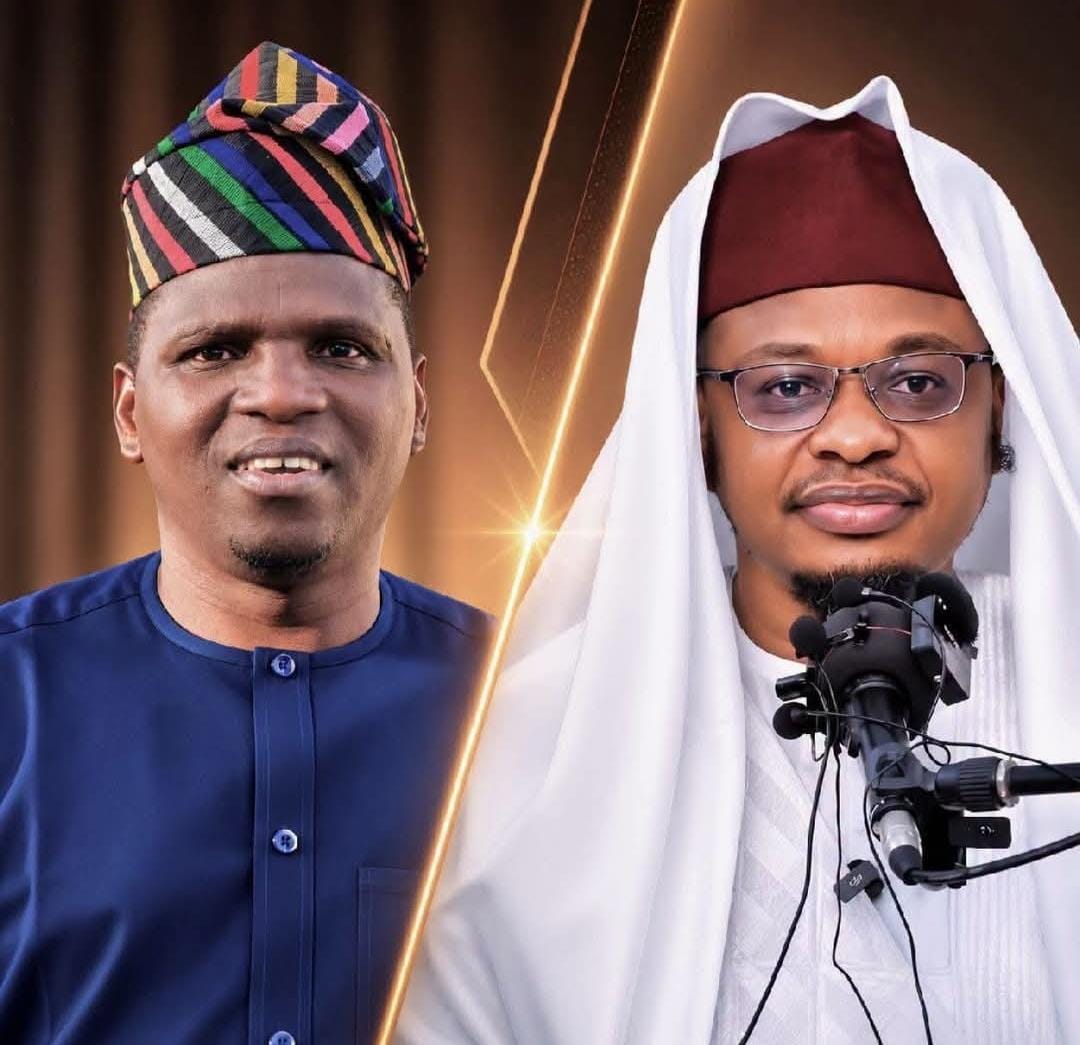
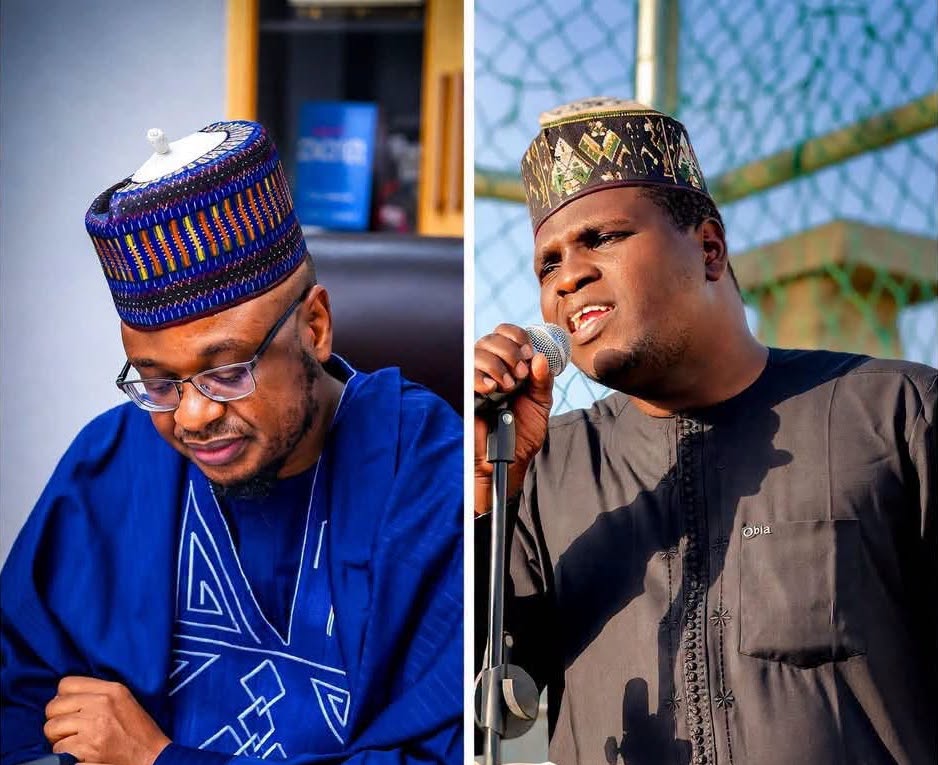
Indeed, Pantami — The North Must Tell Its Own Story

By Abubakar Musa Idris

During a recent Ramadhan Tafseer session in Abuja, former minister Isa Ali Pantami made a remark that ought to trouble every Nigerian who cares about media fairness. The North, he argued, needs a strong media presence capable of projecting its narratives to the world. This was not a regional call. It was a practical response to a structural imbalance that leaves Northern perspectives underrepresented both within Nigeria and beyond.

Two concepts explain what Pantami identified. The first is agenda-setting: when news platforms decide what to cover, they are effectively deciding for millions what matters. The second is the battle for narrative control: the competition to shape public conversation. He who wins this battle helps set the agenda. He who has no platform is spoken for by others. This battle plays out globally, where international outlets shape how the world sees Nigeria, and nationally, where the concentration of media houses influences which stories receive prominence.

Consider Nigeria’s media geography. Most major privately owned networks are headquartered in Lagos. This is not a conspiracy; it is a commercial reality. Lagos is the natural home of advertising revenue and media infrastructure. Consequently, perspectives from that region receive sustained national attention not out of malice, but simply because journalists live there. When newsrooms are concentrated in one area, other regions struggle for airtime. The North is reported on rather than reporting. This absence of strong Northern media with national reach is not favourable to accurate national discourse.

The international dimension is equally urgent. Global wire services—Reuters, AP, BBC, CNN, Al Jazeera function as gatekeepers of the world’s agenda. Their choices shape the understanding of billions. Research confirms that coverage of developing nations is almost entirely limited to stories of war and disaster. If a region cannot feed its perspectives into these channels, its stories will be told by others, whether incompletely or inaccurately, sometimes with hostile intent.

Consider what happened on February 19, 2026, when suspected Lakurawa terrorists attacked Kebbi State, killing thirty-four Muslims fasting for Ramadan. The next day, gunmen massacred thirty-eight more in Zamfara. Earlier that week, gunmen in Plateau abducted an imam and seven mosque committee members. Where was the sustained national coverage? Where were the front-page stories? Coverage existed, but it was minimal relative to the horror.

Not because these deaths mattered less. They received less attention because the institutions with the power to amplify them are far from affected communities, and because the North lacks platforms to project these tragedies into national consciousness.

Now contrast this with another narrative that dominated global discourse throughout 2025. Between January and October, a story alleging Christian genocide in Nigeria gained significant traction. Investigators traced this coordinated campaign to networks affiliated with IPOB. The narrative reached 2.83 billion impressions on X alone. It influenced the United States to designate Nigeria a Country of Particular Concern. It shaped discourse around the Sokoto airstrike. It is now cited in discussions about sanctions against Northern figures and proposals to label Fulani groups as terrorist organisations. 

One side had an army of storytellers. The other had none. Agenda-setting power shifted accordingly in Abuja and Washington. The absence of strong Northern media is not favourable in such a landscape.

The proposed sanctions and scrutiny of the Fulani illustrate where this leads. As analyst Yushau Shuaib observed, criminal elements exist across every line. But the Fulani are a diverse population numbering in the millions. Collective blame is profiling. 

Yet profiling becomes easier when only some perspectives dominate discourse. The Fulani have no platform to tell their own story, their history, their contributions, their humanity. They risk being defined solely by what others say. This is about ensuring all Nigerians can represent themselves accurately when the world is watching.

Pantami also pointed inward, critiquing Northern media that prioritize entertainment over substantive reporting. Insecurity, education, industrial revitalisation, issues that shape daily life receive far less attention than partisan conflicts. The stakes are higher for regions with limited platforms. When local media fails to set a serious agenda, it becomes distraction. 

But the problem is also reaching. Numerous Northern stations exist, but many broadcast locally in Hausa, limiting national influence. Reliance on NTA alone is insufficient. The absence of strong, English-language, professionally run Northern media with national ambition is simply not favourable.

Pantami also called for a world-class station broadcasting in English, French, and other global languages. Its purpose: to speak to Nigeria and the world. To feed alternative narratives into national and global ecosystems and claim power to help set the agenda. He pointed to Al Jazeera.

 Before Al Jazeera, the Arab world was narrated by Western outlets. After, Arab perspectives could not be ignored. The channel succeeded not as propaganda, it faced criticism from all sides but because it invested in professional journalism and built credibility. A Nigerian equivalent could do the same.

Consequences extend beyond the North. When any community cannot tell its story, the nation’s image is shaped by whoever has the loudest platforms. International sanctions and diplomatic decisions are increasingly influenced by narrative control. So too are national decisions: budget allocations, security responses. If Northern realities are not part of the national conversation, they will not be part of the national response. Without professional media projecting Nigerian perspectives, the country will be defined by whichever voices dominate existing platforms. This is not favourable to national cohesion.

Pantami spoke during a religious gathering, but his message was strategic. He identified a vulnerability and proposed a solution. The question is whether Northern elites will redirect resources toward building the media infrastructure the region desperately needs. The North must tell its own story. Not because its story matters more, but because every community deserves to represent itself. Nigeria needs multiple voices engaging with the nation and world.

Today, many platforms shaping perceptions of Northern Nigeria are headquartered elsewhere. This is not an accusation. It is media geography. And geography can be changed. The North can build. It can invest. It can tell its own story. Not through propaganda, but through professionalism. Not by silencing others, but by adding its voice.

Abubakar Idris wrote via abkidris99@gmail.com.

Beyond the Grand Finale: The Chronicles of the 61st Argungu Fishing Festival

By Dahiru Kasimu Adamu

The Argungu International Fishing and Cultural Festival is renowned as one of the most colourful spectacles on the global calendar. But beyond the crowning of the champion fisherman, the 61st edition, which concluded on February 14, 2026, was a profound chronicle of peace, cultural pride, economic promise, and even human drama.

Dating back to 1934  from the historic visit of Sultan Hassan Dan Ma’azu, which marked a handshake between the Sokoto Caliphate and the Kebbi Kingdom, the festival has evolved from a symbol of peace into a globally recognised cultural phenomenon. This year, after rigorous planning, the event delivered a programme richer than ever, blending tradition with advancement and culminating in a grand finale that drew thousands of fishermen and spectators to the ancient city of Argungu.

A Festival Forged in Culture and Commerce

The 61st edition was not merely a competition; it was a multifaceted event strategically designed to showcase Kebbi State. Activities kicked off in the state capital, Birnin Kebbi, with an Investor Forum that highlighted the region’s vast economic potential. This was complemented by an intellectual youth engagement, a Quiz and Debate competition at the Presidential Banquet Hall. 

Also, a colourful motor rally, flagged off in Abuja and involving over 30 vehicles, was part of the activities heralding the globally celebrated festival.

On Wednesday, February 11, the festival burst into life with a vibrant display of traditional sports. Archery, catapulting, camel and donkey racing, local wrestling, and a polo competition drew captivated audiences from within Nigeria and beyond. Participants displayed remarkable skill, with winners earning trophies, cash prizes, and gifts, setting an energetic tone for the days ahead.

Day two shifted gears with exciting cycling and boxing competitions unfolding at the festival venue.

The cycling race from Birnin Kebbi to Argungu saw Bello Muhammad clinch victory after one hour and 30 minutes of intense effort, taking home a trophy, a motorcycle, and N300,000. The boxing ring was equally electrifying, with Sha’aban from Kano State defeating Kebbi’s Yahayan Tarasa in a fiercely contested match that kept spectators on the edge of their seats.

The Heartbeat of Tradition: Kabanci and its Human Cost

Thursday was dedicated to celebrating the region’s lifeblood agriculture. An impressive Agricultural Show in Argungu featured giant rice pyramids, a powerful visual testament to the state’s rich endowments and achievements.

But the spiritual core of the festival, the legendary Kabanci water sports, unfolded on its third day.

 The Mala  River side became a theatre of ancestral skill as thousands thronged the banks. The scene was a breathtaking display of cultural heritage: men and boys fishing with bare hands, two-man canoe races slicing through the water, and the gruelling swimming contests with clay pots.

Participants demonstrated remarkable agility, passing down techniques across myriad generations. The Water Relay Race, a true test of endurance, was among the most cheered. However, the celebration was tinged with tragedy. Despite the presence of emergency services, reports emerged of the death of two participants in the water relay competition after Red Cross officials gave emergency assistance.

As dusk fell, the majestic Kabi Durbar transformed the atmosphere. A magnificent procession of decorated horses and riders, reflecting the Emirate’s martial history and equestrian excellence, offered a spectacle of regal splendour.

The Grand Finale: A 59kg Triumph

The week-long celebration culminated in the main event on Saturday, February 14. Over 40,000 fishermen entered the Matan Fada River, a river of humanity awaiting the starter’s signal. The formal commencement was timed with the arrival of the Special Guest of Honour, President Bola Ahmed Tinubu, who was joined by a host of dignitaries from within and outside the country.

The result was historic. Abubakar Usman from Maiyama Local Government Area of Kebbi State emerged as the champion, landing the festival’s biggest fish, weighing 59 kilogrammes. His feat earned him two brand-new Toyota vehicles, generously donated by the Sokoto State Government, along with a N1 million cash prize.

Abdullahi Garba from Argungu secured second place with a 40kg fish, receiving a Toyota saloon car from WACOTT Rice Miles Limited and N1 million. The third position was jointly claimed by Danlansu Dankani from Jega and another contestant, who each caught fish weighing 34kg, going home with N1 million and a motorcycle apiece.

President Tinubu, in his address, encapsulated the festival’s essence, describing it as “a historic event and a powerful symbol of unity and resilience and peaceful coexistence amongst Nigerians. It reflects the richness of our culture, the strength of our tradition and the opportunities that lie in harnessing our natural resources for national development.”

Echoes from Argungu: A Look to the Future

The festival’s impact resonated deeply with local residents. For Shamsu Usman and Ishaka Kabir,  among others, the event is more than a cultural showcase. They believe it is a vital economic driver, with income generated poised to be channelled into other productive activities, reinforcing the festival’s role in grassroots development.

The success of the 61st edition was also significantly amplified by the vital role of legacy media, news platforms, social media influencers, and content creators, whose coverage projected the images of Argungu to a global audience.

As the festival continues to attract tourists from every corner of the world, its position as a premier cultural tourism destination in Nigeria is firmly cemented. The collective vision now is for the Argungu Emirate Council, the Kebbi State Government, and the Federal Government to work in concert. By investing in modern strategies, infrastructure, and sustainable practices, they can further enhance the festival, ensuring it remains a powerful engine for socio-economic development in Argungu, Kebbi State, and the nation at large for generations to come.

Dangoteʼs Son-in-law, Others Raise Millions of Naira For Arewa Entrepreneurs

By Ishaka Mohammed

A son-in-law of Aliko Dangote, Captain Jamil Abubakar, has raised multimillion naira to support entrepreneurs in northern Nigeria. Captain Jamil, a pilot, is the son of former Inspector-General of Police Mohammed Dikko Abubakar.

On March 21, 2026, Captain Jamil tweeted his wish to attract investors to Arewa businesses, and by the end of the following day (March 22), he had already raised 100 million naira. He disclosed that he had asked other willing donors to wait until after the pilot phase of the initiative, the Arewa Business Support Fund. 

He revealed that beneficiaries would receive interest-free business loans, which, when repaid, would be used to support more businesses. Beneficiaries would also enjoy free mentorship and consultancy. 

Responding to concerns that fluency in English could be a barrier, the captain assured the public that local languages would feature prominently in the Fund’s activities, stressing that businesses domiciled in the North, regardless of ownership and owners’ language proficiency, would be considered. 

He mentioned names of other stakeholders, including the acting financial secretary of the Fund, Mohammed Jammal (aka White Nigerian), Khalil Nur Khalil (economic adviser to Katsina State Government), and Mohammed Bello El-Rufai (a member of the House of Representatives), among others.

During a discussion among the stakeholders on X, it was revealed that Saleem Abubakar Musa (simply called Saleem) had been like a personal assistant to Captain Jamil.

On March 27, Saleem (@AM_Saleeeem) tweeted the summary of the subsequent activities of the Fund as follows:

“Next Steps:

– The website will be launched to the public soon, featuring comprehensive details, business templates, and practical guides (how to, when to, and what to do).

– Formal registration of the Arewa Business Support Fund as a legal entity, including banking and all required documentation.

– Nomination of Board of Trustees.

– Rollout of the pilot phase.”

However, the Fund will consider only existing businesses in the pilot phase; business ideas alone would be rejected.

Pantami, Power and the Burden of Moral Clarity

By Abdulhamid Abdullahi Aliyu

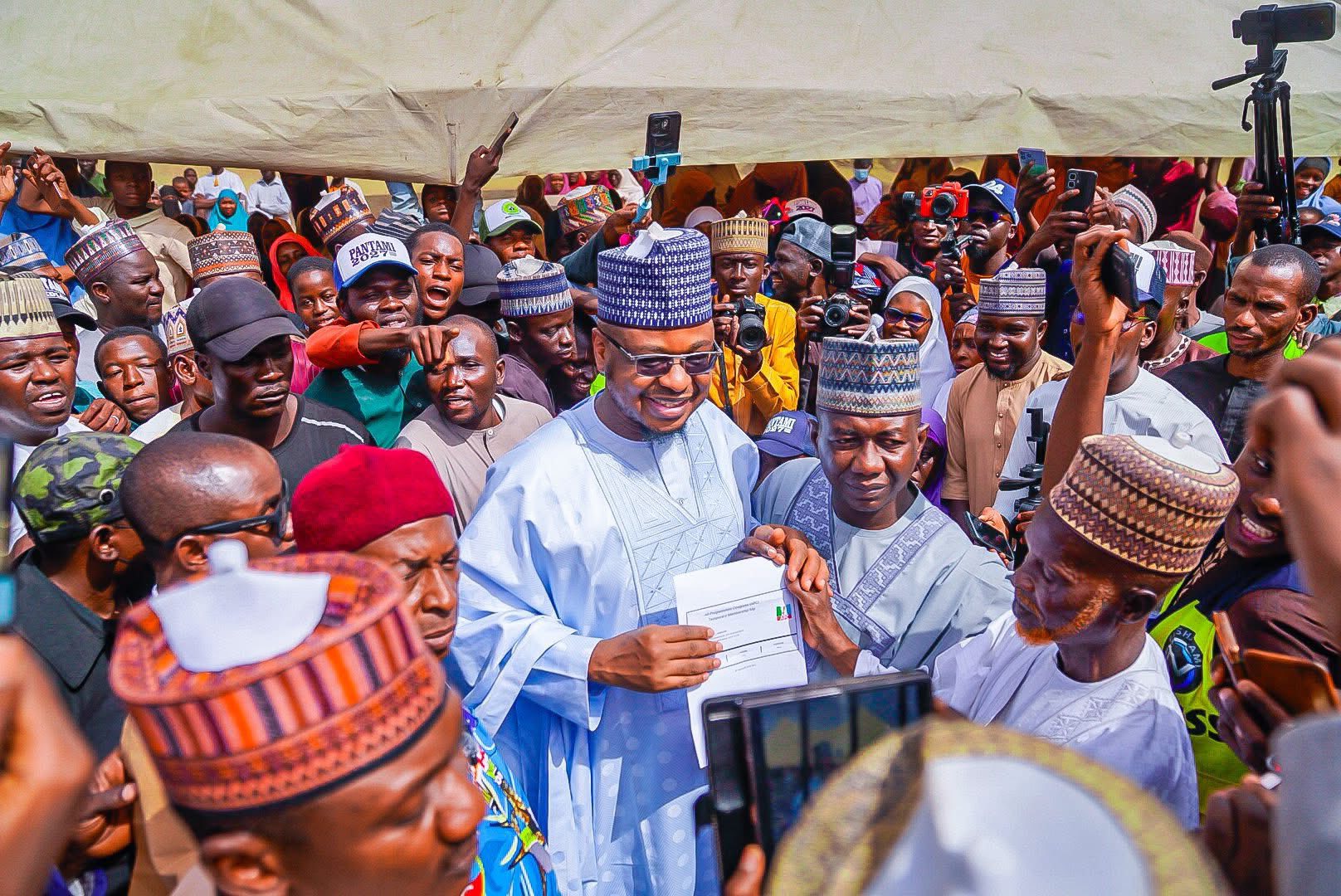
A Hausa proverb warns that you cannot run at full speed while scratching an itch. The saying captures, with striking simplicity, the dilemma now surrounding Sheikh Isa Ali Pantami as conversations about his political ambitions gain momentum.

Public life demands clarity of role and consistency of purpose. When an individual seeks to occupy two morally and structurally conflicting spaces simultaneously, momentum is lost, and credibility is strained. This is the core tension in Pantami’s current trajectory: the attempt to remain a preacher with clerical authority while simultaneously stepping into partisan politics.

The problem is not ambition itself. It is role conflict. Clerical authority depends on moral certainty and spiritual distance from power, while politics thrives on negotiation, compromise, and moral ambiguity. Attempting to inhabit both worlds simultaneously risks weakening the integrity of each.

This tension becomes even more consequential in a plural society like Nigeria, where religion carries deep emotional authority and political power must remain anchored in constitutional legitimacy. Once religious influence is injected into partisan competition, power risks acquiring a sacred character. Political disagreement can then be reframed, subtly or overtly, as moral failure or spiritual deviation rather than a contest of ideas and interests.

Some have argued, including respected commentators like Jaafar Jaafar, that religious clerics should avoid politics altogether because political space is inherently compromised by bargaining, corruption and ethical trade-offs. Others counter with a seemingly reasonable question: if the aim is to sanitise politics, why not allow upright clerics like Pantami to participate?

That question, however, misunderstands the core concern. The issue is not whether a cleric is personally virtuous. It is about the separation of religion and the state. Democracy relies on pluralism, persuasion and accountability. When religious authority enters partisan politics, votes may be influenced not by policy debate, but by guilt, fear, or claims of divine sanction. That is a dangerous precedent in any diverse society.

The concern deepens when the individual seeking political office has, in the past, described politics itself as immoral or ungodly. Such a record invites legitimate questions of coherence. Has politics suddenly become virtuous, or has it merely become useful? Citizens are entitled to ask not out of prejudice, but out of democratic caution.

More troubling still are historical associations with ideological currents that have openly viewed democratic participation not as a means of strengthening institutions, but as a strategy to hollow them out from within — the well-known shiga daga ciki a gyara argument. In societies that have suffered from extremism and institutional fragility, such histories cannot be brushed aside or dismissed as irrelevant.

None of this is about excluding religion from public life. Faith has always shaped values, ethics and social responsibility in Nigeria. But there is a difference between moral inspiration and political authority. When religion becomes a substitute for constitutional legitimacy, the democratic project itself is weakened.

Politics, by its nature, is a flawed human enterprise. It requires compromise, negotiation and accountability to citizens, not to spiritual hierarchies. Clerical authority, on the other hand, rests on moral clarity and trust. Mixing the two without a clear break risks eroding both.

If Professor Pantami intends to pursue politics, the burden before him is not merely electoral. It is moral and institutional. He must offer clarity, openly reckon with past positions, and demonstrate consistency over time. Nigerians are not asking for perfection. They are asking for coherence.

In the end, democracy survives not on sacred claims, but on transparent choices, accountable leadership and the acceptance that political authority derives from citizens, not sanctity. That distinction must remain clear — for the sake of both faith and the republic.

Abdulhamid Abdullahi Aliyu is a journalist and syndicate writer based in Abuja.

Christiana and Shamwil: The Love that Death Could not Kill

By Shamwil (Justice)

It all began in Sabon Gari Market, Kano, inside our small but busy pharmaceutical shop, Kuka Medicals. That afternoon was bright and dusty, filled with the usual noise of traders calling out prices and customers bargaining for goods. 

I was behind the counter, arranging boxes of medicines, when she walked in, Christiana. I never imagined that moment would change the rest of my life. She was dressed simply, yet there was something about her that captured attention instantly. Her presence was calm, graceful, and confident. 

When our manager called me to write her sales invoice, I didn’t think much of it. But as I wrote her name on the receipt and looked up, our eyes met for the first time. A strange spark passed between us, silent yet powerful, one that words could never describe.

“What’s your name?” she asked softly. “Shamwil”, I answered. Her voice was clear and warm, the kind that stays in your mind long after you’ve heard it. I told her, and she repeated it slowly, as if she wanted to remember it forever. Then I asked for hers, and she said, “Christiana.” The name itself felt like poetry when she said it.

We spoke briefly about medicines, antibiotics, syrups, and how counterfeit drugs were becoming a problem in the market. I was amazed by how much she knew. She talked with the precision of a trained pharmacist, mentioning drug names, compositions, and even the companies that produced them. Our manager watched her with admiration, nodding in respect. That day, I realised she was not only beautiful but also incredibly brilliant.

When she finished shopping, she smiled, waved at me, and left. That simple wave stayed with me for days. Her scent lingered in the air, soft, pure, and unforgettable. That night, I found myself thinking about her voice and the calm expression in her eyes. I didn’t realise then, but a new chapter of my life had just begun.

Weeks passed before I heard from her again. One evening, my phone rang with an unknown number. I picked it up, and there it was, that same gentle voice. “You didn’t expect me to call, did you?” she said, laughing softly. That first call lasted for hours. From that day on, Christiana became a part of my daily life. We talked every day, laughed together, and shared stories that slowly tied our hearts closer. What began as a friendship soon turned into real, deep, and pure love.

Christiana was unlike anyone I had ever known. She had a beauty that didn’t depend on makeup and a confidence that didn’t need pride. Her skin was smooth and glowing, her height perfect, her movements graceful like flowing water. Her voice was calm and musical, and her pointed nose gave her face an angelic glow. Everything about her was elegant and natural. She was the kind of woman who didn’t need to try to be special; she simply was.

Our love grew stronger with each passing day. We called each other every morning and night, exchanged sweet messages, and dreamed about the future. Sometimes she visited me at the shop, bringing food or simply sitting beside me while we talked about life. Time always flew whenever she was around. She made everything around me feel peaceful and alive.

But love, as beautiful as it was, came with its battles. When her parents found out about us, their reaction was harsh and painful. To them, I was not good enough. I was a poor Hausa Muslim boy, and she was their only daughter, an Igbo Christian from a wealthy family. They couldn’t accept our love. They called her names, scolded her, and forbade her from seeing me again. Yet Christiana refused to give up. She told them love has no tribe, no religion, and no boundary. Her father stopped speaking to her for months, but she remained strong, fearless, and loyal.

Christiana’s love was the purest I’d ever known. She cared for me when I was sick, worried whenever I didn’t answer her calls, and even risked sneaking out at night just to see me for a few minutes. We would stroll quietly under the streetlights of Sabon Gari, talking about our dreams, the home we’d build, the children we’d raise, and the life we’d live together. I believed we had forever. I believed nothing could come between us. But life has a way of breaking even the strongest hearts. 

I never thought Christiana could die for my love. The news came like thunder in a clear sky. Death took her suddenly, without warning, without mercy. The moment I heard it, I felt something inside me collapse. The world went silent. My hands went cold. I couldn’t breathe. The love of my life was gone, just like that.

Even now, I can still hear her laughter in my mind, smell her perfume in the air, and see her smile in my dreams. Sometimes, I wake up in the middle of the night thinking she’s still alive, that she’ll call, that she’ll visit, that I’ll see her walk through the shop door again. But every morning reminds me that she is gone, forever.

Christiana didn’t just leave me; she took a part of me with her. She left behind love, memories, and silence, the kind of silence that breaks a man from the inside. Love can be the sweetest thing on earth, but it can also be the most painful. Christiana was both my blessing and my heartbreak. She was the light that entered my life, and the darkness that refused to leave when she passed away! 

I will never stop speaking and penning about you, Christiana. History will be so kind to you!  

Shamwil (Justice) wrote via ibrahimshamawilu@gmail.com.

Gyaɗi-Gyaɗi Market Redevelopment: A Case of Exclusion and Coercion?

By Misbahu Muhammad

For decades, the bustling Gyaɗi-Gyaɗi Market has been more than a commercial hub; it is a community cornerstone, a source of livelihood, and for many, a family heritage. Today, that heritage is under threat as the Tarauni Local Government Council pushes forward a redevelopment plan that has left the very owners of the land feeling sidelined, silenced, and strong-armed.

The council’s vision for a modern market is not, in itself, contentious. Traders and landowners alike acknowledge the need for improved facilities, better sanitation, and enhanced security. The conflict lies not in the what, but in the how.

Landowners and stakeholders are excluded from the planning process. The architectural designs, the project scope, and the financial model were reportedly finalised without their meaningful consultation. The community, whose assets and futures are directly implicated, was reduced to mere spectators in a decision that reshapes their property and prosperity.

“They came with a completed plan and said, ‘This is what we are doing,’” recounted shop owners, whose families have owned plots/shops in the market for five decades “Our suggestions, our concerns about access, shop sizes, or temporary relocation were not entertained. It was presented as a take-it-or-leave-it decree, not a joint venture or partnership.”

The council’s proposed framework is a Joint Venture (JV) arrangement. While JVs can be equitable, landowners report having no alternative models to consider—no option for self-redevelopment through a cooperative society or banks, build-operate-transfer (BOT), no fair buy-out offer, and no room to negotiate the terms of the partnership. The proposed JV terms remain opaque, with fears that they heavily favour the government or its private partners, potentially leaving original owners with diminished stakes and control over their own land.

This singular, non-negotiable pathway has been widely interpreted not as an offer, but as an ultimatum.

The most alarming allegation from the developers is the use of coercive pressure. They claim government officials have insinuated or explicitly stated that failure to consent to the JV could lead to the revocation of their rights or the outright seizure of their land under the guise of “public interest” or “development control.”

“The message is clear: sign on our terms or lose everything. “This isn’t negotiation; it feels like legalised land grabbing. We are being forced to surrender our property rights under threat.” Currently, many landowners are panicking and have started selling their shops at giveaway prices to these rent seekers, willing to go to any lengths to grab the land.

This approach raises significant legal and ethical questions. The Land Use Act, which vests land administration with the state government, mandates due process and equitable treatment. Experts argue that excluding landowners from a process that affects their fundamental proprietary interests may violate principles of fair hearing and natural justice.

Redevelopment must be inclusive and transparent, presenting a single, non-negotiable contract under the implied threat of revocation; crossing that line. It undermines the trust essential to public-private collaboration and sets a dangerous precedent for urban development.

The Tarauni Local Government Chairman has been advocating for a one-for-one shop. This slogan in itself is ill-conceived, as it lacks an appropriate valuation of shops and a compensation mechanism.  He always argued that the redevelopment is “for the greater good of all” and will “transform the area into a modern commercial zone and must be done even after his tenure. 

As tensions rise, the path to a peaceful and prosperous Gyaɗi-Gyaɗi Market lies in genuine dialogue. Stakeholders are calling for:

  1. An immediate halt to the current coercive process.
  2. Full, transparent disclosure of the JV terms, partners, and financial projections.
  3. The creation of a truly representative committee of landowners to re-negotiate the redevelopment framework.
  4. Exploration of multiple development models, allowing landowners to choose the option that best secures their legacy and livelihood.

The soul of Gyaɗi-Gyaɗi Market is its people. Any redevelopment that severs that connection is no development at all. The Tarauni Local Government has an opportunity to correct course—to build not just a new market, but a renewed covenant of trust with the community it serves. The alternative is a legacy of conflict and resentment that no new building can ever hide.

Why governors are leaders of their parties in the states

By Zayyad I. Muhammad

Nigeria’s Fourth Republic, which commenced in 1999, introduced a distinctive political culture that has since become entrenched in the nation’s democratic practice. Governors automatically emerge as leaders of their political parties in their respective states.

Although this arrangement is not expressly written into the 1999 Constitution or party constitutions as a rigid rule, it has evolved into an accepted political convention. In practical terms, once a governor belongs to a political party, he becomes the undisputed leader of that party in the state.

This “default” leadership status flows from the enormous constitutional powers, financial control, and political influence vested in state governors. Under the 1999 Constitution, governors are the chief executives of their states, control significant public resources, influence appointments, and play central roles in policy direction. These powers naturally position them as dominant actors within the political structure of their states. Political parties, being vehicles for acquiring and exercising power, inevitably gravitate toward the governor as their rallying point.

Critics often argue that this arrangement departs from earlier republican experiences. During Nigeria’s First, Second, and even Third Republics, governors and presidents were not automatically regarded as the formal leaders of their parties at the state or national levels. Party structures were often more independent, with clearer institutional separation between party leadership and executive office holders. However, Nigeria’s political system has evolved significantly since then. The current democratic framework places far greater burden, administrative authority, fiscal control, and political leverage in the hands of governors than was previously the case. It’s about the position!

The emergence of governors as de facto party leaders is not accidental but a result of political evolution shaped by key realities. The 1999 Constitution centralises executive authority in governors, making them the most powerful figures in their states. They also control critical political resources, finances, networks, appointments, and patronage, which are essential for party survival and electoral success. In a competitive electoral environment, incumbency provides structure, visibility, and mobilisation strength that few others can match.

Above all, political parties require unified command; without clear leadership at the state level, factionalism and instability can easily arise.

Imagine the chaos and unhealthy rivalry that could engulf a political party if a sitting governor chose to remain indifferent to party affairs. Competing factions would struggle for supremacy. Conflicting directives could weaken party cohesion. Such fragmentation could easily cost the party elections and governance effectiveness.

Furthermore, when it comes to interfacing between the executive arm at the federal level and party structures within the states, particularly in matters relating to appointments, political negotiations, federal-state collaboration, and reward systems, the governor’s role becomes indispensable. Governors serve as the bridge between national party leadership and grassroots political actors. In fact, Presidents often rely on Governors to win a state 

Just as the President functions as the leader of his party at the national level, governors serving as party leaders in their states create symmetry within the political order. This structure promotes stability, clarity of authority, strategic coordination, and internal discipline.

It is therefore not surprising that across Nigeria’s 21 registered political parties, this practice is widely accepted. Once a governor joins a party, he naturally assumes leadership of that party in the state, not necessarily by proclamation, but by political reality.

While debates may continue about whether this system strengthens internal party democracy or concentrates excessive influence in one individual, its practical utility in maintaining order, direction, and electoral viability cannot be ignored.

The emergence of governors as party leaders in their states reflects the reality on the ground, political necessity, and democratic evolution in Nigeria’s Fourth Republic.

Zayyad I. Muhammad writes from Abuja via zaymohd@yahoo.com.

Beware of social media scams targeting young footballers

By Hadiza Abdulkadir 

I am speaking out as a concerned sister after my younger brother from Kano, Nigeria, Ismail, was repeatedly contacted on TikTok by individuals claiming to be football agents.

They asked about his football journey and promised trials in another state where “European agents” would scout talented players. However, there was one condition: he had to pay for the registration form.

When I advised Ismail to ask what the form looked like, the so-called agent sent a blurry screenshot of a flashy, unprofessional document with no official logo, no verified organisation, and no connection to recognised bodies like the Nigeria Football Federation or FIFA. That was a big red flag.

According to people with deep knowledge about scouting, real agents do not randomly scout players on TikTok and demand upfront payments. Thankfully, Ismail asked questions before making any decision and did not send any money.

Many young footballers dream of playing professionally, and scammers are exploiting that dream. Parents and players must verify every claim, research every agent, and never pay fees without confirmed legitimacy.

Patience and due diligence can protect young talents from becoming victims. Beware.

Hadiza is Nigerian but writes from Cologne, Germany. She can be contacted via hadiza225@gmail.com.

Burra community urges telecom companies to establish network services in Burra

By Umar Saleh Burra 

‎Residents of Burra District in Ningi Local Government Area of Bauchi State have renewed their appeal to telecom companies to establish a fully functional telecommunications network within their community.

‎With an estimated population of over 80,000 people, the Burra District remains without access to reliable mobile network services. Community members report that the only available network provider in the area delivers inconsistent and poor connectivity, making communication extremely difficult for residents.

‎Speaking on behalf of the community, Umar Saleh Burra, the absence of a stable telecommunications network has significantly affected economic activities, healthcare communication, education, security coordination, and access to digital financial services. Business owners lament that unreliable connectivity disrupts transactions and limits opportunities for growth.

‎“Students face challenges accessing online educational resources, while families struggle to maintain contact with relatives and essential services. 

‎Community leaders emphasised that in today’s digital age, telecommunications services are not a luxury but a necessity. They noted that expanding network coverage to the Burra District would enhance socio-economic development, promote financial inclusion, improve emergency response systems, and strengthen overall community connectivity.

‎“We are law-abiding citizens who contribute to the economic and social development of our state. We humbly appeal to Nigerian telecom companies and relevant authorities to consider establishing network infrastructure in Burra District,” Saleh stated.

‎The people of Burra are also calling on political leaders, policymakers, and relevant regulatory agencies to support this request and facilitate collaboration with telecom companies to address the communication gap affecting the district.

‎As Nigeria continues to expand its digital economy, communities like Burra urge telecommunications providers to extend coverage to underserved rural areas to ensure inclusive national development.

El-Rufai, Ribadu and the politics of mutual destruction

By Abdulhamid Abdullahi Aliyu

Nigeria has seen political fallouts before, but few are as unsettling as the growing public rupture between Nasir El‑Rufai and Nuhu Ribadu. What makes the moment troubling is not merely the personalities involved, but what their dispute threatens to do to national cohesion, public trust and the already fragile boundary between politics and security.

If two men who once symbolised reformist zeal and institutional courage now choose a path of mutual destruction, they should pause and reflect—on their faith, their region, and the national interest. Because stripped of rhetoric and television soundbites, this is no longer about governance, security reform or leadership ethics. It is the bare-knuckle politics of succession, alignment and survival ahead of the next election cycle.

There was a time when this clash would have been unthinkable. Both men emerged from the same political generation shaped by the reformist moment of the early 2000s under Olusegun Obasanjo. El-Rufai, the outspoken technocrat as Minister of the Federal Capital Territory, and Ribadu, the dogged anti-corruption crusader as Chairman of the Economic and Financial Crimes Commission, were once celebrated as “Obasanjo’s boys”—symbols of a new order that promised discipline, accountability and institutional renewal.

They shared proximity to power, similar access to the president, and a reputation for fearlessness. Their friendship appeared not only political but personal—jolly, confident, mutually reinforcing. That such men could become open adversaries a decade later is not just strange; it is genuinely shocking.

What, then, went wrong? Part of the answer lies in the nature of Nigerian elite politics, where alliances are often forged by circumstance rather than conviction. Power rearranges loyalties. Ambition redraws friendships. And as the political terrain shifts, yesterday’s allies can quickly become today’s obstacles.

But there is a deeper, more consequential problem. When elite rivalries migrate into the realm of security narratives and intelligence insinuations, the damage goes far beyond the individuals involved. Allegations and counter-allegations—especially those touching on surveillance, coercion or misuse of state power—can corrode public confidence in institutions that should remain above partisan struggle.

This is why the current El-Rufai–Ribadu episode deserves sober national reflection, not cheering from partisan sidelines. Nigeria is a country where trust in institutions is already thin. Security agencies operate in an environment of suspicion, insurgency and widespread fear. When senior political actors publicly weaponise security claims—whether substantiated or not—they risk weakening the very structures holding the state together.

It is also important to situate this dispute within the broader northern political landscape. Both men command followings. Both are seen, rightly or wrongly, as voices of influence in the region’s political future. Their feud therefore does not remain personal for long; it reverberates across communities, factions and aspirations. In a region already grappling with insecurity, poverty and political fragmentation, elite infighting of this nature sends the wrong signal.

Faith, too, imposes restraint. Public officials who openly profess moral and religious values must recognise that conduct matters, not just intent. Politics may be a rough trade, but there are lines that, once crossed, are difficult to redraw. The public expects elders of the political class to rise above personal grievances when national stability is at stake.

None of this is to deny that grievances can be real, or that power can be abused. Whistleblowing has its place. Accountability is essential. But there is a difference between principled dissent and public escalation that inflames tension, invites speculation and drags sensitive institutions into political theatre. Mature democracies resolve such disputes through discreet inquiry and institutional processes, not media duels.

Perhaps the most sobering lesson here is how quickly reformist legacies can be overshadowed by personal wars. History is rarely kind to public figures who allow ambition to consume perspective. Nigerians may forget policy details, but they remember conduct—especially when it appears reckless or self-serving.

As the country edges closer to another election cycle, the temptation to settle scores early and loudly will grow. That is precisely why restraint is needed now. The question is not who wins this clash, but what Nigeria loses if it continues.

El-Rufai and Ribadu have both served the Nigerian state at critical moments. Their names are etched into recent political history. They owe the country—and perhaps themselves—something better than mutual ruin. Because when elephants fight, it is not the elephants that suffer most, but the grass beneath them.

Nigeria cannot afford to be that grass.

Abdulhamid Abdullahi Aliyu is a journalist and syndicate writer based in Abuja.