Nigeria

Tinubu’s 100 days: The ticking time bomb and the danger of the elite’s silence

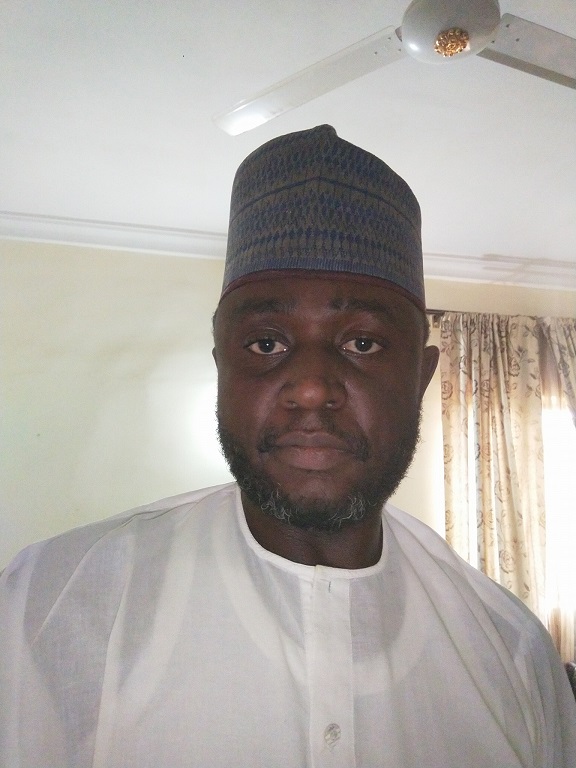
By Abdelghaffar Amoka

It is 100 days in office and six months after President Bola Ahmed Tinubu won the election, and the government seems directionless. It is more news that the hardship that President Muhammadu Buhari introduced us to has multiplied. Whether he removed the fuel subsidy or Buhari did, he has no excuse to be clueless for the past six months on the way forward. He asked for the job.

My problem is how our leaders are comfortable putting burdens on the people, burdens they have not prepared them to carry. There was a plan to remove the fuel subsidy. Common sense should tell them that it will affect purchasing power. It is that simple. But why was it so difficult to put up a parallel plan to stabilise the purchasing power of the people once the subsidy was removed? How some people are comfortable with a policy that does not follow the natural law of growth and development beats my imagination.

When a child is born, he is nurtured and trained to become an adult. He is either sent to school or learns a trade and gets empowered to take responsibility. He then gets a wife, has kids, and starts to take responsibility. Imagine giving the boy a wife with kids at 15 without empowering him to take care of the responsibility and expecting him to be fine. It is against the law of nature to burden anyone without preparing him for it.

Fuel subsidy removal was a long battle, and many people have campaigned to remove fuel subsidies since 2010. They made it look like the removal would save the government money for infrastructure and do wonders. But they never discussed the consequences of the removal on the people. How much have we saved for 100 days, and what have we achieved with it? What infrastructure is better than the general well-being of the people?

Funny enough, some of the advocates of the subsidy removal are currently complaining about the hardship on the land. That made me wonder what they were thinking when advocating for the removal. Some are even intellectuals. They thought subsidy was like a tap that you just switch off, and everything is fine. They think it’s that simple. The state government has now given money to share some stuff as palliative. Is 5kg of rice or Semovita all we need to overcome this heartless burden? Who are the people giving them economic advice?

There are three schools of thought on the post-fuel subsidy removal. Those benefitting from the removal will never see anything wrong with it. Those who feel we should endure the hardship and wait for the government to invest in infrastructure. Then, those who see everything wrong with the removal instead of fighting the corruption that shrouded fuel subsidies.

We are being advised to cut our expenses. They seem to have agreed with Buhari’s “Sharholiyah” (wasteful spending) principle. Where is the waste to cut? Those people think everyone has as much as they have to spend. How do you expect a junior staff working at the federal secretariat earning about N40k monthly to cut his expenses and manage? What will he cut? How do you expect a graduate working at the federal secretariat and earning about N60k monthly to cut costs? What will he cut?

For the first time since I became an adult,  federal government workers are being asked to work 2 or 3 days a week to reduce the cost of going to the office. Unfortunately, that will not help reduce the cost of living.

Fuel subsidy is removed, and we are expected to be patient and cope. School fees have increased due to the present economic reality, as acknowledged by FG, and we are expected to come with it. Floating naira to dollar in a country that imports 80% of its needs is a disaster.

The danger of keeping quiet.

It is no more news that crime rates have increased over the last months and are getting worse. Meanwhile, there are three classes of people: the upper, middle, and the lower class. The upper class is inaccessible. They have security escorts, bulletproof cars, tall fences, and gigantic gates with security dogs. The kids are abroad or well-secured. The middle class is accessible and lives not far away from the lower class. As far as the lower class is concerned, the upper and middle classes ( a fast-depleting class) are responsible for the difficulties they are experiencing.

As long as you can still manage to drive your car and feed, you belong to the haves as far as the lower class is concerned. As the crime rate soars, your house will be the first target to be vandalised and bugled. This narration from my friend, Muhammed Hashim Suleiman, keeps ringing the bell in my ear. The narration keeps reminding me of our likely danger in this situation. 

He managed to muster the courage to buy a few litres of petrol for his old Tokunbo car. The petrol station was swarming with people, young and old, not buying petrol but waiting for any buyer to saunter in, and they descended on that unlucky buyer begging for alms. After he purchased the few litres he could afford, entering his car became a struggle because the beggars were begging between him and the car. He silently ignored them and found his way inside the car. Then, a very old woman stood before the car until the petrol attendant shouted at her. 

Instead of leaving the front of my car, the old woman walked towards the driver’s side. On reaching his window, in a cold voice, she said: “Kun kwashe kuɗin ƙasar, kun bar mu da yunwa, yanzu muna roƙon ku abun da zamu ci amma kun hana mu. Wallahi, idan muka mutu da yunwa, sai Allah ya kama ku.” That: “You people have stolen the nation’s money and left us in hunger, now we are begging you for what to eat, but you won’t give us. If we die of hunger, I swear God will never allow you free.”

We are all victims of public embezzlement, but the old woman who happened to belong to the lower class is unaware of it. As we keep quiet adjusting to living with the burden placed on us by these elitists in government, know that the lower class that has been driven far below the poverty line has placed you on the same page with those that have stolen the nation’s money.

It is 100 days of disaster. I hope the government gets its acts together and be purposeful. Any government that fails in the general well-being of the people is a failed government.

Dear Nigerians who are supposed to be in the middle class but tending towards the lower class, If nothing is done and the time bomb should explode, you will be the first casualty. Your silence will cost you a lot. That will be a double casualty for a crime you and I are victims of.

Abdelghaffar Amoka Abdelmalik, PhD, wrote from Ahmadu Bello University, Zaria. He can be reached via aaabdelmalik@gmail.com.

A reminder and call for Northern Ulama to intervene in the Sudan conflict

By Baba Isa

While reviewing my collection of photographs, I stumbled upon a significant historical image that reminded me of a momentous event during a public lecture in Sudan. It was during this event that distinguished figures such as Prof. Salisu Shehu, Prof. Sagagi, and Prof. Maqari embarked on a special joint visit to Sudan some years ago. Their visit aimed to understand the exceptional approach Sudanese institutions took in providing training to Nigerian students on their soil, enabling them to return to Nigeria as productive individuals.

During this lecture, Prof. Salisu Shehu said, “The educational experience for Nigerian students in Sudan extended beyond academic excellence. These students, who received education in diverse fields, also imbibed qualities of respect, commendable attitudes towards their communities, and a sense of understanding towards various religious doctrines. This was different to their counterparts studying in different foreign nations.

Prof. Added that the Nigerian Sudan-educated students exhibited unmatched expertise and skills compared to their counterparts in Nigeria. Therefore, the Council of Ulama of Nigeria felt compelled to delegate us to come to Sudan and delve deeper into brief research and learn more about strategies employed by Sudanese institutions and their communities to empower these students. So that we can take back reports to Nigeria and put it into practice”.

The lecture was delivered at the International University of Africa (Indimi Hall) during this insightful visit, and I captured the picture.

Regrettably, the Sudan we love, the Sudan we learn from and once held in high esteem, an exemplar of a hygienic educational environment, now stands ravaged by conflict. It’s disheartening that we have not extended a helping hand to a nation from which we have drawn knowledge and inspiration. Sudan, which significantly contributed to the growth and development of our region through its educational support (like its massive Scholarship scheme to everyone in any course without exception)and enlightened Islamic scholars, medical doctors and other professionals, remains in dire need of our attention, prayers, and support.

Northern Nigeria has encountered setbacks in the realm of girls’ education. In the past, we lamented the shortage of female doctors, resulting in inadequate female doctors in healthcare for women in our hospitals. Our parents in the Northern region were hesitant to enrol our sisters in local institutions, let alone consider overseas education, given concerns about religious beliefs, cultural norms and environmental disparities.

These barriers hindered the prospect of sending our sisters abroad for education. This predicament led us to lag in conventional education and the attainment of female medical doctors. Recently, a positive shift has occurred as our parents have become more receptive to sending our sisters to study medicine and various other disciplines, especially in Sudan, due to the conducive educational environment and Islamically oriented. However, it is disheartening to note that challenges mar the current situation in Sudan.

The aftermath of the evacuation of Nigerian students from Sudan – more than 2000 – medical students, primarily females from the north- has left us searching for alternatives that can provide the same nurturing educational environment. Regrettably, no such choice has presented itself, leaving us feeling powerless.

Recent events have highlighted the impactful role that Northern Nigerian scholars have played in resolving crises, as evidenced by their intervention in the unrest following a coup in Niger. Drawing from this, I earnestly beseech our esteemed Northern scholars to extend their benevolent interventions to Sudan. While Sudan may not be a member of ECOWAS, its historical and cultural ties to us cannot be taken away. Just as we stand by Niger, we must stand by Sudan.

In this challenging time, I humbly implore our esteemed Ulama to exert their influence and restore peace and tranquillity in Sudan. Just as they have done in our region and Niger, their intervention could serve as a beacon of hope for a nation that has been an invaluable contributor to our growth and development.

Pharm. Baba Isa, Former President of the National Association of Nigerian Students in Sudan.

Reviving our nation

By Nafisa Ismail Sadiq

In a world brimming with distractions, it’s time for us to turn our gaze inwards and confront the pressing issues that plague our society. As citizens of this great nation, we often find ourselves ensnared by fleeting trends and shallow debates, all while the true problems continue to fester unchecked. It’s high time for a transformative shift, a change that will not only uplift us but also propel us towards a brighter future.

In Nigeria, a land rich in culture and potential, we are facing challenges that demand our immediate attention. Instead of delving into the depths of our problems, we gravitate towards inconsequential matters that only steer us away from progress. Our nation is grappling with issues like poverty, unemployment, and a crumbling education sector. These are the trends that should be at the forefront of our collective consciousness, yet they remain overshadowed by trivial concerns.

Consider the paradox of our society, where wrongdoers are hailed as heroes and those who strive to create a positive impact are left to languish in obscurity. Our universities, once shining beacons of knowledge, are now plagued by neglect and inadequate resources. Educators, who hold the power to shape the minds of the next generation, struggle to make ends meet. The rising cost of living juxtaposed with stagnant salaries has left them in a dire predicament.

Our dependence on imports further weakens our economy and undermines our potential for self-reliance. Instead of leveraging our resources to bolster local industries, we remain fixated on foreign goods that drain our wealth. We must learn from those who have charted their own course to development, adopting strategies that suit our unique circumstances while staying true to our cultural identity.

The power of social media is undeniable, yet we often wield it irresponsibly. We showcase the inconsequential, turning a blind eye to the stark realities that demand our attention. People are suffering, struggling to find their next meal, while the rich amass greater fortunes. The ever-widening wealth gap is a stark reminder of our misplaced priorities.

It’s time to redirect our focus, to channel our collective energy into tackling the issues that truly matter. Poverty, education, employment – these are the trends we should be confronting head-on. By acknowledging and addressing the hardships that many endure, we can foster a society that thrives on compassion and cooperation.

As we stand at this crossroads, let us unite to create a narrative of change and hope. Let us shatter the shackles of complacency and dare to dream of a Nigeria where progress is not just an aspiration, but a reality. The path won’t be easy, but it’s one that promises fulfillment, prosperity, and a legacy of positive transformation.

It’s time to rise above the noise, to champion the causes that truly define us. Together, let’s pave the way for a better tomorrow, one in which our efforts reflect our values and our actions resonate globally. The change begins with us – let’s make it count.

Nafisa Ismail sadiq is a 300-level student in the Department of Mass Communication, Bayero University Kano. She can be reached via nafisasadiq005@gmail.com

Know the laws of any country you are visiting before departure

By Aliyu Nuhu

Mal Kwalisa (not his real name) is an acquaintance. He has never travelled outside Nigeria. He was a money changer. One day he made a big kill and came into some big money and decided to visit UAE. He only told me he was travelling to Dubai for two weeks, and off he left via Nnamdi Azikiwe International Airport Abuja.

Three days after, Mal Kwalisa was back with us in Kano. I asked what happened. He was a bit ashamed, but later he blew the lid.

When he arrived in Dubai he booked into a hotel. After hours of rest, he went to one shop and saw a very beautiful Arab woman. He told her he came from Nigeria and he had plenty of money and promptly invited her to his hotel room. She smiled and told him she was married and that in UAE, women don’t visit men in hotels.

Mallam didn’t buy her story. He thought she could be persuaded by the promise of more money. He went back to his hotel and returned after lunch. He made the same offer again, and she smiled and told him to come back after closing hours, by 5 pm.

He went back at the appointed time only to find three askaris (police) waiting for him. They asked what his mission was, and he said he came to see his friend, pointing to the woman. The police asked him her name, and he didn’t know. They took him back to the hotel, packed his bag and drove him to the airport. He was lucky they did not chain him. They put him in the next available plight leaving UAE to Africa, Air Moroc. He landed in Casablanca.

After some hours, he was again put on the next available flight to Johannesburg, South Africa. After a long delay at midnight, he was bundled into a plane going to Lagos.

Our man had to find his way to Abuja by road after becoming Vasco da Gama overnight. He asked what could possibly be his offence.

I told him in UAE, adultery is punishable by death. The woman reported him to the police. He was lucky that she did not trick him and reported him while in his hotel room. And she didn’t mention rape.

Open letter to the new minister of housing 

By Mukhtar Jarmajo 

As you settle into your new role, it is important to shed light on an issue of paramount importance – the urgent need for Nigeria to prioritise affordable housing. With a staggering housing deficit of 28 million homes, requiring a colossal 21 trillion Naira in financing, it is crucial that our nation focuses its efforts on closing this gap to unlock the potential of our people and propel Nigeria towards prosperity.

Affordable housing stands as a critical linchpin in our ambitious plans for national development. It serves as a foundation upon which countless other facets of progress are built – from socioeconomic stability to individual well-being and sustainable growth. By addressing the housing deficit head-on, we simultaneously embark on a journey towards alleviating poverty, creating jobs, and sparking economic growth in our dear nation.

The current deficit poses daunting challenges that cannot be ignored. Millions of our fellow Nigerians find themselves without decent shelter, perpetuating a grave cycle of despair and limited opportunity. High rental costs and inadequate housing options place an unnecessary burden on citizens’ shoulders, hindering their potential and choking the nation from realising its full potential.

To address these pressing realities, it is paramount that we employ a multi-faceted approach. Our strategies must involve collaboration with key stakeholders, including the public and private sectors, cooperatives, and international organisations experienced in addressing housing deficits. Together, we can forge a path forward that paves the way for the creation of safe, affordable, and sustainable communities throughout Nigeria.

As the new Minister of Housing, your visionary leadership shall play an instrumental role in translating our collective aspirations into concrete action plans. By working closely with your colleagues in government, you have the power to mobilise resources, devise innovative financing models, and develop policies that holistically address the housing crisis. Embracing public-private partnerships, streamlining regulations, and implementing tax incentives for affordable housing developers are just a few promising avenues we must explore.

Furthermore, we must foster an environment that encourages research and development in housing construction methods, materials, and technologies. Technology-driven solutions can not only enhance the speed and efficiency of housing construction but also reduce costs, making affordable housing a more attainable reality for millions of Nigerians. Embracing sustainability and environmentally friendly practices must be at the forefront of our efforts, ensuring that future generations can thrive in a clean and robust nation.

By diligently championing these efforts, we can envision a Nigeria where every citizen has access to a safe and secure home. This, in turn, will drastically improve health outcomes, enhance educational opportunities, and empower our people to participate in the nation’s growth and development actively. From the densely populated urban centres to the farthest reaches of our rural landscapes, affordable housing shall serve as the catalyst for levelling the playing field and driving collective progress.

Honourable Minister, this is your moment to leave an indelible mark on Nigeria’s history. With your unwavering commitment to the urgent cause of affordable housing, we can bridge the 28 million housing deficit and nurture a thriving society. Seize this opportunity, rally the nation’s resources, and build a brighter future where affordable housing is no longer a dream but a tangible reality for all Nigerians.

Jarmajo is the CEO of Greenturf Architects. 

How third-class degree denied PhD holder opportunities

By Ishaka Mohammed

In 2019, the University of Lagos (UNILAG) honoured Oluwaseyi Ajibade as the best PhD graduate of the year. Interestingly, 13 years earlier, he had graduated with a third-class bachelor’s degree in mechanical engineering from Lagos State University (LASU). His story exemplifies persistence.

Although Dr Oluwaseyi Ajibade’s story became news due to his exceptional performance at the PhD level, there are other third-class graduates around who proceed to obtain higher academic degrees. I recently met one, and he discussed his academic journey and an unfortunate situation with me.

His third-class bachelor’s degree necessitated his acquisition of a postgraduate diploma (PGD) before he enrolled in a Master’s programme. He received his PhD in 2020.

In addition to his academic qualifications and publications in reputable journals, he is an experienced teacher who once became vice-principal in a public school.

However, his weak first degree has so far blocked his aspiration to lecture at university. Two Nigerian universities have pointed this out to him, making reference to the minimum requirements set by the National Universities Commission (NUC).

The above revelation is akin to being denied admission to higher institutions because of one’s poor grades in primary school. I understand that a first-class or an upper second-class bachelor’s degree is a requirement for the position of graduate assistant in Nigerian universities, but the man’s case is different. Apart from his PGD and master’s degree, he also holds a PhD, the highest academic degree in Nigeria.

If his rejection is genuinely based on the NUC’s standards, the commission must review its standards. Aspiring lecturers’ previous qualifications should be checked only to ascertain a connection to the latest ones. Nonetheless, the grades in the latest qualifications may be considered a testament to the holders’ intellectual capacity.

Nigerien coup amidst ECOWAS diplomatic impotence

By Muhammad Muzdaleefa

The resurgence of military coups is thwarting Africa’s democratic journey. The recent coup d’état in Niger, which saw the ousting of President Mohamed Bazoum by the military, has not only shaken the stability of the country but has also laid bare the divisions and weaknesses within the Economic Community of West African States (ECOWAS). It has also exposed a wide cleavage between citizens of member countries and their governments on ECOWAS policy on Niger. 

As far as one can read the mood without the aid of a proper poll, support for military action against Niger would probably be less than 10 per cent across the region. In Niger, news footage suggests that the public is more solidly against ECOWAS military intervention. Somewhat or otherwise, the mainstream media and social media comments show deep scepticism about ECOWAS’ direction and intentions. Many, if not most, commentators believe that the West, especially France and the US, are behind the ECOWAS drive towards a military solution in Niger.

This has led to resentment, especially in the Francophone countries, where the citizens point out that ECOWAS has been silent at draconian French exploitation of their resources continuing long after independence.

One of the glaring weaknesses exhibited by ECOWAS in response to the Niger coup is its lack of unity and consistency among member states.

While some countries strongly condemned the coup and called for a swift return to civilian rule, others remained relatively silent, seemingly hesitant to take a decisive stance. This lack of a united front weakens the regional body’s influence and diminishes its ability to address such crises effectively.

Another aspect that has been brought to the forefront is ECOWAS’s flawed diplomatic approach. Despite constituting a mediation committee to engage with the coup leaders and negotiate a resolution, ECOWAS failed to halt the coup or achieve a viable solution. The committee’s lack of leverage and the limited consequences the perpetrator’s face have raised questions about the efficacy of diplomatic efforts and the regional body’s influence over military leaders.

ECOWAS has often resorted to imposing economic sanctions to exert pressure and resolve political crises. However, the effectiveness of such measures in addressing coups has been questionable. The reliance on economic sanctions has a limited impact, particularly in countries with weak economies and high poverty levels like Niger. 

The recent example of Mali, where sanctions failed to bring about meaningful change after a military coup, highlights the need a more comprehensive and proactive approach by ECOWAS. The situation has become even grimmer, with Russia increasingly stepping in to provide short-term assistance to cushion the effects of the sanctions against coup countries, which appear to have exchanged the influence of France with that of Russia.

What is worse is the fact that the Niger crisis has also highlighted ECOWAS’s inability to identify and address underlying issues that lead to political instability. This failure to take pre-emptive measures further exposes weaknesses within the organisation. Since ECOWAS gave an ultimatum to Niger, citizens in ECOWAS countries have voiced their disapproval against any military action, mainly because ECOWAS lacks the moral authority to send troops into Niger.

Many commentators have pointed out failure within member countries as a significant contributing factor undermining ECOWAS’s intentions. Some West African governments are dynasties, flawed elections taint others, while some have repressed their countries’ media and opposition parties. 

What principles does an ECOWAS military intervention in Niger seek to establish, and are they all practised in the countries that will impose them by force of arms in Niger? If democracy is essential to ECOWAS, it has to ensure that the complete panoply of democratic principles is firmly in place in all member countries. It cannot pick and choose. Therefore, to safeguard democracy, ECOWAS should invest more proactively in conflict prevention mechanisms, addressing socio-economic disparities, and promoting good governance across member states. 

Timely intervention in electoral processes, strengthening democratic institutions, and promoting dialogue are crucial steps towards avoiding crises before they occur. In addition, ECOWAS must develop a robust apparatus to communicate with citizens across the entire subcontinent and carry out programmes that promote dialogue between citizens and between citizens and governments. 

Does public opposition to military action signal a higher tolerance for military coups in West Africa? That is a difficult question, but there is no doubt that people have generally become disenchanted with the Western democratic model, given that poverty and lack of opportunity continue to be entrenched. At the same time, politicians are seen as opportunists who are in it for themselves. However, none of this can be interpreted to mean that people in West Africa prefer military regimes.

Significantly, however, the coup in Niger has exposed the leadership vacuum within ECOWAS. While the organisation has made progress in promoting regional integration and economic development, its political leadership role has been less pronounced. ECOWAS needs robust leadership capable of decisive action in times of crisis, backed by a clear framework and mechanisms that discourage power grabs and protect democratic systems.

The coup in Niger has exposed the weaknesses, divisions, and inconsistencies within ECOWAS. The regional body’s lack of unity, ineffective diplomacy, reliance on economic sanctions, inadequate pre-emptive measures, and leadership vacuum have hindered its ability to respond effectively to political instability. The regional body’s response to the coup has showcased its challenges in effectively addressing political crises, highlighting the need for a more cohesive and proactive approach to preserving democracy in the region.

To strengthen ECOWAS and protect democracy in the region, there is an urgent need for member states to forge a unified front, strengthen conflict prevention mechanisms, explore diplomatic alternatives, and foster strong leadership committed to preserving democratic values. Without addressing these fundamental issues, the fragile democratic gains achieved in West Africa may remain at risk, allowing further regional divisions and challenges to promote peace and stability.

Muzdaleefa wrote from Kaduna via mohammedadamu736@gmail.com.

Students loan and fees: easing the difficulties

By Dr. Aliyu U. Tilde

FOR STUDENTS, two days ago I learned about the tragic death of a mother who developed sudden BP after failing to gather enough funds for the last minute registration of her orphan daughter at a federal university in the northwest.

Within a day of illness, the mother died. This got me thinking of means to reduce difficulties for hundreds of thousands of students facing similar challenges on all our campuses. They are well into their courses when the fees were tripled. The students’ loan promised has not taken off and institutions have set deadlines for online registration. Do we sit back as a nation to see the students abandon their studies? No. We must do something. Here are my humble suggestions:

  1. Installment payments. Higher institutions should allow old students to spread payments over the remaining sessions of their courses, with the caveat that no student shall sit for a semester exams or be issued his certificate without completing his payment. However, an initial deposit, say 30% of the fee, can be required at the beginning of the session or semester.
  2. Students loan: The Special Committee under the CBN which is statutorily empowered to administer the loan should double its effort to enable a quick take off. Remember that the President once said he would like to meet the first set of beneficiaries of the loan in September.
  3. Remove Family Earning Cap: The Committee can remove the family earning cap to allow any student to access the loan as the President has ordered.
  4. Guarantors: State governments can serve as guarantors for their indigenes instead of individuals.
  5. Online application: The Committee can explore digitizing all or part of the application process to reduce stampede at banks and check corrupt practices like extortion of students by officials of institutions and banks.
  6. Legislation: To effect these changes, some sections of the Student Loans Act, 2023, need to be amended. This can be expressly done with the cooperation of the National Assembly and the Presidency.

Dr. Aliyu U. Tilde can be reached on Twitter: @Dr_AliyuTilde

Unmasking the N1.5bn cancer fund people don’t know about

By Lawal Dahiru Mamman,

In a newspaper interview, she narrated how the excruciating pain and cost of cancer treatment drove her to sell her valuables. Rosemary Nnamdi said it’s a miracle that she is still alive today. Nnamdi, 33, was diagnosed with the most common form of cancer, breast cancer, in 2019.

The young lady somehow and eventually took a leap of faith and, according to the report, had a single mastectomy – a surgical procedure that involves removing the entire breast. The process was supposed to be complemented by radiotherapy and chemotherapy, which involved killing cells with radiation from elements like uranium and anti-cancer drugs. This she could not afford.

“I started soliciting funds to cover chemotherapy and radiotherapy sessions, but it was never enough. I sold every single property, but it could not cover the sessions recommended by the doctor,” she said.

A revelation in an interview by Dr Adamu Umar, President of the Nigerian Cancer Society (NCS), came to mind after reading the heart-rending report on Rosemary Nnamdi.

During the interview, Dr Umar lamented that over N1.5bn earmarked for cancer treatment in Nigeria has not been accessed by people with the disease. He disclosed that many cancer patients are unaware of the intervention fund known as Cancer Health Fund (CHF), resulting in the inaccessibility of a larger part of the money.

He identified the lack of data to ascertain the actual number of cancer patients in the country as one of the reasons for frustrating the intervention programme.

His revelation was stunning because the World Health Organisation (WHO) estimates that 10 million people die of cancer (a disease in which cells of the body grow uncontrollably at a spot and spread to other parts) annually worldwide and that 70 per cent of these deaths occur in low-to-middle income countries including Nigeria.

In Africa, Mr Walter Mulombo, WHO country representative to Nigeria, said, “Every year, Africa records around 1.1 million new cases of cancer resulting in up to 700,00 deaths.” According to Globocan statistics, in 2020 alone, a staggering 78 899 cancer deaths were recorded in Nigeria.

Since it costs an arm and leg to treat cancer, the ‘Cancer Health Fund’ was separated from the budget to tackle different types of cancer in the country. Should cancer patients in Nigeria not know about this?

Regrettably, lack of awareness and inaccessible location has contributed to the low participation of cancer patients in accessing the fund set aside to manage their affliction.

The Nigerian CHF is a social service that provides funding and health care services to indigent cancer patients. Before this, the National Cancer Control Programme (NCCP) was established in 2006 as a fallout from the 58th World Health Assembly Resolution on cancer prevention and control adopted in May 2005. The programme was established to address the escalating cancer incidence in Nigeria.

But the CHF programme is an initiative of the Federal Ministry of Health that commenced in 2021 with six pilot hospitals. Ahmadu Bello University teaching hospital (ABUTH), National Hospital Abuja (NHA), University of Benin Teaching Hospital, Benin (UBTH), Federal Teaching Hospital Gombe (FTH), University of Nigeria Teaching Hospital (UNTH), University College Hospital (UCH).

It involves partners such as the American Cancer Society, ROCHE, Pfizer, MYLAN, Clinton Health Access Initiative, World Wide Commercial Ventures (WWCV), BICON and EMGE resources, which is mandated to implement the CHF initiative on behalf of the Federation Government.

Since many cancer patients seem to be oblivious to this vital function, there is a need for the National Orientation Agency (NOA) to carry out sensitisation programmes across many towns and villages in the country. The knowledge will then be a driving force for patients to seek treatment.

In addition, the media and non-governmental organisations can also be involved in such campaigns while the government strives to expand beyond the six pilot hospitals. 

By empowering people with the Cancer Health Fund information, we can help save thousands of lives from a killer disease, as we do not all have to be doctors to guarantee the most fundamental human right – the right to live.

Lawal Dahiru Mamman writes from Abuja and can be reached via dahirulawal90@gmail.com.

The graduate skills that you ignored

By Prof. Abdelghaffar Amoka

When I was an undergraduate student, one of my lecturers during a physics class told us that physics makes you think better than others. We were wondering how. He said we don’t have to pick up a physics job after graduation but that whatever we decide, the skills acquired while studying physics will lead us through. That I later found to be true when I look at my classmates and their different endeavours.

In another class, the lecturer told us we should learn not to compartmentalise our brains. Let all that we have in our heads work together. During my undergraduate days, we were constantly reminded that as we pass through the university, we must allow the university to pass through us.

I was passing by the Department of Mathematics this morning, and my eyes captured their sign oars. On the signboard was the motto: “Critical thought for a critical mind”. The department claimed to be a place to develop critical minds. I have seen critical minds from there that are bankers, entrepreneurs, etc.

We were discussing this morning, and a friend narrated to us how he got a job as a marketing officer, a position he never applied for. He applied for the position of Admin Officer, and to end the interview after responding to all the questions from the panel members, the DG asked him why he didn’t apply for the position of Marketing Officer. He answered that he did not study marketing and he felt that from his degree, he was only qualified to be Admin Officer. The DG then responded that with his communication skill and confidence, he would do well as a Marketing Officer and was hired as a Marketing Officer.

One of the top skills required from a graduate is communication skills, and your training in the university includes that. Graduates need to be able to effectively get the message across, including in verbal and written formats. It’s also about listening and understanding other views. Good command of languages for projecting a confident, professional image and for good communication with clients and colleagues. If you don’t have it, you should blame yourself, not your university.

Aside from your hard technical skills, the other skills expected from a graduate are Time management, flexibility or adaptability to respond to unexpected changes in circumstances or workload effectively. Ability to work in a team to take on the responsibility to ensure your team achieves its goals. Critical thinking and problem-solving skill to approach problems and resolve issues from different angles is also highly valued.

Interpersonal skills to build positive working relationships, good communication, persuasion, and negotiation. Being flexible in your thinking and being open-minded and curious, and creative thinking that will help in problem-solving and innovation. The ability to understand others towards finding solutions that allow both parties to achieve their goals or come out of a situation. Leadership, the ability to bring something extra to a team, is essential. You are required to have a basic knowledge of the field. And guess what? You should have learned all these skills in school.

These are embedded in some of the activities we ignored in school. Some of them look routing, but there are important lessons in them. Time management is ensuring you hand in your assignment or report at the due date and time. That lecturer who locks you out of the lecture room, because you are 10 minutes late to his class, has nothing to benefit from you missing the class. He is training you to respect the time and be punctual. They say time is money, and punctuality is the soul of business. Flexibility to handle unexpected workloads is managing your time to take extra lectures and extracurricular activities. The ability to work in a team ensures that your practical or presentation group achieves its goal within the specified time.

Giving a class assignment or exam questions that require a little thinking is building your critical thinking to deal with challenging situations. You have classmates with diverse beliefs and ideologies to develop interpersonal relationships with and get to understand them. You are made to have seminar presentations to develop your ability to present an idea to the public and defend it. You are meant to lead a practical or study group for a reason. You are learning to be a team leader. Campus associations and societies are not there just for fun. Some of the union leaders grow to become political leaders.

So, don’t let anyone discourages you from pursuing a degree program, except it’s your choice not to go for a degree. Pursue your degree and pay attention to the requisite skills for the degree.

If you didn’t get these skills as you are graduating, stop arguing over skills vs “just” degree and blaming your university and lecturers for failing to acquire the skills during your study. You just passed through the university and did not allow the university to pass through you. Go and develop it; it is not late. Maybe you are the one that the book is referring to.

However, let me remind you that if you have these skills in Nigeria, it will be easier to use them to get a job outside than in the country. To get a job here, you may need the extra skill of knowing someone that knows somebody that knows another person to get a job. I learn some jobs are on sale. If you have the cash to buy one, I wonder if you need these skills.

An ex-aide to the Chairperson of the Federal Character Commission was reported to have confessed before a House of Representatives ad hoc committee investigating job racketeering at ministries, departments and agencies (MDAs). He said he had sold federal employment slots to job seekers at the directives of his former boss. According to him, some paid N1 million, others N1.5 million.

Finally, our problem is not skills or degrees; we have these in abundance and even export them abroad (the Japa phenomenon). Our problem is creating a system where the son of nobody can become somebody without knowing anybody. Our present system is not sustainable. It’s a disaster waiting to happen.

Abdelghaffar Amoka Abdelmalik, PhD, wrote from Ahmadu Bello University, Zaria. He can be reached via aaabdelmalik@gmail.com.