Prof Maqari vs Dr Abdallah: A diversion from Abduljabbar’s heretic teachings?
By Dr Muhammad Sulaiman Abdullahi
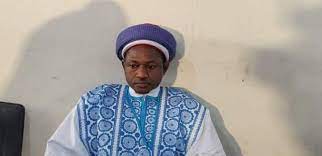
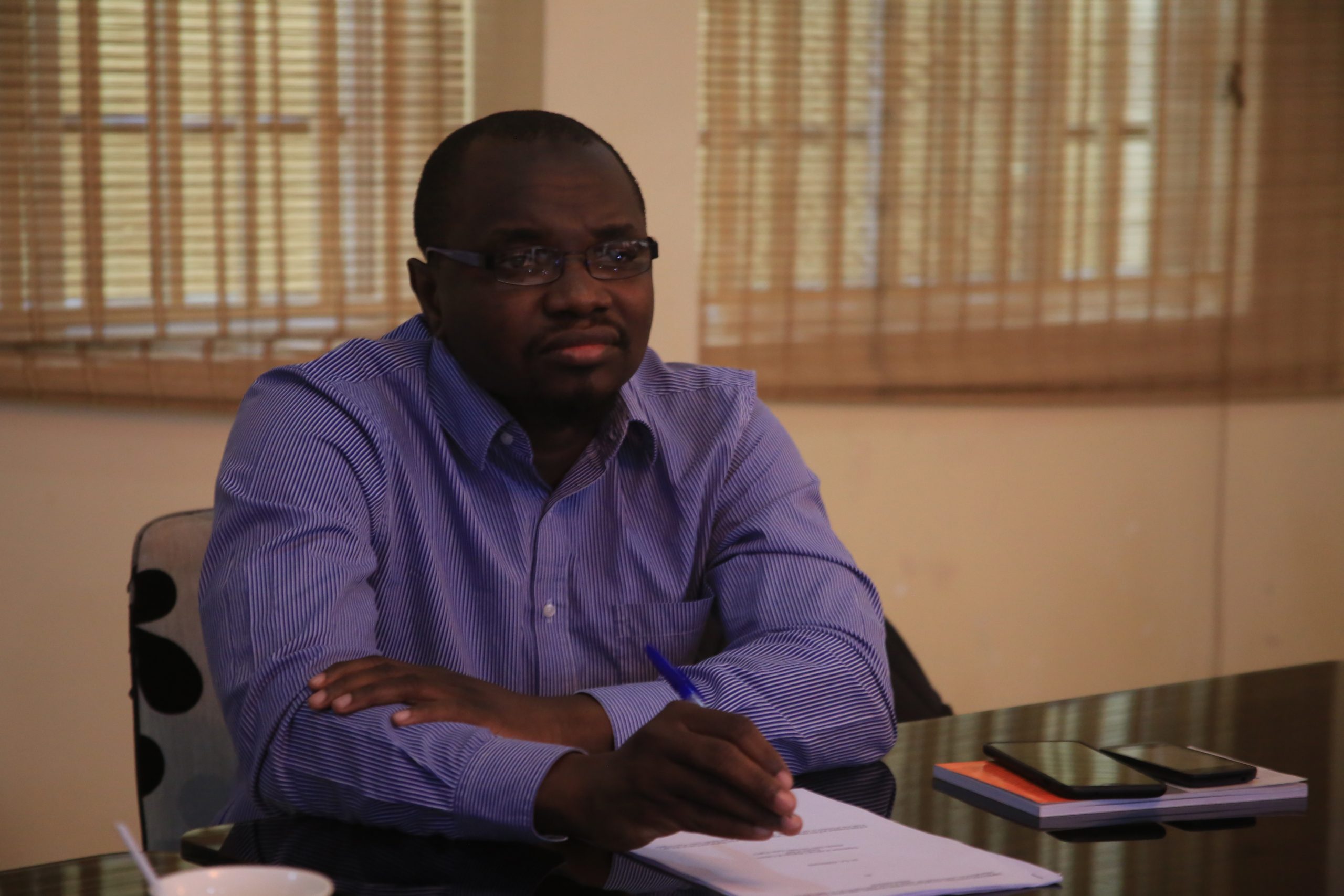
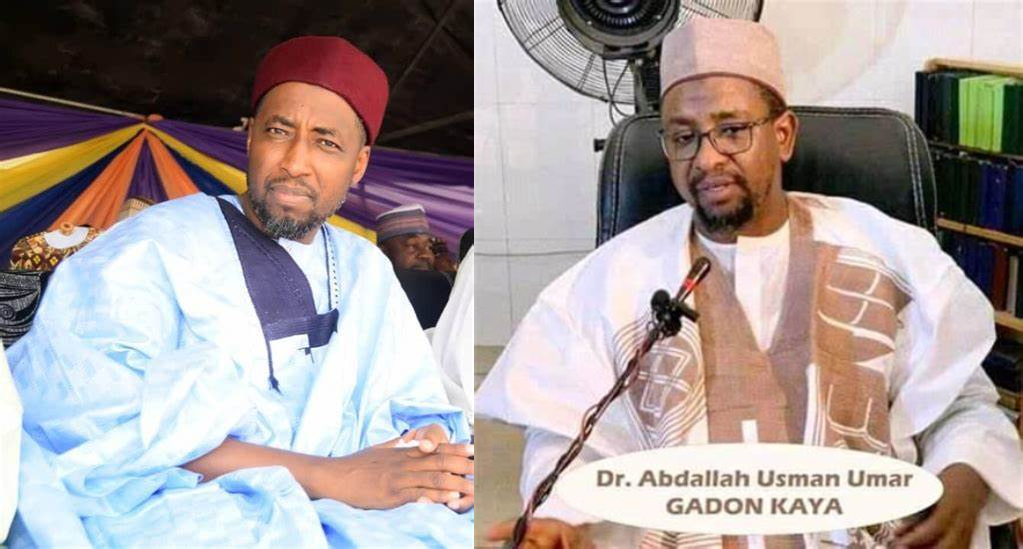
Tension grew as Prof. Ibrahim Maqari intends to sue Dr Abdalla Usman Gadon-Kaya based on what he (or his lawyers) called defamation of his character. It may be recalled that the main point of divergence between the two was their different religious affiliations, where Prof. Maqari subscribes to Tijjaniya Sufism, and Dr Abdalla is an Izala/Sunni scholar who preaches mostly against the teachings of Prof. Maqari and Tijjaniyya order in general.
Initially, the blasphemous and heretic teachings of Abduljabbar Kabara were the genesis of their misunderstanding, where Dr Abdallah erroneously cited a wrong reference when referring to an Abuja Imam. It was clear that the coalition of Kano Ulama, under the chairmanship of Dr Sa’idu Dukawa, lodged their complaint against what they found to be lies and concoctions against Bukhari, Muslim, some Sahabas, which in turn, ridicule and subject the sanctity of the Prophet’s household into questioning. These immoral teachings have negatively impacted some irate and ignorant youth, where they mockingly copy and paste anything from the sacred books and ridiculously call it a lie.
In response to this unprecedented religious turmoil, the scholars in Kano unanimously agreed to form a coalition to defend Islam’s sanctity. Abduljabbar directly targets Dr Abdalla and other prominent Sunni scholars in Kano as his reference point and as one of those at the forefront of exposing his evil antics. These altercations have taken a long time without Prof. Maqari featuring in the scene with either support or opposition to what Kano Ulamas have been doing.
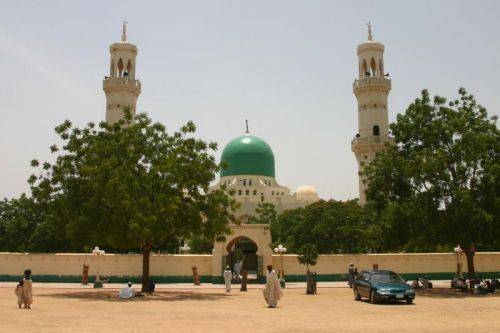
After the debate session, the Muslims were happy as Abduljabbar failed to defend his heretical teachings. However, while everyone was happy and waiting for a verdict from the government, suddenly Prof. Maqari used his position from the Abuja Central Mosque and said that he perceived a form of propaganda in all that has been happening in Kano concerning Abduljabbar’s case. Thus, Prof. Maqari breathed life to all the supporters of Abdujabbar who died and buried their heads in shame.
Maqari’s submission made Dr Abdalla go berserk and even erroneously, out of emotions, mentioned many instances where an Imam in Abuja, which may be Prof. Maqari, used his position to delve into this – what no Imam in the history of Abuja Mosque ever delved into before. He cited instances where such an Imam said many things and even went to the extent of claiming to own classified audios of phone calls where that Imam, who may be Prof. Maqari, wanted to intervene in cases related to blasphemy.
In response, Prof. Maqari, in what shows his humility and humbleness, as usual, posted a video where he debunked all that Dr Abdalla said and called for peace. Later, Dr Abdalla also posted another video, clearly apologizing and calling for peace. Most poor innocent followers of these famous sheikhs were happy that the matter was settled amicably, only to wake up with another fresh video of Prof. Maqari saying he would go to court. I think this will be one of the first court cases that will generate high tension, cause a lot of damage, and divert people’s attention from the real cause of the trouble. It will indeed cause more harm than expected.
The decision may not ordinarily be Prof Maqari’s. It may be that some people who are angry with Dr Abdallah may feel that this is the right time for them to score their cheap religious point by dragging Prof. Maqari and Dr Abdalla into the ring. How I wish it were done differently. How I wish it were not for Prof. Maqari and Dr Abdalla. Whoever knows Prof. Maqari knows a humble, soft-spoken, modest and religious personality. The way he doffs his Dara on his head can make everyone think of the kindest people of Magrib who devote their lives to the services of Islam.
On the one hand, Prof. Maqari is a Professor of the Arabic language, an Islamic scholar who triples as an Imam in the national mosque in Nigeria. He maintains a very cordial relationship with many people to whom he subscribes to their ways of religiosity and those he differs with. However, Prof. Maqari is tactically but unmistakably anti-Izali with a complete Tijjaniya Sufi disposition. These, he has never hidden and is found in many of his teachings. There are so many instances where he displayed anti-Izala inferences in his teachings, and this is not in any way bad as much as he is sure of his contrary opinions. Such disagreements and oppositions have been there among scholars since an immemorial time.
On the other hand, Dr Abdalla Gadon Qaya is a vocal, vibrant and versatile Islamic scholar who is also an Imam in an Izala mosque; he also triples as a lecturer of Islamic Studies at Bayero University, Kano. He has been known to talk during his Friday sermons fiercely against anybody who blasphemes, jokes, maligns or tries to tarnish the image of Islam. In addition, he has been known as a social media influencer, where he uses his position to viciously flatten his rude opponents, most of whom are not well-versed in Islamic studies, but trying to change the religious narratives, in the name of modernity or what they call modern Islam.
Looking at the delicate situation we are in now, I, therefore, call on these two gladiators in the ring to not allow their followers to use them to divide the Ummah further. We have many problems ahead of us, and that of Abduljabbar is not yet settled. Against whom are we to set our faces now? This may lead to another sectarian violence.
To me, both are good people. They are religious scholars; they are role models in their own rights. They are not infallible. Both have erred. Prof. Maqari emotionally chose the wrong time for his submission, while Dr Abdallah emotionally said something which Prof. Maqari didn’t say. All these are not supposed to come from Islamic scholars. Don’t allow those you call ‘YanBoko to play with your intelligence.
Your respected position will be trampled upon if you allow that. Both of you have lawyers who can give the last drop of their blood in protecting each of you; let these lawyers go and defend the sanctity of the Prophet. What will you gain if you see another person’s downfall just because you feel he wrongs you or he belongs to a different sect? What if the table turns? It isn’t socio-morally a welcome development for Islamic scholars to go to court. And who even initiated the idea of going to court? Who wants to use these reputable Malamai as his case study?
Finally, I am not in any way against going to court to look for justice. On the contrary, I support it. But, I won’t support scholars who are the mirrors to the Ummah to do that. What if one of your disciples learns from you that taking matters to court is the last good thing? Whether we like it or not, this will have sectarian colouration, and it will sow more rift than ever. Therefore, I kindly advise Malam Maqari to stop the court procession for good silently. I also kindly remind Malam Abdalla, Prof Maqari and all other Islamic scholars to guard and weigh their utterances and actions before uttering or doing anything.
Both clerics should silently sit, own the issue, discuss it and shame the detractors. Both Prof. Maqari and Malam Abdalla emotionally erred, and they apologised. That should have been enough reason to close the case. Why turning around and going to court? Otherwise, this will lead to digging more and more resolved issues by those rude supporters who don’t have much love for the religion, and it will lead to further disunity. Don’t we have other vital problems to deal with, please? And if both parties are doing it for the sake of Allah, then why court? Only the evil FOLLOWERS may propel their teachers to court cases just for them to laugh and continue to enjoy their ignorance.
Muhammad Sulaiman Abdullahi, PhD., is a lecturer at the Department of Nigerian Languages, Bayero University, Kano. He can be contacted via +234 80 65846225.