Iran

Ukraine Accuses Russia Of Supplying Iran With Intelligence Ahead Of Attack On US Base

By Sabiu Abdullahi

Fresh reports have emerged that Russia provided intelligence support to Iran shortly before a major strike on a United States military base in Saudi Arabia, an attack that left several American personnel injured.

According to Ukrainian authorities, Russian satellite data was shared with Iran in the days leading up to the assault on Prince Sultan Air Base in Al Kharj. The strike, which involved missiles and drones, injured at least 12 US troops and caused significant damage to military assets.

Volodymyr Zelensky said Russian surveillance activity intensified prior to the attack. He revealed that Kremlin satellites captured images of the base three separate times, suggesting a deliberate pattern.

“We know that if they make images once, they are preparing. If they make images a second time, it’s like a simulation. The third time it means that in one or two days, they will attack,” he told NBC News.

The Ukrainian leader added that he was “100 per cent” certain that Russian intelligence played a role in helping Iranian forces target American troops in the region.

The strike destroyed a high-value E-3 Sentry radar aircraft, reportedly worth hundreds of millions of pounds, and also damaged refuelling planes stationed at the base. Military analysts describe the incident as one of the most serious breaches of US air defences since the conflict began last month.

Moscow has denied passing intelligence to Tehran. However, Russian officials acknowledged that they have supplied Iran with “certain types of military equipment.” European intelligence sources now believe Russia may be preparing to deliver additional military hardware, including attack drones.

The development comes amid rising tensions across the Middle East. Reports indicate that the United States is reviewing possible ground operations targeting strategic Iranian مواقع, including key oil infrastructure. At the same time, Iran has warned that its forces are ready to respond to any escalation.

The situation remains fluid, with diplomatic efforts ongoing in several countries aimed at reducing hostilities and preventing a wider regional conflict.

US Marines Arrive Middle East As Houthis Join US/Israel War With Iran

By Sabiu Abdullahi


United States naval personnel and marines aboard the amphibious assault ship USS Tripoli have reached the Middle East, according to an announcement by the Central Command on Saturday.

The vessel serves as the flagship of the Tripoli Amphibious Ready Group/31st Marine Expeditionary Unit. It carries about 3,500 troops along with transport and fighter aircraft.

The deployment is expected to strengthen the U.S. military presence in the region. Washington is reportedly weighing the possibility of launching a ground operation around Iran’s key oil export hub and the Hormuz Strait.

Reports indicate that the U.S. is considering steps to secure Iran’s nuclear materials. Other options under review include a possible seizure of Kharg Island, an invasion of Larak Island near Hormuz, and control of Abu Musa and nearby islands. Additional strikes on nuclear and energy facilities are also being considered.

At the same time, Yemen’s Houthi forces have declared their involvement in the conflict. The group said it carried out its first operation using ballistic missiles against Israeli military targets.

“Our operations will continue until the declared goals are achieved,” a spokesperson vowed on Saturday. “We will continue until the aggression stops on all fronts.”

Meanwhile, Iran continued retaliatory actions against Gulf countries over the weekend. Two drones struck Oman’s Port of Salalah. The incident left one worker injured and damaged a crane.

Authorities in Kuwait reported that multiple drones hit the country’s international airport, affecting its radar systems. Emirates Global Aluminium also confirmed that Iranian strikes impacted its Al Taweelah facility in Abu Dhabi.

Iranian President Masoud Pezeshkian criticized the situation. He said it was unfortunate that “the territories of some Muslim countries” are being used to attack Iran. He accused Israel of attempting to widen the conflict across the region.

The president also stated that Iran has been “attacked twice during negotiations,” adding that the “bombing infrastructure and assassinating Iranian figures show that the aggressors cannot be trusted.”

His remarks came after Israel launched fresh strikes on two nuclear-related facilities in Iran. The targets included a heavy-water production plant in Khondab and a yellowcake production site in Ardakan.

Russia also reacted to the developments on Saturday. Moscow accused Iran’s opponents of escalating the conflict “despite related risks, including a threat of large-scale radioactive contamination.”

The country called on the International Atomic Energy Agency (IAEA) to address what it described as a “grave threat.” It added that the attacks breached international law and should attract strong condemnation from the global community.

Iran Launches Missiles At UAE As Middle-East Tensions Deepen

By Sabiu Abdullahi


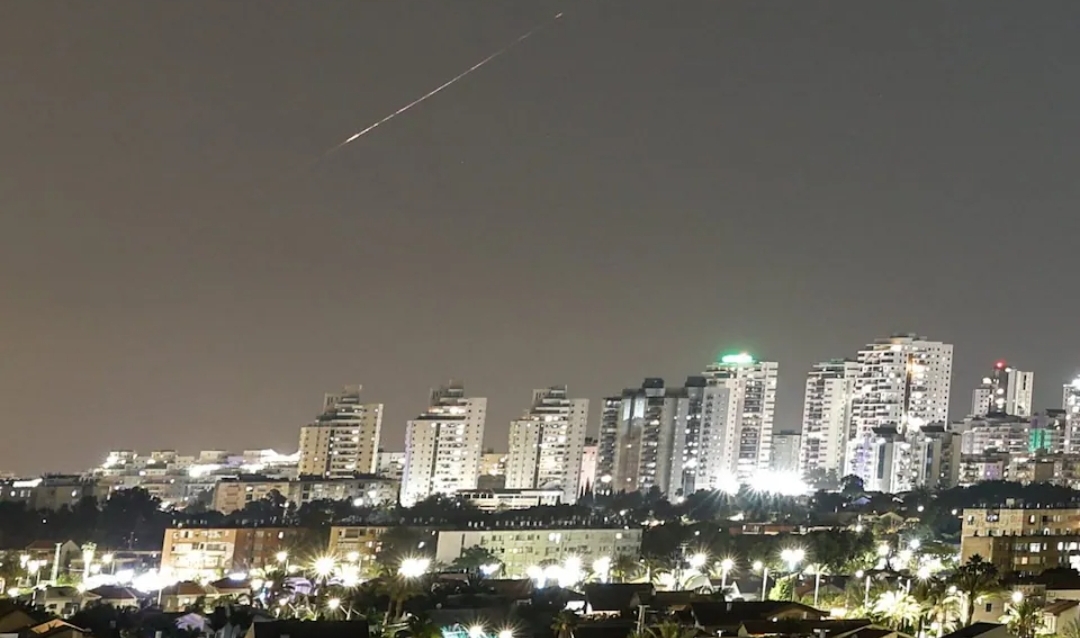
Tension has intensified in the Middle East after Iran launched a series of missiles and drones targeting the United Arab Emirates, in what signals a major escalation in the ongoing regional crisis.

Authorities in the UAE confirmed that air defence systems were deployed to intercept the incoming threats. Explosions and fires were reported in several locations across the country.

Officials disclosed that fragments from intercepted ballistic missiles landed in an industrial zone in Abu Dhabi. The incident triggered fires and left several people injured.

Security sources said the operation involved both missiles and drones. Analysts believe this reflects a more coordinated and sophisticated strategy by Tehran.

The latest strikes are linked to a broader confrontation involving Iran, the United States, and Israel. In recent weeks, Iran has stepped up retaliatory attacks after joint U.S. and Israeli operations targeted its military and nuclear facilities.

Iran has made its position known. Its foreign minister warned that Israel and the United States would pay a “heavy price” for continued strikes, signaling that attacks across the Gulf could persist or intensify.

The UAE is not the only country affected. Similar missile and drone incidents have been recorded in Saudi Arabia, Bahrain, and Kuwait. This has raised concerns about a wider regional conflict.

In response, Gulf states issued a joint statement condemning Iran and allied groups. They warned that such actions threaten regional stability and could lead to a broader war.

Officials also raised alarm over the growing use of proxy groups and cross-border strikes. They noted that both civilian and strategic locations are increasingly at risk.

Despite the scale of the attack, UAE authorities said most of the incoming threats were intercepted. This helped reduce the level of damage and casualties.

However, the crisis is already affecting the global economy. Shipping routes have been disrupted, while oil prices have surged. There are growing fears that the conflict could drag on in one of the world’s most critical energy regions.

The situation remains tense, with each new development increasing the risk of further escalation beyond current battle lines.

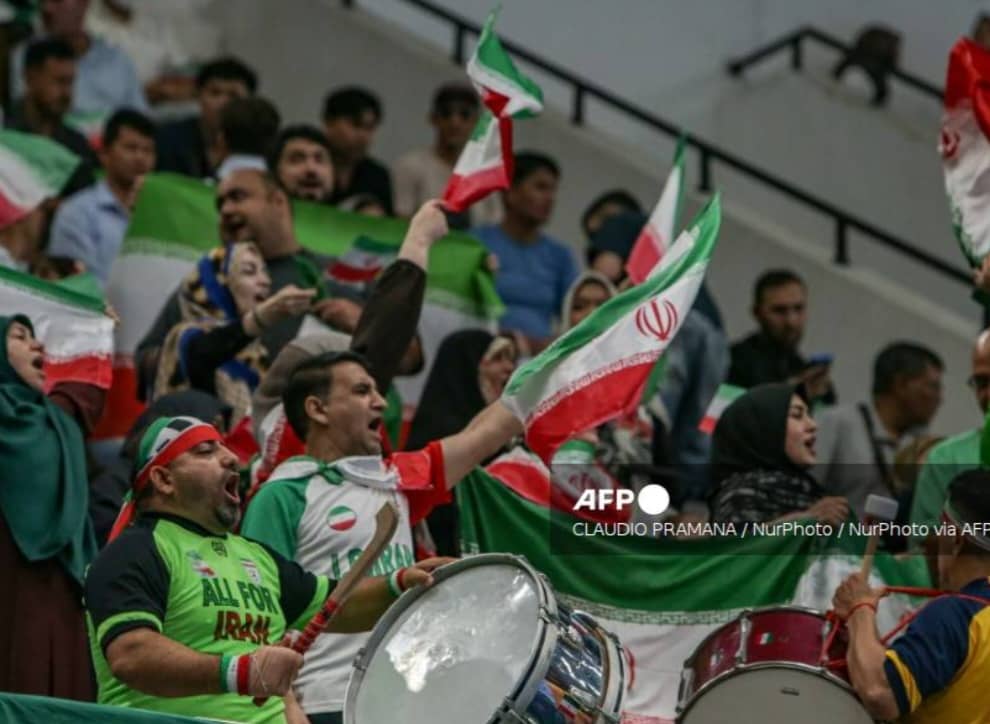
Iran Players Honour Schoolgirls Killed By US/Israel Airstrike Before Friendly With Nigeria

By Sabiu Abdullahi

Members of Iran’s national football team staged a solemn tribute to schoolgirls who lost their lives in an airstrike amid the country’s ongoing conflict with the United States and Israel.

The gesture took place on Friday before an international friendly match against Nigeria at the Mardan Titanic Sports Complex in Antalya. Iranian players entered the pitch carrying school bags to symbolise the children killed in the attack.

The tribute followed a deadly incident on February 28, when a US/Israel missile struck Shajareh Tayyebeh Primary School in Minab, located in Hormozgan province. Authorities in Tehran reported that more than 175 people, including pupils and teachers, died in the bombing.

The attack marked the start of a broader conflict that has since claimed over 2,000 lives. The situation also forced Iran to pull out of the upcoming FIFA World Cup, which is scheduled to be hosted by the United States, Mexico and Canada.

In the match itself, Nigeria’s Super Eagles secured a 2-1 victory over Iran. Moses Simon and Akor Adams scored the goals for Nigeria.

Nigeria is expected to face Jordan in its next game on Tuesday. Iran will take on Costa Rica in its final fixture of the international window.

Iran-Linked Hackers Breach FBI Director’s Email, Leak Personal Data

An Iran-linked hacking group has claimed responsibility for breaking into the personal email account of Kash Patel, the director of the Federal Bureau of Investigation, sparking fresh concerns about cybersecurity risks involving top United States officials.

The group, identified as Handala Hack Team, announced the breach online and released what it described as emails, documents and personal photographs obtained from Patel’s private account.

Authorities in the United States have confirmed the incident. Early assessments indicate that some of the materials circulating online are genuine.

A Justice Department official, who spoke on condition of anonymity, said, “We are aware of the incident involving the FBI director’s personal email account. Appropriate steps have been taken to secure affected systems and assess the scope of the breach.”

Security analysts monitoring the group say Handala Hack Team operates as a proxy linked to Iranian cyber interests. Such networks often function independently on the surface, but their activities tend to align with state objectives.

The hackers claimed that the breach uncovered emails spanning nearly a decade, from around 2010 to 2019. They also released images that appear to show Patel in informal personal situations.

There is no evidence at this stage that classified government systems were accessed. Experts, however, warn that personal accounts can still offer useful intelligence to attackers.

The group suggested the operation was carried out in retaliation for recent actions taken by the United States against infrastructure associated with Iranian cyber operations.

The development comes at a time of rising cyber tensions between Iran and the United States. Both countries have repeatedly accused each other of carrying out cyber attacks in recent years.

Despite the breach, officials insist there is no indication that FBI networks or classified systems have been compromised. Investigations into the incident are ongoing, while internal reviews continue within the bureau.

Cybersecurity experts say the episode highlights the growing threat posed by digital attacks, even on high-ranking officials, and the need for stronger protection of personal and official data.

UN Security Council to Hold Talks Over Iran War Friday

By Anwar Usman

The United Nation Security Council will hold closed-door consultations on Friday to discuss strikes on Iran at Moscow’s request, Russian state media reported, as the Middle East war nears its second month.

Iran has come under near-daily bombardment since US-Israeli strikes on February 28 triggered the war, which has since widened to large parts of the region.

According to state news agency TASS, spokesman for Russia’s envoy to the United Nations, Evgeny Uspensky, said “The Russian Federation has requested closed-door consultations with the UN Security Council due to the ongoing strikes on civilian infrastructure in Iran, including educational and healthcare facilities.”

A strike on the first day of the war hit a school in the southern Iranian city of Minab, killing more than 160 children, according to authorities.

Reports from the US military investigation by The New York Times indicated that a US Tomahawk cruise missile had hit the school due to a targeting mistake.

The United States, which holds the Security Council presidency this month, scheduled the meeting for 10:00 am in New York (1400 GMT), according to TASS.

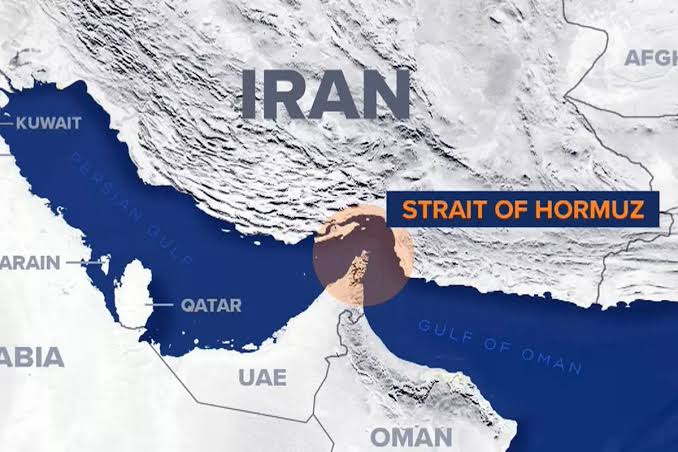
The US-Israeli military campaign has targeted Iranian leadership, missile sites and military infrastructure, prompting a large-scale Iranian retaliation across the Gulf and the effective closure of the crucial Strait of Hormuz, through which a fifth of global crude and liquefied natural gas passes during peacetime.

AFP reports that, the UN Human Rights Council will hold a separate meeting on Friday in Geneva focused on the deadly school strike.

Israel Says Iranian Naval Commander Alireza Tangsiri Killed in Air Strike

Israel has announced that it has killed a senior Iranian military figure, Alireza Tangsiri, who headed the naval arm of Iran’s Islamic Revolutionary Guard Corps.

According to Israel’s Defence Minister, Israel Katz, the operation took place on Wednesday night. He described it as “in a precise … operation” and said it also targeted other “senior officers of the naval command” in Iran.

Katz further stated, “The man who was directly responsible for the terrorist operation of mining and blocking the Strait of Hormuz to shipping was blown up and eliminated.”

Despite the claim, there has been no official confirmation from Iranian authorities as of the time of filing this report.

A journalist with Al Jazeera, Tohid Asadi, who is reporting from Tehran, said uncertainty still surrounds the development. He noted, “But if it’s true, it’s going to be another major blow for a country that has already experienced a lot of military commanders being killed.”

The latest claim comes amid the ongoing conflict between the United States, Israel, and Iran, which began on February 28. Since then, Israel has repeatedly announced the killing of several top Iranian officials.

Among those previously reported killed are Iran’s Supreme Leader, Ali Khamenei, and security figure Ali Larijani.

Other casualties linked to Israeli attacks include the head of the Basij paramilitary force, Gholamreza Soleimani, as well as Iran’s Intelligence Minister, Esmail Khatib.

In addition to targeting individuals, Israeli forces have in recent days intensified strikes on Iran’s naval capabilities. Reports indicate that several naval vessels were hit last week in the Caspian Sea. These included ships equipped with missile systems, support vessels, and patrol craft.

The situation continues to evolve, with tensions rising across the region as both sides maintain military pressure.

Iran Rejects U.S. Ceasefire Proposal, Sets Conditions For Ending War

By Sabiu Abdullahi

Iran has turned down a ceasefire proposal from the United States, stressing that the ongoing conflict will only end based on its own terms and after certain conditions are satisfied.

In a statement released through the Consulate General of the Islamic Republic of Iran in Mumbai, the country outlined its position on the war. It said any ceasefire must come with clear commitments. These include an end to hostilities, payment of war damages, and recognition of its authority over the Strait of Hormuz.

A senior political-security official, cited in the statement, made it clear that Tehran would not accept any timeline imposed by the United States.

“Iran will end the war at a time of its own choosing and only if the conditions it has set are fulfilled. It will not allow Trump to determine the timing of the war’s end,” the official said.

The statement also disclosed that the United States had reached out through diplomatic channels with proposals for talks. However, Iran rejected the move and described it as misleading. It claimed the approach contradicts what it called a U.S. setback on the battlefield.

“Iran has evaluated these proposals… and considers them a deception aimed at escalating tensions,” the source added.

Tehran accused Washington of using negotiations in the past as a cover for military action. It insisted that any future agreement must include a “complete end to aggression and acts of assassination,” along with guarantees to prevent a repeat of the conflict. It also called for compensation for damages caused by the war.

In addition, Iran demanded a ceasefire that would apply across the region, including all allied groups. It also reaffirmed its “natural and legal right” to sovereignty over the Strait of Hormuz, a key global oil route.

“Iran has informed all mediators acting in good faith that a ceasefire will only take place once its conditions are accepted; until then, no negotiations will be conducted,” the statement said.

This development is expected to heighten tensions between Tehran and Washington. It follows earlier remarks by former U.S. President Donald Trump, who suggested that discussions were ongoing and that Iran was open to reaching an agreement.

Iranian officials have repeatedly denied such claims. Military spokesman Ebrahim Zolfaqari had earlier dismissed the U.S. position and stated that no direct negotiations were taking place.

Despite increasing calls from the international community for calm, both sides have maintained firm positions. Missile exchanges and airstrikes have continued across several fronts, prolonging the conflict.

Iran Accuses Trump of Manipulating Oil Prices After US Pauses Strikes on Energy Infrastructure

By Sabiu Abdullahi

Iran’s foreign ministry has dismissed US President Donald Trump’s claim of “productive” talks to end hostilities, suggesting the remarks aim to calm energy markets and gain time for military planning.

On Monday, Trump announced that Washington and Tehran had held “VERY GOOD AND PRODUCTIVE” conversations over the past two days about a “COMPLETE AND TOTAL RESOLUTION OF HOSTILITIES IN THE MIDDLE EAST”. He added that he had instructed the US Department of War to postpone all strikes on Iranian power plants and energy infrastructure for a five-day period. This announcement came just hours before the deadline of his ultimatum demanding that Iran reopen the Strait of Hormuz, warning that failure to comply would result in Tehran being “obliterated.”

Iran’s foreign ministry rejected the notion of direct negotiations with the US. It stated that while regional countries had initiated efforts to reduce tensions, “all requests should be directed towards the US as we did not initiate the war.”

Citing an unnamed source, Iran’s Fars news agency reported that Trump delayed military action after learning that Iran would respond by targeting all power plants in the region. The source also indicated that Tehran could lay mines across the Persian Gulf if the US proceeded with attacks on the country’s coast or islands.

The closure of the Strait of Hormuz has intensified pressure on Trump. The vital waterway is a major conduit for oil, and its disruption has caused energy prices to surge since hostilities escalated in late February.

In London, Prime Minister Sir Keir Starmer welcomed Trump’s announcement to delay strikes. His official spokesman said: “Any reports of productive talks are welcome. We have always said that a swift resolution to the war is in global interests and the Strait of Hormuz specifically needs to be reopened.”

The spokesman added that the UK was in contact with the US about the situation and had discussed safeguarding international shipping. “It has been something the prime minister has talked about since the beginning of this conflict, that we want to work with the US and international partners to develop a viable plan to safeguard international shipping and see an end to this crisis,” he said.

Financial markets responded to Trump’s announcement with modest optimism. Analysts warn, however, that prolonged closure of the Strait of Hormuz will continue to drive energy prices upward, potentially prompting multiple interest rate increases in the UK. Rising costs are expected to affect transport, fuel, and production, increasing inflationary pressures.

Meanwhile, Israel’s military confirmed fresh strikes on “Iranian terror regime targets” in Tehran, and Iranian sources stressed that the country would continue to respond and defend its territory. According to Iran’s semi-official Tasnim news agency, “the Strait of Hormuz will not return to pre-war conditions and energy markets will remain unsettled,” and no direct negotiations with the US are underway.

Trump’s announcement of a temporary pause came as he described ongoing discussions with Iran as “very good and productive,” aimed at achieving a “complete and total resolution of our hostilities in the Middle East.”

“Based on the tenor and tone of these in depth, detailed, and constructive conversations, witch [sic] will continue throughout the week, I have instructed the Department of War to postpone any and all military strikes against Iranian power plants and energy infrastructure for a five day period, subject to the success of the ongoing meetings and discussions,” Trump wrote on Truth Social.

“Thank you for your attention to this matter! President Donald J. Trump”

U.S. Embassy Tells Americans To Vacate ‘Israel’ Via Land Routes, Organizes Buses To Jordan

By Sabiu Abdullahi

The United States Embassy in Jerusalem has advised its citizens in ‘Israel’ to consider leaving the country through land borders due to ongoing travel difficulties and limited immediate options.

In a message posted on its official Instagram page, the embassy explained that overland routes currently offer the quickest way out. It pointed to border crossings into neighboring countries such as Egypt and Jordan as the most viable options for departure.

According to the advisory, commercial flights are still operating from airports in Egypt, including Sharm el-Sheikh and Cairo, as well as from Jordan’s capital, Amman.

To support those seeking to leave, the U.S. Department of State has begun arranging bus transportation for American citizens. The service is scheduled to start on March 23 and will move passengers from ‘Israel’ to Queen Alia International Airport in Amman.

As part of the “departure by land” plan, assisted transport will be available through the northern crossing known as the Jordan River/Sheikh Hussein border point. The embassy said this option is intended for citizens who require help exiting the country.

Americans interested in using the service must first complete an online registration form. After that, they will receive information on departure schedules and designated meeting locations. Current arrangements cover departures from both Jerusalem and Tel Aviv.

Officials stressed that travelers will still need to handle their onward journeys themselves, including securing flights from Amman.

The embassy added that it will continue to provide updates to U.S. citizens in ‘Israel’ as the situation develops.