Insecurity

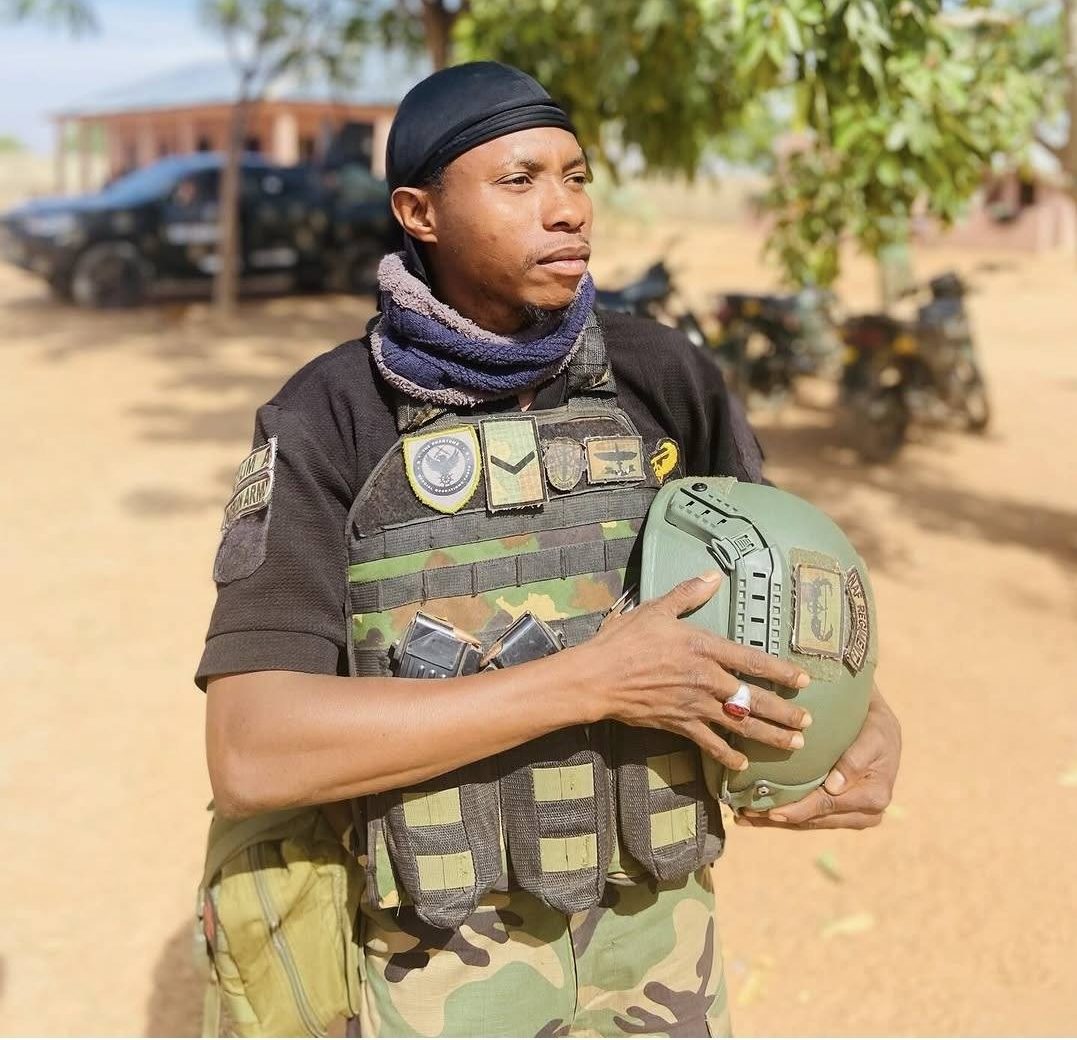
He Chased the Bandits So Nigerians Could Sleep: A Tribute to Muslim Abdurrazak (1994-2026)

By Muhsin Ibrahim

Inna lillaahi wa innaa ilaihi raaji’un

There is a particular cruelty in the timing of some deaths, a cruelty that refuses to be explained away. Muslim Abdurrazak Ibrahim, 31, died on a Friday. Every Friday without fail, he would send a Jumu’at Mubarak message, a small ritual of love and faith that connected him to family and friends across the distance between a soldier’s post and the world back home. On this Friday, he sent nothing. He could not. He had already gone.

Muslim was the firstborn son of Abdurrazak, who named him after his uncle — a tribute to my older brother, Muslim. Abdurrazak, a retired soldier, had fought in battles inside and outside Nigeria and had returned home carrying the weight of friends lost in the trenches of Liberia, Sierra Leone, and beyond. His children, Muslim and his brother Bilal, would both join the Nigerian Army.

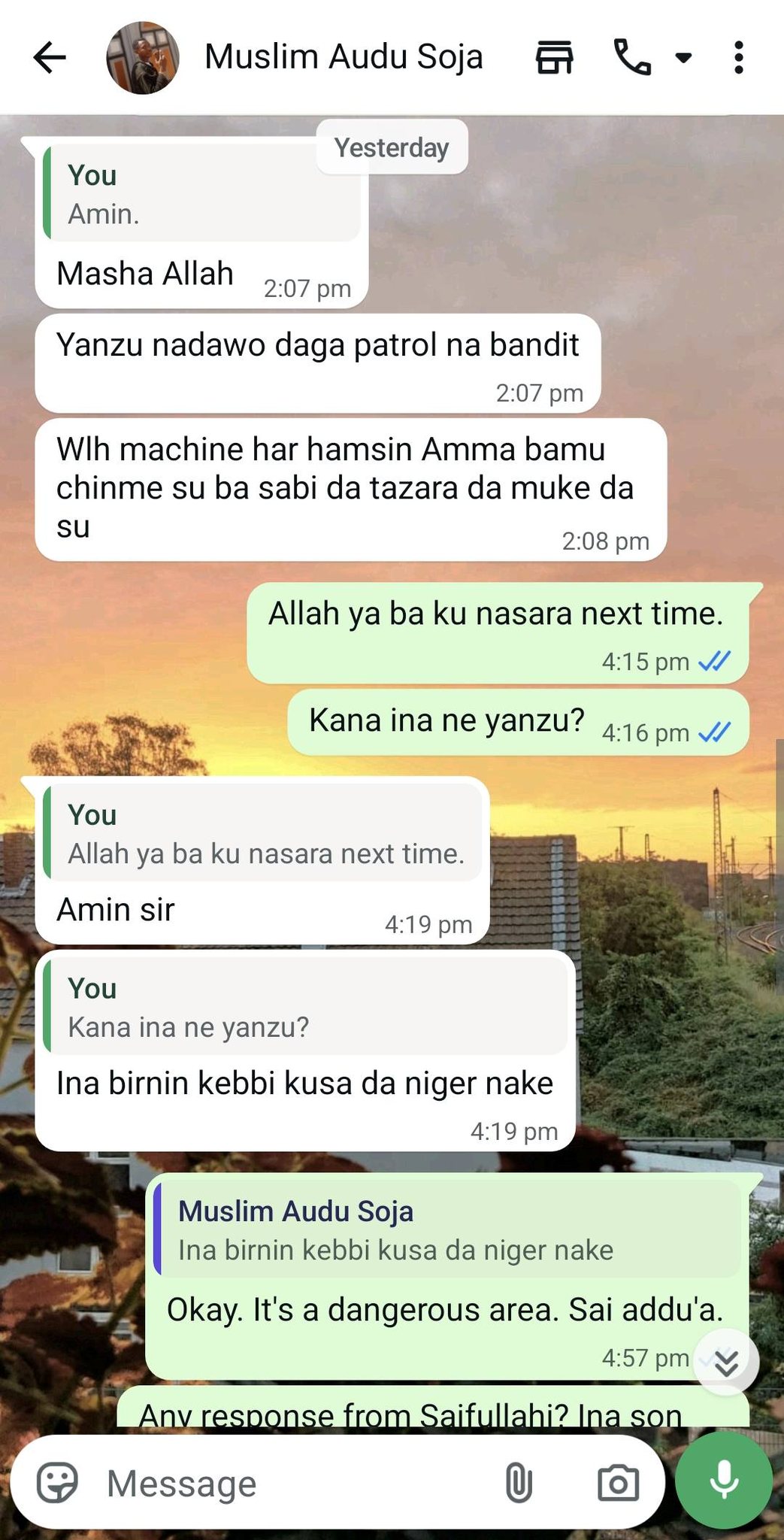
The week of his death was, without either of us knowing it, a week of farewells. On Wednesday, my busiest day, Muslim asked to speak with me, which was unusual in itself. We compromised, exchanging texts and voice notes instead. What followed was the most intimate conversation we had ever shared. 

Muslim spoke about his family, including his brother Buhari, who also wanted to join the Army. He spoke at unusual length and with unusual openness. For instance, he did not want Buhari to abandon his education to join the military. He had wanted a video or audio call for more direct contact, as he wanted to leave a wasiya, a will. We did not manage the call. But something was transmitted all the same.

On Thursday evening, he told me he was exhausted after the patrol. He and his colleagues had been chasing armed men on more than fifty motorbikes across the terrain of Kebbi State. They escaped. I prayed for better fortune next time. On Friday, there was no next time. He was killed in combat!

Just hours before his death, he had asked about obtaining a permit to travel home on the 20th of May to celebrate Eid al-Adha with his family in Kano. He had been looking forward to the feast and planning a homecoming.

He had also been planning a wedding. His betrothed, Nana, his girlfriend, his intended, was waiting. The arrangements were underway. He was thirty-one years old, at the beginning of the life he had been building, and then he was gone.

Muslim was a caring son to his parents, a devoted brother to his siblings, and a warm presence in the lives of friends, colleagues, and acquaintances alike. Those who knew him speak of his bravery on the battlefield, his attentiveness during training, his faithfulness in small gestures, such as the weekly Jumu’at message, among many other qualities. He was consistent. He was present. He was the kind of person who, even from a military post in the field, remembered to reach out.

This is the quiet tragedy within the larger one: that Nigeria loses sons and daughters like Muslim regularly, and the country has grown so accustomed to the loss that it barely flinches. The skirmishes, the patrols, the ambushes — they occur on the margins of the national conversation, and the brave men and women who fall in them are sometimes mourned only by their families, in private, without the acknowledgement their sacrifice demands. 

Muslim was not a statistic. He was a person who sent Jumu’at greetings and wanted to come home for Eid to meet family and friends. He had dreams and plans for the future. None of this would now happen.

I was, to my knowledge, the last family member to speak with him. That knowledge sits heavily. But I am also grateful that he reached out, that we spoke at length about family for the first time, and that something of what he wanted to say was said. He left, in those voice notes and texts, a presence that words can only approximate.

Against all odds, we pray for Nigeria’s prosperity. May the sacrifices of these gallant soldiers not be in vain. May Allah (SWT) forgive their shortcomings, accept their martyrdom, and grant their families and loved ones the strength to bear this loss.

May Muslim Abdurrazak Ibrahim rest in the mercy and peace of his Creator. May Nana be comforted. May his parents and siblings find strength. May his name be remembered — not only by those who loved him, but by a country that owes its soldiers more than silence, amin summa amin.

Inna lillaahi wa innaa ilaihi raaji’un — Indeed, to Allah we belong, and to Him we shall return.

Kano Don Blames Northern Leaders for Region’s Challenges

By Sabiu Abdullahi

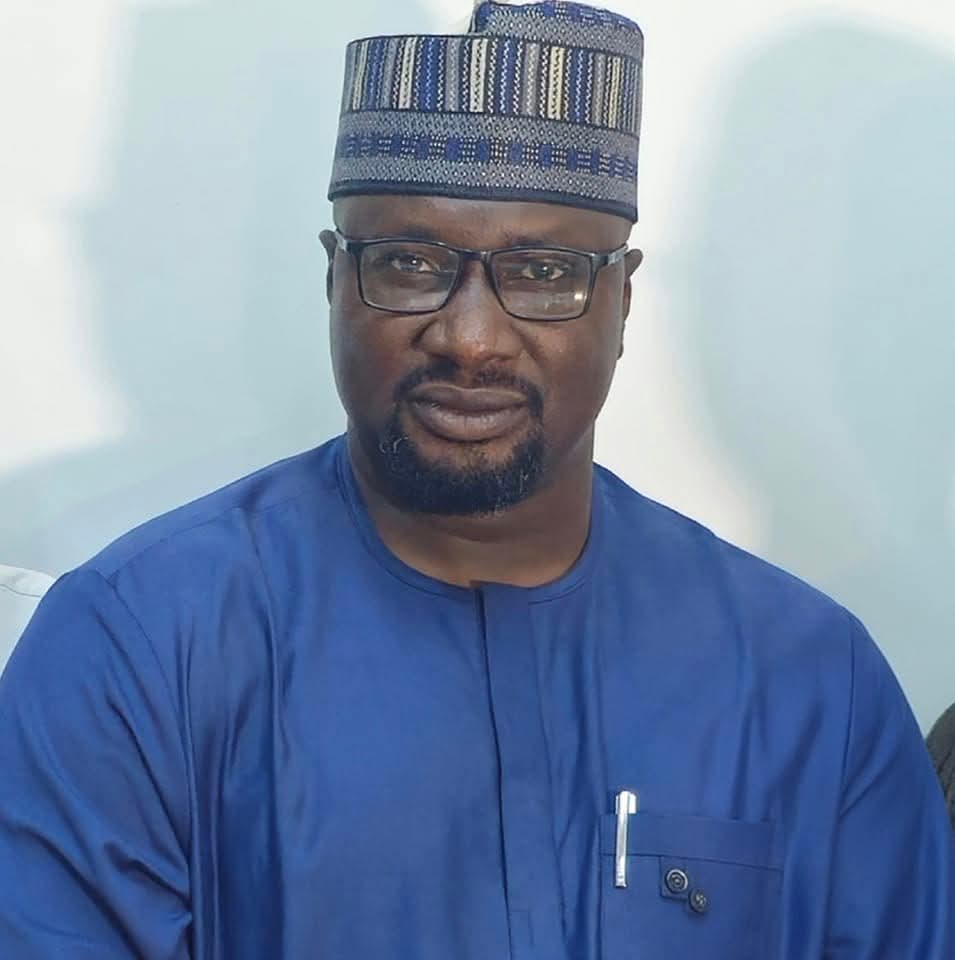
A Kano-based lecturer, Malam Mubarak Ibrahim Lawan, has criticised political leaders in Northern Nigeria over the security and socio-economic problems facing the region.

In a Facebook post shared on Wednesday, Lawan accused governors, senators and members of the House of Representatives of failing to address the plight of the people despite recurring cases of killings and insecurity.

“All the problems facing Northern Nigeria were caused by corrupt governors, senators and representatives! No matter what happens, none of them cares!” he wrote.

The lecturer lamented what he described as the lack of accountability among political office holders, alleging that repeated killings across the region are often treated lightly by leaders.

“One hundred people are killed, seventy are killed, fifty are killed, even if one thousand people are killed, to them it is only a mistake,” he stated.

Lawan also alleged that politicians react more strongly when they are criticised by citizens, especially young people, than when lives are lost.

“But if a young person insults a governor, senator or representative even once, that is not considered a mistake. And the young person must be punished,” he added.

He further accused public officials of prioritising personal interests above public welfare.

“They only care about themselves and protecting their pockets! May God bring improvement!” the post concluded.

The remarks have attracted reactions on social media, with users debating the state of governance and insecurity in Northern Nigeria.

Insecurity: we Need To Trace The Root Cause

By Ismail Bello Darazo 

Nigeria is a country known for its diverse ethnic groups, rich cultures, and traditions. There is also a strong history of peaceful coexistence among these groups. This harmony was more evident when traditional leaders were in control of societal affairs. All these things have faded away. Why?

Everything is better than before the marginalisation of the traditional leadership system, despite the democratic rule in various aspects of the sphere, but this particular issue of insecurity, especially the one between ethnicities, is not well addressed by the system. We still have time to make things better and manage.

The truth that we don’t want to say out has to be told in the sense that we would keep our eyes off the sad event masterminded by those we share the same tribe or religion with. This is what happens, and it is what fuels the escalating insecurity in the whole country. Political leadership was largely in the hands of traditional institutions, which formed a vital part of Nigeria’s governance structure before being marginalised by the modern democratic system.

The democratic system is centred on the separation of powers among the three arms of government—the Executive, the Legislature, and the Judiciary. This has become the dominant mode of governance today. However, decision-making and policy implementation under this system have largely replaced traditional methods, which once ensured a high level of compliance because people trusted their leaders.

The marginalisation of traditional leadership by the democratic system is one factor contributing to the escalation of insecurity. Traditional institutions have deeper access to the grassroots and better knowledge of the local environment than the current system. 

It is rare to find any group of people without a leadership structure in which leaders report to higher authorities when decisions exceed their authority. This applies to groups such as herders grazing livestock and farmers producing food for trade and national food security. The relationships between these groups were previously managed by traditional leadership, which ensured harmony and stability despite differences.

However, the alienation and undermining of traditional institutions have weakened this long-standing unity. The sense of shared humanity has diminished. Despite intermarriages and shared values, conflicts of interest have damaged relationships, turning once-peaceful communities into hostile groups.

Despite these challenges, it is not too late to act. The government can revitalise the traditional ruling system by integrating it into policy-making and implementation processes. Traditional leaders should be given a sense of belonging and held accountable for their responsibilities. Thomas Fuller once said, “A stitch in time saves nine.”

The effectiveness of this structure can often change the narrative, due to its deep grassroots penetration, significantly improving the current situation. 

By taking this step, insecurity can be drastically reduced, if not completely eliminated.

Ismail Bello Darazo writes from Bauchi wrote via Ismailbello054@gmail.com.

Residents flee Gwana in Bauchi en masse over rising deadly bandit attacks

By Sabiu Abdullahi

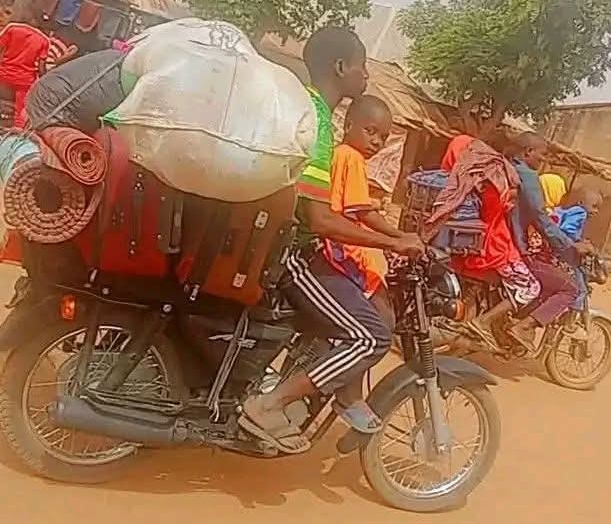
Residents of Gwana District in Alkaleri Local Government Area, Bauchi State, have abandoned their homes and belongings as insecurity in the community intensifies.

Families are fleeing the area in large numbers, seeking safety in neighbouring states, leaving the settlement nearly deserted.

Pictures that have gone viral on social media show people hurriedly packing their belongings, loading household items onto vehicles and motorcycles, and preparing to leave the community amid palpable fear.

Witnesses state that repeated attacks and constant threats have made it impossible for residents to go about their daily activities. Some residents said the situation has become unbearable, with many unable to sleep peacefully at night.

“The absence of an adequate security presence has emboldened criminal elements, leaving villagers vulnerable to further attacks,” one local resident said.

The mass displacement has also disrupted farming and other economic activities. Many residents have left behind farmlands, livestock, and personal property, relocating to safer communities or seeking refuge with relatives in neighbouring states.

Authorities in Bauchi State had not issued any official statement on the situation in Alkaleri at the time this report was filed.

The menace of Sara Suka and the effects of drug abuse : The way forward 

By Isyaka Laminu Badamasi

Recently, an Imam at Kurmin Dorawa in Karofin Madaki, Bauchi state, led a joint Maghrib and Isha’i prayer due to credible fears of a possible attack by suspected thugs in the area. This decision, though unusual, was taken as a precautionary measure in response to rising insecurity—either as retaliation for earlier clashes involving local youths or as part of the resurging menace of ‘Yan Sara Suka’.

Ordinarily, the combining of prayers occurs during the rainy season, while travelling, during festivities, or for other lawful reasons as permitted in Islam. That such a step was taken purely for security reasons speaks volumes about the level of fear and uncertainty now confronting residents.

These mobs, largely composed of young people between the ages of 15 and 25, move around armed with dangerous weapons. Contrary to popular belief, they are not street children, nor are they sponsored by politicians, cult groups, or gang leaders. Rather, they are products of deeper structural failures: poor parental care, societal decay, government neglect, weak application of criminal justice, and, most critically, the widespread abuse of drugs and other narcotic substances openly sold in our neighbourhoods.

In recent years, decisive actions by security agencies, vigilante groups, and community committees have significantly reduced Sara Suka’s activities, creating a relatively safer environment. Unfortunately, the problem has resurfaced with renewed intensity, spreading across almost all parts of the state, including both old and newly established settlements. As a result, some neighbourhoods have become partially or completely inaccessible due to the violent activities of these groups.

This piece does not seek to introduce a new narrative. Rather, it aims to draw attention to existing academic research that examines the role of drug abuse in expanding the frontiers of thuggery. These studies consistently highlight how narcotics fuel aggression, lower inhibition, and sustain cycles of violence among vulnerable youths. More importantly, the literature proposes evidence-based policy frameworks and intervention strategies for addressing the menace through inclusive, humane, and logical approaches.

Only by grounding our responses in research, strengthening social institutions, enforcing the law fairly, and confronting the drug economy within our communities can we hope to stem the resurgence of ‘Yan Sara Suka’ and restore lasting peace.

Academic literature proposes several multidimensional strategies to address the drug abuse crisis in Nigeria, focusing on prevention, management, and systemic reform. These papers advocate the integration of compulsory drug education into secondary and tertiary institution curricula to enlighten students on the physiological and social dangers of substance misuse.

The literature also suggests establishing associations and clubs to promote healthy lifestyles at the community and family levels. Additionally, several studies highlight the critical role of effective family communication and proactive parental monitoring in reducing children’s exposure to drugs, as well as leveraging traditional and religious institutions for grassroots mobilisation and public sensitisation.

While these measures are critical in addressing the menace of drug abuse, the National Drug Law Enforcement Agency (NDLEA), as the regulatory body charged with combating this serious social problem, must be more proactive. For decades, the agency has engaged in efforts to curb drug abuse, including supply and distribution control; however, the situation continues to deteriorate. This reality calls for serious policy adjustments to enable a multisectoral approach involving relevant ministries, Departments, and Agencies (MDAs), such as the NDLEA, the Pharmacists Council of Nigeria (PCN), NAFDAC, security organisations, and host communities, alongside the honest and consistent application of criminal justice.

Governors, on the other hand, should, as a matter of public interest, establish platforms that complement the efforts of the NDLEA through innovative initiatives aimed at eradicating drug abuse in our communities. This can only be achieved through strong political will and sincerity of purpose.

Isyaka Laminu Badamasi is of No 555 Ajiya Adamu Road, Bauchi, Bauchi State.

Nigeria must turn to modern technology to defeat insecurity

By Aminu Babayo Shehu

Nigeria is facing one of its toughest internal security battles in decades. From the kidnapping of schoolchildren in Kebbi and Niger states to the killing of senior military officers, including a Brigadier General, criminal groups continue to operate with increasing boldness. Bandits, kidnappers and terror cells now openly upload videos on platforms like TikTok and WhatsApp, displaying weapons, hostages and propaganda with little fear of consequences.

This is no longer an era where outdated tactics can secure the nation. Criminal groups are becoming more technologically aware, while the state still relies heavily on manual intelligence and slow-response systems. Countries facing similar threats have adopted advanced tools and strategies. Nigeria must follow the same path.

The United States and Israel use drones, satellite intelligence and geolocation trackers to disrupt hostile organisations long before they strike. Rwanda has established a modern drone command system to enhance surveillance and national security. India employs mobile tracing, SIM mapping and digital pattern analysis to dismantle kidnapping networks. These examples show that even in challenging environments, technology can expose criminal movements, reduce their operational freedom and strengthen national response.

Nigeria can apply the same approach effectively.

Real-time aerial surveillance remains one of the most critical gaps in Nigeria’s security architecture. High-altitude drones equipped with night-vision cameras and thermal sensors can monitor large forest areas where bandits hide. Such drones transmit live data to command centres, enabling tracking of movements and coordination of precision strikes. In many cases, soldiers need not be deployed on foot into ambush-prone areas; operations can be guided or executed remotely.

Mobile intelligence is another powerful asset. Every phone, even when switched off, leaves digital traces. With firm collaboration between telecom operators and security agencies, criminals can be located through cell-site analysis, call patterns and movement anomalies. India has successfully used these tools to reduce large-scale kidnapping syndicates.

Satellite imaging, when paired with artificial intelligence, can detect camps, vehicles, and human movement in remote areas. Modern software can analyse thousands of images within minutes and flag suspicious activity such as heat signatures, makeshift shelters, or recently cleared land. This drastically improves early detection and reduces operational delays.

State governments can also invest in early-warning technologies. Community CCTV networks, automated alarm systems and remote-sensor alerts can shorten response times. Local initiatives that once existed in a few states need consistent funding and national integration.

At the federal level, the Presidency should coordinate a national security technology blueprint. This would bring together drones, cyber-intelligence tools, biometric systems, satellite monitoring, and geospatial-analysis platforms into a single central command. Strategic partnerships with technologically advanced nations can reduce costs and strengthen capacity.

Nigeria’s security forces have courage and dedication, but courage alone cannot defeat modern criminals who rely on speed, shock and terrain mastery. Technology is the equaliser. It exposes hideouts, cuts communication lines and allows the state to strike before criminals mobilise.

The tools exist. They are affordable. They have worked in other nations. What Nigeria needs now is clear political will, long-term investment and an understanding that 21st-century threats demand 21st-century solutions.

If embraced, technology can save lives, disrupt kidnappers and terrorists, and restore the confidence of millions of Nigerians who deserve safety.

Aminu Babayo Shehu is a Software Engineer and Mobile Developer with experience building technology-driven solutions, including systems for logistics, telecommunications, e-commerce, and security-focused applications. He writes on technology, national development and digital transformation.

Saving Nigeria starts with honest self-reflection

By Suleiman Usman Yusuf 


Right now, I am deeply pained and genuinely confused, perhaps like many other well-meaning Nigerians who still believe this country can rise above its failures. If all I have to offer is my voice and my pen, then I will continue writing about Nigeria’s lingering security crisis until my last strength fades. Silence is no longer an option when the nation is bleeding this profusely.

This country is bruised. Every week, the news reminds us that Nigeria is fighting for its own life, not in theory but in blood and dust. Yet we move on too quickly, as if these tragedies belong to someone else.

The death of Brigadier General M. Uba should stop us in our tracks.

Not just because he was a senior officer. Not because his story is more important than the stories of countless others who fell before him. But because his final hours reveal both the extraordinary courage of the men defending this country and the painful weaknesses of the institutions meant to protect them.

Two days ago, Nigerians were told he was alive and safe. Today, the truth arrived from insurgent propaganda channels rather than from the State he served. That alone should trouble every citizen who still believes this country can be redeemed.

But beyond the misinformation, beyond the chaos of battle and the failures of communication, there was a man. A man who fought through one ambush, shielded his men, and kept talking on the radio even as danger closed in from every direction. A man who understood the terrain, the risks, and the meaning of service in a way many of us never will.

His killers did not find him by magic. They found him because insurgent groups in the North-East have evolved into highly adaptive, intelligence-driven networks. They have spotters, informants, trackers, and a familiarity with the terrain that gives them dangerous advantages. Our troops face that reality every day with limited resources and uneven institutional support. Yet they still go out, still patrol, still hold their ground.

Brigadier General Uba died in uniform, under a harsh Borno sky, in the service of a country that has not yet learned how to protect its defenders fully. His death is not just a battlefield loss. It is a national failure.

But this is where our story must change.

Nigeria cannot survive if we continue pretending that insecurity is a Northern problem, or a Christian problem, or a Muslim problem, or a regional competition in suffering. Nigeria is bleeding in too many places for that false comfort.

This is a Nigerian problem. All of us are inside this fire.

If we want to save this country, we must begin by admitting the truth.

We have an overburdened military fighting a war that politicians treat like background noise. We have intelligence agencies that do not always speak to each other. We have a society more invested in ethnic debates than national survival. We have families quietly burying soldiers while the rest of us argue online. We have institutions that hide failures rather than learn from them.

But we also have something else. We have citizens who still believe in Nigeria. We have communities ready to cooperate when trust is restored. We have young officers and men who refuse to give up on this country, even when this country sometimes gives up on them. We have people like Brigadier General Uba, whose courage reminds us of the Nigeria that is still possible.

If his death is to mean anything, it must push us toward a national rebuilding rooted in truth, accountability, and collective responsibility. It must force us to demand better communication protocols, better extraction procedures, better intelligence coordination, and better welfare for every man and woman who carries a rifle for this country.

Saving Nigeria is not a slogan. It is a long, disciplined, painful process that requires leadership, honesty, citizen cooperation, and institutional courage.

Brigadier General Uba has paid his share in full. The account is now with us.

Suleiman Usman Yusuf, a Governance, Security, and Development Consultant, AI Policy and Governance Advocate, and a Shaper of Africa’s Tech Future, wrote via suleimanusmanbac@gmail.com.

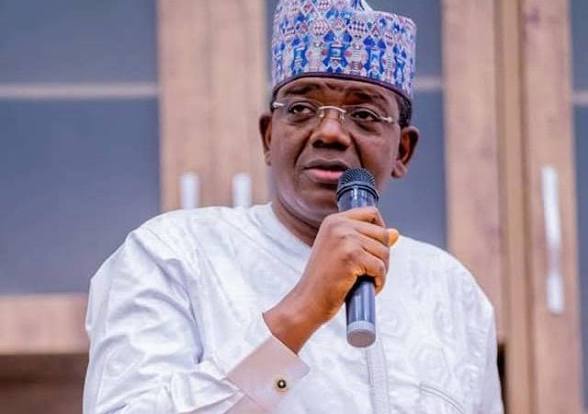
Gumi backs Matawalle, calls for non-kinetic approach to insecurity

By Hadiza Abdulkadir

Prominent Islamic scholar, Sheikh Ahmad Mahmud Abubakar Gumi, has publicly endorsed the appointment of former Zamfara State governor Bello Muhammad Matawalle as Minister of State for Defence, arguing that his approach to insecurity prioritises dialogue and community engagement over purely military solutions.

In a post shared on his Facebook page, Gumi said security experts have long maintained that communal conflicts cannot be resolved through force alone, noting that military action accounts for “only about 25 per cent” of effective conflict resolution. He described Matawalle as one of the few political leaders who recognised this reality during his tenure as Zamfara governor.

According to Gumi, Matawalle’s outreach to aggrieved groups significantly reduced banditry in the state at the time, reopening major roads and markets that had been shut for years due to insecurity. He cited personal travel experiences along routes such as Gusau–Anka–Gummi and Wurno–Isa–Shinkafi–Gusau, which he said had become safe during that period.

“Cattle markets were opened, and life was returning to normal,” Gumi wrote, adding that the gains were later reversed following what he described as “military non-cooperation,” which led to renewed hostilities.

The cleric argued that Matawalle’s current role at the Ministry of Defence places “round pegs into round holes,” urging Nigerians to set aside “petty local politics” in support of what he called a new federal government paradigm shift in addressing insecurity. He concluded by praying for unity, peace, and progress for the country.

Gumi’s intervention has once again sparked debate, given his controversial role in public discussions on banditry and insecurity in northern Nigeria. While some supporters credit him with advocating dialogue as a pathway to peace, critics have accused him of being sympathetic to armed bandits—allegations he has repeatedly denied.

Security analysts remain divided on the effectiveness of non-kinetic strategies, with many arguing that dialogue must be carefully balanced with law enforcement and accountability. The federal government has yet to officially respond to Gumi’s remarks, but officials have consistently maintained that Nigeria’s security challenges require a mix of military action, intelligence-led policing, and community-based initiatives.

As the administration continues to recalibrate its security strategy, Gumi’s comments contribute to the ongoing national conversation on how best to end violence and restore stability across conflict-affected regions.

Kwara’s false sense of security: How complacency risks a regional catastrophe

By Iranloye Sofiu Taiye

The crackle of gunfire shattered the night’s calm in Patigi Local Government Area last August. For hours, residents hid in terror as militants believed to be linked to the Mahmuda terrorist faction ransacked homes and farms, leaving behind a trail of displacement and despair. This wasn’t in conflict-ridden Zamfara or Borno. This was Kwara State, Nigeria’s so-called “State of Harmony”, now facing the brutal reality of spillover violence from neighbouring conflicts.

For years, Kwara has been regarded as an oasis of peace. While northern states battled insurgencies and northwestern states negotiated with bandits, Kwara’s security strategy primarily relied on these measures. This complacency is now our greatest vulnerability. As armed groups face increasing pressure in Nigeria’s northwest and the Sahel, they are seeking new territories and routes, and Kwara’s under-protected border communities present the perfect opportunity.

The data reveals an alarming trend: while Kwara recorded 70 violent incidents in 2024, representing a sharp increase from previous years, with ACLED data showing 21 fatalities signalling emerging threats. Meanwhile, neighbouring Niger State suffered 179 incidents with 514 deaths, over 2.5 times Kwara’s rate. This disparity highlights both Kwara’s relative peace and its growing exposure. Nigeria’s overall security situation has deteriorated dramatically, with the country dropping to 148th on the 2025 Global Peace Index and suffering over 2,266 deaths from banditry and insurgency in just the first half of 2025, exceeding the entire 2024 total.

The False Comfort of “Relative Peace”

Kwara’s peaceful reputation has created a dangerous paradox: the state appears secure compared to Nigeria’s raging conflicts, yet this very perception has led to critical underinvestment in security preparedness. With a meagre ₦350 million (approximately $230,000) security vote in its 2025 budget, Kwara has insufficient resources for basic border surveillance, let alone comprehensive counterinsurgency measures. This budgetary neglect reflects a fundamental misreading of the evolving threat landscape.

The nature of modern conflict doesn’t respect artificial boundaries. Militant groups operate across porous borders, exploiting governance vacuums and ethnic kinship. The emergence of groups like Mahmuda around the Kainji Lake area demonstrates how terrorist organisations establish footholds in perceived “safe havens” before expanding their operations. As security reports have noted, there have been at least 13 ISIS-Sahel-linked attacks in central Nigeria in 2025 alone, indicating a strategic southward expansion.

The situation mirrors concerning patterns elsewhere in West Africa, where jihadist insurgency has spread from the Sahel toward coastal states. The southward spillover alarmingly threatens countries like Benin, Togo, Ghana, and Côte d’Ivoire, which until recently had been mostly spared jihadist violence. Kwara now faces precisely this dynamic, compounded by the added vulnerability of having dismissed the threat until it arrived at its doorstep.

Recommendation: A Community-Based Solution

Some advocate for a traditional security response: deploying additional military forces along border areas, establishing checkpoints, and implementing drone surveillance. While these measures have short-term deterrent effects, they come with significant tradeoffs: escalating tensions with communities, straining federal-state relations, and diverting scarce resources from development needs.

A more effective approach combines strategic security presence with community empowerment. I recommend that Kwara State immediately establish a Community-Led Early Warning and Resilience Program (CLEWRP) to train and equip more than 5,000 local volunteers in conflict mediation, digital reporting, and response coordination. This approach recognises that security is not merely about repelling attacks but about building resilient communities capable of preventing, withstanding, and recovering from violence.

The evidence supporting community-based security is compelling. When local populations are empowered as first responders, they provide hyperlocal intelligence that external forces cannot access. They understand the terrain, recognise outsiders, and can distinguish between legitimate herders and criminal elements. As the tragic incidents in Kwara’s south communities have shown, top-down security responses often arrive too late after attacks have occurred and perpetrators have vanished into the forest corridors connecting Kwara, Niger, and Kogi states.

The proposed CLEWRP program would unfold in three phases: planning and stakeholder consultations across Kwara’s 16 LGAs; pilot implementation in high-risk areas; and statewide scaling, with continuous evaluation. The Kwara State Ministry of Homeland Security and Vigilante Affairs would lead implementation, partnering with the National Emergency Management Agency for federal coordination, local governments for ground implementation, and international organisations for training expertise.

Financing the $3-5 million USD program would require a blended approach: 60% from the state budget and 40% from federal security grants and humanitarian NGO partnerships.

A National Security Imperative

Kwara’s security crisis represents a microcosm of Nigeria’s broader challenges. The federal government’s 2025 budget allocated ₦4.91 trillion to defence and security, about 8.9% of total expenditure, recognising that without security, economic development is impossible.

The national security strategy must therefore prioritise preventing the southward spread of violence in states such as Kwara. This requires both regional cooperation and smarter resource allocation. The Accra Initiative, which promotes intelligence-sharing among coastal West African states, offers a promising model that should be expanded to include central Nigerian states facing spillover threats.

Furthermore, security funding should incentivise preventive approaches rather than merely funding reactive measures. The federal government could establish a matching-grant program for states that develop community-based security initiatives, thereby encouraging locally adapted solutions rather than one-size-fits-all approaches.

The Time for Action Is Now

Kwara stands at a precipice. The state can continue its complacent approach, hoping that violence will spare its territories, or it can acknowledge the changing threat environment and build resilient systems before the crisis becomes a catastrophe. The choice is stark: invest modestly in prevention now, or pay enormously for response later.

The CLEWRP program offers a practical, cost-effective solution that aligns with Kwara’s cultural traditions of community cooperation while incorporating modern technology and coordination methods. It acknowledges that security is not solely the government’s responsibility but a shared undertaking between authorities and citizens.

History shows that complacency amid spreading instability is a recipe for disaster. West Africa’s security landscape has deteriorated dramatically in recent years, with jihadist groups expanding their operations. Kwara cannot assume it will remain immune.

The phrase “State of Harmony” should not be a relic of Kwara’s past but a promise for its future. Preserving this harmony requires honest acknowledgement of emerging threats, courageous investment in preventive measures, and collaborative implementation across government and communities. The time for action is now, before the next attack becomes a full-blown crisis.

Iranloye Sofiu Taiye is a Policy Analyst specialising in Peace Building and Conflict Resolution, Digital Governance, and Service Delivery, and can be contacted via iranloye100@gmail.com.

Nigeria secures release of 100 kidnapped schoolchildren

By Hadiza Abdulkadir

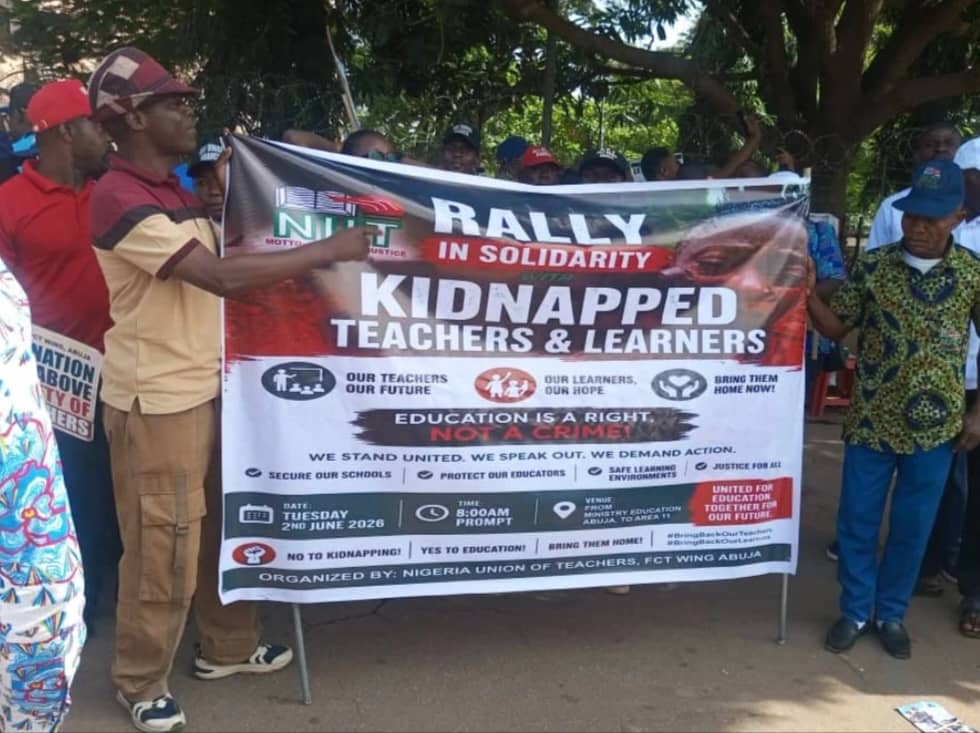
The Nigerian government has secured the release of 100 schoolchildren abducted last month from St. Mary’s School, a Catholic boarding institution in the Papiri community of Niger State.

The attack, which occurred on November 21, saw armed men take 303 students and 12 teachers hostage. In the days following the abduction, 50 pupils managed to escape and were reunited with their families.

According to officials, the rescued children are expected to be handed over to Niger State authorities for medical and psychological evaluation. Government sources confirmed the release but did not disclose whether it resulted from negotiations, military operations, or other interventions.

Despite the successful rescue, concerns remain high. More than 160 students and staff members are still unaccounted for, leaving many families anxiously awaiting news of their loved ones.

Child-protection advocates and community leaders have renewed calls for stronger security measures around schools, stressing that the safety of students must be a national priority as mass abductions continue to plague parts of the country.