Insecurity In Nigeria

Insecurity: A growing concern in Nigeria

By Zainab Abubakar Abba

Nigeria, Africa’s most populous nation, has been grappling with insecurity for decades. The country’s protracted conflicts, terrorist attacks, and banditry have led to widespread displacement, forcing millions to flee their homes in search of safety.

The Boko Haram insurgency, which began in 2009, has ravaged the northeastern region, particularly the Borno, Yobe, and Adamawa states. The terrorist group’s relentless attacks on civilians, schools, and religious institutions have resulted in unprecedented displacement. According to the United Nations High Commissioner for Refugees (UNHCR), over 2.5 million people have been internally displaced in Nigeria, with the majority being women and children.

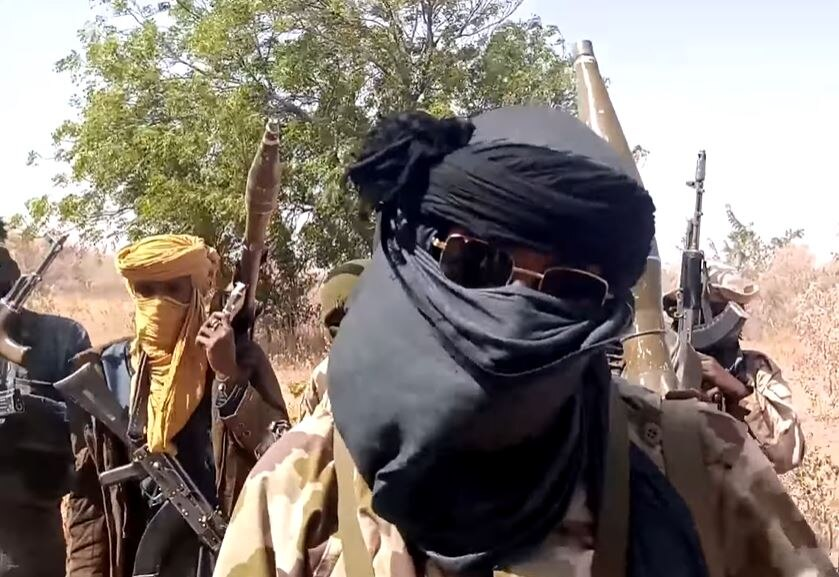
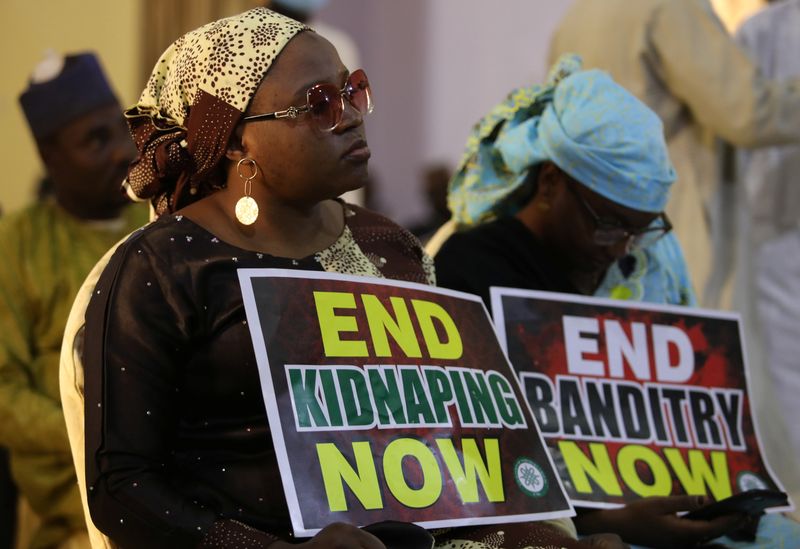
In addition to Boko Haram, banditry and kidnappings have become rampant in various parts of the country. The northwestern states of Zamfara, Kaduna, and Katsina have borne the brunt of these attacks, with thousands forced to flee their homes. The Nigerian government’s inability to curb these security threats has exacerbated the displacement crisis.

The consequences of displacement are far-reaching. Internally displaced persons (IDPs) face immense challenges, including loss of livelihoods, inadequate shelter, food insecurity, psychological trauma, and lack of access to education. Many IDPs have abandoned their farms, businesses, and livelihoods, leading to economic instability. Overcrowded and unsanitary IDP camps have become breeding grounds for diseases.

The Nigerian government has established the National Commission for Refugees, Migrants, and Internally Displaced Persons (NCFRMI) to coordinate relief efforts. However, critics argue that the government’s response has been inadequate, citing insufficient funding, ineffective security measures, and a lack of durable solutions.

The international community has provided significant humanitarian aid, but more needs to be done to address the root causes of displacement. The United Nations, European Union, and other organisations have provided emergency assistance, supported peace-building initiatives, and advocated for policy change.

Nigeria’s insecurity has resulted in one of the largest displacement crises in Africa. The government, international community, and humanitarian organisations must work together to address the root causes of conflict and insecurity, provide durable solutions, and ensure accountability. The situation demands collective action to stem the tide of displacement and ensure the safety and dignity of Nigeria’s citizens.

Zainab Abubakar Abba wrote from the Department of Mass Communication, Bayero University, Kano.

Arms proliferation and the Nigerian security forces

By Zayyad I. Muhammad

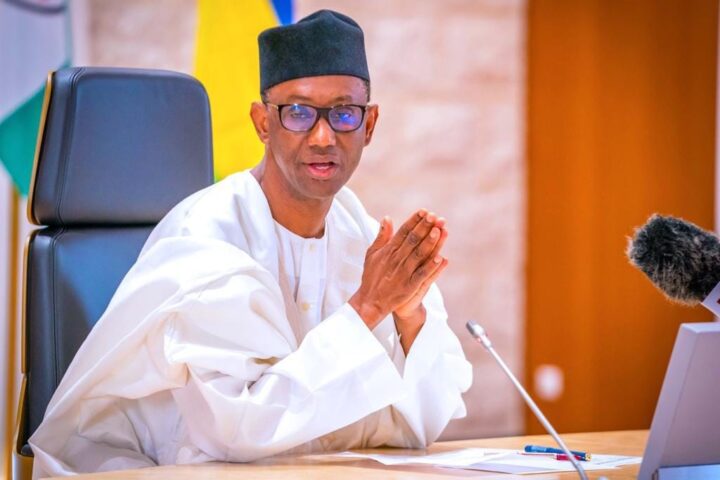
Mallam Nuhu Ribadu, the Nigerian National Security Adviser, stated during an arms destruction exercise organised by the National Centre for the Control of Small Arms and Light Weapons (NCCSALW) that many of the illicit weapons currently used by terrorists and bandits originally belonged to the Federal Government of Nigeria. 

Ribadu’s revelation may not surprise those familiar with the complexities of Nigeria’s security challenges, but it is both new and alarming to the average Nigerian.  

For many, the realisation that those entrusted with their protection are selling weapons to terrorists, insurgents, and bandits is deeply unsettling. This issue demands a coordinated and strategic response. However, Mallam Nuhu assured us that steps and measures have been taken to resolve this. 

But the big questions remain: Are these measures yielding sustainable results? What motivates or drives a security agent to sell weapons to terrorists and bandits, fully aware that they may become the first target of those very weapons? 

Nuhu Ribadu stated, “The worst human being is a policeman or soldier who takes weapons from his unit and sells them or hides them for criminals to use against his colleagues.” This is true; however, additional measures are needed beyond what the NSA has mentioned to address this issue. These should include improved welfare and salaries for security personnel, enhanced training, and stronger supervision. It’s important to consider that the actions of some security officers may not be solely motivated by money but by radicalisation or frustrations. 

Nigeria must prioritise the use of technology in its fight against insurgency, terrorism, and banditry, as the world has moved beyond relying solely on boots on the ground. It is crucial to employ technology to address these challenges, including implementing chips or inbuilt devices to track and attach every weapon assigned to the officer responsible for it. 

Despite the few rogue elements within the security forces who recklessly jeopardise their lives and those of their colleagues and families by exchanging their weapons for peanuts, we must commend the majority of Nigeria’s dedicated soldiers, police officers, and other personnel who are actively working to recover illicit arms and eliminate corrupt practices within the security forces. 

On the other hand, sabotage by rogue elements within security forces is not unique to Nigeria; many countries have faced situations where insurgency, terrorism, or banditry were exacerbated by these elements selling arms to militant groups.

In Yemen, amid its civil war, there have been instances of arms diversion by corrupt individuals within the security apparatus. Weapons intended for the national army have ended up in the hands of Houthi rebels and various militant groups. 

Similarly, during the conflict with ISIS in Iraq, reports emerged of Iraqi security forces losing control of arms depots or selling weapons to militant groups. Somalia has seen similar issues in its battle against al-Shabaab, where government and security officials were accused of selling or diverting weapons to the very militants they were fighting. 

Another notable example is Libya. Following the fall of Muammar Gaddafi in 2011, the country descended into chaos, with various factions and militias vying for control. Weapons from government stockpiles, as well as arms supplied by international actors, were sold or transferred to militias and insurgent groups, further escalating the violence. In the Democratic Republic of Congo (DRC), armed groups have long been involved in the conflict, with reports indicating that elements within the military and police forces have sold weapons to these groups.

For any country grappling with the involvement of its security forces in the sale of weapons to insurgents, terrorists, and bandits, factors such as selfishness, corruption, and complicity within these forces play a significant role. Additionally, weak institutions and inadequate oversight have further exacerbated the problem. 

 Zayyad I. Muhammad writes from Abuja via zaymohd@yahoo.com.

Insecurity and night travel in Nigeria

By Zayyad I. Muhammad

Many Nigerians are hesitant to travel at night, especially along routes considered red zones, due to security challenges, such as banditry and kidnappings. 

On Friday, September 1, 2024, we missed our flight from Yola to Abuja. The next day, Saturday, September 2, 2024, we embarked on an adventurous road trip from Yola to Abuja. We left Yola early, around 6 a.m., and reached the village of Lafiya Lamurde a few minutes before 8 a.m. Lafiya Lamurde is about 90 km away from Yola.

There, we encountered a security roadblock with several vehicles parked. Every Saturday is sanitation day in Adamawa State, so we had to wait until 10 a.m. when normal activities would resume. However, the road was opened 15 minutes earlier, at 9:45 a.m., allowing us to continue our journey toward Gombe.

A few kilometres before reaching Gombe, we had a flat tyre caused by our driver’s reckless overtaking on a sharp bend. An articulated vehicle had broken down on the road, and our truck struck some rocks while swerving to avoid it. We stopped to change the tyre, only to discover that there was neither a jack nor a wheel spinner in the car. Fortunately, the vehicle driver we had overtaken sensed the danger and stopped to assist us. With his help, we changed the tyre and continued to Gombe, where we bought a new tyre, visited acquaintances, and proceeded toward Bauchi.

We arrived in Bauchi around 3:30 p.m. After stopping at a fuel station to refuel the car, we took a break to perform our Zuhr and Asr prayers and had some small snacks. When we were ready to resume our journey, the vehicle refused to start. We initially thought it was a fuel pump issue, but after an electrician checked the car, he confirmed the fuel pump was OK. Suspecting an electrical fault, we called a mechanic, who determined the issue was actually with the timing chain. As it was approaching 6 p.m., we realised the car needed to be towed to a mechanic’s workshop for repairs.

With a morning meeting scheduled in Abuja, we hired a commercial vehicle for ₦70,000 to take us from Bauchi to Abuja. We left Bauchi just before 7 p.m., and it was already dark and raining when we reached Jos. Our driver mentioned that the road from Jos City to the famous “forest” was in poor condition.

From Jos, it was already past 8 p.m., and it was raining—we had embarked on a night journey, something many Nigerians try to avoid. Our journey from the famous “forest” to Abuja via Akwanga and Keffi was adventurous and surprisingly exciting. Despite the late hours and rain, there was heavy traffic and numerous security checkpoints.

We noticed that the checkpoints were strategically positioned, spaced a few kilometres apart. Some were manned by the military, others by the police, and some by civil defence officers. Additionally, we observed routine patrols by the army and the police, with some military patrols even using motorbikes. 

We must commend the security agencies—the heavy traffic was likely a result of people feeling assured by the strong presence of checkpoints. However, we also noticed the presence of local tax collectors operating on the road, even though it was late at night.

Transportation experts note that night journeys by road offer unique experiences: quieter roads, cooler temperatures, time efficiency, and even scenic beauty. However, they also come with challenges such as limited visibility, driver fatigue, and a heightened risk of accidents.

Our night journey from Bauchi to Abuja, which lasted from 7 p.m. to 2 a.m. via Jos, Akwanga, and Keffi, was exciting and adventurous. The security presence was excellent—kudos to the office of the National Security Adviser and all the security agencies. The heavy traffic reflected people’s confidence in the safety of the route. However, many sections of the road were in poor condition, which remains a concern.

Zayyad I. Muhammad writes from Abuja zaymohd@yahoo.com.

Tinubu and efforts at addressing insecurity

By Kabir Fagge Ali

Sir, Nigeria has been plagued by various security challenges for over a decade, including insurgency, banditry, kidnapping, and separatist agitations. Despite high expectations from President Bola Ahmed Tinubu’s administration, the situation has deteriorated further, with increased abductions and ransom demands. According to a recent report, 3,707 citizens have been killed and 3,238 abducted between May 2023 and now.

The worsening security situation can be attributed to several factors, including under-resourced and poorly equipped security forces, corruption, high unemployment, poverty, weak governance structures, and a lack of political will.

However, it is encouraging to note that President Tinubu’s administration is adopting a comprehensive approach to address insecurity through the Office of the National Security Adviser (ONSA), Mallam Nuhu Ribadu. The strategy focuses on strengthening security forces, enhancing intelligence capabilities, and fostering regional and international collaboration.

According to the feeler from ONSA, the administration has increased funding and provided modern equipment and comprehensive training programs to enhance the operational capacity of the military, police, and other security forces.

Additionally, we were told that the administration has prioritised addressing economic factors contributing to insecurity, investing in education, healthcare, and job creation to mitigate the underlying causes of crime and violence. Efforts to combat corruption within the security sector have also been intensified, and regional security cooperation has been enhanced through diplomatic engagements with neighbouring countries.

I strongly believe that a comprehensive and multifaceted approach is required to effectively address Nigeria’s security challenges. This includes reforming and adequately equipping security agencies, enhancing accountability, investing in economic development programs, building trust between security forces and local communities, establishing effective mechanisms for resolving disputes, and implementing judicial reforms.

The government must also demonstrate strong political will, consistent policies, adequate funding, and transparency. Citizens must also recognise that security is a collective responsibility, not just the responsibility of security forces.

It is indisputable that President Tinubu’s administration has shown a commitment to addressing insecurity. Still, more must be done to restore public trust and confidence in the government’s ability to protect the nation. With a comprehensive approach and collective effort, Nigeria can overcome its security challenges and ensure peace and stability for its citizens.

Kabir Fagge Ali, a youth corps member with PRNigeria Centre, wrote via faggekabir29@gmail.com.

Military can end Nigeria’s security crisis

By Uzair Adam Imam

Former Minister of Defence and National Leader of the New Nigeria People’s Party (NNPP), Sen. Musa Kwankwaso, has emphasized the capability of the military to effectively address the prevailing security challenges in Nigeria, provided with the requisite support.

Speaking to journalists after the NNPP National Executive Committee meeting in Abuja, Kwankwaso underscored the pivotal role of the Federal Government in addressing the security crisis while urging Nigerians to actively contribute by providing crucial information to security agencies.

Drawing from his extensive experience in security matters as a former Minister of Defence and Chief Security Officer of Kano State, Kwankwaso emphasized that the gravity of the situation necessitates the involvement of the Nigerian military.

He stressed that alternative security measures, such as state-led initiatives, fall short of addressing the magnitude of the crisis.

Highlighting the dire consequences of the security challenges, including disruptions to agricultural activities and rampant abduction of innocent civilians, Kwankwaso urged collective efforts towards restoring peace and security in the country.

Asserting his party’s readiness to tackle the nation’s problems, Kwankwaso positioned the NNPP as a beacon of hope for Nigerians disillusioned by the failures of the All Progressives Congress (APC) and the Peoples Democratic Party (PDP).

Echoing Kwankwaso’s sentiments, Kano State Governor Abba Yusuf urged unwavering dedication among party members, emphasizing the need for wholehearted commitment to the NNPP’s vision for a better Nigeria.

Nigeria’s Insecurity: Do state police have the magic wand?

By Kabir Ali Fagge

In Nigeria, security has long been a topic of paramount concern. The efficacy of law enforcement agencies, particularly the Nigeria Police Force (NPF), has often been scrutinized in the face of escalating crime rates and challenges to public safety.

One proposed solution that has garnered significant attention is the establishment of state police forces. The history of policing in Nigeria is marked by a series of reforms and challenges. Since Nigeria’s transition to democratic rule in 1999, the Nigerian police have undergone various reforms in an attempt to address issues within the force.

These reforms have been a response to the need for more effective law enforcement mechanisms to combat rising crime rates and insecurity in the country.

We all know that the Nigerian police force has a long history of facing criticism for unprofessional conduct, corruption, and the use of excessive force.

Nigeria inherited a centralized police structure modelled after the British system. The Nigeria Police Force (NPF) operated under federal jurisdiction and was tasked with maintaining law and order throughout the nation.

State Police, on the other hand, entails the decentralization of law enforcement authority, granting individual states within a federal system the power to establish and manage their own police forces.

Under this model, states would have the autonomy to address security issues specific to their regions, tailoring law enforcement strategies to local needs and priorities.

Proponents argue that state police can foster greater community engagement, enhance responsiveness to local concerns, and improve overall security outcomes.

The existing centralized police system has faced criticism for its inability to effectively address the security concerns of the diverse Nigerian population.

The call for state police stems from the need for a more localized approach to law enforcement that can better cater to the specific security needs of different regions within Nigeria.

Establishing state police in Nigeria is a significant step that requires a thorough understanding of global policing practices. While the centralized police system is predominant in many countries, there are instances of decentralized policing models.

For example, Municipal Police in France, Municipal Law Enforcement Officers in the Netherlands, and Police Community Support Officers in England and Wales represent non-police uniformed state officers in a decentralized system.

Comparative analyses of policing in countries that have undergone political or social transitions, such as Russia, Brazil, and China, highlight the importance of understanding the contextual factors that shape policing practices. Confidence in the police varies across different countries, with Taiwan ranking among the top one-third globally, indicating variations in public perceptions of law enforcement; therefore, those who argue that the establishment of state police is not out of place.

Community policing, actively conducted in countries like South Africa, Northern Ireland, and Sierra Leone, emphasizes the importance of engaging communities in maintaining public safety. However, the effectiveness of community policing initiatives can vary based on each country’s socio-political context.

While some countries prioritize individualism and minimal government intrusion in policing, others focus on collective well-being through law and order.

I think what Nigerians want to know is how is state policing going to be any better than the current system of policing in Nigeria.

According to pundits, the establishment of state police in Nigeria promises to bolster security at the grassroots level. State police forces, attuned to the unique security dynamics of their regions, can enact targeted measures for more efficient crime prevention and control.

This localized approach fosters stronger community engagement and enables proactive responses to emerging threats, ultimately ensuring safer environments for all. Such reforms hold the potential to significantly enhance law enforcement’s effectiveness and responsiveness across the nation.

State police deployment within local communities will supposedly ensure swift emergency responses, curtailing intervention time in critical situations. By having officers stationed close to the areas they serve, the state police can swiftly address emergencies, thereby enhancing public safety.

This proximity allows for immediate action, minimizing the potential impact of crises on communities. Such rapid responses underscore the effectiveness of localized law enforcement in ensuring timely assistance during emergencies.

State-level oversight of law enforcement ensures accountability and transparency, as state governments are directly answerable to their constituents. This close supervision fosters trust between law enforcement agencies and the communities they serve, enhancing transparency in operations.

By holding state authorities accountable, citizens can have greater confidence in the integrity of policing practices, ultimately strengthening democratic principles. Such measures reflect a commitment to upholding transparency and accountability within Nigeria’s law enforcement framework.

State police possess the flexibility to tailor strategies and allocate resources according to local needs, enhancing their ability to address emerging threats and crime trends. This adaptability ensures a dynamic response to evolving security challenges, bolstering effectiveness in crime prevention and control.

We must also look at some disadvantages posed by the governors to establish the State Police. Firstly, Critics warn of the potential for abuse of power with decentralized policing, citing concerns about corruption, political interference, and violations of human rights at the state level. This apprehension underscores the importance of establishing robust oversight mechanisms to safeguard against misuse of authority and uphold the rule of law.

Addressing these challenges is crucial to ensure that decentralization efforts in policing prioritize accountability and respect for human rights, thereby fostering trust and confidence in law enforcement institutions. Such vigilance is essential to maintain the integrity and effectiveness of state police forces in Nigeria.

Fragmentation of law enforcement across states presents coordination challenges in tackling transnational crimes and upholding national security. This underscores the need for seamless collaboration and information-sharing mechanisms among state police forces.

Effective coordination ensures a unified approach to combating cross-border criminal activities, safeguarding Nigeria’s territorial integrity and public safety. Addressing these challenges is paramount to fostering synergy and maximizing the effectiveness of law enforcement efforts nationwide.

Unequal resource allocation among states may hinder smaller or economically disadvantaged regions from adequately funding and equipping their police forces, leading to discrepancies in law enforcement capabilities.

The establishment of state police carries constitutional and legal implications, necessitating amendments and legislative frameworks to define the powers, jurisdiction, and duties of state and federal law enforcement entities.

This underscores the importance of comprehensive legal reforms to ensure clarity and coherence in the division of responsibilities between different levels of law enforcement.

The debate surrounding the establishment of state police in Nigeria is multifaceted, reflecting the complex interplay of security, governance, and constitutional considerations.

While proponents argue that decentralization can lead to more responsive and accountable law enforcement, sceptics raise concerns about the potential for abuse of power and operational challenges.

Ultimately, any decision to implement state police must be carefully weighed against its potential benefits and drawbacks, with a keen focus on enhancing security while upholding the principles of justice and democracy.

Kabir Fagge Ali is a youth corps member with PRNigeria Centre and wrote via faggekabir29@gmail.com.

AI key to combating insecurity – NDC Commandant 

By Uzair Adam Imam

The National Defence College (NDC) said Nigeria’s insecurity is not inevitable if only magic technologies like artificial intelligence are to be used in the nation.

The NDC commandant, Rear Adm. Murtala Bashir, stated this on Tuesday in Abuja, adding that the military needs to be ahead of the violent non-state actors to address the security challenges ravaging the country.

Over a decade, insecurity has been one of the major issues facing Nigeria and has claimed the lives of thousands of innocent people, leading to the displacement of several others in the country.

The activities of bandits have badly affected the economic growth of the nation as farmers and businessmen fear the atrocious attack by the bandits who either kidnap or slaughter any misfortune individual they encounter.

However, the NDC Commandant identified measures he believed could have been used to defeat terrorists and terrorism in the country.

He said, “Technologies like artificial intelligence and others are the much-needed game changers that will enhance the effectiveness and efficiency of the military’s responses to the challenges facing Nigeria.

“If we’re to also avoid the experiences of the past, where Nigeria has to beg foreigners to prosecute legitimate internal security challenges against militancy, terrorism and insurgency, then we need to reappraise our research and development efforts in technology acquisition and innovation.

“We need to also revamp our military industrial complex, and these efforts must be of national outlook and driven by research and development,” he said.

Nigeria and its challenges: The need for competent leadership

By Muhammad Nazif Abubakar

Nigeria is facing several challenges that threaten its stability and prosperity. From economic struggles to political corruption, the country is at a crossroads and, come February, must take to the ballot and vote for competent leadership that can take actions to address these issues to secure its future.

Nigeria’s numerous economic challenges can be overwhelming in recent years, including declining oil prices and organised oil theft. The latter has significantly impacted the country’s economy, leading to billions of dollars in lost revenue for the government and oil companies and lost profits for businesses operating in the oil industry. This lost revenue could have been used to fund critical public services and infrastructure projects, exacerbating the adverse economic effects of crude oil theft. Moreover, the financial struggles in Nigeria have led to high levels of unemployment, particularly among young people, and have contributed to widespread poverty. In addition, the country has struggled with high inflation levels and a weak currency, making it difficult for people to afford necessities.

Political corruption is another major issue in Nigeria. Politicians and government officials are frequently accused of embezzlement and misusing public funds. Examples of this corruption, most of which were documented by Dr Nura Alkali in his book entitled When Stealing is Not Corruption: Nigeria Under President Jonathan, include the 2015 elections, which were marred by allegations of vote buying and the use of government resources to support certain candidates; the 2012 fuel subsidy scandal, in which billions of dollars in subsidies were embezzled by government officials; the 2010 Halliburton scandal, in which the company paid bribes to Nigerian officials to secure contracts; and the 2015 DasukiGate scandal, in which former National Security Adviser, Colonel Sambo Dasuki embezzled public funds meant for military equipment. More recently, a former Accountant General of the federation was involved in over a 100-billion-naira scandal. Corruption has contributed to a lack of trust in successive governments. It has made it difficult for the country to address its many challenges.

In addition to these economic and political challenges, Nigeria is also facing several security threats. Before 2015, the country was plagued by violence and terrorism, with groups like Boko Haram carrying out attacks on civilians and government targets. This has destabilised the country and made it difficult for citizens, especially in the northeast, to go about their everyday lives. Attacks by members of Boko Haram have drastically subsided in recent years. However, Nigeria is struggling with increasing levels of banditry in its northwest region. This has included armed robberies, kidnappings, and attacks on communities and security personnel. These bands of criminals have caused widespread fear and insecurity in the region, especially in Katsina and Zamfara. In addition, they have made it difficult for people to go about their daily lives.

The root causes of this banditry are complex and multifaceted. Poverty and unemployment are major contributing factors, as many of these bandits are driven by the desire to make a quick profit. In addition, the lack of effective law enforcement and security in the region has made it easier for these criminal groups to operate with impunity. The government has attempted to address this issue by deploying security forces and implementing programs to address poverty, but these efforts have had limited success. It will require a more comprehensive and coordinated approach to effectively address the problem of banditry in Nigeria’s northwest region.

Nigeria has a large and diverse population and a rich history and culture. With exemplary leadership and policies, Nigeria has the potential to become a thriving and prosperous nation. However, this will require a concerted effort to address the issues holding the country back. This will require tackling corruption, improving the economy, and managing security threats. It will also require working to build a more inclusive and just society where all citizens have the opportunity to succeed and thrive.

Despite Nigeria’s many challenges, there is hope for the country’s future. This hope lies in the decisions made during the next election cycle. The person chosen to lead Nigeria must be capable of addressing the country’s problems. As former US Senator Daniel Patrick Moynihan once said, “The single most exciting thing you encounter in government is competence because it is so rare.” Competence is a rare quality in the Nigerian political landscape. Still, it is essential for the success and prosperity of the country. Therefore, we must choose a competent leader to navigate Nigeria’s challenges.

Muhammad Nazif Abubakar from Kaduna via muhd.abubakar@hotmail.com.

Bandits hold newborn baby, mother in captivity

By Uzair Adam Imam

Reports from Kaduna disclosed that a pregnant woman abducted July this year has put to bed while in captivity.

The victim reportedly called on her ailing mother when bandits abducted her alongside her two sisters.

The victim’s husband, Muhammad Alabi, decried the traumatic development, adding that his wife was maltreated and severally flogged.

He stated that, “My wife gave birth at the kidnappers’ camp on 2nd August, 2022 and since then, both mother and child have not received any medical attention and to make matter worse, we learnt they were being maltreated and flogged.

“We are all dying emotionally and physically, that is why we are appealing to whoever God will use to secure their release to please help us free them.”

Recounting the family’s ordeal, father of the victims, Malam Abdulwahab Yusuf said the bandits broke into their Mando home around 1:05 am on the day of the attack.

“My two daughters used to take care of their mother who is sick, but unfortunately, that day their elder sister, who is pregnant came from her husband’s house to look after her mother when the bandits broke into the house and kidnapped my three daughters.

“They initially asked for N140 million, but now they have reduced the ransom to N50 million. The family has been adversely affected by the trauma. My wife, who was able to walk unaided before the incident, now uses wheelchair.

“We just carried out a surgery on her. I have not been myself, I cannot sleep, once it is night I don’t know how my body feels.”

DSS detains Mamu’s employee

By Uzair Adam Imam

The Department of State of Service (DSS) has detained a staff member of Desert Herald, a Kaduna-based publication owned by Tukur Mamu, the negotiator of Kaduna train hostage.

The staff, idefied as Mubarak Tinja, was detained after he was invited by the security operatives to retrieve phones and other devices that were fetched from Mamu’s house.

It was gathered that Tinja was accompanied by his friend to the Kaduna office of the DSS around 5 pm where they detained him.

According to a source, “The DSS went to the house and left a note for Mubarak Tinja to come to their office for the phones they collected and so he went with a friend.

“Sometime around 9pm, security agents asked his friend to return home and when he asked of Tinja, they said they were keeping him for questioning,” he said.

Mamu is the Spokesperson of the Kaduna- based cleric, Sheikh Ahmad Gumi, and had led the negotiation for the release of some of the abductees of March 2022 Kaduna train attack.

The Daily Really reported that the negotiator was first arrested by Interpol on Tuesday in Egypt and picked up by DSS in Kano as his plane touched the ground.

The DSS subsequently said Mamu has questions to answer regarding the rising insecurity in the country.

In Case You Missed It

THE KANO RENAISSANCE: HOW GOVERNOR ABBA KABIR YUSUF IS REWRITING THE STORY OF DEVELOPMENTBy Dr. Saifullahi Shehu ImamAs Kano State marks the third anniversary of Governor Abba Kabir Yusuf’s administration, the evidence of purposeful leadership is visible across every corner of the state from the bustling metropolitan center to the remotest rural communities. Today, the popular expression #ABBAISWORKING is no longer a mere political slogan; it has become a verified reality, supported by over 1,000 major achievements that have fundamentally reshaped the developmental trajectory of Nigeria’s most populous state.Perhaps no sector reflects Governor Yusuf’s vision for human capital development more than education. His administration has fundamentally transformed education in Kano by declaring a State of Emergency and allocating an unprecedented 30–31% of the annual budget, the highest in the nation. This historic fiscal commitment was sustained through the subsequent fiscal cycles, securing education as the primary pillar of governance. Across all 44 Local Government Areas, the administration has directed over ₦1.9 billion through the Community Re-orientation Committee (CRC) to renovate thousands of primary classrooms, plus an additional ₦2.9 billion to build new classroom complexes, decongesting urban schools and constructing modern administrative offices. Over 80,000 sets of three-seater desks have been supplied, rescuing more than 240,000 students from learning on bare floors. The government has hired and integrated over 14,000 permanent, pensionable teachers, including thousands of former BESDA volunteers. Financial barriers have been lowered by providing free textbooks and uniforms for primary students, slashing tertiary registration and tuition fees by 50% at state-owned institutions, and funding examination fees for hundreds of thousands of secondary candidates. The state’s strict targeted funding model has borne immediate fruit, propelling Kano to the top of the national performance chart in the 2025 NECO exams. Furthermore, the revival of the 1,001 Foreign and Domestic Postgraduate Scholarship Scheme has cleared multibillion-naira arrears for stranded medical and engineering scholars in Cyprus and sponsored new cohorts to India and across Nigeria. This holistic investment in infrastructure, teacher welfare, and global scholarships represents the largest commitment to public education in Kano’s recent history, ensuring today’s students become tomorrow’s leaders.In healthcare, the administration has achieved monumental, system-wide progress by matching robust institutional investment with deeply compassionate public policy. This vision is explicitly backed by an aggressive fiscal strategy; for the 2025 fiscal year, over ₦90 billion amounting to an impressive 16.5 percent of the state’s total budget has been earmarked for healthcare development. This substantial investment underscores the administration’s unwavering commitment to making healthcare a cornerstone of its governance, moving far beyond basic audits and surveys into real, well-funded structural transformation. A landmark triumph of this commitment is the recovery, comprehensive modernization, and recommissioning of the Hasiya Bayero Pediatric Hospital, a vital 86-bed facility that had been controversially sold, now restored to provide specialized care for Kano’s children. In tandem, the administration has completely remodeled and equipped the critical accident and emergency section of the Murtala Muhammad Specialist Hospital (MMSH) and extensively renovated the Bamalli Nuhu Maternity Hospital to drastically combat maternal and infant mortality rates. To institutionalize these health safeguards, the Governor signed the pioneering Kano State Centre for Disease Control and Prevention Law alongside a mandatory Premarital Health Screening Law to shield future generations from preventable illnesses. These structural transformations ensure that high-quality healthcare is no longer a luxury reserved for a privileged few, but an accessible, everyday right for all Kano citizens.In the realm of agricultural transformation and food security, the administration has shifted Kano from a reliance on subsistence farming to a powerhouse of agribusiness. Championing a multi-billion naira input initiative, Governor Yusuf flagged off the historic distribution of 79,200 bags (132 trucks) of highly subsidized fertilizers from the Al-Yuma Fertilizer plant in Madobi Local Government, slashing procurement costs by a massive 50% for local farmers across all 44 LGAs. This was bolstered by an additional ₦1 billion worth of free NPK fertilizers distributed via the Kano Agricultural Supply Company (KASCO) specifically targeting smallholder, female, and disabled farmers. To expand year-round farming capacity, the administration has expanded farmlands and successfully rehabilitated major irrigation schemes across 11 Local Governments, bringing over 1,250 hectares under active development. A crown jewel of this infrastructural strategy is the approval of ₦6.8 billion for the massive Dansoshiya Dam and Irrigation Infrastructure Project in Kiru LGA, designed with a projected storage capacity of 3.1 billion liters of water to empower up to 3,000 farmers in its initial phases alone. These deliberate investments have reduced cultivation overheads, multiplied crop yields, and fortified the regional food supply chain.Youth empowerment and self-reliance form another vibrant pillar of the Kano Renaissance. Rejecting the old paradigms of political exploitation, Governor Yusuf launched a comprehensive master plan to empower 50,000 young people. The administration began by systematically reviving eight specialized entrepreneurship and vocational institutes that had been abandoned by the previous administration. Highlighting this return to functional capacity, a single cohort of 2,260 graduates recently completed training across these institutes including the Informatics Institute, the Horticultural Institute, the Driving Institute, and the Poultry Institute. These youths left the Government House not just with certificates, but with critical operational assets ranging from laptops, tablets, and toolkits, to livestock and feed, alongside financial seed capital to seamlessly launch their commercial journeys.On the security front, proactive, intelligence-driven governance has kept Kano State remarkably peaceful and stable despite intense national security challenges. Governor Yusuf has aggressively reinforced the state’s security architecture by assenting to the law establishing the state’s independent Kano State Security Neighborhood Watch, bringing community policing directly to the grassroots. To maximize operational efficiency and response times, the administration recently boosted the Joint Task Force (JTF) operations by distributing dozens of new vehicles and motorcycles across frontline Local Government Areas. This sustained tranquility stands as an absolute testament to a leadership that deeply understands that the first, most non-negotiable duty of government is the absolute security and welfare of its people.As the people of Kano celebrate these remarkable achievements, there is a growing consensus that continuity will be essential to consolidate the gains already recorded. The transformation witnessed across the state has inspired renewed confidence in leadership and strengthened public optimism about the future. It is therefore understandable that many citizens, stakeholders, professionals, traditional institutions, and community leaders increasingly look toward 2027 with the hope that Governor Abba Kabir Yusuf will be granted another mandate to deepen ongoing reforms and complete the noble work he has begun.May Almighty Allah continue to grant His Excellency wisdom, strength, good health, and divine guidance in the service of Kano State. And may the overwhelming achievements of the past three years pave the way for a successful re-election in 2027, ensuring that the Kano Renaissance continues uninterrupted for the benefit of present and future generations.