Health

Mohammed Nasir Sambo, NHIA DG, is the man for the job

By Safiyanu Ladan

The National Health Insurance Scheme (NHIS), now Nigeria Health Insurance Authority (NHIA), was established under NHIS Act (2004) by the Federal Government of Nigeria to provide easy access to health care for all Nigerians.   

The central idea of the scheme is to enhance healthcare delivery to all Nigerians at affordable prices. Hence, easy access to health care installations for all Nigerians is consummate as it would drastically reduce, among other effects, neonatal and maternal deaths which have been the bottleneck of Nigeria’s development.  

According to World Health Organization (WHO), the maternal mortality rate in several low-income and middle-income countries is alarming. For example, Nigeria and India account for about 34% of global motherly deaths. 

Nigeria’s maternal mortality rate (MMR) is 814 per 100,000 live births. The lifetime threat of Nigerian women dying during gestation, childbirth, postpartum and post-abortion is 1 in 22, in contrast to developed countries, estimated at 1 in 4,900. 

Still, the WHO attributed the high prevalence of maternal deaths in Nigeria is inequality in access to health services.  

To contend with the challenges associated with maternal deaths in Nigeria, the studies by WHO suggested some modalities, one of which is perfecting the accessibility, availability, affordability and quality of health care in PHCs will most probably reduce the high rate of neonatal and maternal mortality in Nigeria.  

Upon assumption of duty in 2019, the selfless, diligent, and workaholic professor of family medicine unveiled a  novel 3 points agenda which includes, among other effects accelerating the scheme towards achieving universal health coverage for all Nigerians.  

In ascertaining that, the amiable and agile professor and his platoon worked round the clock, day in and day out, and sought out the legislation that changed the narratives in NHIS. A milestone that his forerunners failed to achieve. Therefore, the credit goes to him. 

On May 19, 2022, he made history, having successfully secured the signing of the National Health Insurance Act (NHIAA) 17 into law by the National Assembly. 

The signing of the National Health Insurance Act 17, which gave birth to the National Health Insurance Authority ( NHIA), is a breakthrough in the full implementation of all-inclusive access to health care.  

The legislation provided a legal framework for all Nigerians, including the most vulnerable, to have easy access to quality healthcare delivery through the National Health Insurance Authority.

 Professor Sambo said to ensure the effective perpetration of the scheme. The FG would spend a whopping 1.4 trillion for the Health Insurance premium of about 83 million Nigerians who fall within the vulnerable group of citizens of the country. 

His tireless efforts towards achieving the chivalrous change of NHIS clause “ May ” in section 16 of the NHIS to “Shall”, thereby making it all-inclusive, is greatly applaudable. 

The previous professor Sambo has set an unprecedented pace towards evolving NHIA to achieve its mandate of ensuring Universal Health Coverage for all by 2030. With Sambo at the helm of NHIA, it’s attainable. 

Safiyanu Ladan writes from Zaria.

Menopause: Cognition and Mood

By Aisha Musa Auyo

World Menopause Day (WMD) is held annually on the 18th of October. The purpose of the day is to raise awareness of menopause and the support options available for improving health and well-being. Professionals and women are encouraged to participate in this global awareness-raising campaign by printing and sharing these materials, organising events to engage their communities, and sharing WMD social media posts. The theme for the 2022 WMD is Cognition and Mood

Before going into this year’s theme, I’ll explain the basics of menopause as a reminder and enlightenment for those who do not know much about it.

Menopause happens to most women with an average age of 51 years, but it’s normal to have menopause anywhere between 45 and 55 years – although some women have it earlier or later. Perimenopause is the time leading up to menopause, and postmenopause is the time after the final period. So it’s likely that you have reached menopause if you haven’t had a period for 12 months.

What happens at menopause?

From about 35–40 years of age, a woman has fewer eggs left in the ovaries, so one often doesn’t ovulate (release an egg from your ovary) regularly. Menopause means ovulation and periods stop.

Hormones are chemicals in one’s body that relay messages through the bloodstream. For example, your hormones tell your body to eat and sleep. The three main hormones that change as one approaches menopause are oestrogen, progesterone, and testosterone; change in hormone levels leads to different menopausal symptoms and the menopause transition

1. Perimenopause is the stage before your final period (menopause). It’s when your body reaches the end of its reproductive years. Perimenopause is a natural part of a woman’s life, and it usually happens sometime in her 40s. On average, it lasts four to six years but can also last from one to 10 years.

During this time, your ovaries begin to run out of eggs. This causes hormone levels, particularly oestrogen, to fluctuate, causing different symptoms like hot flashes and mood swings. Changing hormones can also affect your menstrual cycle. For example, your periods may be irregular, shorter (or longer), lighter (or heavier), or they may not come for a few months.

Some months you may ovulate, and other months you may not. You may even ovulate twice in a cycle. Symptoms include: Irregular periods, vaginal dryness, hot flashes, chills, night sweats, sleep problems, mood changes, weight gain and slowed metabolism.

2. Menopause occurs when you’ve stopped producing the hormones that cause your menstrual period and have gone without a period for 12 months in a row. Once this has happened, you enter postmenopause.

3. Post-menopause is the time after menopause has occurred. Once this happens, you’re in post-menopause for the rest of your life. Your hormone levels will remain low, and you will no longer have a monthly period. You can’t get pregnant because your ovaries have stopped releasing eggs.

Most people in post-menopause feel lingering symptoms from menopause. However, the symptoms are less intense. In some cases, they almost disappear. Lingering symptoms are caused by low levels of reproductive hormones. Women in post-menopause can feel symptoms such as hot flashes and night sweats, vaginal dryness and sexual discomfort, depression, changes in sex drive, insomnia, dry skin, weight changes, hair loss and urinary incontinence.

Talk with your healthcare provider if your symptoms become more intense or interfere with your daily life. They may want to rule out any underlying condition causing these symptoms.

How do I manage symptoms of post-menopause on my own? Particular lifestyle or at-home changes can help you manage symptoms of postmenopause. Some of these include:

• Using a water-based vaginal lubricant during sex to make it more pleasurable. Lubricating the vagina helps with dryness and pain.

• Regular exercise, meditation and other relaxing activities can help with depression and other side effects of postmenopause.

• Eating a diet rich in phytoestrogens (plant-based sources of estrogen) such as whole-grain cereals, flaxseed, chickpeas and legumes. Reducing caffeine and alcohol intake has also been shown to help.

Cognition and mood in menopause

Cognition

During the menopausal transition, many women complain of memory problems such as difficulty with words, forgetfulness and “brain fog”, thus suggesting that hormonal changes related to menopause may be responsible for changes in cognition. This is due to the deep connection between estrogen and cognitive function. Still, some lifestyle changes one can make may ease symptoms and improve memory.

For example, you should eat a well-balanced diet; a diet high in low-density lipoprotein (LDL) cholesterol and fat may be bad for your heart and brain. Also, get enough rest, and exercise your body and mind.

Mood

Irritability and feelings of sadness are the most common emotional symptoms of menopause. Often, they can be managed through lifestyle changes, such as learning ways to relax and reduce stress. Here are some tips that may make it easier for you to handle your fluctuating emotions: Exercise and eat healthily; find a self-calming skill to practice, such as yoga, meditation, or rhythmic breathing; avoid tranquilisers and alcohol; engage in a creative outlet that fosters a sense of achievement; stay connected with your family and community; nurture your friendships.

Supporting someone through the menopause

Menopause can be associated with many physical and emotional changes for women, making it a challenging and complicated time.

If you know someone who might be going through menopause or perimenopause, it’s helpful to find out more about how you can support them. For example, some women will drop out of the workforce if not supported. Adapting working policies, such as providing access to flexible working, can help women remain in the workplace.

Learn more about menopause

Getting yourself and others informed is a significant step. It will give you an idea of what your partner, family member, friend or colleague might be going through.

A good first step would be to learn about all the various symptoms of menopause, the impact these symptoms may have on your loved one and others, and the potential treatments and support available.

Listen to them

Communication is key. Ask about how others feel or what they’re going through. It’s essential to keep in mind that not everyone might want to talk about specific symptoms or feelings. It is also important to remember that everyone’s menopause is different, so don’t make assumptions about what they are experiencing. However, letting them know you’re there if they need you will make them feel supported.

Encourage them

They might not feel like doing things they usually would, and their self-esteem might be low. Words of encouragement can help make them feel more uplifted and empowered. Inviting them to engage with various people or activities will also provide opportunities to feel good about themselves even when experiencing symptoms.

Help with their symptoms

An active, healthy lifestyle can ease some of the symptoms of menopause. For example, you can encourage them to go for a walk, swim or try a yoga class to get more active. In addition, changing the ways you spend time together, like cooking a healthy meal together.

Menopause and the workplace

Many women have said that they often find managing symptoms of menopause in the workplace very challenging. Coping with symptoms in the workplace can be hard, especially as many women find it difficult to talk about menopause at work.

Workplaces

It is vital that women feel supported to continue working throughout their menopause. Managers and organisations can make many small changes to ensure workplaces are healthy and welcoming places for women going through menopause.

Supporting staff

Menopause is a normal transition for many women. Thus, employers can contribute to a positive work environment by providing help and support for women who are managing menopause symptoms at work.

Menopausal symptoms can also be protected by employment law. Therefore, it is crucial that managers and colleagues feel informed and comfortable about the symptoms and impact of menopause.

Aisha Musa Auyo is a Doctorate researcher in Educational Psychology, a mother of three, a Home Maker, caterer and parenting/ relationship coach.

Noma, a deadly but neglected infection 

By Lawal Dahiru Mamman 

Noma, otherwise known as necrotising ulcerative stomatitis, gangrenous stomatitis, or cancrum oris, is a bacterial infectious but non-contagious infection; resulting from poor oral hygiene, lack of sanitation and malnutrition, affecting both soft and hard tissues of the mouth and face, rapidly progressive and more often than not fatal.

The most common sign and symptom is the development of an ulcer in the mucous membrane of the mouth before spreading to other parts of the face. If detected early, the condition can be arrested with antibiotics, proper nutrition and oral hygiene, while late diagnosis does not restore disfigured or damaged tissues even if treated.

Affecting children between 2 to 6 years of age, the disease is prevalent in impoverished communities in Asia and Africa. However, infection was also found decades ago in Europe and South America. This infection has since vanished with improved livelihood and healthcare.

Preventable but deadly, all over the world, Noma has been given the cold shoulder (neglected) over the years. The absence of current epidemiological data has made the data of the World Health Organisation (WHO) from 1998 the most frequently cited estimation of the disease, with a global estimate of 140,000 new cases recorded annually, with a majority in Sub-Saharan Africa and a mortality rate of 90% if not treated within two weeks.

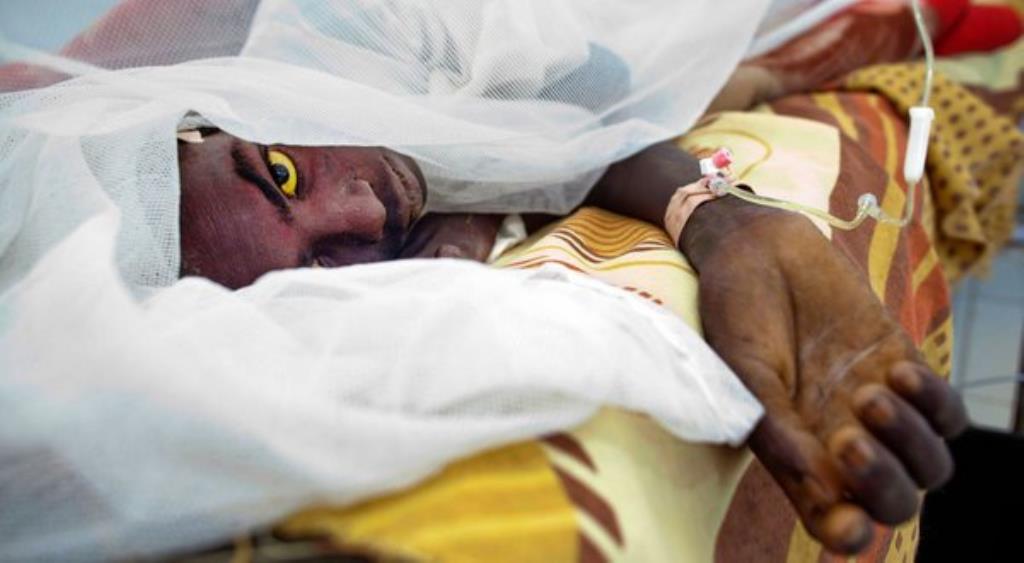
The infection has not spared the children in Nigeria, falling under the countries in Sub-Saharan Africa, killing numbers and leaving survivors disfigured, coupled with the reality of leaving the rest of their lives under stigmatisation.

This informed the decision of the Federal Ministry of Health to call on the WHO at the 75th World Health Assembly to include Noma on the list of Neglected Tropical Diseases (NTDs) where it belongs.

The call was aimed at rallying global support to eliminate and start preventive and curative measures against the preventable but deadly disease.

Established in the year 1999, the Noma Children’s Hospital, Sokoto, up until May 2022, when Noma Aid Nigeria Initiative (NANI) began construction of a new 100-bed National Noma Treatment Centre within the National Hospital, Abuja, has been the only specialist hospital shouldering the burden of the debilitating disease in the country.

The Chief Medical Director of the hospital in Sokoto said, “what is lamentable is that the disease is curable and even preventable, but lack of awareness has made a good number of patients die at home without visiting the hospital, exacerbating knowledge gap.”

To create awareness on predisposing factors like malnutrition, vitamin (A and B) deficiency, contaminated drinking water, immunodeficiency and living in proximity to livestock, November 20th have been set aside as Annual Noma Day.

Before resting my case, let me advocate that the awareness campaign held annually on NOMA DAY be taken to people in rural areas. These people are most vulnerable and unaware. Therefore, it will be better than having the symposia in town or city halls where the inhabitants are most likely informed. Moreover, more specialists should be trained on the infection to establish more specialist hospitals in at least each geopolitical zones of the country to unburden that in Sokoto and the upcoming one in the Federal Capital Territory.

Furthermore, people should be encouraged to embrace oral hygiene and proper nutrition like a religious ritual. In suspected cases, patients should be taken to the hospital for appropriate treatment to prevent disfigurement. Routine vaccination for children ought to be taken as a priority of every parent, and individuals with any information on Noma are encouraged to carry out a personal campaign in their locality amongst family and friends because the little things we do can make a difference.

Lastly, I urge all to avoid stigmatisation of survivors because they were but victims of circumstance.

Lawal Dahiru Mamman, a corp member, writes from Abuja and can be reached via dahirulawal90@gmail.com.

Nigeria: Understanding flood and the outbreak of infectious diseases

By Adam Mustapha, PhD

Floods are natural disasters that occur globally, destroying lives and property, especially in developing countries like ours. As a natural disaster, it is caused by climate changes and human activities which distort the balance of environment, hosts and pathogens. Factors such as high sea level rise, urbanization, destruction of river banks, and deforestation increase the risk of flood disasters.

Flood results in the disturbance of the epidemiological triangle; environment, host and infectious agent, and as such, it could result in the emergence of new agents or re-emergence of infectious agents that previously existed. Therefore, the potential outbreak of infectious diseases is a matter of great concern, and urgent intervention is needed to break the chains of transmission.

Flood is known to increase the global burden of various infectious diseases, mortality, social and economic disruptions and displacement of people, which can result in both physical and psychological trauma. Of great concern is how flood causes the outbreaks of infectious diseases, as germs can easily be transported and contaminate drinking water sources, which will provide a conducive environment for the completion of the vector life cycle.

Like other developing countries, flooding has become an annual event in Nigeria, and many towns and cities are vulnerable and susceptible to it. This year, the Nigerian meteorological agency (NiMet) warned some states that they were at high risk of flooding in its yearly prediction of rainfall. Therefore, it was unsurprising that flooding hit many such states, states like Jigawa and Yobe have significantly been hit. In contrast, others such as Borno, Adamawa, Gombe, Kebbi, Kano, Kaduna, Lagos, Kogi, Niger, Delta, Rivers, Zamfara, Taraba, Ogun, Osun, Ondo, some parts of Ekiti, Edo and FCT are affected from moderately to low levels.

Flooding can cause waterborne diseases such as cholera, non-specific diarrhoea, typhoid and viral diarrhoea caused by Rotavirus. These diseases are known to peak after flooding as the pathogens such as bacteria, viruses, and parasites can be transported. In addition, the crowded nature of displacement camps can potentially result in and aggravate the outbreak of respiratory diseases.

The crowded nature of displacement camps can potentially result in the outbreak of respiratory diseases of different etiological agents. Wastewater is a breeding ground and carrier of infectious diseases. For instance, wastewater has the potential of spreading viruses, as they are known to be good-chance takers of a flood, which take days after flooding to meet their incubation cycle. Viral diarrheal diseases, such as hepatitis A and E, vector-borne viral diseases such as Yellow fever, and many others are also some diseases that could potentially spread after the flood.

The genome of some viruses, such as SARS-CoV-2, are known to be detected in community wastewater and this call for concern as it can be disseminated during a flood. Another agent to worry about due to flood is Naegleria fowleri, a brain-eating amoeba causing primary amoebic meningoencephalitis (PAM). As water level and temperature rise, such a situation could fuel the growth of the agent. Environmental contribution to the development of infectious diseases is a significant public health concern that should not be ignored. Antibiotic-resistant bacteria and antibiotic-resistant genes are quickly disseminated in environmental wastewater, which could be further transported into the water system, which calls for concern.

Furthermore, the vector-borne disease can occur as a result of a flood because the development cycles of vectors are provided. For instance, mosquito-borne diseases such as malaria and West-Nile fever tend to increase after floods. Rodent-borne diseases also expand during flooding because the flood increases contact between rodents and humans, resulting in outbreaks of such diseases. Common rodent-borne infectious agents due to flooding include Leptospirosis, Hantavirus pulmonary syndrome, Hemorrhagic fever with renal syndrome etc.

Health interventions

 First, public health measures are essential in preventing infectious diseases due to floods. Therefore, preventive measures should be taken before, during and after the flooding.

Second, the provision of crucial intervention. The critical intervention is an active early warning system that can alert governments to prepare for possible outbreaks and send signals for evacuation of people at risk.

Third, the activation of rapid emergency response is also a necessity. This includes the provision of basic materials and health care services.

Fourth, after the flood, the activation of an effective surveillance method is mandatory for the early detection of an outbreak.

The key intervention is active early warning systems which can alert governments to prepare for possible outbreaks and send signals for evacuation of people at risk. At this stage, all stakeholders and the public must act on time. However, compliance is low due to a lack of an alert system or people refusing to abide by the warning system. Furthermore, risk assessment is needed to ensure that no basic amenities are disrupted due to floods.

Moreover, there is a need for vector control after the flood to break the chains of transmission. There is a need for collaboration among all public health stakeholders. Public enlightenment and outreaches are equally essential intervention measures.

Finally, provisions of clean water, sanitation and hygiene after the flooding to prevent infectious disease outbreaks are also very significant.

Adam Mustapha, PhD, is a clinical and medical microbiologist. He wrote from the Department of Microbiology, University of Maiduguri, via adadmustapha@unimaid.edu.ng.

Dying Eedris Abdulkareem gets kidney from wife, Yetunde

By Ahmad Deedat Zakari

 Mrs Yetunde Abdulkareem, the wife of Nigerian singer and rapper Eedris Abdulkareem, has donated her kidney to the ailing husband. 

It was disclosed by the singer’s friend and colleague, Myke Pam, that Abdulkareem was diagnosed with kidney failure, and his wife came to his rescue as the donor. 

Also, Abdulkareem took to his verified Instagram account on Wednesday, August 24, 2022, to confirm the development and share the good news of a successful kidney transplant. 

In an emotional statement, Abdulkareem said he will always love and cherish his wife. He also extended his appreciation to God, his children, fans and extended family. 

He wrote: ” Thank you, God.

I am specifically giving Thanks and Praise to the Almighty God for my successful kidney transplant surgery over the weekend…..may HIS Holy Name be Glorified forever and forever. Words cannot express my love, devotion, and commitment to my adorable, loving, supportive, and compassionate wife, Yetunde, with whom God Has made my life complete….baby. I will always Love, cherish and adore you forever. My awesome, lovely children, God Has harkened to your fervent prayers….daddy and mummy will be coming home hale and hearty soon.

To my extended family, recording company Lakreem Entertainment, my crew, friends, fans, and well-wishers, I say God Has done it for us again, and I will be seeing you guys soon. I am dropping this first note in appreciation of God’s Love and Infinite Blessings for pulling my wife and me through all this, I will do an extensive shout-out as the time goes on. Thank you! Thank you!! Thank you!!!”.

Myth: Maltina, milk and blood replenishment

By Lawal Dahiru Mamman

Different food items offer an array of nutrients from the six classes of food. The only fact is that a particular food item may be dominant in a nutrient rendering all others negligible. For example, rice is mostly known to contain carbohydrate (sugar or energy), but in reality, contains some levels of protein, fats and even some B vitamins found in brown rice.

That being said, an old tradition still with high relevance in this contemporary time is a myth – a concoction of malt drink and milk is a good blood-booster.

When recuperating from illness, people are advised to take a mixture of malt and milk because it replenishes dead blood cells that fight the foreign microorganism during the illness.

The blood contains plasma – for transport of digested food, platelets – prevent and stop bleeding, red blood cells – transport oxygen to other body parts from the lungs and white blood cells – fight diseases and other infections. For the synthesis of blood by the body, the most important nutrient is ‘Iron’. Therefore, for any food material to be considered a blood booster, it must contain a substantial amount of iron – a mechanism left for experts to discuss.

The nutritional content of both malt and milk is labelled on the products. Malt contains carbohydrates, protein, vitamins and water, while milk contains fats, carbohydrates, cholesterol, vitamins, calcium, phosphorus and magnesium. The noteworthy thing is that neither commodity has iron – a major mineral that must be contained in any food before it can be classified as a blood booster. With this, it can be deduced that there is no scientific evidence to prove this old assumption right.

Individually, malt grain contains fibre, potassium, folate, and vitamin B6, which together lower cholesterol and decrease the risk of cardiac disease. Its dietary fibre helps reduce insulin activity, increases cholesterol absorption from the gut, and encourages cholesterol breakdown. Milk is a significant source of protein, vitamin D, vitamin A, calcium, and other essential nutrients.

Many experts associate dairy diets with a lower risk of cardiovascular disease, type 2 diabetes, and high blood pressure. In addition, the nutrient profile of milk supports bone health.

Though the concoction is sumptuous and appealing to the palates, it has no base in the scientific realm regarding boosting blood.

Lawal Dahiru Mamman, a corps member, writes from Abuja and can be reached via dahirulawal90@gmail.com.

Kano disburses remaining CACOVID supplies to 175 health facilities

By Muhammad Aminu

Kano state ministry of health, through the Drugs and Medical Consumables Supply Agency (DMCSA), has disbursed remnant of the CACOVID medical supplies to 175 health facilities across 44 local government areas of the state.

Primary Health Care facilities, general hospitals and specialist hospitals are the beneficiaries of the equipment.

Speaking at the flagging up, the Director General, DMCSA, Hisham Imamuddeen, said the exercise is part of the state government’s effort to improve the quality of healthcare across the 44 Local Government areas of Kano state.

He said: “Facilities need to improve to cater for the increasing population, and this is why we felt the need to distribute these equipment for the betterment of the people.”

“These are equipment from Sani Abacha Isolation Centre; they were brought here due to the decline of Covid-19.”

On his part, Kano state commissioner for health, Aminu Ibrahim Tsanyawa, represented by the Permanent Secretary of the ministry, Amina A. Musa, urged the beneficiaries to make good use of the commodities.

“The CACOVID provided additional support of these items when we were in the midst of the pandemic, which was used to provide an additional isolation centre built at Sani Abacha stadium.

“The centre was then equipped with equipment to include beds, air conditioners, television sets and gym centre among others. We thank God it has all come to pass.”

Some of the beneficiaries who started receiving the equipment commended the effort while promising to make judicious utilisation of the commodities.

Scotland becomes first nation to offer free pads and tampons

By Ahmad Deedat Zakari

Scotland has passed a law pronouncing period products free for all its citizens. The landmark legislation is the first of its kind in the world. 

The Members of Scottish Parliament, MSPs, have unanimously approved the Bill in November 2020 to combat period poverty

According to a report by BBC, local authorities now have a legal duty to provide free items such as tampons and sanitary pads to “anyone who needs them”.

 The bill, now known as the Period Products Act, was introduced by Labour MSP Monica Lennon, who has advocated to end period poverty since 2016. 

Lennon said: “Local authorities and partner organisations have worked hard to make the legal right to access free period products a reality.

“This is another big milestone for period dignity campaigners and grassroots movements which shows the difference that progressive and bold political choices can make.

“As the cost-of-living crisis takes hold, the Period Products Act is a beacon of hope which shows what can be achieved when politicians come together for the good of the people we serve.”

In the fight against malaria, what more should we do? 

By Lawal Dahiru Mamman

Malaria is a mosquito-borne infectious disease that affects humans and other animals. Malaria typically causes fever, tiredness, vomiting, and headaches. 

Malaria can cause jaundice, seizures, coma, or death in severe cases. It is spread exclusively through bites of infected Anopheles mosquitoes. The mosquito bite introduces the parasites from the mosquito’s saliva into a person’s blood. Then, the parasites travel to the liver, where they mature and reproduce.

Malaria is a disease that has bedevilled and is still bedevilling the human race, with a high level of incidence in African countries. The worry is that malaria is preventable and treatable but still affects millions all year round. According to the World Health Organisation, 627,000 people died from the disease, leaving another 241,000,000 infected in 2021.

To curb the menace of this disease, the government is spending a lot, the international community is donating, and non-governmental organisations are helping to see that the world is free from malaria. 

This is mainly done by purchasing insecticide-treated mosquito nets, insecticides of different brands, seasonal malaria chemo-prevention and antimalarial drugs in case of infection.

Families also do their due diligence in ensuring that houses are spread with insecticides to kill mosquitoes and that they all sleep in the comfort and protection of mosquito nets. However, all these will not be enough if the little things are not addressed because after all the efforts indoors, you go out of the house only to find out that those tiny beasts are lurking around to feast on you.

Of the over 3,500 species of mosquitoes, three, anopheles, culex, and Aedes, are primarily of economic importance because they are disease vectors. Anopheles carries a microorganism which causes malaria ‘plasmodium’ and other species to reproduce on standing water and complete a live cycle within 18 days or above, depending on the species.

Looking at this biology, we have so many mosquitoes around that can be deciphered; hence, to eradicate malaria, our drainage systems must be functional and provided in areas that lack them to prevent water from lodging, which invariably provides a breeding ground for the parasites. 

Residents should fill up areas with stagnant water, cut grasses close to their houses and resist dumping refuse in drainages and water bodies to allow free flow.

Communities should be informed about the dangers of dumping refuse in the drainages because, besides exposing themselves to the threat of flooding and its aftermath, blocked drainages are a good ground for mosquitoes to breed since water does not flow through.

A plant that repels mosquitoes should replace some of our ornamental flowers. A study published in Malaria Journal in 2011 titled ‘Plant-based Insect Repellents: A Review of their Efficacy, Development and Testing’ revealed that lemon grass alone could either kill or repel about 95% of certain species of mosquitoes. Likewise, trees like Cinnamon could be used as shelter belts because they can repel insects, mosquitoes inclusive. Further studies could be carried out on other indigenous plant species in order to find if they possess properties that will help eradicate mosquitoes.

Eradication of malaria may seem challenging, impossible and debilitating, but a malaria-free Nigeria is possible with a commitment to the above suggestions.

Mamman, a corps member, writes from Abuja and can be reached via dahirulawal90@gmail.com.

Pieces of advice on maternal mortality


By Abdurrazak Muktar Makarfi

Maternal mortality is one of the devastating and heartbroken issues, especially in Africa, where we have many unqualified and fake health personnel, which leads to such menace. In the community where I belong, we don’t value ante-natal. Many think it is not that important; some consider it a waste of time, resources and energy.

Most times, lack of awareness to some people is negligence and ignorance to many. I once heard someone saying, how could I allow my wife to deliver in hospital while she’s fit and healthy? I don’t blame him even once because our health personnel’s attitude discourages many people from going to the hospital for ante-natal.

The attitude of health personnel in the hospital is absurd. I sometimes feel like absconding whenever I hear a nurse screaming and yelling at pregnant women; some even raise their hands to beat them! This happens at the time of delivery, which makes it more unfortunate.

Government, religious leaders, community elders and traditional rulers advocate that daughters must be educated, especially in the health sector, where we are lacking. However, to my dismay, when they are, they turn black eyes and become arrogant by yelling at women to show they are superior. Some of those they shout at are old enough to be their grandmothers. What a shock!

On the other hand, research has shown that 99% of maternal deaths occur in developing countries, but why? It may be because of the complications that occur during pregnancy and childbirth. Most of the complications can be managed, but the woman may end up dying due to a lack of skilful health personnel.

Furthermore, most maternal deaths are caused by the following: Severe-bleeding (mostly bleeding after childbirth), which can kill a healthy woman within hours if left unattended. Injecting oxytocin immediately after childbirth effectively reduces the risk of bleeding.

Infection after childbirth can be eliminated if good hygiene is practised and early signs of infection are recognised and treated promptly.

Pre-eclampsia should be detected and appropriately managed before the onset of convulsions (eclampsia)and other life-threatening complications. Administering drugs such as magnesium sulphate can prevent pregnant women from developing eclampsia.

Poverty-stricken women living in remote and slum areas are least unlikely to receive adequate health care; this is likely my region where we have a low number of skilled health workers.

Cultural practices: These are the things like local surgeries (episiotomy called “yankan gishiri” in Hausa) done by traditional birth attendants without or with inadequate knowledge about the birth canal. They remove the vulva and vaginal, causing damage to some tissues resulting in fistula formation and easily causing infection, which may lead to maternal mortality.

I hope my people will heed some of the things I mentioned as the direct or indirect causes of maternal mortality, i.e. death of a woman while pregnant or within forty-two (42) days after delivery.

Abdurrazak Muktar Makarfi wrote via prof4true1@gmail.com.