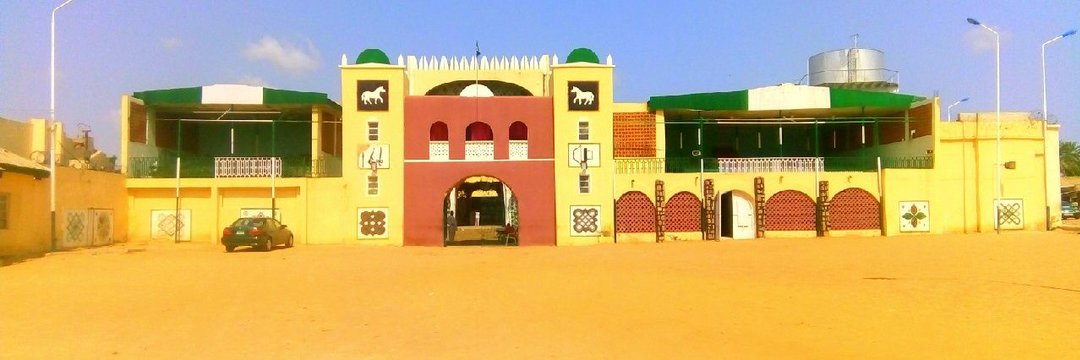
Hadejia LGA

Why Sport is the Vehicle Hadejia Needs

By Garba Sidi

Hadejia Local Government Area is the largest of Jigawa State’s 27 local governments, with over 200,000 residents. It is a historic, peaceful, religious town known for its legendary hospitality. When Boko Haram displaced Maiduguri residents, Hadejia welcomed and sheltered hundreds, showing unity and support across all levels.

Between March 8th and 13th, 2025, five lives were lost in Hadejia. A political fight led to a young man being stabbed with scissors. A game with sticks turned deadly when a youth was injured in the head. Two friends fought, and one killed the other. A mechanic was attacked and fatally wounded with a large knife at his home. Most heartbreakingly, a newlywed bride, just five months married, was found dead with her throat slit.

These are not statistics. These are our children, our neighbours, our brothers, and our sisters. And their blood calls out for answers.

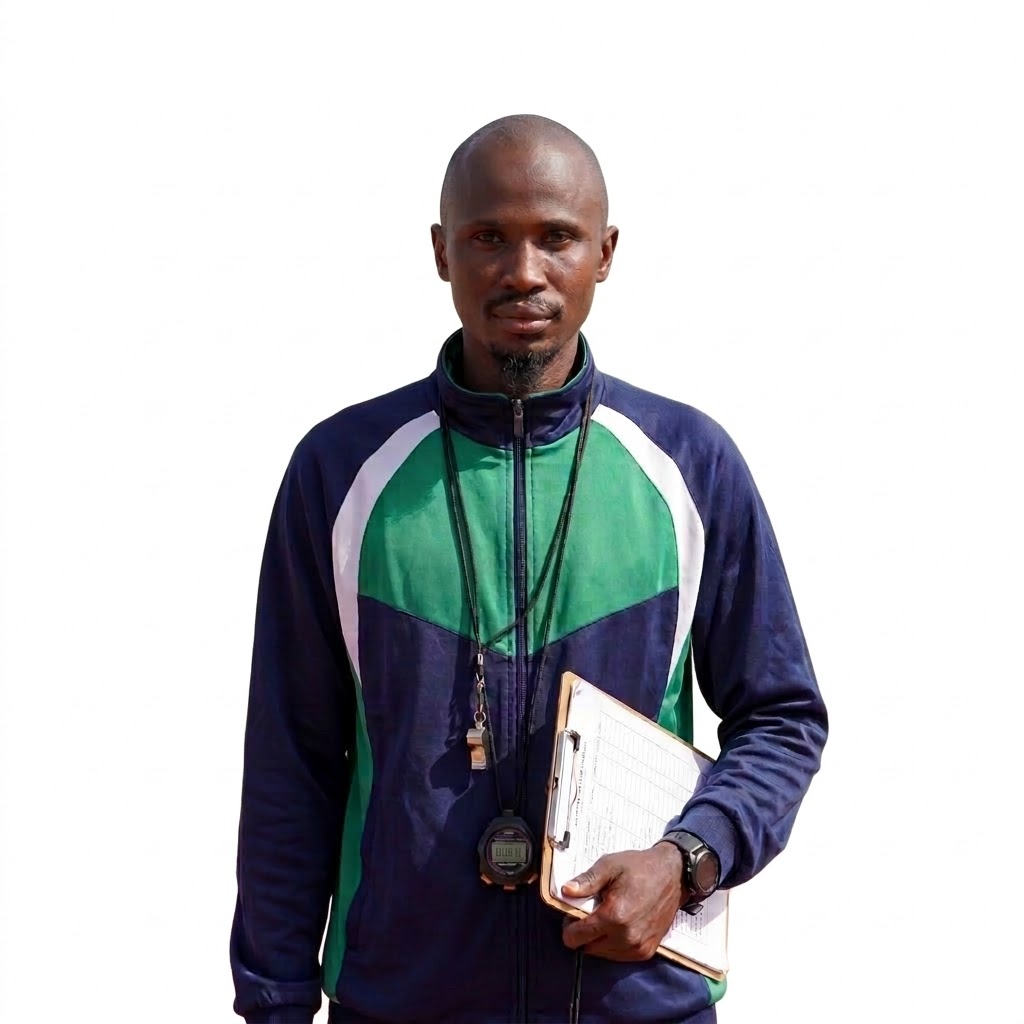
As a Sport Officer with the Jigawa State Sports Council, I have spent my career witnessing the transformative power of athletics. I have seen the discipline it instils, the hope it generates, and the community it builds. And I am convinced that while we need police, while we need laws, and while we need parental responsibility, there is one vehicle that can carry Hadejia out of this darkness: sport.

Before we can prescribe a cure, we must first diagnose the disease. The insecurity engulfing Hadejia did not emerge from a vacuum. It has grown from specific, identifiable roots.

According to December 2025 reports, Jigawa State is the third poorest in Nigeria, with 80% of children out of school. In communities with large families, parents struggle to meet basic needs, leading to despair in youth without education or job prospects, fueling crime.

Drug abuse existed before the Boko Haram refugees’ arrival, with local youths accessing substances like Wiwi, Sholisho, and Tramadol. But refugees introduced large, powerful drug dealers who settled in town, worsening the situation. Young people gained easy access to new, varied drugs, increasing abuse, especially among females and under-18s, who had been less affected before. These new dealers made drugs more accessible and affordable, even to children.

The chemicals in these illicit substances are too strong for young minds. They cause users to fight one another in their hideouts and gatherings. A minor misunderstanding that would once have ended with words now ends with knives, scissors, or sticks drawn in anger. The connection is undeniable: drugs fuel violence, and violence fuels insecurity.

The pattern of crime in Hadejia has followed a predictable and terrifying trajectory. It began with shop-breaking, which gradually became more rampant. Then some youths started blocking small roads with sticks and cutlasses, robbing passengers of their money and phones. At first, these incidents were rare.

Now, these gangs have escalated further. They attack businesspeople inside their own shops, arriving two to a motorcycle, armed with guns. The progression from petty theft to armed robbery has happened right before our eyes, and fear has filled the hearts of all Hadejia people.

Some will ask how football or athletics can solve serious problems like drugs and armed robbery. As someone experienced in sports development, I’ve seen a well-organised sports program achieve much. Troubled youths become disciplined athletes, communities unite behind local teams, and hope replaces hopelessness when young people discover their talents and worth.

Let me explain precisely how sport can serve as the vehicle to carry Hadejia back to peace.

1. Sport Occupies Idle Hands and Minds.

The Prophet Muhammad (peace be upon him) taught us that two blessings which many people take for granted are health and free time. An idle mind, unoccupied with productive pursuits, becomes a workshop for mischief. When young people have nothing to do from morning until night, when they have no place to gather except street corners, when their only entertainment comes from substances that destroy their minds, trouble becomes inevitable.

Sport provides an immediate and powerful alternative. A young person who reports for football training every evening has no time to sit around smoking weed. A teenager who is preparing for a weekend basketball tournament is focused on practice, not on planning robberies. A youth who is exhausted from athletic exertion sleeps soundly at night instead of roaming the streets looking for trouble.

I have seen this transformation with my own eyes. In communities where we have established regular sporting activities, crime rates drop. It is not complicated mathematics. It is simple: a busy youth is a peaceful youth.

2. Sport Teaches Discipline and Self-Control.

Drug abuse thrives in the absence of self-discipline. The ability to say no, to resist peer pressure, to choose long-term wellbeing over immediate gratification—these are skills that must be learned and practised.

Sport is one of the most effective teachers of discipline. Every athlete learns to follow rules, to respect coaches and officials, to control their emotions in the heat of competition, and to work hard even when no one is watching. These lessons transfer directly to life outside the field.

Consider the young men who killed their friends over minor arguments in March 2025. Would they have reacted differently if they had spent years learning emotional control through sport? If they had been taught that losing your temper leads to defeat, that self-control is strength, and that violence has no place in resolving disputes? I believe they would.

3. Sport Builds Community and Breaks Down Division.

One of the dangerous consequences of the drug trade in Hadejia has been the introduction of powerful dealers from outside. These individuals have no loyalty to our community, no investment in our peace, and no concern for our children beyond the profits they generate.

Sport creates the opposite dynamic. When you play on a team with someone, you develop bonds that transcend neighbourhood, ethnicity, or background. You learn to trust each other, to work together toward common goals, and to celebrate shared victories. These bonds strengthen the social fabric and make communities more resilient against those who would exploit division.

Imagine what would happen if we established a Hadejia Youth Football League with teams representing each quarter of the town. Young people from different backgrounds would come together regularly, not to fight but to compete by the rules and shake hands when the match ended. Suspicion would be replaced by familiarity. Hostility would be replaced by respect.

4. Sport Creates Positive Role Models and Mentors.

Every coach is a potential mentor. Every older athlete can set an example for younger ones. In a sporting environment, young people encounter adults who care about their development, who notice when they are struggling, and who can guide them away from dangerous choices.

Currently, who are the role models for many of Hadejia’s youth? In too many cases, they are the drug dealers with money and flashy lifestyles. They are the gang leaders who project power and fearlessness. Sport offers an alternative: coaches who demonstrate that hard work leads to achievement, athletes who show that discipline brings success, and community figures who prove that respect comes from contribution, not intimidation.

As a Sport Officer, I have seen coaches become fathers to boys who lack paternal guidance. I have seen athletic mentors intervene when they noticed a player showing signs of drug influence. These relationships save lives.

5. Sport Reveals Talent and Opens Pathways.

One of the most powerful weapons against hopelessness is discovering that you have value, that you are good at something, and that your life has potential. For many young people trapped in poverty and despair, sport provides this discovery.

Nigeria is filled with stories of footballers who rose from humble beginnings to achieve fame and fortune through their athletic talent. While not every young athlete will become a professional, many can earn scholarships, gain admission to higher institutions, or secure employment through sport. Even at the local level, talented players can earn income through semi-professional leagues, coaching opportunities, or equipment-related businesses.

When a young person believes their future holds possibilities, they are far less likely to risk that future on crime and drugs. Sport plants the seed of hope.

6. Sport Provides a Platform for Drug Education.

The fight against drug abuse cannot be won through arrests alone. We must also educate our youth about the dangers of these substances and equip them with the skills to resist temptation. And there is no better platform for this education than sport.

Young people trust their coaches. They listen to respected athletes. They absorb messages delivered during team meetings and training sessions. By integrating drug awareness programmes into sporting activities, we can reach the very population most at risk.

Imagine a football league where every team must complete a drug education workshop before being allowed to compete. Imagine tournaments sponsored by anti-drug campaigns, with messages printed on jerseys and banners at every match. Imagine former addicts speaking to young athletes about the destruction they witnessed. This is not fantasy. This is practical, achievable intervention.

I am not suggesting that sport alone will solve all of Hadejia’s problems. We still need effective policing, responsible parenting, economic opportunities, and strong leadership. But I am arguing that sport must be recognised as an essential component of any comprehensive strategy to restore peace.

Let me paint a picture of what Hadejia could become if we invested seriously in sport.

Picture this: Every quarter of Hadejia has a functioning football pitch where young people gather every evening for organised training. Coaches—some volunteers, some employed by the local government—provide supervision, instruction, and mentorship. Leagues operate year-round, with weekend matches drawing crowds of families and neighbours who celebrate their youth’s achievements.

Picture this: The Hadejia Township Stadium, which currently hosts only occasional events, becomes a hub of weekly activity. Basketball, volleyball, and athletics programmes complement football, ensuring that young people with different interests can find their place. Tournaments bring teams from across the local government together, fostering healthy competition and community pride.

Picture this: Every school in Hadejia has a functional sports programme. Physical education is taken seriously, not treated as an afterthought. Talented students are identified early and connected with clubs where they can develop. The 80% out-of-school rate remains a tragedy, but for those children who cannot attend school, community-based sport provides structure, supervision, and hope.

Picture this: The drug dealers who currently prey on our children find their customer base shrinking because young people are too busy, too healthy, and too hopeful to seek escape in substances. The gangs find it harder to recruit because belonging to a team provides the identity and camaraderie that gangs exploit. The armed robbers find fewer desperate youths willing to join their ranks.

This is not a dream. This is an achievable reality if we have the will to pursue it.

To the Executive Chairman of Hadejia Local Government, I say: invest in sport as seriously as you invest in security. Build pitches in every ward. Employ coaches for every quarter. Organise leagues that give young people something to look forward to each week. The budget required is small compared to the cost of insecurity.

To the Executive Governor of Jigawa State, I say: support local government initiatives with state resources. Make Hadejia a pilot project for using sport as a tool for peace. Deploy coaches and equipment from the State Sports Council. Create pathways for talented athletes to access higher-level competitions and opportunities. Show the nation that Jigawa is serious about innovative solutions to security challenges.

To the traditional rulers and community leaders of Hadejia, I say: use your influence to encourage youth participation in sport. Speak from your pulpits about the value of athletic discipline. Identify land that can be converted to playing fields. Support parents who allow their children to participate. Your blessing carries weight.

To the parents of Hadejia, I say: support your children’s involvement in sport. Attend their matches. Ask them about their training. Notice when coaches speak well of them. The same energy your child might otherwise devote to destructive activities can be channelled into athletic achievement.

To the youth of Hadejia, I say: choose the field over the street. Choose the ball over the drug. Choose the team over the gang. The path of sport is harder in some ways—it requires discipline, hard work, and patience—but it leads somewhere worthwhile. The path of drugs and crime leads only to prison or the grave.

The five lives lost between March 8th and March 13th, 2025, cannot be recovered. The newlywed bride, with her throat slit, will not return to her grieving husband. The mechanic killed in his own home will not repair another vehicle. The young men who killed their friends over arguments will carry that guilt forever.

But their deaths need not be the end of the story. They can be the beginning of a new chapter—a chapter in which Hadejia recognises the urgency of the crisis and takes bold action to address it.

I have spent my career believing in the power of sport. I have seen it transform individuals, unite communities, and create hope where none existed. I am convinced that sport can be the vehicle that carries Hadejia out of this season of insecurity and back to the peace for which this town has always been known.

The vehicle is ready. The road is before us. All we need are drivers willing to steer us toward safety.

Let us choose sport. Let us choose our children. Let us choose peace.

Garba Sidi is the Sport Officer 2, Jigawa State Sports Council, Hadejia, Jigawa State.

From progress to politics: Hadejia Chairman’s effort to erase Hon. Abdukadir Umar Bala’s impact

By Garba Sidi.

It is with deep concern and growing anxiety that we observe the unfortunate political manipulation of development projects initiated by the former Chairman of Hadejia Local Government, Hon. Abdulƙadir Umar Bala, popularly known as T.O. Instead of initiating new projects of his own, the current Chairman, Honourable Yaro Abba Ari, has resorted to politicizing the legacy of his predecessor by either repainting existing infrastructure or dismantling projects completed under T.O.’s administration.

One glaring example is his unnecessary repainting of the town’s main gate — a project that had already been fully executed and completed before T.O.’s exit from office. Rather than embarking on a new initiative, the current chairman chose to repaint the already beautified gate just to claim credit, an act which many see as wasteful and driven by political jealousy.

Even more disturbing is his decision to demolish the small market built by the former chairman at Kofar Mandara within the town of Hadejia. That market had provided a much-needed business environment for local traders and also brought ease to residents in the neighbourhood who could access daily essentials without travelling far. This demolition represents not only a disregard for community welfare but also an irresponsible squandering of public funds invested in the project — an act that is completely unjust and alarming.

As it stands today, Honourable Yaro Abba Ari has spent a whole year in office as the new Chairman of Hadejia Local Government. Yet, there are no visible new projects or initiatives that have directly benefited the people of Hadejia. All we witness are his constant movements and public appearances with little or no tangible impact. The people of Hadejia continue to ask what exactly his administration is focused on, but we have yet to find a convincing answer.

Under the leadership of the former Chairman, Hon. Abdulƙadir Umar Bala (T.O), every ward or neighbourhood facing electricity challenges was provided with solar-powered streetlights. This significantly reduced crime and improved safety at night in those areas.

Moreover, the former Chairman supported the initiative of His Excellency Governor Malam Umar Namadi (Ɗanmoɗi), who had trained young people in borehole repairs. T.O. ensured that these skilled youths were employed by the local government to repair all faulty boreholes within Hadejia, thereby empowering them and improving access to clean water.

Recognising the water challenges faced by communities that rely on electric-powered boreholes, T.O. made it a point to distribute petroleum to every ward whenever there was a power outage. This allowed residents to run generators and continue to access water without interruption.

During his time in office, when Hon. Bala (T.O) noticed an increasing number of beggars — including women, young girls, and children — which was becoming a social problem, he initiated a reintegration program. He sent them back to their hometowns and provided them with startup capital to help them become self-reliant.

He also took decisive action against the growing problem of prostitution, especially among independent sex workers residing in the Gandun Sarki area. He ensured their relocation to their families and provided support to improve their lives, thereby contributing to the moral and social well-being of the entire Hadejia community.

In addition, the former Chairman did not forget the prisoners. He routinely visited the correctional facility in Modaci, Hadejia, to provide food and welfare materials to inmates, showing that his concern extended even to those behind bars.

He constructed numerous shops, aiming to stimulate the local economy and provide employment opportunities for the youth, paving the way for economic self-dependence.

Given all these progressive and people-centred efforts made by Hon. Abdulƙadir Umar Bala (T.O.) during his tenure, it is truly disheartening and alarming to witness the destruction and politicisation of his legacy. This act is motivated by political rivalry and not the public interest.

I am calling on the people of Hadejia to rise and take action — to rescue our town from the regressive direction it is being pushed into. We must unite to defend and preserve the progress that has been made, and ensure that our leaders are held accountable, not driven by political envy but by the duty to serve.

An open letter to the chairman of Hadejia Local Government

Dear Honourable Yaro Abba Ari,

I write to you as a deeply concerned indigene of Hadejia Local Government Area, more specifically, a resident of Dubantu Quarters. I do so with a strong sense of responsibility and hope, believing that your esteemed office, under your capable leadership, will give due attention to the pressing issues that have plagued our community for quite some time.

First and foremost, I would like to sincerely commend your administration for the developmental strides made in various parts of the local government area. These achievements reflect your commitment to progress and service delivery. However, I am compelled to draw your immediate attention to some ongoing challenges that continue to affect the people of Dubantu Quarters — challenges that, if not addressed, may further deteriorate the well-being and safety of our community.

The first major issue of concern is the worsening condition of the drainage systems in Dubantu Quarters. Every year, particularly during the rainy season, our community suffers from excessive waterlogging and flooding. Rainwater, due to the absence or blockage of proper drainage, flows freely over the roads and into homes, causing significant disruption and damage. The situation has unfortunately become a recurring crisis that leads to the destruction of properties and, in the worst cases, loss of innocent lives. Residents live in constant anxiety as heavy rains turn roads into rivers, making movement dangerous and threatening the safety of families.

Secondly, I would like to bring to your kind attention the growing security and social concerns in specific parts of Dubantu Quarters — particularly areas that remain in complete darkness at night due to a lack of public lighting infrastructure. These dark zones have become gathering points for immoral and misguided youths, who often engage in illicit activities such as the abuse of toxic substances — including syrul (codeine cough syrup), ganja, and other harmful drugs. These activities not only endanger the lives of the individuals involved but also pose a significant threat to the safety and peace of law-abiding citizens, especially during the night hours.

Despite numerous efforts by responsible members of the community to curb this growing menace, their attempts have been largely ineffective due to the absence of necessary support, tools, and enforcement capabilities. The community is doing its best with the limited resources at its disposal, but the situation clearly calls for strong governmental intervention. 

As a result, and in the spirit of community development, I humbly and earnestly appeal to you to take the following specific actions:

Reconstruction and proper maintenance of Drainage systems in Dubantu Quarters will help ensure that rainwater is channelled correctly, reducing the devastating impact of seasonal flooding and safeguarding the lives and properties of the residents.

Installation of solar-powered Street lights in critical dark areas within Dubantu Quarters. Improved lighting will not only enhance visibility and security but will also deter criminal and immoral behaviour that currently thrives under the cover of darkness.

Collaborative Engagement with Law Enforcement Agencies and Community Leaders to Develop and Implement a Strategic, Community-Driven Solution to the Issue of Drug Abuse. This should include awareness campaigns, youth sensitisation programs, and the creation of positive alternatives that engage our young people in meaningful and productive activities.

Your timely intervention in these matters will go a long way in alleviating the hardship currently faced by the residents of Dubantu Quarters. Moreover, it will serve to reaffirm the trust and confidence that the people of Hadejia Local Government Area have placed in your leadership.

We remain optimistic that you will treat these concerns with the urgency and seriousness they deserve, and that your office will take immediate steps to implement lasting solutions.

Thank you very much for your time, attention, and anticipated positive response.

Yours sincerely,

Garba Sidi

An Indigene of Hadejia Local Government Area

sidihadejia@gmail.com

A call for peace, security, and community action in Hadejia

By Garba Sidi 

Hadejia, one of the 27 local government areas in Jigawa State, Nigeria, is renowned for its vibrant population and bustling business activities. With an estimated population of over 200,000 people, Hadejia stands as the largest local government in the state in terms of both population and economic activity.

However, recent events have cast a dark shadow over this once-thriving community. Between March 8 and March 13, 2025, five lives were tragically lost in a series of violent incidents, including the death of a newlywed bride. These incidents have raised serious concerns about the safety and security of the people of Hadejia.

Peace, safety, and security are fundamental pillars of any thriving society. Without these elements, communities cannot prosper, and individuals cannot lead fulfilling lives. The recent surge in violent crime in Hadejia, fueled by the availability of drugs, toxic chemicals, and the proliferation of weapons among youths, threatens the very fabric of this community. It is imperative to urgently address these issues to restore peace and ensure the safety of all residents.

The incidents that occurred between March 8 and March 13, 2025, illustrate a grim picture of the current state of affairs in Hadejia. On March 8, a political argument between two young men escalated into a physical altercation. One individual used a pair of scissors to stab his opponent in the stomach, resulting in his death. This tragic event highlights the dangerous consequences of unchecked aggression and how easily conflicts can turn fatal.

On March 9th, two youths engaged in a playful yet dangerous game involving sticks. What started as a harmless activity quickly escalated when one of the youths was struck in the head, resulting in his death. This incident highlights the need for greater supervision and guidance for young people, who may not fully comprehend the potential consequences of their actions.

On March 10th, another fight broke out between two friends in a different neighborhood. The altercation ended with one friend killing the other, further emphasizing the volatile nature of interpersonal relationships in the community. The following day, on March 11th, a mechanic was brutally attacked in his home in the NTA quarters. The assailant used a large knife to fatally wound the mechanic, leaving the community in shock.

The most heart-wrenching incident occurred on March 13th, when a newly married woman, barely five months into her marriage, was found dead in her home with her throat slit. This heinous act has left the community in mourning and raised questions about the safety of women and the prevalence of domestic violence.

The rising rate of violent crime in Hadejia can be attributed to several factors. One of the primary issues is the lack of economic opportunities and the inability of many families to provide for their children. In a community where large families are common, parents often struggle to meet their children’s basic needs. This lack of resources can lead to frustration and desperation among young people, who may resort to crime as a means of survival.

Another significant factor is the widespread availability of drugs, marijuana, and other harmful chemicals. These substances are easily accessible to teenagers and young adults, who often use them as an escape from their harsh realities. However, using these substances can lead to impaired judgment, increased aggression, and a greater propensity for violence. The combination of drugs and readily available weapons, like knives and scissors, results in a dangerous environment where conflicts can quickly escalate into deadly confrontations.

To address the rising tide of violence in Hadejia, it is essential to implement a multi-faceted approach that tackles the root causes of the problem. One potential solution is for the government to create additional administrative divisions within the town. By decentralizing governance and bringing it closer to the people, the government can improve the delivery of essential services, enhance security, and foster a stronger sense of community responsibility.

Furthermore, parents and community leaders must adopt a more active role in overseeing their children’s activities. This involves closely monitoring their associations, ensuring they are not engaging in criminal activities, and providing the guidance and support necessary for making positive life choices. Family planning is equally important; parents should be encouraged to have only as many children as they can adequately support, both financially and emotionally.

Finally, the recent surge of violent crimes in Hadejia serves as a stark reminder of the significance of peace, safety, and security in any society. Without these fundamental elements, communities cannot flourish, and individuals cannot lead fulfilling lives. 

It is the responsibility of the government, community leaders, and parents to collaborate in addressing the root causes of violence and fostering a safer, more prosperous future for the people of Hadejia. By implementing proactive measures, such as establishing additional administrative divisions, encouraging family planning, and cracking down on the availability of drugs and weapons, we can begin to restore peace and security to this once-thriving community.

We don’t need change in Hadejia

By Garba Sidi 

Patriotism is something any good citizen of a particular society must practice. Anyone who has no interest in the development of where they were born knows nothing. If we all care more about where we came from and do whatever we can to benefit our society, our lives would be on a great path. That wouldn’t happen without loving society and its people.

As it has been said many times, Hadejia has witnessed the leadership of many politicians as local government chairmen. Still, no one has seen half of what the current chairman, Honourable Abdulkadir Bala Umar, has put on the ground for the development of the people and the town.

Sadly, since the beginning of His Excellency Muhammad Namadi (Dan Modi), the current Governor who won the primary election for the APC and beat his running mate after the secondary election from the PDP, Mustapha Sule Lamido, rumours have circulated that he’s going to step down all chairmen and replace them with his allies, even though the law has already been verified to allow three-year terms, unlike before. Before the end of the reign of former Governor Muhammad Badaru, a bill was signed for an additional year for chairmen’s terms, for which all processes were completed and assigned.

We, the people of Hadejia, don’t support that idea. That’s why I want to bring attention to His Excellency and think deeply before taking that action. If, as you have said many times, you came to get what’s needed for the state and the development of the state is what’s on your agenda, prove it by letting Honourable Abdulkadir Bala Umar rule for a second term because he’s the one Hadejians need to continue developing the town.

They gave you one hundred per cent support during the campaign. They spent their wealth, time, and effort just for you to secure the position. Who could do that to someone they see as a rival? Only those close to you are trying to lead you down the wrong path, which may not bring you anything good in the end. He’s ruling us, and we like his ways, and it is not against anything if you let him rule for a second term.

We don’t need change in Hadejia.

Garba Sidi wrote via sidihadejia@gmail.com.

An open letter to Jigawa State Governor, Malam Umar Namadi

By Garba Sidi.

I hope this letter finds you in good health and high spirits. 

I am writing to bring to your attention the commendable efforts of Honourable Abdulladir Umar Bala (T.O.) during his tenure as the Chairman of Hadejia Local Government. As a concerned citizen of Hadejia and someone who deeply cares about our town’s progress, I wish to express my support for Honourable Abdulladir Umar Bala’s candidacy for a second term.

Throughout the years, it has been observed that, apart from Bello Auyo, no other leader has contributed as significantly to the development of Hadejia as Honourable Abdulladir Umar Bala. His dedication to improving our town is evident in the transformative projects initiated under his leadership.

The essence of democracy lies in representing the people’s will, and Honourable Abdulladir Umar Bala (T.O) has proven himself to be a leader who genuinely understands and serves the people’s needs. “Government is the people, for the people, by the people,” and this principle resonates with the Hadejia community, which admires his leadership.

Furthermore, I would like to highlight Honourable Abdulladir Umar Bala’s unwavering commitment to the All Progressives Congress (APC). He wholeheartedly supported the party, actively participating in the campaign for His Excellency Mallam Umar Namadi, contributing significantly to the success of the 2023 elections.

Despite facing unjust attempts to tarnish his image, Honourable Abdulladir Umar Bala perseveres to bring beneficial projects to Hadejia. Recognising that certain political rivals may be trying to sow discord between his administration and your esteemed government is crucial. I sincerely hope you see through these divisive tactics and acknowledge the positive impact he has had on our community.

The people of Hadejia are well-informed and discerning, and they can distinguish between genuine efforts for development and misleading narratives meant to undermine a dedicated leader. Denying Honourable Abdulladir Umar Bala the opportunity to run for a second term could be perceived as a hindrance to the progress and development of our town.

I trust that this message will reach you, and I urge you to consider the positive contributions of Honourable Abdulladir Umar Bala (T.O.) to Hadejia. Allowing him to run for a second term would be a decision in favour of continued growth and prosperity for our beloved town.

Thank you for your time and consideration.

Hadejia LG chairman’s innovative approach to tackling social challenges

By Garba Sidi

In local governance, effective leadership is often characterised by innovative approaches to tackling communities’ diverse challenges. One such exemplary leader is Honourable Bala Umar, the Chairman of Hadejia Local Government. Under his visionary leadership, Hadejia has witnessed remarkable strides in addressing pressing social issues, particularly the plight of female beggars and sex workers, and ensuring equitable access to vital resources like petroleum. This opinion piece aims to shed light on Chairman Umar’s commendable initiatives and their positive impact on the community.

 Female Beggars and Their Children:

Chairman Bala Umar’s approach to addressing the issue of female beggars stands out as a testament to his commitment to uplifting marginalised members of society. Instead of merely dispersing them or turning a blind eye, he has taken a proactive stance by initiating a program that involves repatriating them to their hometowns. This approach recognises the inherent dignity of these individuals and seeks to provide them with opportunities for a better future.

By collaborating with relevant stakeholders, including local authorities and non-governmental organisations, Chairman Umar’s administration facilitates the safe and responsible return of these women and their children to their places of origin. This comprehensive approach includes providing necessary transportation, reintegration support, and access to vocational training and job opportunities. By addressing the root causes of begging, such as poverty and lack of educational opportunities, Chairman Umar empowers these women to build sustainable livelihoods for themselves and their families.

 Issue of Sex Work:

Another noteworthy aspect of Chairman Umar’s tenure is his dedication to addressing the challenges faced by sex workers in Hadejia. Recognising the complexities of this issue, his administration has taken a multifaceted approach. Rather than resorting to punitive measures alone, Chairman Umar prioritises compassion, recognising the need for rehabilitation and reintegration.

Through collaborations with law enforcement agencies and social welfare organisations, the local government implements programs to support sex workers transitioning to alternative livelihoods. These initiatives include skills training, entrepreneurship development, and access to educational opportunities. By offering viable alternatives, Chairman Umar’s administration demonstrates a commitment to addressing the underlying factors contributing to the perpetuation of sex work, such as poverty and limited employment prospects.

Equitable Distribution of Petroleum Resources:

Under Chairman Umar’s leadership, Hadejia Local Government has also witnessed substantial improvements in the distribution of petroleum resources. Recognising the significance of electricity and its impact on the quality of life, the local government prioritises the allocation of petroleum to areas where it is needed most, particularly in quarters with limited access to electricity.

One crucial aspect of this initiative is ensuring that areas reliant on generators to pump water from their reservoirs receive a fair share of petroleum. By addressing this essential need, Chairman Umar’s administration not only improves the living conditions of residents but also demonstrates a commitment to equitable resource distribution. This approach not only enhances the well-being of individuals but also contributes to the overall development and prosperity of the entire community.

Conclusion:

Honourable Bala Umar’s tenure as the Chairman of Hadejia Local Government has been characterised by innovative and compassionate approaches to addressing pressing social challenges. Through his proactive stance on the issues of female beggars, sex workers, and equitable resource distribution, he has demonstrated a commitment to uplifting the most vulnerable members of society.

Garba Sidi can be contacted via sidihadejia@gmail.com.

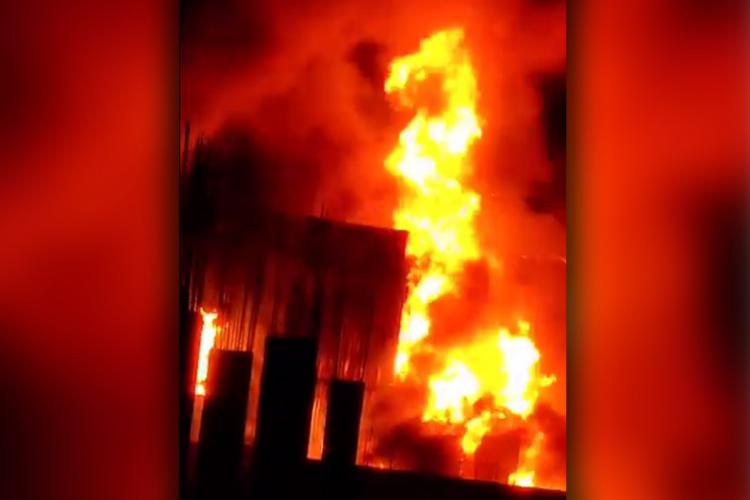
Fire outbreak destroys four market shops in Jigawa

By Muhammadu Sabiu

Fire destroyed six shops in Jigawa State’s Hadejia Local Government Area.

In a statement, Adamu Shehu, the state spokesperson for the Nigeria Security and Civil Defense Corps, confirmed the incident.

“On Friday, December 2, 2022, at about 01:15hrs, the NSCDC Divisional Office received an emergency call on a fire outbreak at Gadar Kogi in Hadejia,” he said.

According to him, emergency response personnel were immediately dispatched to the location to put out the fire and save any unburned property.

He added that when the team arrived, the fire had destroyed around six shops owned by Usman Mai Shago and five other people, although there were no human casualties.

The Daily Reality understands that electricity sparks from one of the shop’s wires were the cause of the fire.