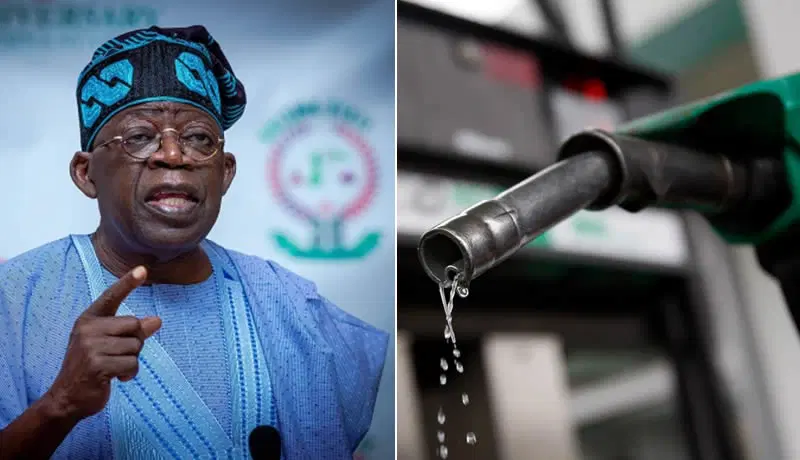
Asiwaju Bola Ahmed Tinubu

Nigeria’s ₦159 Trillion Debt Burden: Equivalent to ₦724,000 Per Citizen Compared to a ₦70,000 Minimum Wage

By Daniel Nduka Okonkwo

Nigeria’s debt clock has surged to ₦159.28 trillion, a figure that translates to roughly ₦724,000 per citizen when spread across a population of more than 220 million. This arithmetic alone underscores the scale of the nation’s obligations. While official voices emphasise that the debt-to-GDP ratio remains within accepted thresholds, the underlying reality is sobering: the country’s current account is being financed through persistent domestic borrowing and mounting external debt. Each statistic is a reminder that today’s fiscal gaps are tomorrow’s responsibilities, with the burden of development increasingly shifted onto generations yet unborn.

Is there a way out for Nigerians? The path forward demands more than borrowed billions. It requires a fundamental reassessment of how resources are managed, how revenue is diversified, and how structural weaknesses are addressed. While the figures may suggest sustainability on paper, the lived reality reflects rising costs, shrinking opportunities, and a future increasingly tied to creditor obligations. Breaking this cycle will require bold reforms, transparent governance, and a commitment to building an economy driven by productivity rather than dependence on borrowing.

When distributed across the population, the debt translates to roughly ₦700,000 to ₦725,000 per citizen. This figure is only a statistical illustration and not a legal obligation on individuals. Public debt remains a sovereign responsibility shared by the Federal Government, state governments, and the Federal Capital Territory, and it is serviced through public revenue rather than direct payments by citizens.

As of late 2025, Nigeria’s total public debt stood at approximately ₦159.28 trillion, equivalent to about $103 billion to $111 billion depending on the exchange rate applied. This represents an increase from about ₦144.7 trillion in 2024, reflecting continued reliance on borrowing to finance fiscal deficits.

Nigeria’s debt stock consists of both domestic and external borrowing. Domestic debt is estimated at ₦84-₦85 trillion, while external debt stands at ₦74 trillion. Persistent budget deficits have driven the growth in total debt, increased domestic borrowing through treasury bills and government bonds, and led to exchange rate depreciation, raising the value of the naira against external obligations. By mid-2025, total debt had reached about ₦152.39 trillion before rising further to ₦159.28 trillion by year-end.

Debt servicing remains a more pressing concern than the size of the debt itself. In 2025, debt servicing costs rose to approximately ₦15.8 trillion, up from about ₦12.8 trillion in 2024. Higher interest rates on domestic debt instruments largely drove this increase. Servicing costs for domestic debt rose sharply due to increased yields on treasury bills and Federal Government bonds. At certain points in 2025, the debt service-to-revenue ratio exceeded 80 per cent, meaning that a substantial portion of government revenue was used to service existing debt.

Looking ahead, Nigeria’s 2026 fiscal outlook reflects continued pressure on public finances. The proposed budget projects total expenditure of about ₦58.5 trillion against expected revenue of approximately ₦33.2 trillion, leaving a fiscal deficit of about ₦25 trillion. This gap is expected to be financed largely through additional borrowing, which could push total public debt beyond ₦160 trillion.

Planned borrowing includes external loans estimated at $6 billion, along with an additional $516 million under consideration. However, claims suggesting approvals equivalent to ₦68 trillion appear inconsistent and are likely the result of conversion or reporting errors rather than actual borrowing approvals.

The comparison between Nigeria’s per capita debt of roughly ₦724,000 and the national minimum wage of ₦70,000 is largely symbolic but highlights deeper economic realities. It reflects low-income levels, rising cost of living, and mounting pressure on public finances. It does not imply that citizens are personally responsible for repaying the debt.

Nigeria’s debt-to-GDP ratio, estimated at 35 per cent to 37 per cent, remains below the commonly referenced 60 per cent threshold. However, experts consistently stress that revenue constraints, rather than debt size alone, represent the country’s most significant fiscal risk.

Key concerns include the high share of revenue devoted to debt servicing, limited fiscal space for critical sectors such as infrastructure, health, and education, and potential inflationary risks if deficit financing continues to expand. Exchange rate volatility also affects the dollar value of external debt, adding further complexity to fiscal management.

Nigeria’s public debt, now approaching ₦160 trillion, is not excessive relative to GDP. However, the cost of servicing that debt and the country’s limited revenue base present a growing fiscal challenge. The per capita framing helps illustrate the scale of the burden, but the central issue remains how effectively borrowed funds translate into economic growth and improved living conditions.

As borrowing continues, the sustainability of Nigeria’s fiscal path will depend less on the amount owed and more on how effectively the economy generates the revenue required to support those obligations.

Daniel Nduka Okonkwo is a Nigerian investigative journalist, publisher of Profiles International Human Rights Advocate with Daniels Entertainment, a policy analyst, and human rights activist. He writes from Nigeria and can be reached at dan.okonkwo.73@gmail.com.

Senate Confirms Darma as Minister

By Muhammad Abubakar

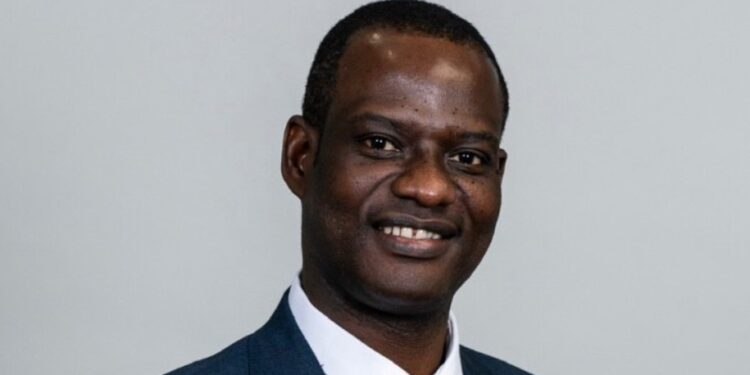
The Nigerian Senate has confirmed the appointment of Muttaqha Rabe Darma as a minister in the federal government following his screening by lawmakers.

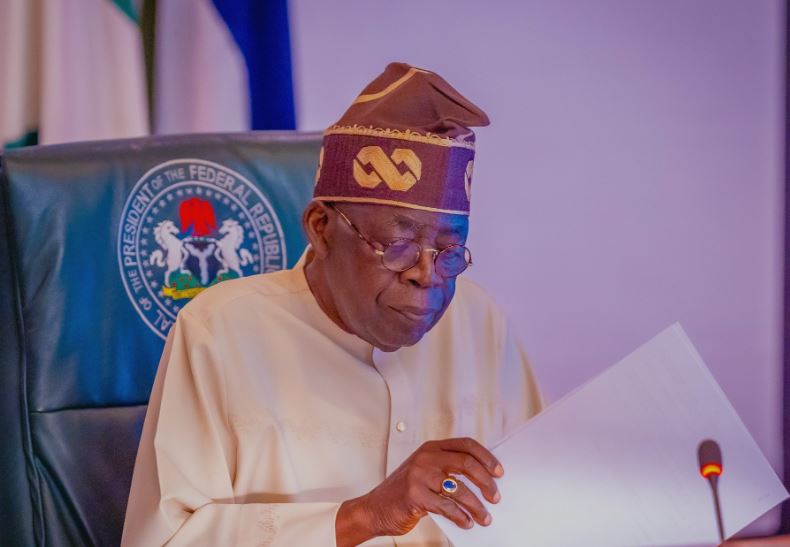
Darma was nominated earlier this week by President Bola Ahmed Tinubu to replace Ahmed Musa Dangiwa as Minister of Housing and Urban Development.

During the screening, Darma addressed questions on Nigeria’s housing deficit and urban renewal strategies, pledging to collaborate with relevant stakeholders to meet government targets in the sector.

A seasoned administrator, Darma holds two doctoral degrees and previously served as Secretary and Chief Executive Officer of the Petroleum Technology Development Fund (PTDF).

BREAKING: Tinubu Seeks Senate Approval for Fresh $516 Million Loan

By Ibrahim Yunusa 

President Bola Ahmed Tinubu has formally requested the National Assembly’s, specifically the Senate’s, approval for a new external loan of $516 million to support key government projects and address fiscal needs.

The loan request, communicated to the Senate leadership, is expected to be deliberated on in the coming days.

 According to sources within the presidency, the proposed borrowing is intended to finance critical infrastructure, boost economic growth, and stabilise public finances amid ongoing economic challenges.

If approved, the loan will form part of Nigeria’s broader borrowing plan under the current administration, which aims to balance developmental needs with fiscal responsibility. However, the request may spark debate among lawmakers, given rising concerns over Nigeria’s debt profile and repayment capacity.

The Senate is expected to review the proposal in line with constitutional provisions before granting or withholding approval. Further details on the specific projects to be funded are anticipated to emerge as deliberations progress.

In Protest of Regional Politics

By Saifullahi Attahir

The desperation to fail President Bola Ahmed Tinubu by some politicians and their consistent attempt to recruit others into believing their rhetoric will always be an anticipated issue in the realm of politics, but whenever myopic outlooks like sectarianism, blame games, and regionalism are used, that’s what irritates my conscience into responding at the expense of whatever others may label me. What I believe is to stand for what I think is right, even if I have to stand alone.

The level of those campaigns was to the extent that you can’t say anything good about the Tinubu government without being portrayed as anti-North or even a heretic. This is preposterous!

Politics should not be built on emotions, and governance should not be like inheritance, where no matter who it is, if they’re not your kinsmen, all is not well. This is not the original personality of a typical Northerner. 

I’m not a party card-carrying member but an ordinary student, so I have the liberty to express my views based on my limited understanding. I would like to address the issue of labelling every project undertaken by President Tinubu as nepotistic, especially when it is situated in the South-West. 

Let me give an example with the recent trip President Tinubu led to the United Kingdom, where he secured a deal to revamp the Tin Can and Apapa ports in Lagos. Sealing a deal to revamp Tin Can and Apapa ports should be viewed with such an open mind as a national investment. Lagos would remain the economic bloodline of this country for the time being, hence supporting its economic growth. 

Among the notable achievements of even the most pro-Arewa leaders, like the late Gen. Murtala Ramat Muhammad, during his short stint, was the decongestion of the Lagos Apapa port led by the famous brig. Benjamin Adekunle (The Scorpion).  

I’m not promoting the idea of continuing channelling of funds to develop Lagos at the expense of other regions, but it would be absurd when overnight we heard the FG seal a deal to start importing goods through Niger-Maradi or the Lake Chad basin or create artificial ports in the North linking us to the transatlantic trade (it’s possible, but not overnight like in Libya or the UAE).

The North should have focused more on ensuring that fighting illiteracy included at least a mandatory universal secondary school education with skills. The ‘right education’ would solve 60% of all this menace. 

An enlightened self would not be used as a tool to create and perpetuate insecurity in the form of banditry and suicide bombings. An ignited mind wouldn’t be fertile ground for sectarian conflicts. You can’t woo an educated person into choosing a leader whose focus is to distribute spaghetti.

We should accept the fact that the North is a landlocked region. We are surrounded by Niger, Cameroon, and Chad. We have our own priorities that, if well executed, can boost the regional economy. Comparing ourselves to Lagos wouldn’t help matters. Lagos was an island inhabited by whites centuries ago. It was the former national capital for almost thirty years and home to almost all the country’s major industries. 

As to the second part of the rhetoric, which was also the ultimate agenda, to wrest power from President Tinubu and hand it over to another ‘Arewa politician’. Governance returning to Arewa would never be our solution. This was tried in 2015 by removing Jonathan through every possible means, only to regret a similar decision less than 4 years later.

A bitter truth to swallow was that, since our return to democracy in 1999, leaders from the South-West have proved to contribute more to issues of national development. Former President Olusegun Obasanjo’s 8 years would always be remembered for bringing a near-normal political stability to the country, improved national security, an improved economy, the cancellation of national debt, improved foreign relationships, the introduction of several empowerment programmes, the introduction/subsidisation of telecommunications, and a decisive leadership unparalleled when compared to late President Buhari’s 8 years of bewilderment.

It’s not about Tinubu prioritising Lagos and intentionally killing Arewa. The seed of sustainable national development was sown long ago, when Awolowo’s Action Group was fighting for universal education and ideological politics in their region, while our NPC was busy seeking alliances to dominate the Parliament. It’s better to hold our governors more responsible instead of the federal government.

Between 2007 and 2015, the Southwest Governors (Aregbesola, Fashola, Mimiko, Adams Oshiomhole, etc.) used their opposition to create massive developmental programmes for their region, consolidate power around the leading opposition figure, Tinubu, and enhance their regional security, while we were busy trying to wrest power from Jonathan.

To the question of ‘Arewa-2027′, who should be the candidate? The inconsistent Baba Atiku, or politicians renowned for vengeance politics, or those lacking an accommodating mind for others to win national elections, or politicians without international exposure? Tinubu is not the ideal for Nigeria, but the aforementioned politicians are no match for his governance track record as governor and, 2 years into the presidency, as president.

The current insecurity menace is a testament to how one man is incapable of addressing it. Many among the top security brass are from the North: the NSA, the Federal and State Ministers of Defence. In a region with the highest illiteracy rate, things worse than this could happen. Spaghetti and religious affiliation can woo the masses to vote for a candidate.

We should focus better on finding the RIGHT MAN rather than on which part of the country he came from.

Saifullahi Attahir is the President of the National Association of Jigawa State Medical Students (NAJIMS) National Body. He wrote this piece from the Rasheed Shekoni Federal University Teaching Hospital, Dutse, via saifullahiattahir93@gmail.com.

Beyond the Grand Finale: The Chronicles of the 61st Argungu Fishing Festival

By Dahiru Kasimu Adamu

The Argungu International Fishing and Cultural Festival is renowned as one of the most colourful spectacles on the global calendar. But beyond the crowning of the champion fisherman, the 61st edition, which concluded on February 14, 2026, was a profound chronicle of peace, cultural pride, economic promise, and even human drama.

Dating back to 1934  from the historic visit of Sultan Hassan Dan Ma’azu, which marked a handshake between the Sokoto Caliphate and the Kebbi Kingdom, the festival has evolved from a symbol of peace into a globally recognised cultural phenomenon. This year, after rigorous planning, the event delivered a programme richer than ever, blending tradition with advancement and culminating in a grand finale that drew thousands of fishermen and spectators to the ancient city of Argungu.

A Festival Forged in Culture and Commerce

The 61st edition was not merely a competition; it was a multifaceted event strategically designed to showcase Kebbi State. Activities kicked off in the state capital, Birnin Kebbi, with an Investor Forum that highlighted the region’s vast economic potential. This was complemented by an intellectual youth engagement, a Quiz and Debate competition at the Presidential Banquet Hall. 

Also, a colourful motor rally, flagged off in Abuja and involving over 30 vehicles, was part of the activities heralding the globally celebrated festival.

On Wednesday, February 11, the festival burst into life with a vibrant display of traditional sports. Archery, catapulting, camel and donkey racing, local wrestling, and a polo competition drew captivated audiences from within Nigeria and beyond. Participants displayed remarkable skill, with winners earning trophies, cash prizes, and gifts, setting an energetic tone for the days ahead.

Day two shifted gears with exciting cycling and boxing competitions unfolding at the festival venue.

The cycling race from Birnin Kebbi to Argungu saw Bello Muhammad clinch victory after one hour and 30 minutes of intense effort, taking home a trophy, a motorcycle, and N300,000. The boxing ring was equally electrifying, with Sha’aban from Kano State defeating Kebbi’s Yahayan Tarasa in a fiercely contested match that kept spectators on the edge of their seats.

The Heartbeat of Tradition: Kabanci and its Human Cost

Thursday was dedicated to celebrating the region’s lifeblood agriculture. An impressive Agricultural Show in Argungu featured giant rice pyramids, a powerful visual testament to the state’s rich endowments and achievements.

But the spiritual core of the festival, the legendary Kabanci water sports, unfolded on its third day.

 The Mala  River side became a theatre of ancestral skill as thousands thronged the banks. The scene was a breathtaking display of cultural heritage: men and boys fishing with bare hands, two-man canoe races slicing through the water, and the gruelling swimming contests with clay pots.

Participants demonstrated remarkable agility, passing down techniques across myriad generations. The Water Relay Race, a true test of endurance, was among the most cheered. However, the celebration was tinged with tragedy. Despite the presence of emergency services, reports emerged of the death of two participants in the water relay competition after Red Cross officials gave emergency assistance.

As dusk fell, the majestic Kabi Durbar transformed the atmosphere. A magnificent procession of decorated horses and riders, reflecting the Emirate’s martial history and equestrian excellence, offered a spectacle of regal splendour.

The Grand Finale: A 59kg Triumph

The week-long celebration culminated in the main event on Saturday, February 14. Over 40,000 fishermen entered the Matan Fada River, a river of humanity awaiting the starter’s signal. The formal commencement was timed with the arrival of the Special Guest of Honour, President Bola Ahmed Tinubu, who was joined by a host of dignitaries from within and outside the country.

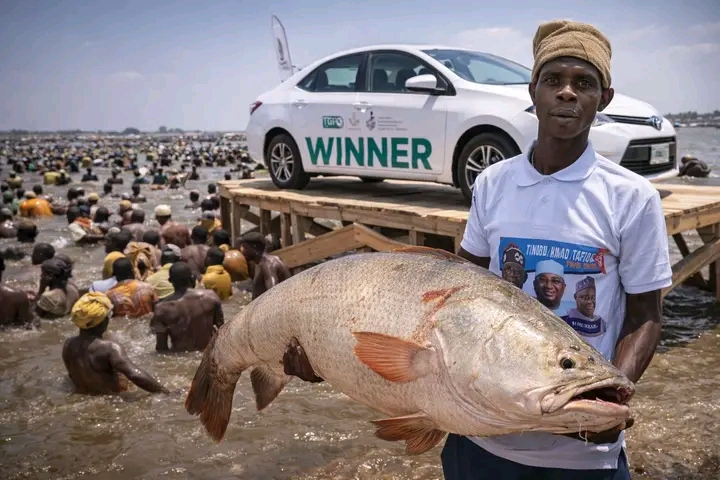
The result was historic. Abubakar Usman from Maiyama Local Government Area of Kebbi State emerged as the champion, landing the festival’s biggest fish, weighing 59 kilogrammes. His feat earned him two brand-new Toyota vehicles, generously donated by the Sokoto State Government, along with a N1 million cash prize.

Abdullahi Garba from Argungu secured second place with a 40kg fish, receiving a Toyota saloon car from WACOTT Rice Miles Limited and N1 million. The third position was jointly claimed by Danlansu Dankani from Jega and another contestant, who each caught fish weighing 34kg, going home with N1 million and a motorcycle apiece.

President Tinubu, in his address, encapsulated the festival’s essence, describing it as “a historic event and a powerful symbol of unity and resilience and peaceful coexistence amongst Nigerians. It reflects the richness of our culture, the strength of our tradition and the opportunities that lie in harnessing our natural resources for national development.”

Echoes from Argungu: A Look to the Future

The festival’s impact resonated deeply with local residents. For Shamsu Usman and Ishaka Kabir,  among others, the event is more than a cultural showcase. They believe it is a vital economic driver, with income generated poised to be channelled into other productive activities, reinforcing the festival’s role in grassroots development.

The success of the 61st edition was also significantly amplified by the vital role of legacy media, news platforms, social media influencers, and content creators, whose coverage projected the images of Argungu to a global audience.

As the festival continues to attract tourists from every corner of the world, its position as a premier cultural tourism destination in Nigeria is firmly cemented. The collective vision now is for the Argungu Emirate Council, the Kebbi State Government, and the Federal Government to work in concert. By investing in modern strategies, infrastructure, and sustainable practices, they can further enhance the festival, ensuring it remains a powerful engine for socio-economic development in Argungu, Kebbi State, and the nation at large for generations to come.

Nasir El-Rufai and the Politics of Fear in Nigeria’s Power Struggle

Nigeria’s political arena has never been short of strong personalities, but few figures have remained as consistently relevant as Nasir El-Rufai. Love him or dislike him, it is difficult to ignore the fact that he has been one of the most consequential actors in Nigeria’s political journey since the return to civil rule in 1999. His recent confrontation with security authorities and the attempt to detain him without clear evidence speak less about law enforcement and more about the anxiety within the ruling establishment.

To understand the current political tension, one must first understand El-Rufai’s place in the system. From his early role in the administration of Olusegun Obasanjo to his strategic alignment in the political transitions that produced Umaru Musa Yar’Adua, Goodluck Jonathan, and later Muhammadu Buhari, El-Rufai has repeatedly demonstrated a rare understanding of how power works in Nigeria. Few politicians can claim to have operated so close to multiple presidencies across different political eras.

His experience is not accidental. As a former Minister of the Federal Capital Territory and later governor of Kaduna State, El-Rufai built a reputation for being both strategic and outspoken. That combination has earned him loyal supporters and fierce critics. Yet even his opponents concede that he understands the inner workings of Nigerian politics better than most of his contemporaries.

What makes the present situation intriguing is the reaction of the current government under President Bola Tinubu. Political watchers note that the administration appears unusually sensitive to El-Rufai’s moves and statements. The attempted arrest at the Nnamdi Azikiwe International Airport in Abuja, which was resisted by supporters who had gathered to welcome him, has only deepened public suspicion that political motivations may be at play.

In any democratic society, the rule of law demands that allegations be backed by evidence. Detaining a prominent political figure without a clear justification risks sending the wrong message to the public. It creates the impression that state institutions are being deployed as political tools rather than impartial guardians of justice. Such actions can weaken public confidence in democracy at a time when many Nigerians are already questioning the direction of the country’s governance.

Beyond the immediate controversy, El-Rufai’s political relevance lies in his networks and influence. In Northern Nigeria, he maintains relationships with traditional leaders, religious authorities, and political elites. His connections with groups such as the Arewa Consultative Forum and his standing among many northern political actors make him a figure whose voice carries weight in national conversations.

This is also why his reported involvement in strengthening the African Democratic Congress has attracted attention. In a political environment where alliances and coalitions often determine electoral outcomes, any figure capable of mobilising political forces across regions automatically becomes a strategic concern for those in power.

El-Rufai himself has long argued that political dominance in Nigeria can be challenged through direct engagement with voters. During a public lecture in Lagos years ago, he pointed out that millions of registered voters often stay away from the polls. His argument was simple. If a politician can mobilise even a fraction of those disengaged citizens, entrenched political structures can be defeated. That message resonates strongly in today’s political climate.

The lesson from his remarks is that Nigerian democracy still holds untapped potential. Electoral participation remains one of the most powerful tools available to citizens. When politicians connect directly with voters rather than relying solely on elite political arrangements, the balance of power can shift dramatically.

The current political drama surrounding El-Rufai, therefore, reflects a deeper struggle within Nigeria’s political system. It is not merely about one individual. It is about the anxiety that emerges whenever established power structures sense the rise of alternative political forces.

Whether one agrees with his politics or not, attempting to silence a figure like El-Rufai through intimidation or questionable legal action does not strengthen democracy. If anything, it elevates his profile and reinforces the perception that he represents a genuine challenge to the status quo.

Nigeria’s democracy should be strong enough to accommodate dissent, criticism, and competition. The country has endured decades of political turbulence and should have learned by now that suppressing political voices rarely solves problems. Open contestation, debate, and accountability are the true pillars of democratic progress.

As the political landscape gradually shifts toward the next electoral cycle, figures like Nasir El-Rufai will continue to shape conversations about leadership, power, and the future of governance in Nigeria. The real question is not whether he will remain relevant. The real question is how Nigeria’s political system will respond to voices that challenge the existing order.

If democracy means anything, it must allow strong political actors to participate freely without fear of intimidation. The strength of a nation’s democracy is measured not by how it treats its friends, but by how it treats its critics.

Interesting time ahead.

Muhammad Umar Shehu wrote from Gombe and can be reached via umarmuhammadshehu2@gmail.com.

Bwala, Mehdi Hasan and the reality of global journalism

The recent exchange between Daniel Bwala and Mehdi Hasan on Al Jazeera’s Head to Head programme has sparked widespread debate across Nigeria’s political and media space. The interview, which quickly went viral on social media, has been interpreted by many observers as a revealing moment at the intersection of political communication, accountability, and international journalistic standards.

Appearances on global platforms such as Al Jazeera are rarely routine engagements. Programmes like Head to Head are built on a tradition of rigorous questioning, where political figures are expected to defend their arguments under intense scrutiny. For journalists such as Hasan, whose interviewing style is known for its directness, the objective is not merely to host a conversation but to interrogate claims with evidence, previous statements, and policy records.

It is within this context that Bwala’s performance, a media aide to Bola Ahmed Tinubu, has attracted considerable commentary. Some analysts argue that the controversy surrounding the interview reflects a broader challenge faced by many political spokespersons when transitioning from domestic media environments to global broadcast platforms. International interviews of this nature often demand a high level of preparation, particularly when the subject has an extensive public record that can be referenced during questioning.

One of the most notable aspects of the interview involved the presentation of Bwala’s earlier criticisms of Tinubu during the period leading to the 2023 Nigerian presidential election. Before aligning with the current administration, Bwala had publicly expressed views that were sharply critical of the president and his political movement. During the interview, those earlier remarks were revisited and contrasted with his present role as a defender of the government’s policies.

In professional journalism, such lines of questioning are neither unusual nor inappropriate. Public figures frequently encounter questions about their previous positions, particularly when those positions appear to contradict their current stance. The purpose is not necessarily to embarrass the interviewee, but to test the consistency and credibility of their arguments.

Following the broadcast, Bwala reportedly stated in subsequent media interviews that he felt “ambushed,” suggesting he had not anticipated extensive questioning about his past remarks on Tinubu. That explanation, however, has generated further discussion among media commentators. Critics maintain that any appearance on a programme known for its confrontational format should reasonably come with the expectation that past public statements may be scrutinised.

Beyond the immediate personalities involved, the episode highlights an important issue in Nigeria’s political communication culture. Many public officials are accustomed to interview formats within the local media environment, where questioning can sometimes be less adversarial and more conversational. While this approach may foster cordial interactions between journalists and political actors, it can also create a degree of unpreparedness when officials engage with international media institutions that operate under different professional expectations.

Global news networks often emphasise adversarial journalism as a way of ensuring accountability. Interviewers are expected to challenge power, confront inconsistencies and demand evidence for political claims. Within that framework, the intensity of the Hasan–Bwala exchange was largely consistent with established international broadcasting practices.

There is also a broader dimension to consider. When government representatives appear on international media platforms, their performance inevitably shapes perceptions of their country’s governance and political culture. Such appearances, therefore, carry implications that extend beyond individual reputations, touching on issues of national image and diplomatic communication.

Nevertheless, the controversy surrounding the interview also offers a useful moment for reflection. Nigeria’s democratic system benefits from open engagement with the media, both domestically and internationally. In an era where information circulates instantly across borders, political communicators must recognise that past statements remain accessible and can resurface at any moment.

Ultimately, the Bwala–Hasan interview serves as a reminder of an enduring reality in public life: political narratives are constantly subject to scrutiny. In the digital age, where every speech, interview or social media post becomes part of a permanent archive, consistency and preparation are essential tools for anyone representing government policy.

Whether one views the exchange as a difficult interview, a tactical misstep, or simply the normal workings of adversarial journalism, it reinforces the importance of accountability in democratic discourse. When political actors face rigorous questioning, the process may be uncomfortable, but it remains central to the role that journalism plays in holding power to account.

Abdulhamid Abdullahi Aliyu is a journalist and syndicate writer based in Abuja.

Alumni demand release of Nasir Ahmad El-Rufai over alleged unlawful detention

By Muhammad Sulaiman

The Alumni of the Kashim Ibrahim Fellowship have called for the immediate release of former Kaduna State Governor, Nasir Ahmad El-Rufai, describing his continued detention as unlawful and a violation of his fundamental human rights.

In a press statement issued on Monday, the group expressed “deep concern” over what it termed the illegal detention of El-Rufai, arguing that it contravenes constitutional guarantees of personal liberty, dignity and due process under the 1999 Constitution of the Federal Republic of Nigeria.

The alumni further criticised the Department of State Services (DSS) for failing to produce the former governor before the Federal High Court on February 25, 2026, stating that this action infringes his right to a fair hearing within a reasonable time as provided under Section 36 of the Constitution.

According to the statement, the right to be brought promptly before a court is “not discretionary but an essential safeguard of personal liberty and justice.” The group urged all relevant authorities to ensure strict adherence to constitutional provisions and uphold the rule of law.

The fellowship alumni also highlighted El-Rufai’s record in public service, particularly his tenure as governor of Kaduna State, where they said he implemented institutional reforms and socio-economic development programmes with measurable impact. They noted that the establishment of the Kashim Ibrahim Fellowship was among his initiatives to encourage youth participation in governance and leadership.

Reaffirming their solidarity, the group called on well-meaning Nigerians to support their demand for justice and due process. They insisted that every citizen is entitled to protection from unlawful detention and urged authorities to grant El-Rufai full rights to defend himself without prejudice.

The statement concluded with a renewed demand for his immediate release, emphasising that adherence to democratic principles and the rule of law is critical to strengthening public trust in national institutions.

Saving the tax reform from the ‘Fake News’ industry

By Isah Kamisu Madachi


The furore over whether the tax laws should be implemented has passed. The nationwide discussions about the discrepancy between the gazetted version and the version passed by the National Assembly have also faded. January 1 has come and gone, and many changes, especially around digital transactions, are already beginning to manifest, as provided for under the new tax law. The consolidated tax laws under the tax reform regime are now in force, and as a citizen, I hope they are backed by strong accountability mechanisms and oversight to ensure that collected taxes are used for the right purposes.

However, I observed a major policy gap in the final moments of the law’s implementation, which, if left unaddressed, could not only undermine the law’s effectiveness but also cause greater harm to its objectives. If I were to estimate, I would say that less than 5% of Nigerians understand what the new tax law contains, how it works, and what it does not do. This knowledge gap has created a fertile ground for misinformation, disinformation, and fake news. 

In the past few days, I have personally encountered many people who told me they had withdrawn all the money saved in their bank accounts and converted it to cash. They said they no longer trust cashless transactions. Some were told that every transaction, regardless of the amount, would incur a flat ₦50 fee. 

Others were also told that keeping money in their accounts would result in monthly deductions, or that 5% of their savings would be deducted each month for tax. None of these claims could be traced to any provision of the law, yet they are widely shared with absolute confidence.

Another unfortunate experience was my encounter with a young and vibrant POS agent from whom I regularly withdraw cash. He told me he had shut down his business. According to what he was told, every ₦500,000 transaction would attract ₦15,000 in tax, every ₦5 million would attract ₦250,000, and any transaction above ₦1,000 would automatically be charged ₦50. 

He was also told these deductions would be accumulated and collected at the end of the month, and that’s what frightened him most. He used to make transactions averaging ₦50 million per month. With this information, he now chose to abandon his livelihood. Whether these claims are true or false is not the most important when one considers the damage such misinformation is already causing.

There is also a growing narrative, particularly on social media, that every transaction must now be clearly explained in the narration section. People are being told they must specify whether the money is for savings, shopping, gifts, rewards, profit, or salary. A counter-narrative exists saying this is false. Sadly, the average Nigerian does not know which version to believe. In an environment where official clarity is weak, rumours travel faster than facts.

If I were to document all the misinformation circulating about the new tax law, it would take more than a newspaper opinion. New versions emerge almost every hour. The most alarming outcome of this misinformation is how people are altering their economic behaviour. Businesses are being abandoned. Trust in digital finance is being eroded. People are deserting the cashless system out of fear, believing their money is no longer safe in the banking system.

The only effort I am aware of to address this information gap is the reported engagement of social media influencers to enlighten the public. If this effort has begun, it is not enough. If it has not, then it is urgently needed. But beyond influencers, one must ask: what happened to local radio stations? Radio remains the primary source of information for millions of Nigerians, especially in rural areas. The law should be broken down and discussed in local languages on local radio. 

There are also a proliferation of online television platforms operating across social media spaces. The tax reform committee should collaborate strategically with them to explain the law in simple, creative ways. Influencers alone cannot carry this burden. Public communication must be broader, more structured, and more deliberate.

The Federal Ministry of Information also plays a central role here. There is an urgent need for a simplified version of the tax law, as well as translations into local languages, and for their dissemination in collaboration with state ministries of information. Students, heads of households, community leaders, traders, and small business owners must all be deliberately engaged. Town hall meetings, especially in peri-urban communities, should be organised. They are necessary to counter the scale of misinformation already circulating.

When people are largely unaware of what a law entails, dysfunction is inevitable. The law may exist, but its implementation will be undermined by fear, resistance, and unintended consequences. By the look of things, those who understand the new tax law are currently the fewest in Nigeria, even among the highly educated. If this gap remains wide open, the law may struggle to achieve its intended outcomes.

Now that it’s here, I hope, and I genuinely pray, that if effectively implemented and properly communicated, the new tax laws will become one of the long-awaited channels for fixing many of Nigeria’s challenges. But without deliberate public education, I doubt if the policy can yield the desired result.

Isah Kamisu Madachi is a public policy enthusiast and development practitioner. He writes from Abuja and can be reached via: isahkamisumadachi@gmail.com.

Is APC now a Christian party?

By Professor Abdussamad Umar Jibia

The year 2023 was a remarkable year in Nigeria’s history. Just like the year 1993, an election was held that generated a win for a Muslim candidate with another Muslim as his running mate.

In both 1993 and 2023, the presidential candidates were warned against choosing a Northern Christian as a running mate. Christians constitute not just a tiny minority in the North, but many of them have also proven to be very bad neighbours in their relations with their Muslim compatriots.

Wherever Christians constitute the majority, they display an unforgivable hate and marginalisation against their Muslim neighbours. A handy example is Plateau state, the home state of the current APC Chairman. The way Muslims are sidelined in Plateau state is enough to show what we should expect if Christians were the majority in Nigeria.

His Excellency Peter Obi was misled into believing that a combination of Igbo and Northern Christians could make him the President, and he moved from one church to another to campaign, only to end up in third place. 

The 2023 election was thus a religious census in disguise that showed the numerical superiority of Muslims over Christians in Nigeria. 

But no sooner had Bola Ahmed Tinubu won the 2023 presidential election than he began to sideline Muslims, the very group that brought him to power, in his appointments. Last year, we saw him personally going to the Vatican with what the state house described as a “bragging right of 62% Christian appointees”. 

We watched as he appointed a Northern Christian as the SGF. Of course, President Muhammadu Buhari did the same. President Umaru Musa Yar’Adua appointed a Northern Christian to lead the National Assembly. They did not deserve any of these, given their small number. However, Muslims gave them out of magnanimity. Or is it foolishness? They would never do the same if they were in our position. 

Many of us became disappointed when we saw a Northern Christian being chosen to lead the ruling party. This means two of the most important positions at the federal level have been given to Christians from the North Central, a geopolitical zone that is overwhelmingly Muslim. Worse still, our politicians in and outside the ruling party, our emirs and Islamic scholars are silent. When have we become animals who only care about eating food and sleeping with women?

As if that is not enough, speculation is that the President wants to drop his VP and choose a Northern Christian as his running mate in next year’s election. I commend the Honourable Minister of Culture, Hajiya Hannatu Musawa, for publicly telling the truth to Mr President. But it shouldn’t have reached this level. The decision of the President to appoint Northern Christians as SGF, Party Chairman and INEC Chair should have been opposed in the first place.

We are still expecting Mr President to correct the imbalance that favours the very tiny Northern Christians. North Central is predominantly Muslim. The only Christian majority states, where, of course, Muslims have been marginalised, are Plateau and Benue. Niger, Nasarawa, Kogi and Kwara are Muslim states. That Muslims in those states have been left out by Mr President in the above-mentioned strategic appointments is unfortunate.

Professor Abdussamad Umar Jibia wrote from the Department of Mechatronics EngineeringBayero University Kano, via aujibia@gmail.com.