


Tinubu’s ministers and APC’s new faces
By Zayyad I. Muhammad
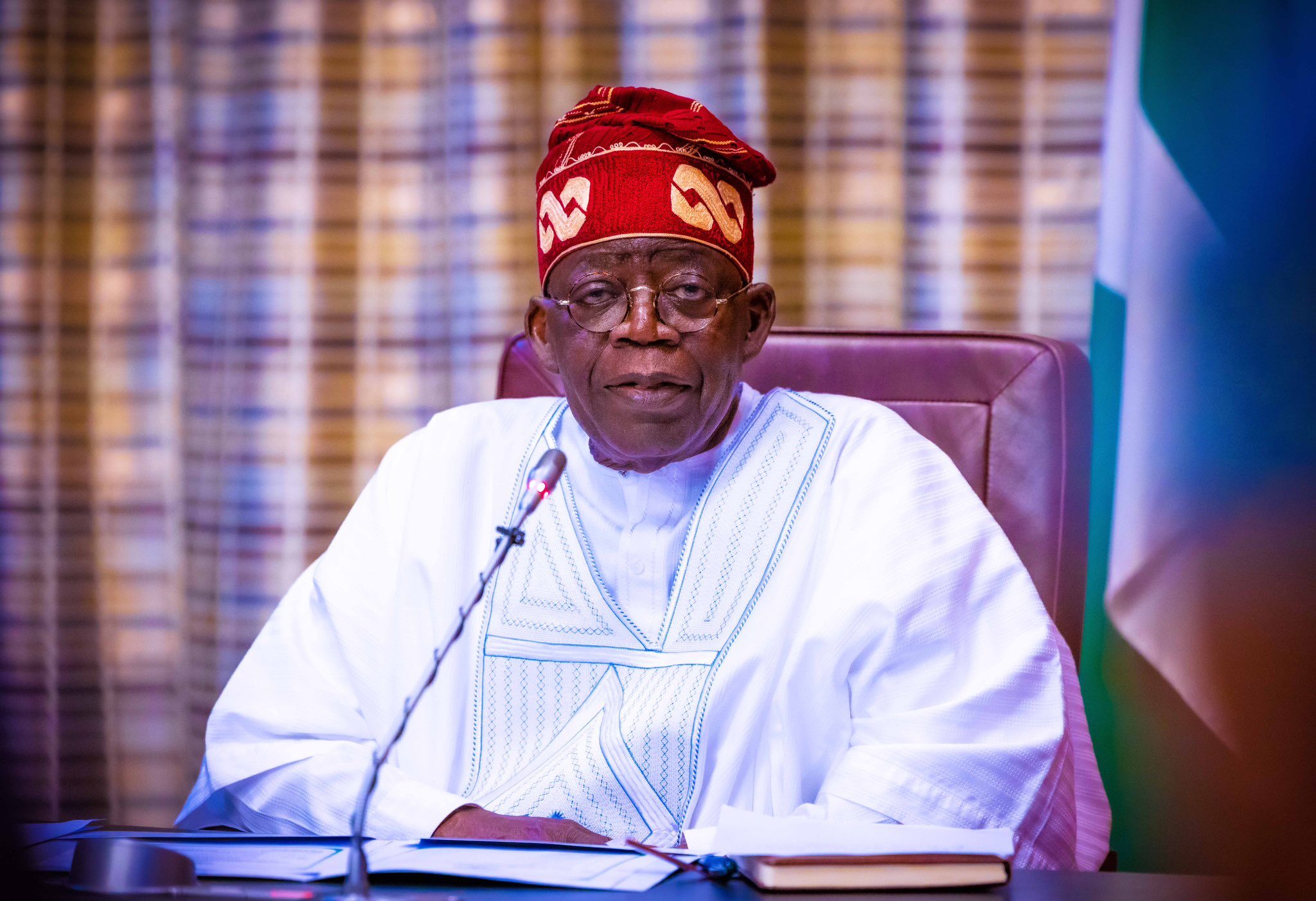
President Bola Ahmed Tinubu has assigned portfolios to his Ministers-designate, bringing an end to weeks-long speculation but also bringing to the fore new discussions and analyses on the ministers’ portfolios and the new ministries created. A journalist and an editor, Jaafar Jaafar, said, ‘The Northwest has many ministers but no weight’.
While a chieftain of the All Progressive Congress (APC), Adamu Garba, said, “It is one of the most balanced ministerial portfolio allocations of recent history. Adamu also pointed out that “President Tinubu – dedicated Infrastructure and Finance to the South. While Agriculture and security are to the North. Soft infrastructure like health and education to the North, and Humanitarian and Innovation to the South. Productivity and Job creation in the North- The North needs more security and agricultural productivity to grow and industrialise, while the South is good with services and infrastructure.”
In Tinubu’s ministerial portfolios, there were surprises, and there were no surprises, so to speak.
In most democracies, ministers are selected from politicians who contributed to victory at the polls and from technocrats with strong professional track records. Cabinet ministers are not just a team but a collection of great thinkers—silicon valley-thinkers—men and women who can move the government with the speed of the imagination of most Nigerians, and their sense of judgment must be centred on the challenges of unlocking the future for ordinary Nigerians. and also bring new thinking and synergy to the public sector’s role in providing for the needs of all Nigerians.
Most Nigerians expect Tinubu’s ministers to be not just members of the cabinet but to add value to governance; they must be propellers for greater equality of opportunity for all Nigerians. They must be able to build a system that will swing the government away from the traditional methodology of concentrating on only the ‘off-the-shelf way of improving society.
Some Nigerians are complaining that Tinubu’s cabinet has too many politicians. However, the truth is a right-thinking President brings on board top-notch grassroots politicians to hold the political front for him when the need arises. President Tinubu and the Dr Abdullahi Ganduje-led APC should, as a matter of ‘need’ maintain and ‘oil’ that area. This is where the synergy between the Executive and party supremacy comes into play.
President Tinubu and the APC, as a matter of policy and politics, should make sure that those appointed as ministers know what is expected of them. A ministerial appointment is a call for a national assignment. Nigerians expect ministers not only to saddle themselves with the responsibilities within their respective portfolios but also to be team players that will bring feasible ideas and be at par with local and global realities. Nigeria will be keen to see new ideas for fighting poverty, tackling the skyrocketing prices of food commodities, improving electricity supply, and finding new ways to fight insecurity in the north and southeast, etc.
On the political side, apart from supporting the president, ministers should see themselves as the ‘faces’ of the APC in their respective communities; their political presence and contact with locals are very important. For example, during the 2019 presidential elections, most of Buhari’s first-term appointees, especially from the north, became mere spectators in their states due to their weak link with the grassroots. Tinubu’s ministers may find themselves in such situations if they operate with weak links with the grassroots and poor rapport with the public. In this regard, in the weeks to come, many eyes will be on Nyesom Wike, FCT, and Ministers, whether he will remain ‘a PDP’ or crossover to the APC.
On the other hand, there are some young people in Tinubu’s cabinet, so many eyes will be on them. Their performance or underperformance will greatly impact youths’ participation in governance and politics, as well as give the Tinubu government the ‘strength’ to boast that youths are adequately represented in the government. This will also create a strong link between the government and the youth, who form more than half of Nigerian voters. This would also serve as an impetus for a good image and a sound political strategy for the All Progressive Congress (APC) because young people’s political participation and engagement in governance are essential at this moment.
Lastly, President Tinubu should, as a matter of importance, be firm in assessing every member of his cabinet. Non-performing ministers should be replaced quickly so as not to lose time and also keep others on their toes.
Zayyad I. Muhammad writes from Abuja via zaymohd@yahoo.com.

COVID-19 variant surfaces in UK
By Muhammadu Sabiu
The first COVID-19 variant BA.2.86 case was found in the UK on Friday, according to the United Kingdom Health Security Agency (UKHSA).
UKHSA said in a statement on its website that the new COVID-19 strain was found in a person who had no recent travel history.
“We are aware of a confirmed case in the UK. We will provide further information in due course after undertaking detailed assessment,” Dr. Meera Chand, Deputy Director of UKHSA, stated.
US health authorities and the World Health Organisation (WHO) reported that they were closely observing a new COVID-19 variant.
Despite the fact that WHO classified the virus as a “variant under monitoring,” its potential impact is presently unknown.

Bauchi: Government renovates parts of specialist hospital gutted by fire
By Ukasha Rabiu Magama
The Bauchi state government has assured a speedy renovation of some parts of the specialist hospital gutted recently by fire.
The development came when the state’s Commissioner of Health, Dr Adamu Umar Sambo, visited the hospital on Saturday.
The commissioner, who went there to see the nature of the work in the hospital, encouraged the workers to continue saving the lives of the people of Bauchi state with no hesitation.
Promising the work, the commissioner also assures the replacement of all burnt equipment in the hospital and does the needful to adjust the hospital bill and make it affordable to Bauchi citizens.
He further commended the effort of the workers for their contribution to improving the lives of Bauchi citizens. He pledged to continue supporting the workers best of his ability to bring the desired output to the state.
NEMA targets 23,000 for relief materials in Niger
By Muhammadu Sabiu
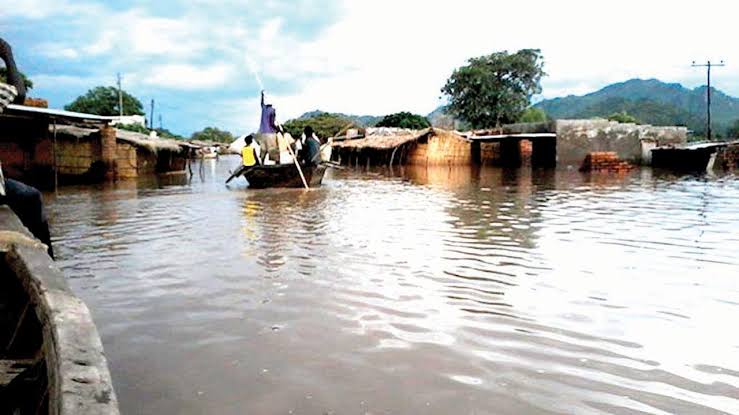
The National Emergency Management Agency (NEMA) has orchestrated a remarkable act of support, gifting essential relief materials to 23,000 individuals deeply impacted by the 2022 flood that swept through Niger.
Stepping onto the stage of kindness, Mustapha Ahmed, the director general of NEMA, emphasised this noble initiative during the launch of the distribution event in Minna, Niger State’s capital, on Saturday.
Abubakar Yusuf, Distribution Supervisor, stood in the stead of Mr. Ahmed, underscoring the heart behind this endeavour.
This intervention emerges as a haven for not just farmers who bore the brunt of the 2022 flood but also for the most vulnerable among the victims, extending a compassionate touch to alleviate the pangs of the disaster’s aftermath.
Ahmed, with a spirit of unity, recalled the poignant chapters of the 2022 flood that swept across the nation, leaving no corner unshaken and no heart untouched.
In response, a symphony of care has been orchestrated, composed of sewing and grinding machines, bags brimming with rice, beans, and sorghum, as well as life’s essential companions: vegetable oil, salt, tomato paste sachets, and seasoning.
The items also include mosquito nets to guard against sleepless nights, rubber mats to create a barrier against discomfort, and blankets to wrap hope in warmth.

Open letter to the new minister of housing
By Mukhtar Jarmajo
As you settle into your new role, it is important to shed light on an issue of paramount importance – the urgent need for Nigeria to prioritise affordable housing. With a staggering housing deficit of 28 million homes, requiring a colossal 21 trillion Naira in financing, it is crucial that our nation focuses its efforts on closing this gap to unlock the potential of our people and propel Nigeria towards prosperity.
Affordable housing stands as a critical linchpin in our ambitious plans for national development. It serves as a foundation upon which countless other facets of progress are built – from socioeconomic stability to individual well-being and sustainable growth. By addressing the housing deficit head-on, we simultaneously embark on a journey towards alleviating poverty, creating jobs, and sparking economic growth in our dear nation.
The current deficit poses daunting challenges that cannot be ignored. Millions of our fellow Nigerians find themselves without decent shelter, perpetuating a grave cycle of despair and limited opportunity. High rental costs and inadequate housing options place an unnecessary burden on citizens’ shoulders, hindering their potential and choking the nation from realising its full potential.
To address these pressing realities, it is paramount that we employ a multi-faceted approach. Our strategies must involve collaboration with key stakeholders, including the public and private sectors, cooperatives, and international organisations experienced in addressing housing deficits. Together, we can forge a path forward that paves the way for the creation of safe, affordable, and sustainable communities throughout Nigeria.
As the new Minister of Housing, your visionary leadership shall play an instrumental role in translating our collective aspirations into concrete action plans. By working closely with your colleagues in government, you have the power to mobilise resources, devise innovative financing models, and develop policies that holistically address the housing crisis. Embracing public-private partnerships, streamlining regulations, and implementing tax incentives for affordable housing developers are just a few promising avenues we must explore.
Furthermore, we must foster an environment that encourages research and development in housing construction methods, materials, and technologies. Technology-driven solutions can not only enhance the speed and efficiency of housing construction but also reduce costs, making affordable housing a more attainable reality for millions of Nigerians. Embracing sustainability and environmentally friendly practices must be at the forefront of our efforts, ensuring that future generations can thrive in a clean and robust nation.
By diligently championing these efforts, we can envision a Nigeria where every citizen has access to a safe and secure home. This, in turn, will drastically improve health outcomes, enhance educational opportunities, and empower our people to participate in the nation’s growth and development actively. From the densely populated urban centres to the farthest reaches of our rural landscapes, affordable housing shall serve as the catalyst for levelling the playing field and driving collective progress.
Honourable Minister, this is your moment to leave an indelible mark on Nigeria’s history. With your unwavering commitment to the urgent cause of affordable housing, we can bridge the 28 million housing deficit and nurture a thriving society. Seize this opportunity, rally the nation’s resources, and build a brighter future where affordable housing is no longer a dream but a tangible reality for all Nigerians.
Jarmajo is the CEO of Greenturf Architects.

Jigawa task force on petroleum products to sanction filling stations tempering litres
By Muhamamad Suleiman Yobe
Jigawa state task force on petroleum products says it will reveal the identity of filling stations found tempering with their litres to short-charge consumers.
The chairman of the task force, Alhaji Alhassan Muhammad, gave the warning when members of the committee visited some filling stations in Gumel, Jahun and Kiyawa local government areas.
He also warned that any filling station that does not possess Sarafin Gauge would be sanctioned.
He said a number of filling stations visited by the committee have no standard measuring gauge.
Alhaji Alhassan Muhammad advised marketers to always check their litres before dispensing fuel to consumers.
The chairmen said that from the inception of the task force to date, more than 30 filling stations have been warned for engaging in various unwholesome activities.
He commended some marketers in Hadejia and Gumel for possessing Sarafin gauge and maintaining proper litres in their filling stations.

Humanitarian crisis grips Nigeria as UNHCR data reveals over 3.5 million internally displaced
By Muhammadu Sabiu
The United Nations High Commissioner for Refugees (UNHCR) has disclosed that Nigeria is grappling with an escalating humanitarian crisis, with over 3.5 million individuals internally displaced due to ongoing crises.
The data sheds light on the dire situation faced by countless Nigerians who have been uprooted from their homes and communities.
The heart-wrenching effects of the insurgency in the northeast have been acutely felt in Borno, Adamawa, and Yobe (BAY) states.
According to the Aid Worker Security Database, the insurgency has exacted a heavy toll, resulting in the tragic deaths of 37 aid workers since 2016.
Additionally, 24 aid workers have been wounded, and 34 others have been kidnapped.
This sobering statistic serves as a sombre reminder of the challenges faced by those working tirelessly to provide assistance to those in need.
The World Humanitarian Day commemoration in Abuja took on a poignant tone this year as stakeholders from the humanitarian sector joined forces for a road walk.
At the event, the Permanent Secretary of the Ministry of Humanitarian Affairs, Nasir Sani Gwarzo, addressed the gathering.
He emphasised the significance of this year’s theme, #NoMatterWhat, which encapsulates the unwavering dedication of humanitarians to extend life-saving aid to individuals, regardless of their identity or geographical location.
The event not only brought attention to the pressing issues at hand but also highlighted the collective commitment of those in the humanitarian sector to alleviate the suffering of affected communities.
As Nigeria navigates these turbulent times, the rallying cry of #NoMatterWhat serves as a reminder that compassion and assistance remain steadfast even in the face of adversity.
Gov. Buni approves N667 for payment of 475 retirees
By Muhammad Suleiman Yobe.
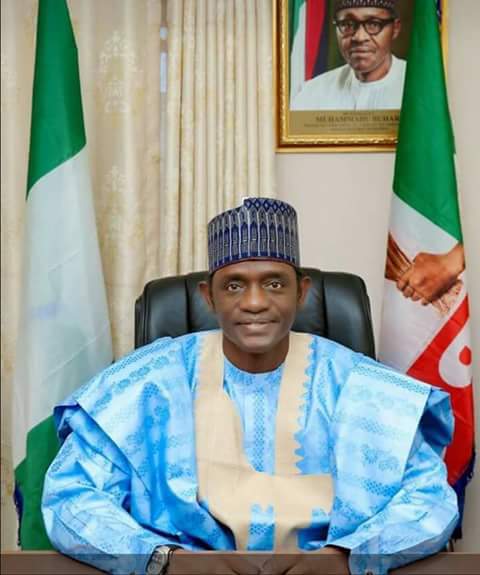
Governor Mai Mala Buni of Yobe State has approved the payment of local government pensioners across the 17 local government councils of the state.
This is contained in a state-issued to The Daily Reality by the Governor’s Director General Press and Media Affairs Mamman
Mohammed.
The governor approved the sum of Six Hundred and sixty-seven Million, forty-five thousand, four hundred and forty-one Naira, twenty-two kobo (N667,045,441.22) for payment of the 475 local government pensioners.
Governor Buni gave the approval after the screening and verification of the Pensioners in the local government councils.
“The Committee has verified a total of 475 beneficiaries and hereby attach lists of beneficiaries and summary according to local government areas for both living and deceased Pensioners”, the approval reads.
This is in continuation of Governor Buni’s efforts to settle outstanding pensions owed to retired local government employees.
Governor Radda appoints 32-year-old Naufal Ahmed as DG ICT Directorate
By Isah Miqdad
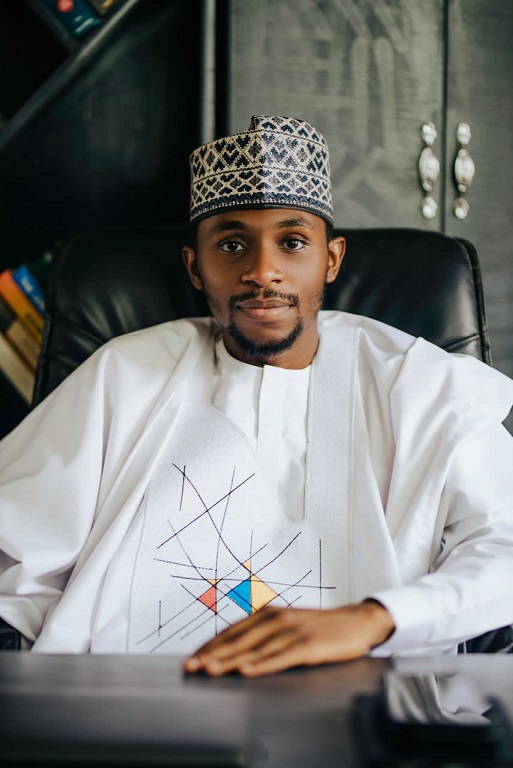
The Executive Governor of Katsina State, Malam Dikko Umaru Radda, PhD, has approved the appointment of Naufal Ahmed as Director General (ICT Directorate).
The appointment, which is with effect from 14th August 2023, is based on the conviction that Mr Naufal will serve faithfully, diligently, and in the best interest of the service.
As the visionary founder of the esteemed Kirkira Innovation Hub, Naufal has pioneered the establishment of the first-ever technology hub in the region. This groundbreaking initiative has served as a transformative force, equipping countless young individuals with vital technological skills and providing them with a platform to thrive.
Naufal’s remarkable career as a tech ecosystem builder has been nothing short of extraordinary. With an unwavering passion for innovation and youth empowerment, his impact on the tech landscape of Katsina and Nigeria at large is undeniable.
He has been a sought-after speaker and organiser at numerous conferences across Katsina and the country, sharing his insights and inspiring others to embrace innovation.
In recognition of his outstanding achievements, Naufal has received numerous accolades, including being named among the Opportunities Hub’s 100 Most Influential Youths for his significant contributions to youth development and entrepreneurship.
How third-class degree denied PhD holder opportunities
By Ishaka Mohammed
In 2019, the University of Lagos (UNILAG) honoured Oluwaseyi Ajibade as the best PhD graduate of the year. Interestingly, 13 years earlier, he had graduated with a third-class bachelor’s degree in mechanical engineering from Lagos State University (LASU). His story exemplifies persistence.
Although Dr Oluwaseyi Ajibade’s story became news due to his exceptional performance at the PhD level, there are other third-class graduates around who proceed to obtain higher academic degrees. I recently met one, and he discussed his academic journey and an unfortunate situation with me.
His third-class bachelor’s degree necessitated his acquisition of a postgraduate diploma (PGD) before he enrolled in a Master’s programme. He received his PhD in 2020.
In addition to his academic qualifications and publications in reputable journals, he is an experienced teacher who once became vice-principal in a public school.
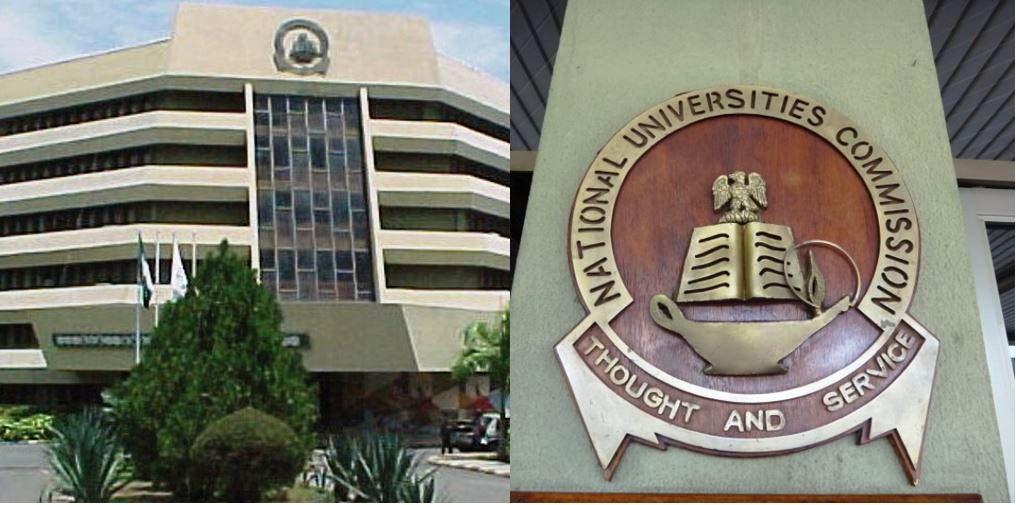
However, his weak first degree has so far blocked his aspiration to lecture at university. Two Nigerian universities have pointed this out to him, making reference to the minimum requirements set by the National Universities Commission (NUC).
The above revelation is akin to being denied admission to higher institutions because of one’s poor grades in primary school. I understand that a first-class or an upper second-class bachelor’s degree is a requirement for the position of graduate assistant in Nigerian universities, but the man’s case is different. Apart from his PGD and master’s degree, he also holds a PhD, the highest academic degree in Nigeria.
If his rejection is genuinely based on the NUC’s standards, the commission must review its standards. Aspiring lecturers’ previous qualifications should be checked only to ascertain a connection to the latest ones. Nonetheless, the grades in the latest qualifications may be considered a testament to the holders’ intellectual capacity.