

Re: Sen. Bomai’s N20,000 empowerment
While scrolling through social media, I stumbled upon a rejoinder to my article published in Daily Trust on January 2, 2025, titled “N20,000 Empowerment: Senator Bomai, You Can Do Better.” The rejoinder, written by Abubakar MB Tamana from Potiskum, appeared on January 3, 2025, and sought to counter my assertions. Tamana argued, rather boldly and shamelessly, that the N20,000 distributed to constituents was not part of Senator Bomai’s empowerment program. Such a claim is misleading and lacks credibility, especially when viewed in light of Senator Bomai’s media team’s own statements. The team explicitly described the distribution as part of the senator’s efforts to empower 1,800 youths across APC branches in Yobe South, labeling it a commendable initiative aimed at addressing youth unemployment and supporting economic growth.
This statement from Senator Bomai’s media team is unequivocal, leaving no doubt that the N20,000 was indeed presented as part of his empowerment scheme. Yet, one cannot help but question the sincerity and effectiveness of such a gesture. Is a one-time distribution of N20,000 to jobless youths, most of whom are educated and have graduated from higher institutions, a genuine attempt at empowerment? This paltry sum barely scratches the surface of the socioeconomic challenges faced by the people of Yobe South. It is not enough to claim to be empowering the youth; the efforts must be meaningful and impactful enough to make a tangible impact on their lives. Unfortunately, Senator Bomai’s tokenistic approach falls woefully short of the mark.
The people of Yobe South are not ignorant of the opportunities available to their representatives through the Zonal Intervention Projects (ZIPs). These projects allow senators to allocate significant funds—often exceeding N600 million annually—for impactful programs such as skill acquisition training, provision of motorcycles, or other community-focused initiatives. Under President Tinubu’s administration, these allocations were even increased by 50%, further expanding the scope for developmental interventions. The glaring issue here is whether Senator Bomai has chosen to ignore these opportunities or simply lacks the vision and commitment to execute programs that would genuinely uplift his constituents. Since assuming office in 2019, Senator Bomai has yet to introduce a single substantial initiative that addresses the pressing needs of the people of Yobe South.
To put it bluntly, other senators have demonstrated what meaningful empowerment looks like. For instance, on January 3, Daily Trust reported that Senator Ahmed Ibrahim Lawan, the 9th President of the Senate, distributed N250,000 each to 400 small-scale business owners in Yobe North, totaling N100 million. This initiative was designed to revitalize the local economy and provide a sustainable foundation for small businesses to thrive. Similarly, just last week, Deputy Senate President Senator Barau Jibrin sponsored 70 students from Kano for postgraduate studies in India. This program not only supports education but also ensures that the beneficiaries acquire advanced skills that can contribute to national development. These are examples of impactful and far-reaching empowerment programs that go beyond mere handouts and focus on building capacity, creating opportunities, and fostering long-term growth.
Senator Bomai’s approach, on the other hand, leaves much to be desired. The distribution of N20,000 to jobless graduates and other struggling individuals is not empowerment; it is, at best, a temporary relief and, at worst, an insult to their intelligence and dignity. The youth of Yobe South deserve better than this tokenism. They need programs that address their specific challenges—be it through skill acquisition, job creation, entrepreneurship support, or educational sponsorships. There is an urgent need for the senator to prioritize the welfare of his constituents and leverage the resources at his disposal to implement impactful initiatives.
It is high time Senator Bomai opened his ears to the cries of his people and took decisive action to address their needs. The unemployment crisis among graduates, the lack of support for small-scale businesses, and the absence of sustainable economic opportunities in Yobe South demand immediate and meaningful intervention. The era of token gestures and empty rhetoric must come to an end. If Senator Bomai truly wishes to be remembered as a leader who cared for his people, he must rise to the occasion and deliver the kind of empowerment that makes a lasting difference in the lives of his constituents. Anything less would be a disservice to the people he claims to represent.
Kasim Isa Muhammad, an investigative journalist, wrote from Potiskum, Yobe State.

Police refute lecturer’s allegations of officer’s criminal involvement
By Uzair Adam
The Nigeria Police Force (NPF) has debunked allegations circulating on social media, claiming a senior officer was arrested for supplying firearms to criminals in Kaduna State.
The claim, attributed to Adamu Garba Zango, a lecturer at Baze University, accused a Deputy Commissioner of Police in Kaduna of involvement in criminal activities.
However, in a statement issued by the Force Public Relations Officer, Olumuyiwa Adejobi, and shared on X (formerly Twitter) on Friday, the NPF dismissed the allegations as baseless and misleading.
The statement clarified that the individual mentioned in the allegation is not a police officer but Kingsley Udoyen, a civilian arrested in Akwa Ibom State in January 2019 for impersonating an Assistant Commissioner of Police.
Udoyen reportedly used fake police insignia and an unlicensed pistol to intimidate and defraud victims.
“The photograph shared by Mr. Zango dates back to 2019 and depicts Udoyen, not a Deputy Commissioner of Police in Kaduna,” the statement read.
“Investigations reveal no connection between the Kaduna State Command and the claims made by the lecturer. This deliberate misinformation seeks to tarnish the Force’s reputation and mislead the public.”
The NPF strongly condemned the dissemination of false information, highlighting that such acts violate defamation and cybercrime laws. The Force warned that legal actions could be pursued against those spreading unverified claims.
“We urge Nigerians to rely on official communication channels for accurate updates and to avoid actions that undermine public trust and safety,” Adejobi stated.
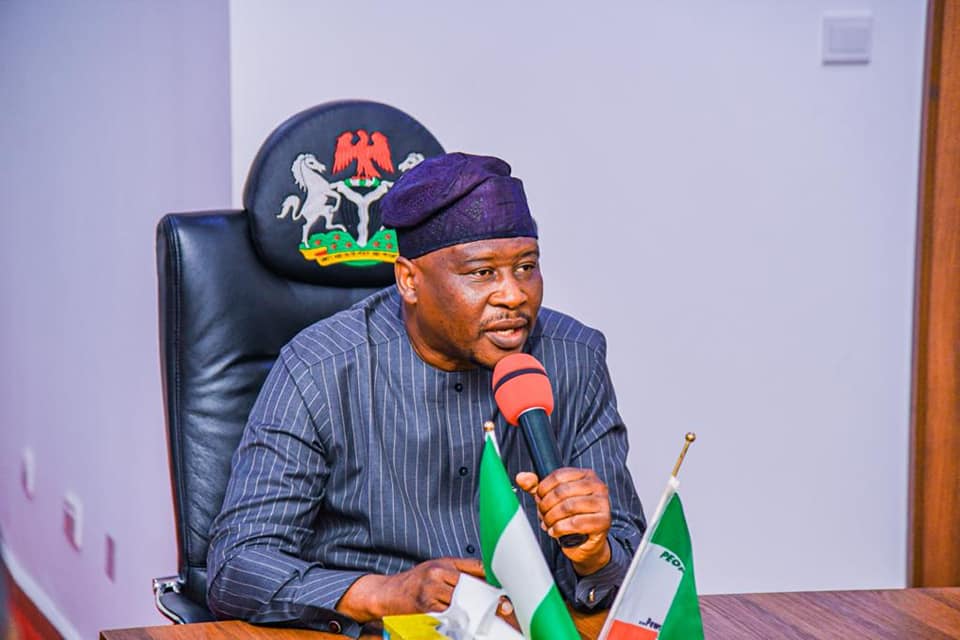
Governor Fintiri creates new chiefdoms and emirates in Adamawa
By Zayyad I Muhammad
On December 24, 2024, Adamawa State witnessed a transformative moment in its history. In accordance with Section 5 of the Adamawa Chiefs (Appointment and Deposition Law, 2024), Governor Ahmadu Umaru Fintiri announced the creation of new chiefdoms and emirates, marking a significant step in reshaping traditional governance and strengthening social cohesion in the state.
The newly created chiefdoms and emirates are:
Hoba Chiefdom with headquarters in Hong (2nd-Class Status)
Madagali Chiefdom with headquarters in Gulak (2nd-Class Status)
Michika Chiefdom with headquarters in Michika (2nd-Class Status)
Fufore Emirate with headquarters in Fufore (2nd-Class Status)
Gombi Chiefdom with headquarters in Gombi (3rd-Class Status)
Maiha Emirate with headquarters in Maiha (3rd-Class Status)
Yungur Chiefdom with headquarters in Dumne (3rd-Class Status)
These creations now gazetted and part of Adamawa State’s statutory repository, represents a bold move to modernise traditional institutions while preserving their cultural significance.
A Vision for Unity and Progress:
Governor Fintiri emphasised the profound objectives behind this development, stating:
“This piece of legislation is expected to reposition the traditional institution and embolden it to smartly play better roles in our affairs; create more centres of dispute arbitration and resolution at the communal level; provide the right governance in all ungoverned spaces within our polity; form more hubs for local intelligence gathering to aid our security system and above all strengthen social cohesion and confer on our people more dignity and pride as citizens.”
By creating these new chiefdoms and emirates, the state government aims to deepen communal harmony, address local governance gaps, and strengthen grassroots security and development mechanisms.
The Inevitability of Change:
Historians and observers have hailed the move as historic and necessary. They argue that societies must embrace the future by adapting to changing realities. Stagnation is not an option in a world that evolves daily. Adamawa State’s willingness to embrace these changes reflects the dynamism of its leadership and the resilience of its people.
As the saying goes, change is the only constant. By recognising the need for adjustments in governance structures, the state has positioned itself as a model for innovation and inclusivity in a pluralistic and multicultural society.
Opportunities for the Future:
The creation of these new chiefdoms and emirates offers greater opportunities. It enables communities to take pride in their identities while fostering unity and collaboration. As centres for arbitration, local governance, and intelligence gathering, the new structures will enhance peace, security, and development across the state.
Governor Fintiri reassured citizens that this process is ongoing and inclusive. “While we congratulate the new Emirates and Chiefdoms, we remain appreciative of other demands and agitations from other nationalities. I can assure you that this is a continuous process. With the right justification for more demands, we shall positively respond to genuine agitations.”
A Call for Collective Acceptance:
Creating these new entities is not just a political or administrative decision but a call for societal progress. It invites every community to rise above divisions, embrace shared aspirations, and move forward as one united state.
As Adamawa State charts this new course, it sends a message to the world: change, when embraced thoughtfully and purposefully, is a force for good. For societies that understand this, the future holds boundless possibilities.
Zayyad I Muhammad writes from Abuja via zaymohd@yahoo.com.
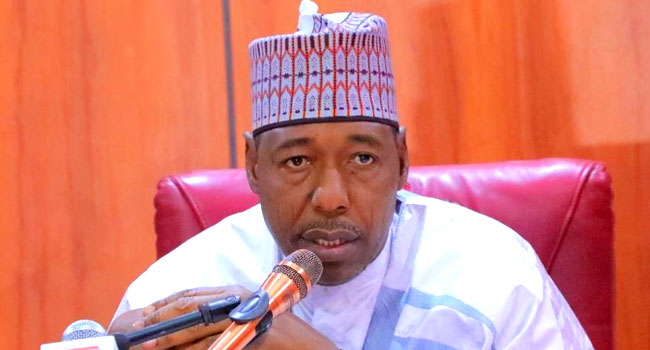
Gov Zulum subsidises petrol to N600 per litre for farmers
By Anwar Usman
Borno State Governor, Babagana Zulum, has announced that the state government will subsidise the cost of premium motor spirit otherwise known as petrol to N600 per litre for farmers in communities affected by Boko Haram insurgency.
This was made known in a statement on Saturday by the governor’s Senior Special Assistant on New media, Abdulrahman Bundi, said Zulum announced the subsidy on Friday evening during the flagged-off distribution of farm inputs to over 5,000 farmers displaced by Boko Haram insurgents in Bama town.
He said a litre of petrol sold between N1,000 and N1,200 in Maiduguri will be subsidised to the farmers for N600.
“This is aimed at eradicating the financial burdens faced by farmers in communities that have suffered economic and infrastructural destruction due to years of conflict.
“One of the major challenges that are facing the farming communities here as regards irrigation farming is the increasing cost of fuel. As a result, I want to announce to the general public that the government will procure petroleum products and sell them to the farmers at a subsidised rate. A litre of petrol is being sold in Maiduguri at the cost of about N1,200, but inshallah, henceforth, for irrigation farmers this season, a litre of petrol will be sold at the rate of N600.
“The Commissioner for Agriculture will coalesce with the Brigade Commander to ensure the delivery of the petroleum products to farmers in Bama town as soon as possible,” he quoted the governor.
He said Zulum distributed farm inputs, including 2000 bags of blended NPK fertiliser, 1000 units of water pumps, and 620 units of gasoline pumps.
According to him, other materials include 380 units of solar water pumps, 1000 units of sprayers, 800 rolls of 2-inch flexible hoses, and 1000 litres of pesticides and seeds, among other items.
“Zulum expressed gratitude to the federal government for the tremendous support of his administration’s effort in reconstructing and resettling communities affected by insurgency”. He stated.

Celebrating Excellence: Prof. Muhammad Sani Umar Rijiyar Lemo’s well-deserved promotion
By Muhammad Ibrahim
Muhammad Sani Umar Rijiyar Lemo’s recent promotion to professor at Bayero University, Kano (BUK), is a moment of pride not only for the institution but also for the broader academic and Islamic scholarly communities in Nigeria. This achievement is a testament to his unwavering dedication, intellectual rigour, and remarkable contributions to education, scholarship, and the Muslim community.
Prof. Rijiyar Lemo is a scholar of exceptional depth and influence, particularly in the fields of Islamic studies, particularly Hadith and the Qur’an. Over the years, he has distinguished himself through insightful research and community engagement. His ability to bridge the gap between traditional Islamic knowledge and contemporary educational practices has earned him admiration from colleagues and students.
His excellence extends way beyond academia. In recognition of his contributions to education, religious scholarship, and national development, Prof. Rijiyar Lemo was conferred with a prestigious national honour, the Officer of the Order of the Niger (OON), by former Nigerian President Muhammadu Buhari. This honour highlights his role as an academic and as a figure of influence and positive change in the wider Nigerian society.
Prof. Rijiyar Lemo’s contributions to the Muslim community are equally remarkable. He has been a prominent voice in promoting peaceful coexistence, understanding, and moral reawakening among Muslims.
As a preacher, he has delivered lectures across Nigeria and beyond, addressing contemporary issues facing the Muslim ummah. His emphasis on theology, education and ethical leadership has left a lasting impact on communities outside the university.
This promotion is also significant because it underscores BUK’s commitment to recognising and rewarding academic excellence. In an era where other pursuits sometimes overshadow the value of the scholarship, such acknowledgement serves as a beacon of hope for aspiring academics and students, reminding them that hard work and integrity do not go unnoticed.
Moreover, Prof. Rijiyar Lemo’s rise to this esteemed position inspires younger generations, particularly those from his home state of Kano. It demonstrates that one can attain great heights while making meaningful contributions to society with perseverance, dedication, and a genuine passion for learning.
Professor Muhammad Sani Umar Rijiyar Lemo is set to impact his field, mentor future scholars, and advance knowledge at Bayero University. His promotion symbolises personal achievement and a celebration of academic excellence for all.
May Allah continue to guide and protect Malam for us, amin.
Muhammad Ibrahim wrote from Kano, Nigeria.
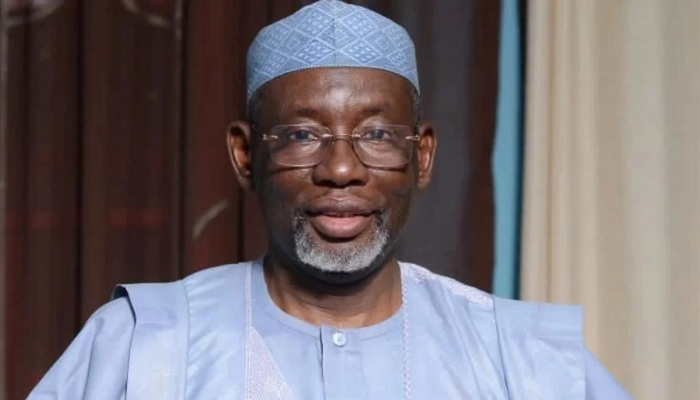
2025 Jigawa State Appropriation Bill: Where Governor Namadi got it wrong
By Isah Dahiru
On Friday, December 6, 2024, while skywatchers marvelled at the serene night sky adorned with celestial wonders, a different spectacle unfolded in Jigawa State. Governor Namadi, alongside his entourage of government officials, presented the much-anticipated 2025 Appropriation Bill to the State Assembly. Tagged the “Budget of Innovation & Transformation for Greater Jigawa”, the document was intended to embody progress and forward-thinking leadership.
At first glance, the title seems aspirational, promising groundbreaking initiatives to propel Jigawa into an era of sustainable development. However, a closer examination of the budget reveals glaring contradictions, misplaced priorities, and a lack of the innovation and transformation it proclaims.
A Misleading Budget Title
Though grammatically correct, the ambitious budget title seems to serve as a deceptive marketing strategy rather than an accurate reflection of its contents. Far from being innovative or transformational, the budget largely perpetuates conventional methods of governance, burdening the state with debt while ignoring pressing human capital development needs. A more suitable title could have highlighted its illogical allocation and amateurish approach, as the document fails to address critical issues facing the state.
Unrealistic Revenue Projections
The proposed total budget stands at a staggering NGN698.3 billion, with expected revenues broken down as follows:
- Federation Account Allocation: NGN34 billion
- VAT Share: NGN80 billion
- Other Federal Government Contributions: NGN134.1 billion
- Internally Generated Revenue (IGR): NGN130.6825 billion
Governor Namadi’s administration has estimated NGN219.517 billion in loans to finance the deficit, an amount alarmingly higher than the state’s entire IGR. This reliance on borrowing raises significant concerns about the sustainability of the state’s fiscal policy. Borrowing such colossal sums without substantial revenue-generation mechanisms is reckless and poses long-term risks to Jigawa’s economic stability.
The governor’s failure to leverage Jigawa’s rich agricultural resources, untapped natural wealth, and the potential of smart farming to bolster IGR demonstrates a lack of foresight. Instead of pursuing innovative strategies to grow revenue, the administration has opted for unsustainable borrowing, leaving future generations to bear the burden.
Misplaced Capital Expenditure Priorities
A whopping 76% of the budget (NGN536.750 billion) is allocated for capital projects, including the construction of 45 new roads spanning 830 kilometres. While infrastructure is essential, this allocation overlooks the state’s urgent needs in human capital development, education, and healthcare.
Recent tragedies highlight the misplaced priorities of this budget. From the Majia tanker explosion, which claimed over 200 lives, to the tragic road accidents in Adiyani (Guri LGA) and Auyo LGA, which resulted in the deaths of women, children, and youth, road safety remains a pressing issue. Constructing new roads without addressing the underlying factors contributing to road traffic accidents is counterproductive. Jigawa needs safer transportation systems, not a roadmap to more tragedies.
Furthermore, questions about the NGN30 billion mobilisation payment for these road projects linger. It is unclear whether this payment adheres to constitutional provisions or represents the notorious 10% kickback culture often associated with government contracts. Transparency in budget execution is non-negotiable, and the state deserves clarity on these expenditures.
A Failing Healthcare System
Jigawa’s healthcare sector is in crisis, yet the budget allocates insufficient resources to address the challenges. Since June 2024, over 25 professional healthcare providers have resigned due to poor remuneration and working conditions. This mass exodus has left hospitals understaffed and unable to deliver quality care, pushing Jigawa’s residents into greater health risks.
Governor Namadi’s “J-Health” initiative—designed to improve healthcare delivery—has proven ineffective. The program is plagued by untrained personnel and a lack of infrastructure, turning hospitals into death traps rather than centres of healing. Ironically, the governor does not rely on “J-Health” workers for his medical care, further exposing the inadequacies of the initiative.
Neglecting Education Amid a Crisis
The BBC recently reported that Jigawa has one of the highest numbers of out-of-school children in Nigeria. Yet, the budget’s allocation to education falls woefully short of addressing this crisis. With thousands of children lacking access to quality education, the future of Jigawa’s youth hangs in the balance. Instead of investing in human capital through education and skill development, the government prioritises infrastructure projects that offer minimal long-term benefits to the people.
Leadership Is About Priorities
Leadership is not about laying asphalt or unveiling ambitious-sounding projects but about using available resources to deliver well-tailored programs that directly impact citizens’ lives. Governor Namadi’s budget fails to address the core challenges facing Jigawa State, including:
- The alarming rate of out-of-school children
- The exodus of healthcare professionals
- The rising tide of road traffic accidents
- The lack of sustainable revenue-generation mechanisms
Jigawa needs a government that prioritises its people—one that invests in human capital, builds safe and functional infrastructure, and ensures fiscal responsibility. The 2025 Appropriation Bill, as it stands, is far from being the “Budget of Innovation & Transformation for Greater Jigawa.” It is a missed opportunity to create meaningful change and lay a solid foundation for the state’s future.
Governor Namadi must rethink his approach, listen to the cries of his people, and refocus on what truly matters: the well-being, education, and prosperity of Jigawa’s citizens. Only then can the state genuinely embark on a path of innovation and transformation.
Isah Dahiru, B. Pharm. MPSN, wrote via easerdahiru@gmail.com.

Onne customs exceeds revenue target in 2024, seizes illicit goods
By Sabiu Abdullahi
The Nigeria Customs Service (NCS), Area II Command, Onne, has concluded the year 2024 with exceptional accomplishments, surpassing its revenue target and achieving significant successes in its anti-smuggling operations.
Speaking at a press briefing on Tuesday, December 31, 2024, Comptroller Mohammed Babandede, the Customs Area Controller (CAC), stated the Command’s achievements over the past year.
“I am pleased to inform you that the Nigeria Customs Service, Area II Command, Onne, has recorded another remarkable achievement in our ongoing battle against smuggling and illicit trade,” he stated.
The Command’s anti-smuggling efforts led to the seizure of 12 40-foot containers of illicit medicines, underscoring their commitment to protecting public health and enforcing Nigeria’s import regulations.
Comptroller Babandede elaborated, “Our vigilant officers and men have successfully intercepted and seized an additional 12 containers (40 feet) of illicit medicine. This is a testament to our unwavering commitment to safeguard public health, ensuring the security of our nation and compliance with Nigeria’s import regulations.”
A detailed breakdown of the seized items includes:1,721,000 bottles of 100ml Cough Syrup Codeine510,000 tablets of 50mg Extra Diclofenac7,100,000 tablets of 225mg Royal Apple Tramadol and Tramaking3,461 pieces of sanitary ware fittings used for concealment840 pieces of chilly cutters used for concealment153 cartons of TVS rubber, all with a Duty Paid Value (DPV) of ₦20.31 billion.
In terms of revenue, the Command generated ₦634 billion, exceeding its annual target of ₦618 billion by 3%. Comptroller Babandede stated, “I am glad to inform you that as of this morning, the Command, with the aid of stakeholder engagement, synergy, collaboration, and intelligence sharing, has surpassed the target given by generating a total revenue of ₦634 billion Naira.
“The Command also recorded significant successes in anti-smuggling operations, confiscating 76 containers of contraband, including arms, ammunition, illicit medicines, and other prohibited items, with a DPV of ₦150.87 billion.Comptroller Babandede expressed gratitude to the Comptroller General of Customs (CGC), Adewale Adeniyi, for his unwavering support, which has enhanced the morale of officers.
“Let me use this opportunity to especially appreciate the CGC, who in September this year promised to reward Officers and men of the Command for the role they played in the interception of 844 units of rifles and 112,500 pieces of live ammunition. In keeping his promise, a total of eight officers of the Command were given special promotions,” he revealed.
As the Command looks forward to 2025, Comptroller Babandede reiterated the benefits of sustained stakeholder engagement and collaborative efforts to build on the year’s successes.

Unveiling the healing power of arts on mental health
By Hassana Suleiman Kandi
Health is not merely the absence of disease in the human body; rather, it encompasses the physical, social, and emotional well-being of individuals. Mental health refers to a person’s ability to cope with life’s stresses, recognise their abilities, and function effectively in work and learning environments.
Mental health is integral to our well-being and significantly contributes to our daily decision-making ability. It encompasses the complexity of an individual’s social and psychological life, highlighting the urgent need for action on mental health. It is vital for personal development.
However, mental health is experienced differently by each person. This includes conditions like mental disorders, psychological disabilities, and other mental states associated with impairments. People are inherently vulnerable to mental health challenges.
Social interactions and personal skills strengthen resilience, and mental health issues can be mitigated by identifying social and emotional determinants. However, some issues require actions that go beyond the health sector.
Fortunately, various forms of art offer protective benefits that can bridge the gap for common mental health conditions. The arts play a pivotal role in mental health. Engaging with the arts can help moderate the risk of mental health problems.
Art exists in many forms, including visual, performing, and literary arts, each offering unique benefits. Taking a break from daily routines to engage in artistic activities can significantly improve mental health, as the benefits are numerous and deeply engaging.
Visual Arts: Anyone, regardless of skill level, can participate in visual arts. Many people have been encouraged to look after their health by utilizing their leisure time creatively. Visual art, including painting, drawing, and sculpture, is therapeutic, boosting self-esteem and enhancing skills.
Performing Arts: Music, dance, poetry, and storytelling are accessible to all, regardless of skill level. These activities improve mood, promote physical health, boost emotional well-being, and help ward off negative thoughts. Lady Gaga, for example, has famously used music and performance to manage anxiety.
Literary Arts: Writing, poetry, and spoken words can also effectively address mental health issues. These forms of expression are open to all and can help with mood expression and self-reflection. Schools should encourage students to engage in literary arts, as they foster emotional expression and can boost self-confidence.
Crafting: Knitting and woodworking promote relaxation, reduce stress, improve mood, and alleviate anxiety. Many people, particularly women, craft as a fun and therapeutic way to relieve stress.
Numerous individuals have coped with and overcome mental health challenges through art. For example, the renowned painter Edvard Munch struggled with anxiety but found solace in his artwork. Art stimulates brain regions that promote neural connections, adaptability, and the release of endorphins, all of which improve mood.
Many people have overcome common mental health problems such as anxiety and depression by engaging in the arts. Art provides a unique outlet for emotional expression and helps individuals realise their potential. Creativity is innate in everyone, regardless of age, race, or skill level.
Art fosters understanding and unity between individuals or communities, leading to a stereotype-free environment and encouraging cohesive socialisation. Furthermore, it helps represent emotions through body language, words, and patterns. The most exciting part is that anyone, including individuals with disabilities, can participate in art.
It is crucial not only to protect and promote the mental well-being of all but also to deepen the value placed on mental health. A committed approach to addressing the needs of those with mental health conditions will undoubtedly improve overall mental health outcomes.
Hassana Suleiman Kandi is a student at Ibrahim Badamasi Babangida University Lapai and an intern with PRNigeria. She can be reached at kandihassana@gmail.com.

Lawal Usman, senator for Kaduna Central, narrowly escapes assassination
By Abdullahi Mukhtar Algasgaini
Lawal Adamu Usman, popularly known as Mr. La, the senator representing Kaduna Central Senatorial District, has reportedly survived an alleged assassination attempt.
Usman, a member of the Peoples Democratic Party (PDP) and a prominent opposition figure, confirmed the incident via his verified Facebook account late Wednesday night.
The senator, elected to the Senate in 2023, did not provide detailed information about the circumstances surrounding the alleged attack.
In his statement, Senator Usman said, “I just escaped an assassination attempt by some thugs in Kaduna Central.”

Tax reform bills: Set aside your pride, listen to people’s concerns
By Abdullahi Mukhtar Algasgaini
The Chairman of the PDP Governors’ Forum and Governor of Bauchi State, Bala A. Mohammed, has advised the President not to display arrogance and instead listen to the people’s opinions about the negative effects of tax policies.
The governor noted that if the proposed tax laws are passed, they could pose a threat to the development of local governments and states.
Mohammed criticized Tinubu’s stance on the tax laws, calling them “undemocratic.”
He stated that even military rulers would listen to the people and address their problems.
He also condemned Tinubu’s tax policies before the National Assembly, and stated that they were designed to favor one region over another.