Technology

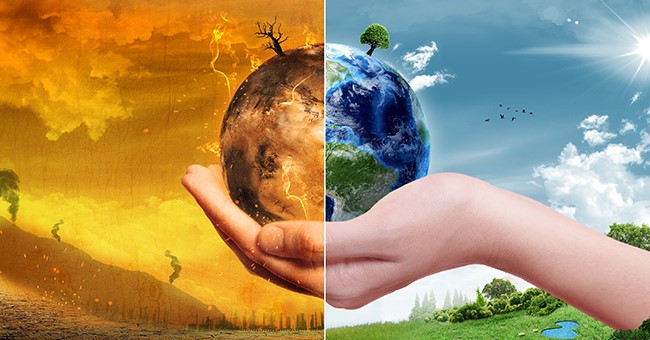
Climate change will affect everywhere: Are we at more risk?

By Saifullahi Attahir

Our grandparents used to remember with nostalgia how, in the past  50 years, they usually had a high-yield harvest yearly-round in the farms and surprisingly with total abstinence from using fertilisers and other modern additives. The bushes are full of trees of all sorts, vegetative forests with various colourful and nutritious leaves, guavas, mangoes, paw-paw, and dates, to name a  few. A farmer was almost always sure to have a sufficient harvest for the family with little manure from his domestic animal dungeons. They always harvest enough to feed themselves and their families, even more for the neighbourhoods.

Surprisingly, today, with all the powerful tools for mechanical farming, with all the ‘Almighty’ fertiliser, with all the agricultural institutions, with all the army of PhDs in academia, we harvest less and less. For the past two decades, our weather has constantly fluctuated with no certainty of what to crop this year or next. For instance, a  farmer would cut rice this year on clay land and experience drought, so precisely the following year, when he decided to switch to grains ( millet or sorghum), which would perfectly suit the dry land, unexpectedly, there would be a massive flood.

I live in Jigawa State and had first-hand experience with this scenario. Our farmers constantly switch between sesame (‘ridi’), groundnut, millet, and even rice. Places once dry land for sorghum and groundnut are now perfectly turned into rice farming lands. If you are doubting, come to areas around Sara town in Gwaram Local Govt, Jigawa state.

Jigawa state was initially named ‘Jigawa’  because of the large number of dry land primarily available for farming crops requiring less water. How are these vast areas becoming a mix-up, and even some submerged below water? How did we arrive arrived at this juncture? Why do we experience more floods and erosion disasters yearly?

Some of those answers are written on the wall as an effect of climate change caused by man-made activities that we failed to take any heed or measures. Some of those effects result from our ignorance to look into our environments and how we take care of our stomachs. These effects result from continuously perpetuating natural resources to satisfy our insatiable human greed.

Over the past decade, scientists and the media have been constantly alerting the populace on the danger that global temperature changes pose to the living conditions we are currently enjoying. Some of those warnings were already in effect in many parts of the globe. Research has shown how the continuous depletion of the ozone layer by emission from fossil fuel by our engines and industries poses a  great danger to the protection we once enjoyed from the Sun. The direct ultraviolet radiation from the heating Sun is no longer protected by the ozone layer, making it descend directly into our atmosphere. This led to the increased rise of the earth’s temperature to a fraction of a degree. The earth’s temperature has reached almost 2°c ( degree centigrade), with future expectations to reach 3°c.

The rise in earth’s temperature led to the constant melting of polar ice in the global North around Greenland. If you don’t know, these ices served as a pillar to the seas, habitation of billions of aquatic life, and a source of living for humans. If that ice melts, it will continue to kill those animals, shifting the ecological balance to the negative. Not only that, but mass migration of those living around the Poles would lead to overcrowding in other parts of the world, probably Europe or Africa.

Most of the current danger of global warming was caused by the developed Nations in the global North, especially Europe, which for over 200 years possessed engines that constantly polluted the air with carbon. Those countries include the US, UK, Germany, Russia, and China. Ironically, the underdeveloped countries in the global South are at the receiving end of the punishment, where floods, famine, earthquakes, storms, desertification, erosions, and drought constantly threaten them. The global South countries at constant risk of global warming are Pakistan, India, Indonesia, South America, and West and Sub-Saharan Africa.

One of the effects of global warming that people hardly pay attention to are as follows ;

1) Whenever any part of the world experiences a flood, famine, or earthquake, that part automatically becomes uninhabitable, and most of its inhabitants tend to migrate to safer places and greener pastures, especially cities. This would lead to overcrowding of urban areas, the creation of more slums, an increased crime rate, fewer job opportunities, and a reduction in the available land for farming and farmers themselves. These are the natural causes of food insecurity we see daily, the natural causes of the xenophobic attacks we hear daily, and the natural causes of the immigration problem we experience daily.

2) Overgrazing of the land without proper ways of replenishing and the constant encroachment of those specific forests and environments reserved for nomadic livestock in Northern Nigeria have forced the Nomadic Fulani to travel far to Southern Nigeria in search of pasture. This would automatically cause some altercation regarding rights, privacy, and intrusion, which causes the constant farmer-herders conflict escalating and metamorphosing into something else.

3) Many of those Fulani were now barren of their millennia-old source of livelihood (livestock) or were forced to abandon the practice because of the scarcity of grazing fields through encroachment by expanding Government or Private projects ( roads, railways, colleges, companies, hydroelectric dams). Worse, they could not attend schools or learn modern skills and mostly lived deep in the forest, so Government social amenities were scarce or absent. What do you expect from this scenario: aged old frustration accumulating over the years of negligence, ignorance, poverty, despair and envy? So those kinds of young idle minds can become a devil’s workshop if care is not taken. It’s easy to convince them through propaganda to carry weapons, which we now see as a form of banditry, armed robbery, kidnappings, and terrorism.

4) We have been witnessing the constant conversion of places once ecological habitats reserved for forestation and farming various food crops that our lives depend upon. These places are now becoming Universities, companies, barracks, airports, hotels, and rail tracks. These activities lead to less land for farming despite the exponential growth in the world population, hence the less harvest. This is the cause of hunger. Hunger leads to conflict, wars, illness, and debasement of human capital development.

The effect was not only caused by the developed Nations. We, too, have our share of the problem. I’m sure everyone raised in a rural area is aware of the constant deforestation by our people to gather burning sticks, and the worrying part is we cut the trees without planting others in their place. According to research, we need to plant ten trees instead of each one we cut down. But the sad story is that we are not even practising 1 for 1 (i.e. cut down one tree and plant one tree).

Sub-Saharan Africa is constantly threatened by desert encroachment, which would only be averted by planting more trees, especially along our roads and desert belt. People living around Jigawa State are aware of the continuous desertification yearly by metres in previously non-desert environments. This has a human and economic cost.

 Over the past five decades, the world has continually witnessed the gradual extinction and disappearance of many species of plants and animals from the earth’s surface whose research shows they enormously contribute to the stability and maintenance of ecological equilibrium. For instance,  vultures were once abundant over the skies, contributing to the degradation of carcasses that pollute the air, but today, rarely can you spot the vultures.

Hyenas, tigers, elephants, kangaroos, giraffes, swans, and thousands of other sauna and floras in aquatic and terrestrial forms were nowhere to be found. Some of those missing animal species have migrated to other parts of the globe with favourable weather. At the same time, many were wiped out through perpetual game hunting industrial and chemical poisoning. Did we know the catastrophic effect of the disappearance of these species from our planets?

It’s unsurprising that one day, humans too may start migrating to more favourable weather conditions if adverse climatic effects ravage them.

Some of the popularly known places affected daily by climate change include Jakarta, one of the world’s most densely populated cities in Indonesia, with floods destroying homes and lives every year. Hurricane Katrina in the US was a storm and mighty wind that destroyed houses, bridges, and humans. Makoko Slum in Lagos, Nigeria, is a densely populated area above water, inhabited mainly by immigrants searching for job opportunities from the deserted rural part of the country. Auyo in Hadejia Jigawa State, an area stretching many local Governments yearly affected by floods and erosion, causing devastating destruction and loss of human lives. Greenland is part of the globe at the far north pole around Antarctica. Those places are mostly covered with ice, but today, this ice melting rapidly, causing migration of the people around those parts.

The climate change effect is putting the world into a dilemma, with rising sea levels on the one hand and extreme drought and desertification on the other.

Some archaeological exploration has shown that today’s mostly desert Middle Eastern world flourished with vegetation and abundant water, lives, and different aquatic and terrestrial species. It’s only time that would tell whether we are retracing back to that same period conditions.

SOLUTION

Finally, the developed nations should continue diversifying their energy source through electric vehicles, solar stations, biodegradable energy, and hydroelectric power sources to abandon the toxic fossil fuels that pollute the atmosphere with excess greenhouse emission gases ( methane and carbon monoxide).

Also, the global South, including Asian, African, and Middle Eastern countries, should embrace conserving our God-given resources by planting more trees, regulating deforestation, and creating robust public awareness of the importance of Ecological Conservation.

Saifullahi Attahir wrote via saifullahiattahir93@gmail.com.

Bad news for Nigeria as France banned iPhone 12

By By Muhammad Ubale Kiru

The recent decision by France to ban the iPhone 12 due to concerns about its radiation emissions has sent shockwaves across the tech world. While this move may seem drastic to some, it reflects a growing global awareness of the potential health risks associated with certain electronic devices. China, too, has taken a stand against iPhones in official capacities, citing national security concerns. 

France’s decision to bar the iPhone 12 from its market underscores its commitment to safeguarding the well-being of its citizens. The government’s primary motive appears to be ensuring that the radiation emitted by these devices does not pose any risks to public health. 

Similarly, China’s decision to restrict the use of iPhones by government officials stems from concerns over data security. The Chinese government has long been cautious about potential espionage activities by foreign entities, and it views certain American technology companies with suspicion.

The big question now is: where will these banned iPhones end up? For many, the answer seems to be Africa, particularly countries like Nigeria. In Nigeria, consumer demand for iPhones remains high, and concerns over radiation emissions are often secondary to the allure of the brand. Additionally, a significant portion of the population may not fully understand the potential health risks associated with radiation.

To shed light on the issue, let’s briefly delve into what radiation is and how it can impact health. Radiation is the emission and propagation of energy in the form of waves or particles through space or a medium. In the context of iPhones, we’re talking about radiofrequency (RF) radiation emitted when the device connects to cellular networks or Wi-Fi. 

Radiation can affect health in several ways:

1. Thermal Effects: RF radiation can cause the heating of body tissues, particularly when a device is held close to the body for extended periods.

2. Non-Thermal Effects: Some studies have suggested potential non-thermal effects of RF radiation, including changes in brain activity, sleep disturbances, and alterations in cell function. While the evidence remains inconclusive, these concerns warrant further research.

3. Cancer: Radiation has been associated with a potential risk of cancer. It can cause DNA damage, mutations in genes, uncontrolled cell growth, and eventually lead to tumor formation. Brain cancer, in particular, has been studied in relation to mobile phone use.

While it may be challenging to change consumer preferences overnight, it is vital to raise awareness about potential health risks associated with certain devices. People should consider their health when making choices about the technology they use daily. 

Furthermore, governments in African nations, including Nigeria, should play an active role in monitoring and evaluating the safety of electronic devices before they enter the market. By adopting stricter standards and conducting thorough assessments, they can better protect their citizens from potential health hazards associated with radiation-emitting devices.

Muhammad Ubale Kiru is a tech enthusiast, social activist and freelancer. He can be reached via muhdujkiru@gmail.com.

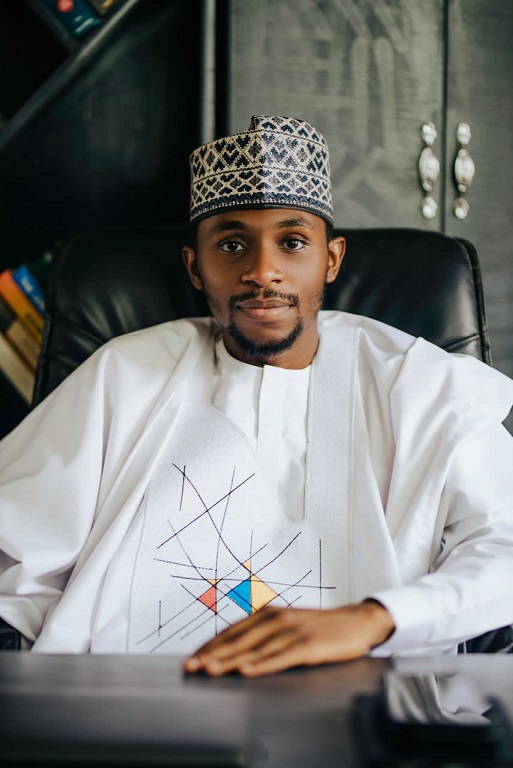
Governor Radda appoints 32-year-old Naufal Ahmed as DG ICT Directorate

By Isah Miqdad

The Executive Governor of Katsina State, Malam Dikko Umaru Radda, PhD, has approved the appointment of Naufal Ahmed as Director General (ICT Directorate).

The appointment, which is with effect from 14th August 2023, is based on the conviction that Mr Naufal will serve faithfully, diligently, and in the best interest of the service.

As the visionary founder of the esteemed Kirkira Innovation Hub, Naufal has pioneered the establishment of the first-ever technology hub in the region. This groundbreaking initiative has served as a transformative force, equipping countless young individuals with vital technological skills and providing them with a platform to thrive.

Naufal’s remarkable career as a tech ecosystem builder has been nothing short of extraordinary. With an unwavering passion for innovation and youth empowerment, his impact on the tech landscape of Katsina and Nigeria at large is undeniable.

He has been a sought-after speaker and organiser at numerous conferences across Katsina and the country, sharing his insights and inspiring others to embrace innovation.

In recognition of his outstanding achievements, Naufal has received numerous accolades, including being named among the Opportunities Hub’s 100 Most Influential Youths for his significant contributions to youth development and entrepreneurship.

Nigerian biofuel policy and incentive: 16 years after

By Bilyamin Abdulmumin

On Tuesday, at a meeting with the United States Assistant Secretary of State, Bureau of Energy Resources, Ambassador Geoffrey Praytt, at the State House, Abuja, President Bola Ahmed Tinubu reiterated Nigeria’s commitment to honouring all its obligations to climate change and the quest for clean energy.

The president further called for stronger and better ties with the United States as Nigeria and the rest of the world move in the quest for renewable and other clean energy sources. This revelation made by President Bola Ahmed Tinubu made it imperative to bring to the front a related issue: Nigerian Biofuels Policy and Incentives.

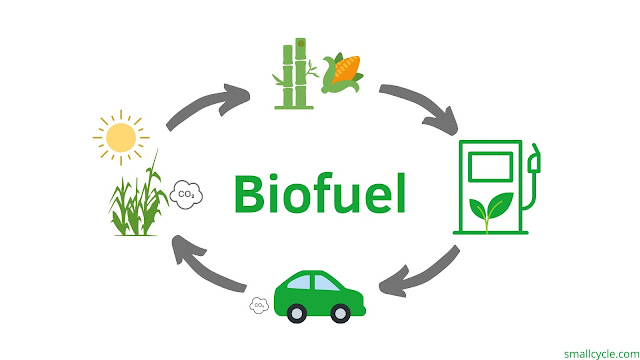
To contribute to the global fight against climate change, Nigeria implemented the biofuel policy and incentive in 2007. This policy aims to encourage bioethanol and biodiesel production as supplementary to conventional transportation fuel, which is unfriendly to the climate.

It provides several incentives for potential investors, creating a conducive environment for biofuel production, and promises to establish a Biofuel Commission along with a dedicated Research Centre for the development of the sector. However, 16 years after, limited progress has been achieved, with only a few Memoranda of Understanding (MoUs) between Nigerian states like Kebbi, Niger, Ondo, Kogi, and the Nigerian National Petroleum Corporation, NNPC.

The policy has considered one of the major challenges of the biofuel sector globally: the expensive cost of production compared to conventional fossil fuels. As such, a range of incentives was offered, such as tax holidays, withholding tax exemptions, waivers on import and customs duties, waivers on value-added tax, long-term preferential loans, insurance, and most importantly, creating market demand (a promising alternative that the policy overlooked however was the use of cheaper local technology, materials, and equipment). Despite these incentives, the success of biofuels in Nigeria hinges on the government’s political will.

According to the policy, the Federal Government is responsible for providing necessary infrastructure, amenities, and facilities to communities where biofuel companies operate. The State Governments are mandated by the policy to facilitate the procurement and utilisation of agricultural land by biofuel companies. Additionally, in collaboration with State Governments and biofuel companies, the Local Governments are expected to organise out-grower schemes and other cooperative initiatives.

The feedstock of biofuel is grains/sugar, and oils. So, this highlights the hope the biofuel industry holds for the Nigerian poor who rely on subsistence farming. Traditional farming practices in Nigeria have remained unchanged for centuries. But thanks to the policy, farming technology can be drastically improved by integrating agriculture with the energy sector by adopting biofuels, hence more wealth and prosperity. 

However, there is trouble in Paradise; biofuel feedstock brings about another major challenge: food vs energy conflict. But the policy did not keep a blind eye, as there were provisions for out-growers schemes for massive crop production. In Kebbi State, more than 5 000 hectares were procured for cassava cultivation.  Other measures put in place to counter food vs energy conflict include the development and adoption of transgenic varieties of the feedstock to be specifically customised for the efficient production of biofuels (a promising alternative to food that the policy didn’t capture is utilising second-generation feedstock, which is more abundant and cheaper, that is, waste lignocellulosic materials and underutilised agricultural and forestry).  

In effect, the biofuels mission holds dual benefits:  foster economic growth and inclusivity for farmers while addressing the pressing issue of climate change, which the president just reiterated. Dear FG, considering the immense potential of this policy, and against the backdrop of celebrated bold actions on critical issues you have been undertaking, please give this policy a second chance, summon new hope, and get it hit the ground running.

Bilyamin Abdulmumin wrote via bilal4riid13@gmail.com.

Man dies on pole while repairing cables in Niger

By Uzair Adam Imam

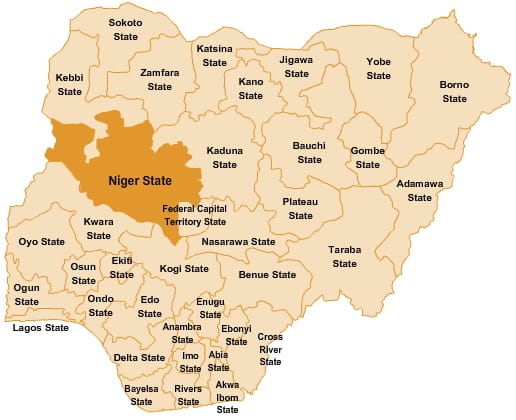
A young electrician identified as Alhaji died while repairing faulty cables on electric poles in Niger.

The incident happened on Thursday in Soje B. Area of Minna, Niger State, at around 3pm.

The man was said to have been specialised in preparing home electrical appliances and had died on the spot after being electrocuted.

The residents who spoke to the journalists in the state said that the efforts to save his life were not successful.

However, one of the witnesses, Aliyu Jibrin, stated that “No one knew he was electrocuted on the pole until his lifeless body fell from the top of the pole.”

AI Hackathon: Arewa Data Science Academy wins $800 prize

By Uzair Adam Imam

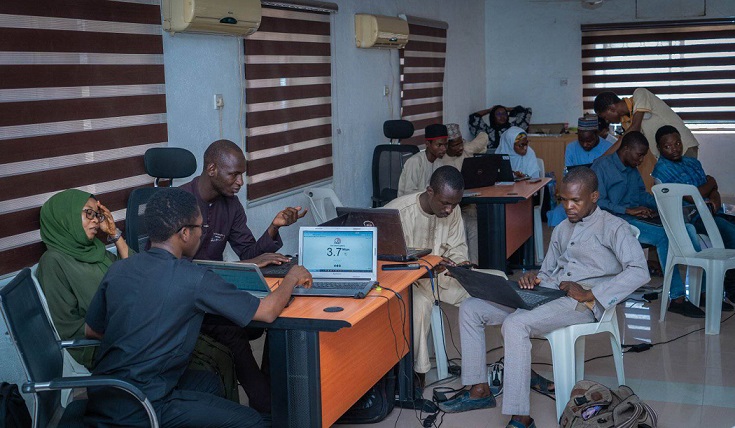
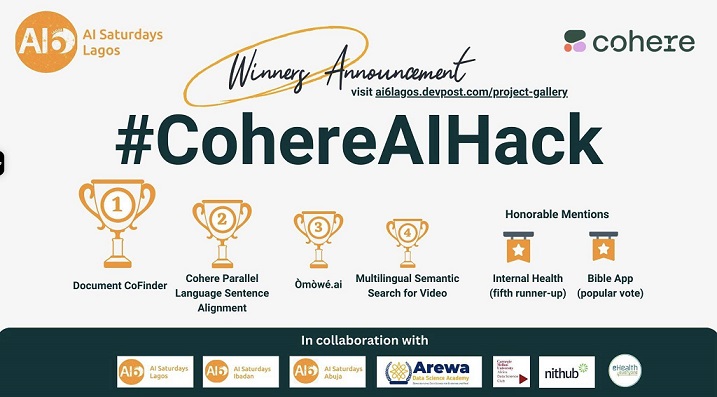
There was jubilation at the Arewa Data Science Academy on Sunday as their team emerged 2nd place in the just concluded Cohere AI Hackathon, winning a prize of Eight Hundred Dollars + Cohere AI Credit.

One of the team leaders, Dr Shamsuddeen H. Muhammad, relayed the exciting news on his Facebook account on Sunday.

Dr Muhammad added that the Arewa Data Science Team had competed against different teams and demonstrated skills and creativity in machine learning.

He stated, “I am happy to share that the Arewa Data Science team has won the competition at the Cohere AI hackathon and received a prize of 800 dollars and Cohere AI credits!

“Our fellows competed against different teams worldwide and demonstrated their skills and creativity in Machine Learning. Congratulations to the team on this achievement!”

Muhammed further stated that Arewa Data Science Academy is a free training program for Arewa youth who want to learn data science and machine learning.

He added that the academy “provides monthly stipends (N10,000) and free internet data (20GB) to our fellows to help them in their learning activities. 

“If you are interested in joining us, visit our website at: https://arewadatascience.org,” he stated.

Still on “Skills Rather than Just Degrees”

By Sulaiman Abba Aliyu

A person that went through formal schooling system and attained what he has attained because of that system will never downgrade the system. The system has done so well for him to downgrade it, he has reached his/its zenith, something many of the young bloods can only dream of and yet some among them find fault in a book published by him with a title they feel offended by, most without even going through the book. What happened to the saying “Don’t judge a book by its cover”? Don’t tell me you’ve judged it by its title!

I am not trying to justify what the author said for I believe he wasn’t trying to do so either. It’s just a friendly reminder from a person who has seen what you have not seen, worked where you haven’t worked, traveled places you didn’t even dream of. He’s not trying to downplay your “hard earned” degree, my dear graduate.

Let us get to the reality of things in this country and almost everywhere around the world. A degree is a paper issued to someone affirming that he/she has gone through the process of a university education and nothing more. If you are a university student or graduate or infact a student anywhere, you know that there are a lot of ways through which people earn their degrees, some earn it in a legitimate way and others otherwise. In universities, we have seen ladies complaining of how some lecturers harass them (demand for sex) so they will be awarded marks.

Again, how many of your colleagues cheat during exams and unluckily for them they weren’t caught up to their final years or even up to their graduation? How many more others do you know that theirs is just to memorize what is given to them even without understanding anything and passing the exams that way? I bet they are much more than those that are good at what they are studying. Do you then expect yourself as an employer to stick with first set of people just because they have a degree? For the sake of your company, your answer must be NO!

On the part of employers, how many people with good results have they employed and they delivered? Or do you mean because you have a degree and your employer knows how hard it is to earn a degree he/she won’t fire you if you cannot deliver? How many of those with lesser qualifications delivered in their work places because they have the required skills? Many! Or should they all be fired because they do not have a degree? Put yourself in the employer’s shoe and do what will save your company or enterprise.

I’ve seen and heard of so many people without degrees who excel in their endeavors. Some brought value to what they do beyond measures. Their biggest asset were the skills they possessed. And I’ve seen so many with certificates who destroy businesses because they lack the needed skills. These skills include; leadership skills, communication skills among others.

As a graduate, would you rather give your car to a mechanic with the skill of fixing the car or give a graduate with a first class degree with no skill to fix your car?

Your degrees are important nobody dares to downgrade them! But skills, if unemployed, increase your employability and if already employed, accelerate and simplify your job for you.

Do your degrees, if you can’t afford a degree find a skill and engrave it! You’ll appreciate yourself for making that decision.

WhatsApp to unveil smartwatch

By Ahmad Deedat Zakari

Mark Zuckerberg, the Chief Executive Officer of Meta, has announced that Whatsapp will unveil the first WhatsApp smartwatch later this year.

Zuckerberg disclosed this in a Facebook post on Wednesday.

The smartwatch will enable Whatsapp users to make phone calls and reply to messages.

“Announced at Google I/O that we’re shipping the first WhatsApp smartwatch app on Wear OS later this year. You’ll be able to start new conversations, reply to messages, and take calls on your wrist,” he posted

BREAKING NEWS: New Shawwal moon sighted, Eid al-Fitr will be on Friday in Saudi Arabia

By Muhammadu Sabiu

The Shawwal crescent of the Hijra year 1444 has been seen as confirmed by authorities.

This was stated in a short statement through the verified Facebook page of the Haramain Sharifain.

The statement reads, “The Crescent for the month of Shawwal 1444 was SEEN today in Tumair and Sudair subsequently tomorrow i.e Friday, 21st April 2023 is the day of Eid Al Fitr.”

The sighting of the crescent indicates the end of the Ramadan fast.

Astronomical World: City Killer, Intelligent Beings and Earth Astrophysics

By Bilyaminu Abdulmumi

The first time I came face to face with a cosmic event was during the solar eclipse back in 2006. Before the event, the meteorologist announced it was coming, but while the naysayers kicked against it, the curious others, including myself, waited with bated breath. In Jega Kebbi State, a partial eclipse was experienced at about 9:40 am. The entire horizon slowly became dark for about an hour. In some other areas of the country, the eclipse was total darkness. Afterwards, the sky became clear and normal. Those who were asleep had only woken up to learn about it.

A couple of days back, on the 25th of March, another startling cosmic phenomenon took place; an asteroid passed between Earth and Moon’s orbits, specifically 175,000km away from Earth. According to astronomers, this is very close! The asteroid was nicknamed City Killer, indicating its potential to harm a city should it strike Earth on a habited area. But it was not as the name implies because, by God’s grace, the asteroid passed harmlessly as predicted.

Like all other cosmic events, the City Killer passage was discovered long before for possible action and announcement to the public, so people across the globe could follow the event live! The burning question here is, if Europe and other developed countries stand toe-to-toe proactively defending our Earth: in what part is Africa contributing? Are we stakeholders in these unfolding events?

The area of astronomy is both interesting and, at the same time, frighteningly complex; astronomy is an embodiment of epic proportions. Whenever something is referred to at the cosmic level, it is near impossible or almost infinite.

From what we learn from time to time from astrophysicists, the Sun is the centre of our solar system, and other planets, such as our Earth (and the 7 other known planets), rotate around it. To further complicate our life, the Sun is in constant spiral motion rotating around its axis, while the planets orbit around it!

The cosmic phenomenon would begin to go wild in our imagination when the concept of size and distance were brought up. The size of our Earth is about 12,800km, but compared to the size of the Sun of 1,400,000km, it is like comparing a dot with a circle. In addition, the distance between our Earth and the Sun is about 150 million km. Now imagine the size of our solar system!

The size of our galaxy (Milky Way) is mind-boggling. According to what astronomers told us, there are billions of solar systems in our galaxy. At this level, the distance is no longer measured in km but in light years. For instance, the distance between our star (Sun) to the closest Sun in our galaxy is about 4.25 light years. Light travels at the speed of 3,000km per second, so at this rate, it will only take light to travel from Borno to Lagos (a distance of about 1600km) about half a second. Now, this light that can travel in half a second from Lagos to Borno has to continue travelling for 4 years and 3 months to reach the next Sun close to ours. Pray! They told us there are billions of galaxies in the universe.

Because of this cosmos proportion, scientists such as Stephen Hawking believe that we can’t be the only intelligent in the universe. This view espouses that in one of the billions of galaxies in the universe, in one of the billions of solar systems in a galaxy, a celestial being like our Earth (bursting with intelligence) must exist. The universe is too vast to contain just one intelligence. The intelligent might be at par with us in terms of advancement, we could be way smarter than them, or the reverse may be the case. One astronomer said that it is scary anyhow one looks at the scenario: to say that we are not alone in the universe or we are alone.

The terrifying part of the multi-intelligence theory is, should the other intelligent locate us, what will be our fate? Are they going to destroy us in their search for raw materials just like we human beings are increasingly wreaking havoc on climate and habitat in exchange for raw materials (for technological advancements)? Or are they going to cooperate with us to add to our knowledge? It is equally frightening for the single intelligence theory: we are the only ones in this vastness of space. As much fantasy as the former theory looks, developed nations are not joking, as they committed a multi-billion dollar research centre in this direction: SETI (Search for Extraterrestrial Intelligence).

Unlike SETI, Earth astrophysics has been bagged. Earth doesn’t rotate on its axis for 24 hours to complete a cycle only but rotates around the Sun 365 days to complete a cycle. By God’s grace, the 24-hour cycle ensures night and day, while the 365 days cycle ensures seasons. The moon does similar; it rotates around the Earth in a month as a source of light for us, to keep time management, and to ensure Earth’s stability. Should the moon be trapped in the Earth’s shadow it will be a lunar eclipse, or should the moon pass between Earth and Sun hence blocking the Sunlight, we get a solar eclipse.

It is understandable for “people” to exhibit sheer amusement in the discussion of cosmic events. During the 2019 lunar eclipse, one deeply amused person asked: if our Earth rotates, why are we still in Nigeria? He appeared to mean that if the Earth actually rotates, then we should not be where we are now. Maybe we should be in Saudi Arabia by now!

Abdulmumin can be reached via: bilal4riid13@gmail.com.