Politics

You can add some category description here.

For the sake of our country: an open advice to the president-elect – II

By Umar Ardo, PhD

Again, having won this hard earned victory against all odds, it is critical for the sake of the country that the regime succeeds. And this success is largely dependent on four key elements; 1. The sincerity of purpose and commitment of the president in carrying out the functions of the office he contested for and which Nigerians entrusted him with; 2. Coordinated consultations and taking of advice; 3. Careful consideration of those to be appointed into key offices of government, i.e. ministers, advisers, chief executives, etc.; and 4. Learning to avoid mistakes of predecessors.

Given the underlining nationwide political variables of his coming to power, these four elements will essentially be the bedrock of determining the success or otherwise of his administration. The first point is actually an issue of intention, which entirely rests on the personal disposition of the President-elect. Once he is sincere in his intentions towards the nation in the use of state power then the rest is easy. All that will be required is to bring his noble intentions to bear in the exercise of the state power now in his control.

The second point rests on the familiar standard of the universal norm of leading through consultations and advice, which are foundational elements of successful leadership.

This third point is the institutional offices of Ministers and Special Advisers, with their functions, which are vital in the due discharge of governance. Those appointed to these offices constitute the first line of official teams for advice and execution of public policies. The success or failure of his regime rests as much on his ability as a leader as on the competence or otherwise of his ministers and advisers. This point needs further explanation.

In underscoring the point, the 1999 Constitution of our country (as amended) creates at the federal level the Council of Ministers and offices of Special Advisers for the good purpose of executing the powers and functions due to the Office of the President. This invariably means that the stability and good governance of the country are dependent on the sound character, right practice and good judgment of the President; while the well-being and quality judgment of the President depend on the knowledge, skill and honesty of his official advisers. Blessed therefore, is the President with truthful, knowledgeable, intelligent and right-doing advisers. Advising a leader, therefore, is an onerous task that necessarily requires very special proficiency to perform.

Great political thinkers agreed that ministers and advisers need five basic attributes, if their works are to be fruitful and satisfactory; i. Wisdom, whereby they will perceive clearly the outcome of everything into which the Principal may enter; ii. Knowledge, where by implications of actions of the Principal will be open to them; iii. Courage, to act as and when appropriate on the Principal; iv. Honesty, so that they will treat all things and men truthfully without exception; and v. Discipline, to keep official secrets as secret at all times. If the President is able to appoint suitable men, then he is most likely going to succeed, for “a good minister/adviser is like the ornament of the King”; but if he is unable and appoints unsuitable men, then his regime is most likely going to fail. Aristotle, that great Greekphilosopher, said that when a ‘king’ has an unsuitable [ignorant] minister/adviser, his reign will be like a cloud which passes on without dropping rain.

Instructively, in our presidential system of government, all ministers/advisers are solely appointed by the President. This means that the quality of advice and execution of public policy are also solely dependent on the kind of ministers/advisers the President-elect assembles to himself. In appointing ministers/advisers, the president’s skill or lack of it to distinguish the great disparity that exists between men who are suitable and men who are not, in itself can decide the ultimate destiny of his regime. The President-elect may well need to heed to Aristotle’s admonition; “good advisers are needed to help the King spare his reign”. The fourth point is to learn from past historical trends, especially the mistakes of his predecessors and avoid them all. I will expatiate few examples on this point.

First, is the inauguration of the National Assembly (NASS). The President-elect needs the NASS

on his side to perform optimally. To this end, the President-elect should avoid the mistakes of his predecessor and personally inaugurate the NASS so as to create an interpersonal relationship with members. This would not only forestall the crises which the Buhari’s presidency faced with the NASS in its first term, it would instead create a strong bond of goodwill and confidence-building between the two arms of government, thereby earning the executive full cooperation of the legislature. He will be able to also influence the type of leadership he needs in the legislative houses.

Second, unlike his predecessor, he must compose his governing team quickly. It is important to carefully and decisively take charge of all the levers of state power and immediately create effective authority to drive government policy thrusts, create a good first impression of the President’s leadership style, trigger people’s confidence in his government’s policy initiatives, and substantially muster public faith in his personal capacity to provide effective leadership to the country.

Third, in resolving the intractable debilitating problems of the country, especially the security issues, the President-elect should also avoid the mistakes of his predecessor. For example, in deciding the policy thrusts of his administration, he initiates the appropriate wide range consultations with necessary stakeholders; thereby appreciating the fact that the problem is more of a sociopolitical than a military one. It is therefore advisable that before the President- elect takes any decision and makes any pronouncements on any critical issue, wide ranging coordinated consultations are made with critical stakeholders so as to arrive at the best form and method of handling the issue at hand.

These consultations are important on two aspects – first, they will help formulate alternative devises that are locally initiated, people-owned, people-friendly and practically effective in the resolution of the issue at hand; second, it will be politically beneficial to the President-elect because he will be seen to be carrying the people along in his policy formulation and implementation processes. This way the people will feel part of it and therefore support it. But failure to do so will alienate the people and distance them from such policy initiatives, thus further create a poor impression of government’s policy directives with its debilitating loss of peoples’ confidence in the president’s method of governance; leading to policy implementation failure.

Fourth, is recognition and careful consideration of those who contributed to the success of the president, especially the competent and qualified amongst them. The biggest political problem of President Buhari is the outright neglect of those who contributed to his political success. The President-elect must identify, recognize and patronize those who sincerely supported and contributed to his political aspirations. This way he will retain their support and be guaranteed of their loyalty. If these points are taken into account, it is my humble submission that the Tinubu regime will succeed where others have failed.

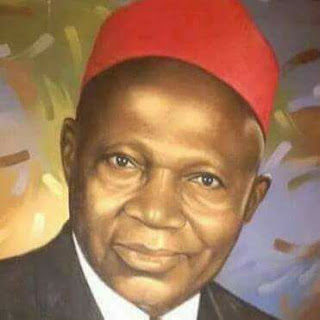
Forty years without Malam Aminu Kano


By Amir Abdulazeez

I became familiar with politics before the age of ten. One contributing factor was family members who contested for elective positions during Nigeria’s botched 3rd Republic in the early 1990s. I was close to people contesting positions as low as councillorship and as high as president. Whenever they were having discussions, there was one name that came up frequently, and that name was Malam Aminu Kano. At that time, his death was not even ten years old.

I knew little about this frequently discussed man then, but I grew up striving to understand more about him. I noticed that politicians from all affiliations adore him, pray for him and then treat him like a prophet. Whenever he is mentioned, people get filled with nostalgia. There is virtually no politician in Kano and, by extension, the greater part of Northern Nigeria who doesn’t want to be associated with the Aminu Kano brand.

For over thirty years since I first heard his story, I have struggled to understand more about him.  The deeper I went, the more I realized how special he was. From 2002, when I became much keen on observing and studying Nigerian politics, up to date, I have been very much convinced that the majority of the set of people we call politicians today are mere jokers without any vision compared to the likes of Malam Aminu Kano. Only a very few of them have tried to replicate the kind of discipline and honesty he was known for. During their era, the likes of Aminu Kano were in politics for a reason which was never self-centred.

Although he was known mainly as a politician, emancipator, reformer and activist, Malam was also a great author, orator, mentor and educationist. He is credited with establishing the modern Islamiyyah system we operate today. He is also believed to be one of the shapers of mass education practised today. He had touched society positively in many ways other than politics. That is why we have diverse institutions named after him; roads, schools, hospitals, airports, etc.

At the peak of his powers, Malam was literally the owner of Kano politics, yet he was humble, kind and generous even to his opponents. His honesty was uncommon even for his era. It was reported that one day, the then Kano State Governor, Muhammadu Abubakar Rimi, visited him with the gift of an electric generator. Malam enquired whether the governor had provided a generator for all the people of Kano State. That was how he rejected it, and Rimi had to leave with it. When Malam died, he didn’t leave any wealth for his family. His only house is now a research centre managed by Bayero University, Kano.

Today marks exactly 40 years since the demise of this rare human being. Although his ideology, ethics and teachings have remained significant, the people have never stopped mourning him. Every year, his death looks fresh; Malam will be mourned forever. He was a champion of progressive politics and justice, a defender of the oppressed and downtrodden, a true man of the people and a dedicated ad unique statesman. He is among the most outstanding Nigerians and a role model to millions of citizens and leaders. He will remain a reference point for a long time or forever. His history will be written and rewritten severally.

His death marked the end of ideological politics in Northern Nigeria. I see him as the greatest Kano citizen of all time, at least in the modern era. He has established a norm by living a life that any right-thinking person would aspire to lead. But, unfortunately, a society like Kano, which enjoyed a solid political foundation laid by the likes of Aminu Kano, is now governed by the kind of shameless and self-centred people we see today.

While some political leaders have worked hard and tirelessly to sustain the Aminu Kano legacy, many others have been anti-people, playing the politics of self-interest at the expense of society. The bitter part is that even political crooks and criminals disguising themselves as leaders are claiming to be identifying with the teachings of Aminu Kano.

Today, we have so many pretenders who claim to be disciples of the late sage, and only people with historical knowledge can unearth their treachery. It is funny that some people even wear his kind of attire, bragging about being like him, while in practice, they are corrupt, morally bankrupt and don’t adhere to any of his teachings.

Unfortunately, many who lived with him did not inherit his modesty, honesty and simplicity. Many of the influential people who remember him today only do so hypocritically. They were never sincere about promoting his virtues. People who claim to have him as their role model are stupendously rich beyond rationality while maintaining a questionable character. If he were alive, he would disown most of these pretenders.

Malam Aminu Kano was not wealthy; he didn’t hold many government positions. Malam didn’t force people into building a political empire, and he wasn’t greedy; his name has been written in gold, and nothing can erase it for the rest of history. The corrupt leaders of today will die to have his kind of name, but they can’t exercise any of his virtues. Instead, they are shamelessly hell-bent on garnering wealth, wealth and more wealth as if there is no life after death.

All my life, I have aspired to become myself and carve a niche from my own view of life. I had understood very early in life that every human being is unique in his own right, and there is no rigid template that everyone must follow to become great. Many great men have inspired me, but I still enjoy being myself. However, for every rule, there is an exception; from what I’ve gathered about Malam Aminu Kano, he is one person I can give up everything to be exactly like him.

Twitter: @AmirAbdulazeez 

Notes on Hadiza Bala Usman’s book, Stepping on Toes

By Abubakar Suleiman

The 200-page book with 17 Chapters titled, “Stepping on Toes: My odyssey at the Nigerian Ports Authority,” is a very interesting book with damning revelations. It is an inside story of Hadiza Bala Usman’s stewardship as the Managing Director of the Nigerian Ports Authority (NPA) and the mess that is the Nigerian public service.

The book is written in simple and straightforward English that even a high school student will comprehend so well. My interest is piqued and waxing stronger from one Chapter to another thereby making the book to be unputdownable.

The first two chapters of the book highlighted the events that summed up her closeness to the former Minister of Transportation, Rt. Hon. Rotimi Ameachi, his recommendation to President Muhammadu Buhari for her appointment as the Managing Director of the Nigerian Ports Authority and the President’s subsequent approval.

Chapters three, four and five discussed the status quo or context in which Hadiza met the top government officials, internal reforms and her steps toward turning the place around for the better. Her innovation or attempts at decongesting the ever tiring Apapa’s traffic was also captured here.

The rest chapters delved into the ‘stepping on toes,’ the root causes of her imbroglio with vested interests in the industry and her boss-cum-witch-hunter and eventually her ‘stepping aside.’ It was either a major player in the industry or contractor breaches the contract agreement with impunity or it was the Minister who wants an extension for a contractor after a procurement process has already commenced.

The final chapter, Chapter 17, was the icing on the cake. If you’re not given to reading books, try to read this last chapter titled “The lessons I learnt.” For anyone who eventually finds themselves in the public service. The chapter needs to be etched in our memories before we get carried away by the allure of wealth or the sweetness that comes with the corridors of power whenever we are called to serve. I implore everyone to read the book especially people who have a tinge of interest in the public service.

It is good that she documented her experiences and travails as the boss of the NPA. Her successor or anybody with an interest in public service will learn some lessons on the political scheming, politics, lobbying, vested interests, backstabbing, soft and tough decisions and, careless and honest mistakes that come with public office.

Some decisions taken by public office holders might seem awkward, insensitive or uninformed but we never could tell the context and variety of information and decision available to them. An autobiography will give us these insights. And I am particularly happy that politicians or public servants are toeing this path of detailing their experiences, thoughts and decisions making in their public service sojourn. We hope, some day, the former Minister of Transportation, Rt. Hon. Ameachi will also write a book so we could get his own version of the story. The revelations are indeed damning.

Without falling for the danger of a single story and without prejudices to Ameachi, Hadiza’s story is not unusual as far as the public service terrain is concerned. From Sanusi Lamido Sanusi to Yewande Sadiku to many other patriotic Nigerians who left the call to serve the nation somehow scathed; it has always been a case of being loyal to the truth and country or being uncritically loyal to your boss or some vested interests who call the shots with impunity and clear disregard for the rule of law and the country’s image and integrity.

The Nigeria’s public service is a very intriguing space and it would be difficult not to step on big toes especially when you really want to carry out reforms or bring about change or sanity in the system. The beginning of your suffering as a Nigerian, whether as a leader or the led, is to insist on following due process in your dealings. With this sole decision, you’ve kissed peace a goodbye.

A reformed minded person will always come onboard with disruptive decisions and vested interests who have enjoyed monopoly, formed cartels and compromised previous and existing civil servants don’t go down without a fight. They will pull all the strings available in the book and it could be done in the most harshest and dirtiest manner.

From getting a court order to restrain you from proceeding with a well planned and thought out process to employing hoodlums to attack you and to using dangerous politicians to fight you on their behalf. And these dangerous tendencies have pushed many intelligent and patriotic people away from public service.

Furthermore, when it comes to feasting or latching on the national cake, the collabo between politicians or vested interests knows no political party, ethnicity or religion. The most important thing for the interests is to just align and every other thing or person is just a chess pawn.

Public service is increasingly becoming a toxic and thorny path many reform-minded persons will not want to toe. Now, should we decline a call to serve our country? The definitive answer to that is no! Whenever you are called to serve the country don’t hesitate to oblige, it is an opportunity to make decent contributions for your country. The public service is too important to be left to the sharks. Go into the public service terrain, get your fair share of scars but make sure you leave an imprint of integrity, transparency and accountability. And in the end, publish your story.

Abubakar Suleiman writes from Kaduna and can be reached via abusuleiman06@gmail.com

Increasing Kano’s IGR: roadmap for economic recovery under Abba

By Bashir Abdu Muzakkari, Ph.D.

Internally generated revenue (IGR) plays a crucial role in the economic development and sustainability of every state. As the Governor-elect of Kano State, His Excellency, Abba Kabir Yusuf, has shown a strong commitment to enhancing the state’s revenue generation through various innovative strategies and plans of action.

One of the key strategies proposed by Abba Kabir Yusuf is innovative financing. This involves exploring new and creative ways of generating revenue beyond traditional tax collection methods. For instance, the governor-elect plans to leverage partnerships with private investors and financial institutions to invest in revenue-generating projects such as infrastructure development, agriculture, tourism, and technology. By diversifying the sources of revenue, Kano State can reduce its overreliance on tax collection and increase its IGR.

Another critical decision towards his plan is the disengagement of current tax consultants. The governor-elect recognizes the need for a more efficient and transparent tax collection system that minimizes leakages and maximizes revenue collection. As such, he intends to review existing contracts with tax consultants and ensure that only reputable and qualified consultants would manage the state’s tax administration. This will help in plugging revenue loopholes and improving the overall effectiveness of tax collection in Kano State.

Furthermore, Abba emphasizes the need to improve the capacity and welfare of state tax collectors. He recognizes their important role played by tax collectors in revenue generation and believes that their welfare and capacity building are critical for optimal performance.

He plans to invest in the capacity-building programmes for tax collectors to enhance their skills and knowledge in modern tax administration practices. Additionally, he intends to prioritize the welfare of tax collectors by providing them with adequate remuneration, incentives, and tools necessary for effective tax collection.

Transparency and accountability in revenue generation are also key components of Abba’s plans of action. He aims to establish a robust system that ensures all revenue collected by the state is properly accounted for and utilized for the benefit of the people of Kano State. This will involve regular audits of revenue collection processes, the use of technology to track revenue inflows and outflows, and the publication of audited financial reports to ensure transparency and accountability in revenue management.

Moreover, the governor-elect is committed to enhancing tax legislation and administration in Kano State. He recognizes the need for an up-to-date and robust legal framework that supports effective tax administration. He plans to collaborate with relevant stakeholders, including the state House of Assembly, tax experts, and civil society organizations, to review and update existing tax laws and regulations to align with international best practices. This will help in creating an enabling environment for businesses and individuals to comply with tax obligations, thereby boosting revenue generation.

In addition, Abba Kabir Yusuf works to identify additional revenue sources for Kano State. This involves exploring new sectors and industries that have the potential to generate significant revenue for the state. For instance, the governor-elect plans to explore opportunities in the creative industry, solid minerals and other untapped sectors to diversify the state’s revenue base. By identifying and harnessing new revenue sources, Kano State can reduce its reliance on the federal grants by creating a more sustainable and resilient revenue generation system.

Abba also recognizes the importance of providing tax relief and incentives to relevant taxpayers. He plans to review the current tax system and identify areas where tax burdens can be reduced for businesses and individuals, especially small and medium-sized enterprises (SMEs), which are key drivers of economic growth. By providing tax relief and incentives, Kano State can attract more investment, stimulate economic activities, and ultimately increase its IGR.

In conclusion, Abba Kabir Yusuf envisions the creation of the Kano State Advertisement and Signage Agency (KASIA) as an additional revenue generation strategy. This agency will be responsible for regulating and managing outdoor advertising and signage in the state, including billboards, banners, and other forms of outdoor advertising. By properly regulating and taxing outdoor advertising, Kano State can generate additional revenue while also improving the aesthetics and environmental sustainability.

Bashir Abdu Muzakkari writes from Kano.

Why Nigerians should thank Peter Obi

By Prof. Abdussamad Umar Jibia

The 2023 general elections have come and gone, and like every set of elections, there are winners and losers. Typical of Africans, those who lost alleged rigging and those who won hailed the process.

In addition to winners and losers, there are other people we should cheer for their roles in the elections. First, we should give credit to President Muhammadu Buhari for being true to his promise of organizing free, fair and credible elections. The President himself has observed that Nigerian voters have become more sophisticated. One manifestation of this is that voters no longer vote along party lines. It doesn’t matter if he is a card-carrying member of a political party; once a Nigerian voter sees a better candidate in another party, they go for them. That is the new normal if you like, and it is a good lesson for our politicians.

We must also hail the INEC Chairman. Just like his colleague Prof. Attahiru Jega, Prof. Mahmoud Yakubu has shown an uncommon tolerance in dealing with politicians, even in extreme cases in which an ordinary person would lose control.

My man of the day is His Excellency Peter Obi, a former Governor of Anambra State. I have never met Peter Obi, and he did not attract my attention until he began to claim that he wanted to become Nigeria’s president. From the way he started up to the time he crashed, I knew that Obi didn’t have a good understanding of the country he wanted to govern.

First, Obi wanted it under the PDP. Despite being a failed party, a PDP ticket would have earned Peter Obi a distant second regardless of the part of the country he is coming from. When he could not clinch its ticket, he jumped to the Labour Party. Then he started his campaign, the method of which we all saw.

The part of his political activity that we should thank Peter Obi for is his ability to solve one of the greatest puzzles of the Nigerian census. I mean the question of religion.

Nigeria is a big country with a Muslim majority and a minority that includes a good number of Christians and some pagans. Nigeria’s last census that collected data on religious affiliations was in 1963. According to the 1963 census results, there were 47.2 % Muslims, 34.3% Christians and 18.5% others. In the North, the ratio was 71.7% Muslims, 9.7% Christians and 18.6% others.

Talking about South West, the 1963 census figures identified the present-day Oyo, Lagos, Ogun and Osun as Muslim-majority states, with only Ondo and Ekiti as Christian-majority states.

Subsequent censuses either did not capture religion like the case of the 1991 and 2006 censuses or were cancelled due to controversies surrounding their conduct which was the case with the 1973 census.

Demographic experts make projections based on past trends, fertility and mortality rates and in the case of religious proselytization, migration, etc. The Ibrahim Badamasi Babangida administration decided to remove religion in the 1991 census due to bogus claims of being majority especially made by the church, and since then, the Nigerian Population Commission has avoided conducting standard projections involving religious affiliations.

Without a head count and/or unbiased, professionally made projections, Nigerians are continuously bombarded with unrealistic population figures. At one point in time, Christians claimed that they constituted more than 45% of the Northern Nigerian population, a claim ignored by Muslims for being ridiculous.

While ordinary Nigerians can be misled by propaganda, politicians looking for votes have always been calculative in their determination of who constitutes the majority and should attract their campaign and who is a liar.

And it is not difficult to figure out. Political affiliation in Nigeria is a good pointer to religious affiliation. For example, it is well known that Northern Christians do not vote for Muslims, whereas the former are in the majority. The examples are many and well-known. Thus, the number of Christian elected politicians in a particular state would approximately tell you the percentage of Christians in that state. In addition, the number of predominantly Muslim states with large populations like Kano and Katsina makes the population of the two Christian-majority states of Plateau and Benue a joke.

As a politician who needs votes of the majority to win a national election, Obi should have known all these figures and used them to gauge his level of preparedness. Unfortunately, he lost it and was going from one Church to another, vividly falling into the propaganda trap of the Church. He was carried away by the belief that the Middle Belt is Christian. But where is the Middle Belt? Is it North Central? Who, among the Governors of Niger, Kwara, Nasarawa, and Kogi, is a Christian? Obi was simply too naïve.

However, it is not bad at all. The clergy campaigned for him. Christians were mobilized nationwide. The outcome is what the NPC could not achieve in its censuses. Christians overwhelmingly voted for Obi. The number of Muslims who voted for him was simply insignificant, just like the number of Christians who voted for the Muslim-Muslim ticket of Tinubu-Shettima. The few Christians who did not vote for Obi were seen campaigning for PDP. Overall, more than 14 million voted for either Tinubu or Atiku, both of whom are Muslims. Even if we take 10% of that and add it to Obi, Christians are still a small minority.

As Muslims, we have avoided these arguments as we consider them unhealthy since, after all, our eternal prosperity in Islam is not dependent on whether or not Muslims are in the majority at a particular time or location. But we have been boxed into it, and it is helpful.

Professor Abdussamad Umar Jibia wrote from Kano. He can be reached via aujibia@gmail.com.

Addressing Kano’s environmental challenge under Abba Kabir Yusuf

By Bashir Abdu Muzakkari, Ph.D.

Climate change and environmental control are critical issues that require urgent attention and action from policymakers and leaders around the world. The newly elected governor of Kano State, His Excellency Abba Kabir Yusuf, has outlined a comprehensive plan to address these challenges and promote sustainable environmental practices in Kano state.

One of the key commitments of Abba Kabir Yusuf is the development and implementation of a Kano drainage master plan. Flooding has been a recurrent issue in Kano State, causing damage to infrastructure, disrupting economic activities, and displacing communities. The incoming administration aims to tackle this problem through a well-designed drainage master plan that includes the modernization of existing drainage systems, the construction of new drains, and effective flood control measures. This plan will not only mitigate the impact of flooding but also enhance the resilience of Kano state to climate-related risks.

Another important aspect of Abba’s environmental plan is the reclamation of the Refuse Management and Sanitation Board (REMASAB) and the facilitation of waste-to-wealth initiatives. Proper waste management is crucial for maintaining a clean and healthy environment. The new government will revitalize REMASAB to ensure efficient waste collection, disposal and recycling.

Moreover, his new government to promote waste-to-wealth initiatives, such as composting, recycling, and upcycling, to transform waste into valuable resources, generate employment opportunities, and contribute to the circular economy.

Urban beautification is also a priority in Abba’s plan for climate change and environmental control. He recognizes that a clean, green, and visually appealing urban environment not only enhances the quality of life for residents but also attracts investments and tourism. He also plans to embark on urban beautification initiatives, including landscaping, tree planting, and public space development, to create a more sustainable and aesthetically pleasing urban environment in Kano State.

In addition to this, His Excellency, Abba Kabir Yusuf emphasizes the creation of oxygen banks as part of his environmental plan. Trees play a crucial role in mitigating climate change by absorbing carbon dioxide and releasing oxygen through the process of photosynthesis. He plans to implement a comprehensive tree planting program to combat desertification, enhance ecological control, and improve air quality in Kano State. This includes planting trees in urban areas, along highways and in degraded lands to restore the ecosystem and protect against the adverse effects of climate change.

Furthermore, the governor-elect recognizes the importance of environmental health practitioners in safeguarding public health and promoting environmental sustainability. He aims to reinvigorate the roles and capacities of environmental health practitioners in Kano State through capacity building, training and the provision of necessary tools and resources. This includes ensuring proper enforcement of environmental health regulations, monitoring compliance, and establishing partnerships with relevant stakeholders to enhance environmental governance.

Bashir Abdu Muzakkari writes from Kano

For Government’s Success: An open advice to President-Elect Bola Ahmed Tinubu (I)

BY Umar Ardo, PhD

PREAMBLE

First, let me seize this opportunity to congratulate Sen. Bola Ahmed Tinubu on his well-deserved victory in an unarguably the most keenly contested presidential election in Nigeria’s history. For me, I feel fulfilled in that the incipient seed of this outcome was sown by my humble self way back in January 2012, when I conceived the idea of the merger between Buhari’s CPC and Tinubu’s ACN, premised on the former being President and the latter Vice President. Aware of the previous failed attempt at such a merger, I sold the idea to Buhari in such a way and manner that I was confident he would accept. Even though he had then publicly announced that 2011 would be his 3rd and final attempt to contest for the presidency if he lost that year’s election, it turned out easy for me to get his buy-in to the idea as within three hours, he consented and promised me of approaching Tinubu with the plan. I then knew my job was done, as I was certain Tinubu, too, would consent to it.

And lo and behold, about five weeks later, Buhari called me to a meeting in Abuja, at which he briefed me on his meeting with Tinubu on the merger and that the man had accepted the proposition. I felt elated, knowing there and then that change had come to the country. The rest, as they say, is now history. (The details on this concept and how it was worked out are contained in chapter 7 of my book titled “Court and Politics: Chronicling my Experience in the Nigerian Theatre”, published by Sungai Books; New Jessy, USA, 2020. Both the president and the president-elect have copies of the book).

2. THRUST OF THIS ADVICE

Now, having won this hard-earned victory against so many odds, it is important for the sake of the country and the President-elect’s legacy that the regime succeeds. And this success is largely dependent on, among three other things, the thorough implementation of government policies.

The campaign manifesto of the President-elect has no doubt enunciated laudable core policy initiatives capable of resolving the teething problems facing this country. But this will depend largely on one thing – i.e. diligent implementation! In practical terms, this means that:-

➢ No matter how good a policy, maybe its end product lies in implementation;

➢ Citizens assess governance by what is implemented on the ground, and so citizens interact with public policies only at the implementation level;

➢ As the regime starts its term in office, it must ensure that its policies are fully implemented; and

➢ Without fully implementing its policies and making a difference at the implementation level, the regime also risks ending up a failure like previous regimes.

Yet, the major recurrent concern of governance in Nigeria over the years has been the failure to implement policies as conceived and formulated by governments successfully.

3. JUSTIFICATION

The fact that successive governments, not excluding the outgoing one, would come up with laudable policy initiatives, well-conceived and elaborately articulated, but eventually fail at the implementation level, to the disappointment of the public and discredit of the government itself, calls for a new approach to public policy implementation in Nigeria. To this end, it is important to highlight that:-

➢ The primary reason for this gap between excellent policy initiatives and pitiable policy implementation is mainly a lack of [or poor] monitoring and evaluation mechanism;

➢ Even with a strong will on the part of leadership, it has always been difficult to get things to happen in government organisations because of endemic vested interests that create resistance, inertia, discouragements and even sabotage to such policy implementation attempts; and

➢ Good ideas and the will of the government to implement the same are not sufficient; drive and follow-through are equally important, yet often insufficiently appreciated and applied.

Against this backdrop, so as to help the government overcome these challenges and make a difference in performance and achieve set policy objectives, I respectfully make this open advice for the kind consideration and approval of Mr President-elect, please.

4. ACTION STEPS

➢ Establish a Policy Implementation, Monitoring and Evaluation [PIME] Unit under the Office of the President by means of an Executive Order; and

➢ Appoint a Special Adviser to the President on Policy implementation, Monitoring and Evaluation as head of the Unit. Such a person must be knowledgeable, patriotic, trusted and of impeccable character.

5 STRUCTURE, FUNDING AND MODE OF OPERATION

➢ The PIME Unit is to be a policy Monitoring and Advisory Outlet constituted by an Executive Order to operate within the Office of the President;

➢ The Head of the Unit should report directly to the President;

➢ The Unit’s budgetary funding is to be within the budgetary provisions of the presidency; and

➢ Hold monthly 1hr Update Briefing Sessions with the President on the activities, findings and suggestions of the Unit for any further necessary actions.

6. AIMS AND OBJECTIVES OF THE UNIT

The PIME Unit should have the following aims and objectives:-

➢ To ensure full implementation of government policies, designs, projects and programmes for efficient delivery of expected results;

➢ To devise and drive new national policy-performance-design capable of reversing the endemic failure syndrome in policy implementation by the government; and

➢ To create and sustain a positive image of the government in terms of policy and budgetary implementation attitudes nationwide.

7. SCOPE AND FUNCTIONS OF THE UNIT

The PIME Unit should have the following scope and functions:-

➢ Design, develop and implement a systemic monitoring and evaluation framework to track, monitor, assess and report on the performance of all entities in relation to the government’s plans, activities and timeframes so as to improve the quality and quantity designs in policy, programme and/or project implementation relative to government interests;

➢ Monitor, assess and evaluate the performance of ministries, agencies, institutions, departments, projects and programmes of the government to ensure compliance with policy intentions, outputs, outcomes and impact on the polity;

➢ Organize, undertake and provide [if, where and when necessary] training and technical assistance to implementing entities and partners on specific policy implementation initiatives as may be required for the attainment of government goals;

➢ Produce and submit monthly Reports and prepare presentations of the Unit’s activities, findings and recommendations to the president;

➢ Advice the president on all issues relating to the full implementation of government policies, programmes, projects and obligations; and

➢ Perform any other scope and function as may be assigned to it by Mr President.

8. EXPECTED BENEFITS AND SIGNIFICANCE OF THE UNIT

The PIME Unit will yield the following benefits:-

➢ It will ensure that government policies, programmes and projects are fully implemented as conceived, and government’s goals are achieved;

➢ It will end the failure syndrome of government in policy implementation forthwith and ensure rapid and visible development of the country;

➢ It will establish and maintain inter-agency coordination in policy implementation and provide a consolidated source of information showcasing policy implementation progress, highlight lapses where they occur and devise necessary corrective measures forthwith, hence allowing operators to learn from each other’s experiences, building on expertise, knowledge and synergy;

➢ It will generate written reports that will contribute to transparency, accountability and efficiency, allowing lessons to be shared more easily and experiences and templates used as bases for steering decision-making processes;

➢ It will establish and deepen the culture of transparency, accountability and efficiency in public institutions and public services; and

➢ It will provide the presidency with a veritable measurement tool of the performances of public institutions and public servants.

9. CONCLUSION

The rationale for this open advice now is that I feel Nigerians are actually tired of the unending cycle of failures of successive governments of the country and that we need to put a halt to it. The sole objective of this memo, therefore, is to help create the needed momentum from the start of the incoming Tinubu-led regime that will make it succeed in breaking this failure syndrome in the most critical area where all other regimes had failed – policy implementation; to positively enhance the developmental fortunes of our country, and as a result at once mould public opinion favourable to President Tinubu and his new regime, both at home and abroad. This way, one will fill more gratified that one’s efforts in trying to bring positive change to our country and society have at last yielded fruits.
Danmodi and the burden of history in Jigawa

By Kabir Musa Ringim

Now that the election is won and lost, the winners are strategizing and restrategizing, the losers are grieving or heading to court, the politicians are politicking, lobbying, and cross-caperting to be invited to the dining table, the contractors and investors are hoping for their returns on investments, and the technocrats are lurking while the masses are waiting for the transition to start enjoying the dividends of democracy.

Jigawa, as the most peaceful and most homogenous state in the country, witnessed one of the best gubernatorial elections nationwide this year, characterized by being largely peaceful, free, and fair with little or no incident of violence or strife. Contrary to the presumptions prior to the poll, people shamed the rabble-rousers, the agents of disunity, and the promoters of strife with the intent to sow discord and instability by voting the most competent candidate all over the state without minding his zone. It is heartwarming that Mallam Umar Namadi Danmodi won in 26 out of 27 LGAs and got more than 30,000 votes in the remaining LGA; the figure is higher than that of most LGAs thought to be his bases or strongholds.

The result stopped a dangerous precedent that may be the cause of mayhem and instability in our dear state. A few weeks before the elections, both protagonists and antagonists latched onto the intense emotions of the gullible by fueling turmoil to score cheap political goals. It was reported that our hidden enemies with evil agendas were disappointed to learn that we’re still united, and we left no clue as to when and how they will see us divided. Jigawa people are united in every aspect: in faith, language, dress, houses, economy, education, etc. No amount of intrigue, espionage, or blackmail will make us lose our guard and allow the purveyors of hatred to cost us our peaceful coexistence, which was the envy of most states.

But as the transition date of May 29th approaches, I start to sympathize with the incoming governor. The vast expectations on him are far too many. The people are looking up to him as a messiah to rescue them from the pangs of poverty and hunger. The masses hope he will resuscitate the ailing educational sector and revive the falling health sector while maintaining the progress made in the economy, roads, and infrastructure championed by his immediate predecessor. I can say without any fear of contradiction that no Jigawa governor-elect in history has enjoyed the widespread support Danmodi is currently enjoying, to the extent that the opposition is almost crushed and driven into extinction. Thanks to his great personality, personal integrity, magnanimity, and charming character.

The first task of great priority facing the new governor is how to strengthen the peaceful atmosphere by being fair and just to all, irrespective of zone or political affiliation. He should strive to be the governor for all and sundry. Another urgent task of equal importance is that he should put an end to the recent widespread and politically motivated suspension of traditional rulers so as to save our traditional institutions and cultural heritage from mockery and extinction. More importantly, while deciding on his prospective cabinet members, he should consider the technocrats to work with him alongside the usual politicians; I believe he will do this by considering his speeches at the meetings he held with us, the Jigawa academics, at different times in Dutse.

The selection of cabinet members is what determines the success or failure of any administration. The composition of the cabinet will make or break any administration. Danmodi should exercise restraint and not reward political loyalty by imposing incompetence on Jigawa people. As Professor Sheikh Mansur Sokoto recently advised the Zamfara state governor-elect in a widely shared video clip, there are so many ways to reward politicians, not necessarily by appointing them to sensitive positions they are incapable of managing. My advice to Danmodi at this crucial stage is to consider professionalism, competence, capacity, and character when choosing his political appointees. A square peg in a round hole will result in nothing but disaster, and history will not be kind to Danmodi if he enables that.

Secondly, our governor-elect should build on the progress of his predecessors in all sectors and capitalize on their weak areas. Saminu Turaki’s ICT development, Sule Lamido’s institutions and infrastructure, free girl child education, and haihuwa lafiya, Badaru Abubakar’s gains in economy, revenue generation, and infrastructure, should be sustained or resuscitated. Recruitment of teachers and health workers should be treated as a matter of urgent attention. A state of emergency should be declared on poverty and unemployment among youth and women to arrest the sad situation of living in extreme poverty amidst abundance of wealth prospects and means of prosperity. Flood mitigation procedures should be employed so as not to exacerbate the already dire situation of perennial flood incidents.

Lastly, I wish the governor-elect all the best as he steers the affairs of our deer state in the next four years. I pray that he finds a way to deliver in this difficult terrain. The hopes are high, the expectations are immeasurable, and the politicians seeking relevance or appointments are numerous, but the mandate belongs to us, the masses and ordinary citizens, as we are by far the largest in number.

Kabir Musa writes from Ringim and can be reached via ringimkabir@bupoly.edu.ng

Ripples from the Adamawa 2023 inconclusive governorship election

By Zayyad I. Muhammad

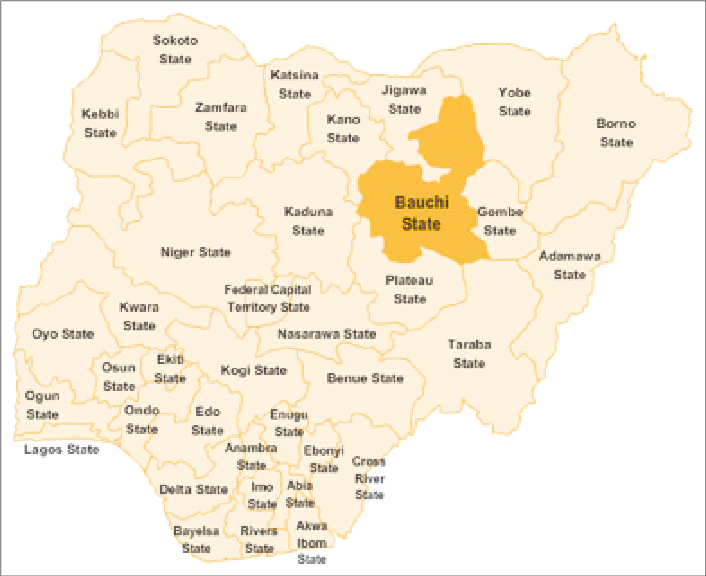
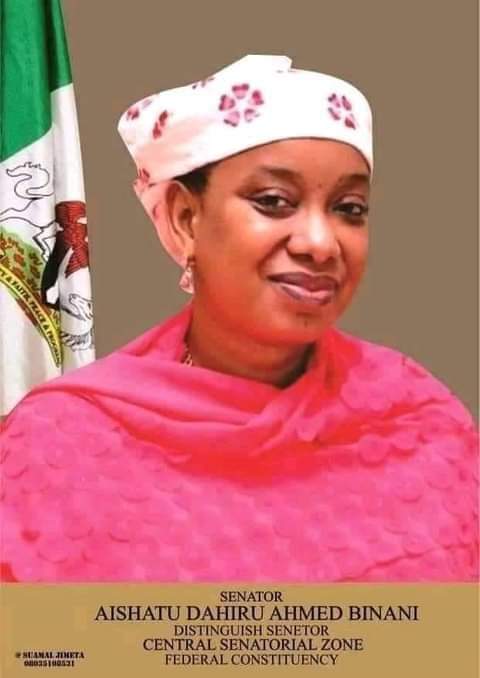
The Independent National Electoral Commission (INEC) has fixed Saturday, April 15th, 2023, as the day for the Adamawa state governorship supplementary election in 69 polling units across the state. Governor Ahmadu Umaru Fintiri is going into the supplementary election with a margin lead of 31,249 votes. Senator Aishatu Dahiru Ahmed Binani needs a miraculous miracle to dilute this margin from the 37,706 expected votes in the 69 polling units where the supplementary election will be conducted. Though miracles, they say, do happen!

Despite the opened anti-party she faced from some members and executives of her party. Her disregard for the crucial aspect of politics – collaborations with everybody and anybody, plus her failure to send an olive branch to some of the APC governorship aspirants who lost to her during the APC governorship primaries, including the indifference to her candidacy exhibited by some stakeholders of the Adamawa APC, Binani has proved a point- Binani shook Governor Fintiri in a way he never expected.

Candidate Fintiri came to the March 18 governorship election over-confident but with poor calculations and with so many off-the-shelves strategies. For instance, he thought that his 2019 bloc vote was still intact, but he was wrong- many people in the bloc vote have realised that they’ve nothing to gain from it- it was mainly Fintiri’s ‘cousins’ and close associates who mostly enjoy the goodies meant for the bloc vote. Fintiri’s second mistake was the poor deployment of logistics – this is obvious from how he performed in the Adamawa North Senatorial District- his primary constituency- Fintiri got only 53% of votes, losing 3 of the 5 LGAs. Though Binani also performed poorly at her central zone- she got only 45% of the total votes – winning only 3 of the 7 LGAs.

When the controversial Fufore LGA result was announced, Gov was pictured celebrating victory with his Aides. However, a few minutes later, when the final result was declared inconclusive – again Fintiri was pictured in a deflated mode. Students of politics and history should study INEC’s declaration of Adamawa 2019 and 2023 governorship elections as inconclusive relative to the man ‘ Ahamdu Umaru Fintiri’- it always brings out ‘the punctured him’. In 2019 when the election was declared inconclusive, Fintiri ran to former Vice President Atiku Abubakar for help and equality in 2023.

When his re-election was also declared inconclusive, Fintiri returned to Atiku for another help. In fact, in 2019, former governor Boni Haruna saved the day for Fintiri. In a press conference, Boni highlighted the difference and the importance of registered voters and PVC collected, which today has become a working document for all political parties and INEC itself.

 Fintiri is a man that often boasts that he is a man of great political sagacity, he often claims to have retired many people or has ‘shaved’ their heads from politics, but whenever he is faced with an intricate political situation, he suddenly becomes punctured and runs to same people for help.

As earlier mentioned, Binani needs a miracle, or the 8th wonder of the world, to upstage Fintiri’s 31,249 votes lead from a pool of just 37,706 votes. Nevertheless, whoever wins the 2023 Adamawa governorship election, will face a big legal tussle; that’s why people were shocked when Fintiri and his convoy were seen returning from Fufore LGAs, in the name of collection results to the state collation centre. It is simply bizarre- when a contender in an election turns himself into the electoral and collation officer.

 Politics is about interest and survival – the APC members and executive who worked against Binani – did it to survive- For the executive to protect their seat, while for some of the stakeholders- it is about 2027 calculation if there is an incumbent governor from the APC, the ticket is closed for eight years. And supporting Fintiri is also another of their calculations. If he wins, he will leave the scene after four years. Thus, 2027 will be free for all.

For some of the prominent PDP stakeholders who were also indifferent to Fintiri’s candidature, they did it to remind Fintiri that ‘big’ is ‘big’- Fintiri went to the election almost solo with his lieutenants, but he could not get an outright victory but managed an underdog-like inconclusive win.

 In conclusion, Governor Fintiri has the brightest chance of coasting to victory in the April 15th supplementary election, but he’s the biggest ‘loser’ in this election- his political might has been reduced to its lowest. He now knows that going to the Senate in 2027 is not as easy as he thought, and bringing a successor from the PDP is not in his absolute control. Another loser is the APC and some of its executives that opened antiparty – Adamawa APC remains fragmented for some time to come- this will hunt the party in the next cycle of elections, as pay-back-time will be the order of the day in the party for many years to come.

Binani, on the other hand, her chance of winning the election is near zero, but she is one of the biggest winners in the election – despite little support from her party in the state and open anti-party from some party executives, she made points and strong political statements. Another winner of this election is some PDP stakeholders and the PDP itself- this election has removed them from any shackle – had it been that Fintiri had a smooth ride; won the election with a significant margin effortlessly, he would attempted to ride on anybody in Adamawa politics in his second term.

 Zayyad I. Muhammad writes Abuja via zaymohd@yahoo.com.

Buhari fires NIPC boss

By Ahmad Deedat Zakari

President Muhammadu Buhari has sacked the Executive Secretary and Chief Executive Officer of the Nigeria Investment Promotion Commission, Saratu Umar.

The Special Adviser to the President on Media and Publicity, Femi Adesina, disclosed this in a statement he signed on Thursday.

According to Mr Adesina, the President has communicated the directive of Umar’s termination of appointment to the Honourable Minister of Trade and investment, Otunba Richard Adeneyi Adebanjo.

He also stated that the president ordered that the most senior director in the commission takes over immediately.

The statement reads: “President Muhammadu Buhari has terminated the appointment of Hajiya Saratu Umar as the Executive Secretary/Chief Executive Officer of the Nigeria Investment Promotion Commission (NIPC), with immediate effect.

In a directive to the Honourable Minister of Industry, Trade and Investment, Otunba Richard Adeniyi Adebayo CON, the President also mandated the most senior Director in the Commission to immediately take over in the interim. “