Opinion

The challenges of integrating Almajiri traditional schools into mainstream education

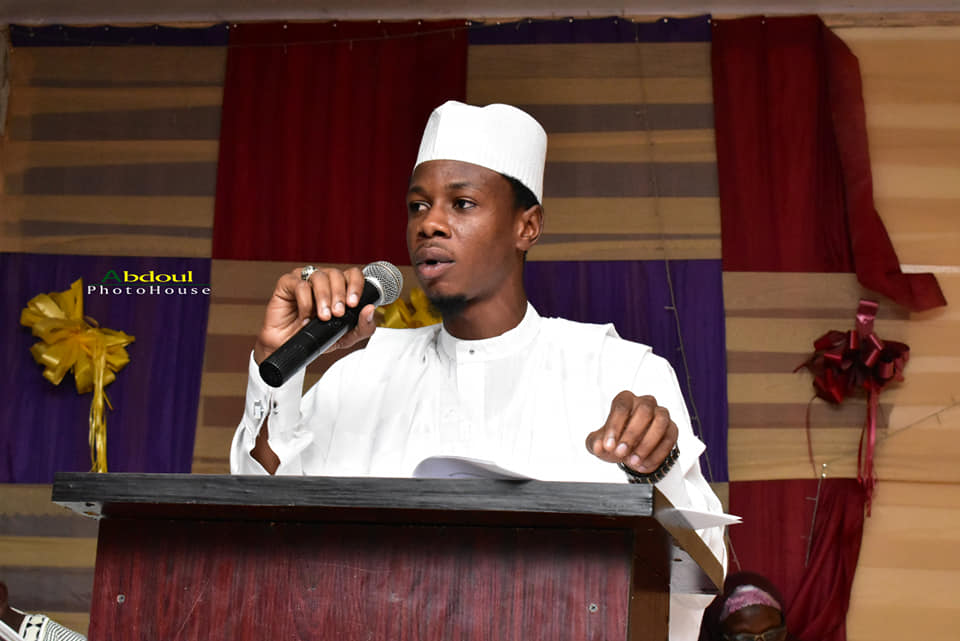
By AbdulMajid Haruna

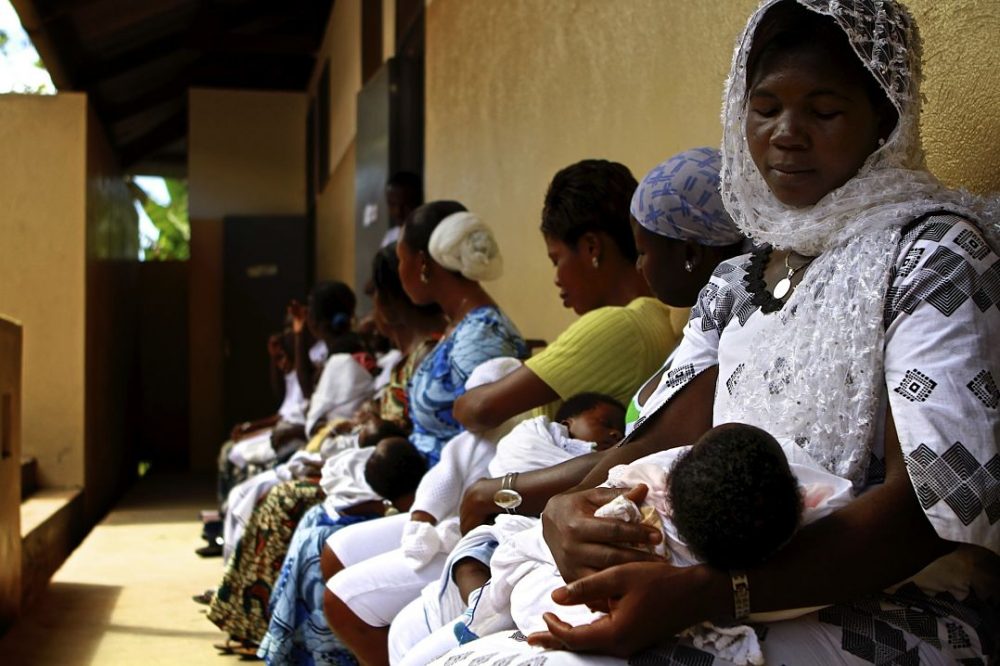
Several policies on education span across four decades, and yet Nigeria is still grappling with the menace of out-of-school children. Recent statistics from UNESCO projected a figure hovering around twenty million, with a significant portion of the children being the Almajiri Quranic students. 

Issues such as inconsistent government policies, poor implementation, inadequate funding, and limitations in terms of the scalability and scope of interventions provided by non-state partners and international donors have hindered efforts to address the problem. However, cultural and religious resistance remains a significant barrier.  

The classical system of Quranic Almajiri education imbibes Islamic teaching that every Muslim must acquire religious knowledge. However, culturally, the system aims to instill self-reliance and a sense of responsibility in the social and moral training of the child through hardship, toil, and hunger.

Sufism, the doctrine on which the system was founded, frowns at self-indulgence and believes asceticism and humility to be the hallmarks of a seeker of knowledge. This sentiment was echoed in the Weekend Triumph Newspaper of August 26, 1989, by Abdulkareem A. Bello, who describes the system as “the old wine in an old bottle”. 

In this article, Samaila Ado, an Almajiri in the Kano municipality, was reported to have said, “Our deplorable and wretched condition is a symbol of selflessness and humility.” According to Samaila, a true Almajiri is not concerned with worldly gains but rather is busy preparing for eternal life, which is more paramount.

Historically, the system had flourished owing to the support from the state’s public finances, the local community, and the philanthropic efforts from elites that catered to the modest needs of the children. During this time, the Almajiri scholars were artisans who, during their lecture-free hours, engaged in farming, fishing, well construction, production, masonry, trade, and tailoring. Most were farmers of the iconic Northern Nigerian cotton and groundnut pyramids. Some engaged in leather tanning and shoe and bag making in the old Sokoto empire. 

Sadly, however, the system has failed to adapt to the realities of the twenty-first century, with the modern Quranic Islamiyyas overshadowing the traditional Tsangayas and the Western secular education providing the safest route to climb up the socio-economic ladder. But more worrisome is the report that said six out of ten Almajiri pupils never find their way back home, and many lose their lives through street violence, ritual killing, kidnapping, disease and hunger.

Over the years, Integration has proven difficult due to the inadequacy of our policies. A careful analysis of the failure of Jonathan’s Almajiri integrated Model Schools by the Former Director of the Universal Basic Education Commission, Professor Ahmed Modibbo Mohammed, at Arewa House In Kaduna revealed that the lack of sensitisation and mobilisation of the nation affected the level of buy-in leading to a decrease in support and acceptance of the new system.  

Qualitative assessment research corroborated this analysis, carried out among Almajiri communities in Adamawa State. It demonstrated that including secular subjects was one of the major reasons parents did not welcome the program. 

Time and again, our policymakers have underplayed the subtle but widespread sentiment among the Islamic traditionalists who fear the new order poses the danger of erasing the cultural identity of the people. In a 2021 report published by The Resource Centre for Human Rights and Civic Education (CHRICED), Sheikh Bakura Assusaawi was remarked to have said: “Every Islamic scholar had gone through the system which shows us that there is indeed a great benefit in that system which we cannot afford to lose. There is no other help apart from helping the religion, and when we all neglect to do that, there is never a way forward.”

This allegiance to the old system and aversion towards Western education is rooted in the early events of the 20th century. On October 9, 1902, Fredrick John Lugard replaced Arabic & Hausa-Ajami (Hausa written with Arabic alphabets) with English & Romanized Hausa as the official language of Northern Nigeria. 

This single act in history changed the region’s educational scholarship trajectory. Not only did it render the rich knowledge produced in Ajami in the fields of humanity, science, and social science by the preeminent Sokoto caliphate obsolete and dying, but it relegated those proficient in this script to the background because to be “literate” and “employable” means to speak English and to write in the Roman script.

Tragically, the British also failed to recognise the Almajiri schools and abolished their state funding, tagging them as mere religious schools. This linguistic displacement brewed an identity threat in the people’s social psyche, igniting disdain and antagonism for the new system introduced by the colonial state and the Christian missionaries. 

Unfortunately, a century gap is still not enough to change the thought patterns of the Almajiri community. A recent story shared by a Twitter user about his late colleague’s son aptly drives home my point: 

The colleague had died, and the possibility of sponsoring the child’s education was hanging in the balance because the grandmother was standing in the way. She wanted the son to be enrolled in an Almajiri Quranic school instead of a secular Western school. 

The Twitter user was baffled because the grandma wouldn’t budge even when it was suggested that the child attend a formal school on weekdays and the Almajiri school on the weekends.

Many juxtaposing factors remain underpinning enrolment in traditional Almajiri education, barring socio-religious commitments and an aversion to Western education. These include rural-urban migration in search of greener pastures, disbanded families due to divorce or the death of the breadwinner, poverty, irresponsible parenting, and bad governance. 

Integration begins by fixing the stated problems, but reorienting society to the limitations of this age-long conservative approach to Islamic scholarship takes precedence.  Ever since the pilot scheme of 1964 to modernise Islamic schooling in the Northern Nigerian government headed by Sir Ahmadu Bello that ran successfully for few years before coming to a halt after his assassination, subsequent education policies namely Universal Primary Education (1976), National Primary Education Commission (mid-1980s), Universal Basic Education Act(2004) and Ministerial Committee on Madrasa Education (2009) which led to the establishment of President Jonathan’s Almajiri Model Schools have suffered detrimental setbacks.

Policies are cathedrals in the grand scheme of things; reality is the quicksand sinking them to the bottom. The government and relevant stakeholders must develop the political will to implement policies to their very ends. Most importantly, they must engage in intensive enlightenment, mobilisation, and re-orientation of the populace through the mass media, town hall meetings, and active involvement of the traditional Ulamas and leaders. 

AbdulMajid Haruna is an education thought leader and an inclusive education advocate primarily focused on vulnerable Almajiri children. He can be reached via abdoulmajeed570@gmail.com.

Lakurawa as a diversionary tactic

By Prof. Abdussamad Umar Jibia

For nearly a decade, the North West geopolitical zone of Nigeria has been suffering from the menace of banditry. The bandits who live in the vast forest spanning several states in the Northwest and North-central zones started as cattle rustlers before metamorphosing into fully pledged armed robbers. They attack communities, schools, travellers, etc. Wherever they go, it is a story of killing, kidnapping, rape, arson and other unprintable atrocities. 

Bandits lack the civility of the erstwhile armed robbers. In those days, armed robbers only sought money and valuables like jewellery. Once they had them, they were satisfied and would leave without dropping blood. That is not the case with bandits. When they visit a community or block travellers on highways, they usually start by killing some before kidnapping others. 

Payment of ransom is not a guarantee of getting the kidnapped victim freed. They may collect ransom from relatives and still kill the victim. There are many examples. 

Bandits’ locations and leaders are well known to the Government and members of the communities in which they operate. Many of them serve as the de facto government in their domain of operation. This is not a story I am telling from one of those video clips circulating on social media. Some of my blood relatives have been going to work on the farm of the bandits’ kingpin, who is in charge of their area. 

To agree to live under the protection of an “officer”, the de facto rural government of Jibia and Batsari, a village has to send its elders with some money to go and beg for him to accept them. You may wish to go back to my writeup on “Submission to bandits authority”.

However, an “officer” is not the only bandit leader known to the government and the people. There are more deadly and more popular “officers”. One of them is Ado Aleru, who killed dozens of villagers in Katsina State and told the BBC Hausa service that he doesn’t kidnap; he only kills. Asked to give the number of people he killed, he said it is too large to remember.

Another officer is Bello Turji, who, among other crimes, once burned a passenger bus with 30 people in it days after opening fire on a village market that claimed 60 lives in Zamfara state. He is popular because he speaks frequently to the public. That, however, doesn’t make him the deadliest.

Dogo Gide is another “officer” who was notorious for, among other things, the abduction of 90 students and teachers of FGC Yauri, 11 of whom he married off in the process. 

Among the many popular “officers” is Dankarami, who publicly confessed to killing many combined troops of Nigeria and Niger Republic in addition to kidnapping and killing many innocent citizens in Katsina and Zamfara state. 

The above crime leaders and several others in their category are still alive and active.

The Buhari administration made the first blunder in dealing with the menace of banditry. The federal government under Buhari asked governors of the affected states to strike a peace deal with the bandits. Peace agreements were sealed between some state governments and bandits in 2016 and 2019; in both cases, the latter reneged. 

Unlike what some of their sympathisers would want us to believe, the bandits are not freedom fighters but pure criminals and stark illiterates. The only thing that would make them drop their weapons is a continuous flow of cash from the Government, the kind of cash they make from their criminality. That is unrealistic for a Government struggling to pay its civil servants a paltry minimum wage. Hence, the peace deals were failed under Buhari.

Bandits’ sympathisers who gave Buhari the wrong advice have found their way into the Tinubu Government. The first indication of that is what a young Islamic scholar revealed early this year. The scholar alleged that, under the financial influence of unnamed federal defence officials, some Islamic scholars are campaigning for not just amnesty for bandits but their appointments into public offices by the government. He alleged that he was among those invited to participate in the campaign but refused.

As far as we know, the federal government did not deny Sheikh Koza’s claims. If he had lied, he would have been arrested and asked to name the defence officials. Neither of those things happened.

Then came the kidnap and murder of the Emir of Gobir. With the public outcry that followed, the Federal Government had to show its will to fight banditry. Thus, the Minister of State of Defence and service chiefs were asked to move to Sokoto and end banditry. However, despite the budget, since the movement of the minister and service chiefs to Sokoto, the only bandit of note who was killed/arrested by the Government is Halilu Sububu. Banditry business has continued as usual, even with the presence of our nation’s security heavyweights.

For example, as reported by national dailies, the Funtua-Gusau highway was blocked by bandits on several occasions during this period with no consequences. For frontline local Governments in Katsina state, the attacks became worse. The only place considered safe in my local Government area was Jibia town, the local government headquarters. However, since the so-called “Operation Fansan Yamma” started, Jibia town has lost its safety as bandits attacked, killed and kidnapped with impunity.

As Nigerians were waiting anxiously for the expected miracle due to the presence of security chiefs, the Lakurawa issue came up. According to sources, Lakurawa is a group with similar ideologies to Boko Haram. They have a total number of just 250 in Nigeria and no cases of frequent attacks on communities. Lakurawa militants are said to have been in Nigeria for some years at the instance of some Kebbi communities who sought their protection against bandits. 

The question here is, why is the issue of Lakurawa now being brought up when we have a more serious problem to solve? Lakurawa are obviously not as dangerous as the bandits, and their presence in Nigeria has been linked to the failure of the government to protect citizens from bandits.

From day one, the approach of this and immediate past governments has made Nigerians believe they are not ready to end banditry. If they are now talking about some Lakurawa instead of our real problem, why should we not think they are using it to divert our attention?

My advice to President Tinubu is to remember that he was elected by Nigerians. Ribadu, Badaru, Matwalle or Christoper Musa did not contest and win an election. The president is responsible for appointing his aides, continuously monitoring them, and ensuring they are doing the right thing.

That the officials mentioned above are Northerners is immaterial.

Professor Abdussamad Umar Jibia wrote via aujibia@gmail.com.

Addressing Nigeria’s insecurity crisis 

By Fatima Dauda Salihu

Nigeria is a beautiful country with diverse cultures and vibrant people. Unfortunately, insecurity has become a significant problem in recent years, causing many to live in fear and struggle to access essential services. 

Despite being culturally rich and endowed with abundant mineral resources, Nigeria struggles with insecurity primarily due to negligence by the government and its citizens. Nigeria faces insecurity challenges across all six geopolitical zones. This insecurity takes various forms, including insurgency, terrorism, communal clashes, banditry, kidnapping, and piracy, and is fuelled by deep-rooted socio-economic, ethnic, and religious tensions.

The consequences of insecurity in Nigeria are dire, leading to displacement of communities, loss of livelihoods, economic stagnation, human rights abuses, and psychological trauma.

Effective governance is critical in addressing insecurity. The government must provide leadership, resources, and policy direction to tackle insecurity. Citizens also have a vital role to play by engaging in community policing, reporting suspicious activities, and promoting tolerance. 

The private sector can also contribute by investing in security initiatives and socio-economic development projects. Civil society organisations can advocate for policy changes and community empowerment. We can restore peace, stability, and prosperity to Nigeria by working together.

Strengthening institutions and promoting good governance, investing in education, enhancing security infrastructure and capacity building, promoting community engagement and conflict resolution, and addressing socio-economic inequalities can help mitigate if not. 

In conclusion, addressing the challenge of insecurity in Nigeria requires a holistic and multifaceted approach that encompasses effective governance, community engagement, strategic coordination among security agencies, and long-term investments in education and socio-economic development.

Ultimately, Nigeria’s future depends on our collective ability to address insecurity and promote peace, stability, and development. We owe it to ourselves, our children, and future generations to take action and create a better Nigeria.

Fatima Dauda Salihu wrote from Bayero University, Kano

Multiple blows to a reactive North: Emilokan na your mate? 

By Shettima Dan’Azumi, ESQ

Northern Nigerian states are gradually losing a significant portion of their Federal Accounts and Allocation Committee (FAAC) allocation shares, which is undoubtedly their biggest revenue source. From the Local Government Funds and Fiscal Reform Bills to dividends from NLNG shares of NNPC and, today, the National Lottery, all these are part of the pool that makes up the monthly national cake distribution known as FAAC.

These developments are not surprising to any student of development. We all saw it coming. Early this year, the Supreme Court, in a suit filed by the Federal Government, scrapped the States and Local Government joint account, which had previously entrusted local government funds to their respective states.

In another case, the Supreme Court also agreed with the AGF’s argument. It held that the NNPC’s stake (shareholding) in the NLNG, unlike the NNPC itself, actually belongs to the Federal Government, not the entire Federation. Those billions of dollars accrued to NNPC from NLNG annually are no longer to be shared with the States as part of FAAC. 

Similarly, VAT, a chunk of the non-oil revenue currently shared based on equity, derivation, and population formula amongst FG, States, and Local Government, will, if Emilokan’s Executive Bill succeeds at the National Assembly, now be shared based on derivation or consumption or both. Either way, I don’t see how the North can benefit. I will get to the reason shortly. 

Then came today, another blow in a Suit initiated by the Lagos State Government. The Learned Justices of the Supreme Court, while granting all the reliefs sought by the AG of Lagos State, held that revenues accrued to the Federation through the National Lottery Commission from the regulation and royalties of lottery and other online games are in reality within the Residual Legislative List, exclusive to States to regulate and generate revenues from. 

I believe there may be more of these seemingly harsh interpretations of the law in the near future because that is what the Constitution actually contemplated. 

If you put these chains of events together, you would only come to one conclusion: that full federalism is taking a crude shape in the country against the wish of everyone. We would have prepared for this time if northerners had been thoughtful and proactive. We would have confronted the issue of restructuring with strategy rather than our usual rejectionist attitude to achieve it on our terms and put a timeline for gradual implementation to minimise its impact. With our sell-out NASS members, who either do not appreciate where all this is headed or have been bought to look away, it’s only a matter of time. May Allah rest the soul of Senator Suke Yaro Gandi and the rest of his contemporary visionaries and patriots. 

What should we expect now? Our FAAC-reliant states will receive a shorter allocation. If VAT is to be shared based on derivation, then most of the Corporate Headquarters of businesses where the remittance of VAT takes place are far away from the north. What if it’s to be shared based on consumption? The follow-up question is: how do you determine the end users when you don’t have the data to prove where it is consumed? Even if this data exists, most of our businesses in the north, including Kano State, are not formal businesses, so their distributors are in Lagos and other Southern States. Our traders are running away from the institutionalisation of corporate governance frameworks in their businesses, which will give them the capacity to deal with manufacturers and wholesalers directly and document their dealerships properly. We are simply traders. 

The lottery is worse because most states think the whole business is haram. But, wait, is it not the double standard that you are operating a secular state, collecting VAT revenue generated from breweries and royalties from casinos, including the lottery, for all these years while still believing it’s haram? At least, it would soon be over, and we shall stick with halal revenues.

To cut a long story short, the North must wake up on governance and development issues. The culture of electing clueless governors and the dominance of corrupt and soulless political class must end. We must pay more attention to our manpower and skills development policies and reform our education systems because that’s what all these boil down to. EDUCATION! Our youth must stop social media praise-singing and political sycophancy and embrace education and skill acquisition. Our businesses must adopt corporate governance and innovation and be more industrious and forward-thinking. 

Because Emilokan is not your mate.

What sets Kwankwaso apart in Nigeria’s political landscape

By Aiman Fodio

I respect Senator Rabiu Musa Kwankwaso as a leader and admire his dedication to charitable causes, especially education. He is, by no means, a saint; he is human, like all of us, subject to the frailties that come with the human condition. Yet, when we consider moral reasoning, pragmatism in leadership, ethical choices, and the complex compromises of politics, I believe he emerges as a stand-out figure in Nigeria’s presidential landscape today.

We all concur that the nation cannot grow without a productive, well-educated populace. Therefore, we must commend his efforts in providing scholarships and educational support to countless underprivileged youths. 

In Nigeria, where quality education is often reserved for the privileged few, he at least tried to bridge that gap. These are nothing short of transformative. He’s not just speaking abracadabra on X (Twitter) about change; he actively works to make it accessible, particularly for those who need it most. Don’t just come and tell me that he did all that with the government money or looted; I challenge you to bring someone with a comparable track record which surpasses his commitment to uplifting the marginalised.

As we know, Nigeria is a developing nation grappling with the intricacies of governance that differ from those in developed and developing countries. This climate needs politicians who starkly contrast with the transactional politics that often dominate our region. 

Kwankwaso is unique in that his power hinges on support from ordinary Nigerians, while many of his contemporaries are tethered to elite alliances. This dynamic has made him the Jagora—leader and guide—to many, though some may derisively label him the ‘Local Champion’.

Most (about 95%) oppose him with divisive ideologies that tarnish his reputation and undermine his connection with his supporters. Many view his popularity with scepticism, trying to erode his strong rapport with his base. Yet, Kwankwaso resonates with the public, not because of propaganda, but because of his track record and genuine empathy. For this reason, he remains one of the few politicians whose influence is authentically rooted in the people’s will, making him a formidable figure on the national stage.

One aspect of Kwankwaso’s political style that I find particularly troubling is the pervasive influence of godfatherism. It’s disheartening to observe his tendency to exert undue influence over his protégés, such as Governor Abba. This dynamic creates a political climate where loyalty to a godfather supersedes the imperative of serving the collective interests of the populace. 

Godfatherism has no place in a progressive political landscape; it stifles authentic leadership and compromises the integrity of those who are meant to govern. Kwankwaso should let Governor Abba Kabir Yusuf focus on the ideals that empower him, granting him the latitude to evolve and serve his constituents with the autonomy they deserve. That would earn Kwankwaso more respect.

Despite this concern, I firmly believe that Kwankwaso remains one of the most qualified and deserving candidates to lead Nigeria. The need to choose the “lesser of two evils” becomes glaringly apparent in a milieu often characterised by many less competent alternatives.

While no leader is without their shortcomings, his extensive experience and interest in uplifting the marginalised position him as a formidable candidate. We must weigh our options carefully, recognising that his potential to enact positive change far outweighs the flaws that may come with his political relationships. Ultimately, our choice should reflect the need for a leader who prioritises the people over personal ambition, and I still see that potential in him.

Aiman Fodio wrote via aimanfodio@gmail.com.

One rotation, one strike

By Hussein Adoto Bello 

In the first rotation of my clinical training at a federal government university teaching hospital in North Central Nigeria, resident doctors went on strike to protest the kidnapping of their colleague in Kaduna. The government threatened “no work, no pay.” Students lost a week of clinical training. The victim wasn’t released until weeks later. 

When I reached the second rotation, I was greeted midway with a warning strike by consultants protesting the non-payment of their arrears. Classes came to a halt, and we, the students, had to hustle for an extension. 

Now, in the third rotation, the Medical and Dental Consultants Association of Nigeria (MDCAN) has declared another strike. Students will once again be the victims, but life will continue.

Medical students may be called the next generation of residents and consultants, but when push comes to shove, we are the first to be thrown under the bus. And then patients. Classes stop. Clinics and theatres become skeletal, attending only to critically ill patients and emergencies. 

For students, the situation becomes a matter of finding X, where X is the number of days, weeks, or months the “warning” strikes will go before they are suspended or transform into indefinite strains.

What can we do? Unlike Mour Ndiaye in The Beggars’ Strike, the people who put students in this limiting position don’t need us to survive. We don’t pull enough academic or professional weight to influence their advancements as doctors, consultants, and professors. They can resume whenever and however. 

Government officials know they can keep students at home for nearly a year without hurting their chances at the polls. The students may even fight tooth and nail for them. 

The never-seen-but-felt hands of the hospital and the university management don’t need student crutches to do as they please. Their appointment is not premised on how long students spend in school or patients’ satisfaction. Students and patients are all left to gnash their teeth in the Academic and Clinical Waiting Area while the royal rumble rages. 

It’s not easy, therefore, to try playing Nguirane Sarr. The clever blind beggar realised that beggars have services they can withhold in light of their harassment, which made a difference in The Beggars’ Strike

What do students have? Twitter/X hashtags and a lot of God abegs! Boycotting classes, clinics, and theatre may not help; it will only transform an acute case into a chronic one. 

Students in Algeria went on strike to demand more residency openings and accreditation of their diplomas. It’s been weeks, and the issue has yet to be resolved. 

Moroccan students revolted against the shortening of their programmes from seven years to six by declaring a strike in January. December is less than two weeks away.

Meanwhile, medical students here rarely face such massive blows at once. We adjust to the worsening learning difficulties until we graduate, leaving the next generation of students to endure the crucible. Resilience, after all, is an undeclared objective of medical training. 

We are not equally affected, either. A clinical student has a different worry than those still struggling with anatomy and biochemistry in preclinical classes. A strike by ASUU lecturers may not be felt in the clinics. Students in private schools are largely immune to what happens to their colleagues in government universities, and so on. 

For now, one can only hope—rather than expect—that the country establishes independent arbitration bodies for resolving labour issues promptly without sacrificing hapless students and patients at the altar. 

Such a body should include representatives from labour unions, the government, students, and neutral mediators to ensure impartial decisions are swiftly implemented. It should also be able to hold the government, employers, and labour unions accountable so that everyone can act with greater responsibility and not with the callous indifference that has come to characterise labour disputes in Nigeria. 

Besides, labour unions and student bodies should organise themselves into a powerful lobby force that can successfully push for policies that serve their interests instead of waiting to use strikes to protect them. 

More importantly, striking workers and the government should give students and patients an alternative to manage while they bicker. They should host virtual classes if they can’t come for physical ones. They should host clinics or virtual consultations if they can’t go for ward rounds and theatre sessions. 

Thankfully for students, the ṣégé (difficulty) of strikes comes in aliquots, so we build tolerance until the situation rankles less and resistance becomes pointless. We only have to survive in brooding silence until we can escape the system with our scars or embrace it—like Ramatoulayé in So Long a Letter.

Hussein Adoto writes via bellohussein210@gmail.com.

The challenging job of being a popular ‘Ustaz’

By Ibrahim Suleiman Ibrahim

One thing about being a public figure is that it deprives you of your nature to be human (one bound to make mistakes). Moreover, it makes you lose your private life, as everything you do is often turned into a public affair.

It’s even more troubling when you’re a religious public figure who is commonly referred to as an Ustaz because you’d have to go the extra mile to pretend to be who you’re not sometimes to remain in people’s good book.

Now, imagine having to tender an apology and an explanation to an entitled public for your personal affair, which they consider inappropriate, or risk being bullied. Some of these issues that raise concerns are debatable or even irrelevant.

People with visible flaws would even be the ones at the forefront of bullying you when you derail from their definition of saint or Ustaz just because they expect you to be completely flawless.

Nobody would understand the irresistible youthful exuberance, satanic temptation, peer group influence, and other factors that might have led to your deviation from the path of saintliness. 

Anyway, such prestigious recognition and status come with a price. So, I can say that’s the price you’d have to pay for being what so many people are not.  

It is more important to please God while being true to your conscience than trying to please humans, as pleasing humans can never be completely achievable.

Ibrahim Suleiman Ibrahim wrote via suleimibrahim00@gmail.com.

Prof. Oloyede retires, leaving a lasting impact on higher education

By Ahmed Rufa’i Shehu

Although unprepared for this, I am excited to celebrate a renowned educational and religious scholar, Professor Ishaq Oloyede (JAMB Registrar), for his successful retirement from the University of Ilorin. 

Prof. Oyedele has left the famous University of Ilorin after spending meritorious years as a lecturer. This led to his appointment as the Registrar of the Joint Admissions and Matriculation Board (JAMB). 

Prof. Oloyede is undoubtedly one of the people who made the University of Ilorin one of the best in Nigeria and Africa. The send-forth dinner was very colourfully organised.

Although Prof. Oyedele has retired from active university teaching, he still contributes his quota to the tertiary education sector. The ancient city of Ilorin was alive with celebrations for Prof. Oloyede.

One need not mention the innovations he has brought to the conduct of the JAMB examination and the running of the board’s affairs, including the welfare of the staff. It’s a blessing to have him as a boss. His unwavering support for his staff will not be overemphasised. Therefore, for me, the University of Ilorin should grieve after losing this astute Scholar. 

It took me eight years to understand his policies despite my beliefs and doubts, but I have concluded that Professor Ishaq Oloyede means Discipline and Integrity.

Happy Birthday and Happy Retirement, Sir

Cultural diversity and its benefits in Nigerian education

By Waliyat Ayomide Oseni

In an era increasingly defined by globalisation and interconnectedness, cultural diversity has become pivotal in shaping educational frameworks worldwide. In Nigeria, a nation rich in ethnic plurality and cultural heritage, cultural diversity within educational institutions assumes strategic importance.

Cultural diversity refers to various cultural, ethnic, and social backgrounds represented within a community. Nigeria is often called a “melting pot” due to its numerous ethnic groups, languages, customs, and traditions. This diversity can enrich the educational experience, providing students with a broader worldview and enhancing their understanding of global issues. 

Nigeria is a diverse country with over 250 ethnic groups and more than 400 languages spoken, reflecting a rich cultural tapestry. This diversity is fundamental to Nigerian society and contributes to its vibrancy and uniqueness. Ethnic groups such as the Hausa-Fulani, Yoruba, and Igbo, among others, each bring their traditions, languages, and customs, creating a mosaic of cultures across the nation. 

Religious diversity is also prominent, with Islam, Christianity, and traditional African religions coexisting harmoniously. This cultural richness is celebrated through various festivals, ceremonies, and events, showcasing the country’s diverse heritage and promoting unity among its people.

One of the most significant benefits of cultural diversity in Nigerian educational institutions is promoting critical thinking and problem-solving skills. Diverse classrooms encourage students to engage with differing viewpoints, challengepreconceived notions, and foster respect for others’ beliefs and practices. This exposure sharpens analytical skills andcultivates empathy and social awareness, which are crucial for functioning in a diverse society and workplace. 

Diversity also fuels creativity and innovation in the learning process. When students are encouraged to collaborate across cultural boundaries, they combine unique experiences and ideas, leading to imaginative solutions to complex challenges. 

For instance, blending cultural perspectives in group projects can enhance creativity and result in more comprehensive and multifaceted outcomes. Educational leaders who emphasise collaboration among students from diverse backgrounds can harness this potential, creating an environment that nurtures innovative thinking.

In addition, extracurricular activities such as cultural festivals, language clubs, and international exchange programs can enrich students’ learning experiences and promote cultural appreciation. These initiatives foster community and belonging while encouraging students to celebrate their unique identities.

In conclusion, cultural diversity within Nigerian educational institutions offers many benefits, including enriched learning experiences, enhanced critical thinking, and improved interpersonal skills. Educators play a vital role in embracing this diversity and fostering an inclusive environment where every student can thrive. As Nigeria continues to navigate its identity within a global landscape, prioritising cultural diversity in education will undoubtedly enrich the learning experiences of future generations and contribute to the nation’s development.

Waliyat Ayomide Oseni wrote from the Department of Mass Communications, Bayero University, Kano.

Beyond the call: How NYSC transformed my skills and perspective

By Mujahid Nasir Hussain

Before I received my call-up letter to serve in Kaduna, I had only visited two states in Nigeria: Bauchi and Katsina. As rooted as I was in Kano, I was confident that one day, a journey would take me on an expansive adventure. On a Monday morning, my letter arrived, and I was assigned to Kaduna. Without hesitation, I accepted the call, feeling both the weight of the commitment and a sense of excitement for the journey ahead.

My arrival at the Government College Temporary Orientation Camp, Kurmin Mashi, was immediately followed by an unexpected nomination. A day after settling in, the NYSC certificate officer responsible for Muslim affairs addressed us after the Fajr prayer. He announced they would select a camp Ameer, Imams, and mosque officials to guide and regulate Muslim activities for the three-week orientation. While the officer invited all interested corps members to a screening at 9:00 a.m., I initially had no interest in volunteering. 

I had been an Imam throughout my four years at Bayero University Kano and knew the demands of such a role well. However, a friend’s persistent encouragement eventually swayed me. He reminded me that contributing in this way could be significant, so I agreed to attend the screening. By the end of the process, I was nominated as the camp Ameer among a large pool of competent Muslim corps members. This role demanded dedication, organisation, and the ability to balance multiple responsibilities, each of which became an invaluable part of my camp experience.

I sought additional ways to engage and support my fellow corps members throughout the orientation. Given my background in a medical-related field, I joined the Red Cross team, a requirement for those in health-related disciplines. This opened up an opportunity to teach cardiopulmonary resuscitation (CPR) and choking management, skills I had learned and been certified in through the Basic Life Support training at Aminu Kano Teaching Hospital just four weeks before arriving in camp. Sharing this knowledge with my peers was a gratifying experience and reinforced my commitment to the responsibilities I had taken on.

As the orientation phase ended, the NYSC program’s next chapter brought me another unexpected role—the position of Medical & Health Community Development Service (CDS) president. This time, I was both surprised and a little amused at the nomination, especially when someone in the group remarked, “He only studied physiology,” implying that there were candidates with medical and pharmacy degrees who might be more fitting for the role. However, my fellow corps members saw beyond that comment, recognising my active participation and consistent presence in discussions on various health issues. Their confidence in me reaffirmed my belief in engaging fully in every opportunity, regardless of qualifications or prior experience.

One of the most transformative aspects of my NYSC journey was my placement at a diagnostic centre. This placement became a learning ground where I progressed from never handling a sonography probe to becoming a trusted cardiac sonographer. Each day at the centre involved performing different scanning procedures, including cardiac sonography—a skill I never expected to acquire. 

Before long, I began visiting primary healthcare centres to conduct these scans and report results, trusted to work independently by the centre. This experience not only built my technical skills but also gave me confidence and professional growth that went far beyond the confines of my physiology degree.

Reflecting on this journey, I am grateful for the complete immersion I experienced by staying in Kaduna. Many corps members, especially those posted close to their home states, travel back frequently, often missing out on opportunities to develop their skills more deeply. Though I only made two trips back to Kano throughout my service year, the experiences and skills I gained in Kaduna were irreplaceable. 

NYSC offered a space where I could grow beyond the confines of my academic background, gaining hands-on expertise that would ultimately make me more valuable in the job market. The scheme is a golden opportunity to stand out for those wondering about the job prospects after NYSC. If I had only my physiology degree to present to future employers, I’d be no different from countless other graduates with the same qualification. But by stepping out of my comfort zone, learning sonography, and building leadership experience, I now have more to offer.

Prospective corps members should view the NYSC year as more than a routine or obligatory service period. It’s an opportunity to develop skills that add value to your degree and increase your chances in the job market. 

With the right mindset, your NYSC journey can transform and empower you unexpectedly. My time in Kaduna will remain one of the most defining chapters of my life, a journey marked by growth, resilience, and the pursuit of a purpose greater than myself.

Mujahid Nasir Hussain wrote via mujahidhnasir@gmail.com.