Opinion

Who will be Bauchi’s next governor?

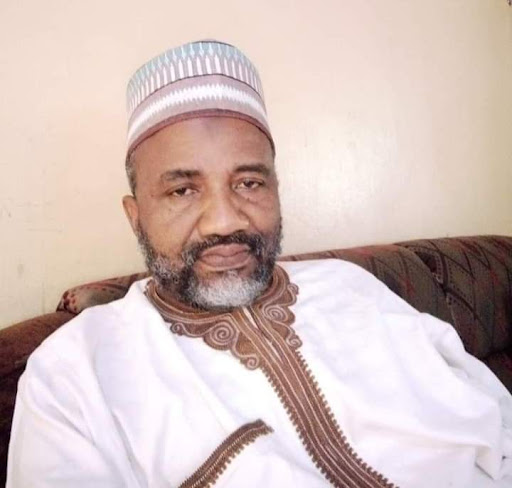
By Mukhtar Jarmajo

In a democratic setting, politics is perennial. Even as governance occurs, political actors make permutations, align and counter-align ahead of future elections. The actions of politicians in power largely determine what becomes of the political terrain. Essentially, the performance of an administration eventually tells of the kind of political game that will be played in the next elections.

In Bauchi State, a historically hot political plate, politics is daily, and the electorate plays particular roles in the democratic process. With the Bala Mohammed-led administration almost halfway through, discussions have begun on different fora about who will become the state’s next governor.

This time, the discussions border on issues, given that many people yearn for and aspire to better education, healthcare, agriculture, housing, pipe-borne water supply, security and safety, and employment and pay. There is also a growing concern for a more effective House of Assembly in the state.

Given that no democracy can endure a weak legislature, certain quarters feel that Bauchi State would have been a better place to live and work if it had a more active legislative arm. So, to be placed on a higher development threshold in the future, the state will need a more people-oriented executive arm of government and a legislature that can check its excesses and genuinely represent the people.

Thus, even as the search for a competent politician for the exalted and vital position of the governor of Bauchi State ahead of the 2027 elections widens, it is also right to search for quite experienced and qualified politicians to fill in the thirty-one legislative seats at the Bauchi State House of Assembly.

While several politicians have indicated interest through actions for the governorship, some are believed to be testing the waters from the background. Yusuf Maitama Tuggar is Nigeria’s Foreign Affairs Minister. At different times, he was a member of the House of Representatives and Nigeria’s Ambassador to the Netherlands. Tuggar is on the watch list, given that it is not yet clear whether or not the erstwhile diplomat will throw in the towel when the political bell for 2027 rings. The former legislator is, however, known to have pursued a governorship ambition in the past on the platform of the defunct Congress for Progressives Change (CPC).

Professor Muhammad Ali Pate is Nigeria’s Coordinating Minister of Health and Social Development. The trained medical doctor has been several times the Director-General of the National Primary Healthcare Development Agency (NPHCDA) and Minister of State Health. Pate has contested the governorship of Bauchi State in the past under the Peoples Redemption Party (PRP). In the APC governorship primary election ahead of the 2023 general elections, the Chigarin Misau contested and scored nil.

Air Marshal Sadique Baba Abubakar (rtd) was Nigeria’s Chief of Air Staff and Ambassador to Tchad at different times. He had a distinguished career in the Air Force, serving as a Cadet Military Training Course (CMTC 5) member in November 1979 and rising through the ranks to become the 20th Chief of Air Staff. During his tenure as Chief of Air Staff, he recorded remarkable achievements, including acquiring new aircraft, establishing new commands and formations, and enhancing the NAF’s capacity for airpower projection. 

In the governorship primary election ahead of the 2023 general elections, Sadique won with 370 votes to beat the runner-up, who got 278 votes. And during the general election, the erstwhile diplomat scored 432,272 votes as runner-up. Sadique, who has shown interest in contesting the Bauchi State governorship position again, is likely a strong contender in 2027, given his votes in the last governorship election.

Jarmajo wrote from Misau. 

Governor Yusuf’s silent revolution in healthcare sector

By Hussaini Ibrahim Sulaiman

In the bustling city-state of Kano, a silent revolution is taking place – one that may not capture the headlines every day, but which is certainly transforming the lives of countless residents.

At the heart of this change is the state governor, Alhaji Abba Kabir Yusuf, whose tireless focus on the health and welfare of Kano’s most vulnerable population has started to yield tangible, life-saving results.

When Governor Yusuf assumed office in May 2023, one of the first areas he addressed was the health sector, which had been severely neglected in the previous administration. Topmost among his priorities was the reinstatement of routine immunization services that had been abandoned for 18 months under the previous leadership.

This was not just a bureaucratic fix, but a critical step towards safeguarding the lives of newborns, pregnant women and other vulnerable groups who had been left exposed to preventable diseases.

The restoration of immunization services was, therefore, an immediate response to a looming crisis and a clear signal of the governor’s commitment to maternal and child health.

In addition to reviving routine healthcare services, Governor Yusuf also recognized the need for more infrastructure to support the state’s health system.

For instance, during the re-commissioning of the 86-bed Hasiya Bayero Paediatric Hospital, he declared free maternal healthcare services across the state.

The Hasiya Bayero Hospital, named after the mother of the late Emir of Kano, had been allegedly sold under the previous administration, despite consistent denials from the former government. Governor Yusuf lamented the hardship caused by the hospital’s closure, noting that it had forced Kano residents to seek paediatric care elsewhere at unaffordable costs.

Moreover, Governor Yusuf made it clear that his administration was committed to restoring the hospital’s services. “Our administration is dedicated to providing all the necessary support for a quality healthcare system in the state, including free maternal healthcare services,” he declared while commissioning the hospital.

Additionally, he emphasized that the hospital would offer nutritional services, immunization, research and training, and two-way referral services.

This commitment forms part of his broader plan to reduce high neonatal and infant morbidity and mortality rates, an issue that has plagued the state for years.

Furthermore, he underscored the importance of redeploying skilled medical personnel to run the hospital efficiently, reinforcing his government’s focus on health worker dedication and professional ethics.

In terms of healthcare infrastructure, Governor Yusuf’s focus is not limited to hospitals alone. As part of his digitalization agenda, he recently distributed 484 computers to the Apex Primary Healthcare Centres across all 44 local government areas.

This move is part of a larger initiative to ensure the efficient operation of healthcare facilities through technological upgrades, as well as a commitment to renovating several major hospitals, including Sir Muhammadu Sanusi, Hasiya Bayero, and Murtala Muhammad Specialist Hospital. Additionally, solar facilities were provided to key offices to ensure uninterrupted services.

This comprehensive upgrade of the healthcare infrastructure aims to ensure that every resident, regardless of their socio-economic status, has access to affordable and quality healthcare.

As a result, Governor Yusuf’s administration has allocated substantial funds in the 2025 budget to continue this renovation work, targeting hundreds of secondary and primary healthcare facilities across the state.

Furthermore, Governor Yusuf’s health-focused vision also tackles another major issue facing Kano State: malnutrition. As part of his efforts to improve maternal and child health, the Governor committed N500 million in counterpart funding to UNICEF for nutrition initiatives. Furthermore, during the flag-off of the second Maternal, Newborn and Child Health (MNCH) Week, he announced an additional N170 million to renovate and upgrade malnutrition treatment and referral centres.

These funds, alongside other initiatives such as the provision of essential healthcare services during MNCH Week, are part of the Governor’s broader strategy to combat child killer diseases and improve access to life-saving healthcare services.

In addition, Governor Yusuf’s commitment to improving the health of Kano’s children is also reflected in his efforts to reduce maternal and child mortality, foster sustainable development, and ensure equitable access to healthcare for all residents.

This continued investment in the health sector highlights the state government’s dedication to addressing critical health challenges and enhancing the quality of life for its citizens.

Beyond infrastructure and immediate healthcare services, Governor Yusuf’s administration has launched the Abba Care Initiative, a free health insurance program aimed at over 300,000 vulnerable residents, including pregnant women, the elderly, and people living with sickle cell anaemia.

This bold program is a key component of his effort to achieve universal healthcare coverage and make quality health services available to all citizens, regardless of their socio-economic status. In this regard, the Abba Care Initiative, backed by the Kano State Contributory Health Management Agency, represents a transformative step towards creating a more equitable and accessible healthcare system for the people of Kano.

Governor Abba Kabir Yusuf’s quiet yet powerful leadership is remaking the health landscape of Kano.

His administration’s unwavering commitment to improving healthcare access for the state’s most vulnerable populations underscores a deep understanding of what it means to govern with compassion, vision and urgency.

Notably, the Governor’s efforts in addressing health issues such as immunization, sickle cell anaemia, malnutrition, and maternal and child health not only respond to immediate challenges but also lay the foundation for a healthier and more prosperous future for all residents of Kano State. His legacy of service to the people, with a focus on healthcare, will undoubtedly leave a lasting impact for generations to come.

Governor Yusuf’s work represents more than just reforms – it marks a true revolution in the healthcare sector that will resonate across the state, benefiting not just the current generation, but future generations as well. Ultimately, his leadership offers a model of governance that prioritizes the well-being of the people and is poised to transform Kano into a healthier, more equitable society.

#AbbaIsWorking

Ibrahim is with the Triumph and can be reached at Hussainiibrahim470@gmail.com

Celebrating Gov. Bala Mohammed’s achievements and the need to rehabilitate the Bauchi-Ningi Road

By Usman Abdullahi Koli

Leadership is often defined by its tangible impacts on ordinary people’s lives. In Bauchi State, Sen. Bala Abdulkadir Mohammed’s transformative vision has ushered in a new era of development, safety, and economic revitalisation. His dedication to infrastructural development and human-centred governance proves his attentiveness to building a better Bauchi for all.

Governor Bala’s administration has relentlessly addressed the state’s infrastructural challenges. By constructing new roads and repairing bridges damaged by floods, the governor has significantly improved residents’ connectivity and mobility. These efforts have facilitated the smooth movement of goods and services and contributed to Bauchi State’s economic resurgence, making it an attractive destination for investors and visitors alike.

The recent inauguration of 500 officers for the Bauchi Road Traffic Agency (BAROTA) is yet another feather in the Governor’s cap. This initiative aims to safeguard the lives of road users, enforce traffic regulations, and maintain order across the state’s bustling roads. By collaborating with other road safety institutions, these officers will play a crucial role in ensuring that drivers adhere to all protocols, thereby reducing accidents and enhancing the overall safety of both motorists and pedestrians.

While celebrating these commendable achievements, it is imperative to draw the Governor’s attention to the pressing need to rehabilitate the Bauchi-Ningi Road. This vital artery links Bauchi to numerous local government areas and neighbouring Jigawa and Kano States and has been in disrepair for years. Its current condition has deteriorated to alarming levels, with daily reports of ghastly accidents claiming lives and destroying vehicles.

The road’s strategic importance cannot be overstated, especially as it is the main route for two major markets, Gadar Maiwa Monday Market and Durun Sunday Market. During market days, reckless driving and the pothole-ridden terrain lead to frequent accidents. For traders, commuters, and other road users, navigating this stretch has become a perilous ordeal that demands urgent intervention.

Though the Bauchi-Ningi Road falls under federal jurisdiction, Gov. Bala’s track record of prioritising the welfare of his people positions him as a leader capable of championing this cause. By leveraging his influence and proactive governance style, the Governor can initiate discussions and collaborations to expedite the rehabilitation of this critical road.

Gov. Bala’s willingness to address infrastructure challenges demonstrates a rare blend of empathy and pragmatism. By extending his administration’s efforts to the Bauchi-Ningi Road, he can save countless lives, protect properties, and restore confidence among road users. A repaired Bauchi-Ningi Road would enhance safety and stimulate economic activities, further boosting the state’s economic capacity and ensuring seamless connectivity.

In Sen. Bala Mohammed, Bauchi State has a leader who listens, acts, and delivers. His strides in road construction, bridge repairs, and road safety initiatives accent his deep concern for the welfare of his people. As we commend him for these remarkable achievements, we also urge our national representatives—including our Senator, House of Representatives members, and the Speaker of the State Assembly—to collaborate with the Governor and prioritise the rehabilitation of the Bauchi-Ningi Road.

This collective effort will address the urgent needs of this critical infrastructure and strengthen the legacy of progress and safety that Gov. Bala Mohammed’s administration has established. We can look forward to a safer and more prosperous Bauchi State.

Usman Abdullahi Koli wrote via mernoukoli@gmail.com.

A frank review of the Pandora Award 2024 winners

By Sulaiman Ibrahim Lala

The Pandora Awards is an annual event organised by Mama’s Boy Entertainment that aims to recognise outstanding contributions from public figures in northern Nigeria across various fields. The latest edition, held in Kano on Wednesday, January 15, 2025, honoured several notable figures, including footballer Abdullahi Shehu, celebrated Kannywood scriptwriters Fauziyya D. Sulaiman (Uwar Marayu) and Yakubu M. Kumo, social media personality Abba Pantami, among others.

Upon closer examination of the awards ceremony, it becomes apparent that the Kannywood/entertainment industry categories, encompassing music and film, favour familiarity and personal connections over genuine merit. This raises concerns that deserving artists may have been overlooked in favour of those with closer ties to the organisers.

I wholeheartedly agree with some awards, particularly MANYAN MATA, as Best Web Series. Similarly, DJ AB as Best Hip-hop Artist and Sadiq Sani Sadiq’s honour as Best Actor of the Year are also well-deserved.

However, I have reservations about the remaining awards. Some other projects and individuals demonstrated exceptional work and dedication, making them more deserving of recognition.

I am surprised by some of the award outcomes. For instance, Hamisu Breaker took home an award despite not releasing any notable hits in 2024. Meanwhile, Sadiq Saleh’s impressive ‘Da Ransu’ album featuring the standout track ‘Mai Kishina,’ arguably one of the most impactful Hausa songs of 2024, was overlooked.

I also believe the Best Music Video award should have gone to ‘BANI’ by Ado Gwanja, skillfully directed by Jafs, rather than ‘Zuciya’ by Auta Waziri.

The award results were met with surprise and disappointment. NGULDE took home the Best Comedian of the Year award despite Jok3r (Anty Maina) having a more impactful year. Abale’s win for Best Villain Artist over Sultan Abdurrazak, who consistently delivered strong performances last year, was also unexpected.

DEEZELL’s Best Collaboration win raised eyebrows given their lack of notable collaborations in 2024 since the release of ‘NAMIJI’ in 2023. Other nominees like ‘TAWAN’ by Nazifi Asnanic ft Naziru Sarki Waka, ‘Daga Ke’ by Lilin Baba, and ‘Aure remix’ by Boyskiddo seemed more deserving.

Additionally, Mummy Gombe’s Best Female Artist win over Firdausi Yahaya, who excelled in ‘Garwashi’ and ‘Labarina,’ was also surprising. MAISHADDA’s Producer of the Year win for ‘Gidan Sarauta’ over Umar Uk’s outstanding work on ‘Garwashi’ felt like a missed opportunity.

The Queen of the North award went to Fati Kinal despite intense competition from Hadiza Gabon, Rahama Sadau, and Nafisa Abdullahi, leaving some questioning the award’s credibility.

The Pandora Awards’ geographical bias is concerning due to a disproportionate focus on artists from Kano and Kaduna. Despite their significant contributions to the northern entertainment scene, talented artists from Jos, Kogi, and Benue were overlooked.

This regional disparity raises questions about the awards’ inclusivity and representation. The fact that the organisers are primarily from the North-West may have contributed to this bias, undermining the credibility of the awards and their ability to showcase the diversity of northern talent.

Note: These are my personal views as a dedicated fan and keen observer of the Arewa film and music industry.

Sulaiman Ibrahim Lala wrote via sulaimanibrahimlala@gmail.com.

Staying safe during harmattan season

By Usman Muhammad Salihu,

The Harmattan season, marked by cold temperatures, dry air, and dusty winds, is a distinctive weather phenomenon in Nigeria. It brings relief from the relentless heat of the dry season but comes with challenges that affect health, agriculture, transportation, and the economy. This fascinating yet demanding season requires careful management to minimise its effects on individuals and communities.

Health Woes in Harmattan

Harmattan has a significant impact on public health. The dusty winds carry fine particles that irritate the respiratory system, causing a surge in asthma, pneumonia, and other respiratory ailments. Those with pre-existing conditions often experience aggravated symptoms, with children and the elderly being the most vulnerable.

Cold temperatures exacerbate the situation, aggravating conditions such as arthritis and causing widespread skin dryness, flaking, and cracking. Chapped lips and eye irritation are common, while the prevalence of colds, flu, and other viral infections increases as the body struggles to adjust to sudden temperature drops.

To address these health challenges, individuals are advised to:

Dress warmly, especially during the mornings and evenings.

Wear protective masks to minimise exposure to dust-laden air.

Moisturise regularly and stay hydrated to maintain skin health.

Health facilities should prepare adequately, stock essential medications, and run public education campaigns to help people stay safe.

Transportation in Crisis

Harmattan haze, thick with dust, reduces visibility and disrupts transportation. It increases the risk of road accidents and causes delays or cancellations of air travel. These disruptions have far-reaching economic implications, hindering logistics, delaying goods, and frustrating travellers and businesses.

Agriculture and Environmental Risks

For farmers, Harmattan is both a blessing and a curse. While the dry conditions benefit certain crops, they also heighten the risk of bushfires, which can devastate farmlands and forests and worsen food security concerns.

To mitigate these risks:

Farmers should adopt sustainable practices, such as cultivating cold-resistant crops and implementing irrigation systems.

Communities must engage in bushfire prevention by practising responsible land clearing and safely disposing of flammable materials.

Economic Pressures

The economic burden of Harmattan is heaviest on low-income households. The increased demand for warm clothing, blankets, and heating appliances often leads to price hikes. Due to the harsh weather, outdoor workers, such as farmers and street vendors, experience reduced productivity, which impacts their earnings.

To alleviate these challenges, governments and non-governmental organisations can:

Provide subsidised or free warm clothing and healthcare services.

Launch public awareness campaigns to educate people about coping strategies.

Navigating Harmattan’s Challenges

Harmattan is a paradoxical season of relief and struggle—a vivid reminder of nature’s duality. Its challenges across health, transportation, agriculture, and the economy demand resilience and adaptability. With proactive planning, community support, and individual vigilance, Nigerians can turn this season into an opportunity to strengthen preparedness for future seasonal changes.

Usman Muhammad Salihu is a fellow of PRNigeria. He sent this article via muhammadu5363@gmail.com.

Scorecard: What ONSA, DSS, EFCC, others won, lost in 2024

By Haroon Aremu Abiodun

Despite the turbulence of 2024, Nigeria’s intelligence and anti-graft agencies recorded significant achievements. The Department of State Services (DSS), National Intelligence Agency (NIA), Office of the National Security Adviser (ONSA), and anti-corruption bodies like the Economic and Financial Crimes Commission (EFCC) and the Independent Corrupt Practices Commission (ICPC) made notable strides in combating corruption, safeguarding national security, and upholding the rule of law.

However, Emergency Digest reports that pressing challenges persist within these institutions, threatening sustained progress and credibility. This report delves into landmark achievements, systemic lapses, and broader implications for national security, highlighting the contributions of the NSA and other agencies such as the ICPC, DSS, and NIA.

EFCC: Wins Amid Controversies

Under Olukoyede’s leadership, the EFCC made impressive progress in tackling financial crimes. Notable accomplishments include a groundbreaking operation that led to the arrest of 792 individuals involved in cryptocurrency and romance scams in Lagos and the recovery of N230 billion and $105 million within a year. A major victory was the forfeiture of a sprawling Abuja estate valued at billions, reflecting the agency’s commitment to asset recovery.

Nevertheless, high-profile cases, like the delayed arrest of former Kogi State Governor Yahaya Bello and allegations of dropped charges against crossdresser Bobrisky in exchange for bribes, raised concerns about the EFCC’s integrity. Critics have also highlighted the agency’s inaction on prosecuting high-profile figures such as Humanitarian Affairs Minister Betta Edu, despite substantial evidence of corruption.

ICPC: Quiet but Impactful

The ICPC maintained a low profile but achieved commendable results, recovering N52 billion and $966,900 in misappropriated funds in a year. The commission exposed corruption in government contracts, cracked down on job racketeering, and raised concerns about misused funds in constituency projects.

Despite these successes, the ICPC struggles with transparency challenges, understaffing, and limited resources. Addressing these gaps is essential to sustain its fight against systemic corruption.

DSS: Vigilance Amid Criticism

The DSS maintained its critical role, thwarting terrorism plots, dismantling organised crime networks, and protecting vital national assets. However, the agency was criticized for alleged overreach, unlawful detentions, and a lack of transparency.

In a notable clash with the Socio-Economic Rights and Accountability Project (SERAP), the DSS faced backlash for questioning the group’s leaders after they criticized Nigeria’s human rights record. Similarly, unresolved issues surrounding Nnamdi Kanu’s case have cast a shadow over the DSS’s otherwise commendable efforts.

NIA: Expanding Reach, Addressing Gaps

The NIA expanded its global intelligence capabilities, collaborating on transnational crime and cyber threats. However, internal mismanagement and opacity remain significant concerns. With Mohammed Mohammed’s appointment as Director-General, there is hope for renewed efficiency and accountability.

ONSA: Orchestrating National Security

Under Malam Nuhu Ribadu’s leadership, the NSA made strides in combating terrorism and reuniting kidnapping victims with their families. However, controversial policies like the Cyber Security Levy faced opposition from stakeholders, highlighting the need for transparent communication.

To enhance its impact, the NSA must foster better relationships with the media and citizens, ensuring timely and accurate dissemination of information without compromising sensitive intelligence.

Recommendations for Progress

1. Strengthen Institutional Frameworks: Leverage technology and intelligence to prevent crime and enhance efficiency.

2. Enhance Public-Agency Relations: Foster trust through targeted awareness campaigns and transparent communication strategies.

3. Improve Leadership Accountability: Ensure transparent appointments and performance evaluations for agency heads.

4. Foster International Cooperation: Strengthen ties with global intelligence and financial institutions.

5. Address Root Causes: Combat unemployment and poverty to reduce criminal recruitment.

The collective efforts of Nigeria’s intelligence and anti-graft agencies in 2024 have established a solid foundation for a corruption-free society. From the EFCC’s groundbreaking operations to the ICPC’s meticulous investigations, these achievements underscore the potential for lasting change.

Nevertheless, tackling ongoing challenges, including transparency, resource limitations, and inter-agency coordination is essential. A collaborative approach—reinforcing institutions, enhancing public trust, and promoting integrity—will secure a more stable and prosperous Nigeria.

Haroon Aremu Abiodun is a Public Affairs Analyst, Advocate for National Development and Fellow of PRNigeria. He can be reached at exponentumera@gmail.com.

Kauran Gwandu: The architect of modern Kebbi State

By Jamilu Magaji Ambursa

Barely two years after a new political era emerged in Nigeria, Kebbi State has witnessed a remarkable transformation under Comrade Dr. Nasir Idris (Kauran Gwandu). His administration has focused on infrastructural development and prioritised groundbreaking educational reforms, social empowerment and security enhancements. These pivotal changes have redefined the landscape of Kebbi State, positioning it as a model for progressive governance in the country.

Dr. Nasir Idris was declared the winner of the 2023 Kebbi State gubernatorial election by the Independent National Electoral Commission (INEC) on April 17, 2023. Before becoming governor, Comrade Dr. Nasir Idris had a distinguished career as a teacher, unionist and politician. He served as the National President of the Nigerian Union of Teachers (NUT) and Deputy President of the Nigeria Labour Congress (NLC). As governor, Kauran Gwandu has focused on various development projects, including infrastructure development, education, healthcare, social empowerment, security and agriculture.

To start with, there is no gainsaying that one of the cornerstones of Kauran Gwandu’s administration has been the extensive focus on infrastructural development. For the first time, Birnin Kebbi has taken its shape as the State capital, witnessing massive unprecedented infrastructural reforms. Major investments have been made in road networks, healthcare facilities, and public utilities, significantly improving access and quality of life for residents.

Notable projects include rehabilitating key highways connecting rural and satellite communities to urban centres, facilitating trade and boosting local economies. Additionally, constructing a modern Motor Park and completing an ultra-modern secretariat would stimulate local economies and provide a conducive atmosphere and access to state-of-the-art facilities for civil servants.

Meanwhile, as a seasoned educationist and labour leader, Kauran Gwandu has recognized the critical role of education in driving sustainable development. His administration has focused on upgrading educational infrastructure, providing training for teachers, and ensuring that schools are equipped with modern learning resources. Steps have been taken to enhance access to quality education for girls and disadvantaged youth, thereby striving for inclusivity. These measures aim to cultivate a new generation of skilled individuals capable of contributing to Kebbi State’s development.

It is evident that the focus on educational reforms has not only boosted enrollment figures but has also significantly enhanced student performance across various educational levels. Kauran Gwandu’s commitment to education showcases his belief that an educated population is crucial for the socio-economic progress of Kebbi State.

The emphasis on training and re-training teachers, a new law raising the retirement age for educators from 60 to 65 years and extending the service limit from 35 to 40 years, along with the recruitment of 2000 new teachers and the awarding of contracts for the construction of four mega schools, underscores this commitment.

Furthermore, another unique aspect of Kauran Gwandu’s administration has been his ability to maintain a harmonious relationship with past governors of Kebbi State. This collaborative spirit has fostered an environment of continuity and shared vision for development. The Governor has been able to leverage the experiences and insights on the forebears while working towards achieving common goals that benefit the entire state. This collaborative governance model has helped streamline various developmental projects and create a unified front for the progress of Kebbi State.

To corroborate this, the Sultan of Sokoto, His Eminence, Alh. Sa’ad Abubakar III in his address at the maiden edition of Sheikh Abdullahi Fodio Public Lecture, disclosed that the Sultanate has conferred on Kauran Gwandu the title of Gwarzon Daular Usmaniyya (Knight of the Caliphate) based on recognition of merit, selfless service to humanity and clear demonstration of ability to considerably embraced unity of purpose, fairness, equity and transparency in governance as preached by Sheikh Abdullahi Fodio. The Sultan commended Kauran Gwandu for uniting with all his predecessors for the common interest of the state, involving religious and traditional leaders in governance through consultations, and operating an all-inclusive government.

In the area of social welfare, the administration has placed a strong emphasis on the welfare of Kebbi State citizens. The Governor has initiated various social programs aimed at improving living conditions, particularly for marginalized groups and vulnerable populations. Through microfinance initiatives, skills acquisition programs, and direct aid, many individuals have been empowered to pursue entrepreneurial ventures, thereby reducing poverty levels in the state. The commitment to social welfare reflects a holistic approach to governance, ensuring that economic opportunities are accessible to all.

The healthcare and agricultural sectors have also received the needed impulse. The administration provided medical treatment to patients with mental health problems and related illnesses, renovated general hospitals, and increased entitlements of doctors and nurses. The distribution of palliatives, fertilizers, and solar-powered water pumps to farmers to improve agricultural productivity is also afresh to all discerning individual in the State. These are indelible marks for Kebbi State in the last 18 months. 

In an era where security concerns pose significant challenges across Nigeria, Kauran Gwandu has prioritised the safety of Kebbi State residents. The Governor has taken proactive steps to address the security challenges in the state, particularly in the southern parts. His approach has been both curative and proactive, focusing on strengthening security measures and addressing the root causes of insecurity.

This administration has worked closely with security agencies to implement strategies that address crime and communal conflicts, fostering a safer environment in the State. The unprecedented support given to security agencies, enhanced policing initiatives, and regular security forums has heightened vigilance and encouraged public participation in maintaining peace and order. As a result, the state has seen a reduction in criminal activities, allowing citizens to go about their daily lives with greater peace of mind.

To conclude, let me reiterate that Kauran Gwandu’s transformative leadership has laid a solid foundation for the advancement of Kebbi State. As his administration continues to work towards building a better future for all, Kebbi State stands as a testament to the significant impact of dedicated and visionary governance.

Kauran Gwandu has demonstrated his inclusivity as a driver of a mass socio-political movement and architect of modern-day Kebbi State. He turned the state into an infrastructure development site and remodelled and redefined the political landscape. Therefore, it behoves every well-meaning citizen to support his administration in its determination to deliver democratic dividends to all in the State.

Jamilu Magaji, a public affairs analyst in Birnin Kebbi, can be reached via mjmagaji@gmail.com.

Sleep saves lives

By Muhammad Isah Zng

Sleeping is essential to the human body. It helps the body function well in the office, school, and daily activities. That’s why experts in health care emphasise that people should get at least six to seven hours of sleep daily.

Sleep improves physical health, helping humans build bones and muscles and strengthen the immune system. Although it decreases the lifespan of healthy adults, it also helps children grow up with the utmost energy.  

Therefore, sleeping enhances cognitive function. It plays a crucial role in brain function and development, helping the brain process information and get enough rest to function well. Consequently, a lack of sleep can impact cognitive function, leading to difficulties reading, understanding, or making good decisions. 

Furthermore, enough sleep helps the human body have a stronger immune system, which produces cytokines that fight infections and inflammation. Because of these cytokines, people who sleep well have fewer diseases. Therefore, chronic sleep deprivation can weaken a human’s immune system, making them more susceptible to illness. 

Sleep improves memory, and the human body protects the body from minor diseases and helps people perform well in the office, school, and other activities. 

Muhammad Isah Zng wrote from the Department of Mass Communication, Bayero University, Kano.

Abubakar Sadiq Umar: A visionary disrupting tech and mentorship

By Rukayya Sani Ashir

In an age characterised by digital disruption, Abubakar Sadiq Umar has established himself as a fascinating entrepreneur. Sadiq’s professional experience stretches across borders and industries, and he has built a name for himself as a man who delivers his ambition, the latest being his mentorship platform, AltMentor. His endeavour not only changes the intersection between technology and mentorship but also serves a larger purpose: advancing Africa’s place in the global technology story.

The Seed of Innovation: Envestlab’s Rise

For Abubakar Sadiq, creativity started with Envestlab, a venture aimed at nurturing the tech ecosystem of Northern Nigeria. EnvestLab’s annual tech conferences and vigorous hackathon competitions have become important landmarks for entrepreneurs. These conferences go beyond the superficial trappings of networking; they are fertile grounds where ideas meet execution.

With the aid of Envestlab, Sadiq gives young inventors chances to come together, showcase their ideas, and obtain sufficient resources to kickstart their projects. The hackathons have become a trademark of the initiative, where select novel business ideas are recognised and nurtured.

Sadiq’s philosophy is reflected in the glare of creativity and competition. He has always maintained that Africa does not receive technology; it provides it. This idea inspired the creation of EnvestLab.

A Marketing Virtuoso

Before his entrepreneurial journey, Abubakar Sadiq nurtured his craft through positions that placed him at the forefront of technology. As the Head of Digital Marketing, Northflix experienced his flair for engaging with the audience. He was able to implement the company’s brand further through campaigns based on data analysis and the telling of stories, especially in the rather crowded cyberspace. 

Charting a Global Career in Blockchain

Furthering his range of skills, his time at Green Life Energy (GLE), a UK-based renewable energy blockchain start-up, introduced him to decentralised technologies. Given this, as Project Manager and Director of Partnerships, Sadiq attempted to bridge the gaps in the adoption of Blockchain and devise methods for using the still-young technology.

Abubakar Sadiq stood out among thousands of attendees when he was named Binance Blockchain Week Dubai 2022 Star of the Day. This award recognised his rising stature in the global technological arena and his prowess in linking new inventions with practical use.

Sadiq’s career progressed in tandem with Gameness, a Turkish company involved in esports that focused on the blockchain industry, which was once known as NerfIT. In Gameness, as the Head of Partnerships, Sadiq strategically aligned the company’s blockchain offerings to be tempered and adapted to the rapidly changing needs of the eSports environment. These experiences improved his skill set, equipping him with a nuanced understanding of product innovation and market positioning, which are fundamental to successful entrepreneurial ventures.

AltMentor: The Next Frontier in Mentorship

Sadiq believes that’s why his latest start-up, AltMentor, is timely and ambitious. With a focus on commencement in the first quarter of 2025, the platform seeks a different approach to mentorship. AltMentor connects mentors with mentees through a fee-based model, creating a sustainable ecosystem where knowledge sharing becomes accessible and rewarding.

To Sadiq, AltMentor is not merely a business but a movement. At its core is the belief that structured, personalised, and goal-oriented mentorship can transform lives. “Everyone deserves access to the wisdom of those who have walked the path before them,” he says, articulating a vision that is as inclusive as it is ambitious.

The platform’s goal of reaching a $100 million valuation within 24 months is backed by its robust scalability and global appeal. AltMentor aims to connect millions of users, from young professionals seeking guidance to seasoned experts looking to impart their knowledge. The dual benefit of empowering mentors while equipping mentees positions the platform as a potential game-changer in Africa’s education and professional development landscape.

The Broader Vision

Sadiq’s work with AltMentor and Envestlab reflects a broader narrative: the recalibration of Africa’s place in global innovation. By focusing on mentorship and entrepreneurship, he addresses two critical gaps that often hinder the continent’s growth: access to knowledge and the support needed to scale ideas.

His dream is larger than those associated with the platforms he has developed. Sadiq sees Africa as the next big tech powerhouse, not for replicating others’ inventions but for creating original ones. By nurturing the culture of mentorship and supporting entrepreneurs, he is building a system where the next generation will be empowered to prosper.

A Legacy in the Making

Sadiq has an inspiring story. His tale depicts the promise and growth potential of AltMentor’s upcoming launch. His belief in innovation and collaboration is unwavering, as we can see from his journey of supporting startups at Envestlab, the birth of AltMentor, and everything in between. 

It is as transformative as it is enticing investors, mentors, and mentees to join the AltMentor venture. He has been vocal about the platform’s purpose, and considering his previous milestones, it’s safe to say that the venture aims to make profits while solving critical problems.

Abubakar Sadiq Umar is a leader with a vision, and in his envisioned world, technology not only solves problems but also creates many opportunities. He is the person who has dreams but, even more importantly, acts. He demonstrated how the continent of Africa and the world at large can innovate and develop.

Rukayya Sani Ashir writes from Kano and can be reached via email at saniashirrukayya@gmail.com.

Calls for Governor Abba Yusuf to prioritise local scholarships

By Bilal Muhammad Bello (BMB)

The Kano State Government, under the leadership of Governor Abba Kabir Yusuf, has made commendable strides in supporting education. Among these initiatives is the foreign scholarship program for postgraduate studies, a legacy dating back to the second tenure of former Governor Engr. Rabiu Musa Kwankwaso. While this policy has benefited many, addressing the growing need to prioritise local scholarships for Kano State students studying in Nigerian institutions is crucial.

Since the 2019/2020 academic year, there has been a noticeable gap in the distribution of local scholarships in Kano State. Regrettably, since Governor Yusuf assumed office, no official scholarships have been disbursed to students in tertiary institutions nationwide. 

While it is laudable that the state government recently paid the fees of students affected by tuition hikes at federal universities such as Bayero University Kano, Federal University Dutse, Federal University Dutsin-Ma, and the University of Maiduguri, this initiative has excluded students from state universities, polytechnics, and colleges of education. Many of these students face severe financial hardships, and some even drop out due to a lack of support.

With utmost respect, I urge His Excellency Governor Abba Kabir Yusuf to reconsider the state’s scholarship policy. The government must prioritise local students struggling to fund their education amidst the country’s economic challenges. Local scholarships would provide a lifeline to these students, ensuring they complete their education and contribute meaningfully to the state’s development.

Similarly, states like Katsina, Jigawa, Borno, and Kaduna support students with local scholarships every year for those studying at various institutions in the country. These local scholarships provided by respective state governments help alleviate the challenges students face on campuses.

During your 2019 and 2023 campaigns, Sir, you pledged to prioritise education. While the foreign scholarship program for postgraduate studies is admirable, the pressing needs of local students studying on Nigerian campuses cannot be overlooked. I respectfully call on His Excellency to direct the State Scholarship Board to open its portal and ensure that students in Kano benefit from the state government’s scholarship program.

Investing in local scholarships is not just a fulfilment of campaign promises but a commitment to building a brighter future for Kano State. Students are the backbone of any society, and supporting their education is an investment in the prosperity of the state. Governor Yusuf, this is an opportunity to cement your legacy as a leader who prioritises education for all Kano students at home and abroad.

Bilal Muhammad Bello Department of Mass Communication Bayero University, Kano.