News

Kano: Sheikh Daurawa reconciles with Governor Yusuf, resumes work as Hisbah chief

By Muhammad Abdurrahman

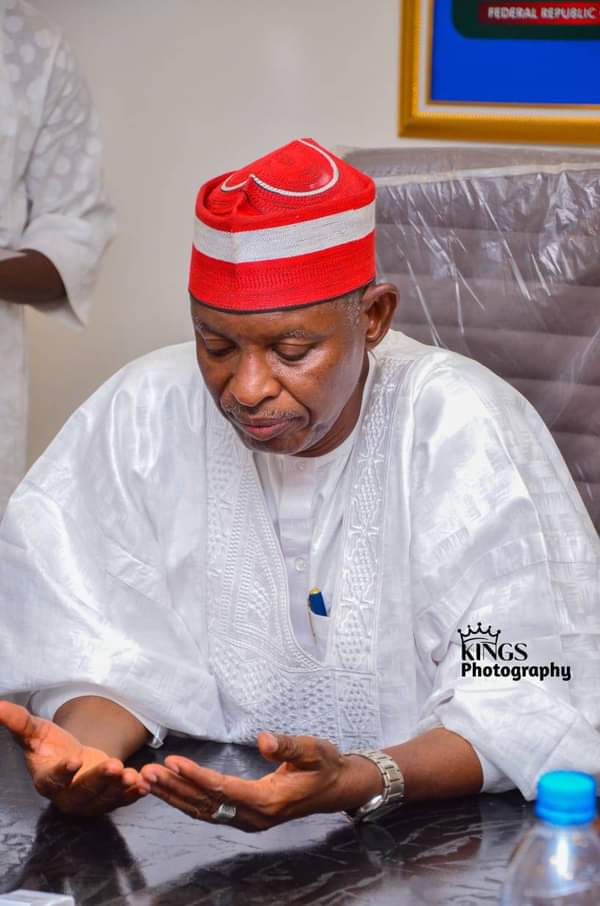
Kano State Governor, Abba Kabir Yusuf, has reconciled with the Commander General of the State Hisbah Board, Sheikh Aminu Daurawa, who had resigned his appointment last week.

Daurawa, who resigned from his position through a video that went viral while attending a retreat organized in Kaduna, stated that his decision was influenced by the public’s criticism of the Hisbah operatives and their actions.

Speaking to journalists about the development, the spokesperson to the governor, Sanusi Bature Dawakin Tofa, confirmed the reconciliation on Monday.

Dawakin Tofa said the reconciliation was achieved through the intervention of respected Islamic clerics and a meeting with the governor that lasted for hours.

Some of the people in attendance include Prof. Salisu Shehu, Dr. Saidu Dukawa, Sheikh Abdulwahab Abdallah, among others.

Nigeria Customs Service offers 90-day window to regularise vehicle import duties 

By Sabiu Abdullahi 

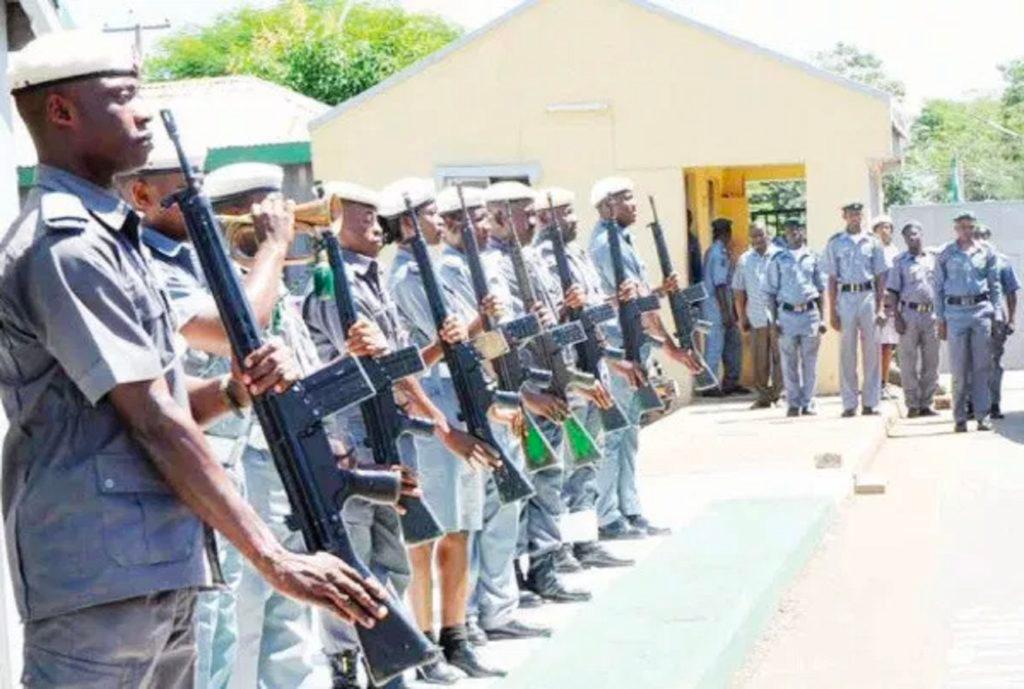
The Nigeria Customs Service (NCS) has announced a new initiative aimed at improving compliance and streamlining import processes for vehicles.

For a limited time, vehicle owners will have a 90-day window to regularise their import duties. 

This program applies to vehicles that have not been seized or condemned by customs officials.

Owners of such vehicles can apply to Zonal Coordinators to rectify their import duties. 

To participate in this initiative, vehicle owners will need to submit all necessary documents along with their application.

Additionally, a 25% penalty will be applied on top of the standard import duty. 

This move by the NCS is seen as a positive step towards improving compliance and generating revenue for the country.

It also provides an opportunity for vehicle owners to rectify their import status and avoid potential penalties in the future. 

The 90-day window provides a limited window for vehicle owners to take advantage of this program.

Those who wish to regularise their import duties are encouraged to contact their nearest NCS Zonal Coordinator for more information and to initiate the application process.

Nollywood veteran, Mr. Ibu, dies at 62

By Abdurrahman Muhammad

Nollywood actor, Mr. Ibu, has passed away at the age of 62. Mr. Ibu, whose real name is John Okafor, was a well-known and respected figure in the Nigerian film industry.

According to multiple reports from sources close to him, the veteran comedian passed away at Evercare Hospital. Many fans have shared condolences on X (formerly Twitter), reminiscing about movies the late actor has featured in.

Confirming his death, the President of the Actors Guild of Nigeria (AGN), Emeka Rollas, posted a message on his Facebook page.

According to Rollas, “Sad day for Actors Guild of Nigeria.

“Kate Henshaw lost her mother earlier today and Mr Ibu suffered cardiac arrest according to his manager for 24 years, Mr Don Single Nwuzor.

“I announce with (a) deep sense of grief that Mr Ibu didn’t make it.”

Details surrounding his death are still forthcoming. Also, Mr. Ibu’s family and representatives have yet to comment publicly.

The actor had been facing health challenges since October 2022 and had undergone several medical procedures, including the amputation of his leg.

Hisbah saga: governor’s public condemnation, misstep in leadership

By Umar Sani Adamu

The recent public criticism by Governor Abba of the Hisbah board in Kano State has sparked controversy and raised concerns about leadership decorum and responsible governance. While it is crucial for leaders to address concerns and seek improvement within government agencies, the manner in which Governor Abba chose to express his dissatisfaction raises questions about his leadership style and the potential consequences of his actions.

First and foremost, criticizing a government agency publicly, especially one tasked with religious and moral enforcement like the Hisbah board, can create unnecessary tension and undermine public trust in the institution. Governor Abba’s decision to air his grievances in a public forum instead of handling them internally or through diplomatic channels demonstrates a lack of discretion and undermines the credibility of the Hisbah board.

Furthermore, by openly criticizing the Hisbah board, Governor Abba risks exacerbating existing tensions within the community and fueling resentment towards the agency. This could potentially undermine the effectiveness of the Hisbah board in carrying out its duties and could lead to a breakdown of law and order in the state.

Additionally, Governor Abba’s public criticism of the Hisbah board without offering concrete solutions or constructive feedback demonstrates a lack of leadership maturity. Effective leaders understand the importance of providing constructive criticism in a constructive and respectful manner, focusing on solutions rather than simply pointing out problems.

Moreover, Governor Abba’s decision to publicly criticize the Hisbah board instead of engaging in private dialogue with relevant stakeholders, such as Sheikh Mallam Daurawa, further highlights his disregard for diplomatic protocols and his tendency to prioritize personal agendas over the well-being of the community.

Adding the context of Murja Kunya’s situation provides further insight into the potential implications of Governor Abba’s public criticism of the Hisbah board. Murja Kunya, a social media influencer, has been accused by the Hisbah board of encouraging indecency and immorality. In this context, Governor Abba’s public condemnation of the Hisbah board could be interpreted as a form of protection for Murja Kunya.

By publicly criticizing the Hisbah board’s handling of the situation, Governor Abba may be perceived as undermining their authority and potentially shielding individuals like Murja Kunya from accountability. This not only weakens the effectiveness of the Hisbah board in enforcing moral standards within the community but also sends a troubling message about the government’s commitment to upholding moral values and protecting societal norms.

In light of these circumstances, Governor Abba’s public condemnation of the Hisbah board takes on an even greater significance. It not only raises questions about his leadership style and approach to governance but also calls into question his commitment to upholding moral standards and protecting the well-being of the community.

Therefore, it is imperative for Governor Abba to reconsider his approach and prioritize responsible leadership that fosters constructive dialogue and collaboration, while also upholding the values and principles that are essential for the well-being of society as a whole.

Umar Sani Adamu (Kawun Baba) 

Nigeria Customs Service initiates 2-day ICT/modernization retreat for management team

By Sabiu Abdullahi 

The Nigeria Customs Service (NCS) commenced a 2-day ICT—Modernization Management Retreat in Abuja, spearheaded by the Comptroller-General of Customs (CGC), Bashir Adewale Adeniyi. The event, which began on Friday, March 1, 2024, marks a significant milestone in the service’s journey towards digital transformation. 

In his address to attendees, CGC Bashir Adewale stated the imperative of embracing technology to enhance customs operations.

He stressed the need for collaboration with stakeholders to ensure the seamless execution of the modernization project, citing the demand for efficiency and transparency from stakeholders. CGC Adeniyi urged his Management Team, particularly in ICT, to lead the digitalization efforts and utilize internal resources to expedite the implementation of the electronic cargo tracking system.

He noted the importance of modernizing every aspect of the Customs Enforcement Ecosystem to fortify operations. Alhaji Saleh Ahmadu, Chairman of Trade Modernization Project Limited, commended the CGC’s commitment to modernization, recognising the pivotal role of trade in national development.

He expressed optimism that the initiative would revolutionise NCS operations, facilitating trade across Nigeria and the African continent. 

Assistant Comptroller-General of Customs in charge of ICT/Modernization, ACG Kikelomo Adeola, lauded the CGC’s dedication to the modernization project, emphasising its significance in reshaping and digitising NCS activities. She welcomed participants to the retreat.

Kano Hisbah boss Daurawa resigns following governor’s criticism

By Sabiu Abdullahi

The Commander General of Kano Hisbah Board, Sheikh Aminu Ibrahim Daurawa, has tendered his resignation following criticisms from Governor Abba Kabir Yusuf over the board’s methods of operation. 

Sheikh Daurawa announced his resignation in a brief video clip posted on his official Facebook page on Friday.

His departure comes less than 24 hours after Governor Yusuf expressed disapproval of the tactics employed by Hisbah in combating acts of immorality within the state. 

Governor Yusuf, while addressing Ulama at the Government House on Thursday, voiced his objections to the approach of Hisbah, particularly condemning their practice of conducting raids on public spaces to apprehend individuals engaged in immoral activities, which he deemed uncivilised. 

The governor also expressed dissatisfaction with the methods used by Hisbah in apprehending suspects, urging the board to reevaluate its current operations to address societal wrongs. 

In response to Governor Yusuf’s remarks, Sheikh Daurawa defended the actions of Hisbah under his leadership, stating that the board had taken measures to combat immorality, particularly targeting social media influencers.

He asserted that Hisbah’s actions were in accordance with Islamic principles. 

However, acknowledging the governor’s stance, Sheikh Daurawa announced his resignation from his position and extended well wishes to Governor Yusuf and his administration. 

The resignation of Sheikh Aminu Ibrahim Daurawa marks a significant development in the ongoing discourse surrounding the methods and effectiveness of Hisbah’s operations in Kano State.

Urgent calls to address food prices in Nigeria

By Abdullahi Adamu

Addressing the issue of food inflation and its impact on Nigerian students requires comprehensive and multi-faceted solutions.

The government, educational institutions, and non-profit organisations must work together to implement measures that alleviate the burden on students and promote their well-being.

Firstly, the government should prioritise policies that curb food inflation, including strategies to reduce transportation costs, enhance local agricultural production, and strengthen supply chain management. Such measures can help stabilise food prices and make essential items more affordable for students.

The detrimental impact of food inflation on Nigerian students extends beyond financial constraints and compromised nutrition. The inability to access adequate and nutritious meals takes a toll on students’ mental and physical well-being, affecting their academic performance. 

Dr Fatima Adeyemi, a nutrition expert, says the consequences: “Poor nutrition affects cognitive function, memory, and concentration. Students who do not receive sufficient nutrients are at a higher risk of experiencing fatigue, reduced productivity, and even mental health issues such as depression and anxiety.”

The situation has made many Nigerians poorer than they were in 2023, with 63 per cent of the population (133 million) said to be suffering from multidimensional poverty last year.

“I can’t even afford to eat properly again as food prices continue to surge. Once I can feed my children twice daily, I am satisfied,” said Hajiya Maryamu, a stylist at Kuje Modern Market. “People are trying to reduce costs to survive the difficult moment. As part of the cost measures, ladies now wear wigs instead of making their hair. This is taking jobs away from us. So, how can I afford a balanced diet for my children or myself?

Increases in prices of oil and fat, bread and cereals, fish, potatoes, yam and other tubers, fruits, meat, vegetables, milk, cheese and eggs caused the rise in food inflation year-on-year.

Abdullahi Adamu wrote via nasabooyoyo@gmail.com.

‘Entirety of Hamas is a terrorist organization’ —New Zealand

By Sabiu Abdullahi 

New Zealand has escalated its stance against Hamas, extending its classification of the group as a terrorist entity to encompass its entire organization.

This decision, announced by the Ministry of Foreign Affairs, signifies a significant shift in New Zealand’s policy towards the Palestinian militant group. 

Prime Minister Christopher Luxon condemned Hamas for its role in the brutal terrorist attacks that occurred in October 2023, leading to this decisive move by the New Zealand government.

Luxon’s statement affirmed the severity of the attacks and the government’s unwavering stance against terrorism.

Foreign Minister Winston Peters elaborated on the rationale behind the expanded designation, citing the inability to differentiate between Hamas’s military and political wings following the October incidents.

According to Peters, the organisation as a whole bears responsibility for the “horrific terrorist attacks,” prompting the comprehensive designation. 

With the new classification in place, any form of material support or financial transaction with Hamas within New Zealand’s jurisdiction becomes a criminal offense.

However, Luxon clarified that the designation is targeted at Hamas as an organisation and does not hinder private humanitarian assistance to Palestinian civilians. 

Despite the firm stance against Hamas, Luxon reaffirmed New Zealand’s commitment to providing humanitarian aid and future development assistance to benefit civilians in Gaza.

This distinction aims to ensure that the punitive measures against Hamas do not exacerbate the humanitarian situation faced by innocent civilians in the region. 

Mother protests treatment of Kano TikToker at psychiatric centre

By Sabiu Abdullahi

The controversy surrounding the arrest and trial of Kano-based social media influencer, Murja Kunya, has escalated with her mother, Hadizatul Kubra, vehemently rejecting what she perceives as the inhumane treatment of her daughter at the Federal Neuro Psychiatric Hospital in Kano. 

Murja Kunya, currently held in custody by the Kano State Hisbah Board, faced a Shari’a Court order to undergo medical evaluation at the government-owned psychiatric hospital ahead of her impending trial.

Charges including indecency, public nuisance, and promoting prostitution were leveled against her by the Hisba Board. 

Expressing concern over her daughter’s treatment, Murja’s lawyer, A.U. Haji, criticised the hospital for allegedly attempting to administer unidentified substances without informing her about her health status, branding it a violation of her human rights.

According to Leadership newspaper, Murja’s combative behaviour towards healthcare personnel has further complicated her situation. 

In a widely circulated audio interview, Hadizatul Kubra voiced dissatisfaction with her daughter’s alleged maltreatment, asserting Murja’s sound mental health but dramatic disposition.

She recounted being urgently summoned to the hospital, where Murja was reportedly distressed, and denounced what she perceived as mistreatment. 

In the audio, Kubra appealed to the state government for leniency while opposing psychiatric evaluation or treatment for her daughter, adamantly refusing any injections, stating, “I know they are doing this to kill my daughter, and I will never allow her to be injected with anything, no matter what.” 

She highlighted Murja’s familial support, particularly towards her and her ailing father. 

The court hearing is slated to resume on May 20, 2024, following the completion of the psychiatric evaluation as ordered by the trial judge, amid continued contention surrounding Murja Kunya’s case.

Reconcile with our neighbors dear President Tinubu

By Nuraddeen Danjuma Maiwada

Mr. President sir, I hope this finds you in good health and high spirits. I am writing to bring to your attention the special relationship that exists between the people of Northern Nigeria and the Republics of Niger, Mali and Burkina faso, our beloved neighbors.

In Northern Nigeria, especially in towns and cities close to Niger Republic’s borders, Nigeriens are not just our neighbors, but also our relatives. The bond we share transcends borders, as we are interconnected through history, language, and culture. It is impossible to deny the fact that our roots run deep in both lands.

Our kingdoms, trade, religion, culture were the same untill colonialism and much beyond. The Frontline regions of Niger Republic namely Dosso, Tahoua, Maradi, Zinder and Diffa share common ancestry and culture with Nigeria’s Kebbi, Sokoto, Zamfara, Katsina, Jigawa, Yobe and Borno States. Emir of Maradi is still called Sarkin Katsinan Maraɗi

Despite the existence of artificial boundaries that separate us on maps, we are essentially the same people. Our shared histories and intertwined cultures make it evident that Niger, Mali and Burkina faso Republics hold a special place in our hearts. This kinship between our nations is based on a strong foundation of mutual respect, understanding, and cooperation.

In light of this, I implore you, dear President Tinubu, to adopt a peaceful approach instead of confrontation when it comes to dealing with neighbors. This approach recognizes the deep ties we share and seeks to strengthen the bonds between our nations rather than tear them apart.

By choosing dialogue and peaceful negotiations, we can establish a prosperous future for both our nations. Joint efforts in areas such as trade, education, healthcare, and security will not only benefit us but also foster a stronger sense of unity and collaboration among our people.

It is essential to remember that our shared interests and aspirations far outweigh any differences that may arise. By fostering peaceful relations, we can unlock tremendous potential for development, progress, and stability in the region.

As leaders, it is our duty to foster an environment that encourages harmony and collaboration. Let us set an example for the rest of the world by showcasing how two nations, intertwined by history and shared values, can resolve any differences through peaceful means.

I remain hopeful that under your leadership, our nations will continue to strengthen the bonds of brotherhood and cooperation. Together, we can build a future where all countries in ECOWAS and Nigeria thrive side by side, united in peace and prosperity.

Nuraddeen Danjuma Maiwada
Bayero University Kano
25.02.2024