Health

You can add some category description here.

Unravelling the mystery of hormonal imbalance

By Ummusalma Farouq Sambo

Hormonal imbalance is a nightmare for many women. Being unspoken by society and an enigma to most women is why I am writing this piece.


Many marriages/relationships are affected by the concurrent hormonal imbalance in women. The lack of knowledge from men on the topic leads to lots of misunderstanding about us women. I believe we can solve this problem by teaching women what is wrong with their bodies and enlightening men about how some women are created.

Let’s start by knowing what hormones are in a simple human context.

Hormones are chemical messengers produced by various glands in the body. They are released into the bloodstream and travel to different body parts to regulate and control multiple functions. They are crucial in coordinating processes like growth, metabolism, reproduction, and mood. They act as signals, transmitting information between different organs and tissues to help maintain balance and harmony within the body.

However, maintaining hormonal balance is no easy feat. Our bodies are like a complex ecosystem, and even the slightest disruption can throw these delicate hormones into disarray. Stress, poor lifestyle choices, and certain medical conditions can all wreak havoc on this delicate equilibrium, leading to hormonal imbalances and a host of unwelcome symptoms.

Symptoms Of Hormonal Imbalance

Living with hormonal imbalance is like navigating a maze of unexpected twists and turns. As a woman, I know firsthand the impact it can have on our lives. Let’s look at the signs that can help us unravel the mystery of hormonal imbalance.

  1. Rollercoaster of Emotions: Imagine waking up overwhelmed by sadness, only to burst into tears moments later. Hormonal imbalance can unleash a rollercoaster of emotions, leaving you feeling irritable, anxious, or inexplicably down. These emotional ups and downs can disrupt your relationships, work, and well-being.
  2. Mysterious Weight Fluctuations: Have you ever diligently followed a healthy diet yet struggled to lose weight? Hormonal imbalance may be at play. It can wreak havoc on our metabolism, leading to unexplained weight gain or difficulty losing weight, no matter how hard we try.
  3. Battle of the Breakouts: Acne isn’t just a teenage problem. Hormonal imbalances can trigger frustrating breakouts, even in our adult years. Those pesky pimples that seem to appear out of nowhere? They could be a red flag indicating that our hormones are out of whack.
  4. Energy Dips and Fatigue: Feeling like you’re constantly running on empty? Hormonal imbalance can drain your energy levels, leaving you feeling fatigued and exhausted. Staying focused and productive becomes a daily struggle; even the simplest tasks can feel like climbing Mount Everest.
  5. Menstrual Mayhem: Our monthly cycle can offer valuable insights into our hormonal health. Irregular periods missed periods, frequent periods, stopped periods, heavy flows, or excruciating cramps might indicate that our hormones are imbalanced. These disruptions bring physical discomfort and disrupt our plans and routines.
  6. Sleepless Nights: Tossing and turning, unable to find that elusive state of blissful slumber? Hormonal imbalance can wreak havoc on our sleep patterns, leaving us staring at the ceiling in frustration. It becomes a vicious cycle where lack of sleep further exacerbates hormonal imbalances.
  7. Vaginal dryness and itching
  8. Hyperpigmentation of the skin
  9. Puffy face
  10. Decreased or increased heart rate
  11. Weakened muscles
  12. Pain in the muscles, tenderness, and stiffness
  13. Pain and swelling in the joints
  14. Depression
  15. Infertility
  16. Anxiety or irritability
  17. Purple stretch marks

Causes and Contributing Factors of hormonal imbalance

Throughout different stages of life, hormonal changes play a significant role in our bodies. Puberty, pregnancy, perimenopause, and menopause are all periods when our hormones fluctuate, potentially leading to imbalances. These natural transitions can sometimes throw our delicate hormonal equilibrium off track, causing different symptoms.

But it’s not just natural life events that affect our hormones. Our environment and lifestyle choices also play a vital role. The relentless stress of modern life, poor diet, and lack of exercise can all contribute to hormonal imbalances. Stress, in particular, can disrupt the delicate dance of hormones in our bodies, throwing them out of whack and causing confusion on our physical and emotional well-being.

In addition to external factors, underlying medical conditions can disrupt hormonal balance. Polycystic ovary syndrome (PCOS), thyroid disorders, and insulin resistance can all contribute to imbalances. These conditions require careful attention and management to restore hormonal harmony.

Other factors that can cause hormonal imbalances are

  • Pregnancy
  • Breastfeeding
  • Primary ovarian insufficiency
  • Hypogonadism
  • Cushing syndrome
  • Benign or cancerous tumours
  • Eating disorders
  • Stress
  • Hormone therapy
  • Thyroiditis
  • Congenital adrenal hyperplasia
  • Medications
  • Cancer treatments 

Seeking Balance and Restoration

I’ve discovered that a holistic approach is vital when restoring hormonal balance. It’s not just about popping a pill or relying solely on medical interventions; it’s about embracing a lifestyle that supports my overall well-being. Let me share with you some strategies I’ve found helpful on my journey:

  1. Nourishing my body with a balanced diet: I’ve come to appreciate the power of food in nurturing my hormones. Incorporating whole foods, like colourful fruits and vegetables, lean proteins, and healthy fats, has made a remarkable difference. I’ve also minimised processed foods and refined sugars, which can disrupt hormonal harmony.
  2. Moving my body regularly: Exercise has become my secret weapon in regulating hormones and reducing stress. Whether it’s a walk, a yoga session, or a gym, finding activities I enjoy has made incorporating movement into my daily routine easier.
  3. Prioritizing quality sleep: I used to underestimate the importance of sleep, but now I recognise its profound impact on my hormonal health. Creating a calming bedtime routine, minimising exposure to screens before bed and ensuring a comfortable sleep environment help me achieve more restful nights and wake up refreshed.
  4. Managing stress effectively: Stress can cause unwanted problems with our hormones, so finding healthy coping mechanisms has been crucial. I’ve explored various stress management techniques, such as meditation, deep breathing exercises, writing, and spending time in nature. These practices have helped me find balance and reduce the adverse effects of stress on my hormonal well-being.
  5. Embracing self-care rituals: Taking time for myself has become a non-negotiable part of my routine. Whether indulging in a relaxing bath, enjoying a good book, practising mindfulness, or engaging in creative hobbies, these self-care routines have provided a much-needed sanctuary in my busy life and supported my hormonal balance.

While lifestyle changes have been impactful, it’s essential to acknowledge that sometimes medical interventions are necessary. Consultation with healthcare professionals, such as doctors or endocrinologists, can provide further guidance and options tailored to your specific hormonal needs.

Remember, seeking balance and restoration is a personal journey, and what works for me may be different for you. The key is to listen to your body, be patient with yourself, and make gradual changes that align with your goals and values. Embrace your power in taking control of your hormonal health and nurturing your overall well-being.

Empowering Women and Promoting Awareness

We have to prioritise our health as women. We must prioritise our health and well-being, including taking care of our hormonal health. I can’t stress enough how important it is to listen to our bodies and pay attention to any changes or symptoms we may be experiencing. Whether it’s irregular periods, mood swings, or unexplained weight gain, these signs could be indicators of hormonal imbalance. By proactively seeking help when needed, we empower ourselves to regain control over our bodies and overall health.

Knowledge is power when it comes to hormonal imbalance. Knowledge truly is power. Educating ourselves about the intricacies of our hormones, the factors that can disrupt their balance, and the potential impact on our well-being allows us to make informed decisions. We can debunk myths, challenge misconceptions, and advocate for our health by staying informed. Let’s empower ourselves with knowledge and spread awareness among our friends, family, and communities so that no woman feels alone in her journey to understand and manage hormonal imbalance.

You are not alone. Dealing with hormonal imbalance can sometimes feel overwhelming, but remember. You are not alone. Building a support network can be incredibly empowering. Reach out to trusted friends, family members, or even online communities where you can connect with other women going through similar experiences. Sharing your challenges, seeking advice, and supporting others can create a strong sense of solidarity and help you navigate this journey confidently. Together, we can uplift and inspire one another to embrace self-care and take control of our hormonal health.

For our men, patience and understanding of how a woman’s body is created will help you to understand us much better. On days that we don’t feel like talking or laughing, we understand we are fighting an unknown battle and that only your love will help suppress our pains.

Ummusalma Farouq Sambo wrote from Kano. She can be contacted via salmerhsambo@gmail.com.

Should we donate blood for free if recipients have to pay for it?

By Bello Hussein Adoto

One, two, three. Every three seconds, someone somewhere is receiving blood, and they don’t know where it comes from. The person could be an accident victim with a broken leg, a woman bleeding after birth, a sickle cell patient hanging on to life, a man with haemophilia whose blood just won’t clot, or a snakebite victim whose cells are lysing away.

Three seconds. Someone is on the bed, being saved with another person’s blood. That blood could be yours—one pint drained from your body in ten minutes every three months (men can donate up to four times a year). Sometimes, it doesn’t take more than that to save a life.

Unfortunately, many people don’t donate blood because they frown at the idea that hospitals “sell” the blood they donate for free, so it is better that they don’t feed what they see as an unwholesome trade. Why should we donate blood for free if recipients have to pay for it? Let’s unpack the answer.

Blood is free. Hospitals—public ones, at least—don’t sell blood.

They collect service charges ranging from five to eight thousand naira in public hospitals to cover the cost of screening, collecting, bagging, storing, matching, and transfusing blood. The service charge is like revolving funds that keep the blood flowing from the donor to the patient.

Is it criminal? Not quite. Hospitals get blood from unpaid voluntary donors and relatives of transfusion recipients who donate to replace the blood their loved ones received. A third source is those who get paid for donating blood. However, getting blood from paid donors is discouraged for ethical and safety reasons. Whatever the source, blood recipients are required to pay processing fees to cover the cost of getting blood and transfusing it safely.

Let’s face it. Healthcare is subsidised, but it’s not free. The government can only pay for so much. Hospitals need facilities to receive donors and collect their blood. They need equipment, test kits, and reagents to screen the blood; bags and anticoagulants to keep the blood fluid and aseptic; storage units to keep the blood stable enough to be useful to the patient. These cost money and that’s the service charge that patients and their relatives pay.

The need for blood for voluntary blood donation is high in Nigeria. According to a recent National Blood Services Commission (NBSC) report, only 25% of blood transfusion demand is met in Nigeria. Unpaid voluntary donation closes the demand gap for blood donation. It makes blood available to patients, especially those with rare blood types and those needing many pints of blood.

While you are welcome to share your concerns about patients having to pay for blood, please don’t let that discourage you from donating. People need blood, and that need is critical. Malnourished children, pregnant women, people with severe malaria, and those with sickle cell disease are among the top groups in this category.

Your blood could be the difference between someone staying alive or dead. Imagine your younger sister or a parent desperately needs blood, but blood banks and reserves are depleted due to a lack of willing donors. What do we do then? Even if you worry that recipients will eventually have to pay for it, your blood gives them something to pay for.

Besides, your donation makes blood available so that desperate patients and their relatives don’t have to get it from the so-called black market, which is more expensive.

Beyond donating, you can raise awareness for other people to donate. As of 2022, only 8% of transfused blood in the country was voluntarily donated. We need more unpaid voluntary donations to make blood more accessible to those in need.

Transfusible blood is obtained only from humans. We can’t manufacture blood like normal saline or get it from animals like insulin. So, people need to donate blood.

We must also make the case for better investment in our health system. Many public hospitals across the country cannot collect or store blood. They often ask patients’ relatives to look for donors or collect and keep blood that may not be useful for transfusion. Better hospital facilities and more laboratory supplies will buffer these limitations and improve the quality of blood transfusion in Nigeria.

While I don’t deny that unscrupulous elements could profit from the blood trade, we need to see the bigger picture. Blood donors serve a great need. Your donation makes blood readily available and accessible to everyone. So, please, go out there and donate. You are saving a life.

Adoto, a researcher, writer, and journalist, writes via bellohussein210@gmail.com.

Raising awareness of the potential outbreak of anthrax disease 

By Lawal Dahiru Mamman 

In the year 2020, just before the COVID-19 outbreak was declared a global health emergency, I was privileged to be part of a class taking a course on ‘Animal Health and Diseases’ at the Usmanu Danfodiyo University, Sokoto, UDUS.

At the beginning of the pandemic, rumours were rife that the disease emanated from animals. We did not immediately dismiss the narrative because we had just learnt about zoonotic diseases (illnesses contracted by humans from animals), their preventive techniques and how deadly some of them can be.

Just over a week ago, precisely on June 13, 2023, the Federal Ministry of Agriculture and Rural Development alerted Nigerians to take precautions as Northern Ghana, bordering Burkina Faso and Togo, had recorded an outbreak of the Anthrax disease. 

According to that statement, Sokoto, Kebbi, Niger, Kwara, Oyo, Ogun and Lagos States are most at risk due to their proximity to Burkina Faso, Togo and Ghana, and needed to “intensify animal vaccinations”.

At this point, it dawned on me that Anthrax was one of about twelve deadly bacterial diseases, which we discussed in class about three years ago. The disease is zoonotic. Hence, if left untamed, it threatens the loss of humans and livestock. And perhaps, this is why relevant authorities thought it wise to inform the public.

The announcement came with a caution against consuming hides popularly known as ‘Ponmo’, smoked and bush meat, as they pose serious risks. These are not the only route of transmission.

In Nigeria, a large percentage of the livestock are kept under a pastoral and agropastoral production system. This means that animals are not secluded; they interact with humans directly or indirectly, and not everyone attending to animals washes themselves before mingling with others. 

The point is, while animals are primary, humans, contaminated soil and materials are secondary sources of zoonotic diseases. Anthrax manifests in several forms, including flu-like symptoms such as cough, fever, and muscle aches. If not diagnosed and treated early, it can lead to pneumonia, severe lung problems, difficulty breathing, shocks and death.

To prevent zoonosis, there are about two ways. The first is to prevent the disease from even entering your community or country by allowing immigration or the purchase of only healthy animals. This can be achieved through proper quarantine, vaccination and isolation before release to the general animal population.

Secondly, environmental cleanliness, proper animal management, isolation of sick animals, drug therapy and regular veterinary visit in unfortunate circumstances where the disease is already endemic is the way to go.

Vaccination remains cost-effective in the prevention and control of animal diseases. To this effect, National Veterinary Research Institute Vom, Plateau State, has the mandate of producing standard quality vaccines for the livestock industry in Nigeria.

Since the announcement, reports have it that Federal Government has resuscitated a Standing Committee on the control of Anthrax in the Ministry of Agriculture and Rural Development; relevant institutions and collaborators have been contacted to control the outbreak in addition to the sensitisation of state directors of veterinary services nationwide.

Sadly, on Thursday, June 22, 2023, a veterinarian and Chief Executive Officer, CEO El-Mond Veterinary Services, Abuja, Dr Monday Ojeamiren, mentioned in one of the national dalies that the “level of preparedness to prevent Anthrax disease spreading to Nigeria is not far from zero,” and poor awareness of the disease by Nigerians can lead to a momentous outbreak.

In the wake of Mr Ojeamiran’s alarm bell, Nigerians must and should know that Anthrax is life-threatening, and many scholars think it has existed since the time of Moses and may have caused what was known as the fifth plague during the ten plagues of Egypt.

While we hope the situation is swiftly contained by the government and health authorities in the country, we, as citizens, must heed experts’ warnings about the disease. Prevention, as they say, is better than cure.

Lawal Dahiru Mamman writes from Abuja and can be reached via dahirulawal90@gmail.com.

What you should know about Prosopagnosia and its effects

By Aisha M Auyo

“She’s very arrogant. Who the hell does she think she is? ita ba kowa ba sai girman kai, wai Auyo ce zata nuna bata ganemu ba? Why will Auyo pretend not to recognise us after all our years together? (My friends, acquaintances, coursemates, and relatives).

Aunty Hadiza, Aisha fa bata gaidamu, idan mun hadu dauke kai take, abin mamaki da takaici“. (My mother’s friends and colleagues complain with disappointment that I don’t greet them whenever we meet.)

Anti-Binta, Aisha fa matar Abdullahi in ta gammu yi take kamar bata sanmu ba, yarinyar data taso a gabanmu? Bata san mune sirikanta ba, we can do and undo fa“. (My mother inlaw’s friends, relatives and colleagues complaining that I don’t respect them.)

Baiwar Allah ban gane ki ba; I think you have mistaken me for someone else. We’ve never met”. (The strangers I greet with confidence and pride, thinking that I recognise someone I know). 

Does this sound familiar? These are the comments and remarks I’ve been hearing since my teens. Sometimes I explain to the complainants that it’s my eye problem; some people believe me, some do not, and they will say she’s just a snub. 

Then comments started coming from my friends or their parents that they’d greeted my mom, but she did not recognise them. I’ll apologise and explain to them that she finds it hard to identify people.

So when the complaints kept coming, I realised that mam and I have a common problem. So also Hafsa. The issue started eating me. I always pray that my eyes or memory should not fail me whenever I go out. 

Then greeting strangers become my new normal. I’ll see a person, assume that person is someone else, and even start exchanging pleasantries with them, only to see them surprised by my politeness, that they do not know me or the others I’m talking about. 

Then it occurred to me that this isn’t normal. Something must be wrong with us. Like we do great in school, we have a sharp ability to memorise and recall lessons and events, but why not people? I know we have sight problems, hence the use of constant eyeglasses, but why has our memory never failed us in school? Shebi na the same eye and brain we use to see people and read books?

So when my appointment with the optician came, I told him of this condition affecting my life. He explained that it’s a rare socio-medical condition that can be inherited or acquired later in life. I did my research and learned a lot about the condition. 

Here are a few things you should know about Prosopagnosia; perhaps you may encounter someone with such a condition.

Prosopagnosia (face blindness or facial agnosia) is a neurological disorder characterised by the inability to recognise faces. The term comes from the Greek words for “face” and “lack of knowledge.”

Depending upon the degree of impairment, some people with Prosopagnosia may only have difficulty recognising familiar faces, while others cannot discriminate between unknown faces. In severe cases, people may be unable to distinguish a face as different from an object. Some people are unable to recognise their faces. 

Prosopagnosia is only face blindness, not colour blindness or overall visual impairment. It is not the same as forgetfulness or sometimes struggling to find the right word.

This condition is unrelated to memory dysfunction, loss, impaired vision, or learning disabilities. The disorder is thought to result from congenital influence, damage, or impairment in a fold in the brain that appears to coordinate the neural systems controlling facial perception and memory (right fusiform gyrus). 

Congenital Prosopagnosia appears to run in families, making it likely to result from a genetic mutation or deletion. Some degree of Prosopagnosia is often present in children with autism and Asperger’s syndrome and may cause impaired social development.

Because there aren’t apparent brain lesions in people with congenital Prosopagnosia, scientists aren’t sure what causes it.

Prosopagnosia can be socially debilitating as individuals with the disorder often have difficulty recognising family members and close friends. They often use other ways to identify people, such as relying on voice, clothing, or unique physical attributes.

Evidence suggests that people with Prosopagnosia may become chronically anxious or depressed because of the isolation and fear that come with the condition. 

Navigating basic social interactions with Prosopagnosia can become fraught, and some people avoid contact with family members and other loved ones out of fear that they will not be able to recognise or address them adequately.

Sadly, there’s no treatment for Prosopagnosia, but there are ways to manage it. People with Prosopagnosia often focus on features like hair colour, walking style or voices to tell people apart.

So now you know, if you meet a person and he/she fails to recognise you, kindly be supportive and understanding. They may be suffering from this condition; trust me, it is debilitating for people suffering from it because It’s hard for others to understand. It may even cause depression in severe cases. 

And remember, before you assume, learn the facts; before you judge, understand why!

Aisha Musa Auyo is a Doctorate researcher in Educational Psychology, a wife, a mother of three, a Home Maker, a caterer and a parenting/ relationship coach.

Kano: Governor Abba flags off open heart surgery

By Ahmad Deedat Zakari

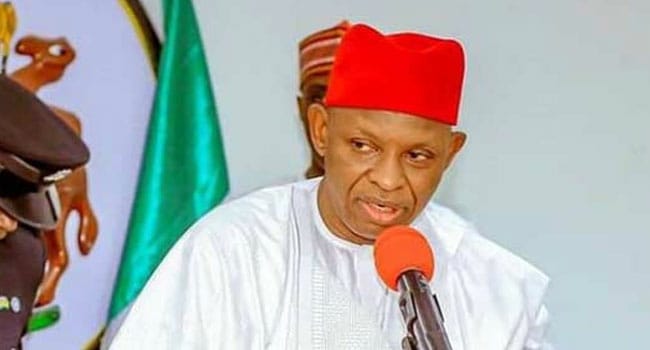
The Governor of Kano State, Abba Kabir Yusuf, in the early hours of Friday, flagged off open heart surgery for patients with heart-related diseases.

The Governor flagged off the exercise, which was sponsored by the Saudi Government in partnership with Muslim World League, at the Aminu Kano Teaching Hospital Conference Hall in the State.

During the event, the governor reiterated the commitment of the Kano State Government to partner with any non-governmental organizations and individuals willing to assist in providing training to health personnel and medical care to patients in need of such services.

He said: “We are very much delighted to have you in Kano for this gigantic assistance. Kano state is the most populous state in Nigeria, with over 21 million People. We have the most vulnerable people, downtrodden masses that do not have any means of taking care of their health needs,” said the Governor.

He added that “We will stick to our campaign promises of building general hospitals across the 44 local governments and Primary health care centres across the state and the re-introduce mobile clinics to cater for the people in the rural areas who are in need of medical attention free of charge.”

The head of the medical team from Saudi Arabia, Dr Utman Al-uthman Saad, said the medical team comprised 20 Cardiac surgeons who will perform the surgery and pledged to do their best to achieve the set goals.

Man dies on pole while repairing cables in Niger

By Uzair Adam Imam

A young electrician identified as Alhaji died while repairing faulty cables on electric poles in Niger.

The incident happened on Thursday in Soje B. Area of Minna, Niger State, at around 3pm.

The man was said to have been specialised in preparing home electrical appliances and had died on the spot after being electrocuted.

The residents who spoke to the journalists in the state said that the efforts to save his life were not successful.

However, one of the witnesses, Aliyu Jibrin, stated that “No one knew he was electrocuted on the pole until his lifeless body fell from the top of the pole.”

ABUTH delivers first IVF baby in northwest

By Ahmad Deedat Zakari

Ahmadu Bello University Teaching Hospital, Zaria has recorded an unprecedented milestone in the North-Western region of Nigeria as the university hospital successfully delivered its first invitro fertilization (IVF) baby.

Professor Adebeyi Adesuyun of the Department of Reproductive Medicine, disclosed this to newsmen on Friday. He said, “A male baby was delivered at 10:53am on May 16 with weight of 3kg.”

The Professor noted the cost implication of the milestone and further disclosed that it was a journey began by ABUTH about twelve years ago.”

Such delivery is costly and not available in the whole of the northwest region. ABUTH is the only public health facility that offers IVF. The journey did not start today; we have been on it for more than 12 years, but paucity of funds in getting the right equipment was our major hindrance,” he said.”

He also disclosed that the hospital has patients on their waiting list to receive the treatment.

Journalists work may lead to mental shutdown, death – doctor

By Uzair Adam Imam

A psychiatrist, Dr. Adeoyo Oyewole, said the physical and mental stress journalists are exposed to daily has psychological effect on them that could lead to mental shutdown.

The doctor said the pressure used to create a mental disequilibrium which manifests psychologically and phphysically.

Dr. Oyewole, who is a consultant at the Ladoke Akintola University Teaching Hospital, also added that lack of proper stress management killed journalists discreetly.

He made this shocking revelation on Monday at a seminar organised by Fountain University for practising journalists and final year Mass Communication students of the institution.

The seminar was themed: Effect of Poor Stress Management among Nigerian Journalists on Mental Health Productivity, at its campus, Osogbo.

The doctor further stated that Nigerian journalists carry Nigeria on their shoulders at a mental cost, and struggle daily to gather information in spite of humiliating cultural and bureaucratic bottlenecks.

He added, “There is a need for journalists to be proactive in managing time, value relationships and posses the will to break through barriers to achieve daily goals.

“Financial freedom is also essential. No journalists should be underpaid in discharging their responsibility as a professional in order to meet their daily demands both personally and as a family.

“A journalist must be able to meet his daily diet and supplement demand to be physically and mentally ready for the rigours of the job”, he said.

Doctor arraigned for sedating, raping patient in Ilorin

By Uzair Adam Imam

A patient in Ilorin has met with a sad fate when one Ayodele Joseph, the Chief Medical Director of Ayodele Hospital, sedated and raped her iside the hopital.

A police report revealed that Dr. Ayodele sedated the patient and eventually raped her without her consent.

It added that the doctor sedated the patient and raped her when she went to the hospital for medical treatment.

Ayodele was arraigned on a two-count charge of act of gross indecency and rape, contrary to sections 285 and 283 of the penal code.

The Daily Reality, through the police report, learned that the victim, who fell under the doctor’s trap, is also a professional nurse.

“Investigation into the matter however led to the recovery of the video recording containing sexual action of the defendant on the victim while medical text also confirmed that the said nurse was assaulted and raped”, the charge sheet disclosed.

Gbenga Ayeni, the prosecutor, informed the court of the gravity of the offence and the motion attached to the police report, which sought to remand the suspect.

The court granted Ayeni’s prayer for remand while the matter was adjourned to May 18th, 2023.

Amina Buba, a trailblazer: The first female urologic surgeon from North-Eastern Nigeria

By Kamal Buba Danladi

According to the Oxford Dictionary, Urology, also known as genitourinary surgery, is the branch of medicine that focuses on surgical and medical diseases of the urinary tract and the male reproductive organs. Organs under the domain of urology include the kidneys, ureters, adrenal glands, urinary bladder, urethra and the male reproductive system.

On the 19th of April 2023, Dr Amina Buba became the youngest urologic surgeon in Nigeria, the 7th female urologist in our country and the first Muslim woman in Nigeria to bear that title. Amina truly has shattered the glass ceiling! She is an inspiration to young women all around the world that anything is possible.

Amina was born in Lagos and attended St. Jude’s private School in Festac Town, Lagos. Then she started her secondary school at Federal Government College, Kwali, Abuja, before she transferred to Federal Government Girls College, Bwari, Abuja. After completing her junior secondary school there, she moved to El-Amin International School, Minna, where she completed her senior secondary school and then proceeded to her A-levels at Irwin College Leicester, England.

Amina also studied medicine at Brighton & Sussex Medical School, Brighton, England and then did her Master’s in Tropical Medicine & International Health at the Prestigious London School of Hygiene and Tropical Medicine, where she gained an MSc. as well as a diploma in Tropical Medicine and Hygiene. Shen then did her surgical residency in Abuja, Nigeria, which she recently completed.

When asked about why she chose this particular field, Amina says that she has always wanted to be a doctor, and when she qualified as a doctor, she knew that she wanted to be a surgeon but wasn’t sure of the surgical speciality. She began her residency programme with a posting in urology, and she fell in love with urology instantly because it is such a diverse surgical speciality, and you get to operate on the entire urinary tract as well as the male genital tract. There are also so many facets to it; there are paediatric urology, reconstructive urology, and upper and lower tract surgeries.

She further says that there are also plenty of opportunities to engage in both open and minimally invasive surgery, that is, laparoscopic, robotic and endoscopic surgeries. She was also drawn to it because, as a junior resident, she had 5 amazing consultants who, despite the strains of an under-resourced working environment, ensured that their patients got the absolute best.

Another interesting thing about the field, according to her, is that most urology patients have fixable problems and so it is really satisfying to identify a pathology in a patient, operate on it and discharge a happy, healed patient. She also added that urology is a fantastic speciality with so much room for growth.

She gave thanks to her mentors because they have been encouraging, and says she has had excellent teachers. Speaking about some of the challenges she faced, she says that they were there but were minimal and mainly from her peers questioning her decision to specialize in urology. This also prompted her to carry out a questionnaire-based survey on patients’ perceptions of having a female urologist. And interestingly, the majority of patients have absolutely no qualms at all.

In her practice, she has seen that even the few patients who seem sceptical tend to relax once she starts talking to them and establishes a rapport. She also says that she has had patients who specifically only want to see her, and she also added that when people are sick, they just want a good doctor and don’t care about their gender. She jokingly often asks people who question a decision to specialize in a primarily male-dominated area; “what of the men in gynaecology”. They only see women, but at least as a urologic surgeon, she sees both male and female patients. Another challenge she faced in training which she says is not peculiar to her, is the lack of facilities in Nigerian Teaching Hospitals. Our government really ought to do better.

And when asked about her family’s view on it she says that they were extremely supportive, and she really would not have been here if she didn’t have such supportive parents. Amina also says that her two elder sisters have been supportive, and they cheer her on in the process because the training is strenuous, emotionally and physically demanding and without her family’s support, it would have been impossible.

She also states that they have gone through the entire journey with her, and she appreciates them tremendously. She adds that she had some really supportive friends and bosses who have always cheered her on, and finally, her advice to young girls, especially in Northern Nigeria, is they should believe in themselves and strive for excellence, don’t settle for mediocrity. Pray hard, establish a good relationship with God and work hard.

Amina also has this to say “Pray like you are not working and work like you are not praying”. The world is our oyster, and there are so many glass ceilings waiting to be shattered! She concludes by thanking Allah for the mercies he has shown to her and by saying if she can do it, then anybody can. She hopes that her achievement will inspire young ladies to realize that there is so much that needs to be done.

Kamal is a student of Mass Communication from Skyline University Nigeria. He writes from Kano, Nigeria.