Opinion

Understanding nomophobia: The fear of losing mobile connectivity

 By Amrah Musa Kamaruddeen

In today’s hyper-connected world, our smartphones have become more than just communication devices; they are lifelines that connect us to information, social networks, and essential services. However, this dependence has given rise to a modern psychological phenomenon known as nomophobia—the fear of losing mobile connectivity. This article explores the definition, symptoms, causes, and potential solutions to this increasingly common issue.

Nomophobia, a term derived from “no mobile phone phobia,” was coined in a 2010 study by the UK-based Post Office. It describes the anxiety and fear experienced when an individual is unable to access their mobile phone or is disconnected from the internet. The condition can manifest in various forms, including feelings of panic, anxiety, and distress when separated from one’s phone, whether due to battery failure, loss, or lack of signal.

Nomophobia can manifest through several symptoms, which may vary from person to person. Common indicators include panic, physical distress, compulsive checking of devices, irritability, and social withdrawal.

 Several factors contribute to the development of nomophobia, including social connectivity pressures, work expectations, psychological tendencies, and cultural norms that emphasise constant connectivity. The condition can adversely impact personal relationships, professional performance, and well-being.

The impact of nomophobia extends beyond personal anxiety; it can affect professional performance, relationships, and overall well-being. Studies have shown that individuals with nomophobia may experience decreased productivity, difficulty concentrating, and strained relationships due to constant device distraction.

Furthermore, the omnipresence of mobile devices can lead to “phubbing,” a term for ignoring someone in favour of a mobile device. This behaviour can damage personal relationships and reduce the quality of face-to-face interactions.

Addressing nomophobia requires self-awareness, behavioural changes, and, in some cases, professional intervention. Individuals can implement strategies to manage nomophobia, such as setting device boundaries, practising mindfulness, engaging in digital detoxes, and seeking professional help if necessary. Understanding and addressing nomophobia is essential for fostering a healthier relationship with technology and enhancing mental well-being.

Nomophobia is a growing concern in our increasingly connected world, affecting individuals’ mental health and well-being. Understanding its symptoms, causes, and potential solutions is crucial for fostering a balanced relationship with technology. 

By acknowledging our dependency on mobile devices and taking proactive steps to manage our usage, we can mitigate the negative impacts of nomophobia and cultivate a healthier, more mindful approach to connectivity. 

Amrah Musa Kamaruddeen wrote from the Mass Communication Department, Bayero University, Kano.

Northern Nigeria faces a severe malnutrition crisis

By Onumoh Abdulwaheed 

Northern Nigeria is facing an increasingly severe malnutrition crisis, with recent data revealing a stark escalation in cases. UNICEF reports that Nigeria has the second-highest burden of stunted children globally, with a 32% prevalence rate among children under five. An estimated 2 million children suffer from severe acute malnutrition (SAM), yet only 20% receive treatment.

According to Médecins Sans Frontières (MSF), the situation has worsened dramatically in 2024. Dr. Sanjana Tirima reports alarming increases across northern Nigeria. In Maiduguri, northeast Nigeria, MSF’s inpatient therapeutic feeding centre admitted 1,250 severely malnourished children with complications in April 2024, double the figure from April 2023. The centre has had to expand to 350 beds, far exceeding its initial 200-bed capacity.

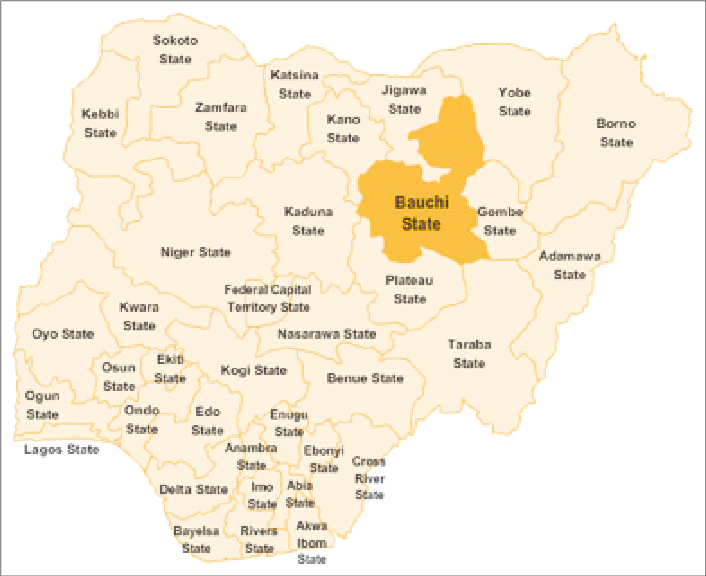
Similar trends are seen elsewhere. In Bauchi state, MSF’s facility at Kafin Madaki Hospital saw a 188% increase in the first quarter of 2024 compared to 2023 in the admissions of severely malnourished children. Northwestern states like Zamfara, Kano, and Sokoto have reported increases in admissions to inpatient centres ranging from 20% to 100%.

Dr Christos Christou, MSF’s International President, previously highlighted the multiple challenges facing northern Nigeria, including “overwhelming levels of malnutrition, frequent outbreaks of vaccine-preventable diseases, lack of medical facilities and personnel, and continuous insecurity.” The crisis is further exacerbated by widespread flooding, which has devastated farmlands and displaced millions.

Despite the escalating crisis, the humanitarian response remains inadequate. In May, the United Nations and Nigerian authorities issued an urgent appeal for US$306.4 million to address nutrition needs in Borno, Adamawa, and Yobe states. However, MSF notes this is insufficient as it doesn’t cover other affected parts of northern Nigeria.

Dr Tirima emphasises the situation’s urgency: “Everyone needs to step in to save lives and allow the children of northern Nigeria to grow free from malnutrition and its disastrous long-term, if not fatal, consequences.” She calls for immediate action to diagnose and treat malnourished children and engage in sustained, long-term initiatives to address the root causes of the crisis.

MSF and other organisations stress the need for a comprehensive and urgent response as the situation worsens. “We can’t keep repeating these catastrophic scenarios year after year,” Dr. Tirima warns. “What will it take to make everyone take notice and act?” The crisis in northern Nigeria remains a critical humanitarian concern requiring immediate and sustained attention from national and international stakeholders.

Onumoh Abdulwaheed wrote via onumohabdulwaheed@gmail.com.

The benefits and effects of drinking cold water

By Amrah Musa Kamaruddeen

Water is vital for our health, influencing everything from digestion to metabolism. While most people focus on how much water they drink, the temperature of that water can also have significant effects on our health. Water temperatureis measured using two primary scales: Celsius and Fahrenheit. Celsius is the most commonly used scale globally, while Fahrenheit is used primarily in the United States.

Cold water refers to water that is lower than room temperature. The average room temperature is between 20 and 25 degrees Celsius (68 and 77 degrees Fahrenheit), so water below this range is considered cold. In Celsius, cold water is defined as 0 to 15 degrees Celsius, while Fahrenheit is between 32 and 59 degrees Fahrenheit. This article explores the benefits and potential drawbacks of consuming cold water.

Benefits of Drinking Cold Water:

1. Enhances Metabolic Rate:

Drinking cold water can boost your metabolic rate, aiding in burning more calories. The human body burns calories when maintaining our core temperature; therefore, when we drink cold water, the body expends energy to warm the cold water to the core temperature, thereby burning calories.

2. Improves Digestion:

Cold water after a meal can aid digestion. It can contract stomach muscles, speeding digestion and facilitating nutrient absorption.

3. Reduces Inflammation:

Cold water can help reduce inflammation. Post-exercise, drinking cold water may soothe sore muscles and mitigate inflammation.

4. Aids Hydration:

Many people find cold water more satisfying, which may encourage higher water intake and better daily hydration.

Effects of Drinking Cold Water:

1. May Disrupt Digestion:

While cold water can be beneficial after a meal, consuming it during meals may interfere with digestion by solidifying fats, making them harder to digest.

2. Can Cause Headaches: 

Drinking cold water rapidly can trigger headaches or migraines as the cold temperature may constrict blood vessels in the head.

3. May Lead to Colds:

Cold water does not cause colds, but it might weaken the immune response, making individuals more susceptible to infections.

4. Can Aggravate Gallstones:

Gallstones are small stones, usually made of cholesterol, that form in the gallbladder.

For those with gallstones, cold water may cause gallbladder contractions, potentially intensifying symptoms.

In conclusion, while drinking cold water offers several benefits, it’s essential to be mindful of how and when you consume it. Opt for room temperature or warm water during meals to aid digestion, and enjoy cold water as a refreshing option throughout the day.

Amrah Musa Kamaruddeen wrote from the Department of Mass Communication, Bayero University, Kano.

The relevance of girl child education in national development

By Hajara Abdullahi

Girl Child education is a major cornerstone for national development. In developing countries, Nigeria, inclusive of the girl child education, keeps experiencing setbacks due to certain constraints, which include poverty, cultural practices, insecurity, climate change, etc. In Northern Nigeria, where these challenges are more persistent, enrollment of the girl child has been minimal despite efforts by relevant stakeholders.

On October 11th, the International Day of the Girl Child was celebrated worldwide; several campaigns and gatherings were held in Nigeria to commemorate the event. The Vice President, Senator Kashim Shettima, while addressing a conference marking the event, described Nigeria’s 25.6% out-of-school as a threat to the country, and he reiterated the need to take a specific action plan to address the menace.

According to UNICEF, Nigeria has 18 million out-of-school children, and out of these 18 million out-of-school children,60% of them are girls. This implies that we must invest, harness, and champion enrollment in girls’ education.

Education is a fundamental human right and a cornerstone of national development. Investing in girls’ education empowers individuals, communities and the nation.

Education is not just a fundamental human right but a cornerstone of national development. When we invest in girls’ education, we invest in the future of our communities and nation. A girl with an education is not just an empowered individual but a catalyst for change. 

 Below are some of the essential aspects of girl-child education for national development.

Economic Growth: Educated girls significantly contribute to economic growth. Studies show that a girl’s future earnings increase substantially for every additional year of schooling. Educated women participate in the labour force, start businesses and drive economic development. In Northern Nigeria, where unemployment is rampant, empowering girls through education can break the poverty cycle and boost the economy.

Health and Well-being: Education profoundly impacts health outcomes. Educated girls make informed decisions about their health and well-being, marry later, and have healthier families. Educated girls prioritise their children’s education and health, creating a virtuous development cycle.

Social Change: Educated girls engage in civic activities, advocate for their rights and challenge societal norms. They become leaders, role models and change agents, contributing to gender equality and national progress. Inspirational figures like Dr. Ngozi Okonjo-Iweala, Amina J. Muhammad, Professor Ruqayatu Rufai and Maryam Aloma Mukhtar exemplify how investing in girls’ education fosters social change and national development.

Sustainable Development Goals: Girls’ education is crucial to achieving the United Nations Sustainable Development Goals, particularly Goal 4: inclusive and equitable quality education for all. Prioritising girls’ education helps eradicate poverty, promote gender equality and ensure sustainable development.

Therefore, we need to commit to actionable steps. We need increased investment in girls’ education, community awareness programs that challenge harmful cultural practices, and partnerships with local organisations to create safe and supportive learning environments. Every stakeholder, from government officials to community leaders, educators, and parents, has a role to play.

In conclusion, let us remember that the education of the girl child is not just a women’s issue; it is a national imperative. Together, we can build a future where every girl in Nigeria has the opportunity to learn, grow, and thrive.

Hajara Abdullahi wrote from the Department of Mass Communication, Bayero University, Kano. She can be contacted via phlosopherquin162@gmail.com.

Strengthening democracy: A call for reforms in Nigeria’s governance 

By Alamin Musa Muhammad 

In recent years, Nigeria has stood at a pivotal juncture in its democratic evolution. Our country, rich in natural and human resources, has grappled with challenges that threaten to undermine its democratic institutions. While there have been successes, particularly in the peaceful transfer of power and the continuation of democratic processes, systemic issues call for reflection and reform.

At the heart of these challenges is the question of participation. Democracy, in its ideal form, seeks to empower every citizen, granting them a voice and ensuring that the governance structures are responsive to all needs.

Many since have similar opinions about the actual practice of democracy in Nigeria. Peter Obi, a former presidential candidate for the Labour Party (LP) in the general election of 2023, has expressed dismay at the state of Nigerian democracy, claiming that it has seen numerous losses and is hampered by poor leadership.

He tweeted, “We have continued to rank low and perform badly in every measurement of true democracy, signalling a critical deficiency in our democratic system.”

The Nigerian experience with democracy has revealed gaps in this aspiration. These gaps are not necessarily due to a lack of commitment to democratic principles but rather to a broader issue of implementation and inclusivity.

One of the core pillars of democracy is the ability of its citizens to participate meaningfully in governance, or at least that is what the famous scholar Plato believes. While voting and elections form the bedrock of this participation, they alone are insufficient to achieve the broader goals of justice, equity, and empowerment.

Gabriel Dewan, Plateau state speaker house of assembly, said, “Nigerian leaders, including myself, have failed the people after 25 years of the country’s unbroken democracy; he rated Nigeria’s democracy low”.

Nigeria’s political landscape, shaped by decades of military rule and the influence of elite-driven politics, often fails to translate electoral victories into genuine empowerment for its citizens.

Premium Times reported the speaker to have said that the country was blessed with abundant human and natural resources, but the leaders did not correctly harness them. With the natural resources and blessings God had bestowed upon Nigeria, the country ought to be far better than it is now; there are countries with far fewer resources than Nigeria, yet they were in a much better state.

Like many before it, the current administration has embarked on a series of reforms aimed at stabilising the economy and addressing security issues. Yet, while commendable in intent, these efforts highlight the complexities of governance in a diverse and multifaceted society. The rising cost of living, coupled with increasing insecurity, suggests that reforms must be more attuned to the lived realities of the people.

Nigeria is a poignant example of the disconnect between democratic theory and practice within the country’s political landscape. As BBC reporter Simi Jolaoso noted in a Wikipedia publication, Nigeria is experiencing “the worst economic crisis in a generation,” marked by soaring inflation and skyrocketing food prices. 

The crisis has been exacerbated by economic reforms introduced under the current administration, including the removal of fuel subsidies and the devaluation of Naira. While these measures were ostensibly aimed at liberalising the economy and attracting foreign investment, they have instead intensified the hardships faced by ordinary citizens. 

Protests erupted on July 29, 2024, with demonstrators taking to the streets, brandishing placards proclaiming messages like “Enough is Enough” and “We Are Not Slaves in Our Country.” Such sentiments highlight the erosion of social justice and the exclusion of the masses from meaningful political participation, reflecting the theories posited by Dewey and others that underscore democracy’s essence as a system of values rather than merely a political framework. 

Reforms must also extend to the institutions that safeguard democracy. A robust judiciary, a free press, and an active civil society are essential components of a functioning democracy. Strengthening these institutions will protect citizens’ rights and ensure that the government remains accountable to the people it serves.

Furthermore, the concept of democracy as merely a political system defined by elections and power transfers must evolve. Democracy, at its core, is about fostering a system of values—justice, equity, and social progress. A democracy that fails to address society’s socioeconomic disparities or marginalises large sections of its populace cannot fully claim the mantle of democratic legitimacy.

As Nigeria looks to the future, the question that must be asked is whether the current reforms genuinely work for the greater good of all Nigerians. While there are many challenges, they also present an opportunity—a chance to redefine governance in a way that is more responsive, more inclusive, and more attuned to the aspirations of its people.

The strength of Nigeria’s democracy will ultimately depend on its ability to adapt and reform in ways that bridge the gaps between policy and practice, between the elite and the grassroots, and between political ambition and the needs of everyday Nigerians.

The decisions made today will shape Nigeria for tomorrow. It is a call to action—not just for those in government but for every Nigerian who believes in the promise of democracy.

Facts about women and depression

By Jerry Ayuba Yavo

Depression is not just a regular aspect of human experience but a serious medical condition. According to the National Institute for Mental Health, depression is a common yet serious mood disorder. It causes severe symptoms that impact how a person feels, thinks, and handles daily activities, such as sleeping, eating, or working. 

Some symptoms include persistent sadness, feelings of hopelessness or pessimism, irritability, frustration, restlessness, and, in severe cases, thoughts of death, suicidal ideation, or suicide attempts.

In 2023, the World Health Organization (WHO) reported that an estimated 3.8% of the global population experiences depression, with 5% of adults affected (4% among men and 6% among women) and 5.7% of adults over the age of 60. 

Approximately 280 million people worldwide suffer from depression, and alarmingly, depression is about 50% more common in women than in men. This disparity is primarily attributed to biological factors, including hormonal fluctuations, genetic predisposition, and other factors.

Despite its prevalence, many people with depression may be unaware of their condition. A woman in Nigeria shared her experience with a reporter, revealing how she had struggled with mood swings since childhood. Her parents believed she was facing spiritual attacks, isolating her from her siblings, who were considered “normal.” 

As she grew older, she turned to drugs and alcohol to cope, eventually becoming addicted. It wasn’t until much later that she realised she had been suffering from depression since childhood. After marriage, she also experienced post-natal depression, which worsened her case.

In recent years, treatments such as medication and psychotherapy have proven effective for most people with depression. However, over 75% of individuals in low- and middle-income countries receive no treatment due to several barriers, including limited investment in mental health care, a lack of trained healthcare providers, and the social stigma surrounding mental illness.

Both men and women must assess their mental well-being and seek professional help if they experience symptoms of depression. Addressing mental health openly and without stigma is essential for a healthier society.

Jerry Ayuba Yavo wrote from the Department of Mass Communication, Bayero University, Kano, via jerryjnr419@gmail.com.

Insecurity: A growing concern in Nigeria

By Zainab Abubakar Abba

Nigeria, Africa’s most populous nation, has been grappling with insecurity for decades. The country’s protracted conflicts, terrorist attacks, and banditry have led to widespread displacement, forcing millions to flee their homes in search of safety.

The Boko Haram insurgency, which began in 2009, has ravaged the northeastern region, particularly the Borno, Yobe, and Adamawa states. The terrorist group’s relentless attacks on civilians, schools, and religious institutions have resulted in unprecedented displacement. According to the United Nations High Commissioner for Refugees (UNHCR), over 2.5 million people have been internally displaced in Nigeria, with the majority being women and children.

In addition to Boko Haram, banditry and kidnappings have become rampant in various parts of the country. The northwestern states of Zamfara, Kaduna, and Katsina have borne the brunt of these attacks, with thousands forced to flee their homes. The Nigerian government’s inability to curb these security threats has exacerbated the displacement crisis.

The consequences of displacement are far-reaching. Internally displaced persons (IDPs) face immense challenges, including loss of livelihoods, inadequate shelter, food insecurity, psychological trauma, and lack of access to education. Many IDPs have abandoned their farms, businesses, and livelihoods, leading to economic instability. Overcrowded and unsanitary IDP camps have become breeding grounds for diseases.

The Nigerian government has established the National Commission for Refugees, Migrants, and Internally Displaced Persons (NCFRMI) to coordinate relief efforts. However, critics argue that the government’s response has been inadequate, citing insufficient funding, ineffective security measures, and a lack of durable solutions.

The international community has provided significant humanitarian aid, but more needs to be done to address the root causes of displacement. The United Nations, European Union, and other organisations have provided emergency assistance, supported peace-building initiatives, and advocated for policy change.

Nigeria’s insecurity has resulted in one of the largest displacement crises in Africa. The government, international community, and humanitarian organisations must work together to address the root causes of conflict and insecurity, provide durable solutions, and ensure accountability. The situation demands collective action to stem the tide of displacement and ensure the safety and dignity of Nigeria’s citizens.

Zainab Abubakar Abba wrote from the Department of Mass Communication, Bayero University, Kano.

The detained starved kids: The injustice of the starvation of protesters didn’t start today

By Prof. Abdelghaffar Amoka

Protesters’ starvation, which the Muhammadu Buhari government institutionalised, is taking a new dimension and receiving attention with the detained starved kids. The country’s intellectuals were starved for 8 months in 2022 for protesting the degradation of the public universities, our own universities. 

Many of those talking now justified the starvation. You said the professors deserved it. You said what made the lecturers think they could fight the government. Many people on social media mocked the intellectuals.

They refused to give up despite the starvation. Many lost their lives, but they were willing to continue with starvation for the system to get the deserved attention. However, the government had to seek the help of the judiciary to force them to teach with hunger. The court did and justified the starvation with a policy called non-work, no pay.

Unfortunately, in its wisdom, the court could not help resolve the issues that led to the strike. Despite the noise from the Bola Ahmed Tinubu government that the Academic Staff Union of Universities (ASUU) won’t go on strike again, no effort has been made to resolve why ASUU is always going on strike. The issues still linger with the usual poverty of sincerity. 

Then, there was another form of protester. The bad governance protest on August 1st, 2024. Some of the protesters were arrested and charged with treason. They don’t have to stop their salaries because most are kids on the street without work. They can be detained and starved. They were arrested and starved for 93 days with a hard fight for them to be arraigned. They were eventually taken to the court yesterday with their bony body. Some could not stand on their feet. They were lying on the floor for prosecution.

A lawyer who could not stand the hunger bought the starved kids biscuits in the court. They rushed the biscuits like their life was hanging on them. Only God knows the last time they saw that to eat. The judge remanded the kids at Kuje pending when they can satisfy his bail condition of ₦10 million each of them. Where are the level 15 civil servants with ₦10 million that will bail these kids, who likely live on the street? Are we correcting or hardening these kids when they return to the street? 

If professors are starved for 8 months by the government, tell me who they can’t starve? An injustice to one is an injustice to all. But you supported Buhari for Institutionalizing the starvation of protesters when he started with the country’s intellectuals because a northerner was in charge. You were thinking it would end with the lecturers. Now, the starvation of protesters is taking a new dimension. The sight of the detained starved kids in Kuje prison made everyone cry. 

And we are Muslims and Christians that are very religious but heartless. So, how do we end this inhuman attitude to ourselves? 

Abdelghaffar Amoka Abdelmalik, PhD, wrote from Ahmadu Bello University, Zaria. He can be reached via aaabdelmalik@gmail.com.

Celebrating NYSC-member teachers: A trio of inspirers

By Ibrahim Sulaiman

Let me celebrate a trio of my teachers, Miss Tina, Mr KJ Kabir and Mr Nebo Ekene. They are not only my teachers but have also stood out for making me academically ambitious. 

Graduating from a nearly dying government secondary school system in the North Eastern part of Nigeria in the early 2000s was discouraging for students being churned out from these schools. These National Youth Service Corps (NYSC) members were determined to make us think and dream like our counterparts in other schools that were practically better than ours. 

Miss Tina (as she was then), a UniLAG-trained geographer, was very concerned about covering the syllabus. She wanted me to sit for JAMB the following year, as none of us had registered for the matriculation exam that we finished every year at school. She gave me a pass in A&B to read in preparation. She also contacted me after leaving Jama’are when she hadcompleted her one-year mandatory NYSC.

Mr KJ Kabir (from Kwara State) was concerned about my proposed course of study. He was our Press Club patron, and I was one of the club’s newscasters. He would always ask through discussion, ‘Ibrahim, what do you want to study? ‘I would reply, ‘Mass Communication, Sir’ (having been influenced by the press club plus the fact that I was and am still a radio fan). From our discussion, I learned that he wanted me to study political science (he is a university graduate of political science, too). 

Mr Ekene (a Baga-born Igbo from Enugu state with an excellent and near-perfect command of the Hausa Language) was another dedicated teacher and a mentor. This corp-member teacher will always fix classes and/or extend classes beyond the allotted time in his bid to cover the syllabus. 

The lodges of the trio were vestibules for extra lessons for me. I frequent their houses, and they’re always available for me. I remember vividly when Mr Ekene left the school quarters to stay in Cooper’s lodge in Jama’are town. I used to go there for my lessons. These experiences prepared me and, of course, made me conscious about proceeding with my studies immediately. 

This consciousness made me focus more on education than anything else. Some of them were disappointed in me when I told them that I was enrolled in a diploma program. They all wanted me to be in university after secondary school. But I always assured them I would proceed from there, and I did!

To these teachers, the trios, I am ever grateful for the inspiration. The books you gave me while passing out from the NYSC and the Q&As bequeathed to your chosen student were sources of inspiration that keep prodding me up to today. They will keep pushing till I reach the pinnacle, called PhD (soon)! Thank you so much for your selflessness and service to humanity.

Ibrahim Sulaiman writes from Abuja, Nigeria and can be reached via ibrahimsulaiman193@gmail.com

Discovering my unique talent: A journey into tailoring and fashion design

By Abbas Aliyu Libata 

Every individual possesses a unique talent, a natural gift that often takes time to uncover. For some, it is an early realisation, while for others, like myself, it takes a period of self-reflection and careful observation. 

My journey of discovering my unique talent has been a process of exploration filled with curiosity, self-doubt, and clarity. In the world of tailoring and fashion design, I found my calling, a profession that brings me joy andfuels my creativity.

I remember watching people around me, often amazed by how effortlessly they executed imaginative and creative tasks. Their work, whether art, music, or other forms of expression, seemed to flow naturally as if it were second nature to them. I couldn’t help but wonder: What was my talent? Was I overlooking something? This uncertainty drove me to study myself and observe how I interacted with different activities, hoping to pinpoint what made me feel most alive.

The journey was challenging. I explored various activities, searching for one that resonated with me. Gradually, I realised my attraction to tailoring and fashion design through my appreciation of fabrics and patterns and my vision of new designs. It took time to recognise this as my true talent.

The turning point came when I decided to immerse myself in design fully. While tailoring was my primary profession, designing offered something more—a unique joy. I felt an overwhelming sense of fulfilment whenever I created new designs, sketched ideas, or experimented with fabrics. The joy I experienced wasn’t just about the monetary rewards that came with the profession but also about the creative satisfaction that designing brought. I had found my talent.

According to career coach Laura Garnett, talent discovery often involves a combination of self-awareness and persistence. She explains, “Your talent lies at the intersection of what you enjoy doing and what you do well. Often, it takes time and patience to uncover it because you need to experiment with different activities to see what resonates.” My experience perfectly reflects this. The more I designed, the more I realised that this was something I was good at, bringing me immense happiness.

Research from psychologists like Dr Angela Duckworth suggests that perseverance and passion, what she calls “grit”, are vital to uncovering and developing talent. I can relate to this concept because I had to persist in my search for my unique talent, even when I doubted myself.

Looking back, I see how important it was for me to go through self-discovery. Finding my talent in tailoring and fashion design has been one of the most rewarding experiences of my life. It has given me a sense of purpose and fulfilment that I might not have found had I not taken the time to explore, reflect, and experiment. Now, every design I create reflects my joy and passion for my profession, a profession that has allowed me to express my unique talent in ways I never imagined.

I came across a friend who disclosed that he believes unique talent exists in people but has yet to discover his. 

Through this journey, I have realised that discovering one’s unique talent requires patience, observation, and a willingness to embrace the things that bring us joy, even if they aren’t immediately apparent. It was fashion design, a craft that connects my passion and creativity to something I can share with the world.

Self-observation and reflection are among the most important steps in uncovering your talent. Take time to observe how you react to different activities. Notice what excites you, where you lose track of time, or what makes you feel fulfilled. Keeping a journal to record these moments can help reveal patterns and reveal your natural abilities.

Experimenting with different fields is another critical part of the process. Your talent might be in an area you haven’t yet explored. Trying out new hobbies, engaging in unfamiliar projects, or learning a new skill can help you discover interests and strengths you didn’t know you had. Don’t limit yourself to what seems comfortable or traditional; sometimes, talent lies in unexpected places.

Additionally, don’t underestimate the power of seeking feedback from others. Often, those around you can provide insight into your strengths and talents that you might overlook. Ask friends, family, or colleagues for their perspectives on what you do well, where you shine, or what they think makes you unique. Their observations can offer valuable clues in your self-discovery journey.

It’s also important to follow your passion rather than just chasing money. While financial rewards are essential, true talent often lies in what brings you personal satisfaction. You may not immediately see financial gain from pursuing your passion, but the joy it brings is a crucial indicator of where your unique abilities might be found.

Be prepared to exercise patience and persistence in the process of talent discovery. It is not always an immediate realisation and can take time, especially if you are exploring new fields or refining your skills. Even when you feel stuck, continue pursuing different avenues and allow yourself the time to grow and evolve.

Learning from others is also a valuable strategy. Studying experts in areas that interest you, attending workshops, or reading books by individuals who have mastered their craft can offer insights into how to cultivate your talent. Their experiences and advice can serve as a guide for your journey.

Lastly, once you have an idea of your talent, align it with a career path. When your professional life reflects your passion, you are more likely to feel fulfilled and motivated. Combining your talent with a career can lead to personal and professional success, allowing you to channel your unique abilities into something that brings value to yourself and others.

Abbas Aliyu Libata wrote from the Mass Communication Department at Bayero University, Kano, via elabbas434@gmail.com.