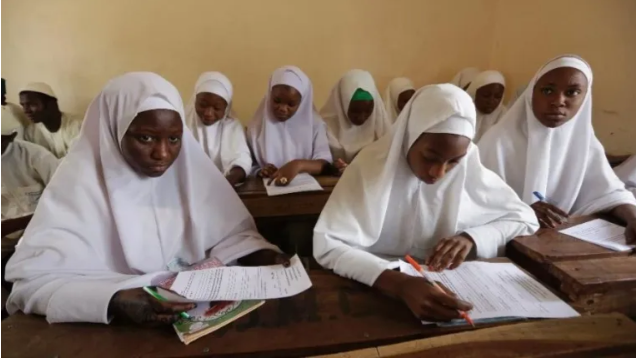
At least 614 public secondary schools in Kano State will be renovated through the World Bank funded project called ‘Adolescent Girls Initiative for Learning and Empowerment (AGILE).
The project which will be implemented by the Schools-Based Management Committees (SBMCs) of the benefiting schools has budgetted N1.8 billion naira so far.
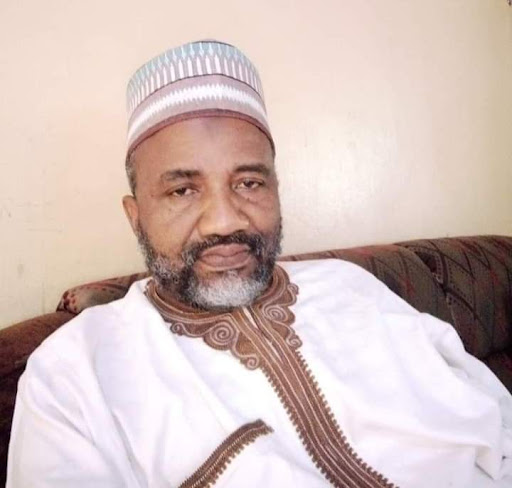
The Deputy Project Coordinator of the programme, Nasiru Abdullahi, stated this during a courtesy visit to the Emir of Bichi, Nasiru Bayero, alongside other staff of the project on Thursday, 11th August, 2022 in Bichi.
“The SBMC committee has community and religious leaders, representation from self-help organization, and students, among others.
“The Principal is the secretary of the committee who knows the problems of the school better,” he said.
He said that the funds had already been credited into the bank accounts of the Schools-Based Management Committees, SBMCs, of the participating schools in the State.
According to him, the SBMCs members had been trained on the key priorities of their schools for the attainment of the desired objective.
He noted that each school received an amount of money based on the nature of project it will undertake.
“Close to N1.8 billion has been granted to the schools, which is half of what the schools will get, in order to ensure effective utilisation of the funds.
“Any school that finished its project will get the balance for the remaining project.
“The money is in the account of each of the benefiting schools. A school will come to AGILE to get clearance, which it will take to bank and withdraw the money,” he said
The deputy coordinator further revealed that the project is targeting close to 38,000 girls from vulnerable households for Conditional Cash Transfer which will be followed by training on digital skills.
He said that the girls would be trained on skills that would assist them to become self reliant in their maritall homes.
He, therefore, solicited for the support of the traditional ruler for the success of the project.
On his part, the Emir vowed to support the project wholeheartedly and urged all other relevant stakeholders to intensify efforts in improving the capacity of teachers.
“We are not saying construction is not good, but the teachers who will impart the knowledge to the students need to be improved.
“More teachers should also be recruited, and trained regularly to acquaint them with modern teaching techniques,” he advised.
He called on parents to desist from withdrawing girls from schools for marriage, counselling that girls should proceed to higher education after secondary schools.
Associate Professor Mainasara Yakubu Kurfi, and other journalism educators, urged Kano State Polytechnic journalism students to imbibe critical thinking in reporting their beats as journalists of the 21st century.
Kurfi, who is the Head of Department, Mass Communication, Bayero University, Kano, tasked the journalists in the making, reiterating that the students should be jack of all trades and masters of none.
Kurfi stated this Thursday at a One-Day Lecture Series organised by the Department of Mass Communication, Kano State Polytechnic.
Speaking on the topic, The 21st Century Mass Communication Student, the university don added that there were numerous opportunities in the field and that the students should read a lot to upgrade their learning and skills.
In his words, Kurfi stated, “there are numerous opportunities in mass communication because the world is no longer a global village but rather a global room.
“For this reason, you only need to read hard and acquire the necessary skills. If you do that, you’ll be getting money from the comfort of your room.
“Some of the career opportunities for a 21-century mass communication student include; film production, photography, advertising, development communication, public relations, broadcasting, strategic communication, among others.”
Also speaking, the event convener, Malam Aisar Salihu Fagge, stated that the essence of the lectures was to prepare students for the basic need of 21st-century journalism.
He added that the event would also develop help the students develop entrepreneurial mind to enable them to learn the modern skills of the journalism profession.
Academics from sister institutions, directors from various units, heads of departments, and alumni of the Mass Communication department graced the event.
The Head of Department, Mass Communication, Kano State Polytechnic, Malama Binta Muhammad Lawal, ably represented by one of the department’s lecturers, Malam Salihu Sule Khalid, commended the event.
It is well known that members of the Academic Union of Universities (ASUU), the umbrella body of academic staff in Nigerian public universities, have been on strike for six months. Specifically, the strike began on February 14, 2022. Typical of the union of academics, it ensured that all means of avoiding the strike were exhausted before declaring the industrial action. Other university unions followed suit to avoid being left out in case ASUU emerged triumphant.
The issues are many, and not all of them have to do with money. And in fact, not all the funds mentioned in the dispute between ASUU and Federal Government will go to the pockets of ASUU members. No money goes to the union except the monthly dues it collects from members. It is not the duty of a trade union like ASUU to collect and disburse funds. That is the duty of university administrations.
Let me explain in plain language. But before I do, specific facts are vital.
Although the Federal Government has given licenses for the establishment of many private universities in Nigeria, only about six per cent of Nigerian university students are currently in private universities. More than 90 per cent of university students are in public universities owned by state and federal governments.
Another important note is that there are currently more supporting staff in public universities than operational (academic) staff. Consequently, there are three other unions in public universities apart from ASUU. People usually do not differentiate between ASUU and others, primarily due to Government propaganda. All of these unions are now on strike.
Nigerians may also wish to note that undergraduate students in federal universities do not pay a Kobo as tuition fees as long as they are Nigerians. The very little they pay as registration fees are for services like ID cards, games, hostel, etc.
The issues for which ASUU members are on strike are the same for which the immediate past government of President Jonathan Goodluck commended the union for being patriotic and selfless. One of them is the proliferation of public universities. Does it make sense that the same government that persistently complains of not having enough funds to run its existing universities is continuously establishing new universities in every nook and cranny of the country?
Revitalization of public universities for which an agreement was reached with Jonathan’s government to release N1.3trn in six instalments is what the FG has been using to misinform the public that ASUU is looking for too much money. Thus, any time the FG releases some paltry sum of N30bn, for example, it tells the world that it has given additional funds to ASUU. I think that is why some patriotic Nigerians once agreed to “donate the sum of N18b to ASUU” to call off its strike. This money does not go to ASUU. It is used to carry out projects by contractors appointed by FG or its appointee governing councils.
The only other thing that involves cash is the renegotiation of the 2009 agreement. In case you do not understand this, it is about the condition of service (SALARY AND ALLOWANCES) of academic staff, which the government promised to review every four years. But unfortunately, the promise has not been fulfilled for 13 years.
In 2020 after an ASUU strike, the Federal Government set up a committee to renegotiate with ASUU and other unions. The committee finished its work and submitted its report in May 2021. Regrettably, the report was dumped and, despite ASUU’s constant reminders and follow-ups, was only dusted when ASUU began its strike in March this year. That is when this government realized that it could not pay what was recommended by the committee. The same government set up another committee on the report it is unwilling to disclose.
As a student or parent, you are aware of all of the above if you have been following the engagement of ASUU with the Federal Government. I am only reminding you if you have forgotten.
I am particularly shocked to hear the Minister of State Labour, Festus Keyamo, calling on parents to appeal to ASUU to end the strike. The reason is that they cannot afford N1.2tr ASUU is asking for. When did ASUU ask for this amount? Is it the revitalization fund Keyamo is talking about which ASUU never requested the FG to pay in bulk? If that is the case, why does it have to take FG six months of ASUU strike to state it? Or is it the result of renegotiation for which the FG never called ASUU and said what it could pay? It just doesn’t make any sense.
What about other issues like the UTAS for which the FG has been meeting with ASUU and claiming to have conducted tests with xy results? Is Keyamo also appealing to parents to beg ASUU on it?
And who are these parents? Please let all the government officials involved in this ASUU/FG negotiation mention the number of children they have in public universities and the programmes they are following. Of course, I know the children of Mr President study in the UK. I wrote to advise him against it when his family celebrated the graduation of one of his daughters in December 2019. Whether or not the advice of nonentities like me matters is a different issue. It is the ordinary us that cast the votes to elect him anyway.
Finally, let me remind Mr President that he has only less than a year to leave office. Unfortunately, nearly all his diehard supporters I know have been disappointed. This is mainly due to the people he entrusts with fundamental issues like Security and Education.
On the particular issue of ASUU and sister unions, Mr President seems to be overconfident in the Labour Minister, a southeast politician who was expecting you to anoint him to take over from you next year. When you refused to do it, one of them, who is also in your cabinet, stood before you in the last convention and accused you and your party of injustice. With that, can you rule out sabotage?
Mr President, please use the little time left to correct your mistakes and avoid making another regrettable blunder. Nigerians did not elect Ngige, Keyamo, Zainab or any of those. If not for you, these names would have long disappeared into obscurity. Please remember that most APC politicians who won the 2015 and 2019 elections, especially in the North, won because of you. So, the expectation is high, and the performance is dismal.
I hope Mr President reads this.
Professor Abdussamad Umar Jibia wrote from Bayero University, Kano. He can be reached via aujibia@gmail.com.
Looking at the reality and how uncertain the future of education is in this country, you, as a Nigerian, should get a solution for yourself. But unfortunately, even though education is a right, not a privilege, the biggest stakeholders (read: government) are not ready to facilitate smooth learning for the sons and daughters of the “common people.”
In Nigeria, public university teachers, otherwise known as ASUU members, have been on strike for over half a year, thanks to the government’s failure to listen to their demands. Don’t you think this could make some students forget the names of their respective departments after someday the industrial action is suspended?
In light of these, I honestly feel the urge to share the Indian Government online scholarship with every serious-minded Nigerian who studies—or wishes to study—at any of our strike-ravaged public universities here. The last date for the application for the scholarship is August 15.
Here are five quick reasons why you should apply for the scholarship as follows:
1. Unlike other scholarship schemes, this scholarship—which you can apply for via https://www.ilearn.gov.in/—is fully-funded. This means you do not have to pay even a dime as tuition or a part of it. In addition, you don’t have to know anyone to apply or get it.
2. You only need a good mobile device (preferably a computer) with a good Internet connection to study. This indicates that you do not have to undergo the stress of boarding a flight from Nigeria to India, although it would be a pleasure to go overseas for your study.
3. The word “strike” might not exist in the dictionary of Indian universities. Therefore, one will have hitch-free academic sessions and most likely graduate on time. Moreover, the duration of some bachelor’s degree programs, as indicated on the application portal, is three years.
4. If you are one of the successful applicants, you will get the opportunity to study at some of the best universities in India, like Lovely Professional University, the Indira Gandhi National Open University and so on. The certificates to be obtained will be widely recognised. So, don’t panic over the recognisability of your results after graduation.
5. Unlike here in Nigeria, where you cannot apply for two or more different courses in one university when registering for the Unified Tertiary Matriculation Examination (UTME), there are universities on the list of eligible institutions for the scholarship that okay an applicant to apply for more than one course. An example of such a university is the Indira Gandhi National Open University.
Please hurry up and apply before the deadline, as this is an opportunity that should never escape your notice.
Muhammad Sabiu is a reporter for The Daily Reality and lives in Bauchi State. He can be reached via sabiucnd@gmail.com.
It’s a very sad incident to Nigerians that the Academic Staff Union of Universities’ (ASUU) strike has been persistent for decades. It firstly started in the 70s during Obasanjo’s regime. ASUU went on firmly with its struggles and opted for strike as a major weapon to fight for its rights and those of Nigerian students. For many years, strikes have been reoccurring like celebrated festivals; it’s hardly to end an academic session without ASUU embarking on a single strike. If the history of the ASUU strike will be unbundled, it will be clearly seen that it has been consistent since the military regimes and thus; one may not be unjust to say, the needed actions were not taken even in the past, had they heeded to ASUUs agitations and calls, we wouldn’t have been experiencing what we are experiencing now.
Today, under Buhari’s administration, which even a layman thought would enjoy when it grabbed power; students have been suffering from the repercussions of the conflicts between the FG and ASUU. On Monday 14th February 2022, the union declared its first one month warning strike, and then added two months, after which they extended the strike by three months. If I may ask a question which may not have an answer, I would say, even in Africa, if not in Nigeria, where can universities be shut down for almost more than six months, and the government seems not to care? But if answer is to be given, it might be: no serious administration will “take no notice of” its country’s education sector sliding into anarchy and confusion like this. However, no thanks to the I don’t care attitude of the government, it is surely making history.
The main ASUU’s demands now, as declared by the union, are: ensuring the acceptance of the University Transparency and Accountability Solution (UTAS) and also to fulfill the ASUU/FG’s signed agreement of 2009, which can all be implemented if the FG’s effort is genuine in getting rid of the “cog in the wheel” of the future of the Nigerian Youths. Therefore, the FG’s refusal to implement the aforesaid ASUU’s demands is simply “adding salt to the wound” of the Nigerian students and the education sector in general.
On the other hand, the demanded money and facilities by ASUU for revitalizing the sector can be disbursed as far as the FG treats the issue seriously considering what it spent on other sectors, which compared to education, they are definitely less important. Some menies spent are even irrelevant to the welfare of the masses or misplacement of priorities.
For instance; on 24th November 2021, the Punch Newspaper disclosed that “the minister of State for Budget and National Planning, Prince Clem Agba said that, the FG spent more than 2.3 trillion as a stimulus for covid19.” If the FG can spend more than 2 trillion on Covid-19, why can’t it at least spend 1 trillion on the education sector for ensuring its activation and ending the ASUU strike that has been in existence for more than twenty years? The same union strike which the current president and his minster of education were criticizing the last administration on?
In addition, Vanguard Newspaper reported on May 15, 2022 that the “Socio Economic Right and Accountability Project (SERAP) sues Buhari for spending N1.48 trillion on maintaining refineries with no crude oil”. If more than 1 trillion can be unfruitfully spent on reviving the useless refineries why can’t 500 billion be disbursed to ASUU for revitalizing the education sector?
Additionally, the Punch reporterd on 22 February 2022 that: “FG to spend 3.53 trillion on infrastructure and human capital development in 2022”. This was amidst the ASUU strike, which is yet to be called off. If 2.53 trillion would be spent mostly on invisible infrastructure, why can’t 1 trillion be allocated to the education sector for its rescue or is there any infrastructure that can be enjoyed without qualitative education? I believe commoners would rather love to have education than any other infrastructure. Also, providing sound knowledge is the best way to development, not only for humans but for the whole country and what it contains.
Based on Daily Post analysis on October 15, 2021,” about 12 trillion has been allocated to the security sector in the past 7 budgets under president Buhari”. Based on this analysis the increment of the spending for the sector in the administration is whooping 15 percent of the country’s budget. If this can be done in an attempt to tackle the insecurity we still suffer from, despite the relevance of security in any country, why can’t the same attempt be done for the education sector even for once? These are few examples. One may argue that all the aforementioned spendings were already budgeted and also the education sector has its own budget, but is he aware that the sector’s budget is just a paltry sum?
Premium Times Nigeria, on October 27, 2021 stated that “since taking office, president Buhari’s highest allocation to the education sector is 7.9 percent of the total budget”. Meanwhile, the United Nations Educational, Scientific and Cultural Organization (UNESCO) recommended 15-20percent of any developing country’s budget for the sector.
The FG should be alerted that this persistent strike is affecting not only students, their parents, and lectures but also the economy of the country as many small scale and medium enterprises depend on the campuses, howbeit, It’s indeed condemnable that ASUU’s demands have not been attended to.
Moreover, it will shock any Nigerian of good will to hear the claim that the president was unaware about the ASUU strike till when he was notified during his Sallah visit to his home town! Kudos to Nigeria, my fatherland, where universities could be shutdown and academic staffs’ salaries stopped for months and yet the president doesn’t even know what is happening! The university lecturers’ strike for months with stoppage of their salaries, but the president was unaware? This alone, can prove the FG’s failure in salvaging the education sector in Nigeria. They don’t seem to care and I don’t think they will care at all. Their beloved children are elsewhere, outside the country, enjoying good education, while the poor peoples’ children grow in ignorance.
In addition to the points raised above, Nigeria, with 10.5 million out of school children, topped the list in the world, as declared by the United Nations Children Funds (UNICEF), Daily Trust on Monday, 24th January reported. Furthermore, the FG’s budget allocation to the sector is yet to reach the UNESCO’s recommendation, while looting allegations on government officials are not unknown, but still ASUU’s demands are neglected.
In conclusion, I urge the government to move with rapid efforts in overcoming the hindrances in the education sector, others the government and all Nigerians should await more troubles, confusions and skirmishes.
Yusuf Salisu Muhammad writes from Katsina State, Nigeria.
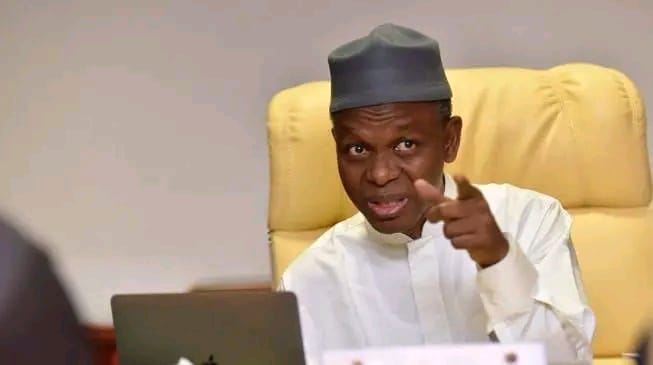
The ongoing academic dispute between the Academic Staff Union of Universities (ASUU) members, and the Federal Government of Nigeria, has taken a new dimension in Kaduna State. The governor of Kaduna State, Malam Nasiru El-Rufa’i, has threatened to sack the Union members if they fail to resume their normal academic activities at Kaduna State University. However, the ASUU branch at the Kaduna State University (KASU) responded, saying that they are far above his usual tactics. They added that they would not, in any way, stoop to his intimidation and threats.
Excerpts of the ASUU Zonal press release, signed by its coordinator, Comrade Abdulkadir Muhammad, read:
“The Kano Zone of ASUU comprising Ahmadu Bello University, Zaria (ABU), Bayero University Kano (BUK), Federal University, Dutse (FUD), Kano University of Science and Technology, Wudil (KUST), Kaduna State University (KASU), Sule Lamido University, Kafin Hausa (SLU) and Yusuf Mataima Sule University, Kano (YUMSU) met on 7th August 2022 and deliberated on the intimidation meted on the ASUU members at KASU by the Government of Nasir Ahmed El-Rufai due to the ongoing nationwide strike action embarked upon as directed by the ASUU National. The Governor had threatened to sack all academic staff that have been on strike in the branch as he usually does on similar matters. ASUU as a Union had experienced similar threats in the past, and that had never deterred it from the patriotic struggles to salvage our public universities from imminent collapse.
As you are fully aware, our roll-over strike action has now entered its sixth month. The goal of the strike is to get government to timely and substantially address ASUU’s demands, namely: revitalization funds for public universities, Earned Academic Allowance (EAA), conclusion of the renegotiation of the 2009 Agreement, Visitation Panels to universities, and stoppage of the proliferation of state universities and governance issues in them, and deployment of UTAS as a payment system in Federal Universities. These demands were agreed upon, with timelines, by the Federal Government in the MoU and MoA it signed willingly with ASUU in February, 2019 and December, 2020 respectively.
The rhetorical question as to why ASUU is always embarking on strike action has been asked time and again by the concerned citizens and stakeholders. The straightforward answer is that ASUU is strongly convinced that if academics fail to fight the cause of university education, the fate that befell public primary and secondary schools would soon become the lot of the public university system in Nigeria. It is also worthy of note that ASUU as a Union does not derive pleasure in the disruption of academic calendar and hindering students from graduating in good time. Strike action always comes as the Union’s last resort after exhausting all other options and consultative avenues.
KASU has benefited immensely from the TETFund interventions, revitalization fund, staff development and provision of research grants, which are dividends of ASUU strikes. In fact, KASU is one of the universities that could rightly be described as “TETFund University” since virtually all buildings in the University were constructed through TETFund interventions. At this juncture, we challenge the Visitor of KASU to show a single structure he constructed on KASU campuses during his two-term tenure as Governor of Kaduna State. It is therefore illogical for the Government of Nasir El-Rufai to bluff that members of ASUU-KASU should either break away from the National strike or be sacked. Since the issuance of this threat, our members have constantly been intimidated and coerced by the University Council and Management through opening of registers, conduct of a comic exercise called examinations, selective stoppage of staff salaries, among others.
These theatrical exercises that the University Management confused and referred to as examinations that are currently going on in KASU are characterized by non-coverage of course outlines, incomplete lecture contact hours, non-participation of lecturers who taught the courses in the setting of the examination questions and supervisions, involvement of students in invigilation and non-moderation of question papers, which are clear violations of the laid down rules and regulations governing the conduct of examinations.
The Union would not fold its arms while the University evaluation system is being bastardized and abused by the Management of KASU. Therefore, ASUU demands that all the so-called examinations so far conducted be discarded in order to maintain and respect the sacred system of evaluation in the university system. The examinations must be re-conducted after following the due process and suspension of the ongoing strike action, otherwise, the Union will be left with no option but to write a petition to the National Universities Commission (NUC) and the Independent Corrupt Practices Commission (ICPC) against the Management of KASU.
The ASUU-Kano Zone commends the commitment and resilience of ASUU-KASU members for not succumbing to the antics of Kaduna State Government and its agents. The Union calls on its members in KASU to remain resolute and prosecute the strike action to its logical conclusion. Finally, the Union thanks the good people of Kaduna State for their patience, understanding, support and cooperation.”
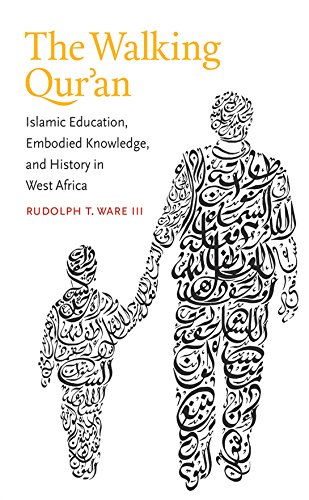
Book time: The Walking Qurʾan: Islamic education, Embodied Knowledge, and History in West Africa
Author: Rudolph T. Ware III.
Date of Publication: 2014
Number of Pages: 330
Publisher: The University of North Carolina Press
Reviewer: Shamsuddeen Sani
After recently reading a book about Quranic Schools in Northern Nigeria, I was left hungry for a less Western way of presenting the subject matter. So I serendipitously laid my hands on this book, and knowing that I have read about the author in the past, I didn’t hesitate to devour it.
Following a broad introductory section, the book delves deeply into an interdisciplinary examination of the knowledge philosophy underlying Quranic education. This required an in-depth historical ethnography of the institution in modern-day Senegambia, which lays the way for comprehension of the conceptualization and transmission of knowledge. It also strengthens the case that internalizing texts, even by swallowing them, was crucial to understanding and remembering the material. This book’s central concept represents the embodiment and actualization of Islamic knowledge.
Importantly, these early chapters look at the emergence and long-term evolution of a native West African clerisy. Ware underscores how these African Islamic instructors and thinkers were the primary agents of Islamization in a continent unperturbed by the early Islamic conquests. In order to avoid rulers (and maintain their independence), they established a unique framework for the interactions between political and religious powers. It also emphasizes both moral and political economies of studying and teaching the Qur’an throughout the 18th century focusing on how the growth of the Atlantic slave trade led to the breakup of this model of pious distance from power.
As we near the middle of the book, Ware thoroughly explored the historical account of the enslavement of ‘huffaz’ in Senegambia from the 1770s until the advent of the French colonial rule in the late 19th century. With clerics viewed as embodied exemplars of the Quran, such incidents of enslavement were perceived as more than just violations of Islamic law, but as desecrations of the Book of God.
The book meticulously illustrates the chronological narrative of Senegambia’s revolts, rebellions, and even revolutions inspired by the enslavement of “the walking Qur’an.” Without going further into spoilers, these historical happenings culminated in the climactic radical movement by African Muslim clerics and their disciples, with a cascade of events leading to the overthrow of hereditary slave-owning kings in 1776, the abolition of both the Atlantic slave trade in the Senegal River Valley and the slavery institution itself.
These narratives would lack crucial context if they did not include the efforts of formerly enslaved people and other oppressed groups to use the legal abolition of slavery in the French colonial state to assert their dignity through the dissemination of the Qur’an in the early 20th century. They fought to transform their very selves through Islamic education while doing so from within the epistemology of embodiment and in opposition to regional traditions that stigmatized their bodies because of their social standing. The establishment of mass Sufi organizations and the emergence of new French and Muslim teaching forms were only two of the many changes in colonial Senegal’s political and educational landscapes fueled by this knowledge-sifting process.
This outstanding work profoundly serves as the first step for anyone interested in learning about Qur’anic instruction in West Africa. A significant chunk of detail about Quranic education in West Africa jumps right off the page, you can feel the author’s passion, and as he claims, this is the narration from within. The writing style is genuinely simple and engaging and has a powerful sense of atmosphere. It gives you a lot to chew on and is one of those books that it would not feel right if you didn’t give it the five stars it deserves.
Rudolph T. Ware III is a historian of West Africa at the University of California, Santa Barbara. He formerly taught at the University of Michigan and then at Northwestern University. His work aims to confront and dispel Western misconceptions about Islam.
On my return in April 2012, I reported to my Vice-Chancellor, Prof. Abubakar Adamu Rasheed. In a moment of radical inspiration, he asked me to submit every publication and activity in communication to the HoD of Mass Communication, the late Dr Balarabe Maikaba, for possible recommendation as a professor of Media and Cultural communication. In the meantime, a position for a professor was created in the Department of Mass Communication to accommodate my presence.
I was surprised at this as I thought once you are a professor, you stay that way without any addition! The then Dean of the Faculty of Social and Management Sciences, Prof. Adamu Idris Tanko, also welcomed the idea. Dr Balarabe Maikaba wrote a supporting letter. I put in the application and submitted all the papers I had in the new area for external assessment.
In January 2013, I received a phone call from my Vice-Chancellor informing me that assessments of my publications sent out months earlier had returned positive. Therefore, I have been appointed Information and Media Studies professor with effect from October 2012. There was only one wonderful caveat: I was to relocate to the Department of Mass Communication from the Department of Science and Technology Education, where I was then the Head of the Department. This relocation was the most significant move in my academic career. The day I received that letter counted as one of the happiest of my entire life.
I suddenly realized that my earlier desire to be in the Faculty of Science was to become a research scientist. Now, 32 years later, I have become a research social scientist while retaining my scientific focus. Allah truly blessed me. The journey to the first professorship took 17 years (1980-1997), while the second took 15 years (1997 to 2012).
I handed over the Department of Science and Technology Education on April 25 2013, symbolic of my birthday. My new Department and the Faculty overwhelmingly welcomed me when I formally reported on April 26 2013. Even more remarkable, the Communication Studies fraternity also welcomed me – apparently, they have been keenly following my what one calls ‘revolutionary forays’ in media studies.
It was thus an honour to be made a member of the Governing Council of the Association of Media and Communication Researchers of Nigeria (AMCRON) and a member of the Association of Communication Scholars & Professionals of Nigeria (ACSPN). It was humbling to be in the company of communication giants such as Idowu Akanbi Sobowale, Ralph Akinfeleye, Lai Oso, Umaru Pate, Nosa Owens-Ibie, Hyginus Ekwuazi, Victor Ayedun-Aluma, Eserinune McCarty Mojaye, Abiodun Adeniyi and many wonderful others. It was always a pleasure to meet at various conferences and workshops and appreciate each other.
I was given a huge sparkling brand-new office with all the frills! I have already been teaching Management Information Systems (MIS) in the Department of Business Administration of the Faculty for almost ten years. Additionally, I had been a ‘part-time’ staff of the Mass Communication Department for seven years, teaching and supervising students. So, I was not new to the faculty. For me, being in the Department of Mass Communication was the absolute way to chill out my career to retirement in 2026, in shaa Allah.
So, am I the only ‘double’ professor in Nigeria? It depends on the context. If you are referring to two professorships in two different disciplines (which is the actual context of a double professor), then yes, according to the NUC’s Directory of Full Professors in the Nigerian University System (2017), I am. However, being a professor at two different universities does not count. The second professorship has to be qualified through an external assessment of scientific works in the discipline, a process my Vice-Chancellor at the time and Chairman of the Appointment and Promotions Committee of the University rigorously followed.
Is this the same as Emeritus Professor (some have referred to me as such)? No. An Emeritus Professor is an honorary title given to a professor to show respect for a distinguished career and who has retired (critical qualifier) from the university successfully and honourably. It is neither a right nor automatic. It is a privilege (just like the professorship itself), given at the discretion of the university to an outstanding professor (mostly the university one is retiring from, although an appointment to such position could also be made to the retiring professor in a different university).
One cannot be appointed an Emeritus until they have retired (whether before or at the age of retirement). It is usually conferred (at a ceremony) to those the university feel that despite retiring, they can still add value to the academic programs of the university, either through teaching, research, supervision or other leadership functions. It often attracts a token stipend (not salary), and the office the professor retired from. It is also for life – meaning he stops being an Emeritus when he shifts to the other side of the universe the James Webb Space Telescope would not be able to locate! Here is a list of Emeritus Professors in Nigeria (updating).
How common is double professorship generally? Rare. A limited discussion was held on Quora, where a few examples from some American universities were cited. For instance, Andrew Gelman is a professor of statistics and political science at Columbia and a professor of statistics at Harvard. He has no political science degree at all. His first degree was in physics, and his graduate work was in statistics. He has received the Outstanding Statistical Application award three times from the American Statistical Association, the award for the best article published in the American Political Science Review, the Mitchell and DeGroot prizes from the International Society of Bayesian Analysis, and the Council of Presidents of Statistical Societies award. Have a look at this blog to know how he came to be occupying those two chairs.
This answers the question of whether I should be a professor in Mass Communication without a degree in Mass Communication. At the professorial level, it is your output that matters. My own site might satisfy one’s curiosity about what the fuss is all about. As my Vice-Chancellor at the time, Prof. Abubakar Adamu Rasheed, pointed out when my case was presented in 2012, if anyone is a professor of History and made enough contributions to the field of Physics, they can also apply and be assessed as a professor of Physics.
Oh, I almost forgot. Two professorships? Yes. Two salaries? Unfortunately, no! You get only one salary.
Prof. Abdalla Uba Adamu wrote from the Department of Information and Media Studies, Bayero University Kano, Nigeria. He is, among many other things, the former Vice-Chancellor of the National Open University of Nigeria (NOUN). He can be reached via auadamu@yahoo.com.
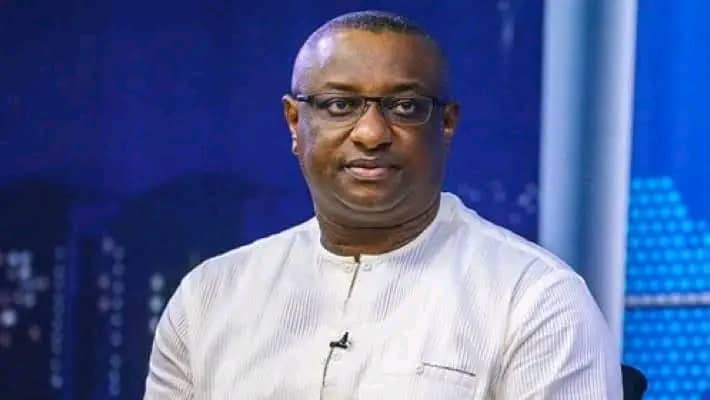
The Minister of State for Labour and Employment, Festus Keyamo, SAN, said the demands of the Academic Staff Union of Universities (ASUU) are unrealistic, and the Federal Government cannot be blackmailed into borrowing money to end the strike.
Keyamo made the statement on Friday, August 5, 2022, while speaking on Channels Television Politics Today.
“Should we go and borrow to pay N1.2 trillion yearly?
“You cannot allow one sector of the economy to hold you by the jugular and then blackmail you to go and borrow N1.2 trillion for overheads when our total income would be about N6.1 trillion. And you have roads to build, health centres to build, other sectors to take care of.” He stated
The Minister then pleaded with parents to beg ASUU to return to the classroom.
“Like the President said the other time, those who know them appeal to their sense of patriotism,” Keyamo said.
“Let them go back to classes. They are not the only ones in Nigeria. They are not the only ones feeding from the federal purse. The nation cannot grind to a halt because we want to take care of the demands of ASUU.” He added
ASUU embarked on strike on February 14, 2022, and are seeking improved condition of service and revitalization of public universities amidst other demands.
However, the Buhari-led Federal Government said it does not have the fund to attend to ASUU’s N1.1 trillion demand due to low oil prices. The impasse has shut down government-owned universities across the country.
Like a bolt of lightning, a key to open the freedom door dropped literally on my lap through the radio. In 1996 the government of Kano (Nigeria), where I live, was battling with Hausa creative fiction and public morals. One after the other, Islamic sheikhs came on the radio and condemned newly emerging Hausa creative fiction writers as being responsible for poor attention span in schools (and subsequent poor grades) and immorality. They did not indicate how many of the novels they had read, though. Their condemnations caught my attention, for it seems there was a reading culture among Hausa youth – something public culture kept lamenting as lacking among youth.
Reading culture is, of course, an environment where reading is championed, valued, respected, and encouraged. BUT it seems that the reading culture in Kano meant reading school textbooks (if available) and passing examinations. Reading culture? James Hadley Chase, Harold Robbins, Irvin Wallace, Agatha Christie, Denise Robbins, Nick Carter, Joan Collins, Wilbur Smith, et al., anyone? So why not Ado Ahmad, Balaraba Ramat, Ɗan Azumi Baba, Bilkisu Salisu Ahmed Funtuwa? All the objections against Hausa literature were based on the baseless Media Effects Theory, which believes that mass media influences the attitudes and perceptions of audiences.
I, therefore, decided to delve into this ‘problem’ further. It was to be a bridge between cultural studies (popular culture) and education (reading culture).
I eventually traced the production of Hausa novels to the City Business Center in the city of Kano under the proprietorship of Alhaji Abba Lawan Maiunguwa, a childhood friend. This led to Ado Ahmed Gidan Dabino, unarguably the most successful of Hausa novelists, and the forging of a life-long friendship based on respect. I spent about two years in the field, talking, recording, and unarchiving writers, critics and fans of the Hausa creative fiction.
The writers included Ahmad Mahmood Zaharadden Yakasai, Yusuf Muhammad Adamu, Ibrahim Saleh Gumel, Ɗan Azimi Babba Cheɗiyar Ƴan Gurasa, Aminu Abdu Na’inna, Badamasi Shu’aibu Burji, Hamisu Bature, Aminu Hassan Yakasai, Abdullahi Yahaya Mai Zare, Bala Muhammad Makosa, Bashir Sanda Gusau, Bala Anas Babinlata. Female authors of the period included Hauwa Aminu, Talatu Wada, Zuwaira Isa, Safiya A. Tijjani, Binta Bello Ɗanbatta, Binta Maiwada, Jummai Mohammed Argungu Karima Abdu D/Tofa, Bilkisu S. Ahmed, and the most outstanding of them all, Balaraba Ramat Yakubu.
Along the line, I developed the Hausa hooked glottal sound characters (Ƙ, ƙ, Ɗ, ɗ, Ɓ, ɓ) to help in proper Hausa writing on computer word processing programs using Fontographer software. But that is a story for another day. Next, I went to my dad, Muhammadu Uba Adamu (Kantoma), discussed with him my new-found direction and sought his blessings. He readily approved. Not surprising, considering he had always been a radical on his right. Further, my early contact with literature was from his library, as he studied Political History with English Literature as a minor. His approval, and even later, endorsement, gave me courage.
Finally, I summoned enough nerve (remember, it was not my field, and I was aware those ‘in the field’ jealously guard their turf) to write an article and send it to Ibrahim Sheme of the New Nigerian Weekly newspaper. It was titled “Hausa Literature in the 1990s”. It was published in their April 24 and May 1, 1999 issues. It created a tsunami of a reaction.
Unbeknownst to me, the debate about the merits (or lack of) of Hausa creative fiction had run its course in various Hausa language newspapers and magazines. Hawwa Ibrahim Sherif fired the first salvo in an interview with Ibrahim Sheme, published in Nasiha, on September 6 1991 (some eight years before my own article).
Following on from her views (and she was a writer herself), two camps emerged – those who did not see any merit in the novels, and those who believed in them, the latter, perhaps understandably, was made up of mainly authors themselves, such as Ado Ahmad Gidan Dabino, Yusuf Adamu, Kabiru Assada, etc. In 1998, Novian Whitsitt, an American student, even submitted a PhD thesis on Hausa creative fiction with a focus on Hajiya Balaraba Ramat Yakubu. His thesis was titled The Literature of Balaraba Ramat Yakubu and the Emerging Genre of Littattafai na Soyayya: A Prognostic of Change for Women in Hausa Society.” It was submitted to the African Studies Program University of Wisconsin-Madison.
You could therefore imagine the fire I came under; An Educationist was venturing into Hausa literary studies. Some accused me of being an ignoramus who knows nothing about Hausa literature (true), and others accused me of encouraging immorality (not true).
To get rid of my accused ignorance, I adopted two methods – both facilitated by my being a true believer in science and its methods. The first was rooted in the ethnology of Hausa cultural production. This approach was based on Victor Turner’s exposition of the ‘anthropology of experience’, itself based on Wilhelm Dilthey’s conception of ‘what has been lived through’. The approach enables the exploration of how people actually experience their culture and how those experiences are expressed in forms as varied as narrative, literary work, theatre, carnival, ritual, reminiscence, and life review. To get a closer look at the cultural production, it was necessary to be embedded in the process.
I started by identifying what was more or less a Bohemian cluster of Hausa fiction writers hanging out at City Business Center, Daneji, Kano city, along Sabon Titi. Then, I embedded myself into their cluster and observed what they were doing – inspiration for their stories, discussing plots for stories, typing, artwork, printing, marketing, etc. This went on for almost five years from 1998. As a result, I gained deep insights into their creativity and concerns. I also read quite a few of the fiction they produced to gain a more immersive experience.
In this process, I did not rely on secondary data but became a primary data gatherer myself. This came in good stead much later when I submitted a paper to a journal based in France. The editor wanted me to provide references for some of the narrative encounters. I pointed out that I was the reference and used Turner’s field study framework as a basis because I was there. The editor accepted, and eventually, the paper was published.
For the second method, I launched myself into a self-study of Critical Theory from the roots: to reflect on and critique society through literature. There were four varieties of such theory: new criticism, poststructuralism, psychoanalytic criticism, and Marxist theory. I delved into the first two, deeming that the other two do not apply to my data. I became a student of Jürgen Habermas and his “Structural Transformation of Public Sphere”, in which I see Islamicateness in expounding the boundaries of the public sphere. Stuart Hall and his critical works in cultural studies provided another roadmap to understanding the reception of media texts. Marshall Hodgson’s essay on the idea of “Islamicate” societies seemed to mesh perfectly well with my own sites of contestation of media production, distribution and consumption. Anthony Giddens and his Structuration provided an excellent introduction to Agency.
I thus refused to cage myself within Nigerian Hausaist (for which I am not one) delineation of Hausa studies into apparently mutually incompatible divisions of Literature (Adabi), Language (Harshe) and Culture (Al’ada). I said ‘apparently mutually incompatible’ because if you are versed or specialized in one, you are not expected to know much about the other. In other words, you should ‘stay behind the yellow line’!
And so, the battlelines were drawn, and for almost five years to 2004, New Nigerian Weekly and Weekly Trust pages were awash with what Ibrahim Sheme referred to as The Great Soyayya Debate. I was in the thick of it. But, since the debates were on pages of newspapers and therefore meant for the general readership, I focused on simply defending the right to write rather than the morals of the contents (for which, in my opinion, show cleanliness) or the grammatical sophistication of the writers. They have a right to write and thus write the rites to right the wrongs they perceive in society – after all, the genre is referred to as ‘adabi’ (reflection).
Only four people at Bayero University believed in what I was doing. Isma’ila Abubakar Tsiga, Sa’idu Ahmad Babura, Abubakar Adamu Rasheed and Ibrahim Bello-Kano – all from the Department of English and European Languages. Ibrahim Bello-Kano, or IBK as he is popularly referred to, was the Seminar coordinator in the Department of English and European Languages in 2001. He invited me to present a paper at their Departmental Seminar, which I agreed to and presented in January 2001. It was the first academic presentation of my research. I was understandably nervous because I was presenting something on new terrain to people fully trained and versed in it. However, the paper’s title, Tarbiyar Bahaushe, Mutumin Kirki and Hausa Prose Fiction: Towards an Analytical Framework, introduced something to the polemics besides just moral indignation.
However, soon enough, the massive success of Hausa fiction authors (despite scathing criticism from academic and public culture) emboldened them enough to migrate to the emergent Hausa video film industry. If there is one person to be credited with creating the Hausa film industry, it was a writer, the late Aminu Hassan Yakasai. He was both a novelist, a scriptwriter and a Hausa soap opera star. He and his collaborators, such as Bashir Mudi Yakasai and Salisu Galadanci, launched the first Hausa video film, Turmin Danya, in March 1990. This predated Nollywood’s Living in Bondage in 1992. Sunusi Burhan Shehu, a novelist, established a Hausa film magazine, Tauraruwa, and in a regular column in August 1999, created the term “Kanywood” to refer to the Hausa film industry. It is the first reference to a film industry in Africa and predated “Nollywood”, which was coined in 2002 by Norimitsu Onishi in a New York Times report.
In 1999 Sarauniya Films Kano released the catalytic video film that literally shaped the direction of the industry. It was Sangaya. It was, like most Hausa youth literature, mainly a love story. It was not the story that was significant about the film, however, but its soundtrack with catchy song and dance routines backed by synthesized sound samples of traditional Hausa instruments such as kalangu (talking drum), bandiri (frame drum) and sarewa (flute). The effect was electric on a youth audience seeking alternative and globalized—essentially modern—means of being entertained than the traditional music genre, which seemed aimed at either rural audiences or older urbanites. It became an instant hit. Indeed, the success of Sangaya was as momentous in the history of the Hausa video film industry as Living in Bondage was for the southern Nigerian video films. The Hausa video films that subsequently emerged were predominantly based on cloning Bollywood films and production characteristics – love triangles, gender rivalry, and choreographic song and dance routines. At least until 2007, when the system crashed after the leakage of a private steamy sex video of a popular actress. The entire entry was labelled bad, just like the literature industry. A new censorship regime was instituted that made film production difficult.
Internet became widely available late 1990s, and by 2000 it had become affordable. Before that, we had to rely on the National Universities Commission (NUC) switchbacks to access it. So when Nitel started offering it, we jumped on. Yahoo! Groups was launched in early 2001. A series of discussion boards formed the earliest reiteration of social networks, predating Facebook, which was created in 2004 but became available only in 2009 to us. Seizing the opportunity to create lively discussions, I formed three groups on the Yahoo! Groups platform: Finafinan Hausa, Littattafan Hausa, and Mawaƙan Hausa, from August 31 to November 15 2001. Finafinan Hausa was by far the liveliest.
By 2009 when the discussions whittled away, there were almost 25,000 postings on the board. Other boards did not fare too well. Further, between 2000 to 2009, I chaired thirteen Hausa video film award ceremonies, four of which were organized by Yahoo! Groups. The discussion board really popularized many of the Hausa video film stars. The University of Frankfurt in Germany even dedicated a Library Officer to join the groups and harvest all the comments as examples of public discourse on Hausa popular culture.
All these did not prevent me from participating in educational alphabet soup agency activities, so I was still rooted in Education. Criss-crossing the north, training education officials, writing reports no one read, and working out the next activity. Along the process, I became Head of the Department of Education – rather reluctantly, for I was enjoying fieldwork in cultural production and educational alphabet soup interventions (the latter helped to put additional plates on the table!).
In 1993 the late Prof. Mike Egbon of the Department of Mass Communication, Bayero University Kano, visited my office and asked me to help supervise his PhD student who was working on the transfer of communication education curriculum from the US to Nigeria. Between 1991 to 1992, I was a Fulbright Senior Research Scholar at the Center for Studies in Higher Education, University of California, Berkely. My work focused on the transnational transfer of education from the US to Nigeria, resulting in a book published in 1994 in New York. It was titled Living on a Credit Line: Reform and Adaptation in Nigerian University Curricula. It was my work in the US which I had been discussing at various places within the campus that attracted Mike Egbon, and he appointed me as co-supervisor and internal examiner to his student. Mike Egbon, then, was the one who opened the door for me to enter the Mass Communication department.
While all this was happening, a conference on Hausa video films was held in one of the northern Universities. The conference condemned the films, just as earlier on, the writers of Hausa fiction were also condemned. Many of these writers, using the cheap availability of video cameras, had transitioned from Hausa fiction to Hausa films and, in the process, attracted a lot of mainly non-indigenous Hausa into the industry. But because these elements use the Hausa language in their films and rely virtually exclusively on cloning Hindi cinema, all Hausa films were tarred with the same paintbrush. So the focus of the conference held somewhere in the north was to confirm how bad the films were from cultural perspectives.
However, in August 2002, a group of academicians and members of the Hausa entertainment industry in Kano got together to discuss the state of research on Hausa popular culture and media technologies, with particular reference to the Hausa films. It was meant to be a brainstorming session with various inputs from members overshadowed by the then-current crisis in the non-marketability of Hausa films due to condemnations from the public culture. Further, it was noted that there had been no systematic study of the phenomena from academic perspectives, at least by the practitioners themselves. A strong observation at this meeting was the increasing role of media technologies in popular culture and how Hausa urban communities are refining the concept of entertainment among the Hausa.
The group noted, with concern, a lack of local input into the systematized pieces of research showing the relationship between Hausa culture and popular media as a vehicle of cultural preservation and transmission. In this regard, it was noted some of the most significant advances in this area were made by our foreign Hausaist colleagues. All these researchers have published extensively on Hausa culture and language, and their works are heralded as authoritative accounts of Hausa popular media.
Thus, while the group acknowledged the immense contributions made by these foreign researchers, it saw these researches as challenges to stimulating local scholars into exploring other terrains of popular culture among the Hausa. As a result of these observations, the group suggested a series of activities aimed at creating collaborative opportunities for research between local researchers, practitioners of popular culture (literature, music, film, indigenous knowledge etc.) and international partners. A committee was formed to articulate all these into a conference, and I was made the Chairman of the Committee.
Eventually, on 3rd to 5th August 2003, we held the first-ever international conference on Hausa films in Kano, with the theme of Hausa Home Videos: Technology, Economy and Society. It was hugely successful, attracting presentations from US and Germany in addition to both local film practitioners and academicians. I, Yusuf Adamu and Umar Faruk Jibril edited the papers and a book with the same title as the conference was published in Kano in 2004. The resolution of the conference was to establish a Center for Hausa Cultural Studies. This was meant to be a think tank that would hold monthly events to promote Hausa cultural production in the internet age.
Later, tired of the constant criticisms against me from the film industry despite all my efforts (they believed that by focusing on culture, I was disparaging their art), I shifted my ethnographic focus to music, with a particular focus on the Rap genre which was trending at the time. This community of cultural producers – K-Boyz, Kano Riders, Lil’ TeAxy, BMERI, ClassiQ, Dr Pure, G-Fresh, Haddy, K-Arrowz, the late Lil’ Amir, etc. – proved more welcoming than filmmakers.
By 2004 I had attracted the attention of some colleagues overseas, particularly Brian Larkin in the US, Graham Furniss in the UK and Heike Behrend in Germany. I even wrote a visa approval letter for Heike Behrend, then Director, Institute of African Studies, University of Cologne, Germany, to come to Nigeria and conduct fieldwork on Hausa films. Heike Behrend was to later “adopt” me as her son. She is a brilliant ethnologist with a field experience in Kenya and Uganda, as detailed in her excellent book, Incarnation of an Ape. An autobiography of ethnographic research (2020), which itself is a textbook on the anthropology of experience. As she stated in a YouTube introduction to the book, “it was about reversing the perspective and showing how those I meant to ethnograph ethnographed me.”
Thus, when Graham Furniss was asked to nominate participants for a “Seminar on Media in Africa” in Nairobi, Kenya, organized by the International African Institute in August 2004, he nominated my name, and I was accepted. Again, in the same year, he was invited to Johannes Gutenberg University, Mainz, Germany (plainly referred to as the University of Mainz) to participate in the 8th International Janheinz Jahn Symposium “Creative Writing in African Languages: Production, Mediation, Reception”. It was to be held at the Centre for Research on African Literatures, Johannes Gutenberg University Mainz, 17-20 November 2004. Graham had too many engagements for the period and suggested to the organizers that I should be invited – something they accepted. I received an invitation to participate in the conference.
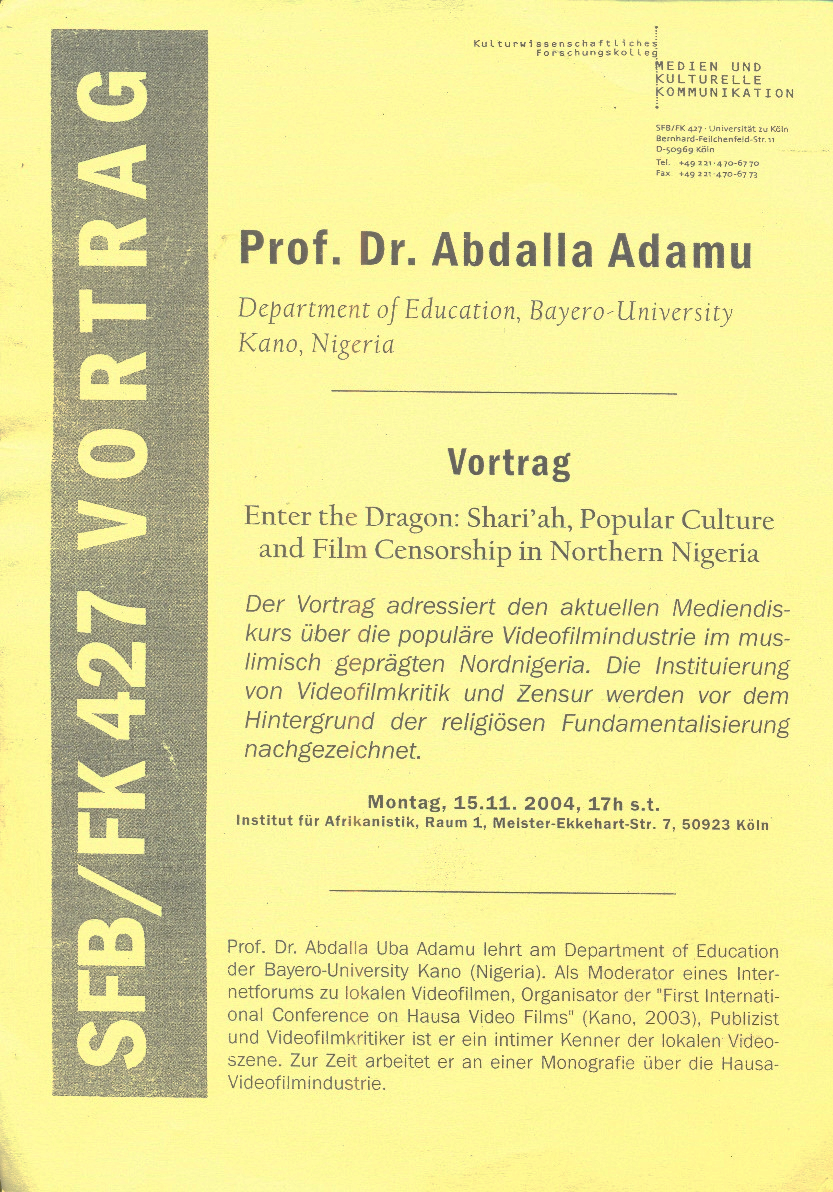
At the first event in Nairobi, I met Heike Behrend, who was also invited, and during an off-conference interaction over a cup of expresso (her favourite rendering of coffee!!) I informed her of my coming trip to Mainz for a conference. She immediately extended an invitation for me to come to the University of Cologne on my way to Mainz and present a seminar to doctoral students on any topic I like. This I did on November 15 2004 and presented a paper to the students. It was titled “Enter the Dragon: Sharī’ah, Popular Culture and Film Censorship in northern Nigeria.”
Vortrag
Note, from the poster, that I was still in the Department of Education. When I returned to Nigeria, I met Dr Gausu Ahmad, then Head of the Department of Mass Communication BUK, who insisted on the paper being presented at their own Departmental Seminar. Before that, I was already teaching Advanced Research Methods to postgraduate students and Online Journalism at all levels. Further, I was already working with a doctoral student in the Department. Unknown to me, Dr Gausu had already recommended my employment as a Part-Time lecturer in the Department of Mass Communication. A letter to that effect was eventually sent to me in November 2005. Earlier, the Department had requested my transfer from Education, but the Vice-Chancellor at the time refused.
The visit to Germany in 2004 was the beginning of a series of travels to various universities as a visiting lecturer/professor/guest speaker etc., in media and cultural production. These included the US (University of Florida, Gainesville; Rutgers State University of New Jersey; Barnard College, Columbia University), UK (School of African and Oriental Studies), Switzerland (University of Basel), Germany (Freie University, Berlin; University of Mainz; University of Freiburg; University of Cologne, University of Hamburg; Humboldt University), South Africa (University the Witwatersrand), and Cameroon (University of Yaoundé).
In November 2008, I was once more invited to Germany for an event. After my event at the University of Hamburg, one of the participants, Nina Pawlak from the Department of African Languages and Cultures, University of Warsaw, Poland, approached me and asked if I would like to visit Poland for three months as a Visiting Professor. I delightfully accepted. The funding was to come from the European Union under the program of The Modern University – a comprehensive support program for doctoral students and teaching staff of the University of Warsaw as part of Sub-measure 4.1.1 “Enhancing the educational capacity of a higher education institution” of the Human Capital Operational Programme, of the EU. After all the paperwork was done, I was eventually offered the Visiting Professor position at the Department of African Languages and Cultures, University of Warsaw, Poland, from March 1 to May 31 2012. I taught two courses: Transnationalism and Identity in African Popular Culture and Oral Traditions in Local and Global Contexts.
Prof. Abdalla Uba Adamu wrote from the Department of Information and Media Studies, Bayero University Kano, Nigeria. He is, among many other things, the former Vice-Chancellor of the National Open University of Nigeria (NOUN). He can be reached via auadamu@yahoo.com.