Month: November 2026

UniAbuja Unions Protest Wike’s Alleged Allocation of University Land to Private Developers

By Uzair Adam

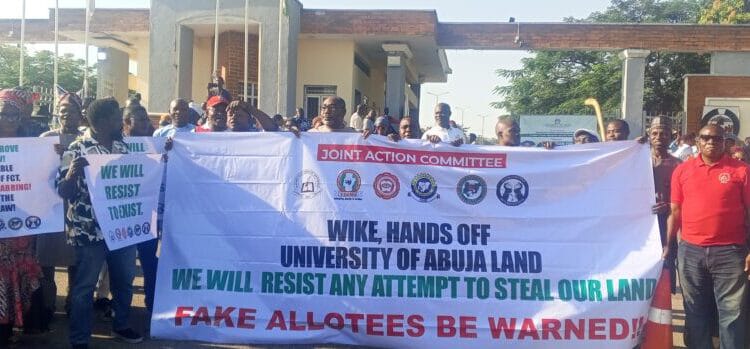
The Academic Staff Union of Universities (ASUU), Senior Staff Association of Nigerian Universities (SSANU) and Non-Academic Staff Union of Educational and Associated Institutions (NASU) have protested the alleged allocation of University of Abuja (UniAbuja) land to private individuals by the Minister of the Federal Capital Territory (FCT), Nyesom Wike.

The unions staged a peaceful protest on Monday within the university premises, calling on the minister to stop what they described as an attempt to encroach on the institution’s land.

The protest, which attracted members of the university community, saw participants carrying placards with inscriptions such as “We will resist to exist,” “We need intervention, not land grabbing,” and “No to land encroachment.”

Speaking during the protest, ASUU Chairman, University of Abuja Chapter, Prof. Sylvanus Ugoh, described the alleged allocation as a violation of the rule of law and an attempt to undermine the institution’s long-term development.

Ugoh said the land was allocated to the university in 1988 when it was established, adding that successive FCT ministers had respected the institution’s ownership.

He warned that the unions would not remain silent while land reserved for the university’s future expansion was allegedly being transferred to private interests.

“University is a public good. University is a public interest. There is nowhere in the world where you take public interest for individual interest,” he said.

He added that the unions would resist any attempt to take away land meant for generations yet unborn.

Ugoh also rejected the possibility of using the university’s land for filling stations, shopping malls or residential buildings, insisting that it should be preserved for academic development.

He called on relevant stakeholders to intervene and prevail on the minister to reverse the alleged allocation.

Similarly, SSANU Chairman, University of Abuja, Nurudeen Yusuf, said the union would resist any attempt to take over the institution’s land, describing it as essential to the university’s academic and research activities.

Yusuf explained that departments such as Nuclear Engineering and Aeronautical Engineering required adequate space for research and other academic activities.

He alleged that surrounding communities had already occupied about 3,000 hectares of the university’s land, adding that the minister’s reported plan to allocate another 7,000 hectares was unacceptable.

The NASU Chairperson, University of Abuja, Sadiya Hassan, also faulted the alleged allocation, arguing that any development initiative by the FCT administration should prioritise the university rather than private companies.

She said the institution had several development projects planned for its available land, stressing that the land was originally provided to accommodate future expansion.

Meanwhile, Dr Rauf Sarafadeen-Kunle, National Publicity Secretary of the University of Abuja Alumni Association, expressed concern over the security implications of the alleged allocation.

He warned that the university community’s safety should not be compromised for private business interests.

The Students’ Union Government President, Peculiar Eyamu, said the university, which has over 55,000 students, was facing serious accommodation challenges.

She appealed to Wike to channel his development initiatives towards constructing student hostels rather than allocating the university’s land to private interests.

Eyamu said students were struggling with inadequate hostel facilities, while the cost of renting accommodation outside the campus continued to rise.

She also urged President Bola Tinubu to intervene in addressing the university’s accommodation challenges.

Shehu Sani Faults Silence Over Killing, Abduction Of Zamfara Worshippers

By Sabiu Abdullahi

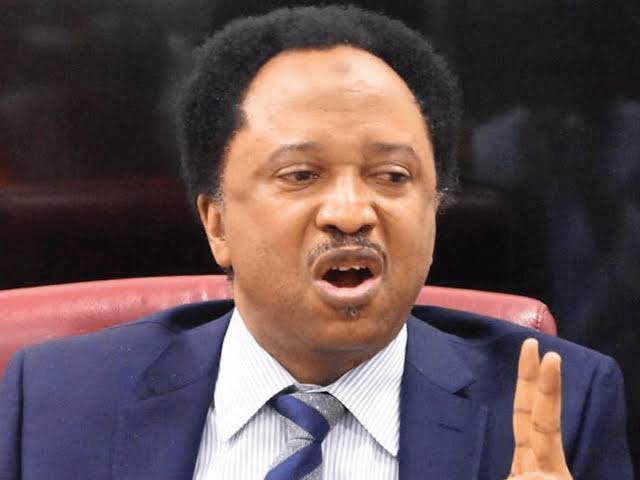
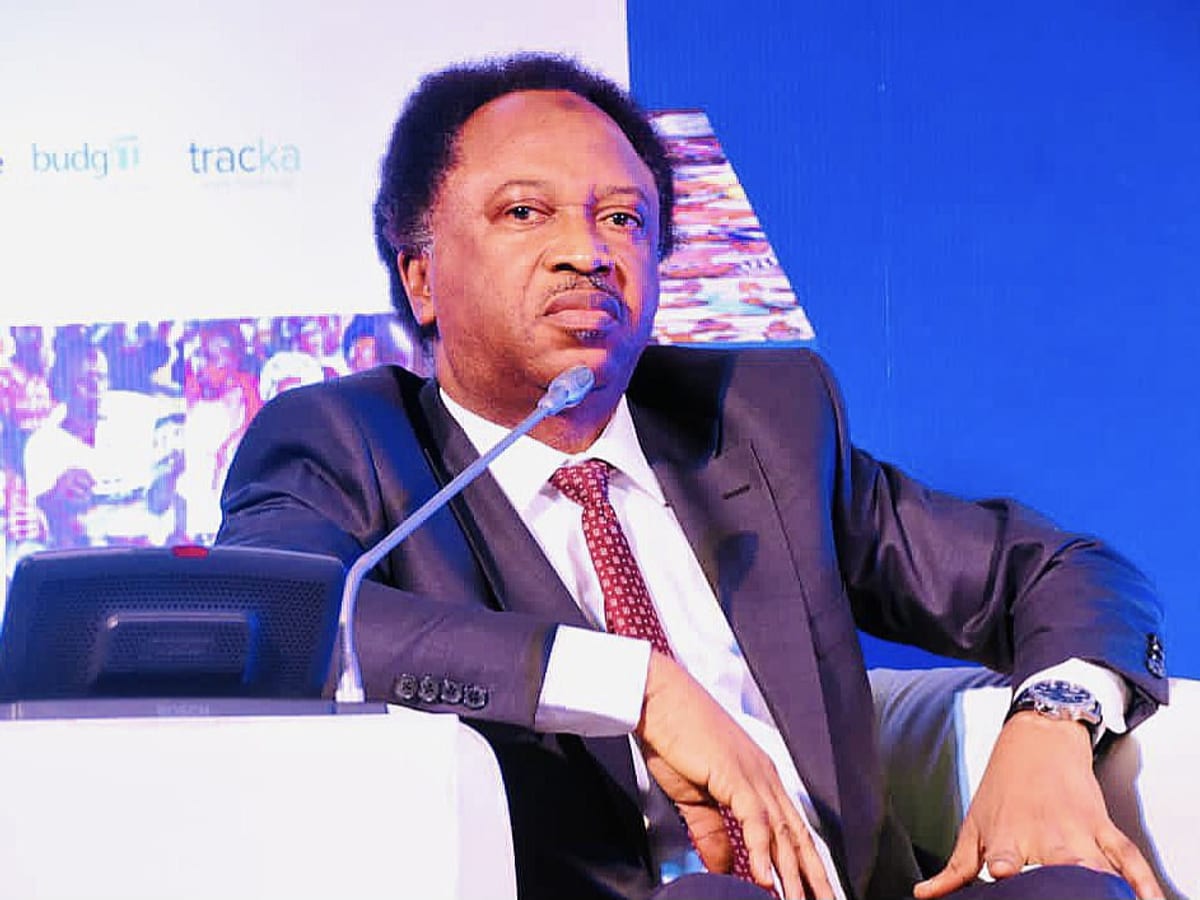
Former Kaduna Central Senator, Shehu Sani, has criticised what he described as the lack of public condemnation following an attack on a mosque in Zamfara State, where one worshipper was reportedly killed and several others abducted.

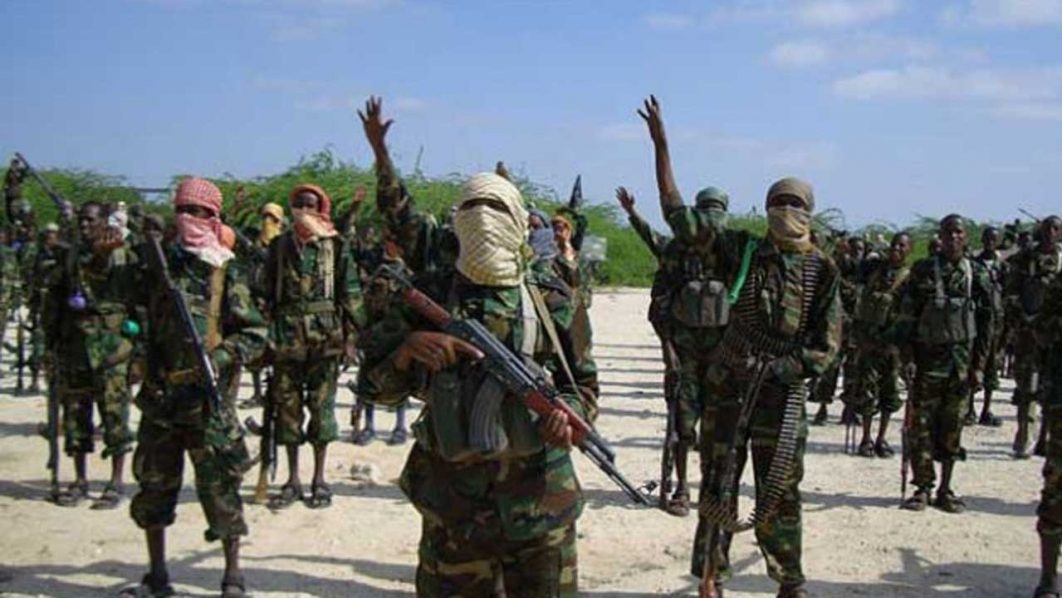
Suspected bandits stormed the mosque in Kaura town, Kaura Namoda Local Government Area, during the early morning Subhi prayer on Sunday.

According to security alert platform Bakatsine, which reported the incident on X, the attackers killed a worshipper identified as Nasiru Sani Kaura and took several others away.

Reacting to the attack in a Facebook post on Sunday, Sani questioned why the incident had not attracted widespread public condemnation.

“Why is it that no one is condemning or cursing the bandits for their genocide? Why is it that everyone is ignoring this story?” he asked.

The former senator also raised questions about the religious identity of the perpetrators, saying, “What is the religion of these bandits if they have any?”

Expressing concern over the continued violence, Sani asked, “Have we all run out of anger or run out of tears?”

He called on Nigerians to see bandits and terrorists as a shared threat, irrespective of their religious backgrounds.

“Can we now begin to reason that bandits and terrorists are common evils to us all?” he added.

Tinubu Approves Five-Year Defence Plan To Tackle Insecurity, Says APC Council

By Sabiu Abdullahi

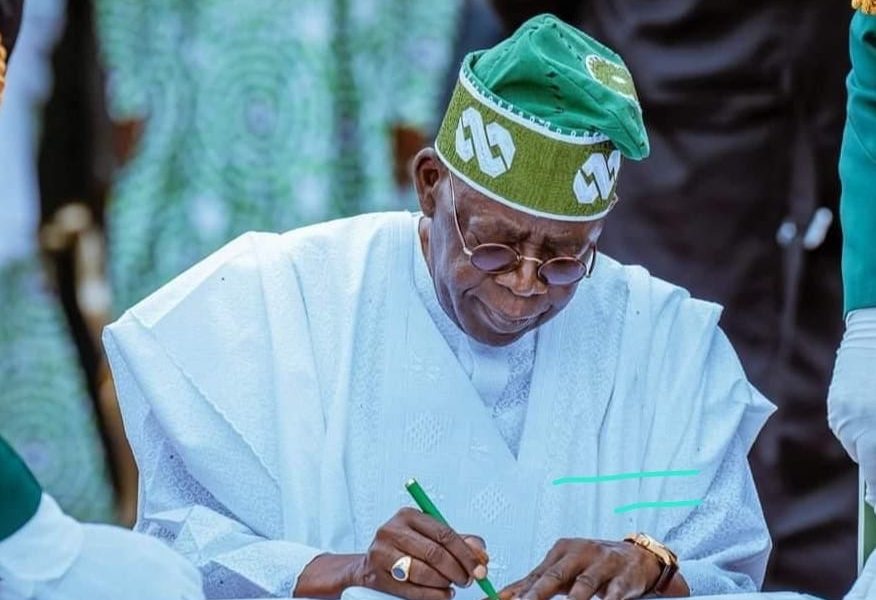
The All Progressives Congress (APC) Presidential Campaign Council says a five-year strategic defence plan approved by President Bola Tinubu is ready, with a focus on tackling terrorism, banditry, kidnapping and other security threats across Nigeria.

Dele Alake, spokesperson for the council, disclosed this in a statement on Sunday, saying the plan would strengthen the country’s security structure, improve military effectiveness and promote a coordinated response to emerging threats.

“The plan provides a long-term framework for aligning defence priorities, operational requirements, capability development, and expenditure with Nigeria’s current and anticipated security challenges,” the statement reads.

“The initiative is a major component of President Tinubu’s determination to reposition the nation’s security architecture toward a more coordinated, intelligence-led, technology-enabled, and prevention-oriented system capable of addressing terrorism, banditry, kidnapping, and other forms of criminality.”

Alake claimed that military operations carried out over the past three years had resulted in the killing of more than 15,000 Boko Haram insurgents and bandits.

He also said over 130,000 Boko Haram fighters and their dependents had surrendered through Operation Safe Corridor, the Federal Government’s rehabilitation programme for repentant insurgents.

According to him, the figures demonstrate the administration’s combination of military operations and non-military measures in addressing insecurity.

The APC campaign spokesperson listed the establishment of four new Army divisions and the restructuring of existing military formations among the steps taken by Tinubu to improve the Army’s operational capacity.

He said the reforms were intended to expand military coverage, decentralise operations and enable troops to respond more quickly to security threats.

Alake also disclosed that Tinubu had approved two additional Army depots in Osogbo, Osun State, and Amasiri-Edda, Ebonyi State, to increase training capacity and speed up the recruitment of soldiers.

“The president has also approved the establishment of two additional army depots in Osogbo, Osun state, and in Amasiri-Edda, Ebonyi state, to expand military training capacity and accelerate the recruitment and training of new soldiers,” he said.

“Each depot can accommodate 6,000 recruits at a time, bringing their combined training capacity to 12,000 soldiers.”

He added that 5,210 recruits were already undergoing training at the Osogbo facility.

The spokesperson further said the president had approved the recruitment of 28,000 additional soldiers and 50,000 police officers to strengthen military operations and internal security.

On infrastructure, Alake cited the construction of a 700-unit military barracks in Ikere-Ekiti as part of efforts to improve accommodation and operational support for security personnel.

He said the five-year plan would address manpower and infrastructure shortages, improve the training and deployment of personnel, strengthen combat readiness and ensure more efficient use of available resources.

Shehu Sani Backs Fani-Kayode Amid Nigeria-South Africa Diplomatic Dispute

By Sabiu Abdullahi

Former Kaduna Central Senator, Shehu Sani, has expressed support for Nigeria’s High Commissioner to South Africa, Femi Fani-Kayode, describing him as the right person to represent the country despite the ongoing diplomatic disagreement surrounding his credentials presentation.

Sani made his position known in a post on X on Sunday, where he praised Fani-Kayode’s personality and ability to respond to different situations.

“Fani Kayode is the best choice for South Africa at this material time,” he wrote on X.

“They need someone who can switch to any mode when the occasion demands for it. If you speak diplomacy you get diplomacy, if you speak ‘sakiya’ you get ‘Sakiya’.”

Fani-Kayode responded to the endorsement, saying, “Much appreciated my dearest distinguished brother.”

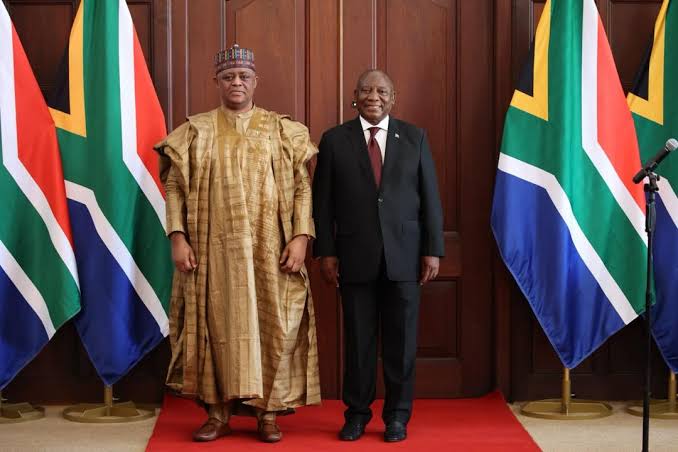
The controversy followed the presentation of credentials by Fani-Kayode and 14 other Nigerian envoys on Friday at the Sefako M. Makgatho presidential guest house in Tshwane, Gauteng.

The South African presidency streamed the ceremony live on YouTube. However, the broadcast appeared to experience a technical interruption while French Ambassador to South Africa, Antoine Michon, was delivering his speech. The livestream subsequently switched to South African President Cyril Ramaphosa addressing the ambassadors.

Fani-Kayode later complained publicly that his speech had been cut off during the ceremony. He also said he raised the matter with Ramaphosa, who, “in fairness to him”, took him to the “relevant officials and acted with despatch”.

However, Ramaphosa’s spokesperson, Vincent Magwenya, disputed the diplomat’s account, accusing him of misrepresenting the incident and wrongly suggesting that the president had intervened in the matter.

Hours after Fani-Kayode’s complaint, the South African presidency uploaded a separate video containing his speech to its YouTube channel.

The disagreement intensified on Saturday after the Nigerian High Commission in South Africa and the South African presidency exchanged strong statements over the handling of the credentials presentation ceremony.

Atiku Promises To Restore Fuel, Electricity Subsidies If Elected In 2027

By Sabiu Abdullahi

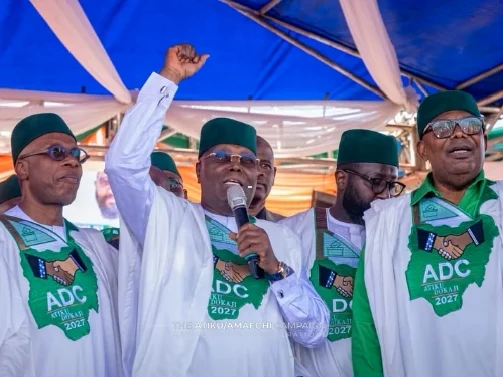
Former Vice-President and African Democratic Congress (ADC) presidential candidate, Atiku Abubakar, has promised to reinstate fuel and electricity subsidies if elected president in the 2027 general election.

Atiku made the pledge on Sunday during a campaign rally at Dabo Aliyu Stadium in Potiskum Local Government Area of Yobe State, where thousands of supporters gathered to welcome him.

He said reversing the removal of the subsidies would ease the financial burden on Nigerians facing rising living costs.

Addressing the crowd, Atiku said, “Let me assure you that once I am elected president in 2027, I will bring back the fuel subsidy. As I have said in other places, let me reiterate that I swear I will bring back the fuel subsidy once I am elected president.
“I swear I will also bring back the subsidy on electricity.”

The ADC candidate also promised to address insecurity in Yobe and other parts of the country, saying his administration would take measures to restore peace and prevent criminal groups from operating freely.

“Let me assure you that I will ensure that peace returns to Yobe State and the country at large. Criminal elements will have no haven once I am elected president,” he said.

On unemployment, Atiku pledged to prioritise job creation and economic opportunities for young Nigerians. He expressed concern about the number of youths without jobs and promised to introduce policies to improve their livelihoods.

“Let me assure you that I will ensure that our youths are fully employed in Nigeria. We will not have jobless youths once I am elected,” the ADC presidential candidate said.

He urged Nigerians to support the ADC in the forthcoming election, presenting the party as a platform for addressing the country’s economic and security challenges.

“ADC will bring a better life to you. We are here to shape your future,” he told the supporters.

Atiku called on residents of Yobe to maintain their support for the party, assuring them that his campaign commitments on subsidies, security and employment would be implemented if he wins the presidency.

Bandits Kill Three, Abduct Residents In Fresh Sokoto Attack

By Sabiu Abdullahi

At least three people have been killed after suspected bandits attacked Yartsakuwa community in Rabah Local Government Area of Sokoto State, abducting several residents and rustling livestock.

The attack occurred in the early hours of Sunday, with the assailants reportedly invading the community and shooting residents before taking an unspecified number of people away.

The spokesperson for the Sokoto State Police Command, Ahmed Rufai, confirmed the incident in a WhatsApp conversation with PUNCH Metro.

“Yes, three killed and also some persons kidnapped and animals rustled,” Rufai said.

A security source also confirmed that three people were shot dead, while several residents and livestock were taken away by the attackers.

However, a survivor, Najeeb Yartsakuwa, reported a higher death toll in a Facebook post, alleging that four people, comprising three men and a woman, were killed.

He also disclosed that the attackers invaded his family home and abducted his biological sister, four sisters-in-law and other women in the community.

Najeeb said the exact number of abducted persons remained unknown. He expressed grief over the incident and appealed for prayers for the safe return of those taken away, as well as the recovery of the injured.

The police confirmed three deaths, while the survivor’s account put the figure at four.

The incident comes amid continued security challenges in parts of Sokoto State, where rural communities have faced attacks involving killings, abductions and livestock theft.

In September 2026, troops of Operation Fansan Yamma reportedly recovered a large herd of stolen cattle after intercepting suspected terrorists fleeing Asarara Kaura community in Kebbe Local Government Area.

The troops, acting on intelligence, reportedly caught up with the fleeing attackers along the Tambuwal–Gadaichi–Gummi axis.

A gun battle ensued, forcing the suspected terrorists to retreat into nearby bushes with gunshot wounds and abandon the cattle.

Suspected Thugs Attack Kwankwaso, Gwarzo’s Campaign Convoy in Kano

By Uzair Adam

There was a violent clash in Bichi Local Government Area of Kano State after suspected thugs attacked the campaign convoy of New Nigeria Democratic Congress (NDC) vice-presidential candidate, Senator Rabiu Musa Kwankwaso, and the party’s governorship candidate in the state, Comrade Aminu Abdussalam Gwarzo.

The incident occurred on Sunday while the delegation was conducting a political mobilisation tour across the state to solicit public support ahead of the forthcoming elections.

The Daily Reality reports that the delegation had earlier visited Tofa, Rimin Gado, Kabo, Gwarzo, Shanono and Bagwai local government areas before proceeding to Bichi.

Confirming the attack, spokesperson for the NDC governorship candidate, Comrade Ibrahim Garba Shuaibu, said the party received intelligence reports that some individuals had blocked the road to prevent the delegation from holding its political rally in Bichi.

According to him, upon arriving in the town, the delegation noticed signs of stone-throwing. Shortly after passing the local government secretariat, a group of youths armed with dangerous weapons emerged and attacked the convoy.

Shuaibu said the attack left some party supporters injured and several vehicles damaged.

He added that he personally saw about seven vehicles with smashed windscreens following the incident.

Book Review: Rarara: The Rise and Prominence of Dauda Adamu Kahutu 

By Professor Abdalla Uba Adamu

Katsinawa never cease to amaze me. They put their money where their mouth is. Their desire for cultural preservation is truly legendary. Housing some of the most significant cultural interlocutors in northern Nigeria, they spare no effort in cataloguing and documenting the cultural histories of Katsina, and by extension, northern Nigeria. And make no mistake about it: despite the much-vaunted commercialism of Kano, Katsina was first in almost everything; although not the best, for to be the best, you need to come to Kano. 

Such was the case of Dauda Kahutu Rarara. Love him. Hate him. You can’t ignore him. Love it. Loathe it. You can’t ignore the performance genre he has crafted —not created, for many came before him—and from which he has made a stupendous amount of money in the last two decades. Despite his ingenuity, it is trite to claim he is the best; he’s certainly good at what he does—such judgement is a matter of personal choice, much like choosing between apples and oranges, or guava and mango: all lovely, healthy fruits, and the best is a matter of personal preference. 

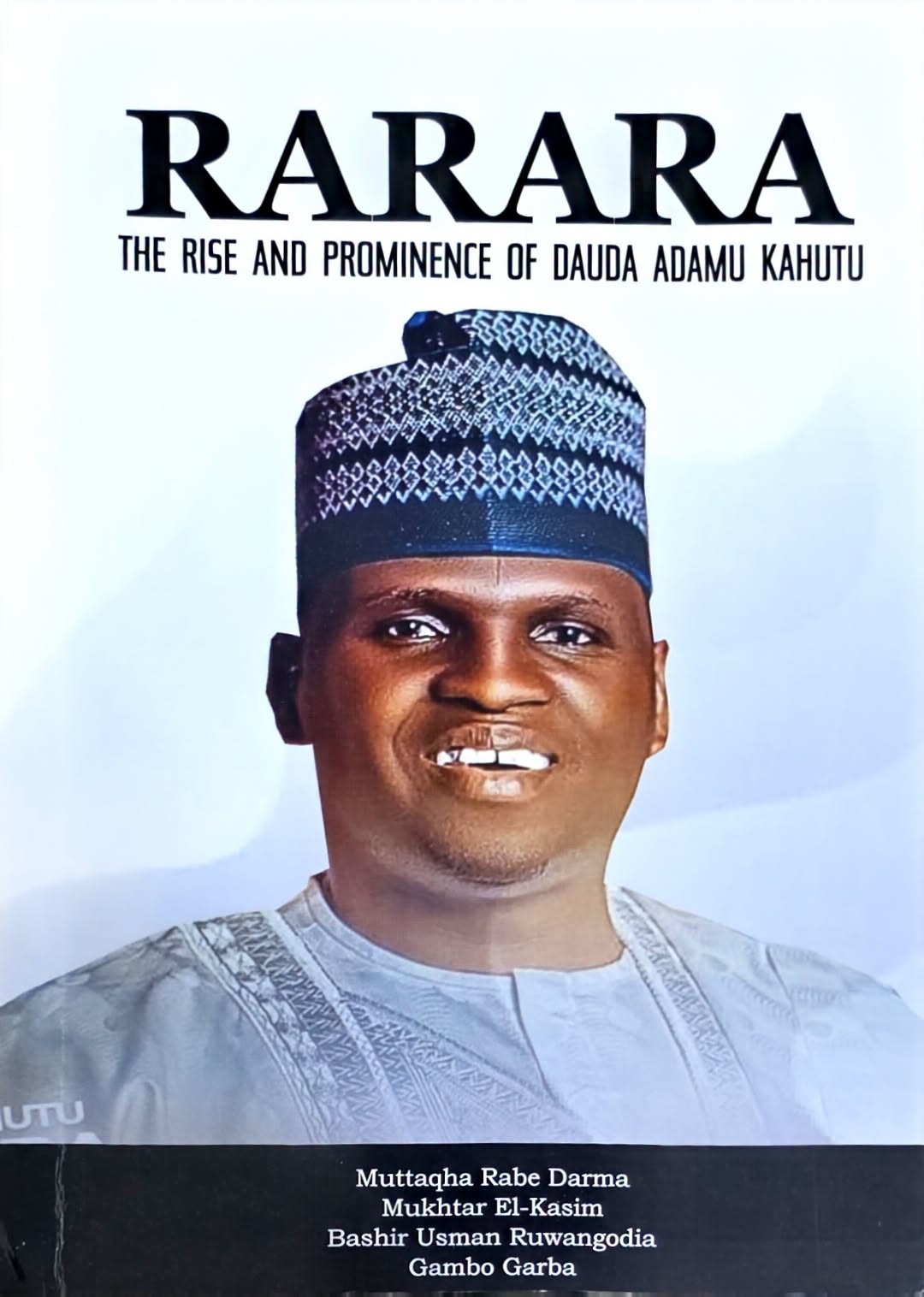
That was the backstory. Nowga labaran dalla-dalla. I was pleasantly surprised when, on Saturday, November 14, I received two lovely books as a gift from Danjuma Katsina. Printed. Not Acibilisian e-copies. Katsinawa are the real deal. Old school and as real as can be. One was Rarara: The Rise and Prominence of Dauda Adamu Kahutu by Muttaqa Rabe Darma, Mukhtar El-Kasim, Bashir Usman Ruwangodia and Gambo Garba. The other was Mamman Shata Katsina: The Singer as an Oral Philosopher in Hausaland. This post is about the Rarara book. Next, it will be about the Mamman Shata book. 

I have posted extensively on Rarara and wrote a monograph on the Critical Discourse Analysis (CDA) of his performances. This was in a monograph titled Rarara’s Invective Barbs: Innuendoes, Body Shaming, and Kano Politics. I also recalled that last summer there was a ruckus over a proposed “1st International Conference on the Songs of Alhaji Dauda Kahutu Rarara”, scheduled for October 2025 at the Federal University Dutsin-Ma, Katsina State. Miscommunication all round scuttled that initiative, with apologies being issued here and there. Well, it seemed either the conference went on as planned, or if not, its spirit—documentation of the theme of the conference went right ahead, and the product is this book. So, all was well that ended well. 

And even better, we now have a book. A big book. Some 516 pages, including an index. One thing that’s for sure: it is heavily researched. The authors interviewed some forty-three individuals from Kano to Zinder in the Niger Republic. And Atlanta And London. No, they didn’t travel to these places; they used perfectly valid phone interviews (which I hope were recorded for archival purposes) as sources. 

They also analysed about 196 of Rarara’s songs, categorising them by subject matter. It’s no surprise that 143 (about 73%) were classified as “political”. After all, Rarara classifies himself as a political singer. This is no doubt the largest collection of contemporary political songs in modern Hausa performances. Love them or hate them. They are an awful lot. Irritatingly, the authors kept referring to Rarara as a musician. He is not. He is a lyricist, songwriter, and singer. But does not play any instruments to the best of my knowledge. All the music in his songs is composed by studio session musicians using piano synthesisers. 

Now to gripes. The References section only says “some academic and quasi-academic literature used.” There is nothing like “quasi-academic”; every opinion counts in research; it is just a matter of proper categorisation. That is why “Letters to the Editor” are considered legitimate resources. And even then, for a book this expansive, you would have, through that, the libraries in BUK, UDUS and KASU scoured for dissertations as references. But even then, only five references were listed in the book. Curiously, EACH was repeated twice! Then the index, which is good, but too many “mark every entry” incidences. For instance, “Hausa” and “Rarara” have more than one hundred entries. “Buhari” has dozens. Same with “Kahutu”, “Kano”, “Katsina”. That’s all overkill. An index should reference the most important part of the text, not every single occurrence. 

Then the cover. It displays a large, beautiful colour photo of Dauda Kahutu under the book’s banner title. The first question I would ask myself was, “Who’s this guy?” And “Rise and Prominence” in WHAT, specifically? Nothing indicates what he is prominent in. Whether he is a rocket scientist, an engineer, a politician, a banker or an AI expert. Certainly nothing in the picture suggests that he is a performing artist—no stage picture, no microphone in his hand, no concert shot. Nothing. The cover of a biography—and this IS a biography of his songs—should at least convey a sense of meaning of the person whose life we are about to unravel. Nice shot, though. 

The book also contains many badly reproduced colour pictures of various individuals, scenes and locations that were important to Rarara. I couldn’t find a single shot of his stage performance, which is what made him prominent in the first place—only his philanthropy, which isn’t what the book is about (that would require a separate volume). The arrangement of the pictures is not particularly impressive. Some have their tops cut off, so you have no idea who was depicted, although a legend is printed across. Others show individuals with wide, gaping mouths, which is certainly inelegant. Curiously, there were no pictures of his very early childhood—just Rarara, looking well-fed and posing with famous people. 

Despite some flaws, and without having read the entire book, I think this is an excellent effort to document one of the most visible vocalists in modern Hausa performing arts. From the looks of it, Dr Darma and his team have done a very good job of cultural curating and documentation. I hope this book will be made available to Hausa cultural depositories such as Wisconsin (US), SOAS (London, UK), Cologne (Germany), and Warsaw (Poland). 

I got mine for free! If you want to own a copy, I was told you can contact the editors of Katsina Times/Katsina City News with any inquiries. 

I leave you with the book’s blurb:. 

“This book tells the remarkable story of Dauda Adamu Kahutu, Rarara, a boy from the village of Kahutu, who rose to become one of the most influential voices in Northern Nigeria. It begins with his birth in 1986, the rituals that welcomed him into family and faith, and the lessons of Qur’anic schooling, farm work, and village ‘waƙa’ that shaped his early years. From there, it follows his journey to Kano, where hardship as an ‘almajiri‘ became a path to discovery and opportunity. 

In Kano, he found his calling in music, first in Kannywood and later in political anthems that carried his name far beyond the city. His songs blended Hausa oral traditions with satire, praise, and bold commentary, capturing the struggles and hopes of ordinary people. Some praised him as a cultural icon; others criticised him as controversial. Yet no one could deny the reach of his voice, from love songs that consoled the heart to campaign songs that swayed elections. 

The chapters move beyond performance to explore the man himself: his family roots, his faith, his philanthropy, and his place in the wider story of Hausa society and Nigerian politics. They show how his work framed leaders and parties in words ordinary people could carry and repeat, why his songs stirred both laughter and debate, and how his voice became a mirror of his times. With more than 200 songs, countless interviews, and community projects that changed lives, Rarara’s story is not only about music but about resilience, influence, and legacy. 

This book captures that story in full: the boy of Kahutu, the singer of politics, the giver to his people, and the man whose words still echo across homes, markets, and campaign grounds.”
SABC Says Fani-Kayode Declined Interview Over Livestream Dispute

By Sabiu Abdullahi

The South African Broadcasting Corporation (SABC) has confirmed that Nigeria’s High Commissioner to South Africa, Femi Fani-Kayode, turned down an interview invitation following his protest over the omission of his speech from a livestream of a diplomatic ceremony.

The broadcaster disclosed this in a statement on Sunday, expressing regret over the envoy’s decision while maintaining that it remained willing to engage with him and the Nigerian High Commission.

The disagreement followed Friday’s presentation of letters of credence by 15 ambassadors to South African President Cyril Ramaphosa at the Sefako Makgatho Presidential Guest House in Pretoria.

Fani-Kayode had complained that his introduction and address were left out of the ceremony’s livestream, which he said broadcast the presentations of 14 other ambassadors before resuming after he had finished speaking.

The envoy also disclosed that he rejected an interview offered by SABC News at the venue because of his dissatisfaction with the treatment of Nigeria’s delegation.

In its response, the broadcaster said it respected his decision.

“We regret that the High Commissioner declined an interview with SABC News, reportedly because of his dissatisfaction with the livestream of the ceremony. We respect his decision and remain open to engaging with him and the Nigerian High Commission,” the statement said.

However, the SABC did not directly address the allegation that Fani-Kayode’s speech was excluded from the livestream.

It also rejected being described as a state broadcaster, explaining that it operates as a public service media organisation with an independent editorial mandate.

“Two points need clarifying. First, the SABC is a public service media, not a state broadcaster. Our mandate is to serve the public interest through independent, impartial and credible journalism. The Presidency’s livestream arrangements and SABC News’ editorial coverage are separate matters.

“Secondly, SABC News did cover the ceremony. It was carried on the SABC News LIVE channel on SABC+, and the High Commissioner’s arrival was shown during a live crossing on the SABC News Channel (DStv Channel 404). We also published a clip on our official X account of the High Commissioner speaking to President Cyril Ramaphosa,” it said.

The broadcaster further stated: “The SABC remains committed to upholding the principles of fairness, impartiality and editorial independence in its coverage, as well as value our longstanding relationship with Nigeria.”

The South African Presidency subsequently released the complete recording of the ceremony, including Fani-Kayode’s speech, on its YouTube channel.

The incident also triggered a public exchange between the Nigerian High Commission and Vincent Magwenya, spokesperson for President Ramaphosa.

Magwenya disputed the envoy’s account of the President’s intervention, saying Ramaphosa neither controlled the broadcaster’s operations nor influenced its editorial decisions. He said the President had instead directed Fani-Kayode to the appropriate SABC official to lodge his complaint.

The Nigerian High Commission, however, defended the envoy, alleging that Nigeria had been treated with contempt and maintaining that Ramaphosa had intervened.

The disagreement comes amid renewed concerns over attacks against Nigerians and other African migrants in South Africa.

Nigeria has repeatedly expressed concerns about the safety of its citizens in the country. In September, the National Assembly suspended official visits to South Africa over anti-migrant violence, while Nigerian authorities reported that 98 citizens had died in mob or hate-related incidents there since 2022.

Customs Service Warns Job Seekers Against Fake 2026 Recruitment Page

By Sabiu Abdullahi

The Nigeria Customs Service (NCS) has cautioned Nigerians against a fraudulent Facebook page advertising a purported 2026 recruitment exercise, stressing that it is not currently conducting any recruitment.

The Service said it had identified a fake Facebook account operating under the name “Nigerian Customs Service Recruitment”, which was circulating misleading information about the alleged employment opportunity.

In a warning to the public, the NCS described the page and its recruitment claims as fraudulent and urged job seekers to disregard the advertisement.

The Service clarified that it does not sell recruitment forms, employ agents or authorise anyone to collect money from applicants in exchange for job opportunities.

It also warned Nigerians against clicking on links or contacting phone numbers shared by the fake page. Members of the public were advised not to make payments or disclose personal information to those behind the scheme.

The Customs Service said impostors were exploiting its name, identity and reputation to defraud unsuspecting job seekers.

It therefore urged Nigerians to verify recruitment announcements through its official communication channels and remain cautious of online employment scams.