Month: November 2026

Wike Accuses Opposition Parties Of Orchestrating Political Violence Ahead Of 2027 Elections

By Sabiu Abdullahi

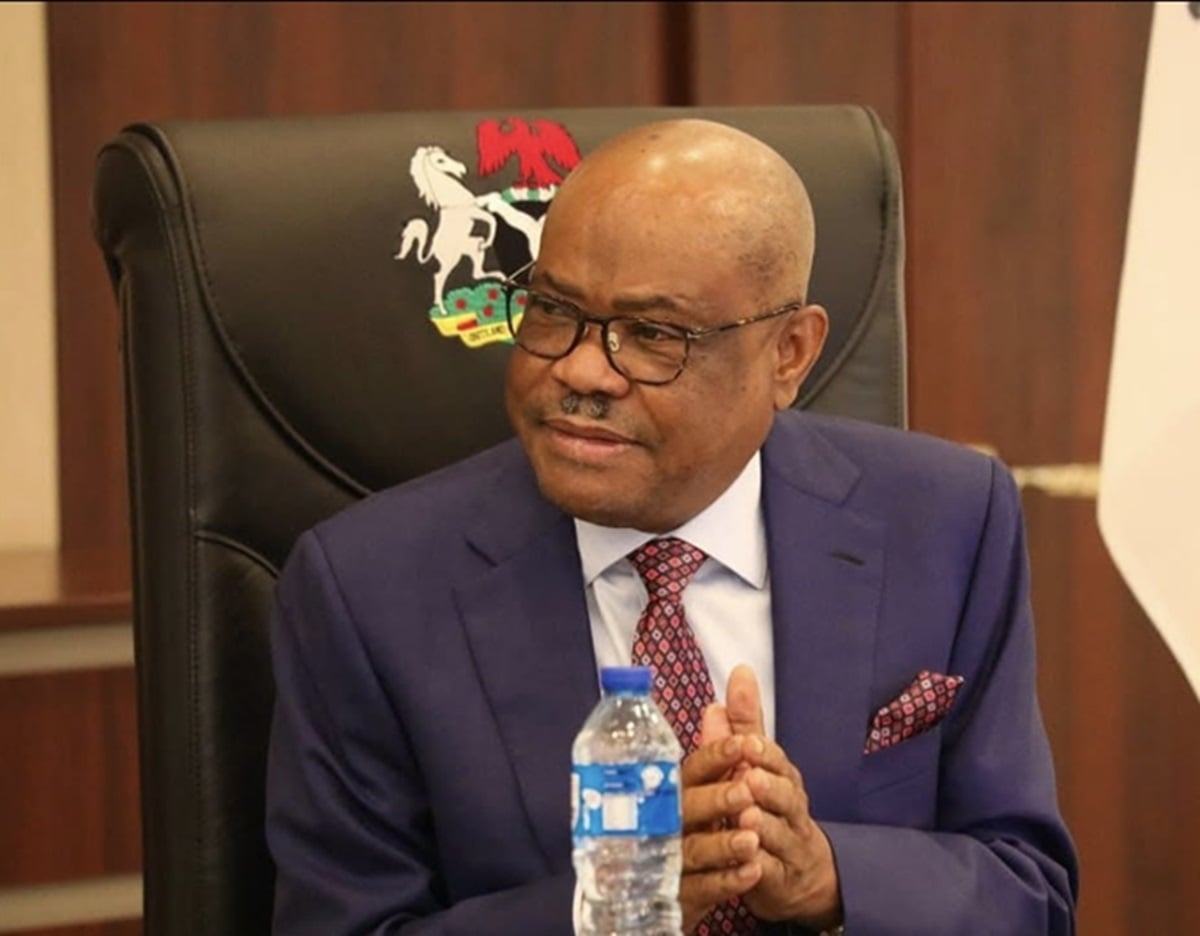
Minister of the Federal Capital Territory (FCT), Nyesom Wike, has accused opposition political parties of deliberately creating political unrest ahead of the 2027 general elections in an attempt to blame President Bola Tinubu and the ruling All Progressives Congress (APC).

Wike made the allegation on Monday in Abuja while speaking at the inauguration of the APC Presidential Campaign Council in the FCT, held at the Bola Ahmed Tinubu International Conference Centre.

He expressed confidence that the APC would win the forthcoming election, insisting that opposition parties were aware of their poor chances and were attempting to discredit the ruling party by creating tension across the country.

“You have what it takes to win this election. The other parties know. Let me just tell you the simple truth. The other parties know they have lost the election,” Wike told APC members.

He further alleged that opposition groups were responsible for provoking political clashes but subsequently presenting the ruling party as the instigator.

“What are they doing now? What they are doing now is to foment crisis—foment problems to make it look as if it is the government; it is the presidential candidate of the APC party who is fomenting trouble.

“They [opposition] are the ones causing trouble. You (APC PCC) don’t need to cause trouble because you have already won the election.

“They [opposition parties] foment trouble and report as if they are not the ones that have created that problem. So, we must be on alert.”

His remarks come amid a series of violent incidents involving political supporters in different parts of the country.

On November 12, suspected APC supporters reportedly attacked members of the Nigeria Democratic Congress (NDC) and a journalist working for TheCable during the party’s town hall meeting in Lagos. The attackers allegedly seized the journalist’s camera and microphone.

Earlier, an NDC rally in Asaba, Delta State, was disrupted by suspected thugs on November 8, leaving one person dead and five others injured.

The party’s presidential candidate, Peter Obi, also alleged that a mob attacked his convoy with stones during a political engagement in Calabar, Cross River State, on November 4.

In another incident, suspected political thugs attacked a convoy of APC supporters travelling to Funtua, Katsina State, for the party’s campaign flag-off on October 28. A female traveller sustained injuries, while several vehicles had their windscreens damaged.

The rising incidents of political violence have attracted attention from the National Assembly, with the House of Representatives resolving last Thursday to investigate the situation.

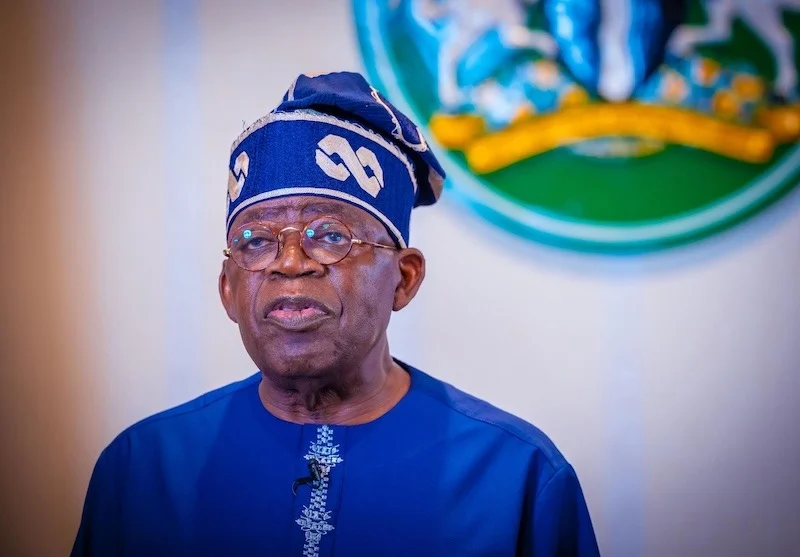
President Tinubu has also cautioned politicians and their supporters against attacks linked to political activities. In a statement he personally signed on Friday, he said security agencies had been authorised to deal decisively with thuggery and other activities capable of undermining the democratic process.

FG Restricts Recruitment Across Federal MDAs Ahead Of 2027 Budget

By Sabiu Abdullahi

The Federal Government has directed all Ministries, Departments and Agencies (MDAs) to retain their current workforce levels in 2027, effectively placing a freeze on recruitment and organisational expansion across the federal public service.

Under the directive, any institution seeking to employ additional personnel must provide compelling reasons, demonstrate that funds are available to cover the associated costs and obtain the necessary approval.

The government also warned that MDAs that fail to submit their workforce records or defend their personnel budget proposals could lose their authorised staff establishments and corresponding budgetary allocations for 2027.

The instructions were contained in a circular dated November 9, 2026, titled 2027 Workforce Budget Call Circular, issued by the Office of the Head of the Civil Service of the Federation.

The document was signed by Ishiyaku Musa Mohammed, Permanent Secretary, Service Policies and Strategies Office, and addressed to ministers, permanent secretaries, service chiefs, heads of federal institutions and other senior government officials.

It directed all federal institutions to submit their manpower budget proposals for the 2027 fiscal year for review and approval.

According to the circular, the exercise is intended to strengthen ongoing public service reforms, improve workforce planning and ensure that personnel requirements are adequately reflected in the next national budget.

“MDAs are advised to strictly maintain their current staff position for the 2027 fiscal year,” the circular stated.

Although the government recognised that some agencies might have legitimate reasons to increase their workforce, it insisted that such requests must be backed by evidence and adequate financial provisions.

“However, where it is absolutely necessary to seek an increase, such requests should be supported with justifications attaching relevant information, including financial provision in the budget to meet additional emolument commitment; otherwise the existing workforce ceiling should not be exceeded,” it stated.

Restrictions on new departments and positions

The circular also prohibited MDAs from establishing new departments, units or other organisational structures without clearance from the Office of the Head of the Civil Service of the Federation.

Each institution must submit its approved organisational structure alongside its workforce proposal. The government further warned against creating vacancies for positions that are not part of officially approved structures.

Particular attention was drawn to unauthorised vacancies at Salary Grade Levels 15 to 17 and their equivalents, which cover senior positions in the federal civil service.

As part of the verification exercise, institutions were instructed to provide nominal rolls showing their employees as of October 31, 2026.

The records must be submitted in three formats: a consolidated list arranged by salary grade level, a departmental breakdown and a cadre-by-cadre record.

Under the requirements, the consolidated list must rank employees from the highest to the lowest grade levels, regardless of their cadres. Departmental records must begin with the director or most senior officer, while cadre-based records must reflect the seniority of personnel within each category.

Promotion and recruitment records required

The government also requested details of officers expected to be promoted during the 2027 budget year, including their cadres and salary grade levels.

Other documents required include summaries of promotion cases, available vacancies for recruitment and the total number of employees in each cadre.

MDAs must use the prescribed formats to present their personnel cost estimates, workforce budget summaries and existing staff positions.

Institutions operating alternative salary structures were also directed to harmonise them with either the Salary Grade Level 03–17 or 02–15 framework, as applicable.

The deadline for submitting the proposals is November 20, 2026. Each submission must be endorsed by the institution’s Permanent Secretary or Chief Executive/Accounting Officer and forwarded electronically in Excel format to designated email addresses at the Office of the Head of the Civil Service of the Federation.

Defaulting agencies risk losing personnel allocations

The circular scheduled bilateral discussions with MDAs to examine their submissions from November 23, 2026.

Institutions were directed to attend according to the timetable, with the government warning that requests to change meeting dates would not be entertained.

More significantly, the government said institutions that failed to submit their proposals by the deadline or attend the scheduled discussions to defend their requests might be excluded from the 2027 authorised establishment process.

“Any MDA that fails to submit its workforce budget by Friday, 20th November, 2026 or fails to attend the meetings to defend its proposal may not have Authorised Establishments for the year 2027.

“This would imply that provisions may not be made in the Appropriation for the year under consideration.”

Agencies are also expected to attend the meetings with their approved organisational charts and current staff-in-post records, showing established positions and existing vacancies.

Ministries were further instructed to provide lists of agencies under their supervision and ensure their participation in the exercise.

The government warned that discrepancies or deficiencies in submitted records would attract disciplinary action under the Public Service Rules.

“Inaccuracies and shortcomings in records submitted shall be treated in accordance with the Public Service Rule 100402,” the circular stated.

The discussions will take place at the Conference Room of the Permanent Secretary, Service Policies and Strategies Office, on the third floor of Block A, Federal Secretariat Complex, Abuja.

Directive builds on earlier payroll controls

The latest measure follows other government efforts to tighten personnel expenditure and prevent irregular access to public funds.

In September 2026, the Budget Office of the Federation issued a separate circular requiring MDAs to submit their 2027 personnel cost proposals alongside their establishment Acts to establish their legal status.

That directive, signed by Budget Office Director-General Tanimu Yakubu, warned that agencies that failed to provide the required documents risked having their budget proposals rejected.

It also prohibited personnel cost allocations for serving federal workers who were not captured on the Integrated Personnel and Payroll Information System or enrolled on the Government Integrated Financial Management Information System, except where specific exemptions had been granted.

The measures followed concerns about fictitious government agencies and questionable personnel expenditure.

The new workforce directive places further emphasis on verifying the actual number of employees, approved positions, vacancies, promotion requirements and staffing needs across federal institutions.

It also comes amid the Personnel Audit and Skills Gap Analysis launched by the Federal Government in August 2025.

The exercise, coordinated by the Office of the Head of the Civil Service of the Federation, seeks to establish the size and composition of the federal workforce, identify gaps in skills and determine the competencies required to improve public service delivery.

Nigeria’s Inflation Rate Falls To 14.06% In October – NBS

By Sabiu Abdullahi

Nigeria’s annual headline inflation rate eased for the fifth consecutive month in October 2026, dropping to 14.06 per cent from 14.63 per cent recorded in September, according to the National Bureau of Statistics (NBS).

The latest figure represents a decline of 0.57 percentage points month-on-month and is 4.91 percentage points below the 18.97 per cent recorded in October 2025.

The NBS disclosed this in its Consumer Price Index report for October, released on Monday.

The report stated, “In October 2026, the Headline inflation rate stood at 14.06 per cent, down from 14.63 per cent in September 2026 and stood at 18.97 per cent in the same month of the preceding year (October 2025).”

However, the decline in the annual rate did not translate into a slower monthly increase in consumer prices. Month-on-month headline inflation rose to 0.43 per cent in October from 0.06 per cent in September, indicating that prices increased at a faster pace during the month.

The bureau explained, “This means that in October 2026, the rate of increase in the average price level was higher than the rate of increase in the average price level in September 2026.”

The Consumer Price Index also increased from 146.4 points in September to 147.0 points in October, reflecting a further rise in the overall price level.

Food and non-alcoholic beverages remained the biggest contributors to annual headline inflation, accounting for 5.63 percentage points. Restaurants and accommodation services contributed 1.82 percentage points, while transportation accounted for 1.50 percentage points.

Housing, water, electricity, gas and other fuels contributed 1.18 percentage points. Education and health services added 0.87 and 0.85 percentage points, respectively.

Despite the moderation in headline inflation, food inflation remained high at 19.13 per cent in October, compared with 16.30 per cent in the corresponding month of 2025.

On a monthly basis, however, food inflation stood at -0.75 per cent, against -1.55 per cent in September. This indicates that average food prices declined for the second successive month, although the pace of reduction slowed.

The NBS attributed the movement to changes in the prices of several food items, including vegetable oil, sardines, green peas, frozen mackerel, croaker, local rice, fresh catfish, beef tripe, palm oil and millet flour.

The average annual food inflation rate for the 12 months ending October 2026 was 15.98 per cent, compared with 26.47 per cent in the same period of the previous year.

Core inflation, which excludes agricultural produce and energy prices, also recorded a significant decline, falling to 10.78 per cent from 21.25 per cent in October 2025.

Its monthly rate dropped by 0.53 per cent in October, reversing the 1.11 per cent increase recorded in September.

Other indicators showed that annual farm produce inflation stood at 18.38 per cent, while energy inflation was 12.30 per cent. Services inflation reached 11.73 per cent, goods inflation stood at 13.58 per cent and imported food inflation was 8.39 per cent.

A breakdown by location showed that urban inflation was higher than the rural rate, standing at 14.84 per cent compared with 12.17 per cent.

On a monthly basis, urban inflation declined to 0.43 per cent from 0.53 per cent, while rural inflation rose to 0.18 per cent from -0.89 per cent.

At the state level, Imo recorded the highest annual headline inflation at 28.66 per cent, followed by Enugu with 22.81 per cent and Kaduna at 21.55 per cent.

Taraba had the lowest rate at 6.12 per cent, while Sokoto and Ekiti recorded 6.68 per cent and 7.64 per cent, respectively.

For food inflation, Ondo topped the list with 31.74 per cent, followed by Lagos at 31.43 per cent and Imo at 29.75 per cent. Nasarawa recorded the lowest food inflation rate at 3.70 per cent.

The NBS cautioned against direct comparisons of inflation figures across states, noting that consumption patterns differ from one location to another.

“The CPI is weighted by consumption expenditure patterns that vary across States and locations,” the bureau stated.

An examination of the monthly figures showed that headline inflation fell from 15.15 per cent in December 2025 to 15.10 per cent in January and 15.06 per cent in February 2026.

It subsequently climbed to 15.38 per cent in March, 15.69 per cent in April and peaked at 15.93 per cent in May. The rate then began to ease, reaching 15.91 per cent in June, 15.43 per cent in July, 15.39 per cent in August and 14.63 per cent in September before dropping further in October.

The latest figure represents a 1.87 percentage-point reduction from the May peak. Nevertheless, the continued rise in the overall price index means the cost of living remains a concern for households.

The report comes ahead of the Central Bank of Nigeria’s Monetary Policy Committee meeting scheduled for November 24. At its September meeting, the committee reduced the benchmark interest rate to 23 per cent.

The continued decline in annual inflation may provide room for further monetary policy easing. However, persistent food inflation and the increase in monthly headline inflation remain important concerns for policymakers.

Kano Gov Divorces Kwankwaso’s Daughter, Seeks New Wife

By Abdullahi Mukhtar Algasgaini

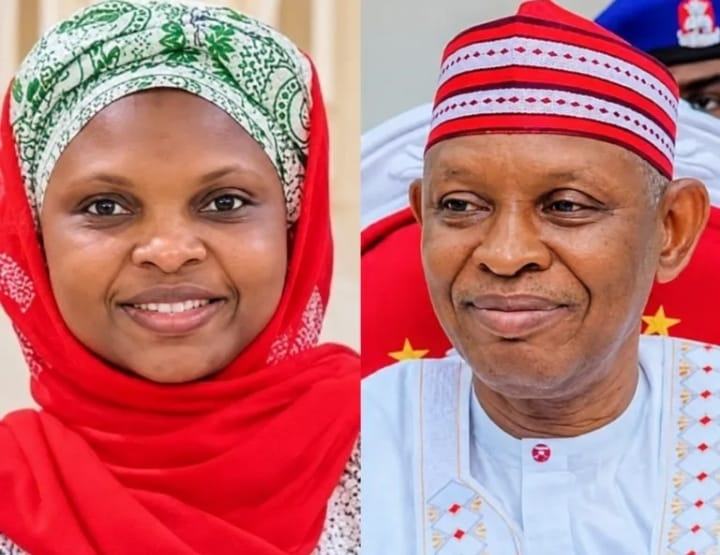
Governor Abba Yusuf of Kano State has publicly announced his divorce from Zainab, daughter of his former political godfather, Rabiu Kwankwaso, and invited interested women to apply to become his next wife.

Speaking to pensioners at the Kano Government House on Monday, the governor said he had accepted being “demoted” from “corporal” (two wives) to “constable” (one wife), but insisted he would still add another wife.

“Some days ago, I was being forced to become a constable (one wife). I want to thank the good people of Kano who advised me to keep two [wives], but for now I have accepted one [wife],” he said.

“But mark you, I will still add another [wife]… I told the journalists, particularly the commissioner for Information, to place an advertisement on radio and social media, inviting [applicants].”

He added that he was “full of happiness” for taking the decision and prayed for a good upbringing among the applicants.

The announcement comes after Zainab Musa Kwankwaso, the governor’s second wife, filed for divorce at the Upper Area Court sitting in Gudu, Abuja, on Saturday. A civil summon with reference number CV/97/26 ordered the governor to appear before the court on November 17, 2026.

Zainab married Mr Yusuf on July 29, 2006, while he was serving her father as an aide. The marriage produced six children.

Hidima Questions Religious Double Standards Over Criticism of NERDC Boss

By Uzair Adam

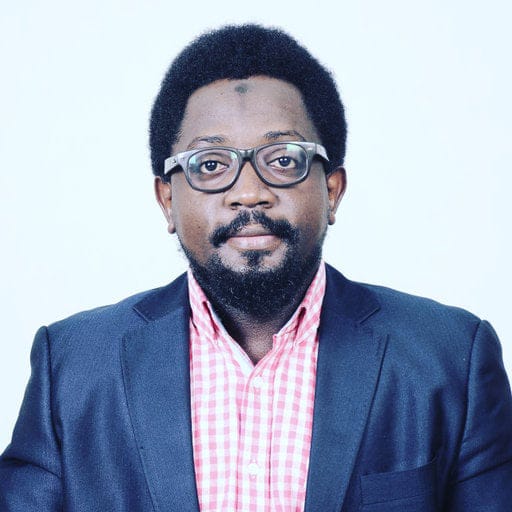
Dr Abubakar Hidima, a Nigerian petroleum engineer, has questioned what he described as unequal standards in the treatment of Muslims and Christians holding public offices, following criticism of the appointment of Professor Salisu Shehu as Executive Secretary of the Nigerian Educational Research and Development Council (NERDC).

Hidima raised the concerns in a post on his verified X (formerly Twitter) handle on Monday titled ‘Muslims Deserve Equal Fairness in Nigeria’, in which he cited several Christian religious leaders who had occupied prominent government positions to challenge what he considered discriminatory reactions to Shehu’s religious and academic background.

Shehu, a Professor of Educational Psychology, has faced criticism over his appointment, reportedly linked to his authorship of a book on the Islamisation of Knowledge and his association with Islamic organisations.

In his post, Hidima recalled the political and public service careers of several Christian religious figures, including former Vice-President Yemi Osinbajo, who served between 2015 and 2023 while remaining a pastor of the Redeemed Christian Church of God (RCCG).

He also cited former Taraba State Governor Jolly Nyame, an ordained Christian minister, and the current governors of Benue and Akwa Ibom states, Reverend Father Hyacinth Alia and Pastor Umo Eno, respectively.

Others mentioned included former Director-General of the Budget Office of the Federation, Ben Akabueze, whom he identified as an RCCG pastor, and Nigeria’s First Lady, Senator Oluremi Tinubu, who is also an ordained pastor of the church.

Hidima particularly referenced the First Lady’s reported donation of seven compressed natural gas (CNG)-powered buses to the Youth Wing of the Christian Association of Nigeria (YOWICAN) in 2025 to support its evangelical activities.

He also mentioned her reported donation of N100 million to the Christian Northern Nigeria Political Forum during Christmas activities in Kaduna.

Using the examples, Hidima questioned why the religious affiliations and intellectual engagements of Christian public officeholders were generally not treated as grounds for questioning their suitability, while Shehu’s Islamic background had become a subject of controversy.

“If a pastor can become Nigeria’s Vice President, a Catholic priest can govern an entire state, and another pastor can oversee an institution central to the nation’s budget, why should an Islamic scholar’s religious and intellectual background automatically become evidence of unfitness to lead an educational research council?” he queried.

He further asked whether Osinbajo had been required to renounce his pastoral identity before becoming Vice-President or whether Alia had to abandon his priesthood before assuming office as governor of Benue State.

Hidima also questioned whether the public would react differently if a prominent Muslim public figure donated buses to support Islamic missionary activities, commonly known as Da’awah.

According to him, Professor Shehu deserves the same consideration given to Christian religious figures who have occupied influential public positions without being required to abandon their religious identities.

Defending Shehu’s credentials, Hidima said the NERDC executive secretary holds a PhD in Educational Psychology, has spent decades in university teaching and administration, served as a university vice-chancellor and participated in educational policymaking.

He argued that Shehu’s academic qualifications and professional experience were directly relevant to the responsibilities of the council, which oversees educational research and curriculum development in Nigeria.

Hidima further maintained that writing a book on the Islamisation of Knowledge did not automatically suggest an intention to impose Islamic teachings on Nigerian schoolchildren.

He also recalled the experiences of former Minister of Communications and Digital Economy, Professor Isa Ali Pantami, who faced intense public criticism during his tenure between 2019 and 2023, including scrutiny of his previous religious statements.

Similarly, he cited former Registrar of the Joint Admissions and Matriculation Board (JAMB), Professor Is-haq Oloyede, whose tenure he said witnessed improvements in financial accountability, government remittances and examination administration.

Hidima suggested that some of the criticism directed at prominent Muslim scholars in public service appeared to extend beyond their professional performance to their religious identities.

“The problem is not that pastors occupy public offices. The problem arises when some Nigerians appear comfortable with Christian religious leaders exercising enormous public authority,” he stated.

He argued that religious identity should not become a disqualifying factor for qualified individuals seeking or occupying public positions, insisting that Muslims deserve the same fairness and consideration afforded to their Christian counterparts.

MURIC Warns Against Blackmail, Mudslinging Against NERDC Boss

By Uzair Adam

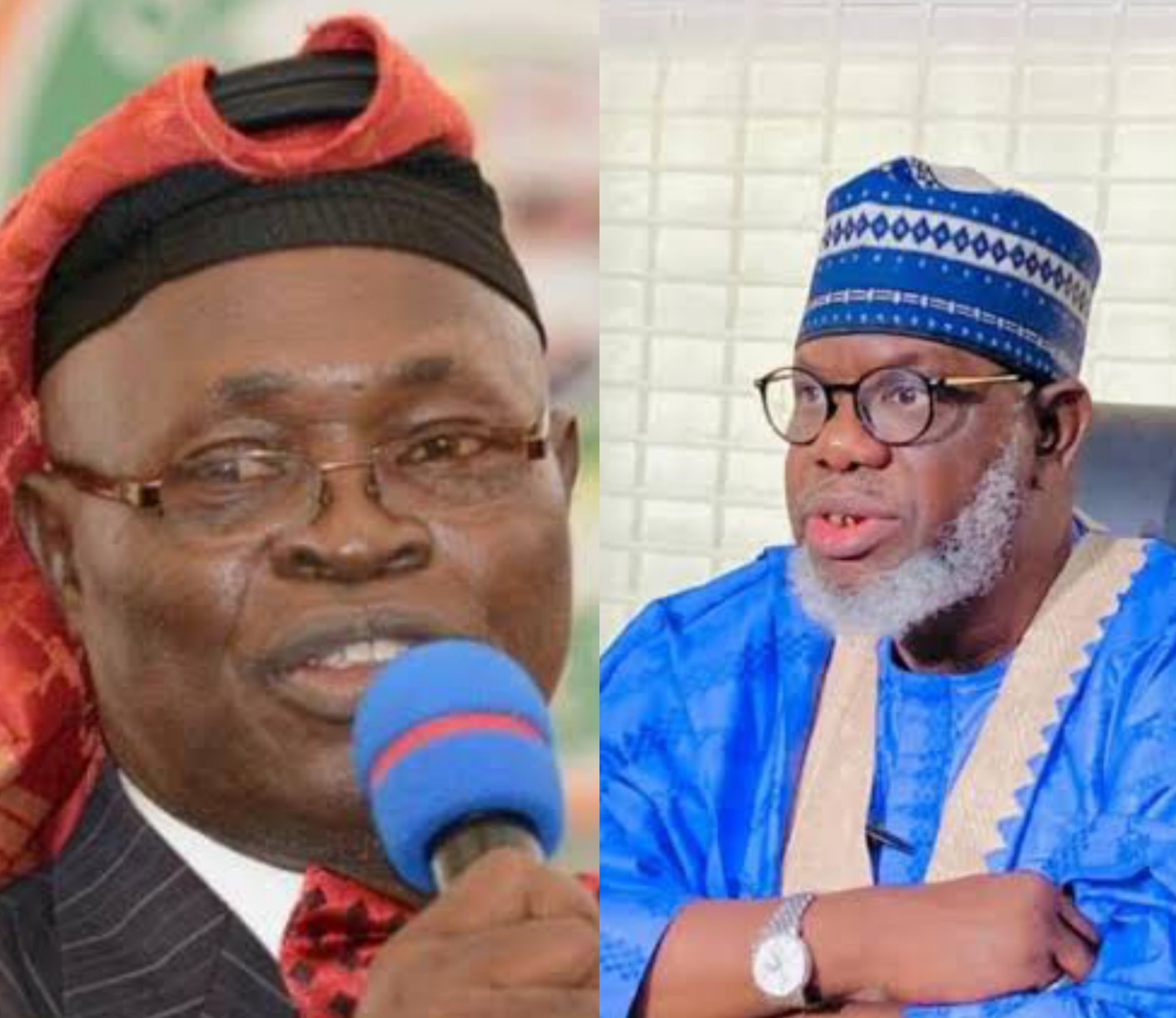
The Muslim Rights Concern (MURIC) has declared support for the Executive Secretary of the Nigerian Educational Research and Development Council (NERDC), Professor Salisu Shehu, describing calls for his removal as an attempt to sacrifice excellence on the altar of mediocrity.

The Daily Reality reports that the Islamic human rights organisation stated this in a statement issued on Monday by its Founder and Executive Director, Professor Ishaq Akintola, amid growing criticism of Shehu’s appointment and alleged attempts to remove him from office.

MURIC attributed much of the opposition to Shehu’s appointment to what it described as Islamophobia, arguing that his academic writings and past affiliations with Islamic organisations had been used against him.

The organisation specifically cited his authorship of a book titled Islamisation of Knowledge: Conceptual Background, Vision and Tasks, as well as his involvement with the International Institute of Islamic Thought (IIIT), Nigeria, and the Nigerian Supreme Council for Islamic Affairs (NSCIA).

It maintained that his association with the organisations was rooted in academic and intellectual engagements and should not be used to question his suitability for the position.

“We are shocked to our marrows that anyone with good intentions for this country could be opposing these progressive ideas, particularly in this age of technology.

“It is obvious even to the blind that sentiment has been introduced into the issue of education in Nigeria,” the statement said.

MURIC also defended Shehu’s professional credentials, noting that he obtained a Bachelor of Education and a master’s degree in Educational Psychology from Bayero University, Kano, before earning a PhD in the same discipline from Usmanu Danfodiyo University, Sokoto.

The organisation added that he had lectured at the Federal College of Education (Technical), Gombe, and Bayero University, Kano, where he served in various academic and administrative capacities.

He also previously served as Vice-Chancellor of Al-Istiqama University.

According to MURIC, Shehu has spent more than 30 years teaching, conducting research and training teachers, making his appointment to head an agency responsible for Nigeria’s school curriculum consistent with his professional background.

“On the contrary, his appointment was based on competence, integrity and credibility. Prof. Salisu Shehu is not a politician. He is a profound scholar, a Professor of Educational Psychology at Bayero University, Kano.

“He has spent over 30 years teaching, researching, and training teachers. He is a teacher of teachers, a professor of professors,” the statement added.

The organisation further argued that Shehu’s proposed reforms, including expanding the Teachers’ Guide, introducing quarterly curriculum reviews, exploring the use of artificial intelligence and considering mother-tongue instruction in schools, reflected efforts to modernise the country’s education system.

It questioned why such initiatives and his professional qualifications had attracted opposition, insisting that his religious affiliations should not be grounds for challenging his appointment.

MURIC also rejected suggestions that Shehu was unsuitable for the position, describing him as eminently qualified to lead the council, which oversees the development of Nigeria’s school curriculum.

The organisation warned individuals and groups against what it described as vendetta, blackmail and attempts to undermine the NERDC boss.

“We will not tolerate acts of vendetta, blackmail and mudslinging against Professor Salisu Shehu. Period,” the statement declared.

21 Battalion Ayingba Transformed Into Modern Military Facility in Seven Months

By Kasim Isa Muhammad

Monday, 16 November 2026 | Ayingba, Kogi State

In a remarkable demonstration of President Bola Ahmed Tinubu’s commitment to strengthening the Nigerian Armed Forces and improving the welfare of military personnel and their families, the Nigerian Army has recorded another significant milestone with the transformation and expansion of the 21 Battalion in Ayingba, Kogi State.

Delivered under the leadership of the Chief of Army Staff (COAS), Lieutenant General Waidi Shaibu, the development represents a major investment in military infrastructure, operational capacity and personnel welfare, reflecting the President’s vision of building a stronger, more professional and better-equipped Nigerian Army.

A media team, led by the Special Adviser to the President on Media and Public Communications, Dr. Sunday Dare, alongside other dignitaries and journalists from various media organisations, visited the 21 Battalion on Sunday, 15 November 2026, as part of the Renewed Hope Inspection Tour. The visit provided an opportunity to assess the scale of Federal Government interventions and witness firsthand the transformation of the military facility.

Within just seven months of major construction activities, the battalion has undergone an extensive infrastructure upgrade, particularly in residential accommodation. The housing projects comprise Corporal and Below Quarters (CBQ) in 18-family and 36-family blocks, studio apartments, Senior Non-Commissioned Officers’ Quarters (SNCOQ), Warrant Officers’ Quarters (WOQ), Master Warrant Officers’ Quarters (MOQ), Senior Officers’ Quarters (SOQ), as well as dedicated residences for the Commanding Officer and the Regimental Sergeant Major.

Collectively, these facilities provide a documented accommodation capacity of 632 military families, approximately 700 families, representing a substantial improvement in the living conditions of Nigerian Army personnel.

Beyond the residential facilities, the development includes a battalion headquarters, company offices, training sheds, a Motor Transport Yard, an armoury, an ammunition magazine, a Quartermaster Store, officers’ and soldiers’ messes, a soldiers’ club, a hospital and schools.

Together, these facilities provide essential administrative, operational, healthcare, educational and social infrastructure required for an effective and functional military establishment.

Site clearance commenced in January 2026, while major construction activities began in April 2026, culminating in the rapid development witnessed during the inspection.

Speaking during the inspection, the Special Adviser to the President on Media and Public Communications, Dr. Sunday Dare, commended President Bola Ahmed Tinubu for prioritising the welfare of military personnel and recognising the sacrifices they make in defending the country.

He noted that the administration’s support for the Armed Forces goes beyond operational requirements, extending to decent accommodation, healthcare, education and a better living environment for soldiers and their families.

Dr. Dare also applauded Lieutenant General Waidi Shaibu for the execution of the project, describing the transformation of the 21 Battalion into a modern military facility as evidence of purposeful leadership and effective implementation of the President’s vision.

He emphasised that investing in military families is an important component of national security, as improved living conditions contribute directly to personnel morale, commitment and operational effectiveness.

“The Chief of Army Staff is getting the job done for Mr. President,” Dr. Dare stated, expressing satisfaction with the progress recorded under the current military leadership.

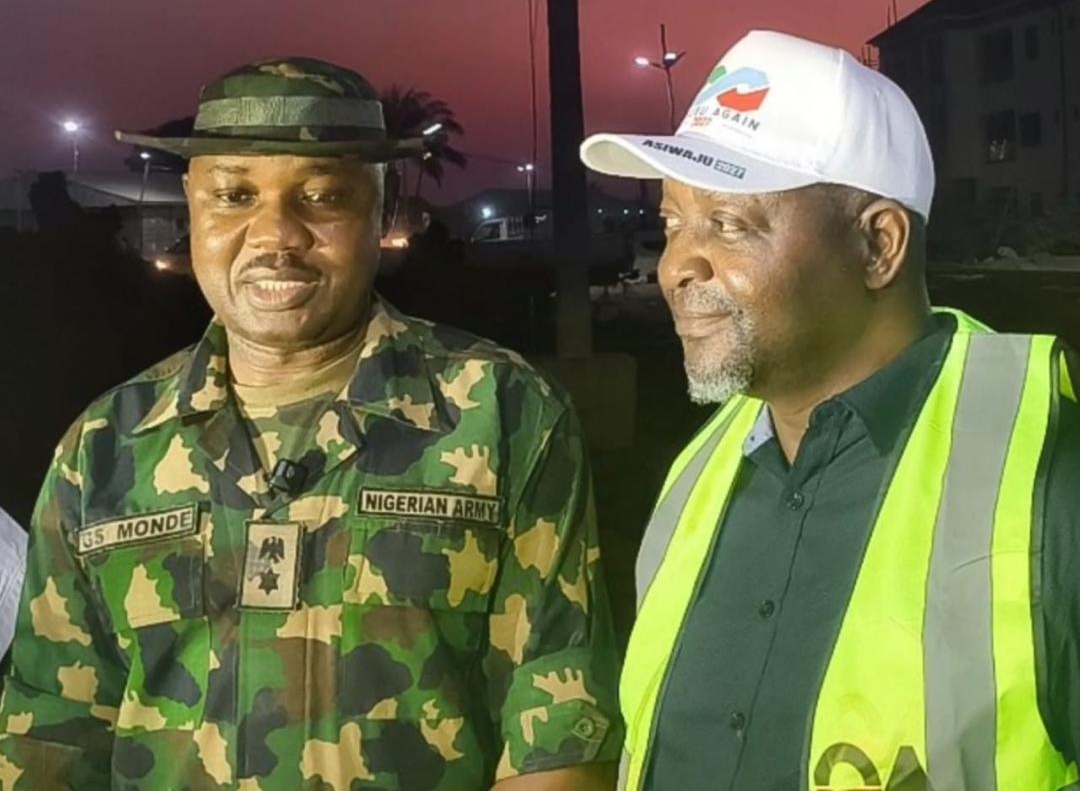
Earlier, the Commanding Officer of the 21 Battalion, Lieutenant Colonel G.S. Mondei, disclosed that Ayingba and its surrounding communities had previously experienced serious security challenges, particularly kidnapping and armed robbery.

He explained that the expansion and strengthening of the battalion had significantly improved the security situation, enhanced military presence and restored confidence among residents.

According to him, communities within the surrounding areas now enjoy greater peace and freedom of movement, with residents able to travel along previously vulnerable routes with considerably improved confidence.

The transformation of the 21 Battalion demonstrates how strategic investment in military infrastructure can deliver benefits beyond the barracks, strengthening security institutions while positively impacting surrounding communities. It also underscores the importance of combining operational readiness with the welfare and institutional support necessary to sustain a professional and motivated fighting force.

Under President Tinubu’s leadership and Lieutenant General Waidi Shaibu’s command, the Nigerian Army continues to make progress towards building a more capable, modern and welfare-conscious institution.

The achievement at Ayingba stands as a tangible expression of the Renewed Hope Agenda, demonstrating that the nation’s commitment to those who defend it must be reflected not only in the resources provided for their duties but also in the quality of life afforded to them and their families.

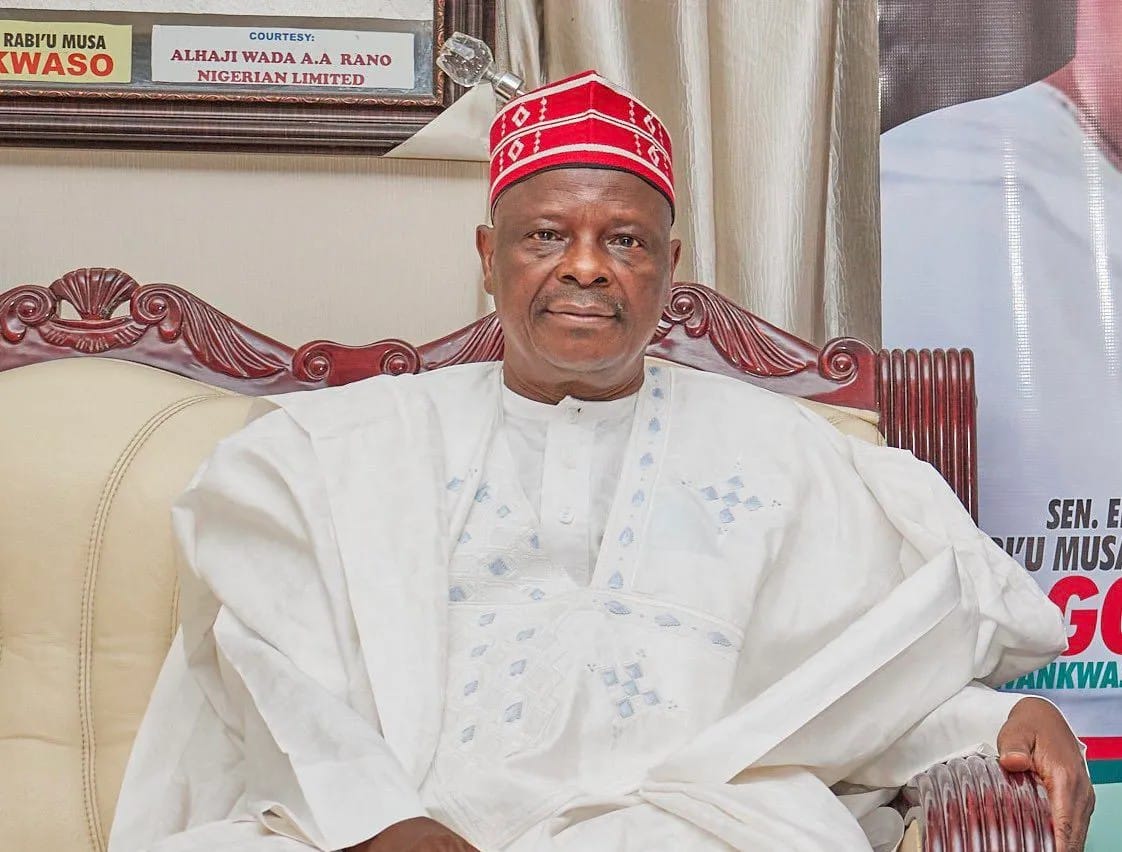
Kwankwasiyya Faults Kano Govt Over Dismissal of Attack on Kwankwaso

By Uzair Adam

The Kwankwasiyya Movement has accused the Kano State Government of downplaying an alleged attack on the convoy of former Kano State Governor, Senator Rabiu Musa Kwankwaso, during a political engagement in Bichi Local Government Area on Sunday.

In a statement issued on Monday and signed by its spokesperson, Dr Habibu Sale Mohammed, the movement condemned the government’s response, describing it as an abdication of public responsibility and a threat to democratic participation.

The reaction followed comments by the Kano State Commissioner for Information, Sanusi Bature Dawakin Tofa, who reportedly dismissed the alleged attack as fictitious, accused the movement of fabricating the incident to attract public sympathy and challenged its members to provide pictures and videos as evidence.

However, the Kwankwasiyya Movement described the commissioner’s response as disturbing, arguing that investigating alleged criminal activities is the responsibility of security agencies, not victims.

It questioned why the government would dismiss the allegations before the conclusion of a police investigation, insisting that citizens’ safety and constitutional rights should not depend on their ability to provide photographic or video evidence.

“The responsibility of investigating an alleged criminal incident” should not be transferred to victims, the movement said, adding that the Commissioner’s Office should serve as a channel for responsible public information rather than political confrontation.

It further accused the commissioner of assuming the roles of investigator, prosecutor and judge by declaring the reported incident fictitious without presenting findings from any security investigation.

The movement also expressed concern over what it described as a pattern of partisan responses to allegations of political violence, citing the disruption of a New Democratic Congress (NDC) gathering in Lagos, where it said allegations of violence were met with political exchanges rather than efforts to establish the facts.

It maintained that political competition should not be treated as warfare, stressing that Kwankwaso and other political actors have constitutional rights to freedom of movement, association and participation in lawful political activities without intimidation.

The movement called on the Kano State Police Command to conduct an independent investigation into the incident, identify those responsible and ensure that anyone found culpable is brought to justice.

It also urged the state government to guarantee the safety of all political parties, candidates, campaign officials and supporters, irrespective of their political affiliations.

On the reported consequences of the incident, the movement demanded proper documentation and investigation of the alleged destruction of vehicles and injuries sustained by members of Kwankwaso’s delegation.

It urged the Commissioner for Information to refrain from making premature pronouncements on matters requiring police investigation, while calling on Governor Abba Kabir Yusuf to demonstrate leadership by ensuring that security agencies establish what transpired in Bichi.

The movement warned against trivialising public safety concerns through partisan exchanges, arguing that political differences should not deprive citizens of their constitutional rights.

It also declared that it would not be intimidated or provoked into violence, but cautioned that its commitment to peaceful political participation should not be interpreted as acceptance of intimidation or impunity.

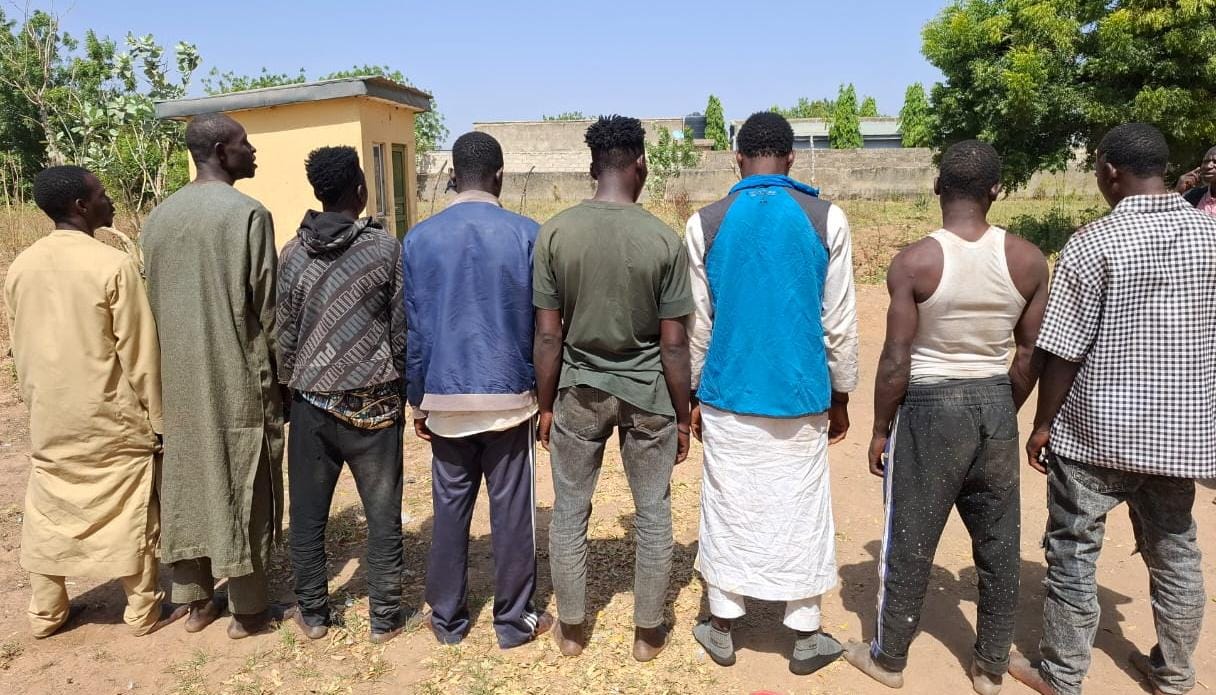
Police Arrest 8 Suspects Over APC, NDC Clash in Kano

By Sabiu Abdullahi

The Kano State Police Command has arrested eight suspects following a clash between supporters of the All Progressives Congress (APC) and the Nigeria Democratic Congress (NDC) in Bichi Local Government Area.

The police spokesperson, CSP Abdullahi Kiyawa, disclosed this in a statement issued on Monday in Kano.

Kiyawa said the clash occurred at about 4:45 p.m. on Sunday, resulting in the destruction of campaign banners, billboards and vehicles, as well as injuries to some persons.

He explained that police operatives were immediately deployed to the area after receiving a report of the incident and subsequently restored normalcy.

According to him, 13 vehicles were vandalised during the clash, while five injured persons were taken to hospital for medical attention.

The police spokesperson said items recovered from the scene included one gariyo, two cutlasses, two hard sticks, a bottle of solution and a substance locally known as ‘Suck and Die’.

He quoted the Commissioner of Police, Ibrahim Bakori, as condemning the violence and destruction of campaign materials by political supporters.

Bakori warned that the command would not tolerate any action capable of disrupting public peace before, during or after the political season.

He urged political leaders and their supporters to conduct their activities peacefully and in accordance with the law.

Kiyawa further disclosed that the arrested suspects had been transferred to the State Criminal Investigation Department (SCID) for discreet investigation.

He added that the suspects would be charged to court upon the conclusion of the investigation.

The police urged political leaders, party supporters and members of the public to shun violence and report suspicious activities to the nearest police station.

Kiyawa said the area remained relatively calm, while police monitoring continued.

Kano Hisbah Arrests TikTokers Over Alleged Insults After Banning Their Event

By Uzair Adam

The Kano State Hisbah Board has arrested three TikTokers for allegedly using their social media accounts to insult the agency and its Commander-General, Sheikh Aminu Ibrahim Daurawa.

The suspects were identified as Ahmad Usman, 25, popularly known as Ortega, and Muhammad Aliyu, 20, both residents of Kurna area of Kano State, as well as Zainab Abubakar, 19, who hails from Ogun State but resides in Dorayi, Kano.

The Deputy Commander-General of the board, Dr Mujahid Aminudeen, confirmed the arrests, adding that investigations were ongoing.

He said the suspects would be charged to court upon the conclusion of the investigation.

The arrests reportedly followed the circulation of a viral video in which the suspects were seen allegedly insulting Hisbah officials after the agency stopped them from organising an event along Zoo Road in Kano.