Month: June 2026

Troops Eliminate Bandits, Destroy Hideouts in Sokoto


By Uzair Adam

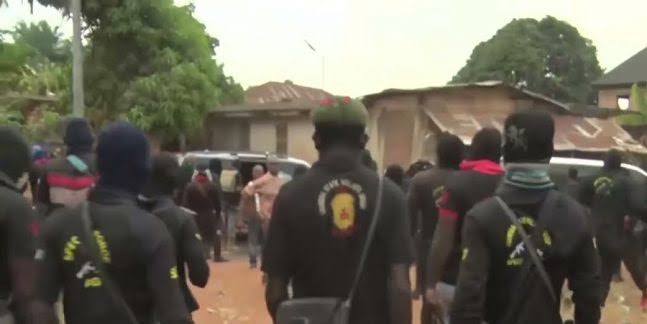
Troops of Operation Fansan Yamma have killed several bandits and destroyed their hideouts during a clearance operation in parts of Sokoto State.

The Daily Reality learned that the operation was carried out on June 4 around Dangulbi and Kurawa villages in Tureta Local Government Area, near the border with Zamfara State.

According to the sources, the troops, working alongside other security agencies and local vigilantes, engaged the bandits in a fierce gun battle that resulted in the death of several fighters, including some notorious kingpins. Many others reportedly escaped with gunshot wounds.

The operation targeted criminal camps located in the rugged highlands surrounding the affected communities.

Following sustained military pressure, the bandits were forced to retreat into forests in neighbouring states.

A security source, who spoke on condition of anonymity, praised the troops for their swift response and professionalism, noting that the operation helped prevent a potentially serious attack on local communities.

The source reaffirmed the military’s commitment to safeguarding lives and property, adding that the current offensive against banditry would continue across the region.

Several weapons and motorcycles used by the criminals were also recovered during the operation.

Although not officially authorised to comment on the mission, the source disclosed that the operation was conducted by personnel of the 8 Division under Operation Fansan Yamma and inflicted heavy losses on the armed groups.

The latest success comes amid ongoing efforts by security forces to curb banditry and restore peace in Sokoto and other parts of the North-West.

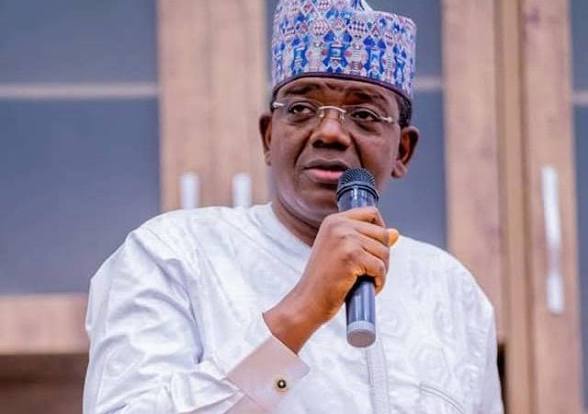
Residents and government officials, including the Special Adviser to Governor Ahmad Aliyu on Security Matters, retired Col. Ahmad Usman, have previously commended the Nigerian Army for its sustained operations against criminal elements in the state.

Did Oyo Bandits Really Talk About Shariah?

By Abdussamad Umar Jibia

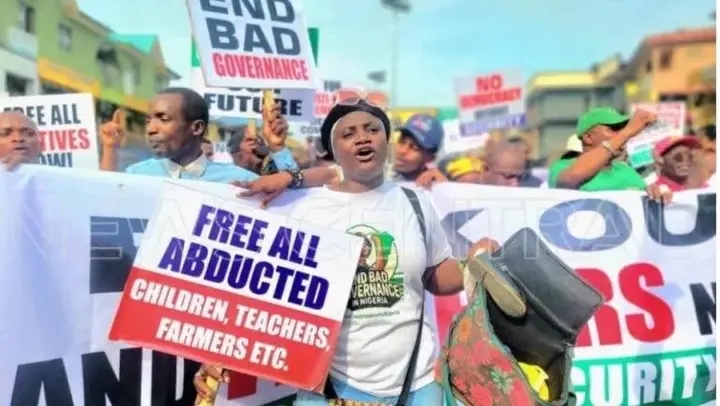
On May 15, 2026, 39 school children and seven teachers were abducted from three schools in Oyo State. Since then, the incidence has been the major headline in Nigerian traditional and social media.

This is not the first time criminals have stormed a school and abducted school children and teachers. The first known mass abduction of school children in Nigeria occurred in 2014 at Government Girls Secondary School, Chibok, in Borno state. It was followed by a series of similar abductions in different states of the North. This is the first time such a mass abduction has taken place in Southern Nigeria. Hence, the storm.

One piece of information that has been circulated is that the bandits have demanded the implementation of Shariah in the South West as a condition for the release of the children and their teachers. This is something I have found difficult to believe from my knowledge of bandits and their operations.

First and foremost, we have to distinguish among the different types of criminals who operate in Northern Nigeria. Boko Haram, which originated from the North East and later integrated with ISWAP (Islamic State of West Africa), claims to be fighting for Islam and has religion as part of its agenda, just like similar groups around the globe. Boko Haram/ISWAP mainly operates in the North East.

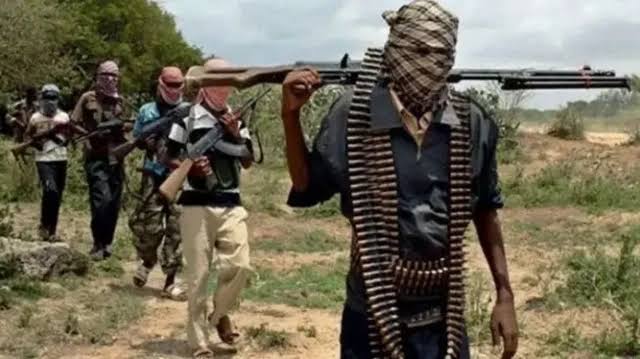
However, the bandits, as they are popularly called, who originated from the North West and are mainly of Fulani extraction, have nothing to do with religion, do not advocate it, and, in fact, most of them do not pray five times a day like Muslims do and cannot even recite the opening chapter of the Qur’an. This group, sometimes referred to as Fulani herdsmen to avoid ethnic profiling, is the group said to have abducted the Oyo pupils.

The bandits are not a single group. They are different groups, each with its leader, who live in the forest and are believed to have their informants in townships. The informants gather detailed information about their potential victims before striking. This is well known to anyone living in Northern Nigeria.

As a person who hails from the western part of Katsina State, I am one of the earliest victims of banditry. For example, in August 2016, my maternal uncle, who is the Imam of his village, was killed by bandits who shot him 11 times, injured his 10-year-old son and raped two of his daughters. In addition, more than 300 cows were rustled from the village. We reported the matter to the Katsina State Commissioner of Police, but nothing was done. 

Two months later, the government announced amnesty for all the bandits in Katsina State. The suspects were brought to the village with Police escort, and the villagers were told they must forgive them because they were “their brothers”. In all of these, religion was not mentioned. It was never an issue because the bandits were not a religious people.

After the amnesty, banditry continued as usual until 2019, when the Federal Government under Buhari asked all the state Governors to enter into peace agreements with the bandits in their states. The vividly uncomfortable Katsina State Governor held meetings with bandit leaders across the affected local governments of Sabuwa, Dandume, Faskari, Safana, Dan Musa, Kankara, Batsari and Jibia. The meetings took place in the forest under heavy security and before press cameras. The military support in the escort of the Governor was enough to crush all the bandits. Ironically, the Government decided to beg them. Videos of some of the meetings are still available online.

It is noteworthy that all the bandit leaders who attended those meetings were Fulani; they were all Nigerians, and none of them was religious. No one talked about religion, and the only complaint from most of them was that some of their gang members were in police custody and should be released. 

It is also not a Hausa-versus-Fulani affair. Some of the early victims of banditry were Fulani who refused to join banditry and refused to give their support to it. There are still many rural Fulani communities in the North West who are against banditry and do not harbour bandits. 

Now, at what point did banditry begin to be associated with religion? Different possibilities.

The Zionist entity

One of the biggest mistakes made by the General Ibrahim Babangida administration was normalising diplomatic ties with the Zionist occupation called Israel. Zionists are believed to be behind some of the crimes committed in the Northern part of Nigeria. 

The former deputy speaker of the House of Reps, Alhaji Abdullahi Wase, alleged that 300 youths from the Christian majority state of Plateau were given training in Israel and that four containers of arms were brought in by an Israeli security company to a politician’s house in Plateau state.

Alhaji Abdullahi Wase called for an investigation by the government. The investigation was not conducted. It is thus not out of place if Zionists, through some hirelings, introduced religion into the discussion of banditry in order to cause further internal crisis or use their American boys to attack innocent Muslims in Nigeria.

Sheikh Ahmad Gummi

The involvement of Dr Ahmad Gummi with bandits leaves more questions than answers. Gummi is an Islamic scholar who views issues from an Islamic perspective. Did he ever tell the bandits to shift their focus to religion rather than remain common criminals? I have no answer to this question. Only the Government and Sheikh Gummi have.

Elements in the Tinubu administration

A young Islamic scholar, Sheikh Munir Koza, once claimed that he was among the many influential young Islamic scholars invited to a meeting by some defence officials of the Tinubu government not long after the Government took over. With a financial reward, they were asked to emphasise three things in their preaching. 

One. That banditry by Fulani groups is justified because Fulani have been subjected to neglect and injustice over a long period. 

Two. Call on the government to engage in dialogue with bandits and offer them political appointments. 

Three. The Governors of Zamfara and Katsina are wrong to have set up security outfits to confront bandits. 

According to Sheikh Koza, he was the only person who expressed his disagreement at the first meeting and was thus not invited to subsequent meetings.

If Sheikh Koza’s claim is true, it means there are bandits’ sympathisers in the Tinubu Government. One would ask, is Mr President not aware? Did he appoint them because he believes insecurity is a Northern Nigerian affair, and he has thus appointed Northerners to go and eat themselves? Now that it has spread to the South, is he ready to make amendments?

Or, who actually introduced religion into it?

Professor Abdussamad Umar Jibia wrote from the Department of Mechatronics EngineeringBayero University, Kano. He can be reached via aujibia@gmail.com.

El-Rufai’s Aide Accuses ICPC of Blocking Former Governor’s Access to Medical Treatment

By Uzair Adam

Media Adviser to former Kaduna State governor, Nasir El-Rufai, Muyiwa Adekeye, has accused the Independent Corrupt Practices and Other Related Offences Commission (ICPC) of denying his principal access to medical treatment while in custody.

In a statement issued on Saturday, Adekeye alleged that El-Rufai, who had been suffering from swollen, reddish and itchy eyes, repeatedly requested medical attention but was denied by officials of the anti-corruption agency.

According to him, although the former governor was taken to an eye clinic on June 4, his condition worsened afterward, causing concern among family members who visited him in detention.

“ICPC officials denied requests by Mallam Nasir El-Rufai to see a doctor. He had complained about his eyes, which are visibly swollen, reddish and itchy.

His family drew the attention of the operatives to his condition and his request for a hospital visit,” the statement said.

Adekeye further alleged that despite being aware of El-Rufai’s condition, the commission failed to arrange further medical care and instead misrepresented his position to family members.

He claimed that an official identified as Henry informed a member of the family that El-Rufai did not wish to see a doctor, an assertion the family strongly disputed.

The aide also criticised the commission for allegedly disregarding a court order obtained by El-Rufai’s lawyers to facilitate access to medical treatment while in custody.

“No agency of government is allowed to be indifferent to the medical condition of a person in its custody.

The ICPC must respect the rights of persons in its custody, obey court orders and allow them access to the medical treatment they require,” Adekeye said.

The allegation comes weeks after El-Rufai’s family accused the commission of denying him access to his personal doctor and restricting food deliveries brought by relatives. The ICPC had previously denied the claims.

Former Nigerian Military Spokesman Begs for Rescue After Kidnapping

By Abdullahi Mukhtar Algasgaini

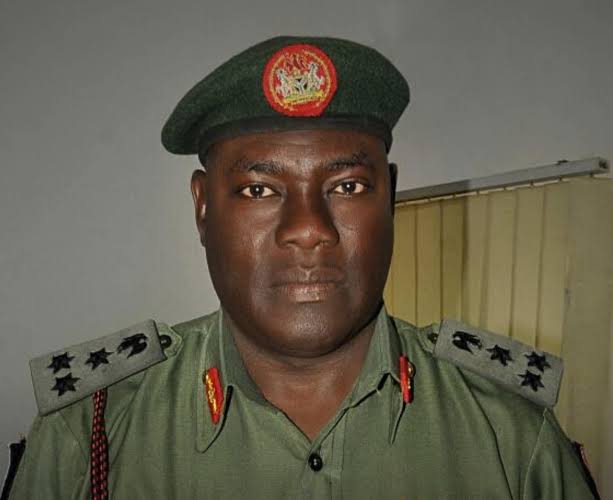
Reports have emerged that retired General Rabe Abubakar, former spokesman for the Nigerian military, and his wife have been abducted by armed bandits. Sources indicate the couple is urgently appealing for help as they remain in the hands of their captors.

The incident has sparked widespread concern and public outcry, with many expressing shock and fear that a senior military officer could fall victim to kidnapping within the country.

Security analysts say the development underscores the need to review the nation’s security framework and intensify efforts to protect lives and property without further delay.

Citizens are continuing to urge the government and security agencies to take immediate action to secure the victims’ release and bring an end to the growing insecurity across the nation.

Dalung Accuses Federal Government of Failing to Tackle Insecurity, Questions Reform Impact

By Sabiu Abdullahi

Former Minister of Youth and Sports Development, Solomon Dalung, has criticised the Federal Government over the country’s security challenges, alleging that the administration lacks the determination required to confront terrorism and kidnapping across Nigeria.

Dalung made the remarks during an appearance on Arise Television’s Morning Show on Friday, where he assessed the government’s handling of insecurity and broader national issues.

According to him, authorities appear more capable of tracking government critics than pursuing terrorists who continue to carry out attacks across the country.

“Government seems not to have the political will to deal with it. They have all the gadgets to track anybody who criticises the government — they can pick him up in the next five minutes.

“But they don’t have equipment to track terrorists who display huge phones in the forest, behead teachers, abduct schoolchildren, torture them in the forest, produce videos and send,” he said.

Dalung also dismissed a recent appeal by the Minister of Information for national unity against terrorism. He argued that the statement reflected the government’s inability to effectively address the security crisis.

“I think it’s a statement confirming that the federal government has completely and woefully failed. They don’t seem to have any idea of a solution to the ravaging insecurity that is across the country,” he said.

The former minister further claimed that security agencies were not operating in a coordinated manner. He added that armed groups had established what he described as a “parallel forest economy,” enabling them to sustain their activities outside state control.

Dalung also questioned the impact of foreign military support, particularly that of the United States.

“We were told that the Americans are here with us. If the Americans are here with us, what have they been doing? We have not felt their impact,” Dalung said.

He urged the government to move beyond assurances and empower local communities to protect themselves.

Speaking on the political outlook ahead of the 2027 general elections, Dalung said the country was gradually returning to regional political alignments similar to those of the First Republic.

“Nigeria has returned to the politics of the First Republic, where regions now have their political parties. Almost all the zones have presidential candidates. So ultimately, in 2027, we may be facing serious confusion as we advance towards election,” he said.

Dalung also expressed dissatisfaction with President Bola Tinubu’s performance after three years in office. He maintained that many Nigerians had yet to experience the benefits of the administration’s reforms.

“Three years into his tenure, it is just blame game and rhetorics of reforms — reforms that no single iota of the benefit has trickled down. Rather, Nigerians are getting impoverished daily.

“The economy is in doldrums. Insecurity remains rhetorical,” he said.

However, political scientist Obafemi George defended the administration during the same programme. He argued that the government should be given more time to implement its policies and pointed to economic indicators as evidence of progress.

George cited Standard & Poor’s recent upgrade of Nigeria’s sovereign credit rating from B- to B as a sign of improving stability. He also linked the worsening security situation in parts of the region to developments in the Sahel following the withdrawal of French troops.

“This current administration has confronted insecurity that is higher than the previous administration, spent more, and recorded more successes in combating insecurity,” he said.

He referenced security operations in Gwoza and Katsina as examples of progress.

George further argued that meaningful national development requires time and patience.

“You know, when you employ someone, you give the person KPIs… and if you look at each of those, in my opinion, I could confidently say that the president ticked the boxes,” he said.

According to him, structural reforms often take years before their full benefits become visible. He cited examples from China, Rwanda and Dubai to support his position.

“I ask people to give me one example of a country in a modern era that has transitioned from being a poor country to a prosperous country in 36 months,” he said.

“One of the things that we are going through that is causing our current pain is because some sacrifices that were meant to have been done years ago weren’t done,” he added.

George also referred to comments previously made by former Finance Minister Ngozi Okonjo-Iweala that Nigeria was “broke.” He argued that an earlier removal of fuel subsidy could have reduced the economic pressures currently facing the country, adding that the ongoing reforms are intended to secure long-term stability.

Anambra Court Remands Eight Pastors Over Alleged Fake Miracles

By Muhammad Sulaiman

An Anambra State High Court sitting in Awka has remanded eight pastors in a correctional facility over allegations of staging fake miracles with the aid of hired actors.

The clerics were arraigned on Friday by the Anambra State Government on multiple charges bordering on spiritual deception and financial exploitation. The prosecution, led by the state’s Attorney General and Commissioner for Justice, Tobechukwu Nweke (SAN), brought the defendants before the court under the Anambra Homeland Security Law, 2025.

According to the charges, the pastors allegedly wielded fake supernatural powers, used places of worship to commit crimes, and obtained money and other benefits from members of the public under false pretences.

The prosecution told the court that the defendants operated a coordinated scheme involving external agents who allegedly recruited vulnerable individuals and paid them to pose as disabled or afflicted persons during church services. The individuals were said to have acted out sudden miraculous healings and spiritual deliverances before congregations.

State authorities further alleged that the staged events were recorded, packaged and circulated on social media platforms to attract followers, increase church membership and encourage donations from worshippers.

As part of its evidence, the prosecution submitted video-recorded confessions allegedly made by the accused, contained on a flash drive tendered before the court.

While some of the defendants pleaded not guilty to the charges, the presiding judge ordered that all eight pastors be remanded in custody pending further proceedings.

The case was adjourned until June 15, 2026, for formal hearing and consideration of bail applications. State authorities said the prosecution forms part of an ongoing crackdown on individuals accused of using religion or traditional practices to defraud and exploit members of the public.

The Kano Renaissance: How Governor Abba Kabir Yusuf Is Rewriting The Kano’s Story Of Development

By Dr. Saifullahi Shehu Imam

As Kano State marks the third anniversary of Governor Abba Kabir Yusuf’s administration, the evidence of purposeful leadership is visible across every corner of the state from the bustling metropolitan center to the remotest rural communities. Today, the popular expression #ABBAISWORKING is no longer a mere political slogan; it has become a verified reality, supported by over 1,000 major achievements that have fundamentally reshaped the developmental trajectory of Nigeria’s most populous state.

Perhaps no sector reflects Governor Yusuf’s vision for human capital development more than education. His administration has fundamentally transformed education in Kano by declaring a State of Emergency and allocating an unprecedented 30–31% of the annual budget, the highest in the nation. This historic fiscal commitment was sustained through the subsequent fiscal cycles, securing education as the primary pillar of governance. Across all 44 Local Government Areas, the administration has directed over ₦1.9 billion through the Community Re-orientation Committee (CRC) to renovate thousands of primary classrooms, plus an additional ₦2.9 billion to build new classroom complexes, decongesting urban schools and constructing modern administrative offices. Over 80,000 sets of three-seater desks have been supplied, rescuing more than 240,000 students from learning on bare floors. The government has hired and integrated over 14,000 permanent, pensionable teachers, including thousands of former BESDA volunteers.

Financial barriers have been lowered by providing free textbooks and uniforms for primary students, slashing tertiary registration and tuition fees by 50% at state-owned institutions, and funding examination fees for hundreds of thousands of secondary candidates. The state’s strict targeted funding model has borne immediate fruit, propelling Kano to the top of the national performance chart in the 2025 NECO exams. Furthermore, the revival of the 1,001 Foreign and Domestic Postgraduate Scholarship Scheme has cleared multibillion-naira arrears for stranded medical and engineering scholars in Cyprus and sponsored new cohorts to India and across Nigeria. This holistic investment in infrastructure, teacher welfare, and global scholarships represents the largest commitment to public education in Kano’s recent history, ensuring today’s students become tomorrow’s leaders.
In healthcare, the administration has achieved monumental, system-wide progress by matching robust institutional investment with deeply compassionate public policy.

This vision is explicitly backed by an aggressive fiscal strategy; for the 2025 fiscal year, over ₦90 billion amounting to an impressive 16.5 percent of the state’s total budget has been earmarked for healthcare development. This substantial investment underscores the administration’s unwavering commitment to making healthcare a cornerstone of its governance, moving far beyond basic audits and surveys into real, well-funded structural transformation. A landmark triumph of this commitment is the recovery, comprehensive modernization, and recommissioning of the Hasiya Bayero Pediatric Hospital, a vital 86-bed facility that had been controversially sold, now restored to provide specialized care for Kano’s children. In tandem, the administration has completely remodeled and equipped the critical accident and emergency section of the Murtala Muhammad Specialist Hospital (MMSH) and extensively renovated the Bamalli Nuhu Maternity Hospital to drastically combat maternal and infant mortality rates. To institutionalize these health safeguards, the Governor signed the pioneering Kano State Centre for Disease Control and Prevention Law alongside a mandatory Premarital Health Screening Law to shield future generations from preventable illnesses. These structural transformations ensure that high-quality healthcare is no longer a luxury reserved for a privileged few, but an accessible, everyday right for all Kano citizens.

In the realm of agricultural transformation and food security, the administration has shifted Kano from a reliance on subsistence farming to a powerhouse of agribusiness. Championing a multi-billion naira input initiative, Governor Yusuf flagged off the historic distribution of 79,200 bags (132 trucks) of highly subsidized fertilizers from the Al-Yuma Fertilizer plant in Madobi Local Government, slashing procurement costs by a massive 50% for local farmers across all 44 LGAs. This was bolstered by an additional ₦1 billion worth of free NPK fertilizers distributed via the Kano Agricultural Supply Company (KASCO) specifically targeting smallholder, female, and disabled farmers.

To expand year-round farming capacity, the administration has expanded farmlands and successfully rehabilitated major irrigation schemes across 11 Local Governments, bringing over 1,250 hectares under active development. A crown jewel of this infrastructural strategy is the approval of ₦6.8 billion for the massive Dansoshiya Dam and Irrigation Infrastructure Project in Kiru LGA, designed with a projected storage capacity of 3.1 billion liters of water to empower up to 3,000 farmers in its initial phases alone. These deliberate investments have reduced cultivation overheads, multiplied crop yields, and fortified the regional food supply chain.

Youth empowerment and self-reliance form another vibrant pillar of the Kano Renaissance. Rejecting the old paradigms of political exploitation, Governor Yusuf launched a comprehensive master plan to empower 50,000 young people. The administration began by systematically reviving eight specialized entrepreneurship and vocational institutes that had been abandoned by the previous administration. Highlighting this return to functional capacity, a single cohort of 2,260 graduates recently completed training across these institutes including the Informatics Institute, the Horticultural Institute, the Driving Institute, and the Poultry Institute. These youths left the Government House not just with certificates, but with critical operational assets ranging from laptops, tablets, and toolkits, to livestock and feed, alongside financial seed capital to seamlessly launch their commercial journeys.

On the security front, proactive, intelligence-driven governance has kept Kano State remarkably peaceful and stable despite intense national security challenges. Governor Yusuf has aggressively reinforced the state’s security architecture by assenting to the law establishing the state’s independent Kano State Security Neighborhood Watch, bringing community policing directly to the grassroots. To maximize operational efficiency and response times, the administration recently boosted the Joint Task Force (JTF) operations by distributing dozens of new vehicles and motorcycles across frontline Local Government Areas.

This sustained tranquility stands as an absolute testament to a leadership that deeply understands that the first, most non-negotiable duty of government is the absolute security and welfare of its people.

As the people of Kano celebrate these remarkable achievements, there is a growing consensus that continuity will be essential to consolidate the gains already recorded. The transformation witnessed across the state has inspired renewed confidence in leadership and strengthened public optimism about the future. It is therefore understandable that many citizens, stakeholders, professionals, traditional institutions, and community leaders increasingly look toward 2027 with the hope that Governor Abba Kabir Yusuf will be granted another mandate to deepen ongoing reforms and complete the noble work he has begun.

May Almighty Allah continue to grant His Excellency wisdom, strength, good health, and divine guidance in the service of Kano State. And may the overwhelming achievements of the past three years pave the way for a successful re-election in 2027, ensuring that the Kano Renaissance continues uninterrupted for the benefit of present and future generations.

Sleepless Nights and Energy Drinks: Are Students Putting Their Hearts at Risk?

By Emmanuel Daniel

Many university students are too busy in their day-to-day academic lives to get a good night’s sleep for several reasons, including meeting deadlines, studying for exams, and fulfilling social obligations. They will frequently resort to using caffeine-based products like energy drinks, coffee and tea to keep them awake and alert. They might not appear to be problematic behaviours, but there is growing evidence that they may have significant implications for cardiovascular health.

A recent study was conducted among students of the Faculty of Basic Medical Sciences, Bayero University Kano, on the Effect of Sleep Deprivation and Caffeine on Cardiovascular Parameters (Blood Pressure, Mean Arterial Pressure, and Pulse Rate). Results indicate significant physiological implications of these popular lifestyles.

The study involved comparing four groups of students: sleep-deprived Students, caffeine consumers with normal sleep, sleep-deprived + caffeine students, and normal sleep without caffeine. The systolic blood pressure, diastolic blood pressure, mean arterial pressure and pulse rate were measured and analysed.

Significant differences were found in several cardiovascular parameters. Students who consumed caffeine regularly but still had normal sleep had the highest mean arterial and diastolic blood pressures. This implies that caffeine can raise the strain on blood vessels, making the heart pump more to move blood around the body.

What is interesting is that the pupils who were sleep-deprived had more elevated pulse rates, as though in response to a lack of sleep, the body may be attempting to engage the “fight-or-flight” mechanism, also known as the sympathetic nervous system. Activating this system for prolonged periods can increase cardiovascular stress over time.

There were also significant differences found between the males and females in the study. The female students who consumed caffeine and were then sleep-deprived had significantly higher pulse rates than the males. The discovery suggests there may be gender differences in how men and women react to life changes that can lead to heart disease.

Physiologically, lack of sleep diminishes the body’s capacity to manage stress hormones properly. Meanwhile, caffeine antagonises the effects of adenosine, a naturally occurring compound that has a relaxing and vasodilatory (blood vessel-widening) effect. These mechanisms, combined, can alter normal cardiovascular function and may lead to health risks when they persist for extended periods.

The results are especially relevant in the time of energy drinks, which are becoming a favourite sidekick for students. Many study participants reported frequently using energy drinks to stay awake during schoolwork. Though some individuals say caffeine gives them a boost in concentration and helps fend off fatigue, overreliance on caffeinated drinks should not be a substitute for good sleep patterns.

The bottom line is that this study shows that sufficient sleep remains one of the major factors in a healthy lifestyle. It is then recommended physiologically that students get the 7-9 hours of sleep they need every night and limit caffeine consumption. Schools can also be places to raise awareness of sleep hygiene, stress management, and responsible caffeine use.

Late nights and caffeine may be part of a student’s life, but making them habits can have consequences. Keeping the heart healthy starts with the simple things you can do every day, and sometimes the best way to get your heart pumping is to get a good night’s sleep.

Extracted from Emmanuel Miracle Daniel’s thesis titled ‘The Effect of Sleep Deprivation and Caffeine on Cardiovascular Parameters Among Bayero University Students,’ supervised by Professor Nafisatu Yusuf Wali.

Eight Killed as BH Terrorists Attacks Army Base in Borno

By Sabiu Abdullahi

At least eight security personnel lost their lives after Boko Haram insurgents launched an attack on a Nigerian Army base in Borno State in the early hours of Friday.

The assault targeted the Forward Operating Base (FOB) in Mandaragirau, under the 25 Brigade, Sector 2 of Operation HADIN KAI, located in Biu Local Government Area.

Those killed included five soldiers and three members of the Civilian Joint Task Force (CJTF), according to military authorities.

In a statement issued on Friday, the Acting Media Information Officer of Operation HADIN KAI, Lt. Col. Haruna Sani, said troops at the base successfully repelled the attack despite difficult weather conditions caused by heavy rainfall.

He said, “Troops of Forward Operating Base (FOB) Mandaragirau under 25 Brigade of Sector 2, Operation HADIN KAI, successfully contained a terrorist attack in the early hours of this morning despite adverse weather conditions and poor visibility occasioned by heavy rainstorms.

“The terrorists launched the attack at approximately 0300 hours and attempted to breach sections of the FOB under the extreme weather conditions.

“Determined troops responded with a fierce counter-offensive, decisively frustrating further incursions and inflicting casualties on the attackers. The counter-assault underscores the resilience of the troops at FOB Mandaragirau and reflects the courage and determination of our troops across the theatre.”

Sani, however, confirmed that casualties were recorded among security personnel during the exchange of fire.

He stated, “Regrettably, in the course of the battle, five gallant soldiers paid the supreme price during the intense firefight and close-quarter engagement, while some equipment was also affected by the firefight.

“Operation HADIN KAI honours their heroism and the bravery of all personnel who stood firm in the face of a determined but ultimately futile enemy assault.

“Three members of the CJTF also fell alongside troops, while those wounded have been promptly airlifted by the Air Component Command and are currently in stable condition while receiving appropriate medical care.”

The military spokesman said the deceased personnel demonstrated exceptional courage and commitment in the defence of the country.

He also assured that troops remain in control of the base and have continued operations in the area to consolidate their gains.

According to him, “These failed attacks further underscore the growing desperation of terrorist elements who continue to suffer devastating losses under sustained operational pressure. All necessary measures are being taken to protect communities and sustain relentless pressure, with the deployment of additional troops and critical combat enablers throughout the North-East theatre.”

Meanwhile, local sources told reporters that the insurgents attacked the military position after a heavy downpour and reportedly operated in the area for close to an hour.

The President of the Borno South Youth Alliance, Samaila Kaigama, also confirmed the incident and suggested that multiple locations came under attack.

“Yes, the attack occurred. They stormed the location and murdered many soldiers. It is not one place that was attacked,” he said.

Kaigama called for stronger security measures and greater community participation in intelligence gathering to help curb terrorist activities.

“The government needs to create avenues for people who are knowledgeable to discuss and review issues of insecurity. Just as they created forest guards, they must create a grassroots liaison initiative that is not controlled by the government. Through those people, some of these attacks can be reduced,” he stated.

Nigerian Player Osimhen Ranked Among World’s Best Striker

By Sabiu Abdullahi

Galatasaray assistant head coach Ismael Garcia Gomez has described Nigerian forward Victor Osimhen as one of the finest strikers in world football, placing him among the top five in the game.

Gomez highlighted the Super Eagles star’s qualities while speaking about the calibre of players in the Turkish club’s squad.

Osimhen has enjoyed an impressive spell at Galatasaray since arriving from Italian side Napoli. His performances have continued to attract interest from several leading European clubs, with reports linking him to teams such as Real Madrid, Bayern Munich, Barcelona and Chelsea ahead of the summer transfer window.

In an interview with Marca, which was quoted by Forza Cimbom, Gomez praised the striker’s overall contribution on the pitch.

“We have very top-level players, but in my opinion, Osimhen is among the world’s top 3–5 strikers.

“He possesses an extremely high level and impressive physical strength: he presses, he defends.

“In addition, he has the ability to influence the opposing defence even in moments when he’s not heavily involved in the game.”

The comments add to the growing recognition Osimhen has received following another strong season that has further strengthened his reputation as one of the most sought-after forwards in European football.