By Sabiu Abdullahi
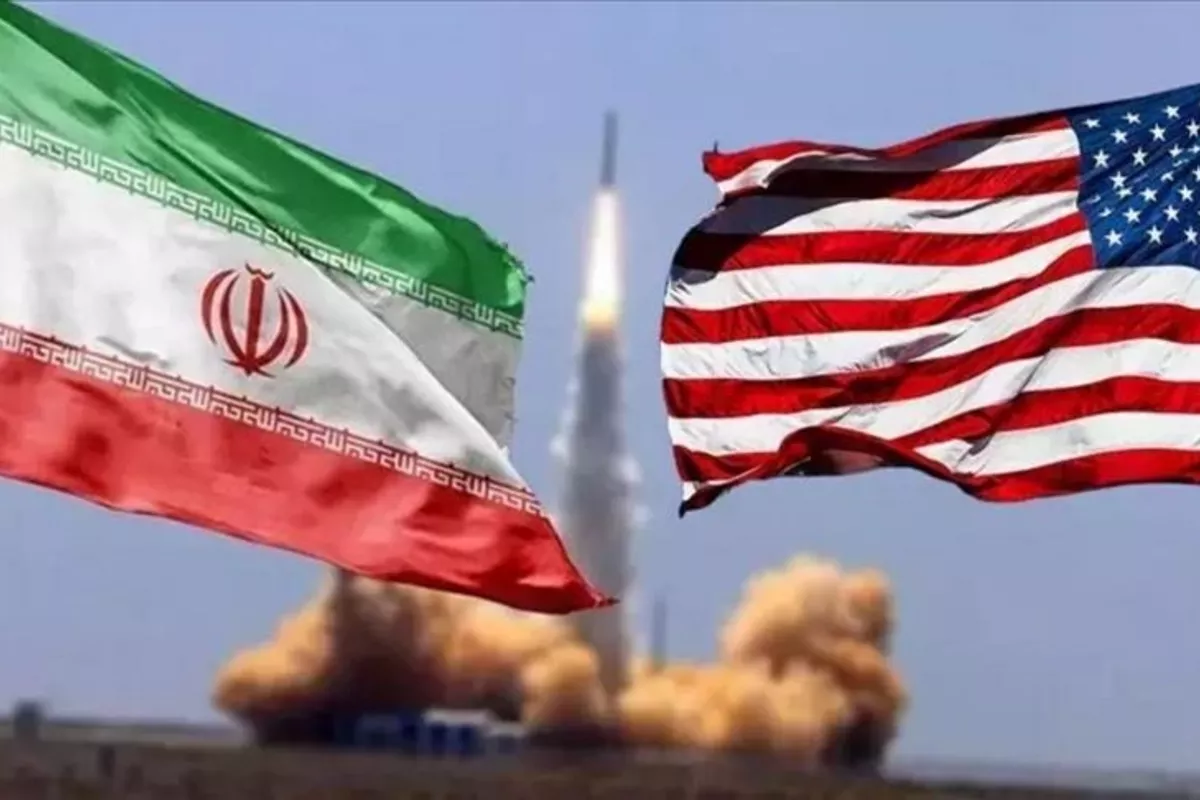
Senior Iranian officials have accused the United States of issuing public military threats while privately seeking negotiations, amid heightened tensions between the two countries.
Hassan Ghashghavi, a senior Iranian lawmaker and spokesman for the Parliament’s Commission on National Security and Foreign Policy, said Tehran would retain control over traffic through the Strait of Hormuz regardless of developments in the conflict. His remarks came before US President Donald Trump reportedly cancelled planned military strikes.
“In the media, they speak of escalation, while through existing channels they demand negotiations,” Ghashghavi said. “They cannot deceive the Islamic Republic of Iran. Whether by escalating or by negotiating, Iranian arrangement for passage through the SoH [Strait of Hormuz] is the only option on the table.”
The Strait of Hormuz remains one of the world’s most strategic maritime routes because a significant share of global oil shipments passes through it.
Meanwhile, Majidreza Hariri, President of the Iran-China Chamber of Commerce and Industry, argued that Washington would not risk attacking Iran’s energy infrastructure.
“They don’t have the courage to carry it out because Iran’s resilience is far greater than that of the countries in the region against the destruction of infrastructure,” Hariri said in a post on X.
Reports indicate that Iran operates one of the world’s most decentralised electricity networks, with about 150 power plants spread across the country. Analysts say the wide distribution of the facilities makes it more difficult for an aerial attack to trigger a nationwide power outage.