Zimbabwe

Addressing the Root Causes of Xenophobia

By Blessing Omolola

I hope you find this helpful

A recent report that Nigerians are seeking to return from South Africa has once again brought a painful, long-standing issue to the forefront. This is the recurring cycle of xenophobia in South Africa.

The Federal Government’s concerns regarding Nigerians seeking evacuation highlight more than just immediate safety risks; they expose deep-seated, unresolved tensions surrounding migration, unemployment, and economic frustration across the continent.

For those who have read the history books, the relationship between Nigeria and South Africa is historically complex. During the apartheid era, Nigeria was a primary supporter of South Africa’s liberation struggle, providing significant political, economic, and moral aid.

Consequently, many Nigerians view these recurring attacks as a fundamental betrayal of continental unity. Following the end of apartheid, South Africa emerged as one of the continent’s most robust economies, naturally attracting migrants seeking better prospects. However, this movement has frequently met with local resistance.

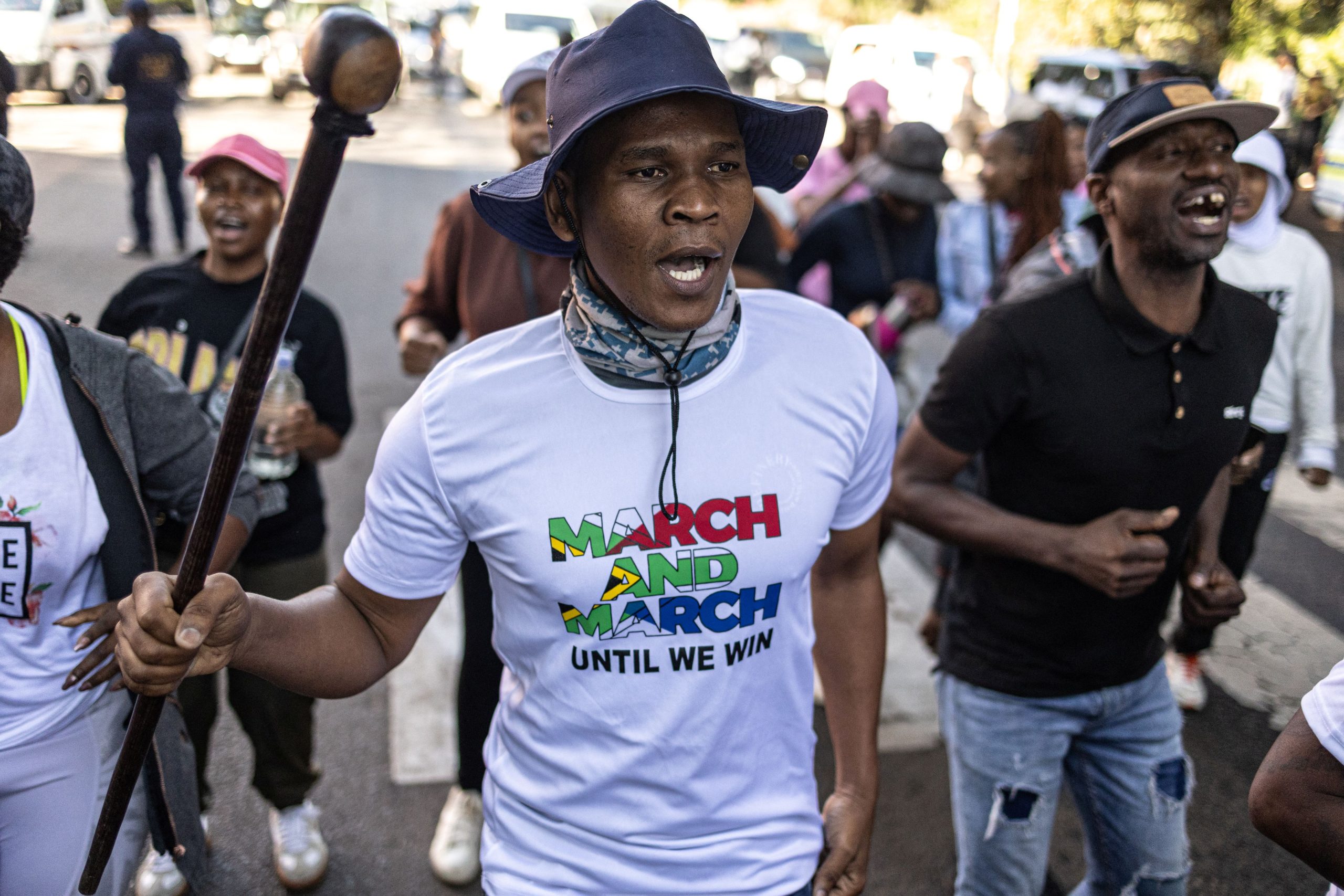
Xenophobic violence in South Africa is a systemic issue affecting various African nationals through repeated waves of unrest. In 2008, widespread attacks in various townships resulted in over 60 deaths and the displacement of thousands of immigrants.

This was followed by another surge in 2015, when violence erupted in Durban and spread across the country. Foreign-owned shops were looted, and several migrants, including Nigerians, Mozambicans, and Zimbabweans, were killed, leading to diplomatic friction.

Most recently, in 2019, attacks resurfaced in Johannesburg and Pretoria, sparking renewed outrage and firm responses from the Nigerian government. These incidents demonstrate that the violence is driven by economic desperation and social tension rather than isolated hostility toward one specific nationality.

As tensions rise, the Nigerians in Diaspora Commission (NiDCOM) has reported that many citizens expressed a desire to return home due to safety fears. However, the Federal Government’s stance that those wishing to return must cover their own transportation costs has sparked significant debate.

Critics argue that citizens in crisis deserve more robust state support, while others point to the logistical and financial strain on the government. This situation emphasises the vulnerability of African migrants during social unrest and the pressing need for stronger diplomatic cooperation to protect citizens living abroad.

But beyond statistics, xenophobia has devastating personal consequences. Consider the story of a young Nigerian entrepreneur in Johannesburg who spent years building a small electronics business to fund her education and support her family.

When violence flared, she was forced to abandon her shop and inventory to save her life. Years of hard work vanished in days. She returned to Nigeria with no capital and significant psychological trauma. This narrative is common among those who face sudden displacement and financial ruin.

The roots of xenophobia in South Africa are firmly planted in socio-economic struggles such as high unemployment, inequality, and poverty. In this environment, immigrants are often scapegoated as competitors for limited jobs and resources. This perspective ignores the reality that many immigrants contribute to the economy by creating small businesses and filling labour gaps.

So, the problem is not the presence of foreigners, but rather unresolved structural economic failures. Violence and collective punishment do not solve unemployment or poverty; instead, they damage diplomatic ties and tarnish Africa’s global image.

Africa is at its strongest when its nations cooperate. The repeated cycles of xenophobic violence undermine the spirit of the “United Africa” that leaders have long championed. The true cost of xenophobia is paid by displaced migrants, South Africa’s international reputation, and the concept of continental unity.

Long-term solutions require emergency evacuations, structural economic reform, better policy action, and public education to foster tolerance. Only by addressing these core issues can Africa achieve true peaceful coexistence.

Oladapo Blessing Omolola a student at Yakubu Gowon University in the Department of Strategic Communication. I can be reached at: blessingomolola0565@gmail.com.

Attacks on Black Foreign Nationals in South Africa Draw Limited Global Attention

By Daniel Nduka Okonkwo

Reports of killings, beatings, intimidation, harassment, and violent attacks on migrant communities, including incidents affecting children, allegations of denied hospital access to pregnant women, and the targeting of foreign-owned businesses, raise serious concerns about South Africa’s ability to uphold basic human rights. Despite a population surpassing 63 million in 2024, with a youthful demographic and steady growth, the state faces ongoing challenges in protecting the estimated 2.4 to 3.9 million foreign-born residents, who make up about 5.1% of its population.

Migrants, largely from Zimbabwe, Mozambique, Lesotho, Malawi, Nigeria, Ghana, and other African nations, are widely reported to contribute significantly to the economy, often bringing skills, entrepreneurship, and labour. Yet xenophobic violence and social exclusion continue to persist in some areas. Critics argue that government responses have been insufficient or inconsistent, raising concerns about gaps in protection and accountability.

South Africa’s leaders frequently emphasise democracy, freedom, and equality. However, for many migrants, lived experiences are described as marked by fear and uncertainty. Nigerians are sometimes portrayed negatively in public discourse despite their economic contributions. Zimbabweans who fled economic hardship often face precarious working conditions, while Malawians, Mozambicans, and Basotho migrants also report experiences of discrimination. Observers say that inconsistent responses to xenophobic incidents risk creating the perception of official indifference.

Migrants are not a homogeneous group, and many contribute meaningfully to South Africa’s economy. Some studies indicate that immigrant-headed households may, on average, earn higher incomes or have higher levels of post-school qualifications. They also fill labour gaps and support small and medium enterprises. However, public narratives in some quarters continue to frame migrants as competitors for scarce resources, contributing to social tension instead of focusing on broader structural challenges such as unemployment, inequality, and governance issues.

Responses to xenophobia have sometimes fallen short of addressing root causes. Allowing the destruction of businesses or failing to respond swiftly to violence, they argue, reflects weaknesses in enforcement capacity. Others point to the need for stronger governance, improved economic policies, and clearer communication to counter misinformation and division.

South Africa can reinforce its role as a continental leader by strengthening protections for all residents within its borders, or it risks continued reputational and social challenges if violence and exclusion persist. The effectiveness of its response will likely shape both domestic stability and international perception.

Addressing recurring xenophobic incidents remains a significant responsibility for the government. While frameworks such as the National Action Plan against Racism, Racial Discrimination, Xenophobia and Related Intolerance exist, implementation has been described as uneven. Law enforcement responses are sometimes criticised as delayed or insufficient, leaving victims vulnerable and raising concerns about accountability. These issues point to broader institutional challenges in treating xenophobia as a sustained national concern.

Systemic factors also contribute to tensions. Reports of discriminatory policing, the presence of vigilante groups, and political rhetoric linking migrants to unemployment and crime have influenced public attitudes. Groups such as Operation Dudula operate within this environment, while enforcement actions targeting undocumented migrants are sometimes perceived as contributing to broader hostility toward foreign nationals.

Xenophobic violence in South Africa has developed into a recurring and complex issue. Foreign nationals, particularly African migrants, continue to face risks of violence, intimidation, and exclusion. Commonly link these developments to socio-economic pressures combined with institutional limitations.

High unemployment, poverty, and competition for limited resources have created conditions of tension. Many citizens view foreign nationals, especially undocumented migrants, as competitors for jobs, housing, and services. Concerns about border control and immigration enforcement further shape these perceptions. In some cases, these frustrations manifest in vigilante actions by community groups.

Authorities have not fully addressed these underlying tensions, allowing xenophobia to persist. Over time, foreign nationals have often been scapegoated for broader socio-economic challenges such as crime and inadequate service delivery, contributing to exclusionary attitudes and, in some instances, violence.

President Cyril Ramaphosa has publicly condemned xenophobic attacks and called for adherence to the principle of ubuntu, emphasising shared humanity and mutual respect. He has also highlighted the need to distinguish between undocumented migrants and lawful residents who contribute to society. Despite these statements, concerns remain that migration management and law enforcement responses could be strengthened.

Government responses continue to face scrutiny for inconsistency. While policies exist, implementation gaps remain a concern. Law enforcement agencies are sometimes criticised for delayed responses, while limited prosecutions may contribute to perceptions of impunity.

Concerns about systemic challenges persist. Reports of harassment by some authorities have contributed to mistrust among migrant communities. Vigilante groups have, in certain instances, operated with limited intervention. Movements such as Operation Dudula and Put South Africa First have gained attention for campaigns that emphasise citizenship verification in access to jobs and services, raising debates about exclusion and legality.

Political rhetoric has also shaped public perception. Statements linking migration to unemployment and crime have reinforced negative stereotypes in some quarters. While enforcement against undocumented migration may be lawful, broader messaging is sometimes interpreted as contributing to public hostility toward foreign nationals.

The historical pattern of xenophobic violence highlights the persistence of the issue. In 1998, three foreign nationals were killed in Johannesburg. In 2008, widespread attacks resulted in over 60 deaths, more than 1,700 injuries, and the displacement of approximately 100,000 people. Violence in 2015 required military intervention. In recent years, organised groups have continued to disrupt communities and enforce exclusionary practices.

Regional and international responses have varied. The African Union has faced criticism for what is perceived as a limited response. The African Commission on Human and Peoples’ Rights has condemned xenophobic attacks as violations of fundamental rights. Nigeria has called for improved security measures, accountability, and diplomatic engagement.

Several structural factors continue to influence xenophobia: weak law enforcement, political pressures, economic inequality, and social acceptance of vigilantism all play roles. A limited coordinated regional response may also reduce external pressure for reform.

Xenophobia in South Africa is not solely a spontaneous reaction but reflects deeper structural and institutional challenges. Addressing it will require stronger governance, consistent law enforcement, and sustained accountability. Long-term solutions will depend on coordinated national action and regional cooperation grounded in human rights, dignity, and African unity.

Daniel Nduka Okonkwo is a Nigerian investigative journalist, publisher of Profiles International Human Rights Advocate in collaboration with Daniels Entertainment, and a policy analyst and can be reached at dan.okonkwo.73@gmail.com.

Reverend commits suicide amidst adultery scandal

By Sabiu Abdullahi 

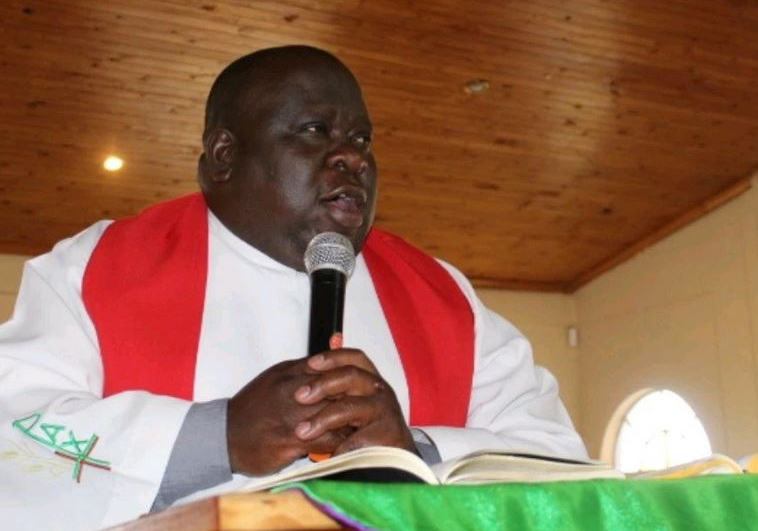
Reverend Oscar Mukahanana, a prominent figure in the United Methodist Church, took his own life following an adultery scandal that rocked the church community in Harare East District, Zimbabwe.

The Reverend’s affair with a female youth was exposed when an audio recording of their secret conversation leaked on the church’s WhatsApp group.

The humiliation became unbearable for Mukahanana after members shared the recording widely and even created memes, leading him to tragically end his life.

The United Methodist Church expressed deep sorrow, urging members to support the grieving family through prayers during this difficult time.