US

Amnesty International condemns DSS arrest, detention of X user for allegedly criticising US, Israel amidst Middle East war

By Sabiu Abdullahi

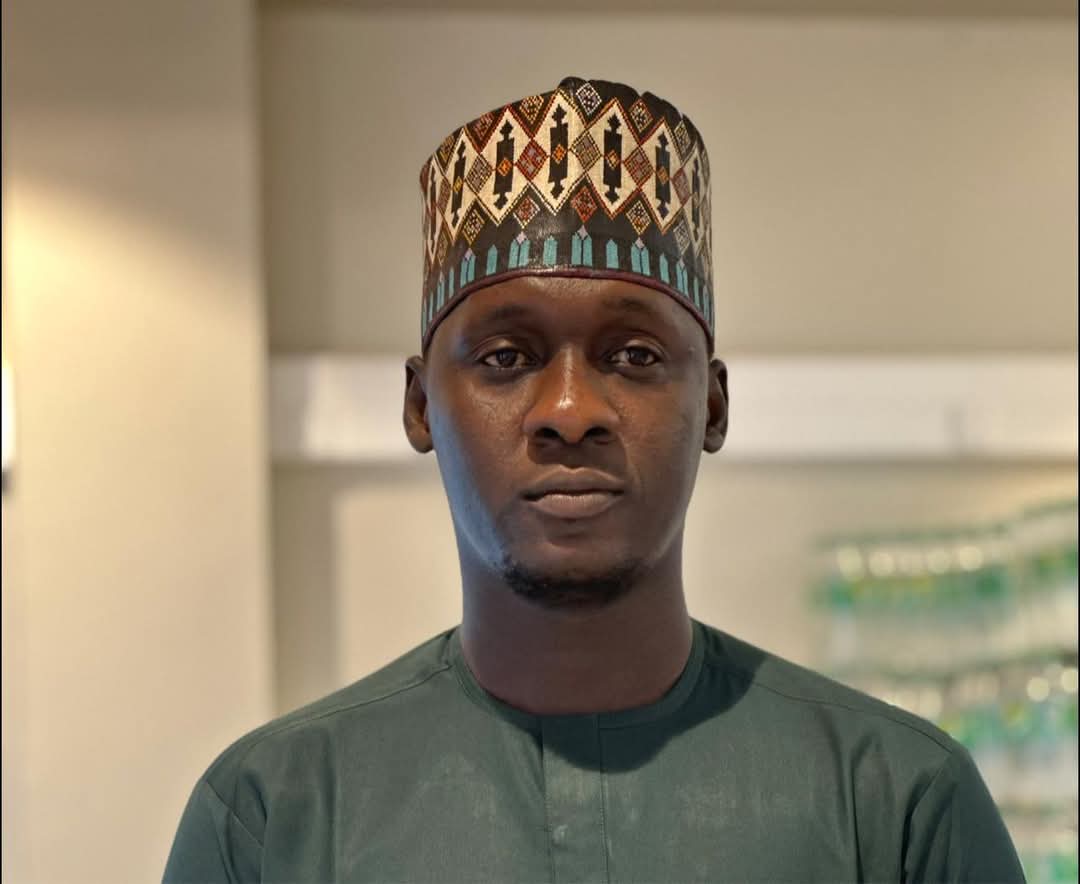
Amnesty International has criticised the detention of Sani Waspapping by the Department of State Services (DSS), describing the arrest as arbitrary and calling on Nigerian authorities to respect the rule of law.

Waspapping was arrested in Kaduna on Friday. He has remained in DSS custody since then. Reports indicate that he has not been granted access to his family members or legal representatives.

Many observers believe the arrest may be connected to posts he made on social media about the ongoing war in the Middle East.

According to available information, Waspapping is the second person detained by the DSS in connection with discussions about the current Middle East crisis.

Some social media users have also expressed the view that his arrest may be linked to his criticism of the United States and Israel as well as posts seen as supportive of Iran.

However, authorities have not publicly confirmed that this was the reason for his detention.

Amnesty International also urged Nigerian authorities to follow due process in handling the case.

“The Nigerian authorities must abide by the rule of law at all times — including in the case of Sani Waspapping. He must be provided with prompt access to family and adequate legal assistance, charge him to court or release him from detention immediately.”

Iran claims American soldiers captured, US denies report

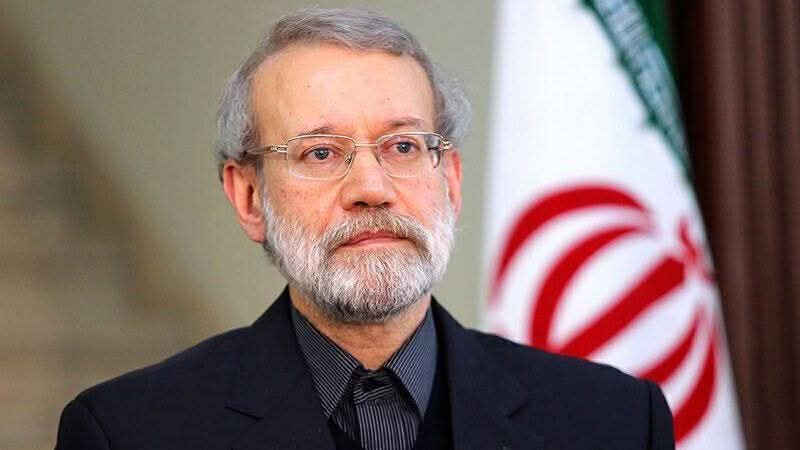
A senior Iranian security official, Ali Larijani, has alleged that Iranian forces captured several American soldiers. However, the United States military has rejected the claim and described it as false.

Larijani made the claim on Saturday in a post on X. He accused Washington of attempting to conceal the alleged incident.

“It has been reported to me that several American soldiers have been taken prisoner. But the Americans claim that they have been killed in action,” Larijani wrote.

He also insisted that the truth would eventually emerge. “Despite their futile efforts, the truth is not something they can hide for too long.”

The United States Central Command (CENTCOM) quickly dismissed the allegation. A spokesperson for the command told Al Jazeera that no American soldiers had been captured.

“The Iranian regime’s claims of capturing American soldiers are yet another example of its lies and deceptions,” the spokesman said.

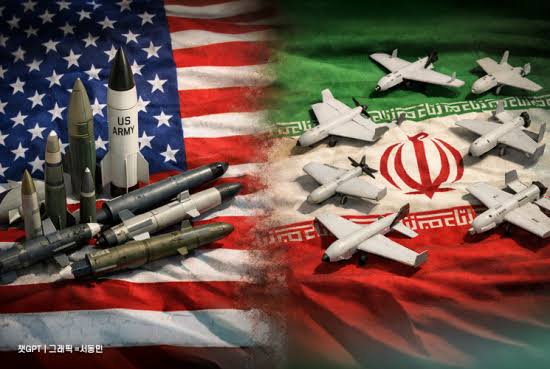
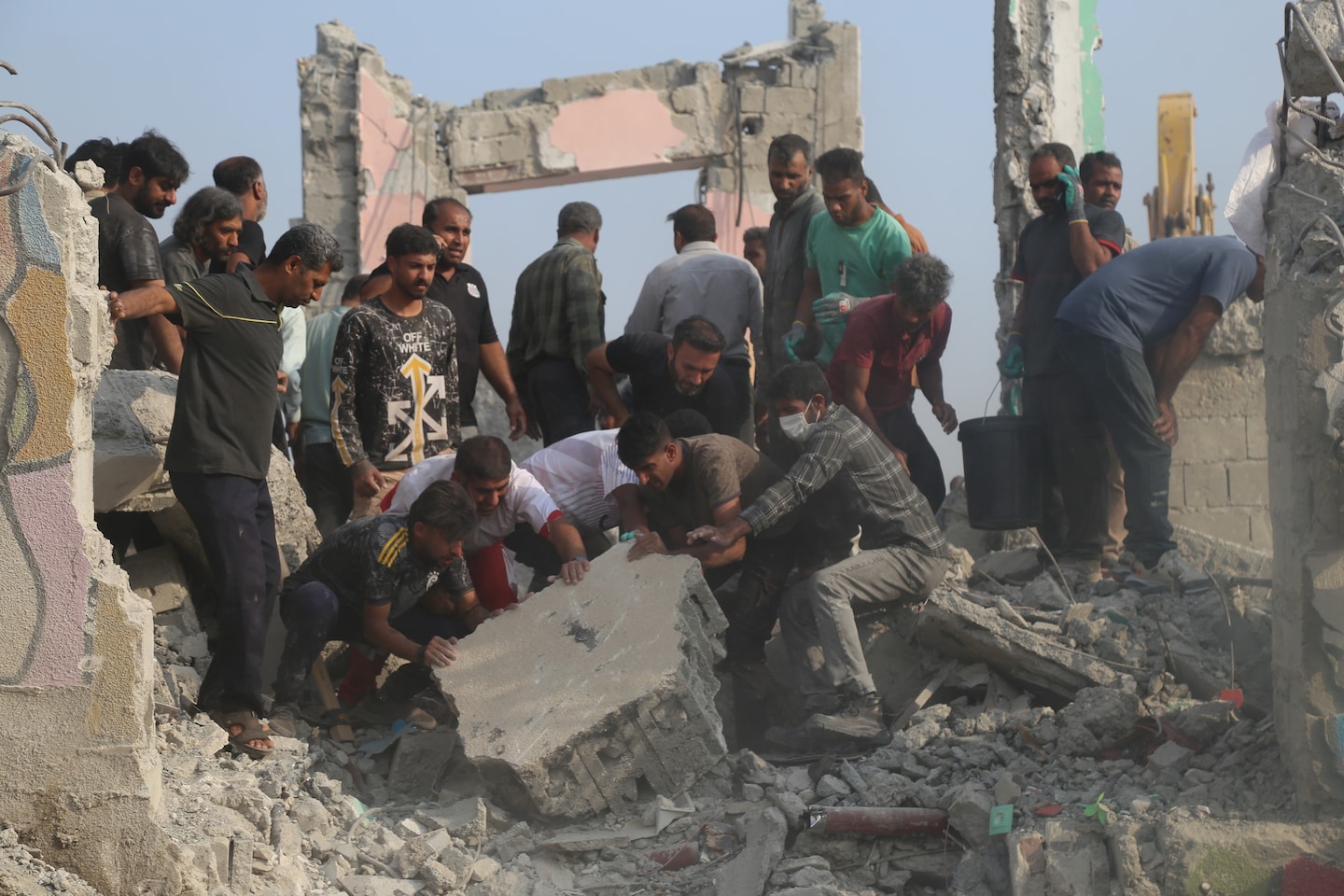
The exchange of claims and denials comes at a time of heightened tensions in the Middle East. The situation worsened after joint air strikes carried out by the United States and Israel on Iran on February 28. Reports indicate that the attacks killed more than 1,000 people. Those reported dead include Iran’s Supreme Leader Ali Khamenei, over 150 schoolgirls and several senior military officials.

The conflict has increased instability across the region. Tehran has also carried out retaliatory attacks on locations linked to the United States in several parts of the Middle East.

Italy will honour US base agreements but won’t join war, says PM Meloni

By Sabiu Abdullahi

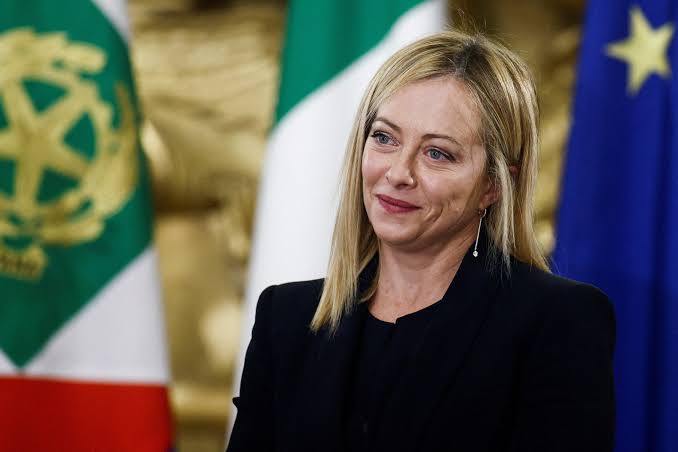
Italian Prime Minister Giorgia Meloni has stated that her country will continue to respect existing agreements that allow the United States to use military bases located in Italy.

However, she stressed that Italy has no intention of taking part in the ongoing war involving Iran.

Meloni spoke on Thursday during an interview on an RTL radio programme. She said the Italian government had not received any request from the United States to use its bases for military action against Iran.

“Today we have no such request and I want to say that we are not at war and we do not want to enter a war,” she said.

The prime minister explained that the agreements between Italy and the United States date back to 1954. According to her, these arrangements permit certain logistical activities and operations that do not involve direct combat.

“These are technical authorisations when we are clearly talking about logistics and so-called non-kinetic operations – simply put, operations that do not involve bombing,” she said.

Meloni also noted that if Washington later seeks approval to use Italian bases for combat operations, the government would first consult the country’s parliament before making any decision.

She expressed concern about the growing tension in the Middle East and warned that the conflict could widen. According to her, the situation carries “a risk of escalation that could have unpredictable consequences.”

Italy, alongside the United Kingdom, France and Germany, is also considering sending defensive assistance to countries in the Gulf region. Meloni said the step is intended to protect tens of thousands of Italian citizens living there, as well as about 2,000 Italian troops stationed in the region.

The Italian leader described the Gulf area as important to global energy supply and warned that the ongoing crisis could affect Italy’s economy.

She said the government was monitoring energy costs and food prices. Authorities, she added, would take action to prevent companies from taking advantage of the situation by raising prices unfairly.

The current tensions began after the United States and Israel launched a major military offensive against Iran last Saturday. Reports indicate that at least 926 people have been killed, including Iran’s Supreme Leader Ali Khamenei and several senior military officials.

Iran has responded with missile and drone attacks targeting Israel as well as Gulf states that host United States military assets.

Cristiano Ronaldo leaves Saudi Arabia for Spain amid rising tensions in Riyadh

By Sabiu Abdullahi

Portuguese football star Cristiano Ronaldo has reportedly departed Saudi Arabia for Madrid, Spain, as security concerns mount in the region following recent military action involving the United States and Israel.

Ronaldo, who serves as captain and forward for Al-Nassr FC, left Riyadh late at night aboard his £61million ($81million) Bombardier Global Express 6500 private jet. The UK Daily Mail disclosed the development on Tuesday.

His relocation followed coordinated strikes carried out by the United States and Israel in Iran on February 28, 2026. The operation reportedly led to the deaths of several senior Iranian figures. Iranian state media announced on March 1 that Supreme Leader Ali Khamenei had been killed. Authorities declared 40 days of mourning and introduced a seven-day public holiday.

The security situation in the Gulf region deteriorated after two drones hit the United States Embassy in Riyadh overnight.

The Saudi Ministry of Defence said, “A limited fire broke out at the United States Embassy in Riyadh after it was hit by two drones,” adding that the strike caused “minor material damage.”

According to the Daily Mail, “Riyadh, where Ronaldo lives with his partner Georgina Rodriguez and their five children, has been affected by attacks linked to the regional conflict.”

Flight tracking service Flightradar24 reported that the aircraft “departed Riyadh at 8:00 pm and arrived in Madrid at almost 1:00 am, flying a path over Egypt and the Mediterranean.”

Ronaldo’s exit occurred as Washington intensified security steps across the Middle East in response to the unfolding crisis. The U.S. Department of State announced temporary closures of embassies and the suspension of consular services in several countries due to heightened safety concerns tied to the expanding Iran conflict.

In Saudi Arabia, the U.S. Embassy in Riyadh halted both routine and emergency services across its missions in Riyadh, Jeddah and Dhahran.

In neighbouring Iraq, nonemergency American government personnel received orders to exit the country. U.S. staff also faced restrictions from using Baghdad’s international airport.

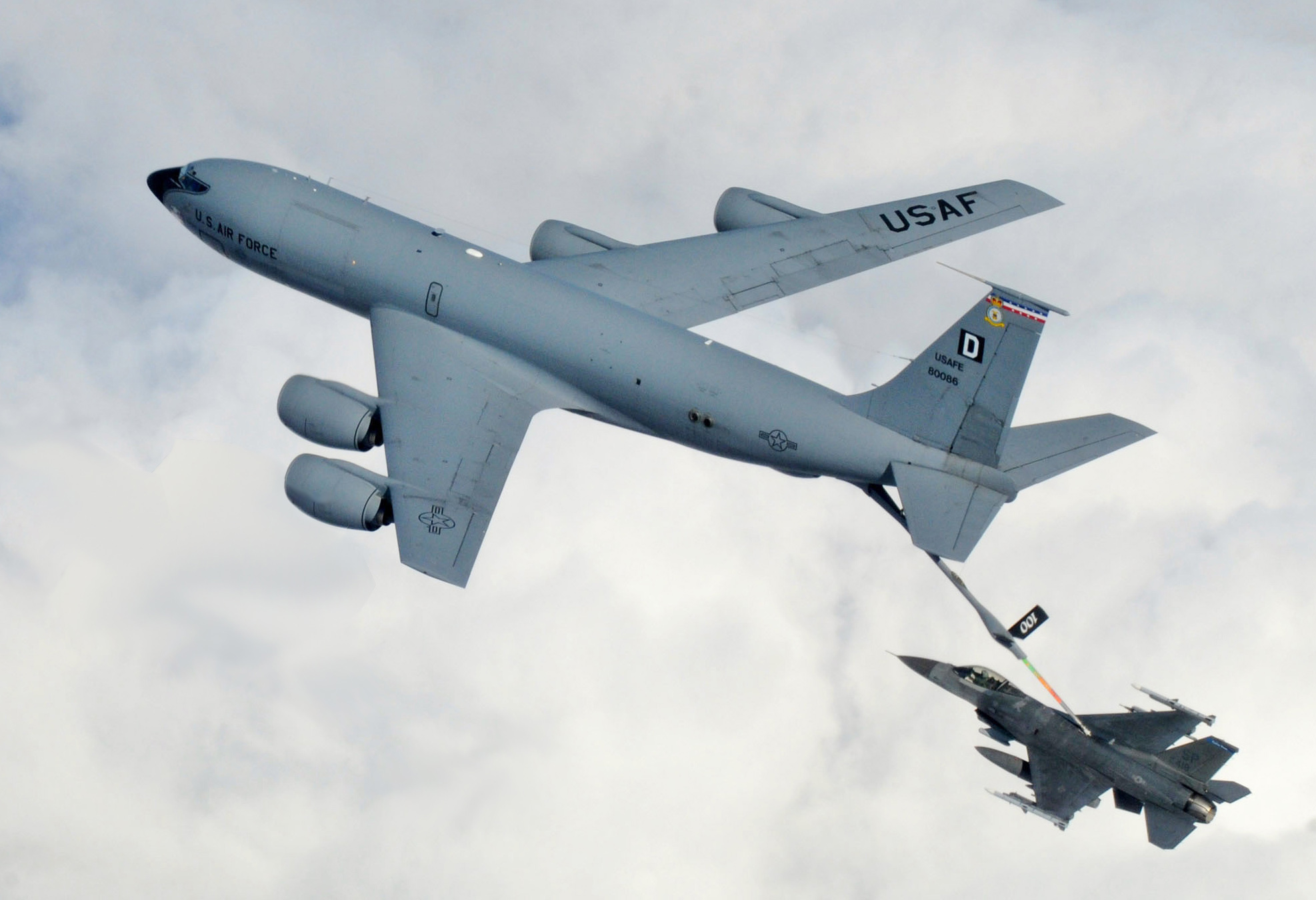
Kuwait recorded deadly incidents involving American forces. Six soldiers lost their lives, and three fighter jets crashed in what the U.S. military described as an “apparent friendly fire” episode.

The unfolding developments have heightened uncertainty across the region, with governments implementing precautionary measures as tensions persist.

Iran clarifies it is at war ith US, Israel, not Gulf nations

By Sabiu Abdullahi

Iran has clarified that it is engaged in conflict with the United States and Israel, not with any countries in the Gulf region.

Speaking on Monday, Iranian Foreign Minister Seyed Abbas Araghchi said, “We’re not attacking our neighbours, we’re attacking US military bases. US soldiers fleeing to hotels will not prevent them from being targeted.” His remarks come amid ongoing US and Israeli strikes on Iranian positions, and retaliatory Iranian attacks on American and Israeli interests in the Middle East.

Al Jazeera reports that Iran accused the US of “betraying diplomacy” by launching attacks during ongoing negotiations. Araghchi also urged Gulf nations to pressure Washington to halt its military actions against Iran.

The Iranian minister emphasized that US military installations, including those located within Gulf countries, and facilities housing American troops, are considered legitimate targets.

For the third day in a row, loud explosions were reported in Dubai, UAE, and Qatar as Iran continues to respond to US and Israeli attacks. Bloomberg notes that both the UAE and Qatar have been quietly appealing to international allies to encourage President Trump to pursue a diplomatic solution instead of extending the conflict.

Qatar warned that ongoing disruptions to regional shipping could further drive up global natural gas prices. The country also announced that it intercepted two Iranian fighter planes, along with missiles and drones, which had entered its airspace. Gulf nations have pledged to continue defending their territories.

Meanwhile, the conflict between Israel and Hezbollah continues to escalate as both sides exchange attacks.

US marines fired at protesters during Karachi Consulate breach: Reuters

United States Marines opened fire during last weekend’s assault on the US consulate in Karachi, according to a report by Reuters that cited two American officials.

The report represents the first confirmation that Marines discharged weapons as protesters forced their way into the diplomatic compound.

The officials told Reuters that it remains uncertain whether any of the rounds fired by the Marines hit or killed members of the crowd. They also said they could not confirm if additional shots were fired by other personnel assigned to guard the facility, including private security contractors and local police officers.

At least 10 people lost their lives during the unrest, after demonstrators broke through the outer wall of the consulate complex.

A spokesman for the provincial government, Sukhdev Assardas Hemnani, stated that “security” personnel had opened fire. He did not clarify which security force was responsible.

UPDATED: Kuwait confirms crash of several U.S. military aircraft

By Sabiu Abdullahi

The Kuwait Ministry of Defence has announced that several American military aircraft went down on Monday morning, as authorities continue to investigate the incidents.

In an official statement released through the ministry’s spokesperson, the government confirmed that every crew member on board the affected aircraft survived.

“In a statement issued by the ministry’s official spokesperson, authorities said all crew members aboard the affected aircraft were successfully rescued.”

The spokesperson stated that emergency teams moved swiftly after the crashes. He said search and rescue operations commenced without delay. Medical teams evacuated the crews to hospital facilities for examination and treatment. He added that their condition remains stable.

The ministry also disclosed that it established direct contact with United States forces over the matter. It confirmed that both sides initiated joint technical steps in response to the crashes. However, officials did not state the exact number of aircraft involved. They also withheld details about the crash sites and the missions underway at the time.

The spokesperson said the appropriate authorities are continuing investigations to establish the cause of the incidents. He urged the public to rely on verified official information.

The crashes occurred amid heightened military confrontation in the region. After the United States and Israel carried out airstrikes on Iran that struck Tehran and other cities and resulted in the deaths of senior leaders, including Supreme Leader Ayatollah Ali Khamenei, Tehran promised retaliation.

Iran responded within hours. It launched multiple missiles and drones at American military installations across the Gulf.

The United States maintains forces and equipment in several Gulf countries. These include Kuwait, Bahrain, Qatar, and the United Arab Emirates. Iranian forces targeted bases in those nations in a show of reach across the Middle East.

Explosions were reported near the U.S. Fifth Fleet headquarters in Manama, Bahrain. In Kuwait, Al Salem Air Base came under attack. In Qatar, Al Udeid Air Base, the largest American military facility in the region, was also struck. Missiles targeted Al Dhafra Air Base in the United Arab Emirates.

The strikes triggered alarm across the Gulf region. Smoke rose over parts of affected areas, and warning systems activated at U.S. facilities.

The escalation has intensified fears of a broader conflict. Gulf states that host American forces have found themselves drawn into the crisis, despite not taking part in the initial strikes on Iran.

World leaders raise alarm over U.S.–Iran crisis, EU urges restraint

By Sabiu Abdullahi

Leaders across Europe have expressed deep concern over the rising tensions involving Iran, following recent military actions by United States and Israel.

In a statement, top officials of the European Union, including Ursula von der Leyen, described the situation as “greatly concerning.” They called for restraint, protection of civilians, and adherence to international law.

The bloc stressed that dialogue remains essential. It stated that diplomatic and negotiated solutions are key to preventing a broader conflict in the Middle East. Concerns were also raised about nuclear safety and the stability of the region.

The crisis intensified on Saturday, February 28, when U.S. and Israeli forces carried out joint airstrikes on Iranian targets. The operation marked a sharp escalation tied to disputes over Iran’s nuclear and missile programmes.

Iran responded shortly after with missile strikes on American and Israeli military positions in the region. The attacks led to casualties, including civilians, and triggered widespread international reactions.

European leaders reaffirmed existing sanctions on Iran. These measures target individuals linked to repression and activities seen as destabilising. Several EU member states warned against further escalation and urged a return to diplomatic engagement.

Reactions from other parts of the world reflected similar concerns. France called for an urgent meeting of the United Nations Security Council. It warned that the strikes could threaten global peace. The United Kingdom also cautioned against a wider regional war. It maintained that Iran must not acquire nuclear weapons, while emphasising the need for restraint.

Countries in the Gulf region voiced fears that the conflict could spread beyond its current scope. They warned of possible disruptions to energy supplies and the risk of large-scale displacement of people.

The impact is already being felt. Air travel across the Middle East has faced interruptions, while oil markets have shown signs of instability.

Within Iran, tension remains high among the population. Some groups fear that the situation could develop into a larger conflict.

Leaders from Europe, Australia, and other regions continue to call for calm. They insist on protecting civilians and upholding international law, even as the situation evolves rapidly.

NNPP faults US bill seeking sanctions on Kwankwaso over alleged violation of religious freedom

By Sabiu Abdullahi

The New Nigeria Peoples Party (NNPP) has faulted a proposed bill before the United States Congress that seeks to impose sanctions on its national leader, Senator Rabiu Musa Kwankwaso, over alleged religious freedom abuses.

The legislation, introduced by five US lawmakers in the House of Representatives, is titled to address concerns about religious persecution and mass atrocities in Nigeria. The bill seeks to compel the US Secretary of State to present a detailed report on efforts to tackle the situation.

If passed into law, the proposal would mandate the Departments of State and Treasury to apply sanctions such as visa restrictions and asset freezes on individuals or organisations accused of “severe religious freedom violations” in Nigeria.

Among those listed in the bill are Kwankwaso, a former governor of Kano State, alongside Miyetti Allah Cattle Breeders Association of Nigeria (MACBAN), Miyetti Allah Kautal Hore, and groups described as Fulani ethnic nomad militias.

Reacting in a statement issued on Wednesday, NNPP National Publicity Secretary, Ladipo Johnson, dismissed the allegation. He described the move as politically motivated and unfair to the party’s leader.

“We see this development as a contrived action against an innocent man who clearly has no relationship with religious fundamentalism in Nigeria,” the statement reads.

“His record is there in the public domain, either in public office or in private life, and it is advisable for people to investigate such things properly before reaching such conclusions.”

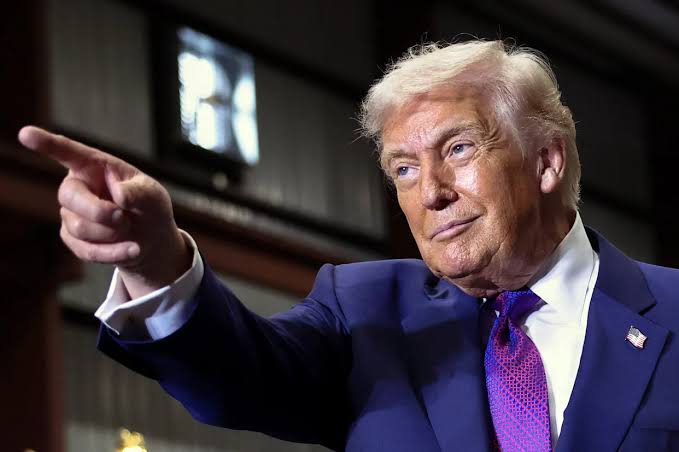
Johnson linked the development to Kwankwaso’s earlier reaction to the redesignation of Nigeria as a “country of particular concern” by former US President Donald Trump over claims of religious persecution.

Kwankwaso had cautioned against what he termed oversimplified portrayals of Nigeria’s security challenges. He stressed the country’s sovereignty and noted that violence in Nigeria involves criminal elements across regions.

Riley Moore, one of the sponsors of the bill, had questioned Kwankwaso’s role in religious matters. He cited the full implementation of Sharia law in Kano State during Kwankwaso’s tenure as governor.

The NNPP spokesperson, however, criticised the US lawmaker’s position. He argued that the party leader has consistently spoken about insecurity in Nigeria.

“Is Rep Moore being fair or selective? Isn’t the US in a good relationship with Qatar and Saudi (both Sharia countries)?”

“Isn’t it strange that it is Kwankwaso, an opposition leader that has spoken out so many times about the insecurity under this administration, that the United States now seems to be turning on?”

Johnson added that Kwankwaso made significant security gains during his time as governor. He said Boko Haram activities were eliminated in Kano under his watch and noted that the former governor maintained cordial relations with Christian leaders.

“These are the facts, which we think should guide the Congress and its leaders, particularly Reps Riley Moore and Chris Smith, to do a thorough investigation on the credibility of our leader, Senator Rabiu Musa Kwankwaso, so that justice is done to his noble name and cleared of such undue embarrassment,” Johnson added.

China, Russia, Iran Sign Strategic Pact Amid Rising US-Iran Tensions

By Sabiu Abdullahi

China, Iran, and Russia have formalized a wide-ranging strategic agreement, a development experts say could shift global power balances and heighten tensions with the United States.

The pact was announced simultaneously in Tehran, Beijing, and Moscow. Officials from the three countries described it as “a cornerstone for a new multipolar order.”

While the full text is being gradually released, authorities confirmed that the agreement covers collaboration in energy, trade, military coordination, and diplomatic strategy.

Iranian state media cited officials saying the pact reflects a joint commitment to “mutual respect, sovereign independence and a rules-based international system that rejects unilateral coercion.” Beijing and Moscow issued similar statements, highlighting their shared opposition to Western dominance.

This trilateral agreement builds on years of close bilateral ties. In January 2025, Iran and Russia signed a 20-year Comprehensive Strategic Partnership Treaty to strengthen economic and defense cooperation and counter Western sanctions. That treaty became effective last year.

Iran and China had also signed a 25-year cooperation deal in 2021, aimed at expanding trade, infrastructure, and energy cooperation.

What sets this new pact apart is that it explicitly unites all three countries under a coordinated framework. Unlike previous bilateral agreements, the pact aligns them on issues such as nuclear sovereignty, economic resilience, and military coordination.

No Formal Defence Commitment

Officials emphasized that the agreement is not a mutual defense treaty like NATO’s Article 5, which obligates members to defend one another militarily.

Past agreements between Iran and Russia did not include such guarantees, and this pact follows the same cautious approach. Analysts say it signals a political and strategic alignment intended to counterbalance US influence, resist sanctions, reduce dependence on Western financial systems, and expand regional influence.

The signing comes as tensions rise between Iran and the United States. Washington has accused Tehran of enriching uranium beyond the limits of the 2015 Joint Comprehensive Plan of Action (JCPOA). The Trump administration withdrew from the JCPOA in 2018 and reimposed sanctions that have severely impacted Iran’s economy.

Attempts to revive the deal have repeatedly stalled. Talks in Oman and Rome in 2025 ended without an agreement, deepening mistrust. US military deployments in the Gulf, including the aircraft carrier USS Abraham Lincoln, have also raised fears of escalation.

Inside Iran, protests that began in December 2025 over economic hardship have added domestic pressure. Iranian authorities accused foreign actors of fueling unrest, citing statements by US President Donald Trump in support of demonstrators as interference in domestic affairs.

Strategic Implications

For Tehran, the pact offers economic relief and strengthens deterrence against military threats by deepening ties with Russia and China.

For Moscow and Beijing, the agreement provides access to Iran’s energy resources and strengthens their capacity to challenge US alliances in the Middle East and Indo-Pacific. Both countries have expanded military cooperation with Iran, including joint naval exercises in the Gulf.

For the United States and its allies, the pact complicates efforts to isolate Iran. Gulf states, wary of Tehran’s ambitions, fear the agreement could embolden Iran and destabilize the region further.

Experts caution, however, that the pact has limits. Russia and China remain cautious about overcommitting, mindful of possible US retaliation. Iran’s ongoing economic challenges and domestic unrest could also hinder its ability to meet obligations. Without a formal defense guarantee, Tehran remains vulnerable to confrontation with the US or Israel.

Much will depend on whether Moscow and Beijing risk deeper involvement in Iran’s disputes with the West. For now, the agreement strengthens Tehran’s diplomatic position, even as tensions with Washington persist.