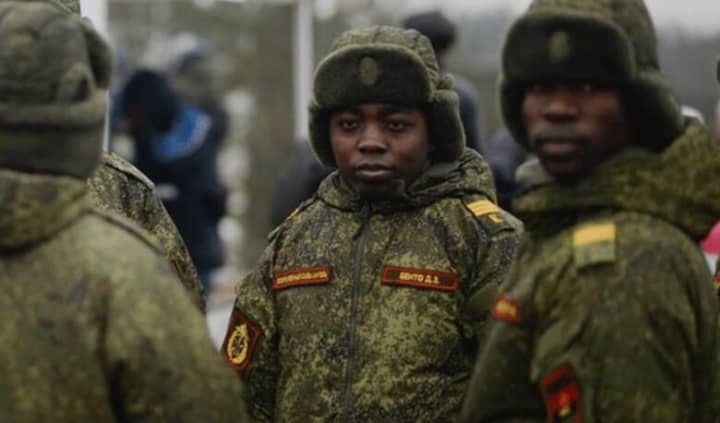
Ukraine

Putin Says NATO Has Failed To Defeat Russia Through Ukraine

By Sabiu Abdullahi


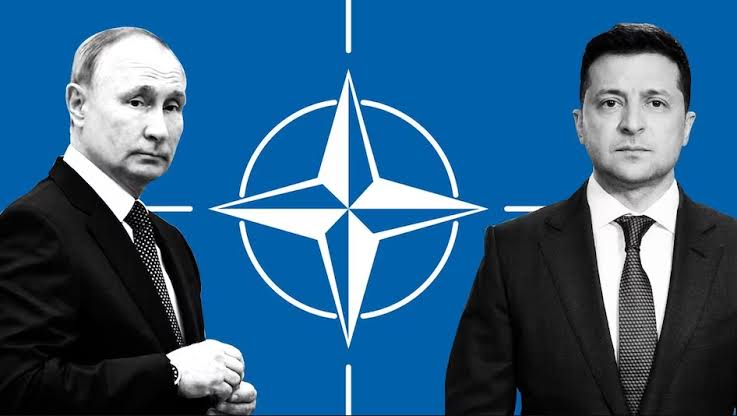
Russian President Vladimir Putin has declared that NATO has been unable to achieve its objective of defeating Russia through the conflict in Ukraine, as he renewed criticism of the Western military alliance.

Putin made the remarks at the Kremlin during a meeting with military personnel involved in what Moscow describes as its special military operation. The event formed part of activities marking Russia Day.

According to the Russian leader, his country is confronting what he called the collective West, led by NATO, with several nations backing actions against Russia.

”It was them (NATO) who started the war,” he emphasized. “I have said this many times, we did not initiate the conflict when the special military operation began (in 2022).”

Putin maintained that developments in Ukraine before the outbreak of hostilities forced Russia to take action. He argued that what he described as NATO’s “coup d’etat in Ukraine” and the deployment of military systems prompted Moscow to protect residents of Crimea in 2014, which later contributed to fighting in eastern Ukraine.

“We did not wake up one day and decided that we would start a war tomorrow,” he said. “For eight years, we attempted to achieve a peaceful settlement.”

The Russian president also recalled efforts by Moscow to encourage dialogue between Ukrainian authorities and residents of southeastern Ukraine. He said Russia repeatedly received assurances that existing agreements would be implemented.

Putin further claimed that recent statements from Western officials showed that the Minsk Agreements were used to give Kyiv time to strengthen its military capabilities before continuing the conflict.

He also criticized countries that joined NATO, alleging that some did so “in the hope of securing their share of the benefits.”

Addressing ongoing diplomatic efforts involving Ukraine and several European countries, Putin said Russia remains open to discussions. However, he stressed that any agreement must take into account Moscow’s “long-term” interests.

”There is only one piece of advice we can offer our adversaries: do not fight Russia. Never attempt to do so,” he warned. “Those (talks) must be genuine negotiations, not ultimatums.”

The comments come as diplomatic efforts to find a resolution to the Russia-Ukraine conflict continue, more than four years after the war escalated in 2022.

Ukraine Reports Death of Another Nigerian Fighting Alongside Russian Troops


By Anwar Usman

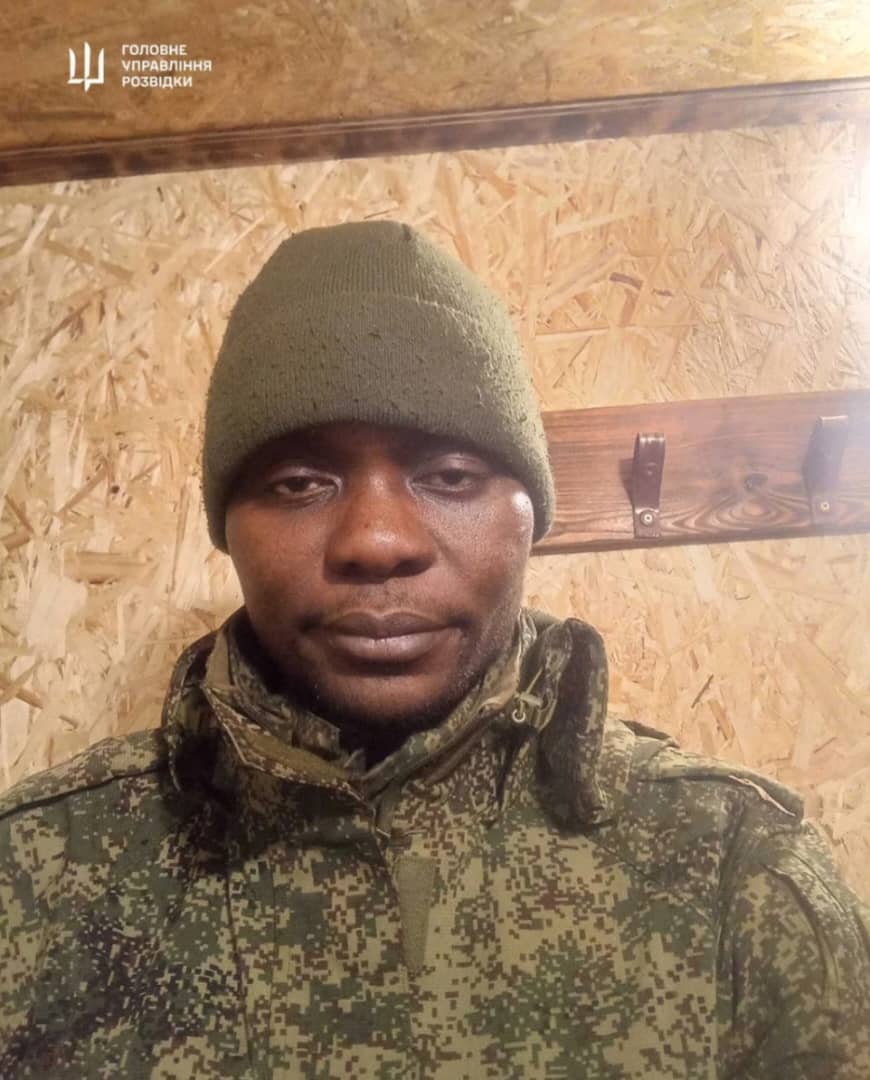
The Ukraine Defence Intelligence has reported the death of another Ayebusiwa Olabode Victor, a Nigerian, who was allegedly killed while fighting alongside Russian forces in the ongoing war with Ukraine.

This was disclosed in a statement by the Ukrainian National News Agency, Ukrinform, and the country’s Defence Intelligence arm, the Main Intelligence Directorate of Ukraine on Thursday.

Victor, born April 28, 1992, was said to be from Ilutitun in Ondo State and  he was killed in the Kharkiv region near the settlement of Hrafske during combat operations involving Ukrainian troops.

The agency revealed that Victor signed a mercenary contract in late February 2026, a week after Nigeria’s Ministry of Foreign Affairs urged  citizens to stay away from illegal recruitment into foreign conflicts.

It alleged that many foreign recruits were lured through promises of employment and quick financial gain, only to be deployed to the frontline shortly after arrival in Russia.

“Their story is typical… deception, promises of ‘easy money,’ a week of training, deployment to the front, and a quick death,” the statement read.

The Ukrainian authorities further revealed that recruitment networks use social media platforms such as Facebook and WhatsApp to target African nationals.

It claimed victims are issued visas and one-way tickets, and upon arrival in Moscow, their passports are seized under the guise of documentation processing.

They are then allegedly told there is no job, no valid visa, and no means of return, leaving them with limited options.

“Deportation with debt, imprisonment, or signing a contract with the occupying army,” the agency said, describing the alleged choices faced by recruits.

The report also cited figures suggesting that at least 215 Nigerians have signed contracts with the Russian Ministry of Defence, while about 25 are either dead or missing in action.

The Ukrainian intelligence agency urged Nigerians to resist recruitment attempts and avoid being drawn into what it called an “illegal war,” while encouraging victims or targets of recruitment schemes to report through its designated support channels.

Ukraine Accuses Russia Of Supplying Iran With Intelligence Ahead Of Attack On US Base

By Sabiu Abdullahi

Fresh reports have emerged that Russia provided intelligence support to Iran shortly before a major strike on a United States military base in Saudi Arabia, an attack that left several American personnel injured.

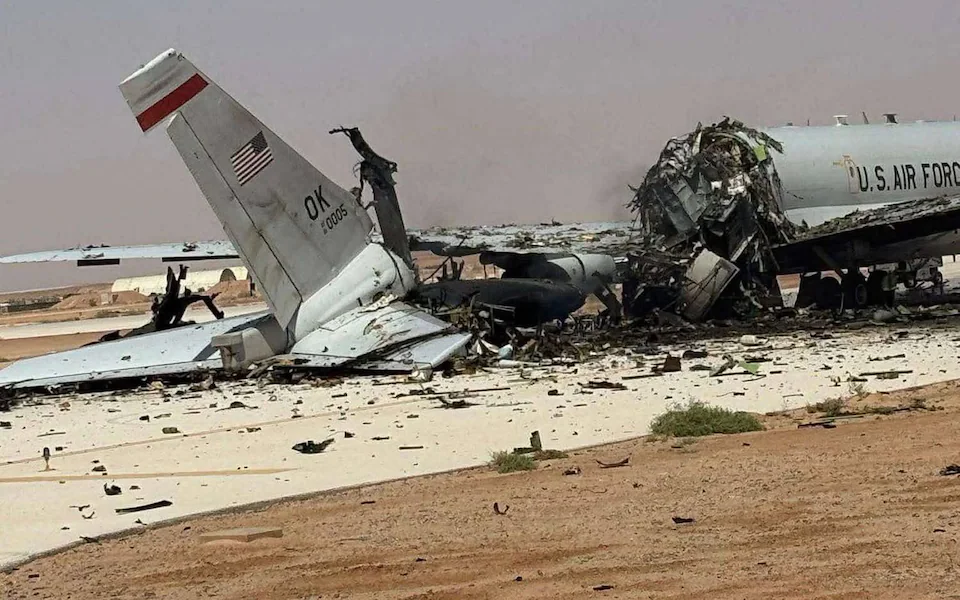
According to Ukrainian authorities, Russian satellite data was shared with Iran in the days leading up to the assault on Prince Sultan Air Base in Al Kharj. The strike, which involved missiles and drones, injured at least 12 US troops and caused significant damage to military assets.

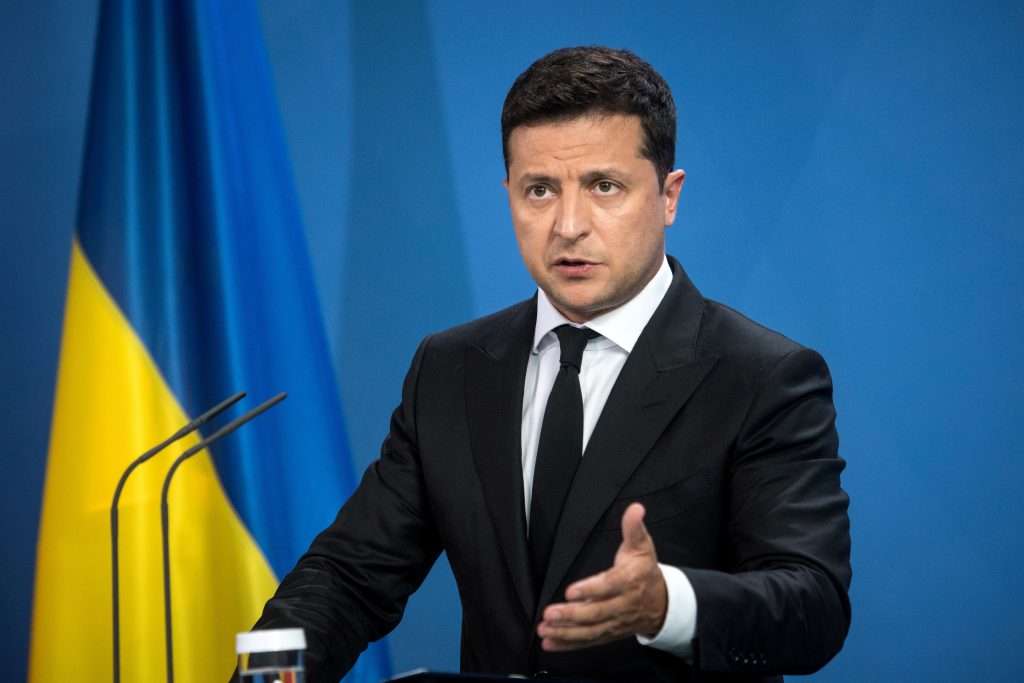
Volodymyr Zelensky said Russian surveillance activity intensified prior to the attack. He revealed that Kremlin satellites captured images of the base three separate times, suggesting a deliberate pattern.

“We know that if they make images once, they are preparing. If they make images a second time, it’s like a simulation. The third time it means that in one or two days, they will attack,” he told NBC News.

The Ukrainian leader added that he was “100 per cent” certain that Russian intelligence played a role in helping Iranian forces target American troops in the region.

The strike destroyed a high-value E-3 Sentry radar aircraft, reportedly worth hundreds of millions of pounds, and also damaged refuelling planes stationed at the base. Military analysts describe the incident as one of the most serious breaches of US air defences since the conflict began last month.

Moscow has denied passing intelligence to Tehran. However, Russian officials acknowledged that they have supplied Iran with “certain types of military equipment.” European intelligence sources now believe Russia may be preparing to deliver additional military hardware, including attack drones.

The development comes amid rising tensions across the Middle East. Reports indicate that the United States is reviewing possible ground operations targeting strategic Iranian مواقع, including key oil infrastructure. At the same time, Iran has warned that its forces are ready to respond to any escalation.

The situation remains fluid, with diplomatic efforts ongoing in several countries aimed at reducing hostilities and preventing a wider regional conflict.

Cheap Drones, Costly Consequences

By Zayyad I. Muhammad

Low-budget drones are reshaping the architecture of modern warfare in ways that were unimaginable just a decade ago. They allow combatants to engage targets with minimal human contact, reduced battlefield exposure, and significantly fewer casualties. Unlike traditional air power that requires expensive fighter jets, trained pilots, and sophisticated logistics, drones can be produced at low cost, deployed quickly, and operated remotely with high precision. This shift is lowering the barrier to entry for military capability and redefining how wars are fought.

More importantly, this transformation is changing the balance of power between strong and less-powerful nations. Previously, military dominance depended heavily on air superiority, armoured divisions, and naval strength, all of which were controlled by a handful of major powers. Today, relatively smaller or less-equipped countries can use swarms of low-cost drones to challenge technologically advanced militaries. This has made conflicts more prolonged, unpredictable, and difficult to decisively win. Even well-funded armies now face persistent threats from inexpensive systems that are hard to detect and cheap to replace.

The Ukraine-Russia war is a clear example of this shift. A country with fewer conventional military resources has been able to slow down and at times stall a larger, more powerful opponent by using drones for surveillance, artillery guidance, and direct strikes. Commercial-style drones modified for military use have destroyed tanks, disrupted supply lines, and targeted command positions. This has contributed to battlefield stalemates and reduced the effectiveness of traditional heavy military advantage.

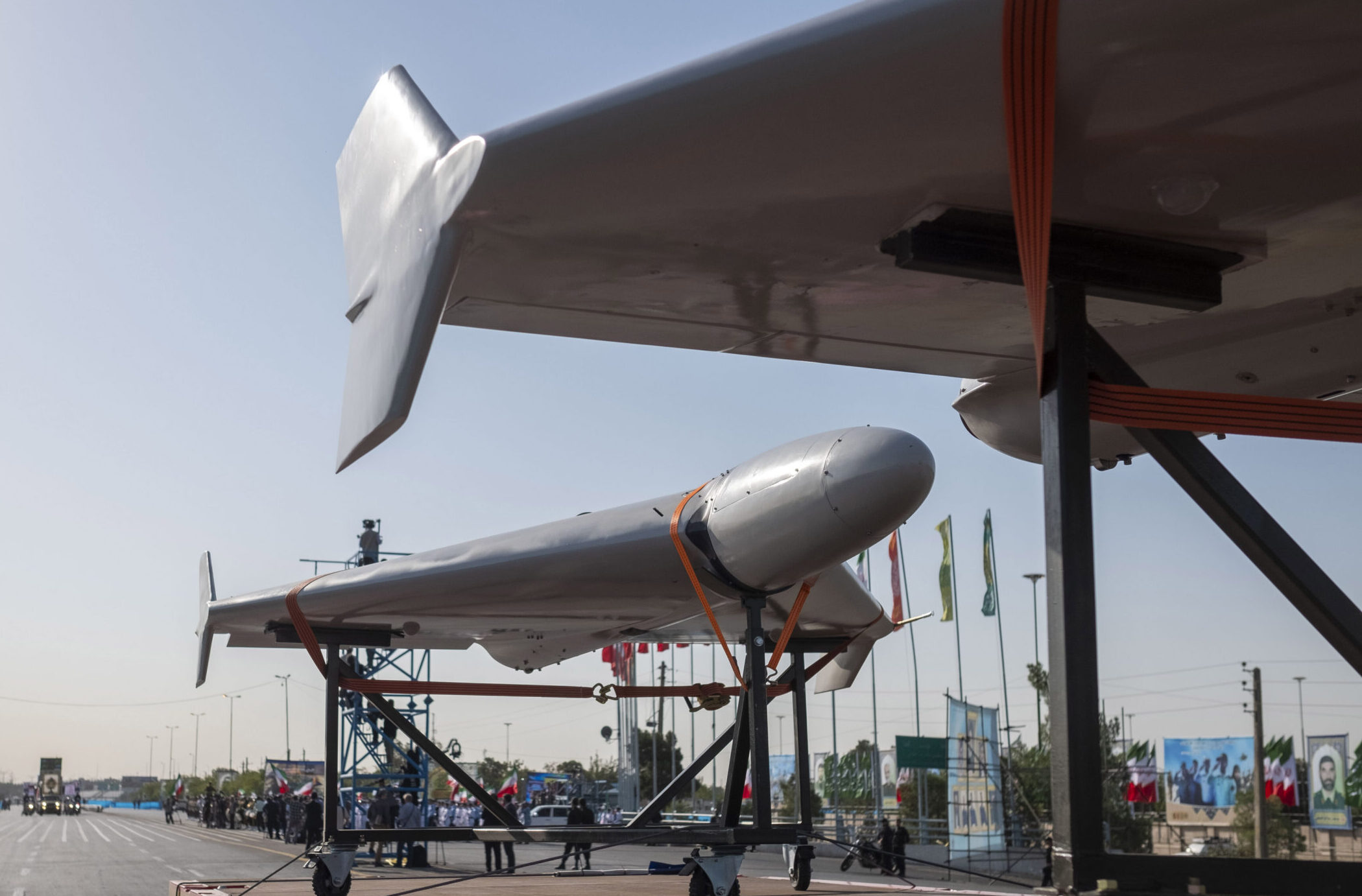
Similarly, the United States-Israel-Iran war has demonstrated how drone technology is changing deterrence dynamics. Iran, with its Shahed drones, was able to withstand the US and Israel at the same time, including being able to attack other countries. Iran was able to attack military bases, infrastructure, or naval assets across the Gulf and Israel using its relatively cheap drones; these have altered strategic calculations of the entire war. Furthermore, this suggests that even nations without overwhelming conventional strength can project power and create credible resistance.

However, while low-cost drones provide tactical advantages, they also introduce serious risks. The biggest concern is that non-state actors, militias, insurgent groups, and even criminal organisations can now access and deploy drone technology. Unlike fighter jets or missiles, drones are easier to acquire, modify, and operate. This increases the likelihood of asymmetric attacks against states, critical infrastructure, and civilian targets. What was once the exclusive domain of national militaries is now accessible to smaller groups with limited funding.

In essence, low-cost drones have ‘democratised’ air power. They have changed the face of war, reshaped military strategy, and reduced the dominance of traditional superpowers. But at the same time, they have introduced a new era of insecurity where conflicts may become more frequent, more decentralised, and harder to control. The same technology that reduces casualties on one side also increases the risk of widespread, unpredictable confrontations, especially when used by non-state actors beyond conventional rules of engagement.

This trend is no longer limited to state actors alone. Multiple credible reports and security analysts confirm that Boko Haram and ISWAP (Islamic State West Africa Province) have increasingly deployed low-budget, commercially available (COTS) drones, often modified quadcopters, in attacks on Nigerian military positions in the Northeast. These drones are reportedly used for surveillance, reconnaissance, and in some cases, direct strikes against troop locations and defensive positions.

Beyond Nigeria, other non-state actors in different parts of the world have also been reported to use low-budget, commercially available drones, typically inexpensive quadcopters or FPV models, modified with improvised explosives, grenades, mortar rounds, or IEDs. These systems are deployed for intelligence gathering, target acquisition, and direct attacks. The accessibility of these platforms makes them attractive tools for irregular forces seeking to offset conventional military disadvantages.

 Zayyad I. Muhammad writes from Abuja via zaymohd@yahoo.com.
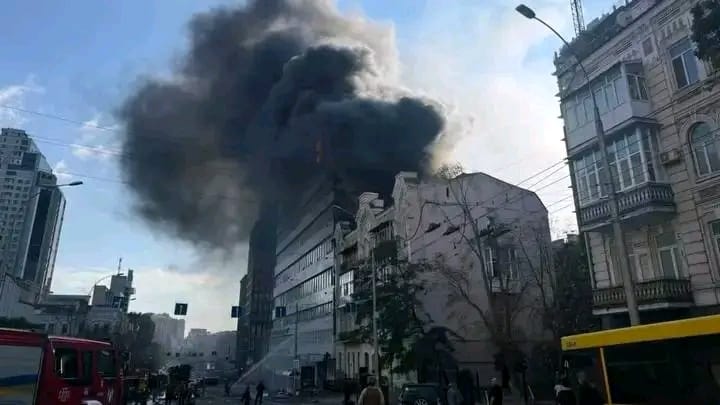
Putin Wants a Long War – Zelenskyy Highlights How Iran Conflict Benefits Russia

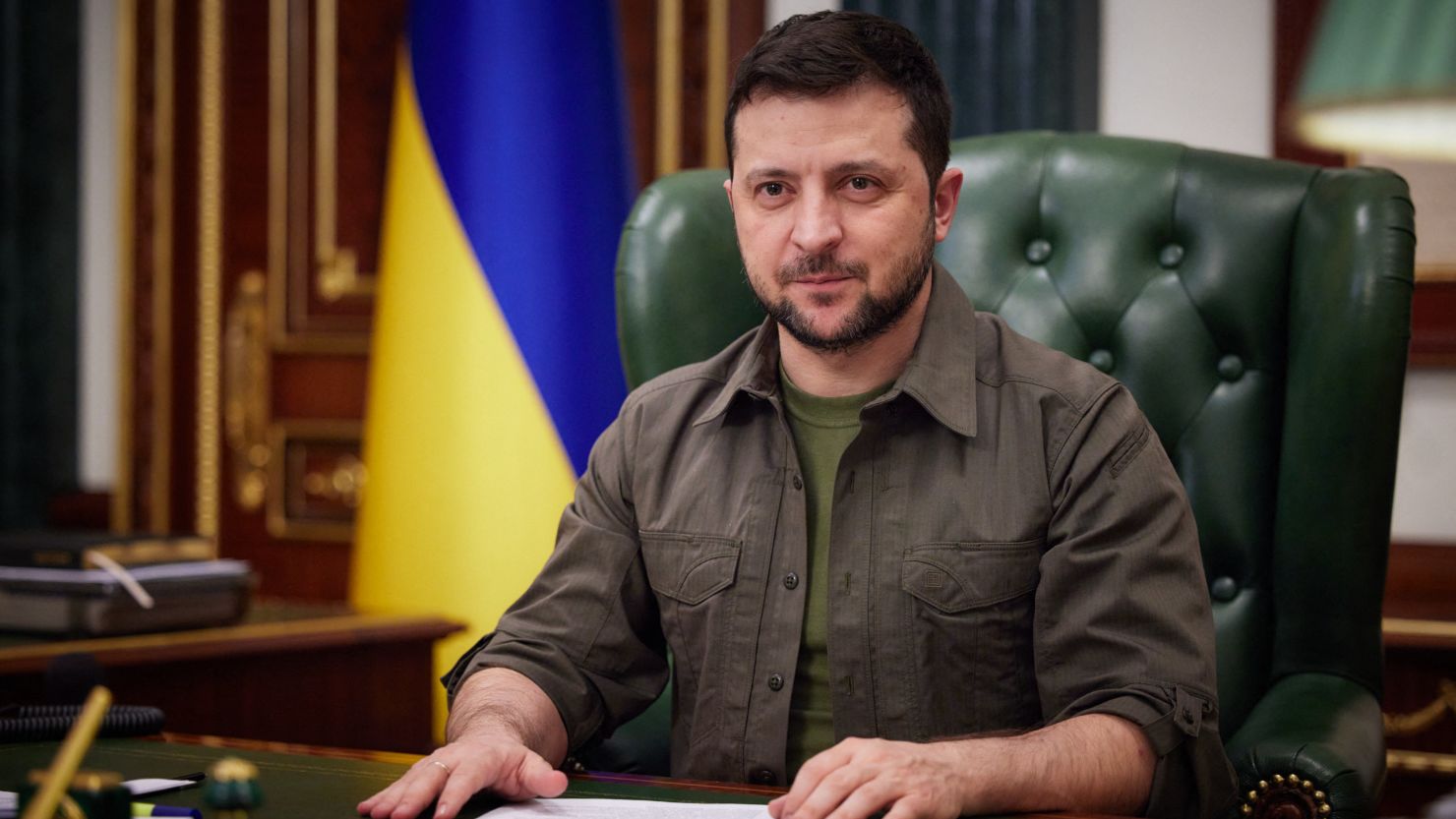
Ukrainian President Volodymyr Zelenskyy has said that Russia is the main beneficiary of the ongoing conflict between the United States, Israel, and Iran.

Reports say the Donald Trump administration recently gave countries a 30-day window to purchase Russian oil and petroleum products that had been stuck at sea due to sanctions. This move aimed to help reduce rising oil prices caused by the ongoing Middle East conflict.

Since Russia launched its full-scale invasion of Ukraine in February 2022, it has faced sanctions from the US and European nations. Analysts, however, have said that easing these sanctions could provide Moscow with significant funds, which it could use to continue its war in Ukraine.

When asked whether Russian President Vladimir Putin is benefiting from the sanctions relief, which has drawn criticism from many European countries, Zelenskyy told the BBC:

“Putin wants a long war. For Putin, the Iranian campaign is a plus. Besides high energy prices, it also means the US is running out of resources and the companies that make air defence systems are also facing shortages – so there’s a lack of resources overall.

“So, it’s good for Putin that the resources aren’t being used against Ukraine, which is where he’s sending his army and fighting. He needs to weaken US and this is a long process. One way to do that is the Middle East.”

Zelenskyy added that the situation shows how the Middle East conflict diverts US attention and resources away from the war in Ukraine, giving Russia a chance to prolong the conflict.

Iran declares Ukraine a ‘legitimate target’ over alleged drone support to Israel

By Sabiu Abdullahi

Iran has warned that Ukraine could become a target after Tehran accused Kyiv of providing drone assistance to Israel.

Ebrahim Azizi, who heads Iran’s parliamentary national security committee, made the claim on the social media platform X. He alleged that Ukraine had effectively joined the ongoing conflict.

“By providing drone support to the Israeli regime, failed Ukraine… has turned its entire territory into a legitimate target for Iran,” Mr Azizi wrote. He did not present evidence to support the allegation.

Ukraine has not officially confirmed any drone assistance to Israel. However, Kyiv has deployed military specialists to countries such as Qatar, the United Arab Emirates, and Saudi Arabia.

Earlier this week, Ukrainian President Volodymyr Zelensky said several countries had asked Ukraine to help counter Iranian-made Shahed drones. According to him, the requests came from 11 nations, including the United States and several countries in the Middle East and Europe.

Zelensky also met Reza Pahlavi, the exiled Crown Prince of Iran, in Paris on Friday. The meeting focused on the ongoing conflict involving Iran.

Iran’s envoy to Ukraine, Shahriar Amouzegar, dismissed Ukraine’s actions in the Middle East. Speaking to AFP on Saturday, he said: “As for the actions Ukraine is taking in the Middle East against drones, we essentially consider them nothing more than a joke and a showy gesture.”

Iran maintains close strategic relations with Russia. The two countries cooperate on military technology, intelligence sharing, and regional security matters.

Ukraine’s foreign ministry responded strongly to the threat from Tehran. Heorhii Tykhyi, a ministry spokesman, accused Iran of helping Russia attack Ukraine.

“The Iranian regime has been supporting the murder of Ukrainians for years by directly supplying drones and technology for Russia’s aggression against Ukraine.

“Hearing anyone from that regime threaten Ukraine while citing the right to self-defence enshrined in Article 51 of the UN Charter is absurd. It’s like hearing a serial killer justify his crimes by citing the criminal code.”

Iran-designed Shahed-136 drones have frequently struck Ukrainian cities since at least 2024. Russia initially relied on Iranian supply but later began producing the drones locally and upgrading the designs.

Since the United States and Israel began strikes on Iran on February 28, reports suggest the Kremlin has shared intelligence with Tehran. The information is believed to assist Iranian attacks on US military targets and personnel in the region.

Zelensky also accused Moscow of increasing its military support for Iran.

“Russia has started supporting the Iranian regime with drones. It will definitely help with missiles, and it is also helping them with air defence,” Mr Zelensky said on Wednesday.

Britain’s Defence Secretary, John Healey, also linked Russia to Iranian military operations in the Middle East. He said President Vladimir Putin may be influencing Tehran’s drone campaign against Western forces and their allies.

Mr Healey spoke after Iranian drones struck a coalition air base in Erbil in northern Iraq. British forces intercepted two drones, but others managed to hit the facility on Wednesday night.

“No one will be surprised to believe that Putin’s hidden hand is behind some of the Iranian tactics and potentially some of their capabilities as well,” the Defence Secretary added.

Meanwhile, Russia announced it had delivered 13 tons of humanitarian aid to Iranian authorities through Azerbaijan. The shipment followed instructions from President Vladimir Putin.

Officials in Moscow also confirmed frequent communication between Russian and Iranian leaders. Kremlin spokesman Dmitry Peskov said Putin remains in “constant contact” with Tehran’s leadership.

During a phone conversation with Donald Trump on Monday, Putin reportedly suggested moving Iran’s enriched uranium to Russia as part of proposals aimed at ending the conflict.

“This is not the first time it was offered. It hasn’t been accepted. The US position is we need to see the uranium secured,” a US official told Axios.

Russia has criticised the United States and Israel for attacking Iran. Moscow described the strikes as “the implementation of a long-cherished plan to violently overthrow the constitutional order of a sovereign state that Washington and Tel Aviv dislike.” It also called for an immediate end to the fighting.

However, analysts estimate that rising global oil prices linked to the conflict may bring Russia as much as $150 million in additional revenue each day. The International Energy Agency described the situation on Thursday as “the largest supply disruption in the history of the global oil market.”

Zelensky offers drone support to Gulf States in exchange for ceasefire with Russia

By Sabiu Abdullahi

Ukrainian President Volodymyr Zelensky has proposed sending his country’s leading drone interception specialists to the Middle East. He said the support would be provided if Gulf leaders persuade Russian President Vladimir Putin to accept a temporary ceasefire in Ukraine.

Zelensky made the proposal after a series of Iranian drone strikes targeted countries including the United Arab Emirates, Bahrain, Kuwait, Qatar and Saudi Arabia. He noted that Ukraine has built strong expertise in countering such attacks after four years of war with Russia.

One of the Iranian-made drones struck the British Royal Air Force base in Akrotiri, Cyprus, on Monday. Security forces intercepted two other drones hours later.

“I would suggest the following: leaders of the Middle East have great relations with Russians. They can ask Russians to implement a month-long ceasefire,” Mr Zelensky told Bloomberg. “In exchange, we will send our best operators of drone interceptors to the Middle East countries.”

He said the ceasefire could last two months or even two weeks. He explained that the pause would allow Ukraine to deploy assistance aimed at protecting civilians in affected countries.

Kyiv and its European partners have repeatedly called for an unconditional ceasefire. Moscow has turned down those appeals. Russian officials insist they are prepared to discuss what they describe as a “lasting peace,” while placing strict conditions on any settlement.

On Monday, President Putin held phone conversations with leaders from Bahrain, the UAE and Qatar. These countries have faced recent Iranian drone attacks. Kremlin spokesman Dmitry Peskov said Russia remains “in constant contact with the Iranian leadership.”

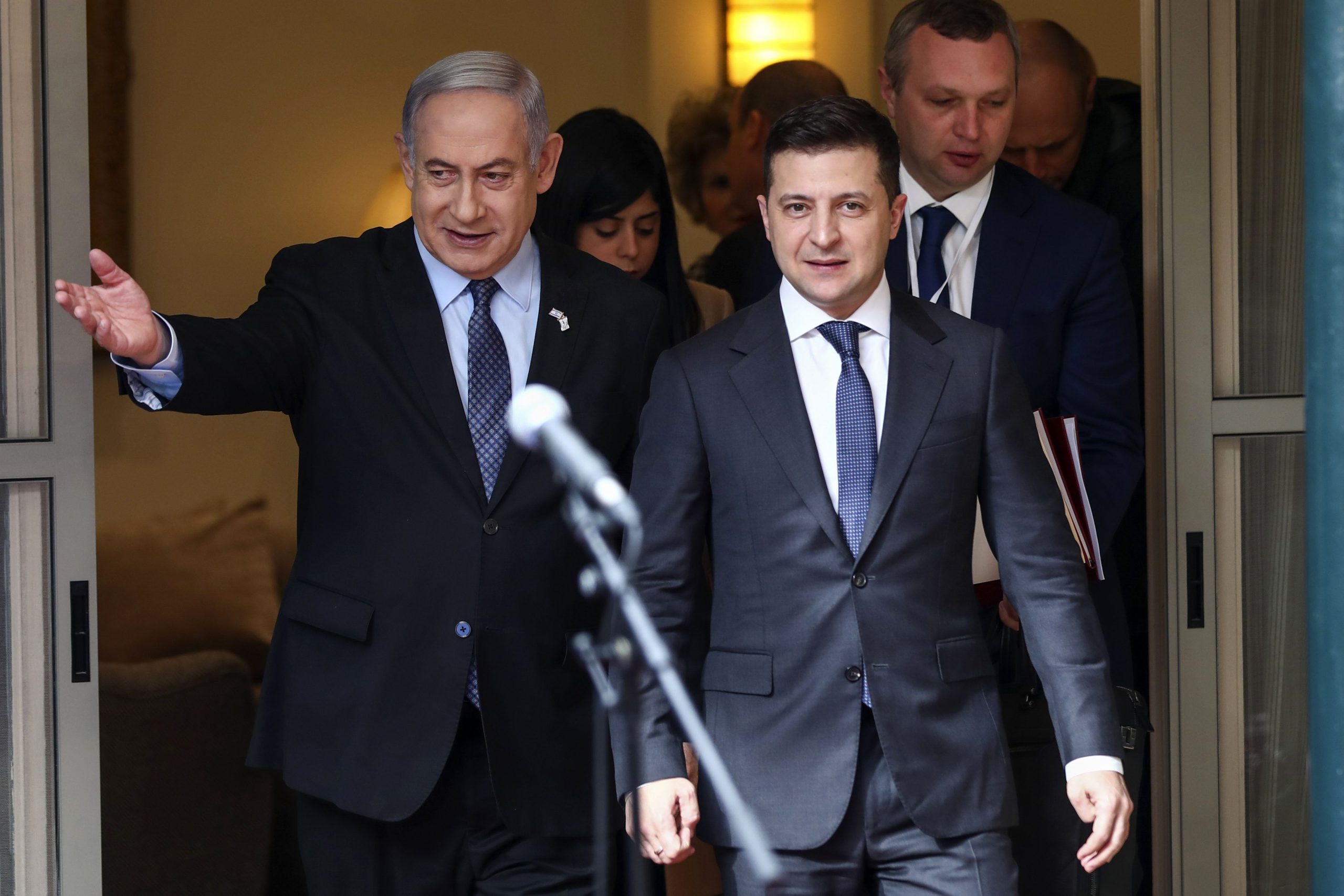
“For sure, the UAE, Saudi Arabia, Qatar have good relations, first of all economic, with Putin,” Zelensky said. “We can help Israel in the same way.”

Zelensky stated that Russia has launched more than 57,000 Shahed drones at Ukraine since the invasion began four years ago. He said the drones often target power facilities, warehouses and residential areas.

The drones were first designed by an Iranian firm, Shahed Aviation Industries Research Centre. Russia now produces many of them at a factory in Yelabuga, located in the Republic of Tatarstan.

Ukraine uses a coordinated air defence structure that combines mobile ground units, anti-aircraft missiles and radio-electronic systems. Zelensky described the system as “irreplaceable.”

He voiced support for recent US and Israeli military action against Iran. He argued that Tehran “chose to become Putin’s accomplice” by supplying military equipment to Moscow.

At the same time, Zelensky warned that a prolonged conflict in the Middle East could affect Ukraine’s access to air defence supplies. Kyiv depends heavily on US-made Patriot systems, which are also deployed by American forces in the region.

“We understand that a long war… and the intensity of the fighting will affect the amount of air defence equipment we receive,” he said.

Ukraine’s Foreign Minister Andrii Sybiha said recent developments show weakening support for Moscow among its allies. “Assad, Maduro and now Khamenei. Putin has lost three of his closest pals in little more than a year,” he said. “The domino of deposed dictators must continue, and Putin’s fall one day is inevitable.”

Meanwhile, Putin has presented Russia as a potential mediator in the crisis. He condemned what he described as the “cynical” killing of the Iranian Supreme Leader and held discussions with leaders in Iran and the Gulf region.

Some pro-Kremlin commentators have argued that US military action could disrupt peace efforts in Ukraine. “Diplomacy was destroyed as a tool on Saturday,” said Vladimir Solovyov on Russia-1 television. “It is now completely obvious to us that any negotiation process is nothing more than part of a military operation designed to pacify the enemy.”

Ukraine recovers bodies of Nigerians allegedly combatting for Russia

Ukrainian authorities have announced the recovery of the bodies of two Nigerian nationals in the Luhansk region, alleging that they were fighting on the side of Russia in the ongoing war between both countries.

In a statement issued on Thursday, Ukraine’s Defence Intelligence identified the deceased as Hamzat Kazeen Kolawole, 42, and Mbah Stephen Udoka, 38.

According to the agency, the two men were enlisted in the 423rd Guards Motor Rifle Regiment, military unit 91701, under the 4th Guards Kantemirovskaya Tank Division of the Armed Forces of the Russian Federation.

“Both served in the 423rd Guards Motor Rifle Regiment of the 4th Guards Kantemirovskaya Tank Division of the Armed Forces of the Russian Federation,” the statement said.

The report stated that the Nigerians signed contracts with the Russian Army in the second half of 2025. Kolawole reportedly enlisted on August 29, while Udoka signed on September 28.

Ukrainian intelligence disclosed that Udoka was deployed on October 3, five days after signing his contract, despite lacking prior military experience.

“Udoka had no documented military training before his deployment,” the statement noted, adding that no training records were found for Kolawole, which suggested he may also have been sent to the battlefield without proper preparation. It added that Kolawole left behind a wife and three children in Nigeria.

The agency said the two Nigerians died in late November during a drone strike. The incident occurred while they were allegedly attempting to launch an attack on Ukrainian positions in the Luhansk area.

“Ukraine’s Defence Intelligence warns foreign citizens against travelling to the Russian Federation or accepting any form of employment on the territory of the aggressor state,” the statement cautioned.

It further warned that such travel carries a “real risk of being forced into so-called ‘suicide’ assault units and ultimately dying on Ukrainian soil.”

The development followed a recent report by CNN which alleged that several Africans, including citizens of Nigeria, Ghana, Kenya and Uganda, were recruited to Russia under the guise of civilian employment such as drivers and security guards. The report claimed that many were later compelled into military service and deployed to combat zones with little training.

However, the Russian Ambassador to Nigeria, Andrey Podyelyshev, dismissed the allegations. He denied claims that Russia engaged in deceptive recruitment or forced enlistment of foreign nationals.

EXCLUSIVE: Nigerian families counter Russia’s denial of recruiting Nigerians for Ukraine war


By Abdullahi Mukhtar Algasgaini

A report citing the Russian government’s denial of recruiting Nigerians to fight in Ukraine is facing direct challenge from evidence within Nigerian communities.

This follows an article published on 10 February 2026, which relayed the Russian Embassy’s statement refuting any state-sponsored recruitment program.

The rebuttal, provided by a Kaduna state resident, presents a concrete counter-narrative. The individual states that a neighbor, a Nigerian national, voluntarily enlisted in the Russian military, was deployed in connection with the Ukraine conflict, but he doesn’t detail his recruitment process and contract terms to family and community before leaving.

“This direct evidence renders the blanket denial incomplete and misleading,” the source wrote in a communication to the Daily Reality editorial team. The account suggests recruitment is operational through pathways potentially involving private military companies or intermediaries, even if not an official government scheme.

The source argues the situation of the four deceased Nigerians previously reported—Adam Anas, Akinlawon Tunde Quyuum, Abugu Stanley Onyeka, and Balogun Ridwan Adisa—may represent only the most tragic outcomes of a broader phenomenon.

The Russian Ambassador’s offer to investigate “illegal organisations or individuals” if provided details is cited as an implicit acknowledgment that the recruitment of Nigerians is occurring.

The challenge calls for amended reporting that separates diplomatic rhetoric from ground truth, proposing a revised summary.

The core issue, the source contends, is no longer if Nigerians are fighting, but how they are recruited, under whose authority, and with what safeguards. The families of those recruited and the Nigerian public, they state, require answers beyond a simple denial.

EXCLUSIVE: Nigerian families counter Russia’s denial of recruiting Nigerians for Ukraine war


By Abdullahi Mukhtar Algasgaini

A report citing the Russian government’s denial of recruiting Nigerians to fight in Ukraine is facing direct challenge from evidence within Nigerian communities.

This follows an article published on 10 February 2026, which relayed the Russian Embassy’s statement refuting any state-sponsored recruitment program.

The rebuttal, provided by a Kaduna state resident, presents a concrete counter-narrative. The individual states that a neighbor, a Nigerian national, voluntarily enlisted in the Russian military, was deployed in connection with the Ukraine conflict, but he doesn’t detail his recruitment process and contract terms to family and community before leaving.

“This direct evidence renders the blanket denial incomplete and misleading,” the source wrote in a communication to the Daily Reality editorial team. The account suggests recruitment is operational through pathways potentially involving private military companies or intermediaries, even if not an official government scheme.

The source argues the situation of the four deceased Nigerians previously reported—Adam Anas, Akinlawon Tunde Quyuum, Abugu Stanley Onyeka, and Balogun Ridwan Adisa—may represent only the most tragic outcomes of a broader phenomenon.

The Russian Ambassador’s offer to investigate “illegal organisations or individuals” if provided details is cited as an implicit acknowledgment that the recruitment of Nigerians is occurring.

The challenge calls for amended reporting that separates diplomatic rhetoric from ground truth, proposing a revised summary.

The core issue, the source contends, is no longer if Nigerians are fighting, but how they are recruited, under whose authority, and with what safeguards. The families of those recruited and the Nigerian public, they state, require answers beyond a simple denial.