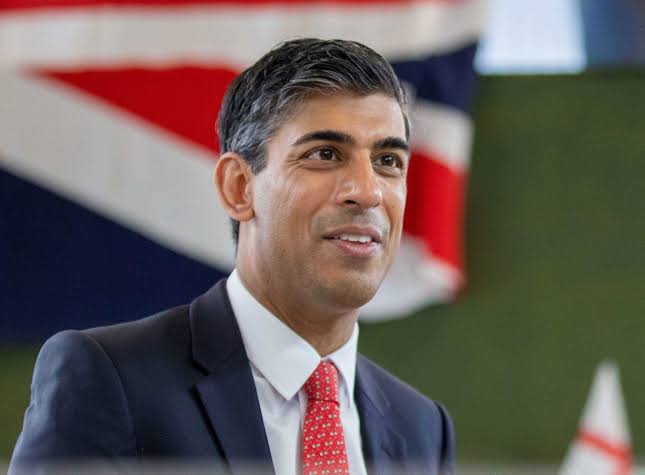
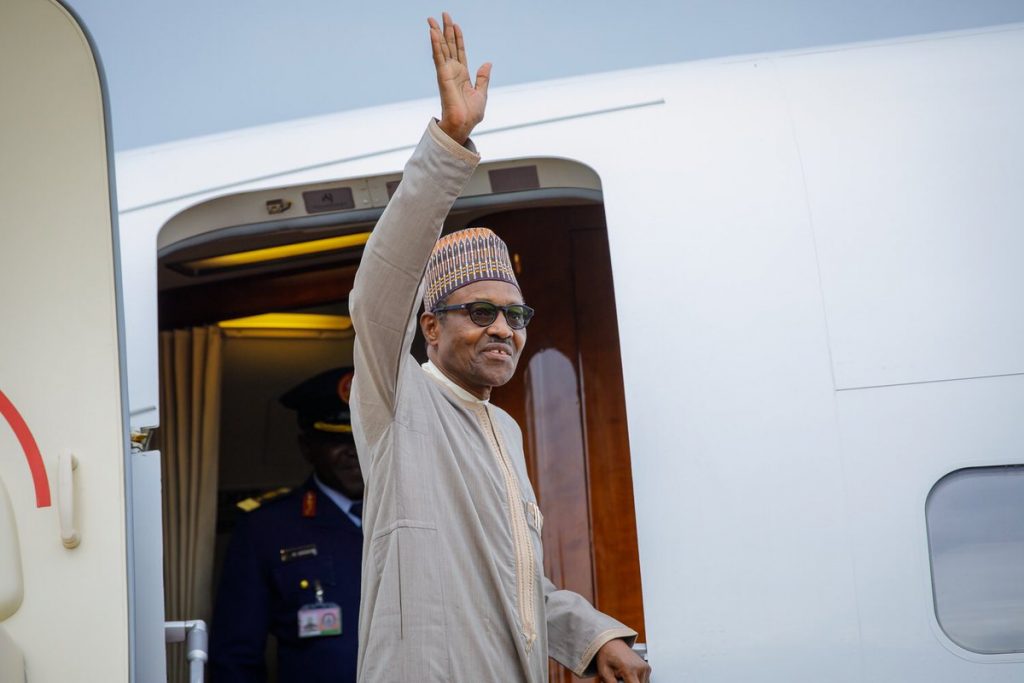
President Bola Tinubu is set to leave Abuja on Wednesday, October 2, for the United Kingdom (UK), where he will begin a two-week working vacation, which forms part of his annual leave.
According to a statement from Bayo Onanuga, the Special Adviser to the President on Information and Strategy, the vacation will also serve as a retreat for the President to reflect on his administration’s ongoing economic reforms.
The statement added that President Tinubu will return to Nigeria at the conclusion of the two-week leave.
I have no intention of aggravating anyone’s feelings over the war in Gaza. I also feel bad about it, even though I don’t write much on the subject. The main reason for this is that nothing surprises me about what is happening. I have completely anticipated what Israel would do as well as the reaction of the Western countries to Israel’s conduct. No UN vetoes or abstentions by the Western countries is a surprise or a shock to me.
My interest in history and current affairs for over 40 years has taught me two uncomfortable truths, which I have written about a few times:
1. Might is right. Powerful civilisations, kingdoms or countries have always done as they wished and will continue to do so until the end. Most other countries would either accept or at least not confront what the powerful countries do.
2. Relations between human societies or countries have never been based on moral considerations and will never be. They have always, and will always be, based on interests. Morality only becomes a consideration when there are no compelling interests to pursue.
When these two truths have been understood, two conclusions can be made:
1. no level of horror of human suffering would make powerful countries stop pursuing their interests. This is why the US and the UK behave like they do at the UN.
2. While it is incumbent upon the less powerful countries to also pursue their interests, they should never get in the way of a powerful country’s pursuit of its interests.
Human beings are not as mentally sophisticated as we might think. We are technically and materially advanced, but the ancient rules still apply. For less powerful countries to survive and flourish, tact is essential. They could get what they wanted through tact but would risk being crushed if they stood in the way of a powerful country.
The only feasible way to take on a powerful country directly is by acquiring more power than them. Until a less powerful country acquires more power, its strategy should be tact, and tact only.
In its effort to curb the high rate of Japa, the United Kingdom’s Home Office has officially rolled out its rigorous policy restricting Nigerian students and other international counterparts from bringing dependents into the country via the study visa route.
This significant development, designed to tighten immigration controls, was announced on the Home Office’s social media platform, X (formerly Twitter), this Monday.
According to the updated regulations, only postgraduate research students and those with government-sponsored scholarships will be exempt from the prohibition on bringing family members.
This follows the implementation of a law in May 2023 that specifically targets the entry of dependents for Nigerian and other international students, reflecting the broader government objective of reducing immigration, which currently stands at approximately one million.
The Home Office reaffirmed its dedication to a substantial reduction in migration, declaring, “We are fully committed to seeing a decisive cut in migration. From today, new overseas students will no longer be able to bring family members to the UK. Postgraduate research or government-funded scholarships students will be exempt.”
In addition to the ban on bringing dependents, the new regulations include the removal of the permission for international students to switch from the student route to work routes before completing their studies, aiming to curtail any misuse of the visa system.
The UK government also announced a comprehensive review of the maintenance requirement for students and their dependents, coupled with a crackdown on “unscrupulous” education agents involved in improper applications that exploit immigration pathways rather than genuine educational pursuits.
A statement on the official site of the UK’s Home Office outlined the government’s objective to significantly reduce net migration by restricting the ability of international students to bring family members, with exceptions only for postgraduate research routes.
The move also seeks to prevent individuals from exploiting student visas as a backdoor route to work in the UK.
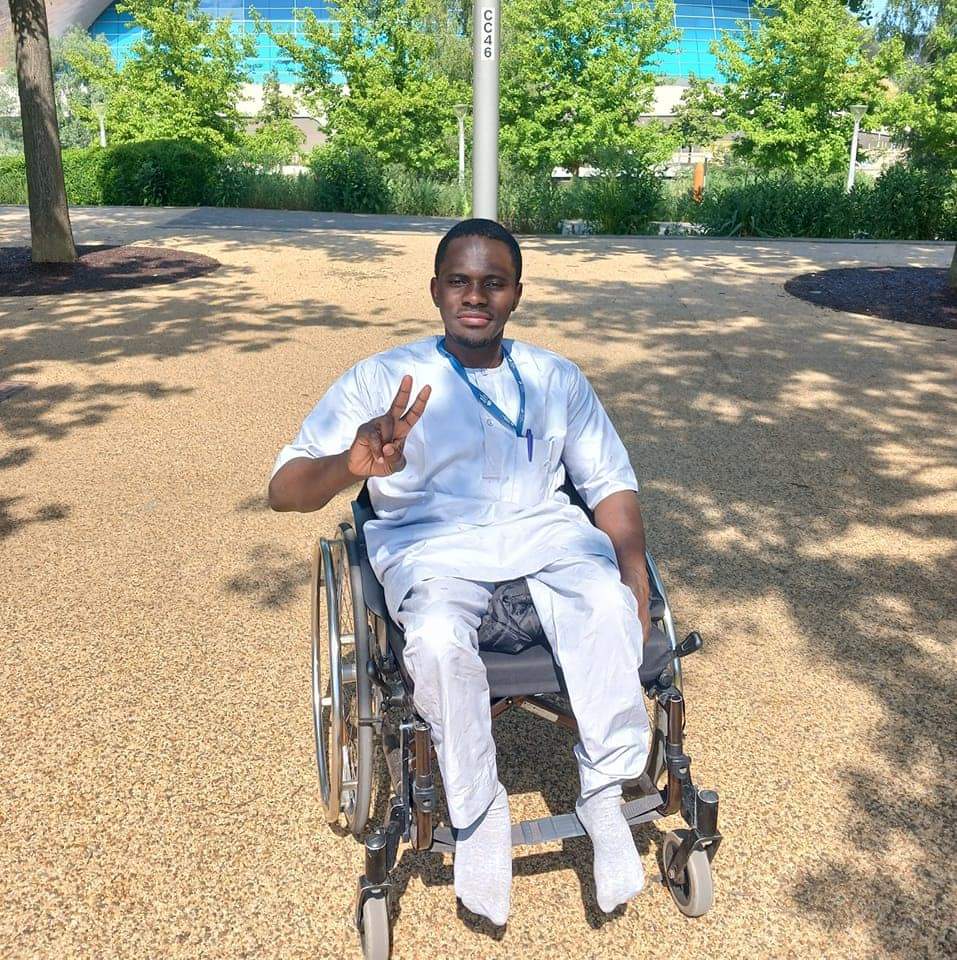
A young lame Nigerian man who defied expectations to not only graduate with a Master’s degree in Public Health and Health Promotion from Brunel University in London but also become a beacon of hope for those facing adversity.
Overcoming the challenges of polio since childhood, Mahmud Abdullahi recently took to Facebook page to share his inspiring journey, a message that resonated deeply with many.
His post, a blend of personal reflection and a call to action for fellow graduates, quickly went viral, sparking jubilation and admiration across social media.
“My story is a blend of challenges and triumphs,” he wrote. “From battling poliomyelitis since infancy to standing here with a Master’s degree – it’s been a ride.”
But for Mahmud Abdullahi, these challenges were not obstacles, but defining moments. “Challenges don’t define us; they refine us,” he wrote, his words echoing a message of unyielding spirit.
His achievement goes beyond a personal victory
Mahmud sees his graduation as a celebration of diversity, inclusion, and the boundless potential of education.
“Today, I wear this cap and gown not just for me,” he stated, “but for everyone who defies expectations.”
He inspires a generation of changemakers, urging his fellow graduates to become “agents of change” in the field of public health, entrusted with the well-being of communities and the pursuit of equity.
The journey wasn’t easy
The late nights, forged friendships, and unwavering support of mentors are memories he cherishes. But above all, it’s the “spirit of resilience” that he credits for bringing him and his fellow graduates to this point.
As they embark on the next chapter, he leaves a powerful message: “No obstacle is too great. Our stories are proof that we’re capable of overcoming anything.”
His story is not just an inspiration for Nigeria, but for anyone who dares to dream and fight for a better future, proving that even the most difficult paths can lead to remarkable achievements.
The UK government has unveiled a comprehensive five-point plan to curb immigration, drawing mixed reactions from various sectors.
The plan aims to address concerns over rising immigration levels and implement stricter measures for those seeking to enter the country.
The plan for the policy
1. Overseas care workers will no longer be able to bring their dependents to the UK. This measure aims to prevent the exploitation of care workers by employers and ensure that they are adequately compensated for their work.
2. The minimum salary requirement for skilled worker visas will be raised from £26,000 to £38,700. This move aims to attract highly skilled workers and ensure they receive fair wages.
3. The 20% minimum wage reduction previously offered to those applying for visas in shortage occupations will be eliminated. This decision aligns with the government’s efforts to ensure fair pay for all workers, regardless of their nationality.
4. The minimum income requirement for family visas will be increased from £18,600 to £38,700. This measure aims to ensure that sponsors can financially support their dependents.
5. The government has requested that the Migration Advisory Committee review the graduate route to prevent abuse. Changes to the student visa are expected to be announced soon.
Expected outcome
The government estimates that the five-point plan will reduce immigration by around 300,000 people annually.
However, critics argue that the plan could hinder the UK’s ability to attract and retain skilled workers, particularly in critical sectors such as healthcare and technology.
Response from the Home Secretary
Home Secretary James Cleverly defended the plan, stating that it is necessary to ensure a “fair, legal, and sustainable” immigration system.
He emphasised the need to address concerns over immigration levels and protect the rights of British citizens.
The UK Government, in collaboration with the British High Commission in Nigeria, has pledged unwavering support to the Jigawa State Government to improve education in the state.
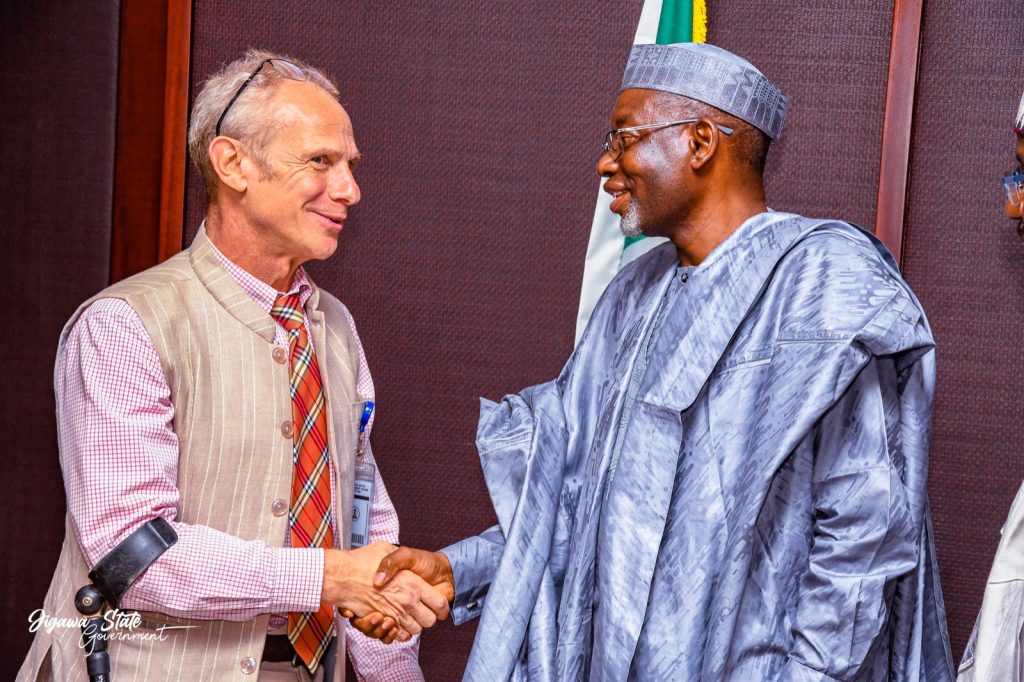
Mr. Ian Attfield, FCDO’s Senior Education Adviser, reiterated this commitment during his recent visit to the state, where he engaged in constructive discussions with Governor Namadi and his State Cabinet.
Attfield’s visit focused on evaluating the impact of the UK government’s initiatives in improving foundational skills and ensuring quality learning opportunities in Jigawa State.
He expressed contentment with the state’s proactive approach to addressing challenges, particularly in education and healthcare.
“We are pleased with your dedication, and we are prepared to fortify our partnership to attain our shared objectives,” Mr. Attfield affirmed, acknowledging the state’s efforts in tackling these issues.
Governor Namadi expressed heartfelt gratitude to the Foreign and Commonwealth Development Office (FCDO) for their continued support.
He emphasised the strides made in various sectors, including education, health, and good governance, with the aid of FCDO’s Partnership for Learning for All in Nigeria (PLANE) and Partnership for Reform and Learning (PERL-ARC) programmes. Governor Namadi also disclosed the allocation of over 2.6 billion naira to recruit, train, and integrate 6,000 new teachers.
This initiative aims to alleviate the acute shortage of teachers in the state, a deficit estimated at around 30,000 educators.
The collaborative efforts between the UK Government and the Jigawa State Government represent a significant advancement in bolstering the educational landscape.
The first COVID-19 variant BA.2.86 case was found in the UK on Friday, according to the United Kingdom Health Security Agency (UKHSA).
UKHSA said in a statement on its website that the new COVID-19 strain was found in a person who had no recent travel history.
“We are aware of a confirmed case in the UK. We will provide further information in due course after undertaking detailed assessment,” Dr. Meera Chand, Deputy Director of UKHSA, stated.
US health authorities and the World Health Organisation (WHO) reported that they were closely observing a new COVID-19 variant.
Despite the fact that WHO classified the virus as a “variant under monitoring,” its potential impact is presently unknown.
The United Kingdom is planning to ban foreign postgraduate students from coming to the country with their relatives except under certain circumstances.
This is part of the government’s effort to reduce the number of immigrants entering the country. Last year, 135,788 visas were issued under the sponsorship of foreign students, almost nine times the number issued in 2019.
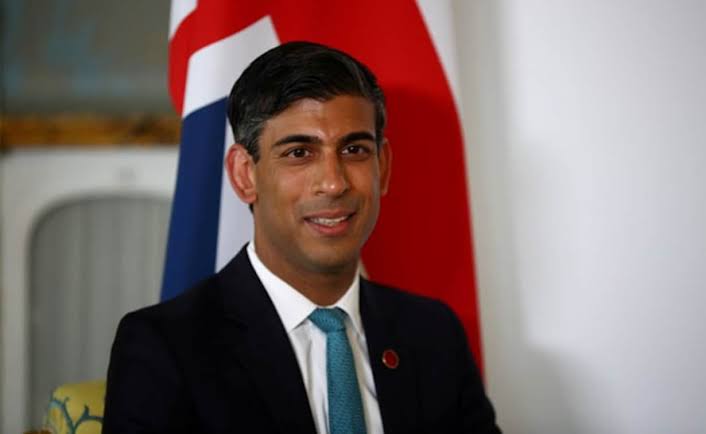
Prime Minister Rishi Sunak told UK ministers that the move would help reduce the number of migrants trooping into the country. He told the ministers that the policy, which will come into effect in January 2024, will help reduce the number of people entering the country.
In the past, the Conservative Party promised to reduce the number of people migrating to the UK to less than 100,000 in total. However, this plan was abandoned before the 2019 election.
President Muhammadu Buhari has returned to Nigeria after his routine medical check-up in London, United Kingdom.
Special Assistant on Digital Communication to the President, Bashir Ahmad, announced the President’s return in a Facebook post on Sunday.
He said,
“President Muhammadu Buhari has returned to Abuja from London, the United Kingdom.”
Amidst criticism of medical tourism, Buhari departed the country for the UK on October 31, 2022, for what the presidency described as a routine medical check-up.
The trip will be one of several medical trips the President has embarked on since assuming office in 2015, spending at least seven months abroad.
The Queen of England, Elizabeth II is under a close medical supervision owing to concerns of her deteriorating health. A statement from Buckingham palace disclosed on Thursday.
The statement reads: “Following further evaluation this morning, the Queen’s doctors are concerned for Her Majesty’s health and have recommended she remain under medical supervision.
“The Queen remains comfortable and at Balmoral.”
This is coming after the Queen met UK new Prime Minister, Liz Truss on Tuesday at Balmoral Castle in Scotland. The Prime Minister has joined the rest of the country to express concern over the Queen’s health
“The whole country will be deeply concerned by the news from Buckingham Palace this lunchtime.
My thoughts – and the thoughts of people across our United Kingdom – are with Her Majesty, The Queen and her family at this time.” She wrote on Facebook.