Senegal

CAF sanctions Senegal coach, players following AFCON final walkout

By Muhammad Abubakar

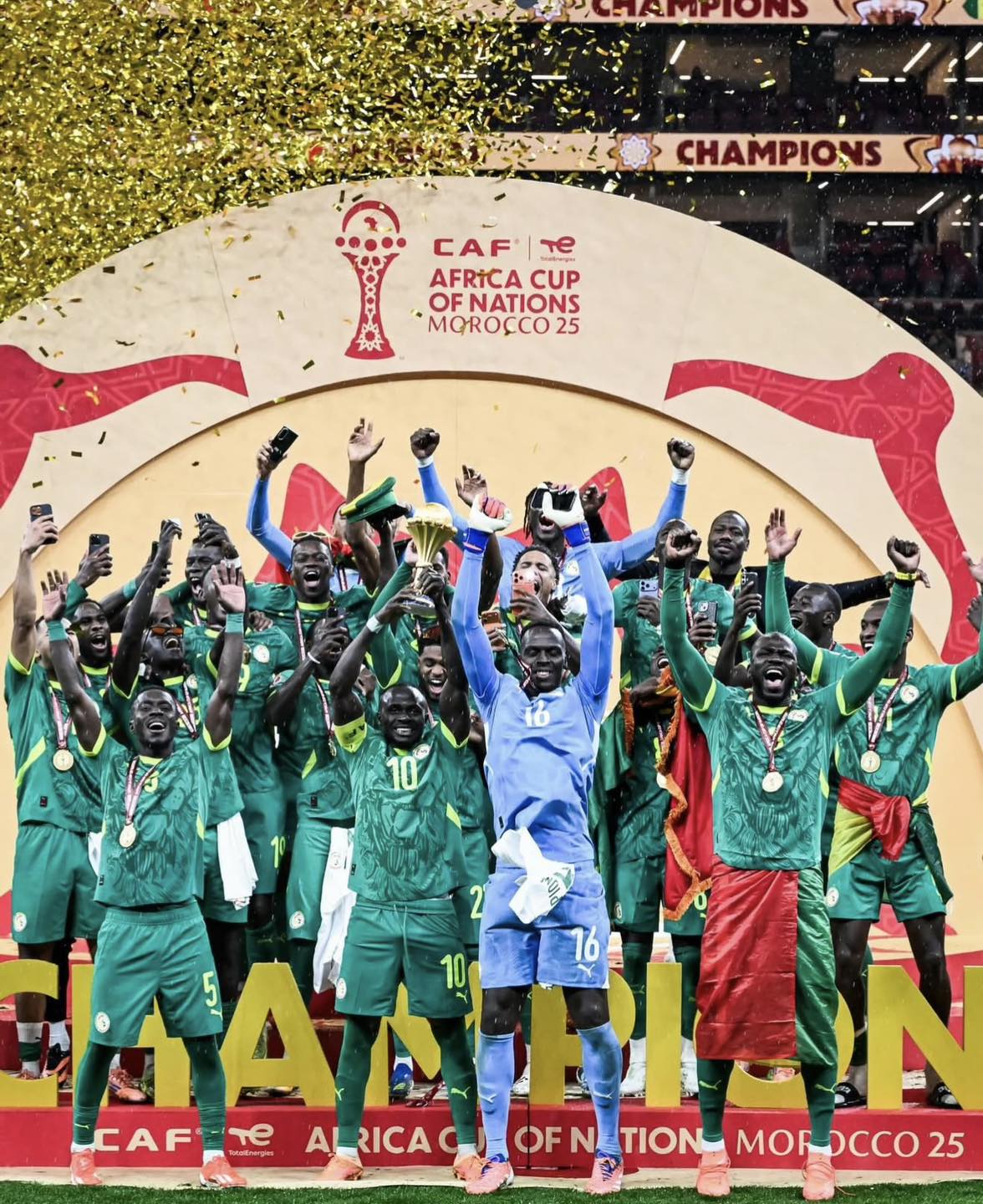
The Confederation of African Football has imposed heavy sanctions on Senegal following the dramatic Africa Cup of Nations final against Morocco, including a five-match suspension and $100,000 fine for coach Pape Thiaw.

Thiaw was penalised for “unsporting conduct” after instructing his players to walk off the pitch during the final. The incident marred Senegal’s championship victory.

Senegalese players Ismaila Sarr and Iliman Cheikh Baroy Ndiaye have each been banned for two CAF matches for similar misconduct. The Senegalese Football Federation faces a substantial $615,000 fine despite lifting the trophy.

Morocco has also been penalised. CAF handed the runners-up a $315,000 fine for improper conduct, whilst defender Achraf Hakimi received a two-match suspension for unsporting actions.

Neither federation has yet announced whether they will appeal the decisions.

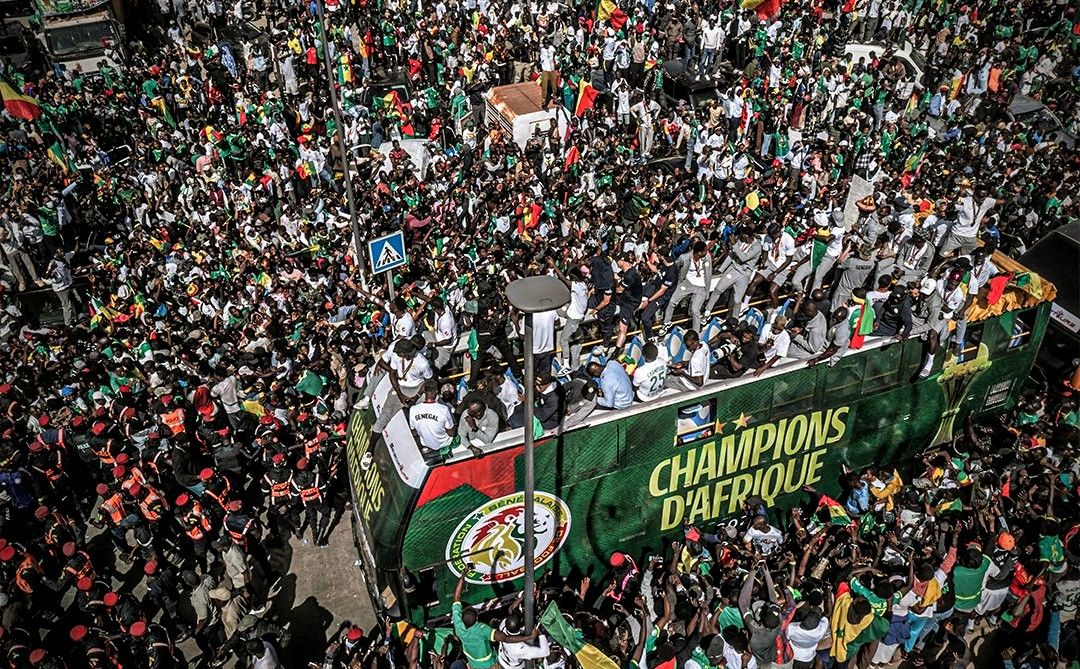
Senegal’s AFCON winners receive cash and land in presidential honour

By Muhammad Sulaiman

President Bassirou Diomaye Faye has awarded Senegal’s AFCON 2025–winning squad a total of $6.2 million in cashand 68,000 square meters of land, marking one of the most generous state rewards in African football history.

Each player will receive $135,000 and a 1,500-square-meter plot on the Petite Côte, while members of the technical and backroom staff will be awarded $90,000 and 1,000-square-meter plots, according to the presidency.

Senegal clinched the continental title with a disciplined 1–0 victory over the Morocco national football team in the final, a tightly contested match that underscored the Lions’ defensive organisation and tactical maturity.

Led by head coach Pape Thiaw, the Lions’ triumph has been celebrated as a symbol of national pride and sporting excellence, with officials saying the rewards reflect the country’s gratitude for a team that once again placed Senegal at the summit of African football.

As a sideline to every soccer tournament

By Abubakar Muhammad

AFCON has just concluded. Senegal won the trophy, but many football enthusiasts know that the actual play of the game is only half of the big spectacle. There are many things going on backstage that take time to materialise. When you look at the countries, roll the camera, and see them doing well, you will see patterns lock into place. There might be visible investment and development of physical infrastructure, but there is also something more to it. 

As a sideline to every soccer tournament, one of the things I pay attention to is the grassroots, street-level infrastructure that feeds talent to the national team. In these tournaments, you would not only pay attention to the official game or what happens in the big arenas, but also to the images that come out from foreign visitors depicting themselves playing outside the formal venues. The soccer crowd, wherever they are, tend to find where to play.  To host a tournament, you really need a solid infrastructure for both formal and informal arenas. But more so, this tells us stories about the status of the game, leisure and where citizens play. 

As usual, it seems Nigeria is left behind when it comes to grassroots soccer infrastructure. Senegal, Algeria, Angola, etc, have a thriving street soccer infrastructure. This infrastructure is not formal, but it seems to enjoy greater consensus that cuts across the formal-informal divide between citizens and governments. 

In Latin America, there are spaces in favelas and barrios where local kids can play the game. The spaces may not be the same, may use different nomenclature, may straddle the line between the formal and the informal, but they retain the same purpose and spirit.

In Senegal, they are in the form of navétanes, a semi-formal regional tournament played in local spaces. These spaces are not owned by the government or private individuals, unlike, say, primary school premises or other government buildings. They are simply communal spaces where the navétanes games are played. These spaces are respected by everyone; no encroachment or erection of structures, public or privately owned. Kids start their careers in their neighbourhoods and progress to regional teams, then to the professional league, the national team, and onward to international careers. You find similar spaces in Brazil as developing ground for talents that would later go on to dazzle a global audience. 

In North Africa, they have a thriving culture of street football played in what we can call in Nigeria a 7-aside stadium. The difference is that these spaces in North Africa are free and open to everyone. They sit in open spaces in the middle of neighbourhoods. The key idea here is access and openness. The use of open space for soccer must not require any payment and must remove any other impediments that can exclude people. A truly public space is one that lets you in without charging a fee or asking for proof of innocence.

In Nigeria, empty lots and vacant spaces are constantly being developed. There is no respect for spaces where kids can play. The idea is that in places where formal sporting infrastructure is not in place, small-scale community members use these spaces for leisure and sporting activities. Kids will have a chance to play the game from a very young age until they dribble their way to the national team. The grassroots in many parts of the world are where players are developed and imbued with the spirit of the nation before they enter the academy for the refinement of their talents. 

African soccer, like its South American counterpart, is largely dependent on informal infrastructure, with local people coming together to build their own. People-as-infrastructure is a concept in which citizens enter into a series of temporary, makeshift arrangements with one another to provide services that authorities are unable to deliver.

By killing these spaces, Nigeria is killing her young talents. It makes it difficult for the local kids to develop an interest, let alone play the game and nurture their talents. Angola, not really a footballing nation, has a thriving street football culture. I noticed from the videos I watched that street lots exist, and they are everywhere. They don’t seem to be developed or encroached so rampant as we see in Nigeria. It seems these spaces are protected by consensus, just like they are protected in Brazilian favelas and Argentina’s barrios. 

Football is the game of the poor. Commercialise football, and you create a barrier where only the rich can afford to play. Commercial football delivers more money to the pockets of a few individuals without bringing much-needed collective glory to the national team. The English Premier League is the wealthiest league in the world, but the country has fallen far behind other footballing nations.  Germany has an academy system in place, but their overall sporting culture is anchored around a process that resembles socialist democratic football more than an individualistic, capitalist model that Nigeria tends to lean towards. 

One of the biggest problems that Nigeria’s football faces as an institution is the seeming, increasing reliance on the academy for its national talents. Academies are simply there for money. Another thing is the seeming sole reliance on foreign-based players. This is understandable for the refined talents abroad, but there seems to be a problem with that in Nigeria. 

There is nothing wrong with foreign-based players populating the national team. Countries tap into their talents abroad, sharpened by cutting-edge training models and infrastructure. One of the biggest problems with this, in the case of Nigeria, is that players know exactly why they’re called up to the national team. They understand why, and there is no confusion about the nature of the transaction. There is nothing that dilutes or softens the nature of the transaction. The country only sees them when it needs them. The country is not there when they need her, and so, in their bloom and glory, they may not give their all. They will not play with their blood and heart. 

Secondly, tapping into foreign players in Nigeria is not grounded in any philosophical sporting policy. For instance, what does it mean for a player to play for the national team? What does the national team mean to them? What is that one thing that all players can understand as a common language and shared values? Something like a unique national culture common among the youth? You can only find this in street football played across the country. Pick that ideology and craft it into the national sports policy. What we see instead is total indifference at best, if not outright obstacles thrown in the way of the nation’s youth by the government and private interest groups. 

By eliminating informal spaces, we have destroyed the conviviality and socio-spatial relations that emerge from street games. Street soccer gives the manager of the national team a foundation, something to start with. The street is where every player understands what it means to play for the national team. From the ground up, the Nigerian player can develop a sense of Nigerianness, just as French players are instilled with French values and what it means to play for the national team. But since we don’t have the formal structures and arrangements of the French, Germans, or English, where players are developed through various academies under the guidelines of the national football federations, the street is where our players should build their character. The Senegalese have taken the navétanes and use it as a national sports policy. It is an informal, grassroots football that develops independently of the government. The coach and players speak the same football language that came from the streets. 

By erecting structures on every available space in Nigeria, you tighten the rope for the children in local communities and make it hard for ordinary folks to make their way to the national team. So many talents would slip through the cracks before rising to the top and reaching their full potential. We are already importing a dangerous trend from abroad, where only kids from wealthy backgrounds can play the game and reach the professional level.

And since we don’t have meaningful ways in which citizens feel indebted to their governments and their countries beyond familial ties, the very few that already found their way to the highest level of the game know why they’re playing. They’re simply playing commercial football. They have already paid the price on the way to Europe without the aid of any national structure. When you call them up to the national team after this, they will not play with their heart and their blood. 

Abubakar Muhammad is from Kano, Nigeria. 
Khaby Lame visits Senegalese President to promote youth empowerment

By Maryam Ahmad

Senegalese-born TikTok star Khaby Lame, the most-followed personality on the platform, recently met with Senegal’s President, Bassirou Diomaye Faye, in Dakar. The visit focused on youth empowerment and using social media for positive change.

Lame, who was born in Senegal before relocating to Italy, expressed his commitment to giving back to his homeland. He underscored the importance of education and digital literacy, highlighting how platforms like TikTok can inspire and educate young people.

President Faye praised Lame for his global influence, noting that his journey from humble beginnings to international fame inspires African youth. The president encouraged young people to leverage digital opportunities for self-development and economic growth.

Beyond meeting with the president, Lame partnered with UNICEF during his stay in Senegal. Over four days, he engaged with children in health, education, and climate change awareness programs. His visit aimed to draw attention to the challenges faced by African youth and promote initiatives that support their growth.

Lame’s visit underscores the power of social media influencers to drive change. His collaboration with government and international organisations highlights the role digital platforms play in shaping the future of young Africans.

Many Nigerian youth are also turning to social media for career opportunities, so Lame’s story motivates content creators and entrepreneurs across the continent. His rise to fame proves that talent, creativity, and persistence can open global doors, regardless of one’s background.

Tinubu welcomes Senegalese president to Aso Rock

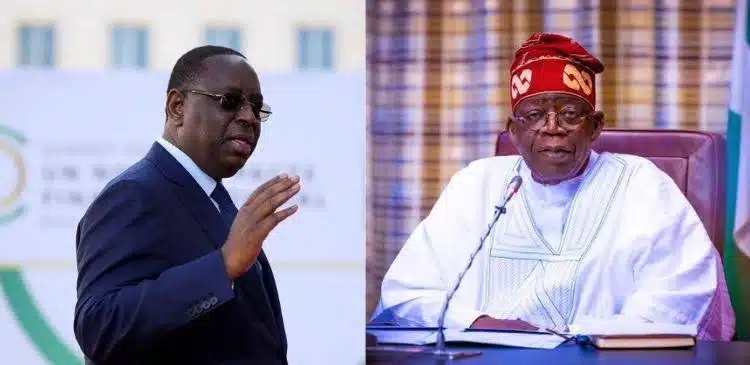
In a historic visit, President Bola Tinubu received his Senegalese counterpart, President Bassirou Faye, at the Aso Rock Villa on Thursday.

This marks Faye’s first official visit to Nigeria since assuming office last month. 

Faye, who arrived at 3:09 pm, was greeted by President Tinubu at the Villa’s forecourt.

The Senegalese president’s victory in a delayed presidential election in April made him the youngest president in Senegal’s history, securing over 54% of the votes. 

The State House was adorned with both Nigerian and Senegalese flags in preparation for the visit, which was announced by President Tinubu’s social media aide, Dada Olusegun. 

During the meeting, the two leaders discussed strengthening bilateral relations and exploring areas of cooperation between Nigeria and Senegal.

The visit is seen as an opportunity to boost economic growth and development in the West African region. 

Faye’s visit marks a significant milestone in Senegal-Nigeria relations, building on a long history of cooperation between the two nations.

The outcome of the meeting is expected to be announced soon, but the visit has already highlighted the importance of strengthening ties between the two countries.

Tinubu to address political crisis in Senegal

By Uzair Adam Imam

President Tinubu is scheduled to travel to Senegal on Monday in response to the ongoing political crisis gripping the West African nation.

As reported by the Western Post, Tinubu, who also serves as the Chairman of ECOWAS, aims to engage in discussions with President Sall to advocate for upholding the country’s constitution and preventing Senegal from descending further into crisis.

One of the key objectives of Tinubu’s visit is to urge for the immediate conduct of presidential elections, highlighting the importance of restoring stability and democratic processes in Senegal.

AFCON 2023: Senegal sent packing 

By Aliyu Yakubu Yusuf

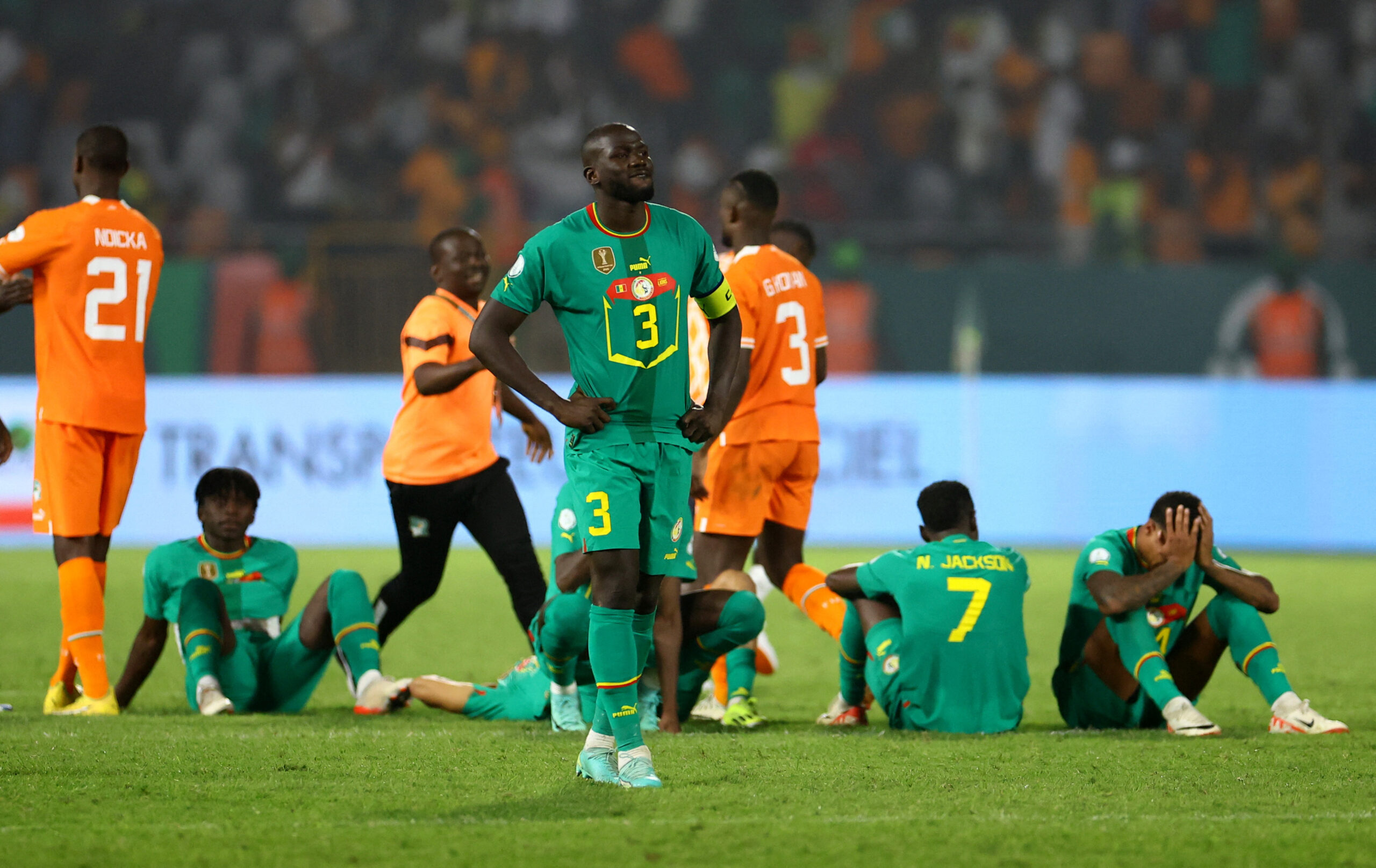
The reigning champions and the best national team in the continent, Senegal, had met its waterloo at the hands of the host, Ivory Coast, who must be buoyant, having qualified to the Round of 16 by the skin of their teeth when all around them was doom and gloom. 

The Teranga Lions entered the tournament as the undisputed favourites to record a back-to-back triumph. They justified their billing by becoming the only country to win all three group games, often at a canter. The stage was set for Mane and Co. to dominate the knockout stages. However, the Ivorians read a different script.

The Elephants came into the tournament as the host country with little expectations. Gone are the days of Drogba, Yaya and Kolo Toure, Kalou and Zokora. So, one expected the host to mount a serious title challenge. But no one expected them to lose embarrassingly to Equatorial Guinea either. Ultimately, they qualified into the knockouts as the worst of all the 16 entrants. Few people gave them a chance to overcome the swaggering Senegal. And that’s what they just did.

Such is the cruel nature of winner-takes-all international football. The Ivorians must now be cautiously optimistic about their chances, having surmounted the most difficult of obstacles. Senegal must be ruing what might have been while they lick their wounds.

Mane’s agent to meet Al Nassr for negotiations

By Muhammadu Sabiu

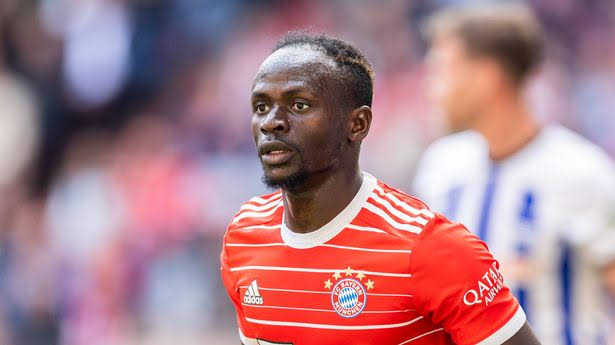
In a significant development in the world of football transfers, it has been confirmed that Sadio Mane’s agent, Roof Björn Bezemer, is set to embark on a trip to Japan to negotiate terms with Al Nassr.

The Saudi Arabian club has expressed keen interest in acquiring the talented winger from Bayern.

Last week, Sadio Mane gave his initial approval for negotiations with Al Nassr, signalling his willingness to consider a potential move to the Middle Eastern club.

However, it’s worth noting that Mane had expressed his desire to stay at Bayern Munich and was adamant about remaining with the team.

Despite the player’s stance, Bayern Munich has decided to part ways with Mane, making it evident that they are open to his departure.

This development has provided Al Nassr with a glimmer of hope to secure the services of the highly regarded footballer.

Roof Björn Bezemer, the intermediary representing Sadio Mane, is now entrusted with the task of sitting down with Al Nassr officials to discuss the terms of the potential deal.

The negotiations are expected to be crucial in determining whether the transfer will come to fruition.

Blue Deal on Water and Sanitation aligns with IsDB Water Policy, says IsDB Vice President

By Ahmad Deedat Zakari.

The Vice President of the Islamic Development Bank (IsDB), Dr Mansur Muhtar, said the action for the implementation of the Blue Deal on Water and Sanitation aligns with the key pillars of IsDB’s water policy.

Dr Muhtar stated this at the 9th World Water Forum held in Dakar on March 22, 2022, where he attended alongside a delegation of experts he led.

The Blue Deal is reportedly an action plan outlined by ministers in charge of water and heads of delegation assembled for the 9th World Water Forum in Dakar, Senegal (21-26th March 2022)

“We are well positioned to support member countries’ efforts in implementing the Blue-Deal actions through provision of financing, technical assistance, capacity development and leveraging Islamic finance instruments,” Dr Muhtar stated

Dr Muhtar stated that the IsDB water sector policy is concurrent with the actions advocated for in the Blue Deal.

“Capacity development and solutions transfer for an improved governance of the water sector is a very important pillar of the policy,” he added.

The Blue Deal aims to achieve the urgent need for water and sanitation targets outlined in the Sustainable Development Goals (SDGs) by 2030.

The World Water Forum, which is organized by the World Water Council and the host country, is the largest event that talks about global issues on the water. It takes place every three years, and the 9th Forum in Dakar is the first one to be held in Sub-Saharan Africa.

Foreign coaches or indigenous coaches, what way Africa?

By Abdulrazak Iliyasu Sansani

It is no longer news that another African coach has won the African Cup of Nations, bringing it to six out of the last nine editions won by African coaches. Coach Aliou Cisse of Senegal joined the illustrious list of African coaches that have won it in the period under review:  Hassan Shehata of Egypt, three times, Steven Keshi of Nigeria, Djamel Belmadi of Algeria,  all once.

While I don’t know have anything personal against expatriate coaches, I have everything against the perception that our African coaches are not technically sound to manage our national teams. This is absurd. There are good coaches all over the world.

There are brilliant football managers all across mother Africa who should not be disapproved merely because of what can be referred to as our syndrome of not valuing our own. It shouldn’t be so. 

Of course, Nigeria’s best coach in history is a Dutchman, Clemens Westerhof, who coached Nigeria from 1989 to 1994: winning silver in Algeria 1990, bronze in Senegal 1992, and winning gold in Tunisia 1994.

Westerhof Qualified Nigeria to her maiden World Cup, played some of the most entertaining football ever in Africa and achieved the highest ranking by an African national team, 5th in April 1994 FIFA rankings.

Thus, there isn’t any way I would despise foreign coaches. It isn’t logical. However, I advocate that they be given fairgrounds to compete with our local coaches, and when appointed, all should be supported sufficiently to succeed. 

It is still fresh in my mind how Nigeria Football Federation got itself trapped in a web it is still striving to overcome. They sacked Gernot Rohr at the eleventh hour, which I still think is debatable. Yet, they went ahead to ‘appoint’ a new manager while an interim manager was in place. Who does that before a major tournament and the World Cup playoff around the corner? 

I had thought they should have waited for the AFCON to conclude before appointing any manager, especially with an interim manager already appointed. And all those who shared my views have been proven right with the latest development of allowing the interim manager, Austin Eguavoen, to continue until after the World Cup playoff against Ghana.

I think we would have been saved all this rigmarole if the NFF had at least trusted him enough to be the interim manager and not gone ahead to supposedly have an agreement with someone to succeed him regardless of his performances. 

Until, the Nigerian football fanatics reigned and rallied around the interim manager after some spectacular displays at the group stage of the AFCON, which seemed to have been adequate to make NFF take this recent decision, despite our shock elimination at the last 16 by Tunisia.  May we learn to give our best any job, support, and trust them to deliver. God bless Nigeria. 

Abdulrazak Iliyasu Sansani wrote from Turaki B, Jalingo, Taraba State via abdulrazaksansani93@gmail.com.