Scholarship

Kano government to allocate N3.5 billion for foreign scholarships

By Muhammadu Sabiu 

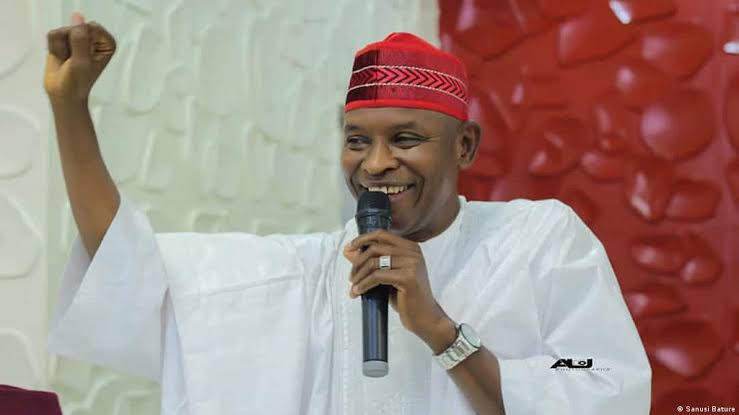
The Kano State Government has announced its ambitious plan to invest approximately N3.5 billion in providing foreign scholarships to 550 qualified students for postgraduate programmes abroad. 

Dr. Yusuf Kofar-Mata, the Commissioner for Higher Education in the state, revealed this significant initiative during a press briefing held on Friday in Kano, following the weekly state executive council meeting. 

According to Mr. Kofar-Mata, these 550 deserving students will have the opportunity to pursue their postgraduate studies at seven prestigious universities in India and Uganda.

This initiative aims to empower and equip these individuals with advanced knowledge and skills that will contribute to the development of the state. Out of a pool of 1,250 applicants, the government meticulously selected the beneficiaries.

Mr. Kofar-Mata emphasised that the selection process was conducted without any bias based on political affiliations, focusing solely on the candidates’ qualifications and their status as indigenous residents of Kano. 

In his statement, Mr. Kofar-Mata confirmed that the government is in the final stages of processing the necessary visas for the students.

He also shared that the students are expected to commence their journeys to their respective overseas universities by the end of this month. 

“We collected 1,250 applications for our postgraduate programs, and we have screened and come up with a list of 550 qualified indigenes of Kano who will be sponsored for postgraduate studies at various universities overseas,” Mr. Kofar-Mata stated.  

“We are in the process of authenticating all the documents of these students for visa preparation. We are hoping that by the end of this month, these students will start moving to their various destinations overseas for them to start their programmes in various fields.”

Cost of university education in Nigeria: Facing the reality

By Salim Ibrahim Isa

Since late last year, many public universities have released revised fees, primarily reviewed upwards in unprecedented percentages (mostly more than a 100%). Students, parents and other stakeholders have expressed shock, with many blaming the Academic Staff Union of Universities (ASUU) for being behind the increase as a response to the Union’s fallout with the Federal Government last year and members of the Union laying responsibility to the executive councils of respective universities.

Whatever the reason for the increase and whoever is behind it, the rising cost of education is a reality students and other stakeholders have to face, for it is doubtful to be reversed.

It will be useful to consider the following discussion, especially by students who would be directly affected by the fee hike.

Choice of courses

Choosing a course to study has been a longstanding issue. Many students go to university to study courses for years only to realise later that they could have made better choices regarding their aspirations. With education being more expensive, prospective students will save themselves much disappointment later in their studies or after graduating by researching courses before applying for them and making informed decisions. Nobody wants to pay massive amounts of money to study a course only to find out later that it has no job prospects or something like that.

Alternatives to degrees

It is not a divine revelation that everybody must have a degree. Colleges of education, polytechnics and other higher institutions offer various types of training and award multiple certificates, which can be as useful as a degree, depending on how the holder uses acquired knowledge. A student who cannot afford the higher costs of a university education shouldn’t lose all hope. It is still OK to seek other affordable alternatives and acquire training and certification.

Many non-degree holders have had spectacular achievements the world over. The most important thing is the training and how and to what use it is put.

Distance learning

Thanks to the internet, a significant number of universities all over the world now offer many courses online. This eliminates the burden of physical presence and its attendant financial implications, making the courses a lot cheaper while maintaining the quality of the courses. Many of these courses have flexible payment schedules, so students can pay in instalments and flexible classes, allowing students to work while studying. One may explore the availability of courses of choice both within and outside Nigeria and enrol in a good course at a good university. In addition, students may apply for discounts and fee waivers to make their studies even more affordable.

Scholarships and sponsorships

Governments, universities, foundations, companies and even individuals within Nigeria and abroad offer scholarships and financial aid to students under various schemes to subsidise education. Some scholarships involve moving to the supporting country/institution, while others support candidates locally. Sponsorships may also be complete or partial. A good way to be up-to-date on scholarship information is to subscribe to scholarship advertising websites and make a good network, especially in academia. Students need to remember, however, that all scholarships have criteria, and many of these criteria revolve around sound academic performance. Nobody wants to waste money on candidates who are not serious about studying, so all need to buckle up.

Salim Ibrahim Isa wrote via saalimibraheem@gmail.com.

Gombe State: The best time to pay students’ scholarships

By Abdullahi Nayaya

Education, especially at the tertiary level, remains the bedrock for national progress and prosperity. It provides society with skilled manpower and eases the process of governance and technological progress. Governments, the world over, invest hugely in education in their quest for human capital development. In this regard, I write this piece to appeal and send a friendly reminder to Gombe state Government to fulfil its promise of settling students’ scholarship arrears.

Many students have lost their valuable property for a long time, so they waste staying at home. In addition, students left their valuables in the hostels or their rented houses off campus due to the recent eight-month-old strike by the Academic Staff Union of Universities, otherwise known as ASUU.

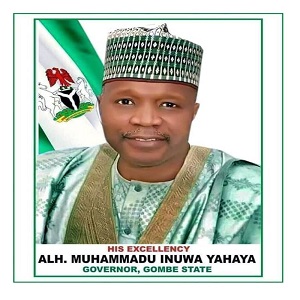
Given the plights of the students, therefore, I would like to appeal to the Gombe State Government under the leadership of His excellency Alh. Muhammad Inuwa Yahaya, as a matter of urgency, to come to the university students’ aid, particularly those studying outside the state. This category of students deserves to get scholarship arrears so they can go back to their various institutions/campuses smoothly. Undoubtedly, this would greatly help the poorest among them and even those who have and put a smile on their faces. There is no better time to help students than now!

To my recollection, Gombe State students have not been paid their stipends for the past three years. Also, it has been reported in the news that the State Government has promised to pay the scholarship when the universities re-open. It made this promise when the State Governor invited the Gombe State Students Association (GOSSA) president and his entourage for Iftar during the holy month of Ramadan in the government house.

Now that the universities have re-opened, we pray that Gombe State Government will fulfil its promise as it has been known. Despite the economic uncertainty, the State Government is doing its best in terms of education, infrastructural development, healthcare, security, etc.

I hope our governor, the ministry of education and all concerned will expedite actions to help and pay the Gombe students their scholarship entitlements. The students have suffered a lot at the hands of the cruel repercussions of the strike, and now all students dearly need help. I am happy because I know our great governor of Gombe State has listening ears, and he has already promised to pay. I am sure he will pay. This is just a reminder, Sir.

Long live Gombe State Government.

Long live Gombe state students.

Best regards to the daily reality.

Abdullahi Nayaya writes from Gombe State, Nigeria.

KASU Acting VC charges students on hardwork, good behaviour

By Sumayyah Auwal Usman

The acting Vice-Chancellor of Kaduna State University (KASU), Kaduna, Professor Abdullahi Musa Ashafa, has advised students of the university to be focused, hardworking and law-abiding in order to graduate in record time and with good grades and character.

Prof. Ashafa gave the advice yesterday while addressing the beneficiaries of the Need-Based and Merit Scholarship Award of Kaduna State Government. He said that though the university had quality academic and non-academic workforce to train them, they must play their part by studying hard, be disciplined and law abiding.

While thanking the Kaduna State Scholarship and Loan Board and the Government of Kaduna State for their consistent support to KASU students, he said students must not only read widely to learn, grow, understand and apply what they have learnt, but must also be prepared to take full advantage of opportunities that might come their way to succeed in every aspect of life.

Recently, the Kaduna State Government under Governor Nasir Ahmad El-Rufa’i awarded the sum of one hundred and fifty eight million five hundred and thirty thousand naira scholarship to best performing students of the university.

Why you should take advantage of free tuition to study in Germany

By Aminu Mohammed

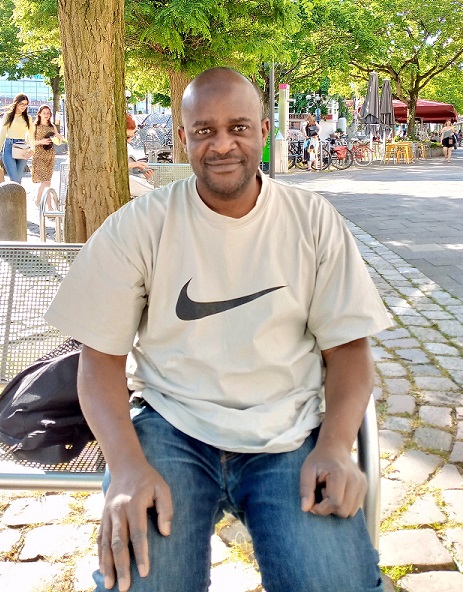
I nurtured my desire to study abroad during my undergraduate days at the Department of Political Science and International Studies, Ahmadu Bello University, Zaria. It was the era when ABU was the hotbed of Marxism and radical thinking in the North, led by the late Marxist historian Dr Bala Usman and others like Dr Bako, Prof. Sadiq and Prof. Ayo Dunmoye. I was fascinated by the writings of Karl Marx and Max Weber, which prompted my desire to study in Germany.

Germany is the wealthiest country in Europe and a global leader in education and research. It is the land of scientists like Albert Einstein, Max Plank and philosophers such as Immanuel Kant, Arthur Schopenhauer, Georg Wilhelm Friedrich Hegel, Friedrich Nietzsche, Karl Marx, Max Weber, and Goethe, among others. The education in Germany is top-notch, especially in medical sciences, natural science and engineering. Studying in Germany is also cheaper and more cost-effective compared to other countries such as the United States, United Kingdom, Canada and Australia.

Many of you may wonder why I choose to write on this topic, considering the high cost of studying abroad. Many of you may still think that only the elite can afford to send their children to foreign universities and others from a humble background are not capable of doing so, probably due to their circumstances.

I want to tell you today that you should perish such thoughts that have limited our people, especially in the northern part of the country, making them doubt their abilities. I want to tell you that there are no limits to where you can go and what you can achieve if you believe in your dreams and work towards them. We live in an era of information technology where you can use your smartphone to search for information that will aid you in improving your life and career. There are many Nigerian students from the Southern part of the country; most do not have wealthy parents and are thriving in this environment.

Studying in German universities is tuition-free for both local and international students. There are two options: you can either study through scholarship or self-sponsorship by taking care of your living expenses on your own through a system called blocked account. The first option is highly competitive and more tedious than the second one. Therefore, I suggest that people without solid financial capacity focus on the first option by applying for a scholarship. You can check the universities’ websites offering your courses and see the requirements for obtaining the scholarship.

The German Academic Exchange Service (DAAD) currently offers scholarships to students from developing countries for the 2023 academic session. The scholarship covers everything, including a monthly stipend of 861 euros for master’s students and 1200 euros for doctorate students. So, you should apply as soon as possible before the deadline. It would help if you had an outstanding grade in your first degree, a minimum of two years of work experience, a good motivation letter, and volunteering experience, among others, to be accepted for the scholarship programme.

The second option, through a blocked account, requires a lot of money, which means that you are on self- sponsorship, hence will cater for your living expenses which include payment for accommodation, health insurance and other costs in Germany. This option is for those who can afford the blocked account stipulated by the German authorities, which is currently 10,332 euros approximately (N6.7 million). You must deposit this money in a German bank after getting admission before securing a study visa. Most students who arrived in Germany for studies used Fintiba bank, a financial institution based in Frankfurt, Germany.

Once you get admission, you can check the website of the German embassy in Abuja or Lagos, look for the requirements for the study visa, and then apply for a visa appointment. I will advise that after getting admission, you check the official website of the German embassy in Nigeria or visit the embassy in Abuja or Lagos to get information on how to deposit the money in Fintiba bank. Don’t give your money to anybody.

You can go to any Nigerian bank to do the international transfer to Fintiba bank once you get the details on how to go about it from the German embassy. The money belongs to you and is for your living expenses here. Once you arrive in Germany and go through a system referred to as legitimization at the bank, Fintiba bank will then transfer 848 Euro monthly to your account for 12 months. The money will not be transferred in bulk to your account but bit by bit.

.Of course, you can work here and earn money to support your living expenses. Students are entitled to 20 hours per week and can work more than 20 hours during holidays, especially when the university is on break. Most international students work here and earn good money. An hourly wage depends on cities, but it is mainly between 10.45 to 16 Euro per hour (N6, 500 to N10, 000) depending on the city and company you work for. Wages in bigger cities like Munich, Frankfurt, Berlin, Hamburg, Cologne and Dusseldorf are higher than in smaller cities like Kiel, Flensburg, Cottbus, Magdeburg, etc.

Public universities do not charge tuition fees in Germany. Depending on the University, you only pay a semester fee (alias social fee) ranging from 200 euros to 380 euros per semester. For instance, students in my university pay 264 Euros per semester. This covers dues for the student union and transportation. In other words, students do not pay whenever they board a bus or train, as the semester ticket covers the fare for buses and trains within the city of Kiel and up to Hamburg. So, our semester ticket covers movement throughout the state of Schleswig Holstein and Hamburg.

Most Nigerian and international students I have met here are on self-sponsorship. Theystudy and also work to take care of their living expenses. There is always a part-time job available for students, especially in big and smaller cities, and you can take advantage of that to earn money for your upkeep. Some students focus on studies only during the semester and only work during holidays, while some attend lectures on weekdays and only work part-time during the weekend. The choice is yours.

I must emphasize that studying in Germany is tough, and you must put much effort to succeed. People fail here quickly, especially students who focus on work without paying much attention to their studies. But the main thing is to strike a balance between your studies and part-time work, if you want to achieve your goals. Of course, many students have been able to secure jobs after their studies here. A lot of Nigerians that I know here work after completing their studies.

Moreover, for those apprehensive about their religion, there is a large population of Muslims in Germany, mainly from Turkey, Syria, and Egypt, among others. There are mosques everywhere. At least we have six mosques in my city, with even a mosque mainly for Africans to perform their prayer.

I still reiterate that you can do everything independently with your computer or laptop. You do not need the help of anybody or an agent to assist you in applying for admission, scholarship or the visa process. Don’t fall for any scammer. You can do this from beginning to end on your own until you find yourself in Germany. You don’t need to know anybody to be able to secure admission, scholarship or visa to Germany. I arrived in Germany in 2018 without knowing anybody or even a friend. My communication was with the University strictly. If I can do it, you too can do it. So, believe in your abilities and go after your goals. I wish you all the best in your endeavour.

Aminu Mohammed is at the School of Sustainability, Christian-Albrechts Universität zu Kiel, Schleswig Holstein, Germany. He can be reached at gravity23n@gmail.com or 219013@mail.uni-kiel.de.

Will Mai-Mala walk the talk?

By Kasim Isa Muhammad

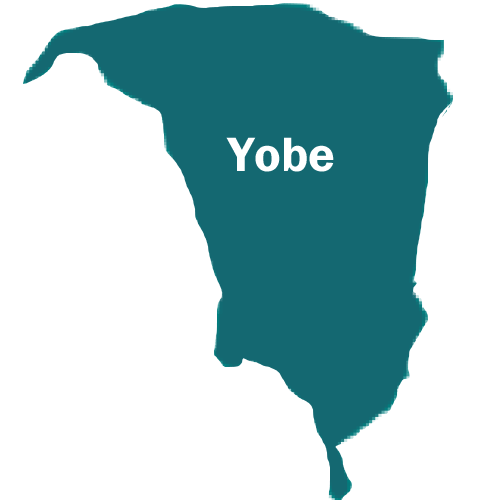
Yobe State students across Nigeria were left with questions about the silence of the Yobe state scholarship board and the state government itself. The students filled out all the requirements and paid money to complete the registration. Since then, not even a cough, nobody has heard from the scholarship board. The students gave different excuses for the board until things reached a confusing level.

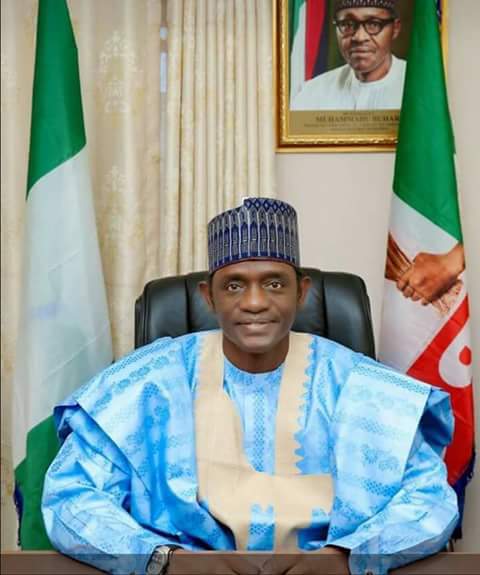
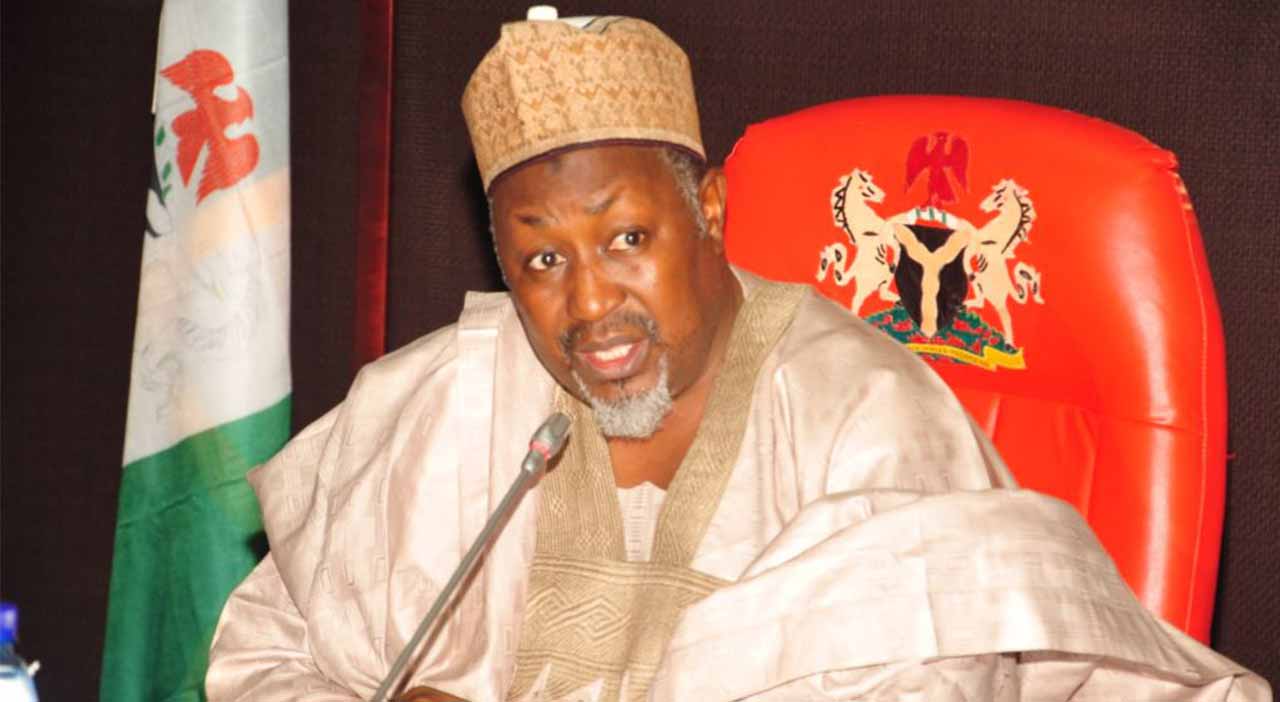
Meanwhile, the Yobe state government has not yet released any information about the scholarship board. His Excellence, Mai Mala Buni, as executive governor, and be seen as responsible for all matters around the state in Yobe and should have to call upon the board and question them about the approved funds for the scholarship. Still, the views turned out to be different. 

However, the students are in high demand for scholarships to cover some of their academic programs. Even if there is any problem, the board or state ministry of finance should release a statement to convince the students and acknowledge their whereabouts.

The school tuition fees are rapidly increasing because of the current economic impact on Nigeria. Some students look forward to the scholarship as a means to support them in one way or another. Silence is never an answer because the past administration has never failed the students in paying scholarships.

The one thousand-dollar question is: where do the good people of Yobe donate the funds meant for fostering the state’s educational sector in the form of an educational appeal fund?

Therefore, It is a good idea for the government of Yobe State to form a high-powered committee laden with a task to look after the issues pending.

Kasim Isa Muhammad wrote from Potiskum, Yobe state.

Yobe State: Education and Mai-Mala’s counterproductive handling

By Kasim Isa Muhammad

Since 1999, the people of Yobe have continued to give mandates to the ruling party, what is now known as the All Progressive Congress (APC), hoping that their lives will be better on all fronts- particularly in the education sector. Unfortunately, the Yobe education sector is known to be one of the worst in the nation. This is manifested by a legacy of dilapidated blocks of classrooms, a lack of laboratories; a lack of teachers; no teacher promotions, and the list goes on. 

With the emergence of Mai-Mala Buni as the Governor in 2019, he, on the inaugural date, in the most dramatic manner, convinced the nation that the education sector in Yobe is rotten-Yes, rotten! He declared what was known as an “emergency” in the sector. He announced his aim and gathered a committee to work out a plan for the sector. Millions of naira were spent on meetings, travel, and photography on a matter that a single administrative circular could have solved. 

Two years into the administration of Buni, not a single milestone was made in the education sector. The State Basic Education Board could not recruit trackers, teachers’ promotions stalled, teachers’ salaries were mutilated, and the hardworking principal of secondary schools was bullied by the business that leads the ministry of education. The sad news continues, and the peak was the video of Fika Government Secondary School that rattled the government. One could ask, what exactly is the problem? Is Buni the problem, or is his team at the peak of insubordination?

One of the most dramatic events that put the Yobe education sector in the spot was the case of the Buni Foreign Scholarship Scheme (BFSS), a scheme managed by a few of Buni’s trusted men. BFSS is characterised by poor stipend payment, poor academic quality, etc. Today, the BFSS is still a problem that will continue to make the Buni government unpopular and give the opposition a chance to punch the APC hard.

The local scholarship allowance is also an area where there is a hitched to pin network of students and their families to dispense protest votes against Buni and give the upper hand to opposition parties like the New Nigeria People’s Party (NNPP). It was only last week when NNPP moved to consolidate its gains by inviting Stand Up and Be Involved (SUBI) to adopt its party and contest all elections. Should this partnership work as planned, the APC will likely experience the most effective and fierce opposition in its history in Yobe State. 

The local scholarship allowance payment has been epileptic, inconsistent, and marred by a lack of competence in leadership. One can quickly note that this administration has provided the most inexperienced and inefficient leadership of the board in the history of Yobe. No one knows if the Yobe State Scholarships Board (YSSB) has adequate access to its budgetary allocations. If, in any case, it has access to funds, who can defend Buni or his proxy at the head of the YSSB for the lack of payment of local scholarship allowances? An act that even the military administration did well in Yobe! 

One might wonder if paying for local scholarships was related to the massive fund-raising effort for the 2023 elections. It is terrific, and only in APC’s Yobe State one can find people heading a government parastatal that failed to perform in contesting elections. Does this mean that Buni is impressed with the performance of the scandal-marred YSSB? 

Buni needs to know that there is significant dissatisfaction with his administration and team. Everything that the government does seems suspicious such as the maiden Education Appeal Fund, where billions of Naira were accumulated. Whether Buni knew or knew not, there is speculation on the ground that the education fund was a cover to grasp financial muscles to fight for the 2023 elections. Whether true or political, this sentiment makes up the opposition, and the chances to pin the people against the APC are high. It has always been easy to blackmail a government that cares less about its spending, budget performance, and revenue base. 

It is, however, clear that whatever sterling personal qualities a governor may have, of which Buni has many, the chances of failure can be significant. The popular opinion is that Buni is highly unlikely to succeed with his existing team. Buni must change gears and relate to reality on the ground and begin to listen to others rather than his yes-men. Those who tell him that he is always right even when he is wrong—for no one can always be right. We are calling for Buni to search for a new effective team should the 2023 election tide blow in his favour. Whereas the YSSB Chairman has a dual and conflicting constituency that rests with the constituents to decide. Ultimately, the YSSB has failed the children of the poor. 

Kasim Isa Muhammad wrote from Potiskum, Yobe State via kasimimuhd1999@gmail.com.

Yobe State Government donates laptops to indigenes in Nigerian Law School

By Ahmad Deedat Zakari.

The Government of Yobe State has distributed laptops to facilitate learning for indigenes of the state at the Nigerian Law School. 

The laptops were distributed to the students through the office of Yobe’s State Scholarship Board on Tuesday, April 26, 2022. 

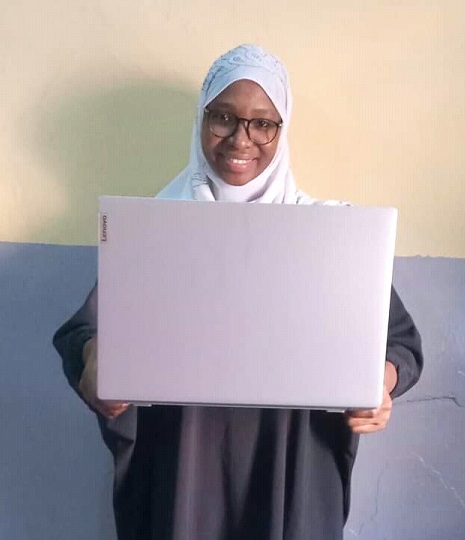
Maimu Giwa, one of the beneficiaries, disclosed told The Daily Reality that the government also promised them school fees but was constrained due to a lack of funds. 

“But initially, the plan was that the laptops would be given to us along with school fees and wardrobe allowance, but due to financial issues, they only gave us some part of the money, and that was since November last year,” she said.

Attention Yobe State Scholarship Board (YSSB)

By Khalid Yusuf Tebo

I am an indigene of Yobe state. I was among the beneficiaries of Yobe state scholarship bursaries from 2014 to 2020. I was paid for three sessions throughout my school days at the university. It is a government tradition in my state to pay students’ tuition fees since from the time of late Mamman Bello Ali (MAL), a former governor who pioneered the programmme. Unfortunately, the board is unable to pay the students bursaries every year and, on time.

Apparently, this scholarship is a motivation towards helping the students acquire their education across different tertiary institutions of learning in Nigeria and abroad. In addition, this monetary reward reduces the burden on parents who cannot support their children to earn an education in the state, especially the poor.

Nevertheless, YSSB had recently published a reminder on their Facebook page about the 2020/2021 session payment. As regards, I hope the board is aware of the hardship in the country and the situation in which students of the state are facing daily at schools. Of course, this is not to update the general public about the issue of payment only, as the board used to do in our days without a positive outcome. Obviously, it is about paying the students bursaries on time every year.

I can remember receiving my last payment in 2020 on a table instead of via my bank account as exercised by the board. I suffered a lot before I was paid my 2018/2019 bursary. I went to the board three times and paid transport for every trip from Maiduguri where I schooled and later from Potiskum to Damaturu. Some of my friends were studying in neighbouring states; they too faced the same problem.

According to the board, a technical problem was encountered, and the beneficiaries provided incorrect details and account numbers. While to my knowledge, I provided the correct details and most of the students too, I believe. But, as an economist, I don’t play with anything related to money, especially scholarship. So, last year, it took the board more than a year to pay a few students their bursaries.

As usual, the tradition in previous administrations is not like that, even though they skipped payment of bursaries than regularly. But, in Buni’s administration, students face a severe problem in their education than at any other time. Yet, Yobe is the only state that declared an emergency on education and is still among the states with the highest number of out-of-school children.

Therefore, I am calling the attention of YSSB to avoid such problems encountered in the past. An unconfirmed source said the problem was due to corruption. Anyway, one of the only sources of happiness for students is scholarship in Yobe state. Unfortunately, the government cannot employ graduates in civil service and areas of business. Lastly, I am appealing to the board to pay the students every year on time and encourage the students to be the ambassadors of the state in all tertiary institutions of learning.

May Yobe and YSSB succeed!

Khalid Yusuf Tebo is an economist and activist. He can be contacted via khaleedyusuftebo5@gmail.com.

Gov. Badaru and misplaced priority: Calls for immediate action on students’ scholarship

By Adamu Saleh Maidalibai 

While the economy is down, school fees higher, poverty increases, many families lost hope that their children could not afford tuition fees. As a result, many families become hopeless, yet many students in Jigawa State manage to survive and get their legs in tertiary institutions across the country.

I know many students that solely depend on scholarships to settle their annual school fees. I know many students who lack food and rely on the same scholarship to get their tummy intact. I know many students who use scholarships to buy materials to improve themselves academically.

Thousands of Jigawa state students become excited when their phones ring, thinking it is a credit alert every day.

I can vividly remember my terrible struggles two years ago when I led a team of thousands of students. Then, we struggled for our betterment (scholarship), and it bore a fruitful outcome. In those days, I proved to myself that yes, I’m a comrade, a student leader with capacity, who could stand for Jigawa state students not only before them but before the government. It has been two years back today. Since then, the Jigawa State government has never listened to students anymore.

I often use to ask myself some questions: Does the Jigawa State government forget about students? Is the government aware of students problems? Are there any students leaders in the state? Do Jigawa state students have a voice? Why can’t they air their concerns? These and many questions cross my mind, but I was ashamed of both the government and the students.

Dear Governor Badaru, part of your manifestos is that students’ betterment will be part of your top priorities. Wouldn’t you fulfil that promise, please?

Leadership is a burden, not an enjoyment. Please do the needful before it’s too late. Then, you will stand before the Lord and be accountable for all that you did. On that very day, what would you tell the Lord (Allah) when you’re asked about students?


Adamu Saleh Maidalibai writes from Kazaure. He can be reached via salehadamu90@gmail.com.