Nigeria

Mental Health: Strategies to prevent sociopathic and psychopathic behaviours

By Maimuna Katuka Aliyu

In recent times, there has been a disturbing rise in violent crimes perpetrated by loved ones, friends, or neighbours, leaving families and communities devastated. These acts of violence often reveal psychopathic or sociopathic behaviour, underscoring the importance of understanding how to protect oneself from such individuals.

Understanding Sociopathy and Psychopathy

Antisocial personality disorder, commonly known as sociopathy, is a mental health condition where a person consistently disregards right and wrong and shows a lack of empathy toward others. People with this disorder are manipulative, deceitful, and indifferent to the harm they cause. They often engage in impulsive or violent behaviour, violate laws, and struggle with relationships and responsibilities.

Psychopaths are more calculated and egocentric. They lack conscience and empathy, and while they can follow social norms when they benefit them, they typically harbour deep-rooted criminal tendencies. Sociopaths, in contrast, are more volatile and prone to sudden outbursts of anger. While psychopaths can maintain a façade of normalcy, sociopaths struggle to control their emotions and often lead chaotic lives.

Challenges in Societal Protection

In Nigeria, where insecurity has become a significant issue, many citizens feel unsafe. The government’s inability to consistently enforce laws and protect its people has only heightened the risks. For instance, despite the Firearms Act prohibiting the possession of firearms without a license, many criminals are rarely held accountable. Terrorists and other violent offenders often walk free shortly after being arrested, eroding public trust in law enforcement.

One heartbreaking case is that of Christiana Idowu, a Federal University of Agriculture Abeokuta student who was abducted and later killed despite her family paying the ransom. Her kidnapper was eventually apprehended after police traced the bank details used for the ransom payment. This tragic incident illustrates the chilling reality of unchecked violence in Nigerian society.

Elsewhere, in Atlanta, 14-year-old Colt Gray shot and killed two students and two teachers at his school, a crime linked to his experience with bullying and parental separation. Such incidents are stark reminders of how mental trauma if left untreated, can lead to catastrophic outcomes.

Signs of Sociopathic and Psychopathic Behavior

It is crucial to recognise early signs of mental health issues that could lead to sociopathy or psychopathy. Common symptoms include:

– Persistent feelings of sadness or hopelessness

– Withdrawal from social activities

– Extreme mood swings

– Difficulty concentrating or maintaining focus

– Lack of empathy or remorse

Sociopaths, specifically, tend to:

– Display impulsive, hot-headed behaviour

– Have violent outbursts

– Fail to maintain stable jobs or relationships

– Rationalize their harmful actions despite knowing they are wrong

Psychopaths, on the other hand, often:

– Exhibit cold-hearted, manipulative behaviour

– Maintain a “normal” life to cover up their criminal actions

– Lack of genuine emotional attachments, even in close relationships

Impact of Childhood Trauma

Childhood trauma, such as abuse, neglect, or bullying, significantly increases the risk of developing violent or antisocial behaviour. These experiences can disrupt emotional development, impair attachment to others, and lead to aggressive tendencies. If left unaddressed, childhood trauma can manifest in mental health conditions such as depression, anxiety, or schizophrenia, with potential long-term consequences.

How to Protect Yourself

Given the prevalence of sociopathic and psychopathic behaviour, it is essential to take precautions to safeguard yourself. Below are a few practical steps to consider:

1. Be Aware of Red Flags: Pay attention to signs of manipulation, dishonesty, or indifference to the feelings of others. Sociopaths and psychopaths often use charm to disguise their true intentions.

2. Set Clear Boundaries: Protect yourself by establishing firm personal boundaries. Do not allow people to guilt or manipulate you into actions or decisions you are uncomfortable with.

3. Keep Your Loved Ones Informed: Always share your location and movements with someone you trust. This simple step can go a long way in ensuring your safety and preventing unnecessary panic during emergencies.

4. Trust Your Instincts: If you feel offended by someone’s behaviour or a situation that makes you uncomfortable, trust your gut feelings and distance yourself from the individual or scenario.

5. Educate Yourself: Stay informed about the tactics sociopaths and psychopaths use to exploit and manipulate others. The more you know, the better equipped you are to recognise and avoid their toxic influence.

6. Build a Supportive Network: Surround yourself with trusted friends and family members who can offer guidance and emotional support. A strong support system can provide a buffer against harmful individuals.

Conclusion

In a world where mental health challenges are becoming more apparent, understanding the traits of sociopaths and psychopaths is critical to self-preservation. By staying vigilant, setting clear boundaries, and cultivating supportive relationships, you can protect yourself from their harmful behaviour and ensure a safer, more fulfilling life.

Maimuna Katuka Aliyu wrote via munat815@gmail.com.

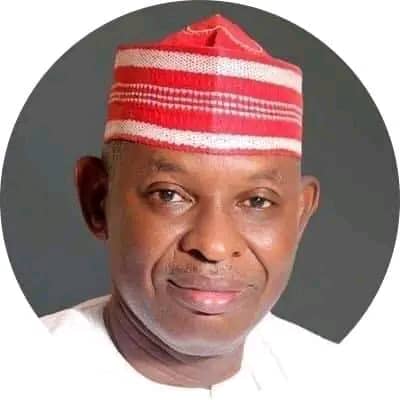
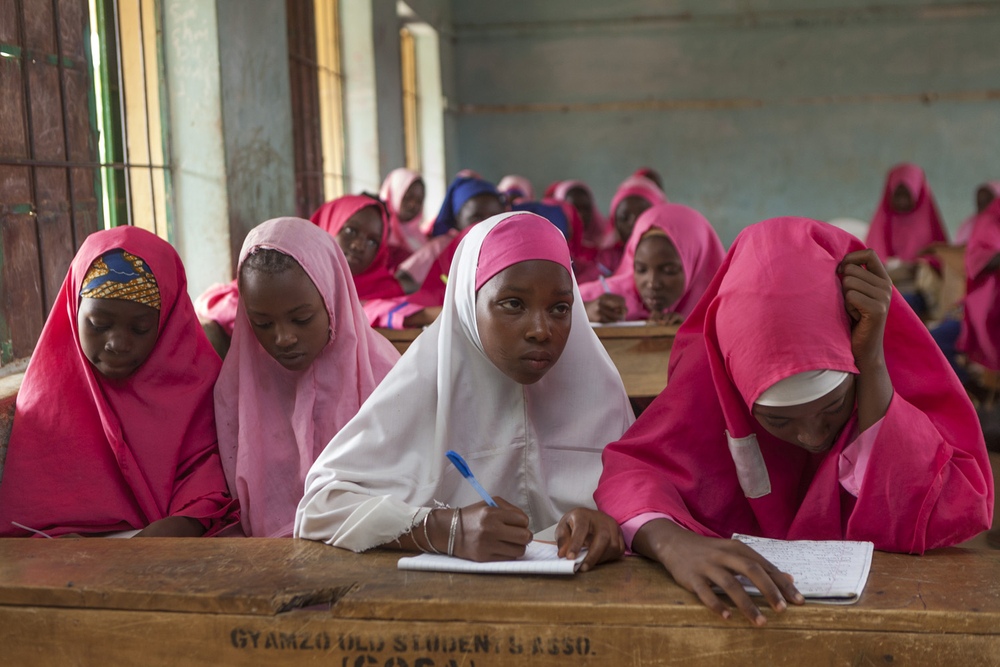
Rabi’u Kwankwaso Bilingual College, Niamey, PTA requests Governor Yusuf to return their children to school

By Abdullahi Sulaiman

The Parents Teachers Association of Rabiu Musa Kwankwaso Bilingual College, Niamey, Niger Republic, has appealed to His Excellency, Governor Abba Kabir Yusuf, to honour the promise made by the former Governor of Kano, Dr Rabiu Musa Kwankwaso to return their children to their school in Niger Republic. 

The students have not been in school for over a year now, while their peers in the Niger Republic have already resumed classes in the new session five weeks ago.

Dr. Ibrahim Habu, Chairman of the PTA, commends Governor Yusuf for prioritising education with substantial budget allocations. However, he urges him to address the unresolved issues of Bilingual College students in Kano from the last academic session. He calls for immediate action to ensure no child from the college is left idle at home.

The PTA Chairman urges all stakeholders to work collaboratively to fulfil Rabiu Musa Kwankwaso’s vision of establishing a Bilingual college, emphasising the importance of equipping students with bilingual skills in French and English to enhance self-reliance and global competitiveness among Kano’s next generation of citizens.

The Chairman also calls on the people of Kano State to continue supporting Governor Yusuf’s educational initiatives. These initiatives will ensure sustainable development in the education sector and contribute to the overall development of Kano State.

Police officers divert N43m from cargo worker, NPF reveals

By Uzair Adam 

The Nigerian Police Force (NPF) has uncovered how three police officers attached to Zone 7 Headquarters, Abuja, illegally diverted N43,160,000 from a cargo worker at the Nnamdi Azikiwe International Airport in August 2023.  

According to a statement released on Wednesday by the Force Public Relations Officer, ACP Muyiwa Ogunjobi, the officers—Inspector Ekende Edwin, Inspector Esther Okafor, and Sergeant Talabi Kayode—acted on the directives of DSP Peter Ejike. 

They unlawfully arrested Andrew Ejah, an employee of FATFAD Cargo Nigeria Limited, who was transporting N74,950,000 on behalf of clients.  

The officers reportedly detained Ejah at Zone 7 Headquarters and falsely declared that only N31,790,000 was recovered. They allegedly demanded a portion of the funds in exchange for suppressing the case.  

Upon receiving a petition from the owners of the missing funds, the Force Headquarters assigned the IGP Monitoring Unit to investigate. 

The unit recovered N31,790,000 from the officers, who maintained that it was the total sum confiscated during Ejah’s arrest.  

Further investigations revealed that the officers had tampered with evidence. Photographs taken at the time of arrest, showing the full amount, were allegedly lost after the phone used was damaged. 

However, forensic analysis exposed their conspiracy to divert N43,160,000 and move it out of the Federal Capital Territory (FCT) for safekeeping.  

The statement also addressed circulating reports accusing Inspector-General of Police Kayode Adeolu Egbetokun of shielding a cartel involved in smuggling new banknotes from the Central Bank of Nigeria. 

The NPF dismissed the claims as false and part of a smear campaign to divert attention from the officers’ misconduct.  

“The implicated officers have been suspended and face prosecution for serious misconduct, tampering with exhibits, abuse of office, and corrupt practices,” Ogunjobi added.  

The NPF urged the public and media to disregard false narratives aimed at tarnishing the Inspector-General’s image and undermining ongoing police reforms.

How oil dependence affects Nigeria’s economy

By Talent Akpan 

Nigeria’s economy has been heavily reliant on oil exports for decades, accounting for approximately 70% of government revenue and 90% of foreign exchange earnings. This dependence has far-reaching consequences, affecting various aspects of the country’s economic, environmental, and social landscape.

The country’s over-reliance on oil has hindered the development of other sectors, such as agriculture, manufacturing, and services. This lack of diversification makes Nigeria vulnerable to fluctuations in global oil prices, leading to economic instability and uncertainty. Moreover, oil wealth has fuelled corruption, with estimates suggesting billions of dollars lost to mismanagement and embezzlement.

Furthermore, oil exploration and production have devastated Nigeria’s environment, particularly in the Niger Delta region. The degradation of natural habitats and resources severely affects local communities, affecting their livelihoods and well-being.

Despite these challenges, opportunities exist for diversification. Nigeria has vast agricultural potential, with opportunities for growth in crops like cassava, rice, and maize. Developing manufacturing sectors, such as textiles and electronics, can create jobs and stimulate economic growth. Growing the services sector, including finance, tourism, and IT, can reduce reliance on oil. Investing in renewable energy sources, like solar and wind power, can also reduce dependence on fossil fuels.

Policy reforms are necessary to mitigate the risks associated with oil dependence. Diversification strategies, investments in human capital, transparency and accountability, and economic reforms can promote sustainable economic growth and development.

Some potential strategies for diversification include:

– Developing infrastructure to support non-oil sectors

– Providing incentives for private sector investment

– Enhancing education and training programs

– Encouraging foreign investment

– Promoting entrepreneurship and innovation

However, implementation challenges exist. Institutional weaknesses require strengthening, powerful interests may resist reforms, and Nigeria’s infrastructure requires significant investment to support non-oil sectors.

Addressing these challenges will require cooperation from various stakeholders, including government officials, private sector leaders, and civil society organisations. Nigeria can reduce its reliance on oil and build a more sustainable, diversified economy by working together.

Nigeria’s oil dependence poses significant economic, environmental, and social challenges. Diversification and policy reforms can mitigate these risks and promote sustainable economic growth and development.

Talent Bassey wrote via basseytalent@yahoo.com.

Tinubu orders justice ministry, NASS to address concerns over tax reform bills

By Uzair Adam

President Bola Tinubu has instructed the Federal Ministry of Justice and the National Assembly to address concerns surrounding the proposed Tax Reform Bills.

The bills, recently transmitted to the National Assembly, have faced widespread criticism, particularly from northern governors who argue that the reforms could disproportionately affect their region and worsen the economic situation for Nigerians.

In response, Tinubu directed the Justice Ministry to collaborate with the National Assembly to resolve the contentious issues before the bills are passed into law.

This directive was conveyed in a statement by the Minister of Information and National Orientation, Mohammed Idris, who clarified that the government welcomes constructive feedback.

“It is pertinent to state that the government has nothing sinister to warrant the suggestion that the process is being rushed,” Idris said.

“The Federal Government welcomes meaningful inputs to address any grey areas in the bill.”

The minister reiterated the benefits of civil discourse and urged Nigerians to refrain from injecting ethnic or regional sentiments into the debate.

He dismissed claims that the bills are designed to impoverish northern states as “fake news” and “misinformation.”

According to Idris, the fiscal reforms aim to benefit all Nigerians by enhancing critical infrastructure such as healthcare, education, transportation, and digital technology.

He assured that the reforms would not weaken any federal agencies or marginalise any state or region.

“When passed, these bills are expected to bring relief to millions of hardworking Nigerians and empower the 774 local governments for sustainable growth and development,” the statement added.

The minister concluded that Tinubu’s commitment to transparency and accountability is a sign of good outcomes in the ongoing public debates as a healthy aspect of democracy.

The dangerous consequences of Nigeria’s tax reform bills on IT infrastructure and the race for Artificial Intelligence

By Haruna Chiroma

The tax reform bill is currently stirring controversy. It poses a severe threat to the growth of information and communication technology (ICT) in Nigeria, as it proposes to terminate funding for the National Information Technology Development Agency (NITDA) by 2027. When I first read this shocking news in the newspapers, I was compelled to investigate further. A section of the bill explicitly states, “National Information Technology Development Fund: 20% in 2025 and 2026 years of assessment, and 0% in 2027 and thereafter.” This provision indicates a progressive reduction of NITDA’s funding until complete withdrawal by 2027. At a time when nations worldwide are significantly increasing their investments in technology to drive innovation and economic growth, Nigeria’s decision to defund its premier ICT development agency is deeply concerning.

Globally, governments play a pivotal role in funding and coordinating computing technological advancements through agencies like NITDA. Leading examples include the U.S., where El Capitan, the most powerful supercomputer with over 11 million processors, is hosted at the Lawrence Livermore National Laboratory with government funding. Similarly, Japan’s Fugaku supercomputer, Italy’s Leonardo supercomputer at the Interuniversity Consortium for Automatic Computing of North-East Italy, and China’s Sunway Taihulight supercomputer at the National Supercomputing Center are all funded and maintained in millions of dollars by their respective governments. These centres drive artificial intelligence (AI), climate research, and national security breakthroughs.

Nigeria’s move to stop NITDA’s funding undermines its ability to establish comparable infrastructure, potentially sidelining the nation in the global race for technological leadership, especially in this era of AI boom. NITDA needs a significant increase in government funding, not a reduction or cessation of funding. This support is essential for transitioning from its current focus on providing basic systems with internet connectivity to delivering advanced computing infrastructure. 

The NITDA has been instrumental in providing IT infrastructure to tertiary institutions and centres across Nigeria, aiming to enhance hands-on experience with technology. While this initiative has made IT resources more accessible, its impact has been limited due to the basic nature of the infrastructure provided. NITDA often delivers facilities such as buildings with basic computing devices and internet connectivity.

Although helpful, this approach falls short of addressing the advanced needs of tertiary institutions, which should be hubs for high-impact research, innovation, and technological development. The computers provided in institutions should have at least one server with 4 GPUs, multi-GPU systems, Dual GPU Xeon W-2400, and advanced workstations capable of running 70 billion parameter models. Such limited interventions fail to prepare Nigeria to lead Africa in technological advancements and global IT competitiveness.

Tertiary institutions are critical for pioneering research and fostering innovations that drive national development. However, the resources provided by NITDA rarely go beyond basic systems, leaving institutions ill-equipped to conduct groundbreaking research or develop cutting-edge technologies. High-impact research requires advanced state-of-the-art computing infrastructure, advanced software tools, and specialized facilities, all of which are currently lacking. As the “Giant of Africa,” Nigeria should empower its higher education system with resources to catalyze technological breakthroughs, enabling the country to lead in global innovation. Unfortunately, the limited scope of NITDA’s current offerings restricts this potential.

Rather than addressing these shortcomings, the proposed tax reform bill aims to phase out budget allocations for NITDA by 2027. This move is a significant setback for a developing nation that aspires to secure a place on the global technology map. Eliminating funding for NITDA would exacerbate the already inadequate IT infrastructure in tertiary institutions, undermining efforts to equip students with the skills needed for the Fourth Industrial Revolution. It would also signal a lack of commitment to nurturing a robust ecosystem for research and innovation, essential for long-term economic growth.

Increasing funding for NITDA is crucial to ensure it can provide an infrastructure capable of supporting advanced research and development. By investing in high-performance computing clusters, research laboratories, and innovation hubs, NITDA could transform tertiary institutions into true centres of excellence. Such investments would enhance education quality, foster industry partnerships, and attract global attention to Nigeria’s technological capabilities. These steps are necessary to empower students and researchers to develop solutions that address local and global challenges.

The NITDA should refocus its efforts from constructing buildings to investing solely in advanced IT infrastructure and power solutions. Beneficiary institutions can provide the necessary physical space, allowing NITDA to channel its budget toward cutting-edge computing systems and robust power setups essential for research and development. This shift would maximize resources and provide institutions with tools to foster innovation, invention, and impactful research and development.

NITDA’s approach should prioritize building supercomputers with at least 400,000 processors (mostly accelerators) capable of handling complex computations and simulations required for high-impact research. Additionally, data centre storage units with capacities in petabytes should be established to support the growing demand for data-driven research and AI training models.

Cybersecurity infrastructure must be provided in the relevant institutions equipped to monitor Nigeria’s cyberspace, conduct advanced forensic investigations, innovate, research, and defend against cyber threats. This holistic approach would create a technological ecosystem capable of addressing the needs of both academia and the nation, bridging the gap between research, innovation, and real-world applications.

Rather than building and distributing basic computing devices across institutions, which provide limited value, NITDA should aim to establish at least one high-performance computing and cybersecurity centre in Nigeria’s six geopolitical regions. Establishing high-performance computing centres in each region is a strategic move that could transform the nation’s technological and research landscape. These centres would serve as centralized hubs for cutting-edge computation, enabling tertiary institutions and regional research bodies to access advanced resources essential for high-impact research, innovation, invention and technology development.

These centres would empower researchers and students to engage in frontier areas such as AI, climate modelling, biotechnology, and space exploration by providing access to supercomputers with thousands of processors, vast petabyte-scale data storage facilities, and state-of-the-art cybersecurity infrastructure.

To ensure sustainability and efficiency, these HPC centres should be supported by reliable power infrastructure, skilled personnel, and strategic funding models. Power-intensive facilities like these require an uninterrupted energy supply, which could be addressed through investments in renewable energy solutions such as solar farms or microgrids.

Haruna Chiroma, a University Professor of Artificial Intelligence, wrote from the University of Hafr Al Batin, Saudi Arabia, via freedonchi@yahoo.com.

Reps probe CBN’s planned retirement of 1,000 staff

By Uzair Adam

The House of Representatives has commenced an investigation into the Central Bank of Nigeria’s (CBN) planned retirement of over 1,000 staff, including senior management and directors.

This move followed a motion of urgent public importance presented by Rep.

Kama Nkemkama (LP-Ebonyi) during Tuesday’s plenary session, titled “Need to Investigate the Retirement of Over 1,000 Staff of the Central Bank of Nigeria (CBN) and the Associated N50 Billion Payoff Scheme.”

A media report on December 2 revealed that the retirement plan is part of an ongoing restructuring initiative under the leadership of the current CBN Governor.

The report further indicated that a N50 billion payoff scheme has been proposed to compensate the affected employees.

While presenting the motion, Nkemkama showed concerns regarding the selection criteria, transparency, and adherence to public service guidelines and labour laws.

He noted that the mass retirement could lead to increased unemployment and heightened public discontent.

The lawmaker also expressed concern over the N50 billion payoff scheme, pointing to potential risks of mismanagement and insufficient oversight of public funds in a sector crucial to Nigeria’s financial stability.

Following the debate, the House resolved to set up an ad hoc committee to investigate the retirement plan.

The committee will examine the criteria, legality, and transparency of the process, as well as ensure that the funds are properly utilized.

Additionally, the House urged the CBN to suspend the retirement exercise and its associated payoff scheme pending the outcome of the investigation.

The Federal Ministry of Labour and Employment was also called upon to protect the rights of the affected employees in line with Nigeria’s labour laws.

The committee is expected to report its findings to the House within four weeks for further legislative action.

The influence of social media on political discourse

By Tolulope Showande 

Social media has revolutionized political discourse, transforming how people engage with politics, share information, and influence change. Platforms like X (Twitter), Facebook, and Instagram have broken down barriers between citizens and leaders, offering a more immediate and interactive space for dialogue than ever before. However, this transformation is a double-edged sword, bringing opportunities and challenges to modern political communication.

On the positive side, social media has democratized information. It gives marginalized voices a platform to be heard and enables grassroots movements to gain momentum without the backing of traditional media outlets. 

Hashtags like #BlackLivesMatter and #EndSARS have brought global attention to issues of racial injustice and police brutality, mobilizing millions to take action. Social media also allows citizens to hold politicians accountable. Missteps or controversial statements can go viral within minutes, forcing leaders to address public concerns swiftly.

Yet, the characteristics that make social media powerful also make it dangerous. The speed and reach of these platforms have facilitated the spread of misinformation and fake news, which can polarize societies and undermine democratic processes. 

Algorithms designed to maximize engagement often amplify sensational and divisive content, creating echo chambers where users are exposed only to viewpoints that reinforce their beliefs. This has led to heightened political tribalism, replacing meaningful debate with hostility and extremism.

Furthermore, the lack of regulation around social media use in political campaigns has raised concerns about transparency and manipulation. From targeted ads to the misuse of personal data, these platforms have become tools for influencing elections, often in difficult-to-detect or counteract ways. The 2016 U.S. presidential election and the Brexit referendum are notable examples of how social media can be weaponized to shape public opinion.

Despite these challenges, the role of social media in politics cannot be dismissed. It has become integral to modern governance, activism, and public engagement. To maximize its benefits while mitigating its risks, there must be a collective effort to promote digital literacy, implement stricter regulations on political advertising, and hold tech companies accountable for their role in shaping public discourse.

Social media is a powerful tool, but society must ensure it is used responsibly. If used thoughtfully, these platforms have the potential to foster a more informed, connected, and active citizenry capable of addressing the complex challenges of our time.

Tolulope Showande sent from Bayero University, Kano, via tshowande@gmail.com.

Nigeria’s economic distress: A country battling overwhelming inflation

By Idris Mustapha

 The National Bureau of Statistics (NBS) revealed in a heart-wrenching report that Nigeria’s inflation rate climbed to an excruciating 33.88% in October 2024. The pain and suffering reflected in these official figures tell a story far more profound than mere economic indicators—they represent countless nights of parents going to bed hungry, having sacrificed their meals to feed their children.

The NBS’s latest report paints a devastating picture, showing a relentless climb from September’s already unbearable rate of 32.70%. “Looking at the movement,” the Bureau notes with clinical precision that contrasts sharply with the human suffering it represents, “the September 2024 headline inflation rate showed an increase of 0.55% compared to the August 2024 headline inflation rate.” Behind these sterile statistics lie the anguished faces of market women watching their businesses crumble.

The Bureau’s year-on-year analysis reveals an even more distressing reality, with October’s rate standing 6.55 percentage points higher than the 27.33% recorded in October 2023. The NBS report states, “This shows that the headline inflation rate (year-on-year basis) increased in September 2024 when compared to the same month in the preceding year.” Each percentage point represents another burden on the shoulders of ordinary Nigerians, many of whom are already stretched to their breaking point.

The official data traces a cruel journey through 2024, from January’s troubling 29.90% to the current devastating peak. The NBS’s monthly tracking shows how “the rate of increase in the average price level is more than the rate of increase in the average price level” each month. Behind these technical terms lies the reality of young graduates seeing their dreams fade and elderly citizens finding their pensions increasingly worthless.

Perhaps most heartbreaking is the Bureau’s documentation of the Premium Motor Spirit (PMS) price surge, which the NBS directly links to the inflation crisis. This price hike, implemented in early September and again in October, has dealt a cruel blow to our society’s most vulnerable members. Families are forced to make impossible choices: buying food or medicine, paying school fees, or keeping their small businesses alive.

The statistical evidence presented by the NBS serves as an official testament to the widespread suffering. Markets that once bustled with life now echo the whispered concerns of traders and customers alike, haggling not for profit but for survival. The weight of this economic burden is visible in the tired eyes of parents who must explain to their children why they can no longer afford their favorite meals or school supplies.

As we look to the future, the NBS’s continuous monitoring of this crisis is a stark reminder of the urgent need for intervention. While the Bureau diligently records these devastating figures, real families make painful sacrifices to survive another day. The official data serves as a clarion call for immediate action, as each statistical update pushes more Nigerians below the poverty line, leaving deep scars that may take generations to heal.

The National Bureau of Statistics meticulously documents this crisis, which demands policy changes and a fundamental recognition of the human suffering it represents. Behind every percentage point increase lies a story of resilience: families supporting each other through unimaginable hardship, communities coming together to share what little they have. Yet, without significant intervention, these stories of resilience documented in the national statistics may soon turn into tales of despair as more Nigerians find themselves unable to cope with the relentless rise in the prices of basic necessities.

Idris Mustapha wrote via idrismustapha25@gmail.com.

Over 50,000 living with HIV/AIDs in Kogi -Official

By Anwar Usman

Ibrahim Anate, the acting Executive Secretary, Kogi State Agency for the Control of Aids, has declared that no fewer than 50,000 people are currently living with HIV/AIDs in the state.

Anate made this kniwn in an interactive session with journalists during a road Walk in commemoration of the 2024 World AIDS Day in Lokoja, the state capital, on Monday.

The walk was organised by the Centre for Integrated Health Programmes, in collaboration with the Kogi State Agency for the Control of Aids.

In his speech, Anate said, “About 50,000 people are living with HIV presently out of which 36,066 are presently on treatment in Kogi State.”We are seriously fighting the scourge and we are giving the awareness to all the community and the hard-to-reach areas of the awareness of HIV in Kogi State.”

He further added that the state government, under Alhaji Usman Ododo, is doing its best to see that people who are living with HIV AIDs are on treatment and pregnant women who are HIV positive deliver negative babies.

“The current administration is also striving to ensure that people who are positive in Kogi State will turn to negative. The government is seriously commited to provide support to the Ministry of Health, and KOSACA to see that we take the campaign to the very hard-to-reach community and the community at large in Kogi State,” he added.

However, Anate, appealed to Ododo to sign the Anti Stigma HIV Law, which was recently passed by the state House of Assembly.

“When the governor ascents to this law, people that are HIV positive can have the confidence to declare their status. Many can’t do this because of the stigmatization in the society”, he added.

On his part, the Kogi State Technical Lead, Centre for Integrated Health Programmes, Inyama Lawrencia, lamented the transmission of HIV AIDs from mother to child in the state.

“We have been advocating for every mother to go for anti-natal services so that they can know their HIV status. With the record on the ground about mother-to-child HIV transmission, CIHP has been working in the communities to sensitise women to ensure that they come out to the masses to know their HIV status.

He noted that “one of the challenges is that due to the economic constraints of the country, Some Women who are supposed to go out to know their status don’t even go because of financial constraints”.