Nigeria

Nigerian Senate rejects bill to mandate electronic transmission of election results

By Sabiu Abdullahi

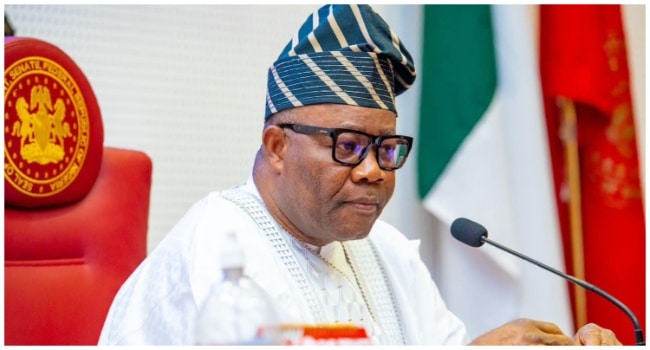
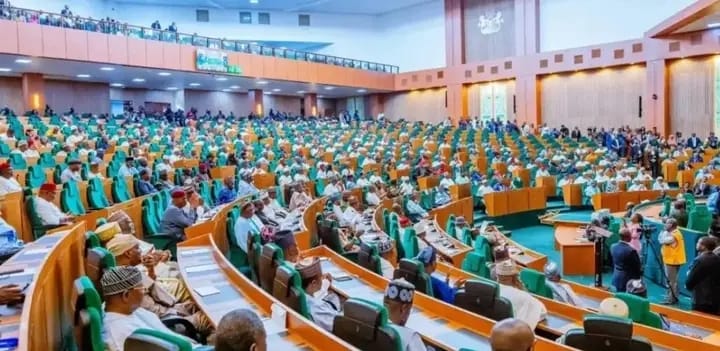
The Nigerian Senate has voted down a proposal seeking to amend the Electoral Act to make the electronic transmission of election results compulsory.

The decision was taken on Wednesday when lawmakers rejected an amendment to Clause 60, Subsection 3, of the Electoral Amendment Bill. The proposal aimed to remove the Independent National Electoral Commission’s (INEC) discretion over how election results are transmitted.

If approved, the amendment would have legally required INEC presiding officers to electronically upload results from every polling unit directly to the Result Viewing Portal (IREV) in real time. This process was to occur immediately after Form EC8A had been duly signed and stamped by the presiding officer, with party agents countersigning the document.

However, the Senate chose to maintain the existing and widely debated provision of the Electoral Act.

Under the current law, “the presiding officer shall transfer the results, including the total number of accredited voters and the results of the ballot, in a manner as prescribed by the Commission.”

By retaining this clause, lawmakers have allowed INEC to continue determining whether electronic transmission will be used. Critics insist that this flexibility created gaps that were allegedly exploited during the 2023 general elections.

The Senate’s decision has sparked strong reactions across the country, with many Nigerians and civil society organisations expressing disappointment. These groups had backed the amendment, describing it as a vital safeguard against manual manipulation of results at collation centres.

Analysts described the move as a setback for democratic development in Nigeria.

“We thought the National Assembly would learn from the failures of 2023 where the IREV portal became a source of national embarrassment,” Gerald Ede said. “By rejecting mandatory transmission, the Senate has essentially given a green light for the status quo of ‘manual miracles’ and result manipulation to continue.”

Supporters of the amendment had viewed mandatory real-time transmission as a crucial measure to rebuild public trust in elections.

The rejection comes at a time when calls for comprehensive electoral reforms are growing, particularly reforms designed to reduce human interference in the electoral process.

Opponents of the Senate’s position argue that leaving the “manner” of transmission to INEC’s discretion, especially given its past record of “technical glitches” during key stages of result collation, could fuel further electoral disputes and weaken the legitimacy of elected officials.

Saving the tax reform from the ‘Fake News’ industry

By Isah Kamisu Madachi


The furore over whether the tax laws should be implemented has passed. The nationwide discussions about the discrepancy between the gazetted version and the version passed by the National Assembly have also faded. January 1 has come and gone, and many changes, especially around digital transactions, are already beginning to manifest, as provided for under the new tax law. The consolidated tax laws under the tax reform regime are now in force, and as a citizen, I hope they are backed by strong accountability mechanisms and oversight to ensure that collected taxes are used for the right purposes.

However, I observed a major policy gap in the final moments of the law’s implementation, which, if left unaddressed, could not only undermine the law’s effectiveness but also cause greater harm to its objectives. If I were to estimate, I would say that less than 5% of Nigerians understand what the new tax law contains, how it works, and what it does not do. This knowledge gap has created a fertile ground for misinformation, disinformation, and fake news. 

In the past few days, I have personally encountered many people who told me they had withdrawn all the money saved in their bank accounts and converted it to cash. They said they no longer trust cashless transactions. Some were told that every transaction, regardless of the amount, would incur a flat ₦50 fee. 

Others were also told that keeping money in their accounts would result in monthly deductions, or that 5% of their savings would be deducted each month for tax. None of these claims could be traced to any provision of the law, yet they are widely shared with absolute confidence.

Another unfortunate experience was my encounter with a young and vibrant POS agent from whom I regularly withdraw cash. He told me he had shut down his business. According to what he was told, every ₦500,000 transaction would attract ₦15,000 in tax, every ₦5 million would attract ₦250,000, and any transaction above ₦1,000 would automatically be charged ₦50. 

He was also told these deductions would be accumulated and collected at the end of the month, and that’s what frightened him most. He used to make transactions averaging ₦50 million per month. With this information, he now chose to abandon his livelihood. Whether these claims are true or false is not the most important when one considers the damage such misinformation is already causing.

There is also a growing narrative, particularly on social media, that every transaction must now be clearly explained in the narration section. People are being told they must specify whether the money is for savings, shopping, gifts, rewards, profit, or salary. A counter-narrative exists saying this is false. Sadly, the average Nigerian does not know which version to believe. In an environment where official clarity is weak, rumours travel faster than facts.

If I were to document all the misinformation circulating about the new tax law, it would take more than a newspaper opinion. New versions emerge almost every hour. The most alarming outcome of this misinformation is how people are altering their economic behaviour. Businesses are being abandoned. Trust in digital finance is being eroded. People are deserting the cashless system out of fear, believing their money is no longer safe in the banking system.

The only effort I am aware of to address this information gap is the reported engagement of social media influencers to enlighten the public. If this effort has begun, it is not enough. If it has not, then it is urgently needed. But beyond influencers, one must ask: what happened to local radio stations? Radio remains the primary source of information for millions of Nigerians, especially in rural areas. The law should be broken down and discussed in local languages on local radio. 

There are also a proliferation of online television platforms operating across social media spaces. The tax reform committee should collaborate strategically with them to explain the law in simple, creative ways. Influencers alone cannot carry this burden. Public communication must be broader, more structured, and more deliberate.

The Federal Ministry of Information also plays a central role here. There is an urgent need for a simplified version of the tax law, as well as translations into local languages, and for their dissemination in collaboration with state ministries of information. Students, heads of households, community leaders, traders, and small business owners must all be deliberately engaged. Town hall meetings, especially in peri-urban communities, should be organised. They are necessary to counter the scale of misinformation already circulating.

When people are largely unaware of what a law entails, dysfunction is inevitable. The law may exist, but its implementation will be undermined by fear, resistance, and unintended consequences. By the look of things, those who understand the new tax law are currently the fewest in Nigeria, even among the highly educated. If this gap remains wide open, the law may struggle to achieve its intended outcomes.

Now that it’s here, I hope, and I genuinely pray, that if effectively implemented and properly communicated, the new tax laws will become one of the long-awaited channels for fixing many of Nigeria’s challenges. But without deliberate public education, I doubt if the policy can yield the desired result.

Isah Kamisu Madachi is a public policy enthusiast and development practitioner. He writes from Abuja and can be reached via: isahkamisumadachi@gmail.com.

US sends military team to Nigeria as attacks by insurgent groups escalate

By Anas Abbas

The United States has deployed a small contingent of military personnel to Nigeria in a move officials say is intended to strengthen cooperation against extremist violence in the West African country.

Gen. Dagvin R.M. Anderson, commander of the U.S. Africa Command (AFRICOM), confirmed the deployment on Tuesday, saying the team arrived after discussions between U.S. and Nigerian authorities on intensifying efforts to counter threats from Boko Haram, the Islamic State West Africa Province (ISWAP) and other armed groups.

The deployment is the first acknowledgment of U.S. forces on the ground in Nigeria since America carried out airstrikes there on Christmas Day, targeting fighters linked to the Islamic State. While details about the size, exact mission and location of the U.S. team have not been released, military officials describe their role as focused on intelligence support, coordination and enhancing Nigerian capabilities rather than leading combat operations.

Nigeria faces persistent insecurity across its north and northwest, where Boko Haram and ISWAP factions have intensified attacks on military convoys and civilian communities. These groups have waged an insurgency for nearly two decades, displacing millions and forcing the government to seek varied forms of assistance to suppress the violence.

The move follows growing diplomatic engagement between Abuja and Washington. In recent months, U.S. officials have reportedly urged Nigeria to take stronger action against extremist violence, even as the Nigerian government rejects accusations that it is failing to protect vulnerable populations. Nigerian authorities emphasize that operations target all armed groups that threaten security, irrespective of the victims’ religious identities.

The U.S. has also conducted surveillance flights over Nigeria from bases in neighboring countries, a precursor to the December airstrikes. Those strikes reportedly killed multiple militants in Sokoto State, conducted in coordination with Nigerian forces.

While the current deployment is limited in scope, it marks a notable shift toward deeper military cooperation between the two countries at a time when Nigeria’s security challenges remain acute.

Nigeria’s untapped wealth: Zakat and Waqf as tools for national renewal

By Abdullahi Abubakar Lamido

This week marks a historic milestone for Islamic social finance in Nigeria. For the first time, the Association of Zakat and Waqf Operators in Nigeria (AZAWON) has declared a National Zakat and Waqf Week, running from January 30th to the following weekend. Across the country, more than 70 member organisations are participating through various programmes. The goal is simple but urgent: to educate, enlighten, and reawaken Muslims to the power and relevance of zakat and waqf in today’s world.

In Gombe State, the Zakah and Waqf Foundation is leading a series of activities during the week, including khutbahs, public lectures, zakat disbursement programmes, advocacy visits, and radio and television engagements. One of the key events was an invited guest Friday khutbah I delivered at Fuad Lababidi Mosque, carrying a message many communities desperately need to hear: that zakat and waqf are not just religious rituals but economic systems designed to build strong, self-reliant societies.

A central theme of the sermon was that Islam does not accept poverty as destiny, nor hunger as a permanent condition. Allah says, “Take from their wealth a charity by which you purify them and cause them to grow” (Qur’an 9:103), and He reminds us, “The example of those who spend their wealth in the way of Allah is like a seed that grows seven ears; in every ear are a hundred grains” (Qur’an 2:261). 

The verses above show that giving in Islam is not a loss but rather a source of growth, purification, and multiplication. Islam built a community where the wealthy bear responsibility for the vulnerable, the strong uplift the weak, and wealth circulates rather than remaining locked in a few hands. Two of the greatest tools for achieving this are zakat and waqf.

Many people today see zakat only as short-term relief — food packs, cash support, or emergency help. While these are important, zakat in its full vision is far greater. It is a poverty-reduction system, a wealth-redistribution mechanism, and a tool for economic empowerment. When properly managed, zakat can fund small businesses for the poor, provide tools and equipment for tradespeople, support education and skill development, and help recipients become earners. In other words, zakat is meant to move people from dependency to productivity. 

Globally, experts estimate that billions of dollars in zakat are paid annually by Muslims, and if organised professionally and invested productively, this wealth could significantly reduce poverty across the Muslim world.

If zakat is the fuel of social protection, waqf is the engine of long-term development. Waqf, or Islamic endowment, is a form of continuous charity where an asset is dedicated for the sake of Allah and its benefits are used for the public good. Historically, waqf funded universities and schools, hospitals and clinics, roads, bridges, and water systems, orphan care and social welfare, as well as libraries and centres of knowledge. 

For centuries, Muslim civilisation ran on waqf. In places like the Ottoman Empire, vast portions of public services, including education and healthcare, were financed through endowments rather than government budgets. In many classical Muslim cities, it was possible for a person to be born in a waqf-supported hospital, educated in a waqf-funded school, work in a waqf-funded market, and even be buried using waqf land — all without costing the state.

The Nigerian reality today presents serious challenges: youth unemployment, underfunded schools, poor healthcare access, and widespread poverty. Yet Islam has already placed in our hands the tools to respond. The khutbah stressed that we must stop seeing development as the government’s responsibility alone. Islamic civilisation flourished not only because of governments but also because of community-driven institutions like zakat and waqf.

The message echoed across the nation. In Abuja, Alhabibiyyah Islamic Society, through its Zakat and Waqf Unit, organised a major programme to mark its 5th Zakat and Waqf Day and the 15th Public Zakat Disbursement on 31st January 2026. The event drew national attention, with the National Chairman of AZAWON, Malam Muhammad Lawal Maidoki (represented by Honourable Balarabe Shehu Kakale), delivering the keynote address. A high-level panel discussion followed on the theme “Zakat, Waqf and the New Tax Regime,” where I served as a panellist alongside Taiwo Oyedele, Chairman of the Presidential Fiscal Policy and Tax Reforms Committee (represented), Hajiya Adama of Al-Ikhlas Waqf Trust, Borno, and Barrister Dele Oye, Founder of Dele Oye & Associates. My contribution once again emphasised the strategic developmental and civilisational roles of zakat and waqf, highlighting practical ways these instruments can be used to address our numerous socioeconomic challenges in a structured, sustainable manner.

The implications are clear. Zakat institutions must move toward professional management, proper data systems, and empowerment-based programmes that help beneficiaries start businesses and become self-reliant. Waqf must also evolve beyond its limited perception. Instead of restricting waqf to graveyards and mosques, communities can establish rental properties, shopping complexes, farms and orchards, schools, and clinics with income-generating arms. The profits can then fund education, healthcare, scholarships, and social welfare on a permanent basis. Families can dedicate houses or land as waqf, mosques can initiate community waqf projects, businesspeople can create corporate waqf funds, and professionals can contribute their expertise in management and governance.

The National Zakat and Waqf Week is therefore more than a ceremonial event; it is a wake-up call. If Muslims in Nigeria pay zakat correctly and channel it productively, establish and manage waqf professionally, and build partnerships between scholars, business leaders, and experts, then by Allah’s permission, we can see reduced poverty, more jobs for youth, better schools and hospitals, and stronger, more dignified communities. 

The revival of zakat and waqf is not just about charity; it is a strategy for economic revival and social stability. As emphasised in the khutbah and in the Abuja panel discussion, empowering the Muslim community will not happen through speeches alone, but through planning, management, transparency, and trust. The tools are already in our hands. The question is whether we will use them.

Amir Lamido, PhD, wrote from Abuja, Nigeria. 

Nigeria is now global reference for credible reform leadership—World Bank

By Sabiu Abdullahi

The World Bank has described Nigeria as a country increasingly cited around the world as a model of steady and credible reform leadership.

This is contained in a statement signed by Bayo Onanuga, Special Adviser to the President on Information and Strategy, dated February 3, 2026.

The remark came from the World Bank’s Managing Director of Operations, Anna Bjerde, during a meeting with President Bola Ahmed Tinubu and Vice President Kashim Shettima at the State House in Abuja on Tuesday. Other officials of the Bank accompanied her to the meeting.

Bjerde praised Nigeria’s reform efforts over the past two years, with emphasis on the government’s determination to remain consistent despite economic pressures. She said the approach and the visible outcomes had strengthened confidence among investors, policymakers and players in the private sector.

She also drew attention to the upcoming Country Partnership Framework, which she said aligns closely with Nigeria’s own development agenda, especially the target of achieving a $1 trillion Gross Domestic Product and 7 per cent economic growth.

President Tinubu reaffirmed his administration’s commitment to the reform agenda and acknowledged the difficulties that accompanied the process. He said “there will be no turning back.”

The President explained that although the removal of fuel subsidy and the unification of exchange rates initially pushed inflation upward, the situation has improved, with inflation easing and the naira showing signs of stability. He added that the developments have helped to boost investor confidence and improve the business environment.

According to President Tinubu, the reforms are built on transparency, accountability and policy stability.

He identified agriculture as a major focus of his administration and said investments have been directed toward the sector through the establishment of zonal mechanisation centres, improved seed development and better access to fertilisers. He noted that support from the expanding petrochemical industry has also helped to improve output and encourage farmers to form strong cooperatives.

“Nigeria is the heart of the continent, and we must do what’s necessary to strengthen the economy, particularly looking at the young population of this country, looking at the vast area of arable lands.

“How do we employ mechanisation and make agriculture easier? I have embarked upon that. We have created zonal mechanisation centres to help the farmers,” he said.

President Tinubu urged the World Bank to strengthen its partnership with Nigeria through faster financing, reduced bureaucracy, shared development models, effective risk management and improved capacity building to support inclusive growth.

In her remarks, Bjerde stressed the need to improve access to finance for small, medium and large enterprises, with special attention to mid-sized businesses, which she described as critical to job creation.

She also commended Nigeria’s emphasis on early childhood development and described it as vital to long-term productivity. She assured the country of the Bank’s continued support in that area.

“Many countries around the world, even middle-income and upper-middle-income countries, are suffering again with rising levels of stunting. And here, we’ve identified early childhood development as a strong entry point. So, all of this, to say we’re looking forward to a new country partnership framework,” she said.

Bjerde restated the World Bank Group’s commitment to a programme that reflects Nigeria’s priorities and combines public and private sector support. She added that the Bank, through the International Development Association, the International Bank for Reconstruction and Development and the International Finance Corporation, stands ready to sustain support for Nigeria’s reform agenda.

The Minister of Finance and Coordinating Minister of the Economy, Wale Edun, as well as the Deputy Chief of Staff to the President, Ibrahim Hassan Hadejia, attended the meeting.

College of education in Niger State honours NERDC

By The Daily Reality

Dr. Umaru Sanda Ahmadu College of Education (USACOE), Minna, Niger State, has honoured the Nigerian Educational Research and Development Council (NERDC) in recognition of its immense contributions to the development of education in Nigeria.

The College, founded in 1975, presented an Institutional Award of Recognition to NERDC for “Regulatory Oversight, Guidance and Support” during its Golden Jubilee celebration held on 31st January, 2026. The anniversary programme, which marked fifty years of the institution’s existence, took place from 30th January to 1st February, 2026.

The Institutional award was presented to the Executive Secretary of NERDC, Professor Salisu Shehu, who was represented at the event by the Director, Library and Informatics Centre (LIC), Dr. Mandela Asebiomo. While presenting the award, the Chairman of the Code of Conduct Bureau (CCB) and Guest Speaker at the occasion, Justice (Dr.) Abdullahi Usman Bello, commended NERDC for its effective discharge of regulatory oversight, guidance, and support functions within the Nigerian education system.

Dr. Umaru Sanda Ahmadu College of Education, named after its pioneer Provost, Umaru Sanda Ahmadu, was initially established as a Teachers’ Training College. Over the years, the institution has undergone significant transformation and has since evolved into a degree-awarding institution offering programmes in various education-related disciplines.

The Golden Jubilee celebration, organised by the College Alumni Association in collaboration with the Management and Staff Unions, attracted the presence of representatives of the Niger State Government, heads of government agencies, members of the academia, traditional rulers, religious leaders, and other distinguished guests.

Report warns half of Nigerian hospitals cannot adequately treat snakebite victims

By Sabiu Abdullahi

A new global report has revealed that at least half of health facilities in Nigeria lack the capacity to properly treat snakebite envenoming, raising concerns over avoidable deaths and long-term disabilities across the country.

The report was released by the Strike Out Snakebite (SOS) initiative to mark World Neglected Tropical Diseases (NTDs) Day 2026, observed annually on January 30. It identified weak health systems, poor infrastructure and persistent shortages of life-saving antivenom as major drivers of snakebite deaths, particularly in high-burden countries such as Nigeria.

The findings were drawn from a survey involving 904 frontline healthcare workers in Nigeria, Brazil, India, Indonesia and Kenya, countries that account for a significant share of the global snakebite burden.

According to the report, 50 per cent of health workers said their facilities lack full capacity to manage snakebite cases, while 99 per cent reported difficulties administering antivenom, which the World Health Organisation recognises as the only essential treatment for snakebite care.

Nigeria’s situation was described as especially severe, with 98 per cent of surveyed healthcare workers reporting challenges in administering antivenom.

“Nigeria is home to 29 species of snakes, nearly 41 per cent of which are venomous, yet many victims still struggle to access timely medical care,” the report stated.

Healthcare workers surveyed identified urgent needs that include improved access to care, higher-quality antivenom, stronger regulation, expanded training and wider community education to reduce risky behaviour.

The report highlighted “delays in patients arriving at health facilities (57 per cent), poor infrastructure and inadequate equipment (56 per cent), and lack of training and clinical guidelines (42 per cent) as key factors contributing to avoidable deaths and disabilities.”

The findings come amid public outrage over the death of Abuja-based music talent, Ifunanya Nwangene, who reportedly visited two hospitals that could not administer antivenom before she died.

The report further showed that 35 per cent of healthcare workers experience daily shortages of antivenom, while more than 77 per cent reported life-threatening delays in treatment because victims often seek traditional remedies first.

In addition, 44 per cent of respondents said avoidable delays have led to amputations or major surgeries, outcomes that frequently push affected families into deeper poverty.

Snakebite envenoming was described as a disease of inequality, with rural communities, children and agricultural workers most affected due to long distances from well-equipped health facilities.

“Snakebite envenoming kills roughly one person every five minutes worldwide, yet remains severely underreported and underfunded despite being preventable and treatable,” the report said.

Commenting on the findings, Co-Chair of the Global Snakebite Taskforce and Chancellor of the London School of Hygiene and Tropical Medicine, Elhadj As Sy, said the data point to a global emergency.

“Snakebite envenoming causes up to 138,000 deaths every year — one person every five minutes — and leaves a further 400,000 with permanent disabilities,” he said.

He questioned why one of the deadliest neglected tropical diseases remains largely ignored by global decision-makers and donors.

“No one should be dying from snakebite envenoming,” he added, while calling for urgent action to end preventable deaths in Nigeria and other vulnerable regions.

Elhadj As Sy also said frontline health workers are fighting the disease within fragile and under-resourced systems.

“Too often, conversations on global health overlook those who shoulder the greatest burden — frontline healthcare workers. This report shines a light on the severe challenges they face. Many solutions exist, but political will and bold commitments from governments, partners and investors are needed to turn the tide on this preventable yet devastating disease,” he said.

The report noted that victims often face long journeys to care, limited infrastructure and scarce, costly antivenom, factors that turn a treatable condition into a medical emergency.

It also pointed to preventive measures such as wearing protective footwear, using mosquito nets, carrying torches at night and avoiding snake habitats as steps that could significantly reduce risk in rural areas.

Elhadj urged governments to act decisively.

“As Co-Chair of the GST, my mission is simple: to bring snakebite out of the shadows and demand the attention, action, and resources from the international community. The solutions exist. The deaths are preventable. Frontline healthcare workers have spoken. I invite you to listen. Stand with them,” he said.

Executive Secretary of the African Leaders Malaria Alliance, Joy Phumaphi, also stressed the urgency of action.

“Snakebite envenoming continues to take the lives of vulnerable people despite being preventable. On World NTD Day, ALMA reaffirms our commitment to strengthen prevention and control through advocacy and country-led solutions. Unite. Act. Eliminate NTDs,” she said.

The report called on governments, philanthropists, multilateral agencies and industry stakeholders to increase investment in research, expand access to affordable and quality antivenom, upgrade health infrastructure and integrate snakebite prevention and treatment into national health plans.

SOS warned that snakebite envenoming still receives only a small fraction of the funding required, despite causing up to 138,000 deaths and 400,000 permanent disabilities worldwide each year.

2025: Genocide, missile and other issues

By Usman Abdullahi Koli

“Tempora mutantur, nos et mutamur in illis.” Times change, and we change with them. Some years arrive with spectacle, with upheaval that demands attention. Others arrive quietly, insistently, reshaping life before their weight is fully understood. 2025 in Nigeria was of the latter. It did not collapse. It did not triumph. It compelled the nation to confront itself.

On a Tuesday morning in early January, before any official pronouncement or statistical briefing, the country was already aware of the season’s challenge. At the motor parks, drivers adjusted fares in silence, anticipating rising fuel costs. From Idumota Market in Lagos to Monday Market in Maiduguri and Sabo Gari Market in Kano, traders shifted prices mid-morning, recalibrating their margins as households silently reshuffled meals and transport plans.

Some Nigerians recounted how they had begun rationing electricity at home and combining trips to reduce petrol expenses. Survival, not aspiration, became the framework of daily life. Everyone began to adjust to the sharp inflationary impact of the new economic regime.

President Bola Ahmed Tinubu had warned that national renewal would be neither fast nor painless. He described it as a painful surgery necessary to recalibrate the economy for future gains. By midyear, the warning had manifested. Inflation, driven by food and energy prices, persisted relentlessly. The naira existed in a state of limbo, neither collapsing completely nor regaining dignity. Salary-dependent citizens faced daily compromise, while speculators adjusted and profited. Official statistics merely confirmed what citizens already knew: adjustment had become endurance.

Yet governance did not stand still. Revenue mobilisation improved. Leakages narrowed. Subnational governments were compelled to confront fiscal realities rather than maintain dependence on the centre. By April, a comprehensive tax reform framework was unveiled, aiming to redefine who pays, how, and to what effect. Properly implemented, it could stabilise finances for decades. Miscommunicated, it risks deepening mistrust. In public policy, substance alone is never sufficient; legitimacy also requires understanding, transparency, and civic consent.

Security offered evidence of the state’s potential when coordinated and intelligence-driven. Operations across Zamfara, Katsina, and Kaduna disrupted entrenched bandit networks. Camps once considered permanent were dismantled and feared commanders neutralised. The significance was less in propaganda and more in the quiet lesson that impunity is not inevitable. Yet highways remained perilous, rural communities exposed, and kidnappings continued. Fear, while less permanent, had not fully dissipated. Structural justice, inclusion, and local legitimacy remain essential for lasting security.

International and regional developments added further complexity to an already strained year. Statements by the current United States President, Donald Trump, asserting that Christians were being targeted in Nigeria and describing the situation as a Christian genocide, drew strong domestic and international reactions, reopening debates about sovereignty, narrative framing, and the external politicisation of Nigeria’s internal security challenges. Almost simultaneously, a reported missile strike in Sokoto, justified as an operation against the so-called Lakurawa terror group, raised serious questions about intelligence credibility, civilian safety, and the expanding theatre of counterterrorism. Within the subregion, Nigeria’s foreign and security policy faced its own test when Nigerian soldiers en route to Portugal were detained in Burkina Faso, a development that followed closely on the heels of an attempted coup plot in the Benin Republic and Nigeria’s military support for the Cotonou government. Together, these events underscored the fragility of regional trust and the growing cost of instability beyond Nigeria’s borders.

The health sector revealed fragility in stark terms. Nationwide strikes by resident doctors, followed by allied health workers, paralysed tertiary hospitals. Emergency rooms were stretched. Laboratories and pharmacies operated at skeletal capacity. Citizens faced delays, avoidable loss, and mounting uncertainty. Professional sacrifice, not institutional strength, sustained the system. No nation aspiring to seriousness can indefinitely rely on individual endurance while postponing structural repair.

Midyear brought a moment of national reflection with the death of former President Muhammadu Buhari. Flags flew at half-mast. Tributes poured from private citizens, politicians, and international observers alike. Yet beneath the ceremonial mourning lay unresolved questions: the legacy of decisions, the costs of policy, and the gaps left in leadership. History rarely closes neatly. It lingers, asking questions long after the ceremonies end.

Politically, the year matured with quiet intensity. Alliances shifted, ambitions hardened. Northern cities, Kano in particular, became symbolic mirrors of broader anxieties. Silence, rather than violence, became the language of anticipation. Even without a formal declaration, Nigerians understood that political calculation was underway, shaping the landscape for future contests.

Amid pressure, civic life persisted. Humour flourished in the streets, on social media, and in private gatherings. Satire became a language of participation, reminding those in authority that power is both observed and interpreted. In a constrained civic space, laughter and critique became inseparable.

By the year’s close, one conclusion is unavoidable. 2025 was not a season of miracles. It was a season of exposure. Governance demonstrated competence and direction in some areas, while revealing gaps in empathy and communication in others. Citizens displayed resilience, but also impatience and a refusal to be sustained by rhetoric alone. Reform is underway. Its success depends on trust, empathy, and the leaders’ capacity to carry the public along honestly.

Nigeria did not fall. But we keep hope alive that the giant will rise. It confronted itself, and comfort proved in short supply. This confrontation, uncomfortable as it was, may yet lay the foundation for a more serious engagement with the demands of nationhood. Nations rarely change because they are persuaded; they change because they are compelled to see themselves clearly.

In this, 2025 may yet prove instructive.

Usman Abdullahi Koli wrote via mernoukoli@gmail.com. 

SIMDA confirms fire outbreak at Singer market

By Anas Abbas

The Singer Market Development Association (SIMDA) has reported a major fire outbreak at Singer Market, which began at about 3:00 a.m. and is still ongoing as of the time of this report. The incident has caused panic among traders and residents in the area.

In a statement shared by the chairman of the association, Barrister Muhammad Zakari called on members of the public and the business community to offer prayers for divine intervention as efforts continue to contain the fire. The association described the situation as serious and distressing.

The chairman urged everyone to remember the affected traders in their prayers, asking Allah to protect lives and minimize losses resulting from the inferno. He emphasized the importance of unity and support during this difficult moment for the market community.

The statement concluded with prayers for Allah’s mercy and protection, asking Him to bring the fire under control and restore calm to the market. “May Allah save us from this calamity,” the chairman prayed

Updates on how the fire started and the level of damage recorded will be communicated in due course.

Nigerian military gives bandits bloody nose, eliminates scores in Zamfara

By Sabiu Abdullahi


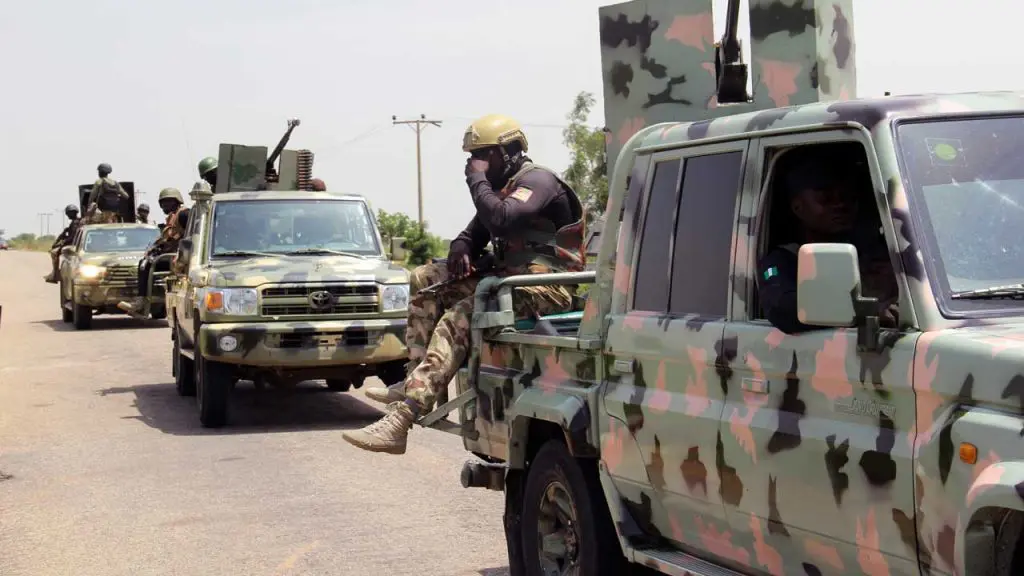
Troops of the 8 Division of the Nigerian Army, operating under Sector 2 of Operation FANSAN YAMMA, have overrun the stronghold of a notorious bandit leader, Gwaska Dan Karmi, in Maru Local Government Area of Zamfara State, killing scores of bandits during a fierce gun battle.

This is contained in a statement signed by Lolaniyi Osoba, Lieutenant Colonel, Acting Deputy Director, Army Public Relations, 8 Division Nigerian Army/Sector 2 Operation FANSAN YAMMA, on February 1, 2026.

The military operation followed credible intelligence which revealed that more than 100 armed bandits had converged at the camp to plan coordinated attacks on surrounding communities and military supply routes. Troops placed the location under close surveillance for several days before launching the assault with support from the Nigerian Air Force.

The troops engaged the bandits on January 31, 2026. Heavy exchanges of gunfire broke out after the terrorists attempted to flank and encircle the advancing forces. The soldiers, backed by superior firepower, repelled the attempt and gained control of the camp. Many of the bandits were killed during the clash, while others escaped with gunshot wounds.

After securing the area, the troops set the camp ablaze and withdrew in an organised manner. The Nigerian Air Force has continued interdiction missions to track and eliminate fleeing bandits, while ground forces retain control of the area.

The Nigerian Army confirmed that some soldiers lost their lives during the encounter. One combat enabler vehicle was also struck by an enemy Rocket Propelled Grenade and caught fire. The Army paid tribute to the fallen personnel and reaffirmed its resolve to sustain the fight against banditry.

According to the military, troop morale and combat effectiveness remain high as operations continue to dismantle criminal networks and disrupt their logistics across the region.