Nigeria

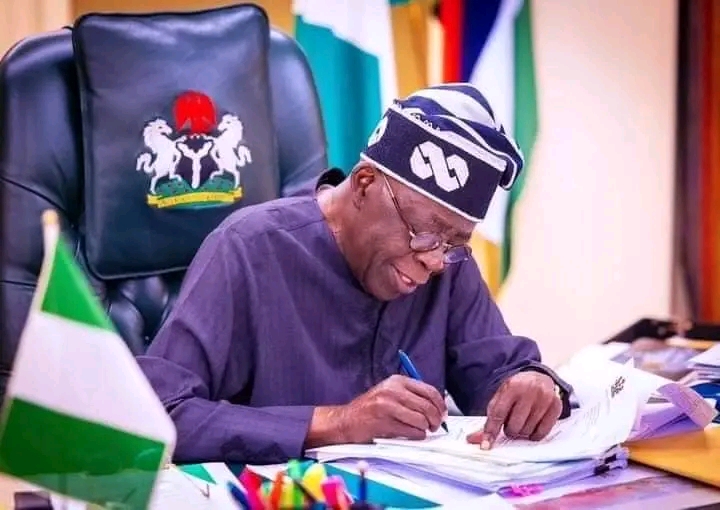
President Tinibu greets General Babangida at 83

By Abdullahi Mukhtar Algasgaini

President Bola Ahmed Tinubu congratulates Nigeria’s former Head of State, General Ibrahim Badamasi Babangida, GCFR, on his 83rd birthday today, August 17. 

General Babangida, popularly called IBB, was Nigeria’s military President from 1985 to 1993.

President Tinubu salutes IBB on this special occasion, noting his endeavours towards the nation’s development, especially in infrastructure and other areas, notably the completion of the Third Mainland Bridge, which at the time was the longest bridge in Africa.

The President acknowledges General Babangida’s role in shaping modern Nigeria and commends him for his services to the nation.

President Tinubu wishes the former head of state many more years in good health.

We are not selling employment slots, NNPC warns

By Abdullahi Mukhtar Algasgaini

The Nigerian National Petroleum Company Ltd. (NNPC Ltd.) has called on the public, especially job seekers, to disregard rumours of employment slots for sale.

The company states that there is no iota of truth in the insinuations that it has employment slots on offer to anyone who wishes to buy, describing such antics as fraudsters who want to take advantage of unsuspecting applicants.

It cautions that as a responsible corporate entity, recruitment into the company is a straightforward process and does not involve the sale of slots or inducement of any kind.

It warns that anyone who pays money to anyone for any job in the company does so at his or her own risk.

Of Dangote Refinery and NNPC brawl 

By Usman Abdullahi Koli, ANIPR 

Experts say that the newly established Dangote Refinery might address Nigeria’s energy crisis, but this legacy project is finding its footing in navigating the rigours of International Oil Companies (IOCs). Not only this, but government strategy policy greatly affects operations in the business space. The refinery is facing a fresh challenge from regulatory bodies in Nigeria, which may make or mar its success.

The $19 billion Dangote Refinery project has ignited a fierce debate between the Nigerian National Petroleum Corporation Limited (NNPC) and Aliko Dangote – Africa’s richest man. This flagship project, poised to be the largest single-train refinery in the world, has the potential to transform Nigeria’s economy and reshape the continent’s energy landscape. 

Yet, the dispute between NNPC and Dangote threatens to derail this vision. Can Nigeria find a harmonious balance between private sector efficiency and public sector oversight, unlocking the full potential of this game-changing project?

Aliko Dangote’s vision for the refinery is to reduce Nigeria’s dependency on imported refined petroleum products, saving the country billions in foreign exchange. He emphasises the need for private sector management to ensure efficiency and accountability, citing historical inefficiencies in government-run enterprises. Dangote seeks assurances that his substantial investment will yield returns, expressing concerns about potential government interference that could jeopardise profitability.

On the other hand, the NNPC maintains that it must have a significant role in the refinery to safeguard national interests. The corporation argues that state involvement is crucial to ensure that the refinery’s output aligns with national energy policies and goals. NNPC also emphasises the need for regulatory oversight to prevent monopolistic practices and ensure that prices of refined products remain affordable for Nigerians.

According to Mele Kyari, NNPC’s Group Managing Director, “Our involvement in the Dangote Refinery is to ensure that the project aligns with national interests and that the country benefits maximally from the investment.” Aliko Dangote, however, believes that “private sector efficiency is key to the success of the refinery, and government interference could hinder its progress.”

Dangote might be jittery about the government’s ineffectiveness in running similar assets. His fears would be that he who failed to turn around his refinery successfully wanted a front seat and, perhaps, direction. The business mogul’s aims surpassed the government’s fight against it after the allegations of monopoly attempts by the government. 

Dangote said his friend, who warned him against investing in Nigeria, now mocks him. He was ready to be bought out by the government when the regulatory body said that the refinery’s output was inferior to imported products. This statement ignited reactions from netizens.

The dispute highlights the tension between private enterprise and state control in critical sectors. Both sides present valid arguments that merit consideration. Balancing economic independence with national control, operational efficiency with public accountability, and investment security with public interest is essential to harness the benefits of both approaches.

As the saying goes, “Too many cooks can spoil the broth,” but in this case, finding a harmonious balance is key to ensuring the refinery’s success and, ultimately, Nigeria’s economic stability. Efficiency must be paired with accountability for any project to succeed, and this wisdom applies aptly to the current NNPC-Dangote situation.

Transparency and mutual respect are the pillars upon which this partnership should rest. By acknowledging the strengths and concerns of both parties, Nigeria can move towards a solution that advances the Dangote Refinery project while ensuring sustainable and inclusive growth for the nation.

In the words of Aliko Dangote, “The success of the refinery is paramount for Nigeria’s economic stability.” Mele Kyari also notes, “Our goal is to ensure that the refinery serves the national interest while also providing returns on investment.” Ultimately, the NNPC-Dangote dispute underscores the complexities of managing critical national assets. By finding a middle ground that balances private sector efficiency with public sector oversight, Nigeria can unlock the full potential of the Dangote Refinery and secure a brighter energy future for generations to come.

The path forward lies in a collaborative effort where the private and public sectors work together. If handled with care and foresight, this partnership can transform Nigeria’s energy landscape and set a benchmark for future endeavours. The Dangote Refinery has the potential to be a game-changer, and it is in the best interest of all Nigerians to see it succeed.

Usman Abdullahi Koli wrote via mernoukoli@gmail.com.

Minister of Information urges international media to provide balanced and unbiased reporting

By Anas Abbas

The Minister of Information and National Orientation, Mohammed Idris, has called on international media outlets to provide fair, accurate, and objective coverage of Nigeria.

Receiving a BBC delegation in his office on Thursday, August 15, Idris emphasized the importance of balanced reporting, highlighting both challenges and positive developments in the country.

Idris emphasized the importance of balanced and unbiased reporting and highlighted that Nigeria, like other countries, faces challenges. He also urged the international media to provide a complete and nuanced portrayal rather than focusing solely on negative aspects.

While acknowledging press freedom, Idris encouraged international media to showcase Nigeria’s progress and achievements. He commended the BBC’s expansion in Nigeria, including its Hausa Service studio relocation to Abuja, engaging 200 Nigerians.

Idris also appreciated the BBC’s capacity-building initiatives for public media journalists and requested similar support for private outlets.

BBC’s Director of Global News, Jonathan Munro, praised Nigeria’s strong reputation for the BBC, citing 30 million weekly visitors to their news services, making Nigeria their third-largest international audience.

Investment Drive: Gombe pioneers NIPC certification programme

By Abdullahi Mukhtar Algasgaini

Gombe State has made a significant stride in its investment drive by becoming the first state in Northern Nigeria to benefit from the Nigeria Investment Promotion Certification programme, which is being implemented by the Nigerian Investment Promotion Commission (NIPC). The programme is funded by the United Nations Development Programme (UNDP). 

This was disclosed by the UNDP representative, Adejumobi Fashola, at the opening session of a three-day workshop for officials of the various Ministries, Departments, and Agencies in Gombe state on building the state’s competence to provide information capable of attracting investment for sustained economic growth and development.

According to Fashola, the selection of Gombe as the first beneficiary in Northern Nigeria underscored the state’s strategic importance and the potential it holds for attracting both local and foreign investments, emphasising sectors such as agriculture, solid minerals, and renewable energy, which have been identified as key drivers of the state’s economic growth.

“The goal of this programme is to build the capacity of state MDAs to effectively engage with investors and create a conducive environment that will encourage sustainable investment. 

“Gombe State has demonstrated a strong commitment to this process, and we believe the outcomes of this workshop will significantly enhance the state’s investment profile,” the UNDP representative said.

“The Nigeria Investment Promotion Certification Process (NIPC) aims to standardise and enhance the capabilities of MDAs at state levels in promoting and facilitating investments by equipping them with the necessary skills, tools, and knowledge to create a more conducive and attractive environment for both local and foreign investors. 

It focuses on improving the efficiency, transparency, and effectiveness of investment promotion activities, ensuring that states become competitive and preferred destinations for investment in Nigeria”, he added. 

Speaking at the event, the Permanent Secretary/Sole Administrator of the Gombe State Investment and Property Development Company Limited, Mohammed Abubakar Bello Kumo, expressed Governor Inuwa Yahaya’s commitment to transforming Gombe into an investment hub, noting that the state government has been working tirelessly to improve the business climate by implementing reforms and infrastructure projects that will attract investors.

“We are honoured to be the first state in Northern Nigeria to benefit from this programme. This is proof of the ongoing efforts of Governor Inuwa Yahaya to make Gombe State a business-friendly environment. This workshop will equip our MDAs with the necessary skills to attract and retain investment, which is crucial for the economic development of our state”, Kumo stated.

He also acknowledged the role of UNDP and NIPC in supporting Gombe State’s development agenda, particularly in fostering partnerships that will lead to job creation, poverty reduction, and improved living standards for the people of Gombe.

Some of the participants who spoke at the event expressed their appreciation for the opportunity to learn from industry experts and engage in practical sessions that will help them apply the knowledge gained in their respective MDAs. 

They noted that the training provided them with valuable insights into how the state can leverage its unique resources to attract investment.

The essentials of contemporary public relations

By Haroon Aremu 

The role of public relations (PR) has become increasingly crucial in the digital age. Beyond just administrative tasks, PR now serves as a vital managerial function within organizations. 

It is widely acknowledged that an effective PR function shapes an organization’s image, fosters relationships with the media, manages crises even before they erupt, and ensures continuous engagement with key stakeholders and the public. As outlined by the Public Relations Society of America (PRSA), and further expanded to meet modern demands, the core PR functions form the backbone of any successful communication campaign.

While traditional offline PR remains relevant, the reality is that in the digital age, the deployment of technological tools has transformed the way PR is practiced. The essential PR functions, however, still remain valid in this contemporary period.

Media Relations: Media relations is the gateway to public perception. With the rise of social media, video conferencing, and other digital tools, building and maintaining relationships with the press are now more accessible than ever. Effective media relations ensure that an organization secures favorable coverage and manages its image in the press. This involves regular engagement with journalists, responding promptly to media inquiries, and providing accurate and compelling information that aligns with the organization’s objectives.

Community Engagement: Engaging with the community is key to building a positive reputation and fostering goodwill. This can be achieved through digital platforms, such as online event invitations, participation in virtual events, supporting local initiatives, and maintaining open lines of communication with critical stakeholders. An organization must be seen as a valuable and responsible member of the community.

Crisis Management: Navigating stormy waters through crisis management is also essential. Most crises are now triggered and spread through social media. Every organization should anticipate crises and put in place robust crisis management strategies to mitigate the impact on its reputation. Developing response plans, training spokespersons, and swiftly addressing issues as they arise are attributes of a consummate communicator. Effective crisis management protects the organization’s image and ensures continued trust from stakeholders.

Employee Relations: Employee relations are the heartbeat of an organization. Technological advancements have facilitated frequent communication between employers and employees. Regular interactions are crucial for building trust, motivation, and alignment with organizational goals. Employee relations involve regular updates, recognition programs, and fostering a positive workplace culture. When employees are engaged and informed, they become advocates for the organization, enhancing its overall image.

Public Affairs: Influencing policy and legislation through public affairs builds relationships with government and regulatory bodies. Public affairs professionals work to ensure that the organization’s interests are represented in policy discussions and that regulatory changes are communicated effectively within the organization.

Reputation Management: Protecting the brand with reputation management involves monitoring and enhancing an organization’s overall image. This includes proactive strategies to build a positive reputation and reactive measures to address any negative perceptions. Consistent and strategic communication is key to maintaining public trust and confidence.

Social Media Management: Social media management is vital for engaging with audiences, promoting the organization, and managing its online presence. This involves creating and sharing content, responding to comments and messages, and monitoring social media trends. Effective social media management helps to build a strong online community and amplify the organization’s message.

Content Creation and Distribution: Producing and distributing content that aligns with the organization’s objectives is essential for engaging target audiences. This includes press releases, blog posts, videos, and infographics. High-quality content not only informs but also inspires and engages, helping to build a loyal audience.

Event Management: Organizing and managing events is a powerful way to promote the organization, its products, or its services. Whether it’s a product launch, a community event, or a corporate meeting, well-executed events enhance visibility and create positive experiences for attendees.

Research and Evaluation: Conducting research to understand public perceptions and evaluating the effectiveness of any campaign for continuous improvement is crucial. This involves gathering data, analyzing feedback, and making informed decisions to refine strategies and achieve better outcomes.

In the ever-evolving landscape of public relations, practitioners must adapt to the changing demands of the digital age while upholding the core principles of the profession. By mastering these essential functions, organizations can effectively communicate their message, build strong relationships with their stakeholders, and navigate the complexities of the modern PR landscape.

Haroon Aremu is a Mass Communication graduate and a youth corps member at the PRNigeria Centre in Abuja.

President Tinubu leaves for Equatorial Guinea on official visit

By Abdullahi Mukhtar Algasgaini

President Bola Tinubu will on Wednesday, August 14, depart Abuja for Malabo, Equatorial Guinea, on a three-day official visit to honour the invitation of President Teodoro Obiang Nguema Mbasogo.

President Tinubu will meet with the Equatorial Guinean President at the Presidential Villa on arrival, where meetings will be held between the two leaders and agreements, particularly on oil and gas and security, signed.

The President will be accompanied on the trip by the Minister of Foreign Affairs, Ambassador Yusuf Tuggar, and other members of his cabinet who will be involved in the signing of agreements and review of opportunities to improve bilateral relations.

Nigeria’s Digital Dividend: Youth at the forefront of sustainable progress

By Abubakar Idris

As Nigeria celebrates International Youth Day 2024, the nation finds itself at a pivotal moment in its journey towards sustainable development. This year’s theme, “From Clicks to Progress: Youth Digital Pathways for Sustainable Development,” resonates deeply with Nigeria’s demographic reality. With over 60% of our population under 25, the country is uniquely positioned to harness its youth dividend in the digital age.

The Nigerian tech ecosystem is flourishing, driven by the ingenuity and determination of its young innovators. From fintech to health tech, agritech to civic tech, young Nigerians leverage digital tools to address pressing societal issues and contribute to sustainable development. Their efforts are transforming various sectors of the economy and positioning Nigeria as a hub for technological innovation in Africa.

In the fintech sector, companies like Flutterwave, co-founded by Iyinoluwa Aboyeji, have revolutionised digital payment solutions across Africa, facilitating economic growth and financial inclusion. Similarly, PiggyVest, founded by Somto Ifezue, Odunayo Eweniyi, and Joshua Chibueze, is reshaping how young Nigerians save and invest, promoting financial literacy and security. Fara Ashiru Jituboh’s Okra is another standout, providing data infrastructure that enables secure and seamless financial transactions by connecting bank accounts to various financial services.

The health tech sector has also seen remarkable innovations. LifeBank, founded by Temie Giwa-Tubosun, is tackling the critical issue of blood shortages by connecting blood banks with hospitals and clinics. Tito Ovia’s Helium Health is streamlining hospital administration and patient care, improving the efficiency of healthcare delivery across the country. Meanwhile, Ifeoluwa Dare-Johnson’s Healthtracka offers at-home lab testing services, providing Nigerians with accessible and affordable healthcare options.

In the agricultural sector, youth-led digital transformation is crucial to Nigeria’s economy and is making significant strides. Farmcrowdy, founded by Onyeka Akumah, is an innovative agritech platform that connects farmers with investors and markets, boosting productivity and livelihoods in rural areas.

As we celebrate these success stories, nurturing the next generation of innovators is crucial. Initiatives like Andela, founded by Iyinoluwa Aboyeji, are pivotal in this regard. By providing world-class training to young developers, Andela is creating job opportunities and building a robust talent pipeline for Nigeria’s tech industry. Similarly, CodeLn and Devcenter equip young Nigerians with the skills to thrive in the digital economy.

The push for sustainable development through digital innovation must be inclusive. Women in Nigeria’s tech industry are breaking barriers and setting new standards for excellence and impact. Fara Ashiru Jituboh’s work with Okra makes financial data more accessible, directly addressing the challenges of financial inclusion that many Nigerian women face. Tito Ovia’s role at Helium Health is particularly significant in a sector where women often have limited access to healthcare. Ifeoluwa Dare-Johnson, through Healthtracka, addresses the often-overlooked need for accessible and affordable healthcare.

While these examples showcase the immense potential of Nigerian youth in the digital space, many challenges remain. Access to reliable internet, consistent electricity, and affordable devices are hurdles for aspiring innovators, especially in rural areas. However, these challenges also present opportunities for further innovation and problem-solving.

The Nigerian government has recognised the importance of digital innovation for sustainable development. The National Digital Economy Policy and Strategy (2020-2030) and the Nigeria Startup Act (2022) are significant steps towards creating an enabling environment for tech startups and young innovators. The Act includes provisions for a Startup Investment Seed Fund, tax incentives for startups and investors, capacity-building initiatives in higher education institutions, and streamlined regulatory processes for startups.

Practical initiatives like the NCC Technology Hub, launched by the Nigerian Communications Commission, are also crucial in nurturing digital innovation. This hub serves as an incubator for tech-driven ideas, providing a supportive environment for young Nigerians to turn their innovative concepts into reality.

As we look to the future, it’s clear that fully realising the potential of Nigerian youth in digital innovation will require continued effort and investment. Improved infrastructure, education reform to include digital skills and entrepreneurship training, increased funding for youth-led startups, mentorship programs, and supportive policies are all crucial elements in creating an environment where digital innovation can thrive.

On this International Youth Day, we celebrate the achievements of our youth and recognise their role as leaders in the global digital revolution. The journey “From Clicks to Progress” is well underway, with young Nigerians leveraging technology to tackle some of the nation’s most pressing challenges. Their creativity, resilience, and determination are the driving forces that will lead Nigeria toward a brighter, more sustainable future.

As we move forward, let us continue to empower and support our youth, ensuring that Nigeria keeps pace with global technological advancements and leads the way. The future of sustainable development in Nigeria is digital, and it is in the capable hands of our youth. Their innovative spirit promises progress and a transformation that will resonate for generations to come.

Abubakar Idris wrote via abkidris99@gmail.com.

School building collapse: FG warns contractors on substandard projects

By Uzair Adam

The Federal Government has vowed to take action against contractors involved in constructing substandard school buildings nationwide.

Executive Secretary of the Universal Basic Education Commission (UBEC), Dr. Hamid Bobboyi, announced this during a training session for the commission’s Department of Physical Planning staff.

The training, in collaboration with the Nigeria Building and Road Research Institute (NBRRI) and Tectonics Engineering Group, focused on improving project quality through on-the-spot assessments.

Dr. Bobboyi emphasized that the UBEC would no longer tolerate poor project execution, reiterating the importance of providing a safe and conducive learning environment for children.

To ensure this, the commission plans to deploy monitors to inspect construction sites regularly, equipped with tools to assess material quality and compliance with design specifications.

The UBEC is working closely with NBRRI, led by Professor Samson Duna, and the Council for the Registration of Engineers in Nigeria (COREN) to ensure that the quality of school infrastructure meets the required standards.

Professor Duna highlighted the proactive measures being taken to prevent building collapses, particularly in school environments.

He stressed that contractors must adhere to specified material standards and that UBEC inspectors would be equipped to verify compliance on-site.

The initiative aims to safeguard the well-being of students and enhance the durability of educational facilities across the country.

Tragedy as father, son die in Jigawa building collapse

By Uzair Adam

The Buji Local Government Council of Jigawa has confirmed the death of a 30-year-old man and his two-year-old son in a building collapse in Madabe village.

The council’s Information Officer, Alhaji Ali Safiyanu, disclosed that the boy’s 25-year-old mother survived the incident and is currently receiving treatment at an undisclosed hospital.

The Daily Reality learned that the incident occurred on Sunday night during a heavy downpour. Badaruddeen Tijjani, the spokesman of the Nigeria Security and Civil Defense Corps (NSCDC) in the state, confirmed the incident and mentioned that an investigation is underway.

The flood between Thursday and Sunday in some villages in the area displaced about 400 households and destroyed approximately 1,000 farms.

The State Management Emergency Management Agency (SEMA) has distributed relief items to the displaced persons camped in a local school.