Lifestyle

Hydrocephalus: Raising my little hydro warrior

By Engr. Khalilah Yahya Aliyu 

September was the month dedicated to raising awareness of various medical conditions, among them hydrocephalus, which is commemorated in the United States on the 20th. This article was meant to have been published as my contribution to this course, but you will have to forgive me. The pen became too heavy for me to write as it required revisiting emotional wounds and acknowledging future fears.

I am a mum to a vibrant two-year-old blessed with this little-known condition–Hydrocephalus. Or so I thought, until I had him and realised hydrocephalus has quietly existed around us all along. During my final ultrasound before delivery, I curiously read the note from my OB-GYN: “mild ventricular dilatation.” At the time, “dilatation” only meant one thing to me, which was that my body was preparing to bring my baby into the world. What caught my attention, though, was how different this report was from the one I received during my first pregnancy.

As soon as I got home, I turned to Google: “What is mild ventricular dilatation in a foetus?” I learned it’s also called ventriculomegaly. It is a condition characterised by enlarged ventricles (fluid-filled spaces in the brain). The diagnosis was mild, and I read that it might normalise. I was still advised to watch for signs like visible veins on the scalp, projectile vomiting, and a rapid increase in head size.

Let me take you back a bit. Hydrocephalus, in direct translation from Greek, means ‘hydro’ (water) and ‘cephalus’ (head). Literally speaking, “water in the head”. But it’s not just any water. It’s cerebrospinal fluid (CSF). While CSF is essential, an excess of it leads to hydrocephalus.

Although some cases are congenital, it is critical to note that hydrocephalus can be acquired either due to old age or blunt trauma to the head. The case that scared me to my bones was when we were researching for a registered Medtronic vendor to purchase Ja’far’s shunt. We heard about a ten-year-old whose head accidentally hit a wall. The trauma distorted the flow of CSF, and he was not diagnosed on time till he nearly lost his mobility and sight. The shunt surgery restored his health.

I gave birth via emergency C-section after a prolonged labour. The first thing I checked when I held my baby was his head. It looked normal, covered in a full mass of hair. I couldn’t even see his scalp. Due to the labour complications, we stayed in the hospital longer. On the second day, neonatal jaundice set in, and my baby was admitted to the Intensive Care Baby Unit (ICBU). By the third day, I noticed something unusual. He vomited after every feed, and not just regular spit-up. It was forceful, the typical definition of projectile vomiting. I informed the paediatrician, who advised smaller, more frequent feeds. I followed the advice, but the vomiting persisted. Luckily for us, he had a voracious appetite, and after each episode, he’d eagerly refill his tummy.

We were discharged after 10 days. Grandma gave him his first haircut, and that’s when we noticed the intricate network of veins on his scalp. Visitors had all sorts of suggestions, from saffron oil to headache “ciwon kai” remedies. But deep down, I knew what it was. I anxiously waited for the final symptom to appear. Within days, his head began to enlarge, and his fontanelle (Madiga) wasn’t pulsating as it should. The vomiting continued. I turned to my husband and said solemnly, “Baby Ja’far needs urgent medical attention.” Grandma agreed. I trusted my instincts, and kudos to my husband, family, and friends for providing me with the strength to keep hope alive. They left no stone unturned to make this trial bearable.

At precisely one month old, we took him to Aminu Kano Teaching Hospital. We first saw a paediatrician at the GOPD, who ordered a scan, and my fears were confirmed. He has Dandy Walker Syndrome (DWS), which has led to excess fluid buildup in his head. I cried. Yes, I did. But I was also hopeful because I had read that early intervention could improve his chances of living an everyday life. We were given a medicine, Acetazolamide, that must be compounded to suit a child’s dosage. The medication is to reduce cerebrospinal fluid (CSF) production and help manage intracranial pressure. We were then transferred to the Neurosurgical Department, where we met the neurosurgeons on their clinic day, a Wednesday. A strike by resident doctors worked in our favour, allowing Ja’far to be seen directly by a consultant neurosurgeon. 

I mentioned how warm his head felt, and the consultant reassured me it wasn’t related to hydrocephalus. “He’s like any other baby,” he said. “He can have a fever”. That was the beginning of our journey. I was frantic. I just wanted him treated quickly to relieve the cranial pressure. He needed brain surgery to insert a shunt that would regulate the CSF flow. Delays could cause irreversible damage. The medical team was dedicated and compassionate, particularly the doctors. He had the surgery successfully at two months old, and we watched him ace his developmental milestones. We celebrated his second shunt anniversary on June 19, 2025.

After Ja’far’s diagnosis, my curiosity deepened. I consumed every piece of literature I could find related to hydrocephalus. Wednesdays became my learning days, not just from the doctors but from fellow patients and caregivers. I remember overhearing a professor of neurosurgery advising a mother of another shunted warrior: “You and your partner should properly plan subsequent pregnancies. Gone are the days of ‘just taking in'”. He emphasised starting folic acid six months before conception, staying healthy, and avoiding harmful practices. And of course, make prayer your closest ally as you follow the healthiest regimen possible. Take your child to the hospital because even with limited resources, our healthcare workers continue to perform wonders, saving lives every day. They are our true heroes. 

It is pertinent to add, though solemn, that a shunt is a foreign body and can be prone to infection, blockage or malfunction. You must be alert; should you observe the slightest recurrence of any of the pre-surgery symptoms, hasten to the hospital for proper diagnosis. The doctors often reassure us that milestones might be delayed for our warriors. Still, with the appropriate care, they accomplish them over time. Seeing the scars where the shunt is placed, be it the catheter or the pump, and knowing that it is going to be there for life, can be heartbreaking. But I have learned to overcome this feeling by viewing it as a lifesaver because without it, you might not even be able to hold your bundle of joy. Brace up, not everyone’s journey is the same, but be ready for bumps. They can come in the form of incessant headaches, seizures or double incontinence.

I cannot conclude without a strong plea to the government. Congenital diseases are rare. Ja’far’s DWS, for example, ranges from 1 in 10,000 to 35,000 live births. Setting aside funds that low-income parents can access to cover medical expenses will go a long way toward improving our warriors’ quality of life. Make the health sector more robust. Map out a lasting plan to eradicate strikes. It might have worked in our favour, but it has also stalled the needed intervention for some of our warriors, leading to irreversible brain damage. Mandatory, accessible antenatal care, overseen by qualified medical practitioners, will help preserve the rarity of these conditions.

To all my fellow hydro mums, be grateful to the Almighty for the gift and celebrate your little warriors. Whether it’s an inch or a milestone, every step is worth celebrating. Also, you are not alone. We have a community, and we’re here to support one another, always. To everyone who stood by us throughout this journey, I want to say thank you. Where could we have found the strength to carry on without you?

Engr. Khalilah Yahya Aliyu wrote via khalilah20@gmail.com.

Art Xplosion 4.0 makes history in Zaria

By Salim Yunusa

Art Xplosion 4.0, the youth-focused art and mental health festival organised by Friends Advocacy for Mental Health Initiative (FAM Initiative), concluded in Zaria after a week-long celebration of creativity, resilience, and cultural identity. The event, the first of its kind in the city, marked a major step toward exposing young people to art as a tool for emotional expression, cultural grounding, and mental well-being.

Over 100 children and adolescents participated in the program, which featured bead-making, painting, mosaic art, upcycled crafts, gypsum art, traditional performances, cultural showcases, storytelling, and an art exhibition. Participants were drawn from different communities across Sabon Gari Local Government and beyond, including young people with invisible disabilities and those from underserved socio-economic backgrounds.

For the organisers, Art Xplosion 4.0 was more than an event. It was a statement about the role of creativity in strengthening mental resilience among young people navigating social pressure, identity struggles, and emotional challenges.

Program Manager and Lead Artist Aisha Ahmad Ibrahim said the week-long festival reaffirmed her conviction that art remains one of the most accessible and transformative tools for youth mental health. She said, “Art Xplosion 4.0 was truly a wholesome event for me that reaffirmed that what I do is worthy,” she said. “Despite the hassles and rigorous work I handled as Programs Manager and Lead Artist, I genuinely enjoyed every part of the experience, from preparation and procurement to organising and leading my team. The diversity of participants initially made me sceptical about coordination, but art once again proved to be a natural medium of expression. Healthy children, children and youth with neurological and non-visible disabilities, and those from low academic and socio-economic communities all expressed their artistic abilities beautifully. My team and I moved easily between groups to guide and support them. With about 100 participants from almost all parts of Sabon Gari and beyond, Art Xplosion 4.0 was a deeply fulfilling success.”

Curator Jecinta Egbim described the edition as a powerful testing ground for the resilience strategies she teaches adolescents during mental health outreaches. “This year’s Art Xplosion 4.0 was an entire experience, not just for our participants but for me,” she said. “Going through some of the tests of my own resilience strategies, I have seen that resilience is truly the key. Tools like art, effective communication, emotional regulation, support systems and outlets helped us push through.”

She added that the implementation process itself came with emotional and logistical challenges. “We faced hard times, tough ‘no’s, shut doors, and some interesting stakeholder management issues, but we emerged stronger. One of our biggest successes was simply seeing the week through from start to finish. We received multiple reports from adolescents, parents, school owners, community leaders, and caregivers. Even two days after the event, a mother visited our office with her daughter to thank us. It was humbling to see the impact extend into homes. That was the essence of this year’s edition: Art Xplosion should not just be immersive on-site, but a holistic experience that follows participants into their houses, schools, and workplaces.”

She noted that even with less than 20 sponsors supporting 100 participants, the team stayed committed to impact. “Fundraising was tight and discouraging, but our successes outweighed every challenge. It reminded us of what we are really made of.”

One of the program’s partners, NEST AI, highlighted the deeper emotional significance of art for young people. Its founder, Yazid S. Mika’il, said the initiative reflected how creativity can help youths build confidence and shape their futures. “Art speaks to one’s emotions and the core of being… it helps young people realise that they matter, and can determine what a beautiful and healthy future looks like,” he said.

Poetic Wednesdays Initiative, also a partner, expressed satisfaction with the program’s impact. Founder Salim Yunusa said the organisation was proud to support an initiative that brings creativity and healing into the lives of young people in Northern Nigeria. “We are pleased with what this initiative achieved, especially in Zaria,” he said. “We hope to see more of this replicated across Zaria and northern Nigeria at large.”

The Art Xplosion model uses creative expression to help children and adolescents communicate feelings, build confidence, improve emotional regulation, and reconnect with cultural identity. Many of the participants came from families dealing with psychosocial stressors, developmental challenges, or limited access to creative opportunities.

FAM Initiative reported that participants showed improvements in communication, empathy, and artistic expression. Parents and community leaders also noted that the activities helped their children feel calmer, more expressive, and more connected to their heritage.

This year’s edition introduced an expanded cultural showcase, featuring participants who displayed traditional attire, shared cultural stories, and performed dances. The art exhibition and auction also allowed the public to appreciate the creative output of the young participants.

With Art Xplosion 4.0, Zaria has now hosted its first large-scale festival that blends art, cultural pride, inclusion, and mental health advocacy. Organisers say the program’s success has opened a new chapter for community-driven youth development initiatives in Kaduna State.

FAM Initiative announced that future editions will expand mentorship opportunities, deepen community outreach, and strengthen support structures for children and adolescents dealing with emotional and developmental challenges.

As the dust settles on this year’s event, the organisers say their biggest hope is that the young participants, many of whom are experiencing structured art therapy for the first time, will carry their newfound confidence, skills, and cultural pride into the next chapters of their lives. Art Xplosion, they say, is not just an event. It is becoming a movement for healing, expression, and resilience across Northern Nigeria.

Maldives introduces generational ban on tobacco

By Maryam Ahmad

The Maldives has become the first country in the world to implement a generational ban on tobacco use, marking a historic step in global public health policy.

According to a statement from the Ministry of Health, anyone born after January 2007 will be permanently prohibited from purchasing, using, or being sold tobacco products within the country. The measure aims to create a tobacco-free generation and reduce the long-term health and environmental impacts of smoking.

Health officials described the policy as part of the government’s broader strategy to curb non-communicable diseases and promote healthier lifestyles among young people in the Maldives.

The Maldives joins a small but growing list of nations considering similar “smoke-free generation” initiatives, with New Zealand having previously proposed a comparable plan before it was repealed.

Authorities say enforcement guidelines and public education campaigns will accompany the new law to ensure effective implementation and community support.

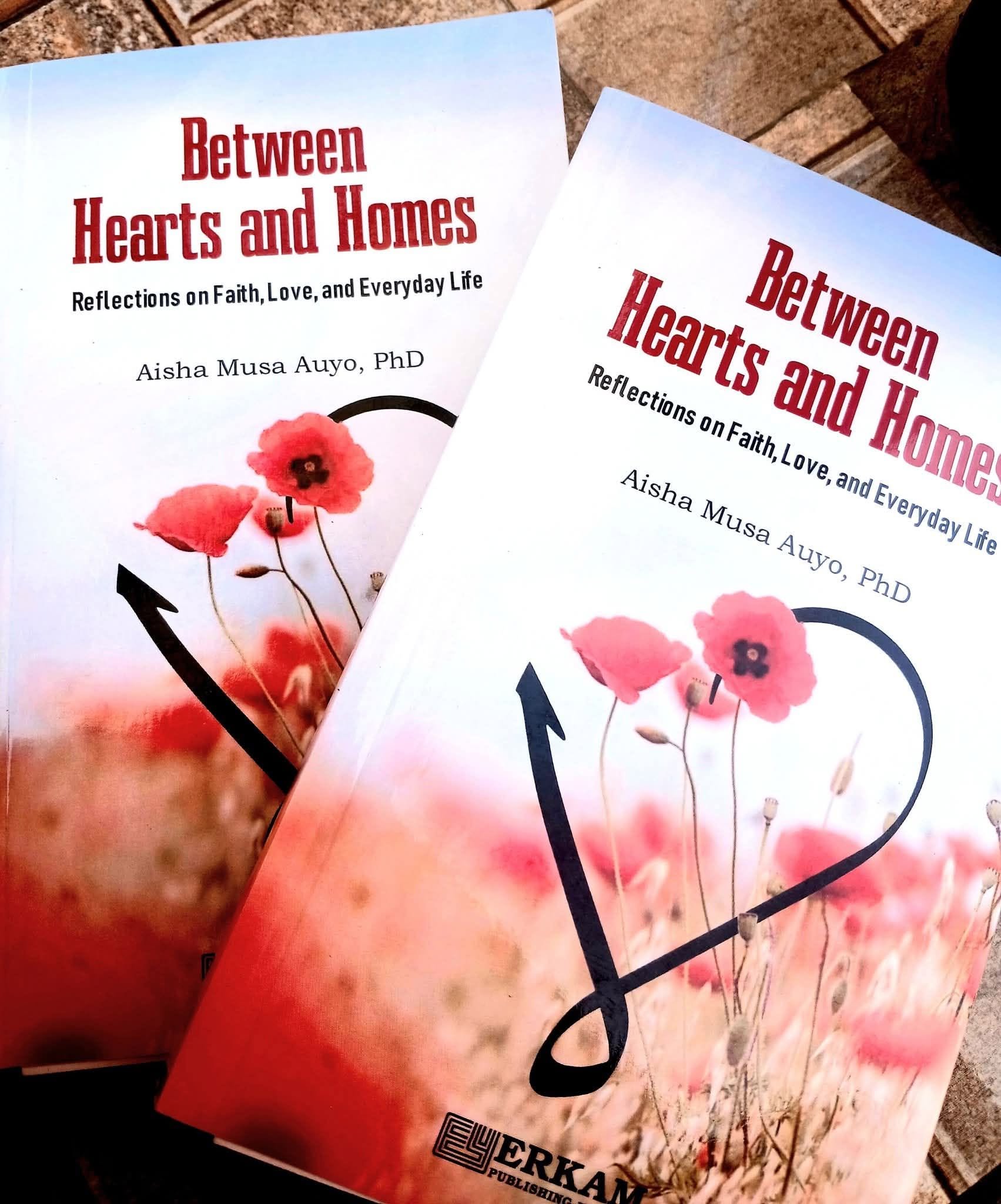
The most important kindness: To yourself, for here, and hereafter

By Aisha Musa Auyo

I preach kindness every now and then—kindness to a spouse, kids, parents, relatives, and others in our lives. But today, I want to dwell on the most crucial kindness… kindness to oneself.

This is a kindness that goes beyond this dunya (this world); a kindness that rewards you with the best of here and the hereafter. Being kind to oneself has many faces, but I’ll discuss the most important ones here:

Prioritising the Akhirah Over the Dunya

This world is merely a temporary place. Try as much as you can to resist the temptation of indulging in sins. Strive to stop any act that you would not love to die doing. Stop procrastinating regarding good deeds. We do not know when our lives will end; no one gives us notice. We owe ourselves this profound kindness: preparing for the inevitable.

The Investment of Sadaqah (Charity)

Giving out sadaqah, even if it’s merely half a date, expiates sins and prevents tragedy. We often spend a great deal on ourselves without calculation, yet when it comes to giving to others, we hold back and start calculating. What we forget is that whatever we give out is multiplied and comes back to us many times over. Whatever we spend only on ourselves ends here.

But you see, when we make other people’s lives easier, lessen their burden, or make them feel better, Allah multiplies that, and the reward is for both here and the hereafter. Whenever we spend on ourselves, let’s try to include those who are less privileged. We are not only helping others; we are being incredibly kind to ourselves beyond this dunya.

The Perpetual Reward of Sadaqah Jariyah (Ongoing Charity)

Let’s discuss Sadaqah Jariyah—a charity, in which the reward continues to reach you even after your death. We can achieve this through various means, such as investing in raising pious children, teaching the Quran, performing good deeds, drilling a source of water, contributing to an Islamic school or any other worthy cause, even if we can’t afford to sponsor it entirely, planting trees, etc.

We benefit more from this benevolence than the people it was intended for. We truly owe it to ourselves to show this type of kindness.

Cultivating Great Relationships

Cultivating good relationships with others, elevating their mood and ranks, making them feel great about themselves, and improving the quality of their lives are powerful ways we can be kind to ourselves. These are the investments that make people miss us and sincerely pray for us after we are gone. We owe this kindness to ourselves—being able to invoke the feeling of longing, missing, and praying for us when we are no longer here.

Sustaining Spiritual Well-being; keeping our mouth moist with Zikr (remembrance of Allah), Istighfar (seeking forgiveness), and Salawat (blessings upon the Prophet); reading the Quran; and constantly upgrading our knowledge and practice of our Deen (religion) is a kindness to ourselves that we should never compromise.

Integrity and Truthfulness

Saying the truth, having integrity and decency, minding one’s business, and having a halal (lawful) source of income is a profound kindness we owe ourselves, for this will be a shield from the Hellfire.

Simple, multiplied deeds

You see, a simple gesture—smiling at strangers, a kind word, an encouraging nod, removing a harmful object from the road, helping or feeding animals, or watering a plant—will go a long way in benefiting us here and hereafter. Angels are praying to Allah that whoever gives out, may Allah increase his wealth, and whoever withholds his wealth, may Allah withhold His blessings from him. So we should never forget that whatever we do, small or big, we shall receive it in multiples.

Being Intentional

One crucial thing I’d like to remind us here is to be intentional about everything we do. Let’s always ensure that our deeds and actions, big or small, are motivated by the reward of our Creator. Let every action or inaction emanate from the craving for Allah’s Rahma (Mercy) and the fear of His punishment. This, indeed, is the biggest kindness we owe ourselves.

Lemme stop here..

Aisha Musa Auyo is a doctoral researcher in educational psychology. A wife, a mother, a homemaker, a caterer, a parenting, and a relationship coach. She can be reached via aishamuauyo@live.co.uk.

The quiet decline of memory and the increasing challenge of brain diseases in Nigeria

By Mujahid Nasir Hussain

Every human brain tells a story: of love, memory, and motion. Yet, for many Nigerians, these stories are being erased silently by diseases that steal what it means to be human. Alzheimer’s disease, Amyotrophic lateral sclerosis (ALS), Parkinson’s disease, and other neurodegenerative disorders are creeping into our society, affecting not only the elderly but, increasingly, middle-aged adults as well. Their signs often begin subtly: a forgotten name, a misplaced key, and a trembling hand, until the symptoms grow into something that shatters families and identities alike.

I am writing this piece after World Mental Health Day (October 10) to raise awareness about these devastating but often misunderstood brain disorders, and to emphasise why Nigeria must invest in research that explores the molecular roots of neurodegeneration. Behind every fading memory is a biological story waiting to be told; one that may hold the key to prevention, treatment, and hope.

Globally, neurodegenerative diseases are among the fastest-growing causes of disability and death. According to the World Health Organisation, over 55 million people currently live with dementia, and nearly 10 million new cases are recorded each year. Alzheimer’s disease accounts for about 60–70% of these cases. The burden is not only medical but also social and economic, as families face the heartache of caring for loved ones who may no longer recognise them.

In Africa, the crisis is quietly intensifying. A report by Alzheimer’s disease International estimates that by 2050, over 12 million Africans could be living with dementia, a staggering increase that health systems are unprepared for. In Nigeria, accurate statistics are scarce, but hospital reports and community surveys show a growing number of undiagnosed neurodegenerative cases among the elderly. Unfortunately, in many communities, symptoms of neurodegeneration are still seen through the lens of superstition. Some families attribute forgetfulness to witchcraft or punishment from the gods. As a result, patients are hidden away, untreated, and stigmatised, even when medical help could improve their quality of life.

But beyond the surface symptoms lies a world of molecular complexity. In every neuron, RNA and proteins work together in precise harmony, regulating gene expression and cell responses to stress. These molecules form small, dynamic structures known as RNA–protein assemblies that constantly change shape and function in response to the brain’s needs. When this spatio-temporal regulation is disrupted, the way these structures behave across time and space is disrupted, it can cause proteins to misfold and clump together. These toxic clumps interfere with brain cell function, triggering the gradual degeneration that characterises diseases like Alzheimer’s and Parkinson’s. Think of it like a city whose garbage collectors suddenly go on strike. Waste piles up, streets become impassable, and normal life grinds to a halt. That’s what happens inside the brain when these molecular systems fail. The result is memory loss, confusion, speech problems, tremors, and ultimately, the loss of independence.

Sadly, this understanding of disease mechanisms has not yet translated into practical awareness or local solutions in Nigeria. Our health sector remains focused on infectious diseases like malaria, tuberculosis, and HIV, which are undeniably urgent but overshadow chronic illnesses that also deserve attention. Neurodegenerative conditions receive very little research funding, and only a handful of Nigerian universities have well-equipped neuroscience or molecular biology laboratories. This lack of infrastructure makes it difficult for scientists to explore how environmental, nutritional, and genetic factors specific to African populations contribute to neurodegeneration.

We cannot afford to ignore this any longer. With Nigeria’s population ageing rapidly, the number of people at risk of dementia will rise sharply in the next decade. Families and caregivers already face immense emotional and financial strain. A 2023 study published in Frontiers in Public Health noted that dementia caregiving in Africa often leads to burnout, poverty, and social isolation, especially among women who bear most of the burden. This is more than a medical issue; it is a public health and human rights concern.

Raising awareness is the first step. Nigerians need to understand that persistent memory loss, tremors, or difficulty performing everyday tasks are not normal parts of ageing. They may signal conditions that require medical attention. Community health workers should be trained to identify these early signs, and hospitals should include basic neurological screening as part of routine check-ups for older adults.

The second step is research. As a physiologist, I believe that Nigeria’s greatest untapped potential lies in our young scientists and natural resources. There is growing evidence that certain plant-derived compounds, including those found in Habbatus Sauda (black seed) and other indigenous herbs, have neuroprotective properties. Exploring how these natural products influence RNA–protein interactions could open pathways to affordable treatments tailored to our local context. If supported, Nigerian research could not only advance understanding but also drive innovation in neurodegenerative disease therapy.

Finally, there is the matter of policy. The Nigerian government and health agencies must recognise brain health as a national priority. We need a National Brain Health Initiative, one that funds research, trains neurologists, supports caregivers, and integrates neuroscience into medical education. Just as we have campaigns for malaria and maternal health, we should have campaign awareness for dementia, Parkinson’s, and other neurodegenerative diseases. Without deliberate action, the human and economic costs will be overwhelming in the coming decades.

Our brains define who we are. To lose them is to lose ourselves, and yet millions are slipping away unnoticed. This World Mental Health Day, let us broaden the conversation beyond depression and anxiety to include the silent epidemic of neurodegenerative diseases. Let us replace stigma with understanding, neglect with action, and fear with hope. Nigeria must awaken to this reality — that the future of our nation depends not only on the health of our hearts and bodies but also on the preservation of our minds.

Mujahid Nasir Hussain is a physiologist and an explorative researcher in biomedical sciences with a particular focus on Molecular mechanisms underlying neurodegenerative disorders.

Hijab Wahala

By Khadijat Abdulrasheed

A short play on Peer Pressure, Courage, Confidence, and Modesty.

CHARACTERS:

 1. Amina: Hijabi girl, shy but spiritually strong. Calm and polite.

 2. Toke: Trendy, confident girl who loves teasing others. Loud and playful.

 3. Zee: A follower. Often supports Toke but watches and thinks deeply.

 4. Teacher Fatima: A teacher who is Kind, firm, and respected.

SCENE 1: School Corridor (After Break)

[The school bell rings. Students return from break. Some are laughing, others are walking in groups. Amina walks in quietly, her hijab well-arranged. Toke and Zee stroll in together, looking fashionable.]

TOKE

(laughing loudly)

Ha! See our aunty again. Amina, the hijab ambassador! You no dey ever gree show small swag?

ZEE

Her own swag na hijab and long skirt. Babe, this is 2025 o, not 1925!

TOKE

(pretending to whisper)

Na only God go help her. Fashion don pass her by.

AMINA

At least I cover myself the way Allah wants. That’s my absolute confidence.

TOKE

Confidence ke? You dey hide beauty under a scarf. If I get your fine face, I go use am blow on IG! You go just dey hear likes everywhere.

AMINA

But if beauty is only for likes… what happens when you lose followers?

ZEE

She get point o.

TOKE

Abeg joor. I no get time for all this hijabi wisdom. Let’s go jare.

[Toke and Zee walk off. Amina walks the other way with a peaceful look.]

SCENE 2: Classroom, Next Day

[Students are chatting. Teacher Fatima walks in. The class becomes quiet.]

TEACHER FATIMA

Good morning, class.

STUDENTS

Good morning, ma.

TEACHER FATIMA

Today, I want to talk to you about something important, which is Dignity in Modesty.

(She pauses)

Modesty is not weakness. It’s not for the old. It’s not backwardness.

It is honour and it is strength. Prophet Muhammad (SAW) said Modesty is part of faith.

Even when people laugh at you… be like Maryam (AS). She was mocked, but she remained pure and firm.

We dress modestly, not because we are ashamed of our beauty but because we are grateful for it.

[Amina listens with a soft smile. Toke shifts uncomfortably. Zee watches them both.]

SCENE 3: Corridor After Class

[The students come out. Amina is by her locker. Toke hesitates, then walks up to her.]

TOKE

Uhm… Amina.

AMINA

(looks up, smiling)

Yes?

TOKE

About yesterday… I was just catching cruise, but… You really dey try sha.

AMINA

It’s not me. It is Allah who gives strength.

TOKE

(chuckles)

I wish I could get your kind courage. Me, I dey fear people’s opinion die.

AMINA

You can ask Allah for strength, too. He listens.

ZEE

Maybe courage is not about talking loudly. It may be about standing firm.

[They all walk off slowly. Peaceful music fades in.]

SCENE 4: Two Weeks Later, School Debate Competition

[The school is holding a debate. Topic: “True Confidence From Appearance or Inner Values?” Amina and Toke are in the same group. The hall is packed. Teacher Fatima is in the audience.]

TOKE

(nervously looking at Amina)

I have never joined anything like this before.

AMINA

You will do well. Just speak the truth from your heart.

[Toke steps up, clearing her throat. She speaks slowly.]

TOKE

Before, I thought confidence was how you walk, dress, and trend online.

But I met someone who never followed the crowd… yet she stands taller than all of us. She wears her scarf with pride… and doesn’t need to shout to be heard.

That kind of confidence…

Comes from knowing who you are, not who people want you to be.

[The audience claps. Amina looks down shyly. Zee claps too, smiling proudly.]

SCENE 5: Corridor, After School

[Toke, Amina, and Zee walk together. Toke now wears a scarf, not a full hijab, but modest.]

ZEE

Wonders shall never end. Our slay queen don join hijab squad.

TOKE

(laughs)

But honestly, I feel freer and more comfortable.

AMINA

That’s because obedience to Allah removes the burden of impressing people.

ZEE

And between peer pressure and modesty… I think we know who really won.

TOKE

Modesty won because it gave me peace. Not pressure.

[Teacher Fatima walks by slowly and overhears. She stops and smiles.]

TEACHER FATIMA

When a heart chooses Allah over people, that heart has already won.

(she looks at them all)

May Allah keep your steps firm. Always.

ALL THREE GIRLS

Ameen.

[They walk off together, smiling. This time, not as different girls, but as sisters.]

✨ THE END

MORAL MESSAGE:

Modesty is not a cage. It is not something that locks you away or hides your beauty in shame. It is an honour, a beautiful shield that protects your dignity, your heart and your purpose. It is a quiet strength that says, I know my worth and I choose to honour it the way my Creator wants. True confidence is not found in the approval of the crowd, not in likes, not in views, and not in trends. Crowds change, opinions shift, but Allah’s pleasure never changes. When He is pleased with you, that is the highest success. Peer pressure is loud, it laughs, it whispers, and it tries to make you feel small for not joining the crowd. But modesty doesn’t need to shout. It walks calmly through the noise, stands firm, and in the end… it lasts longer.

Don’t postpone kindness, you may never get another chance (2) 

By Aisha Musa Auyo

The second story that inspired this reflection is the death of an acquaintance. She was the HR of a company that once offered me a job as an editor. We had exchanged emails, and I went there in person to explain why I couldn’t take up the role. That first visit also turned out to be my last. The company’s owner is a friend, so it was easy to discuss things openly.

After hearing me out, she understood my situation as a young mother. She said she had once been in my shoes and offered some warm advice, assuring me that the company would always welcome me if I were ready in the future. As I was about to leave, she asked about the fragrance I was wearing. She said, “The whole office is filled with your scent. It’s so calming.”

I explained that it wasn’t a regular perfume but Turaren Wuta (incense) and humra. She smiled and said she was familiar with them but had never come across such heavenly scents before. I promised to send her some to try.

It was a casual conversation, but I took it to heart. I packed black and white humra with some incense and gave them to my driver for delivery, as I was travelling at the time. Days turned into weeks, with excuse after excuse from him. When I called her, she said she never got his call, and even if she wasn’t around, he could have left the package at the office.

Back from my trip, I retrieved the parcel and handed it to another driver. Again, excuses. Frustrated, I shared my ordeal with a family member. She dismissed my worry: “You’re overreacting. This woman has probably forgotten about the incense. She doesn’t owe you anything. Why stress yourself over this?”

But deep down, I couldn’t let it go. Something urged me on. I said, “Whatever it takes, I’ll do this delivery myself, I insisted. The family member teased me, calling me stubborn, “Aisha kina da naci wallahi, kin damu kowa a kan abin da ba shi da mahimmanci”. I said na ji. It felt as though everything, including the universe, was determined to stop me from sending that gift.

Finally, when I demanded the second driver return the parcel so I could deliver it personally, he apologised and promised to take it that week. Two days later, she sent me a message, thanking me warmly. She said, “It was worth the wait.” I apologised for the delay, and that was the last time we spoke.

This week, I received the news of her death. She had been battling a heart condition. I remembered how she once mentioned wanting to lose weight for health reasons. My heart sank. I prayed for her soul and felt profoundly grateful that I had managed to give her something she wanted before her passing. Suddenly, I understood why my instincts had been so insistent.

The lesson is clear: never postpone kindness. Please do it now, because tomorrow is never promised.

Aisha Musa Auyo is a doctoral researcher in educational psychology. A wife, a mother, a homemaker, a caterer, a parenting, and a relationship coach. She can be reached via aishamuauyo@live.co.uk.

The gentle power of giving: The life story of Dr Bala Maijama’a Wunti

By Usman Abdullahi Koli, ANIPR

Some lives are measured in years, others in titles, and some in possessions. The rarest and most enduring lives are measured in the hearts they touch and the hope they restore. Dr Bala Maijama’a Wunti belongs firmly in that rare place. His journey has been one of resilience and quiet strength, of rising from hardship to become a fountain of generosity whose waters reach far beyond the place where they spring.

Born on 8th August 1966, his earliest years were marked by a loss that would shape the rest of his life. Losing both parents as a child meant entering the world with an emptiness most could never imagine. Those days were not kind; survival was his only option. There were no easy comforts, no safety nets, only the will to push forward and the dream that tomorrow could be better.

Instead of allowing hardship to harden him, it softened him in extraordinary ways. The hunger he knew became a hunger to feed others. The loneliness he endured became a desire to stand by those who had no one to stand by. The obstacles he faced became a determination to clear the paths for others. He did not allow pain to turn into bitterness; he transformed it into kindness.

Over the years, giving has become so deeply ingrained in his life that it no longer feels like charity; it feels like breathing. He has lifted burdens that would have crushed families, stepped in quietly where hope was fading, and turned despair into relief for people who may never know his face but will always remember his help. For him, giving is not a grand event; it is the natural rhythm of his days.

Only yesterday, on the eve of his birthday, he paid the full registration fees for Bauchi State indigenous Law students across Law Schools in Nigeria and added incentives to support their journey. For those young men and women, it was more than a payment. It was a belief in their dreams and a reminder that someone cares enough to invest in their future. Acts like this are not exceptions in his life; they are the pattern.

His foundation, Wunti Alkhair, is an extension of his own values. It reaches into communities, lifts the sick from their sickbeds by clearing medical bills, opens doors of opportunity for young people to acquire skills, and creates moments of dignity where they seemed lost. It strengthens faith by building and restoring places of worship, not as monuments of wealth but as sanctuaries of hope.

What makes him remarkable is not just the scale of what he gives but the sincerity with which he provides it. There is no fanfare, no calculation, no search for applause. Many of those who have felt his kindness will never meet him, yet they carry a piece of him in their stories, in their survival, and in their renewed strength to face life again.

As we celebrate his birthday, we celebrate far more than a date. We honour a man whose life is proof that greatness is not in what we take but in what we give. A man who rose through the storms of his own childhood to become a shelter for others. A man who, in a world too often cold and self-serving, has chosen to be warm and selfless.

May Allah grant him long life, good health, and the strength to keep shaping lives for the better. May his journey remind us all that no matter where we start, we can choose to live in a way that makes the world a little softer, a little fairer, and a little kinder.

Your life is not only a blessing to those who know you but to many who never will, and that is the highest form of legacy.

Usman Abdullahi Koli wrote via mernoukoli@gmail.com.

Don’t postpone kindness, you may never get another chance (1)

By Aisha Musa Auyo

When you can be kind and helpful, do it immediately. Don’t procrastinate or wait for the “right time.” You may not live to see that time, or the person you want to help may not. The point of power is always now.

I’m inspired to share this because two recent incidents made me reflect deeply. One was the death of a close relative, the other, the passing of an acquaintance I only met once but stayed connected with through social media.

In the first incident, an aunt of mine came from another town for her monthly hospital appointment. She usually arrived a day before to avoid being late. That evening, after visiting some relatives, she spotted a shawarma shop and sighed: “Zan so na ci shawarma ko da sau ɗaya ne a rayuwata” (“I would love to taste shawarma at least once in my life”).

My cousin, who was driving, ignored her words and sped past. I pleaded with him to go back, but he insisted the shop was closed and wouldn’t open until 7 p.m., which is true. My aunt looked disappointed.

Later at home, I begged him again to get me shawarma bread so I could prepare it for her. He brushed it off, saying he was tired, and reminded me she’d be leaving early the next morning. “You can always make it for her next month,” he said. But my heart wouldn’t allow me to postpone it.

Eventually, he bought the bread, and I stayed up late preparing the fillings, finishing by midnight. I set my alarm for 4 a.m., woke up, rolled, and grilled the shawarma. By 5 a.m., it was ready. When I handed it to her, she was overjoyed. She couldn’t believe I went to such lengths to fulfil her simple wish. She prayed for me with a smile, and we said our goodbyes.

Later that day, she called to say she had arrived home safely and that my shawarma exceeded her expectations. She even saved some to take home. Though I joked, it must have been cold by then. She prayed again for me before hanging up the phone.

A few days later, she passed away.

I was in shock. Just last week, she was with us, longing for shawarma. I wept, but deep down, I thanked Allah that I didn’t delay. That shawarma became her first and last.

The lesson is clear: never delay an act of kindness. Tomorrow is not promised for you or for them.

Aisha Musa Auyo is a doctoral researcher in Educational Psychology. A wife, a mother, a homemaker, a caterer, a parenting and relationship coach. She can be reached via aishamuauyo@live.co.uk.

My daughter Rahma, cerebral palsy, and death

By Abubakar Suleiman

“I am sorry, the brain of your child has been insulted.” Those were the words of a friend who is also a medical doctor after reviewing the EEG result of my late daughter, Rahma, three years ago. He continued, “Abubakar, you have a case in your hands, Allah Ya baka ikon cin jarabawa.”

The phrase “brain being insulted” was unfamiliar to me then. I had to start browsing to be sure that the words weren’t what I feared. Alas, it turned out to be what I thought.

Being a twin, Rahma came into the world weak after her twin sister, Rayhana. And she was put in an incubator to resuscitate her. Before the EEG investigation, Rahma had jaundice that was detected when she was just seven days old.

Upon arrival at the pediatric clinic, after her vitals were taken and a series of tests conducted, she was hospitalised. Phototherapy and an exchange blood transfusion were carried out. And that marked the beginning of a pilgrimage, ranging from one consultant paediatrician to another neurologist, then a physiotherapist throughout her 3 years, 2 months and 1 week of existence.

“Hypertonia.” The word a doctor muttered after we were discharged from the hospital drove me to the internet. Slowly, I became an overnight ‘neurologist’ so much so that whenever we find ourselves in the hospital, the doctors were so surprised by how well I understood some medical concepts. Knowing that hypertonia is a form of cerebral palsy sent chills down my spine. What could have led to this? Loss of oxygen during birth? The jaundice that led to the exchange blood transfusion? Abi na all join? إلى الله المشتكى 

Cerebral palsy rendered Rahma almost helpless. She could not sit, talk, walk or fall asleep with ease all her life. She doesn’t eat any kind of food. Feeding her required tact. Nutritionists’ aid was sought. Her neck control was only partial. We could only try to improve her quality of life with therapeutic interventions and the support of a caregiver. 

While her twin sister, Rayhana, was energetic and quickly enrolled in school, Rahma was mostly on controlled drugs to help her sleep. From phenobarbital, clonazepam, phenytoin, diazepam, to all sorts of medications depending on her weight and other medical variables, as noticed by the doctor. Zamzam water and ruqya weren’t exempted.

Her smile and laughter were expensive. But whenever it appeared, it melted hearts. She shared many features of my late Dad. She is hairy and, in many ways, more uniquely beautiful than her siblings. Her ill health exposed me to the limitations of modern medicine, the high level of professionalism of some doctors and nurses, and, of course, the unruly and unprofessional attitude of others. It also made me renegotiate many priorities in life.

Sicknesses like cerebral palsy drain one psychologically and financially. It pushes one to the boundaries of imaan. In the mix of all these were suggestions, positive and negative. I heard whispers that my ‘Izala’ is becoming too much since I am not willing to try some traditional concoctions or so-called Islamic medicine (whatever that means). Again, I am also not given to superstitions. But alhamdulillah for a strong wife who never wavered in giving her best for Rahma and her siblings. Her imaan was unshaken. It was exhausting, but her resolve was steel-like.

To helplessly watch your child in pain or a medical crisis hits differently. It requires imaan, admonition and strong mental stamina. Whenever Rahma convulsed or cried out due to exhilarating pains, aside from Hasbunallahu wa ni’imal wakeel, all I could tell her was: 

‎اصبري يا رحمة فإن موعدك الجنة إن شاء الله. 

“Be patient, Rahma, your final abode is paradise, InshaAllah.” Even though she doesn’t hear me, I find solace in uttering those words.

My family and friends did everything they could to make things easy for me. Not to mention that the emotional, moral,and even financial support from them would amount to being economical with the situation. I was showered with love and admonition during Rahma’s trial and after her death. 

Death. When your time is not up, you will not die. Rahma was hospitalised countless times, so I no longer informed relatives, friends or family. It became a routine. Her medical conditions were sometimes complicated and severe, so I often prepared myself for the announcement of her death when receiving some phone calls. But she bounced back. However, when it was time to depart the world, she bade us farewell peacefully in her sleep. It was indeed a bumpy ride and a heavy trail. Alhamdulillaah.

I am optimistic that Rahma has found peace inshaAllah. I pray Allah grants her Jannatul Firdaus. May Allah comfort all parents with children having special needs.