By Mubarak Usman
“The sign of a good Friday can be determined by a promising Wednesday.” – Hausa adage
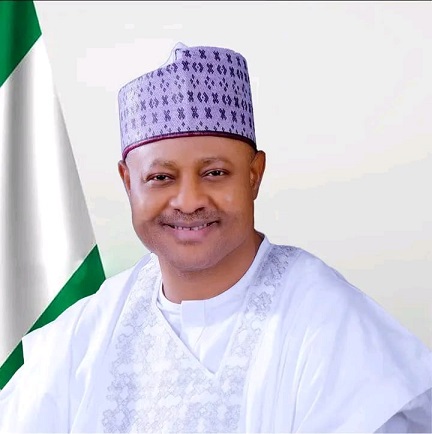
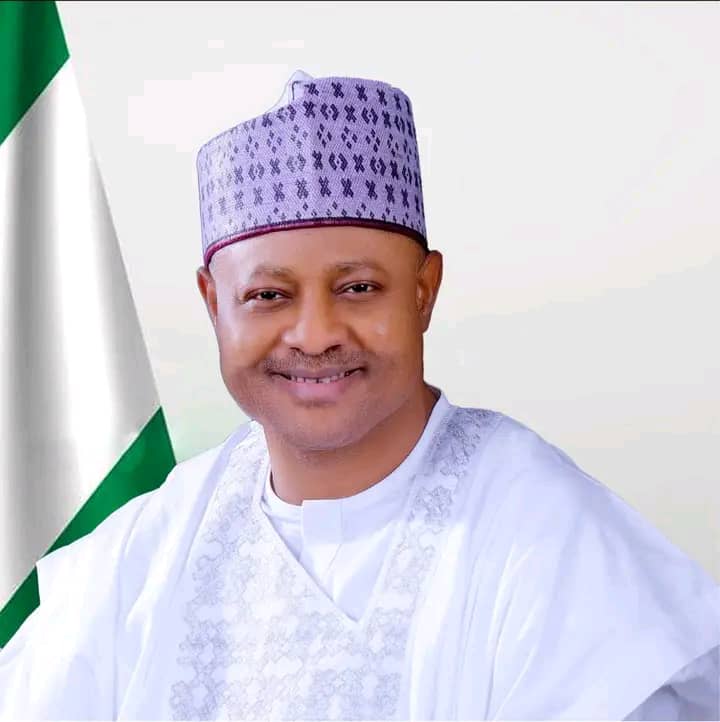
It has been over one year since Senator Uba Sani was sworn in as the governor of Kaduna State. The honeymoon days are over, and it is time to start interrogating Governor Uba Sani’s policies, decisions, actions or inactions.
Spin doctors, sycophants, party members, and admirers are all at work trying to outdo one another in celebrating Governor Sani, which is the best thing to have happened to Kaduna state since the invention of sliced bread. Strategic locations within the Kaduna metropolis are not left behind, with erected billboards showcasing real and ‘audio’ projects or achievements.
In his acceptance speech after being declared as the winner of the 2023 gubernatorial election of Kaduna state, Senator Uba Sani thanked the people of Kaduna for voting him into power and promised to “get straight to work on sustaining and strengthening the development path that our beloved leader Malam Nasir El-Rufai has so brilliantly opened for Kaduna State. I thank Malam Nasir El-Rufai and his executive team for their collective efforts since 2015 to build the foundations for a new Kaduna State. Power is sweet, but it comes with responsibilities!
When people expect Governor Uba Sani to hit the ground running, his lacklustre approach to governance begins to manifest. He is just absent. He could not just sit to spearhead the State Executive Council meetings regularly. In his defence, his spin doctors claimed that the government does not revolve around him alone. Bello Galadanchi, the skit creator, made a witty skit about this absentism.
The governor called for a stakeholders’ engagement meeting to explain the state of affairs. He complained about the debt profile left behind by the previous administration and how it has been hindering his progress or performance. This is a ruse!
Governor Uba Sani did not explain how he contributed to the state’s massive debt profile. Politicians like him would think the populace is suffering from amnesia, so the collective intelligence of the good people of Kaduna state can be insulted.
First, the former governor of Kaduna state, Nasir el-Rufai, sought foreign loans to finance projects in the state. The loan was denied courtesy of the three (3) senators from Kaduna state during the 8th National Assembly. El-Rufai deployed all his arsenals to ensure none of the three senators returned to the 9th Assembly. And only Senator Danjuma Laah survived El-Rufai’s political onslaught.
Senator Uba Sani was drafted into the 9th Assembly to secure the now problematic loan. Responding to questions thrown at him during an interview, he said: “I am extremely happy and proud of the role some of us played in securing this loan for Kaduna State.” He did not stop there!
He said, “I, Senator Uba Sani, be held liable if the Governor [El-Rufai] fails or disappoints.” Will he now claim he did not know who El-Rufai was when entrusted with public funds? What is his share of the blame in the quagmire Kaduna? When Governors were praising the floating of the Naira by President Tinubu, did Governor Sani realise the implications of such a policy on the loans he helped secure? It is a classic case of shooting oneself on foot, double standards and hypocrisy characterised by politicians.
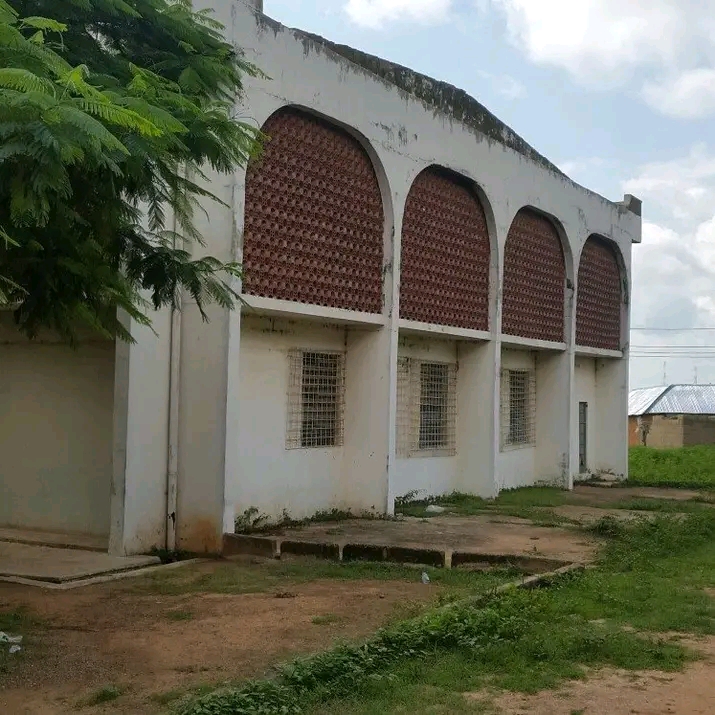
Secondly, a government complaining about a huge debt profile should not be seen engaging in non-priority projects like building a banquet hall in Sir Kashim Ibrahim House. The Government House has a council chamber for its functions, and so does the deputy governor’s office. Where the chamber isn’t enough for a state function due to population, the Umaru Musa Yar’adua Hall in Murtala Mohammed Square can serve the purpose in whatever capacity. This is not to mention the hall domiciled in General Hassan Usman Katsina House.
This new banquet hall is being built while many abandoned road projects in Zaria and Kaduna metropolis yearn for serious attention. These roads have caused untoward discomfort, accidents, and health hazards to commuters. Keen observers are still in the dark regarding the bidding or procurement processes leading to the award of such a misplaced project. Where is the transparency and accountability? Are we now experiencing the birth of another version of the now scandalous Ronchess and CCECC?
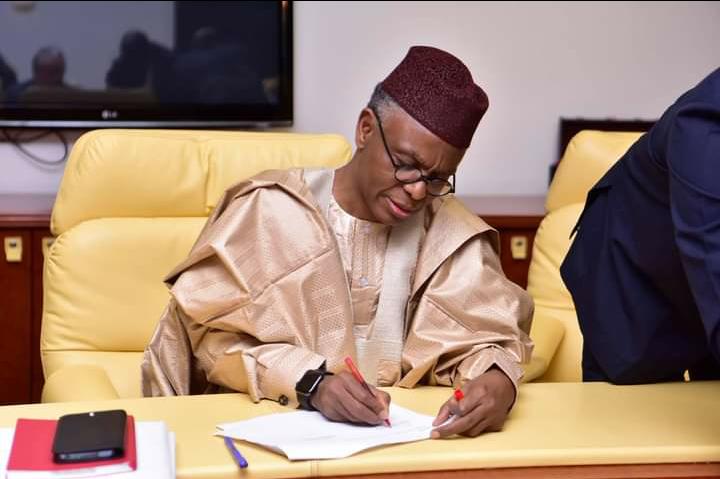
Despite the many mistakes of the previous administration, the Kaduna State Geographical Information Services (KADGIS) was more effective and efficient in handling customers’ queries or problems. Receiving certificates of occupancy (CofO) wasn’t a difficult task. Under the current administration in one year, people are becoming hopeless as hushed and loud voices or conversations within and without the agency have it that the governor is globetrotting and doesn’t have enough time to append his signature on certificates. One shudder to think how a government crying about debt profiles will take the affairs of such a revenue-generating agency lightly. There is more.
When appointing the head of the agency, KADGIS, the governor bucked the KADGIS Law and employed someone who did not meet the requirements as provided by the Law. This cluelessness was also exhibited in the appointment of other agencies. One would wonder where the state House of Assembly members are in all these. Are they the typical rubber stamp legislators? Your guess is as good as mine.
Loans upon loans. The Kaduna state government targets loans of about N150 billion in the 2024 state budget. I hope the State House of Assembly will diligently carry out its oversight functions as the governor moves to the rural areas. We have been witnessing groundbreaking ceremonies here and there, but the procurement processes, from advertisement to contract awarding, are unclear. The State House of Assembly should save the state, the next legislature, and the Kaduna people the stress of probing this current administration some years from now by carrying out their oversight functions. Can they? Time will tell.
Furthermore, running tap water is still a luxury in the state. Many in the metropolis now roam the streets searching for water to drink or bath, not to mention more people living outside the metropolis. Clairvoyant analysts suggest that some of these monies expended in the name of palliative should have been channelled to Kaduna State Water Corporation to make tap water available in people’s homes. Therefore, the House of Assembly should also shed light on these issues and the N11.4 billion disbursed in the name of palliative interventions. Who were the beneficiaries? What are the expected outcomes? How many people were lifted out of poverty caused by inflation and the APC-led government policies?
Again, Kaduna state has the lowest-paid medical doctors and health practitioners and a difficult and depressing working environment. These conditions have made these professionals quit their jobs for better offers in neighbouring states. Junketing out of the state at the slightest opportunity and under the guise of wooing foreign and local investors will not change these stark realities. This media show should end with the governor’s predecessor and now estranged boss.
The problems highlighted above are just a dot in the circle of nagging issues disturbing the good people of Kaduna state. Obviously, the governor only gets to meet praise singers, so he is not popular beyond sycophants, his appointees, and hungry rented crowds. There are more reasons why discerning citizens should write more articles about Kaduna state to remind them of the public perception of his government.
Finally, Governor Sani has the opportunity to sit up, evaluate his current team, and make adjustments before he and his team find themselves in a web of scandals after his administration. The good people of Kaduna need responsible and purpose-driven leadership, not excuses and the hazy governance that has characterised his 365 days in office.
Mubarak Usman writes from Unguwar Muazu, Kaduna.