Jigawa State

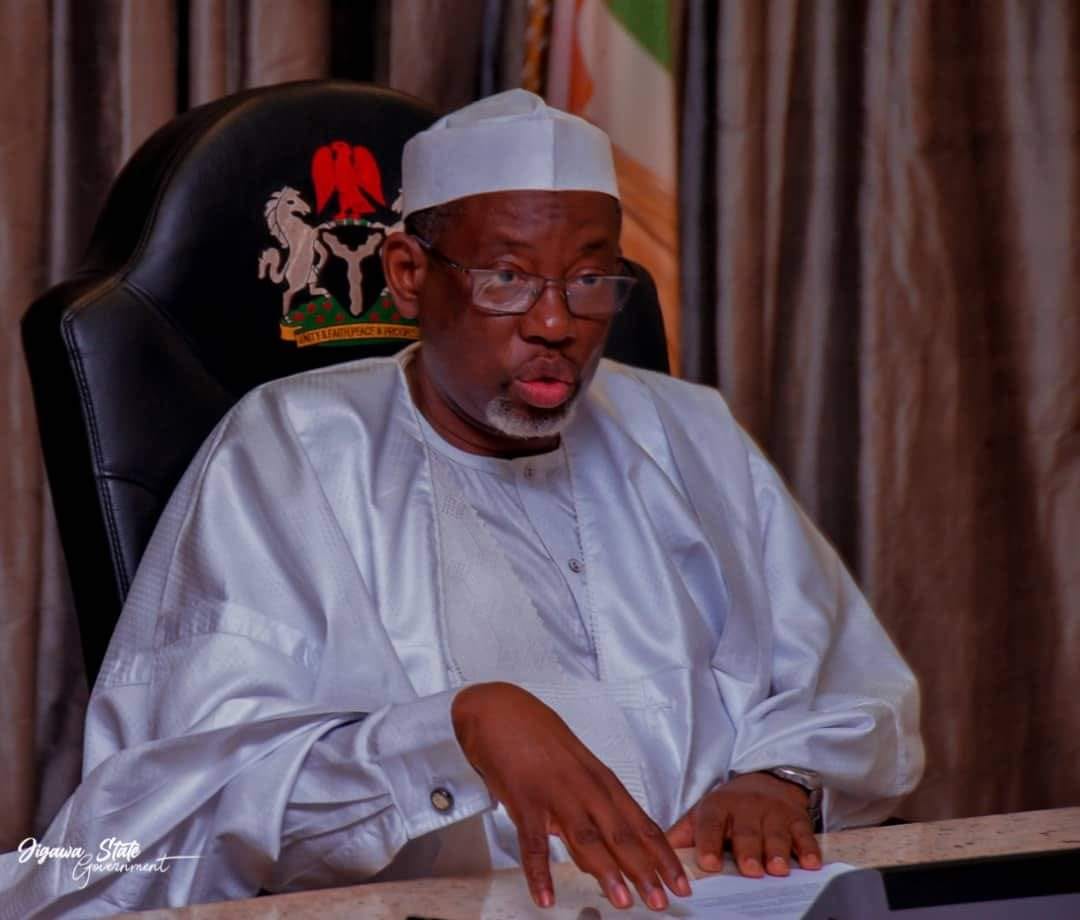
Thinking with Sule Lamido: An inside review of Being True to Myself

By Samaila Suleiman, PhD

“No amount of deconstruction and reconstruction, to turn history on its head, can bury the truth” – Sule Lamido.

Writing a review of Being True to Myself, the autobiography of His Excellency, (Dr) Sule Lamido, is, for me, both an intellectual obligation and a profoundly personal reckoning. As a student of historiography and politics of knowledge production, book reviewing is an integral part of my professional calling. At the same time, as a member of the editorial team of the Sule Lamido Autobiography Project (SLAP), along with my colleagues Dr Nu’uman Habeeb and Mustafa Ibrahim Chinade, I lived with the idea of this book, from its conception to the first manuscript drafts, the final typeset, and its printing and public presentation. 

Book reviewers are traditionally expected to be neutral critiques, assessing works with analytical distance and relying largely on their reading of the text. What I offer here, however, is a deeply personal reflection of a tripartite engagement with the author, the text, the context of its production and the reactions it elicited from readers. This is, therefore, not a conventional book review but an attempt, as one of the editorial consultants for the project, to recount the story of thinking (working) with Sule Lamido in the making of Being True to Myselfitself. 

The Context

I first met Sule Lamido in 2019 when the late Professor Haruna Wakili introduced me, along with Dr. Nu’uman Habeeb and Mustafa Ibrahim Chinade, to serve as editorial consultants for his autobiography project. Our role was to facilitate the production of the text through interviews and other editorial interventions. Before this meeting, my knowledge of Lamido was limited. I knew him only as a former Minister and Governor. What I did not immediately realise was how profoundly the project would impact me as a historiographer, constantly negotiating the epistemological questions of truth, power, and narrative responsibility. 

The first lesson I drew from the project was the discovery of Lamido as an intellectual—an aspect of his persona that is often overshadowed by his public image as a forthright politician. At our inception meeting, I was immediately struck by his brilliance and philosophical acuityfollowing a lengthy conversation about the focus of the autobiography. My initial perception of Lamido was quickly overturned. Beneath the image of a seasoned politician, I encountered a man of deep philosophical substance, whose politics is rooted in a profound knowledge of history and critical thought. 

Although Lamido is not a career academic, his grasp of political and historical discourse is profound to the extent that some of his academic friends affectionately call him “Professor.”  He is one of the few politicians around who embodies the tradition of first-generation politicians, whose politics are grounded in principles and knowledge.

Over the course of many interviews with the editorial team, Lamido narrated his life story with a precision and wit that often left me marvelling at his hyperthymesia, attention to detail, and critical reasoning. Each time we returned to a topic for clarification, he would recount events with striking consistency, as though he had already internalised the book long before the project began. 

As the project advanced, Lamido took control of the content, style, and narrative flow of his autobiography, insisting on framing his experiences within a broader historical process. Even at the stage of typesetting and design, he remained involved, reviewing passages, fact-checking, and fine-tuning the manuscript. At one point, I jokingly said to him, while the book was already at press: “Your Excellency Sir, bakin alkalmi ya bushe”—implying that no further edits should be made, especially with the launch date approaching.

Some of our most intense editorial discussions went beyond factual accuracy to debates about historical methodology and explanation. When Lamido was advised to moderate some contentious revelations in the manuscript, he posed critical questions around secrecy and privacy in knowledge production, carefully dissecting the distinction between classified and declassified records. I found myself challenged, at times humbled, by his rigour and the depth with which he interrogated established academic assumptions about Nigerian history, politics, and writing. This level of discursive sophistication is rare among people without advanced degrees in historical studies.

There were moments when the manuscript resisted simplification, and we chose to retain its complexities rather than smooth them over, because they were intellectually honest. This demonstrates that a political memoir, at its best, is not merely a legacy-building exercise, as many autobiographies are, but a critical exercise in self-reflection within the context of history. Lamido gave himself that space and, in doing so, gave us the opportunity to reconsider some of our scholarly convictions about the nature of truth, memory, and life writing.

The Text  

Lamido’s distinctive voice is evident throughout Being True to Myself. Those familiar with his discursive signature will immediately recognise his bluntness, candour, and unfiltered expression in the text. 

Unlike many public figures whose autobiographies are primarily shaped by ghostwriters, Lamido maintained a hands-on approach. Each chapter bears his imprint, making the work not only intimate but also a demonstration of authorial agency.

Even the book’s title was not chosen lightly. It was the product of a year-long reflection on what Lamido’s life represents. Ultimately, Being True to Myself was favoured as the narrative’s central theme, mirroring the life of a man of unshakable principles and conscience.  The title comes from a passage where he describes himself as “an independent-minded child, who always stood his ground…not because I felt important, but because I tried to be true to myself.” 

What makes Being True to Myself particularly compelling is its historical nuance and emotional texture. Lamido alternates between humour, vulnerability, and defiance, recounting comical childhood stories, such as his naïve performance during Ramadan tashe, alongside harrowing experiences of persecution and betrayal. His willingness to revisit painful memories, without bitterness but with conviction, creates a text that is both deeply personal and politically insightful. 

The book is divided into eight broad thematic parts, tracing Lamido’s journey from his early life in Bamaina to his career in the Nigerian Railways and Tobacco Company, his involvement with the PRP, his time as foreign minister, and his tenure as governor of Jigawa State. It offers rich commentary on important political events such as the annulment of June 12, his detention under General Sani Abacha, his role in the formation of the PDP, the Obasanjo Presidency, his tenure as Foreign Minister, the Yar’Adua Presidency and how he was succeeded by Goodluck Jonathan, and the intricacies of power, politics and democratic governance in Jigawa state. 

In discussing Nigerian politics, Lamido dons the garb of a political scientist and historian, offering a critical examination of the military’s role in Nigerian politics. He critiques successive regimes, from Buhari’s military rule to IBB’s sophisticated but flawed transition programs, Abacha’s repression, and Abdulsalami’s genuine and successful transitional government, as well as the restoration of democracy. His reflections read as much like political history as autobiography, enriched by his insider perspective. One cannot help but wonder at the contents of his library, given his ability to weave theory and empirical detail with ease. 

The Praise and the Pushback 

Since its launch in May 2025, Being True to Myself has attracted a wide range of reactions, from praise by the media, scholars and statesmen to criticism from political associates, reflecting the complexity of both the author and the book.

At the high-profile launch in Abuja, political heavyweights celebrated the work. President Bola Tinubu, through his minister, commended Lamido as “a bold, consistent, and principled politician whose personal journey mirrors the story of Nigeria’s democratic evolution.” He described the book as a “significant contribution to Nigeria’s political literature,” encouraging other political veterans to document their experiences for posterity. 

The book reviewer, Dr. Iyorchia Ayu, lauded Lamido’s courage, recalling episodes such as the author telling an IGP, “Who are you?” and a military head of state to his face, “You must resign”. 

The book has not been without detractors. Some critics, including Malam Aminu Ibrahim Ringim, a former Chief of Staff to Lamido during his governorship, criticised the memoir as being rife with “self-glorification, misrepresentation and disrespect for the contributions of others.” 

Taken together, these divergent reactions reveal the dual nature of Being True to Myself as both an intimate self-portrait and a contested historical document. 

On the whole, the Sule Lamido Autobiographical Project is an elegant demonstration of how autobiographies can serve as a space for dialogue between politicians and scholars, working as collaborators in the pursuit of truth.

As former President Olusegun Obasanjo writes in the foreword: “No historian or public affairs officer should be without a copy of the book. I enjoyed reading it.” 

Happy 77th Birthday and best wishes, Sir!

Samaila Suleiman, PhD, wrote from the Department of History, Bayero University, Kano. He can be reached via smlsuleiman@gmail.com.

From progress to politics: Hadejia Chairman’s effort to erase Hon. Abdukadir Umar Bala’s impact

By Garba Sidi.

It is with deep concern and growing anxiety that we observe the unfortunate political manipulation of development projects initiated by the former Chairman of Hadejia Local Government, Hon. Abdulƙadir Umar Bala, popularly known as T.O. Instead of initiating new projects of his own, the current Chairman, Honourable Yaro Abba Ari, has resorted to politicizing the legacy of his predecessor by either repainting existing infrastructure or dismantling projects completed under T.O.’s administration.

One glaring example is his unnecessary repainting of the town’s main gate — a project that had already been fully executed and completed before T.O.’s exit from office. Rather than embarking on a new initiative, the current chairman chose to repaint the already beautified gate just to claim credit, an act which many see as wasteful and driven by political jealousy.

Even more disturbing is his decision to demolish the small market built by the former chairman at Kofar Mandara within the town of Hadejia. That market had provided a much-needed business environment for local traders and also brought ease to residents in the neighbourhood who could access daily essentials without travelling far. This demolition represents not only a disregard for community welfare but also an irresponsible squandering of public funds invested in the project — an act that is completely unjust and alarming.

As it stands today, Honourable Yaro Abba Ari has spent a whole year in office as the new Chairman of Hadejia Local Government. Yet, there are no visible new projects or initiatives that have directly benefited the people of Hadejia. All we witness are his constant movements and public appearances with little or no tangible impact. The people of Hadejia continue to ask what exactly his administration is focused on, but we have yet to find a convincing answer.

Under the leadership of the former Chairman, Hon. Abdulƙadir Umar Bala (T.O), every ward or neighbourhood facing electricity challenges was provided with solar-powered streetlights. This significantly reduced crime and improved safety at night in those areas.

Moreover, the former Chairman supported the initiative of His Excellency Governor Malam Umar Namadi (Ɗanmoɗi), who had trained young people in borehole repairs. T.O. ensured that these skilled youths were employed by the local government to repair all faulty boreholes within Hadejia, thereby empowering them and improving access to clean water.

Recognising the water challenges faced by communities that rely on electric-powered boreholes, T.O. made it a point to distribute petroleum to every ward whenever there was a power outage. This allowed residents to run generators and continue to access water without interruption.

During his time in office, when Hon. Bala (T.O) noticed an increasing number of beggars — including women, young girls, and children — which was becoming a social problem, he initiated a reintegration program. He sent them back to their hometowns and provided them with startup capital to help them become self-reliant.

He also took decisive action against the growing problem of prostitution, especially among independent sex workers residing in the Gandun Sarki area. He ensured their relocation to their families and provided support to improve their lives, thereby contributing to the moral and social well-being of the entire Hadejia community.

In addition, the former Chairman did not forget the prisoners. He routinely visited the correctional facility in Modaci, Hadejia, to provide food and welfare materials to inmates, showing that his concern extended even to those behind bars.

He constructed numerous shops, aiming to stimulate the local economy and provide employment opportunities for the youth, paving the way for economic self-dependence.

Given all these progressive and people-centred efforts made by Hon. Abdulƙadir Umar Bala (T.O.) during his tenure, it is truly disheartening and alarming to witness the destruction and politicisation of his legacy. This act is motivated by political rivalry and not the public interest.

I am calling on the people of Hadejia to rise and take action — to rescue our town from the regressive direction it is being pushed into. We must unite to defend and preserve the progress that has been made, and ensure that our leaders are held accountable, not driven by political envy but by the duty to serve.

An open letter to the chairman of Hadejia Local Government

Dear Honourable Yaro Abba Ari,

I write to you as a deeply concerned indigene of Hadejia Local Government Area, more specifically, a resident of Dubantu Quarters. I do so with a strong sense of responsibility and hope, believing that your esteemed office, under your capable leadership, will give due attention to the pressing issues that have plagued our community for quite some time.

First and foremost, I would like to sincerely commend your administration for the developmental strides made in various parts of the local government area. These achievements reflect your commitment to progress and service delivery. However, I am compelled to draw your immediate attention to some ongoing challenges that continue to affect the people of Dubantu Quarters — challenges that, if not addressed, may further deteriorate the well-being and safety of our community.

The first major issue of concern is the worsening condition of the drainage systems in Dubantu Quarters. Every year, particularly during the rainy season, our community suffers from excessive waterlogging and flooding. Rainwater, due to the absence or blockage of proper drainage, flows freely over the roads and into homes, causing significant disruption and damage. The situation has unfortunately become a recurring crisis that leads to the destruction of properties and, in the worst cases, loss of innocent lives. Residents live in constant anxiety as heavy rains turn roads into rivers, making movement dangerous and threatening the safety of families.

Secondly, I would like to bring to your kind attention the growing security and social concerns in specific parts of Dubantu Quarters — particularly areas that remain in complete darkness at night due to a lack of public lighting infrastructure. These dark zones have become gathering points for immoral and misguided youths, who often engage in illicit activities such as the abuse of toxic substances — including syrul (codeine cough syrup), ganja, and other harmful drugs. These activities not only endanger the lives of the individuals involved but also pose a significant threat to the safety and peace of law-abiding citizens, especially during the night hours.

Despite numerous efforts by responsible members of the community to curb this growing menace, their attempts have been largely ineffective due to the absence of necessary support, tools, and enforcement capabilities. The community is doing its best with the limited resources at its disposal, but the situation clearly calls for strong governmental intervention. 

As a result, and in the spirit of community development, I humbly and earnestly appeal to you to take the following specific actions:

Reconstruction and proper maintenance of Drainage systems in Dubantu Quarters will help ensure that rainwater is channelled correctly, reducing the devastating impact of seasonal flooding and safeguarding the lives and properties of the residents.

Installation of solar-powered Street lights in critical dark areas within Dubantu Quarters. Improved lighting will not only enhance visibility and security but will also deter criminal and immoral behaviour that currently thrives under the cover of darkness.

Collaborative Engagement with Law Enforcement Agencies and Community Leaders to Develop and Implement a Strategic, Community-Driven Solution to the Issue of Drug Abuse. This should include awareness campaigns, youth sensitisation programs, and the creation of positive alternatives that engage our young people in meaningful and productive activities.

Your timely intervention in these matters will go a long way in alleviating the hardship currently faced by the residents of Dubantu Quarters. Moreover, it will serve to reaffirm the trust and confidence that the people of Hadejia Local Government Area have placed in your leadership.

We remain optimistic that you will treat these concerns with the urgency and seriousness they deserve, and that your office will take immediate steps to implement lasting solutions.

Thank you very much for your time, attention, and anticipated positive response.

Yours sincerely,

Garba Sidi

An Indigene of Hadejia Local Government Area

sidihadejia@gmail.com

SLUK staff becomes first African to win King Abdullah Bin Abdulaziz International Award for Translation

By Muhammad Sulaiman

In a historic academic achievement, Dr. Zaidu Jibril Muhammad, a lecturer at Sule Lamido University (SLUK), Kafin Hausa, has become the first African recipient of the prestigious King Abdullah Bin Abdulaziz International Award for Translation.

Dr. Zaidu, who lectures in the Department of Arabic, Faculty of Humanities, clinched the 2025 award for his Hausa translation of the Arabic literary masterpiece Maqāmāt al-Ḥarīrī, published under the title Dandalin Hikimomi. The Prize’s Board of Trustees praised the translation for its scholarly depth and cultural resonance, calling it a significant contribution to African scholarship and global cross-cultural understanding.

Born on May 15, 1985, in Shungurum village, Birnin Kudu Local Government Area of Jigawa State, Dr. Zaidu holds a Ph.D. in Arabic Language among other qualifications.

Dr. Zaidu is also a prolific author, with four major Hausa translations of classical Arabic works. In addition to Dandalin Hikimomi, his works include Dandalin Dabaru (from Maqāmāt Badī‘ al-Zamān al-Hamadhānī), Bakandamai Bakwai(from Al-Mu‘allaqāt al-Sab‘a), and a Hausa version of a widely used Arabic academic guide for university students. He has also published fifteen academic articles in national and international journals.

Currently serving as a Lecturer I and a member of the International Union of Arabic Language, Dr. Zaidu’s groundbreaking achievement has been described as a landmark not just for Nigeria but for the entire African continent.

An open letter to Governor Namadi of Jigawa State

Your Excellency,

I offer my warmest congratulations on your two-year milestone as the Executive Governor of Jigawa State. Steering the affairs of a diverse and dynamic state is no small feat, and under your leadership, we have indeed witnessed tangible progress. 

May Almighty Allah continue to strengthen your resolve and guide your hands as you navigate public service responsibilities.

In these two years, your administration has recorded remarkable achievements across critical sectors—agriculture, education, infrastructure, security, and healthcare. There is much to commend, from the introduction of bold reforms to the implementation of people-centred policies. 

Notably, your decision to approve a ₦70,000 minimum wage—nearly double the previous figure—has sent a powerful signal of your administration’s commitment to workers’ welfare. This singular act resonates deeply with civil servants across the state, who now have renewed hope in a more dignified standard of living.

Sir, these achievements have not gone unnoticed. Numerous awards and recognitions by reputable organisations are a testament to the strides your government has made. 

Yet, as a concerned citizen and journalist, I feel compelled to highlight areas still yearning for attention, not to diminish your efforts, but to reinforce the voices of everyday Jigawans who earnestly seek your listening ear and urgent intervention.

Our healthcare system, for instance, still bears the scars of neglect, particularly in rural communities. Several hospitals lack basic medical facilities, suffer chronic shortages of essential drugs, and are grossly understaffed. 

During my recent fieldwork, enrollees under the Jigawa State Contributory Healthcare Management Agency (JCHMA) lamented being forced to purchase prescribed medications from private pharmacies due to stockouts in government hospitals.

Even more concerning is the plight of newly recruited nurses and midwives, many of whom are yet to be captured under the new salary structure. Their morale is low, which understandably affects service delivery quality. 

Surely, if we must strengthen healthcare delivery, the welfare of frontline health workers must not be overlooked. In the agricultural sector, where Jigawa’s reputation shines, a widening gap exists between government efforts and grassroots impact. 

According to the National Bureau of Statistics, Jigawa accounts for 75% of Nigeria’s agricultural exports, and nearly 90% of our people depend on farming for their livelihood. Yet, many smallholder farmers, particularly those in remote villages, say they have not received the much-publicised palliatives and support inputs. 

Some have had to rely on exploitative loans from private lenders, only to repay in harvests, leaving them at the mercy of uncertain seasons and fluctuating prices.

I humbly suggest the establishment of community-based monitoring committees, drawn from trusted local stakeholders, to ensure transparent and equitable distribution of agricultural support. The rural populace, whose turnout during elections often determines the course of governance, must not be left behind when dividends are shared.

Your recruitment of over 3,000 teachers and 147 first-class graduates in education is indeed laudable. This has brought renewed energy to our classrooms. However, many more qualified youths remain unemployed, submitting CVs into what seems like an unresponsive system. 

The discovery of 6,348 ghost workers and the savings of over ₦314 million monthly offer a golden opportunity to absorb some deserving graduates. The teacher shortage still looms large. The Nigeria Union of Teachers reported a deficit of 32,000 teachers in Jigawa. 

This is not just a statistic—it is a call to action. If we must invest in our future, we must first empower those who educate the future. Your administration’s empowerment initiatives have also made notable impacts—programs like the mobile kitchen distribution scheme have provided many with a path to self-reliance. 

But the landscape of youth enterprise is vast and diverse. Young people engaged in trades such as phone repairs, tailoring, and tricycle operations have felt excluded. 

To build an inclusive economy, your empowerment programs must evolve to accommodate a broader range of trades and offer skills training as well as access to starter kits or seed capital.

Your Excellency, when hope meets genuine leadership, progress becomes inevitable. The people of Jigawa have shown faith, and now they ask for more inclusion, visibility, and compassion in policy execution. Their plea is not one of criticism, but of partnership. 

They long to be part of the story you are writing for Jigawa—one of transformation, equity, and shared prosperity.

Sincerely yours,

Muhammad Abubakar Tahir,

A concerned Jigawa indigene.

Sule Lamido launches his autobiography, “Being True to Myself”

By Samaila Suleiman, PhD

Political memoir is an important genre of autobiography. It preserves not only the memories of its author but also serves as a first-hand account of critical policy decisions and political milestones in a nation’s historical journey.

In a country where official records are often incomplete, contested, or deliberately erased, writing autobiographies is more than just a historiographical or literary venture—it is a moral and social obligation on the part of the political class to share their personal truths, address silences, and contribute honestly to the preservation of our national history. 

What lessons can the life of Sule Lamido, who is one of Nigeria’s most principled elder statesmen, offer us about our country’s turbulent and checkered national history, marked by deep-seated contradictions?  

Having been active in the political scene for over four decades, the story of Sule Lamido is hand in glove with Nigeria’s political history, spanning important political transitions and dispensations. 

Following years of thoughtful introspection, Sule Lamido’s long-awaited autobiography, Being True to Myself, will be formally launched on 13 May 2025 at the NAF Conference Centre in Abuja.

With a foreword by Olusegun Obasanjo, Being True to Myself promises to deliver a constellation of compelling insights and thought-provoking revelations on the inner workings of power and governance in Nigeria – a story of unflinching refusal to compromise the ideals and principles that have guided Lamido’s politics since the Second Republic.

The event will be chaired by former Head of State, General Abdulsalami Abubakar, with former President Olusegun Obasanjo as the Special Guest of Honour, and Dr Iyorchia Ayu, former Senate President, as the book reviewer—three eminent national figures whose presence underscores the national significance of both Sule Lamido and his autobiography.

Being True to Myself will surely resonate not only with students of history and politics but with every Nigerian who still believes in the politics of principles and the promise of a better Nigeria.

Governor Namadi at 62: Entrenching a culture of continuity in Jigawa

By Kabir Musa Ringim

Two weeks ago, I visited a friend at the new state secretariat in Dutse and witnessed massive renovation work being undertaken by the state government. It warmed my heart, to say the least, because this same secretariat—built by Governor Sule Lamido—had been almost abandoned for eight years under the previous administration.

After leaving the secretariat, I passed through the G9 quarters en route to a private clinic for a medical checkup. There, I was amazed and utterly flabbergasted by the total overhaul of the nine mega houses. These beautiful structures, also constructed by Sule Lamido to serve as lodges for visiting dignitaries, had been transformed beyond recognition. I recalled spending a night in one of those houses four years ago and crying myself to sleep after witnessing its dilapidated state.

About two months prior to my secretariat visit, I went to check on a house I own in Dutse, which I had rented out to a tenant. To my shock, it was marked for demolition. I inquired with my brother, who oversees the property, and he informed me that a new road project—stretching from Raudah Clinic to Danmasara Junction—would pass through it. The government had scheduled proper compensation for affected properties. I wasn’t sure whether to feel sad or happy; it was the first house I ever owned, and I’m emotionally attached to my long-term possessions. Yet, I felt elated that our state government is delivering by building this road, alongside other projects in the capital, including the dualisation of the only access road to the ancient Garu neighbourhood.

As a resident of Skan Homes Estate in Galamawa, I woke up one day to see a new housing estate springing up in nearby Limawa. This is in addition to another estate in Fanisau and similar developments in Ringim, Hadejia, Kafin Hausa, Kazaure, Gumel, Babura, and Birnin Kudu. Notably, from 2015 to 2023, not a single housing estate was initiated, built, or completed across the state!

Moreover, a large building is under construction near us in Limawa, which I learned is a mega skills acquisition centre spearheaded by the state government. Meanwhile, the old skills acquisition centre—also built by Sule Lamido in Limawa—is being upgraded simultaneously. This is beyond impressive; it’s a clear sign that the state government is committed to creating jobs and empowering citizens.

Last week, while travelling from Dutse to Ringim to pay Sallah homage to my aged parents, I noticed a cleared space opposite the new housing estate in Fanisau. A signboard indicated that a new specialist hospital is underway there. Similarly, on a previous trip to Hadejia, I saw a new hospital being built in Kafin Hausa, and I learned another is under construction in my hometown, Ringim. I’m unsure if similar hospital projects are ongoing in other towns, but with these numerous significant initiatives, I’m thrilled to say that Governor Mallam is determined to surpass Lamido’s achievements. He’s building on them and entrenching a much-needed culture of continuity with his predecessors’ projects. I sincerely hope he succeeds in this regard.

Democracy is far from perfect, but its greatest merit, in my view, is the ability to change leadership—whether for better or worse. People like me, who have been unapologetically pro-Jigawa since childhood, were saddened and apprehensive when Sule Lamido left the Government House in 2015. Our dismay deepened when the subsequent administration proved anything but progressive. Now, Mallam is wiping away our tears and reviving our hope of making Jigawa the most developed and prosperous state in the North!

Another positive impact of this administration is its approach to debt settlement. As it stands, Jigawa is the least indebted state in the country. Clearly, Mallam is not taking new loans; instead, he’s settling the small debts inherited from past administrations while delivering remarkable projects and paying workers’ salaries promptly. I can say without fear of contradiction that Jigawa’s civil servants—including myself—enjoy the best salary package in the North.

I’ve been silent for a long time and hadn’t written a single article on politics or governance since this administration began. I was busy observing developments with keen interest. Perfection belongs to Allah alone, but so far, I have only two grievances with Mallam’s government. First, the Ramadan feeding program, which I see as a misplaced priority that benefits contractors more than the poor and hungry masses. Second, the multi-billion-naira contract awarded to a foreign consulting firm to transform the basic education sector—a move I may not fully understand as an outsider. I ask for pardon if I’ve misjudged the intended benefits or outcomes of this project.

Beyond these concerns, the state government has initiated numerous positive projects and programs—too many to fit into one article. The agricultural transformation, the creation of a new ministry and other key agencies, the IT revolution, the push for self-reliance through investments, and the appointment of capable individuals to sensitive, knowledge-driven positions are all topics I’ll reserve for another day, Insha Allah.

For those who know me well, the politician I supported most wholeheartedly in the past was Sule Lamido. This is why I once backed his son’s gubernatorial candidacy, hoping he would sustain and build on his father’s legacies. Now, Governor Umar Namadi is doing that and much more. He’s performing far beyond expectations, winning my heart and earning my full support as he relentlessly works to make Jigawa great.

This article is penned to celebrate the governor as a beacon of hope and the architect of the modern Jigawa of our dreams. Sir, as you turn 62, I wish you good health and wisdom to continue steering our dear state toward prosperity. I pray you leave lasting legacies that our children and grandchildren will be proud of. Happy Birthday!

Kabir Musa Ringim writes from Dutse.

A call for peace, security, and community action in Hadejia

By Garba Sidi 

Hadejia, one of the 27 local government areas in Jigawa State, Nigeria, is renowned for its vibrant population and bustling business activities. With an estimated population of over 200,000 people, Hadejia stands as the largest local government in the state in terms of both population and economic activity.

However, recent events have cast a dark shadow over this once-thriving community. Between March 8 and March 13, 2025, five lives were tragically lost in a series of violent incidents, including the death of a newlywed bride. These incidents have raised serious concerns about the safety and security of the people of Hadejia.

Peace, safety, and security are fundamental pillars of any thriving society. Without these elements, communities cannot prosper, and individuals cannot lead fulfilling lives. The recent surge in violent crime in Hadejia, fueled by the availability of drugs, toxic chemicals, and the proliferation of weapons among youths, threatens the very fabric of this community. It is imperative to urgently address these issues to restore peace and ensure the safety of all residents.

The incidents that occurred between March 8 and March 13, 2025, illustrate a grim picture of the current state of affairs in Hadejia. On March 8, a political argument between two young men escalated into a physical altercation. One individual used a pair of scissors to stab his opponent in the stomach, resulting in his death. This tragic event highlights the dangerous consequences of unchecked aggression and how easily conflicts can turn fatal.

On March 9th, two youths engaged in a playful yet dangerous game involving sticks. What started as a harmless activity quickly escalated when one of the youths was struck in the head, resulting in his death. This incident highlights the need for greater supervision and guidance for young people, who may not fully comprehend the potential consequences of their actions.

On March 10th, another fight broke out between two friends in a different neighborhood. The altercation ended with one friend killing the other, further emphasizing the volatile nature of interpersonal relationships in the community. The following day, on March 11th, a mechanic was brutally attacked in his home in the NTA quarters. The assailant used a large knife to fatally wound the mechanic, leaving the community in shock.

The most heart-wrenching incident occurred on March 13th, when a newly married woman, barely five months into her marriage, was found dead in her home with her throat slit. This heinous act has left the community in mourning and raised questions about the safety of women and the prevalence of domestic violence.

The rising rate of violent crime in Hadejia can be attributed to several factors. One of the primary issues is the lack of economic opportunities and the inability of many families to provide for their children. In a community where large families are common, parents often struggle to meet their children’s basic needs. This lack of resources can lead to frustration and desperation among young people, who may resort to crime as a means of survival.

Another significant factor is the widespread availability of drugs, marijuana, and other harmful chemicals. These substances are easily accessible to teenagers and young adults, who often use them as an escape from their harsh realities. However, using these substances can lead to impaired judgment, increased aggression, and a greater propensity for violence. The combination of drugs and readily available weapons, like knives and scissors, results in a dangerous environment where conflicts can quickly escalate into deadly confrontations.

To address the rising tide of violence in Hadejia, it is essential to implement a multi-faceted approach that tackles the root causes of the problem. One potential solution is for the government to create additional administrative divisions within the town. By decentralizing governance and bringing it closer to the people, the government can improve the delivery of essential services, enhance security, and foster a stronger sense of community responsibility.

Furthermore, parents and community leaders must adopt a more active role in overseeing their children’s activities. This involves closely monitoring their associations, ensuring they are not engaging in criminal activities, and providing the guidance and support necessary for making positive life choices. Family planning is equally important; parents should be encouraged to have only as many children as they can adequately support, both financially and emotionally.

Finally, the recent surge of violent crimes in Hadejia serves as a stark reminder of the significance of peace, safety, and security in any society. Without these fundamental elements, communities cannot flourish, and individuals cannot lead fulfilling lives. 

It is the responsibility of the government, community leaders, and parents to collaborate in addressing the root causes of violence and fostering a safer, more prosperous future for the people of Hadejia. By implementing proactive measures, such as establishing additional administrative divisions, encouraging family planning, and cracking down on the availability of drugs and weapons, we can begin to restore peace and security to this once-thriving community.

Lamido rejects El-Rufai’s call to join SDP, defends loyalty to PDP

By Uzair Adam 

Former Jigawa State Governor, Sule Lamido, has dismissed an invitation from former Kaduna State Governor, Nasir El-Rufai, urging opposition politicians to join the Social Democratic Party (SDP).  

El-Rufai, who recently defected from the ruling All Progressives Congress (APC) to the SDP, made the appeal in an interview with BBC Hausa, inviting prominent figures such as Atiku Abubakar, Peter Obi, Rotimi Amaechi, and Rauf Aregbesola to join him in the party.  

Responding in a separate BBC Hausa interview on Sunday, March 16, 2025, Lamido described El-Rufai’s call as an insult, emphasizing that the People’s Democratic Party (PDP) was instrumental in shaping the former Kaduna governor’s political career.  

“The party we built, the PDP, is what gave birth to El-Rufai. He is not in a position to make us abandon it,” Lamido said.  

He also criticized El-Rufai’s leadership approach, questioning his sudden shift to the SDP after years in the APC.  

“Leadership requires patience, vision, and commitment to the peace and stability of the country. It should not be driven by anger or personal interests,” he added.  

Reaffirming his allegiance to the PDP, Lamido stated that he had no reason to leave the party, saying, “If I wanted to leave, I would have done so in 2014 when the APC was formed.”  

He advised El-Rufai to prioritize national interest over political grievances, stressing that the PDP remains focused on rebuilding its strength after losing the 2015 presidential election.

Bala T.O: a fountain of service and dedication

During his time as Chairman of Hadejia Local Government, Bala T.O was not just a leader; he was a transformative figure. His leadership was characterized by a keen focus on the needs of his people. Under his stewardship, Hadejia saw numerous developmental strides in infrastructure, education, health, and local governance. His unique leadership style, which blended accessibility, transparency, and pragmatism, earned him the admiration of his constituents and political peers alike.

Honourable Bala Umar, widely known as Bala T.O, is a name that resonates deeply within the political landscape of Jigawa State. From his impactful tenure as the Chairman of Hadejia Local Government to his current position as the Special Adviser on Special Duties to Governor Malam Umar Namadi, Bala T.O has continually demonstrated unwavering commitment to public service and governance.

But beyond his political prowess, Bala T.O’s legacy is also tied to his deep-rooted understanding of governance. His work was driven by the belief that leadership should not just be about authority but about empowering the people, fostering unity, and prioritizing the well-being of all. He was particularly known for his efforts in building bridges between various community groups, ensuring inclusivity, and addressing the challenges faced by the common people of Hadejia.

In his current role as Special Adviser to the Governor of Jigawa State, Bala T.O continues to serve with the same fervor and dedication that defined his earlier career. The transition from a local government chairman to a Special Adviser is not merely a change in title, but a testament to his capacity for leadership at both local and state levels. His wealth of experience and extensive knowledge of Jigawa’s grassroots realities has positioned him as an invaluable asset to the state government.

As Special Adviser on Special Duties, Bala T.O now plays a crucial role in shaping policies and ensuring the successful implementation of programs that affect not only the people of Hadejia but all residents of Jigawa State. His position enables him to influence strategic decisions that directly impact sectors such as agriculture, infrastructure development, and social welfare – areas critical to the continued growth and prosperity of the state.

One of the standout qualities of Bala T.O is his dedication to ensuring that no one is left behind in the development process. He has remained a staunch advocate for the inclusion of marginalized communities and continues to push for policies that promote equal opportunities for all. His approach to governance is not about political gain, but about creating sustainable change that will benefit future generations.

Furthermore, his relationship with Governor Malam Umar Namadi (Danmodi) is one built on mutual respect and a shared vision for the future of Jigawa State. As a trusted adviser, Bala T.O plays an instrumental role in providing valuable insights, guiding the governor in making decisions that reflect the needs of the people. His counsel, honed through years of hands-on leadership experience, is a driving force behind many of the initiatives currently underway in the state.

As we look to the future, it is clear that Honourable Bala Umar (Bala T.O) will continue to be a key figure in the political and developmental trajectory of Jigawa State. His continued service, first as Chairman of Hadejia Local Government and now as Special Adviser, demonstrates the power of dedicated leadership and the impact one person can have on a community and beyond.

In conclusion, Bala T.O’s journey from local government leadership to becoming the Special Adviser to the Governor serves as an inspiration to all who believe in the power of hard work, integrity, and service. His story is a testament to the belief that true leadership is not defined by position, but by the positive change one can bring to the lives of others.