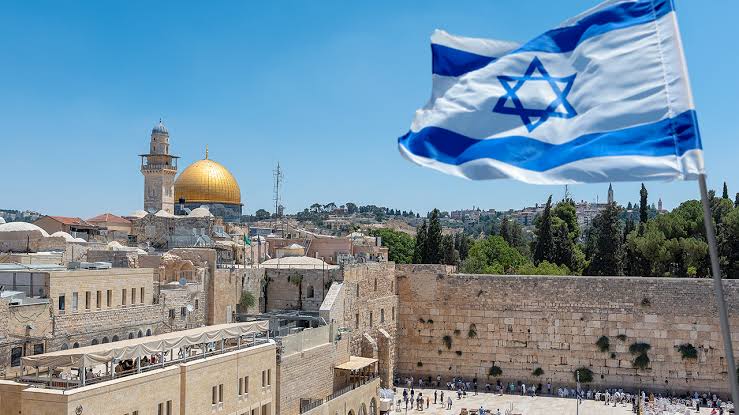
Israel

Judaism and Zionism: Untangling Faith from Politics in a Time of Middle Eastern Turmoil

By Dr. Umar Musa Kallah

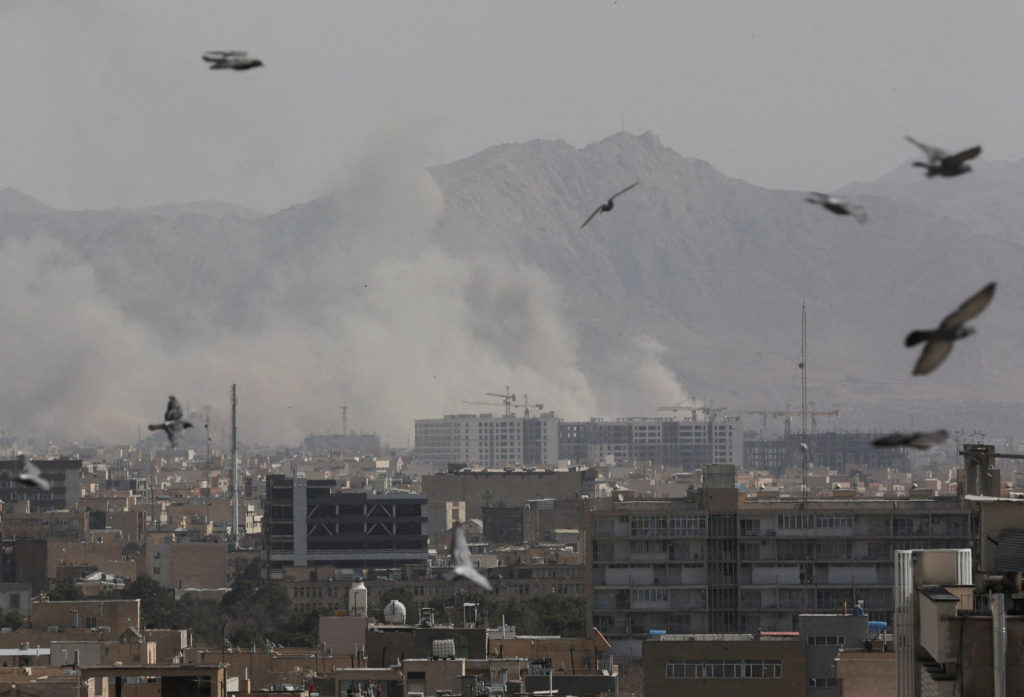
As missiles continue to criss-cross the skies over Iran and Israel, and as the devastating consequences of the February 28, 2026, coordinated United States–Israeli strikes reverberate across the region ,  claiming the life of Iran’s Supreme Leader and exacting a heavy toll on civilians on every side, it is imperative that we, as Nigerians who hold faith dear, approach these events with clarity rather than confusion. The images of suffering from Tehran, Tel Aviv and beyond remind us that war spares no one. As a Muslim who abhors violence in all its forms and yearns only for peace to reign across the globe, for the sake of everyone, regardless of creed. I write not to inflame passions, but to illuminate.

Let us begin with precision. Judaism is an ancient monotheistic religion, spanning more than three millennia. It is anchored in the Torah, the prophetic tradition and an enduring covenant between the Divine and the Jewish people. At its core, Judaism is a spiritual and ethical path, one that calls believers to prayer, justice, charity and moral conduct. It is faith, pure and profound.

Zionism, by contrast, is a modern political ideology that emerged in the late 19th century amid the harsh realities of European antisemitism and pogroms. Conceived largely by secular thinkers such as Theodor Herzl, it sought to establish a national homeland for Jews in historic Palestine as a safeguard against persecution. While some religious Jews later embraced a variant known as Religious Zionism, the movement itself remains fundamentally political, an expression of national self-determination rather than religious doctrine. Importantly, Zionism does not equate to Judaism, just as nationalism does not equate to any faith. And crucially, Zionism is not an ideology directed against Muslims; it is a political project whose ramifications, displacement, conflict and geopolitical realignments,  have touched the entire human family, inflaming tensions that now threaten wider instability, economic disruption and the loss of innocent lives far beyond the Middle East.

History bears witness to a different reality before these political currents reshaped the landscape. For more than fourteen centuries, Jewish communities thrived as protected minorities “People of the Book” , under Muslim rule in lands from Baghdad to Cordoba, from Fez to Tehran. They contributed as scholars, physicians, merchants and counsellors. Iran today still hosts one of the largest Jewish populations outside Israel, with citizens enjoying legal recognition, synagogues and parliamentary representation. Similar communities once flourished across the Muslim world. Their peaceful coexistence endured until the political realities surrounding the establishment of the State of Israel, coupled with ensuing wars and nationalisms, altered longstanding neighbourly relations. Zionism transformed the narrative; it did not define the faith.

Even now, Jewish voices are not uniform. Many observant and secular Jews  from organisations such as Jewish Voice for Peace to progressive rabbis and ordinary families have openly opposed escalation, calling for restraint and compassion toward Iranian and Palestinian civilians alike. Iranian Jews themselves have largely distanced themselves from the conflict, prioritising their safety and loyalty to their homeland. Faith and political allegiance, once again, prove distinct.

To my Christian brothers and sisters across Nigeria, whose devotion often finds heartfelt expression in solidarity with “Israel,” I offer this reflection with utmost respect and sincerity. The modern State of Israel is a sovereign nation whose population is approximately 74 per cent Jewish, 18 per cent Muslim and merely 2 per cent Christian. Its policies and security concerns are those of a state, not a church. Judaism, as the elder sibling in the Abrahamic family, gave the world the Hebrew Scriptures that Christians revere as the Old Testament. Yet Judaism does not perceive Christianity as Christians perceive it: practising Jews do not accept Jesus as the Messiah or the Son of God, nor do they regard the New Testament as scripture. They await their own promised redeemer. This theological distinction is not a source of animosity but a simple fact of differing paths within the same monotheistic heritage.
Understanding this does not diminish Christian love for the Holy Land or the Jewish people; rather, it prevents the conflation of ancient faith with contemporary politics. Supporting the legitimate security needs of any nation is one matter; assuming the State of Israel embodies Christian doctrine is quite another. Zionism is the political vehicle of Jewish national aspirations in the modern era, related to Judaism by heritage, yet separate in essence and execution. Clarity here fosters wiser solidarity, rooted in truth rather than assumption.

In this hour of missiles and mourning, as a Muslim who prays daily for the cessation of all bloodshed, I beseech every Nigerian  Muslim, Christian and beyond  to rise above partisan slogans. Let us distinguish religion from politics, faith from ideology. Let us condemn violence wherever it appears, whether in state actions or retaliatory strikes, and advocate instead for dialogue, de-escalation and the protection of all minorities, including Iran’s Jewish citizens. True peace will serve every soul on this earth : Jew, Muslim, Christian and those of other persuasions alike.

May the Almighty, in His infinite mercy, grant wisdom to leaders, solace to the bereaved and swift healing to a wounded region. May bombs fall silent, so that mothers from every shore may once again embrace their children in safety. For in the end, the greatest victory belongs not to any flag or doctrine, but to humanity itself, united under the banner of peace.

That is the fervent prayer of one Nigerian Muslim who believes, without reservation, that only understanding and compassion can light the path forward.

Dr Umar Musa Kallah, a writer and community advocate, can be reached via yakubunasirukhalid@gmail.com.
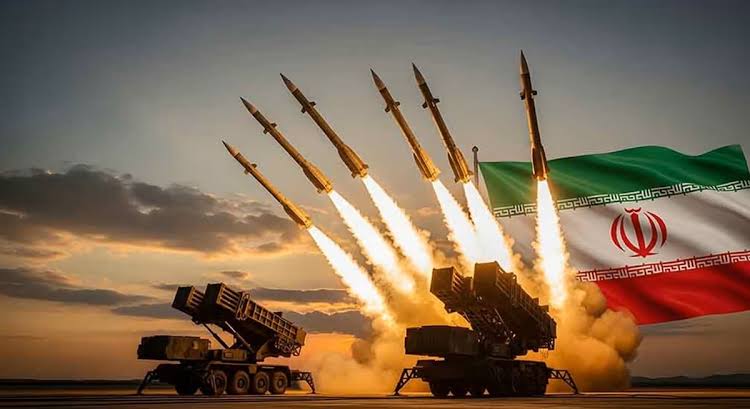
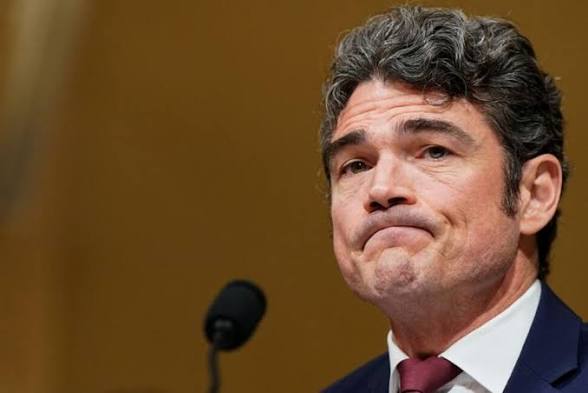
Iran Declares Global Threat, Says Parks, Tourist Sites Unsafe For US, Israeli Officials

By Sabiu Abdullahi

Iran has issued a strong warning to officials of the United States and Israel, stating that they are no longer safe anywhere in the world after recent attacks linked to both countries.

The warning came from a senior Iranian military spokesperson, Abolfazl Shekarchi, who said the risks faced by their adversaries may extend beyond traditional battle zones.

In a statement aired on Iranian state television, Shekarchi said, “From now on, based on the information we have about you, even parks, recreational areas and tourist destinations anywhere in the world will no longer be safe for you.”

The statement signals a sharp rise in tensions, as Tehran suggests it could widen the scope of its response to what it views as hostile actions.

The development follows a series of reported strikes connected to the United States and Israel. Iranian authorities have since pledged a firm response, which has added to fears of further escalation.

Observers say the latest remarks reflect growing concern over a possible expansion of the conflict, as threats continue to intensify between the sides.

The situation has also been fueled by reports of Israeli operations that led to the killing of senior Iranian officials, which has further deepened hostilities.

Meanwhile, the crisis appears to be drawing in more regional actors. The leader of Yemen’s Houthi Movement, Abdul-Malik al-Houthi, has announced support for Iran in the ongoing confrontation with the United States and Israel.

In a televised address monitored on Friday, Al-Houthi accused Washington of supporting Israel’s military actions in the region. He warned that any US involvement against Iran would be seen as a direct threat to Yemen and the broader “Islamic nation.

“Because he considers it the biggest obstacle in the way of accomplishing his plan,” Al-Houthi said.

He added, “Therefore, any attack or US aggression supporting the Israeli enemy against Iran within the framework of the goal itself, is a throw to empower the Israeli enemy from controlling the entire region. And this is what cannot be silenced.”

The comments mark a notable escalation from the Iran-aligned group, which has previously targeted shipping routes in the Red Sea and launched attacks linked to Israeli interests. Analysts warn that the growing rhetoric and alliances could push the region closer to a wider conflict.

U.S. Counterterrorism Chief Resigns Over Iran War, Alleges Israeli Pressure

By Sabiu Abdullahi

The Director of the United States National Counterterrorism Center, Joseph Kent, has stepped down from his role, citing disagreement with Washington’s military involvement in Iran and questioning the factors behind the conflict.

Kent conveyed his decision in a letter to President Donald Trump. He said he reached the conclusion after careful thought and confirmed that his resignation takes immediate effect.

“After much reflection, I have decided to resign from my position as Director of the National Counterterrorism Center, effective today,” he wrote.

He stated that he could no longer support the administration’s current foreign policy, especially its decision to engage Iran militarily.

“I cannot in good conscience support the ongoing war in Iran. Iran posed no imminent threat to our nation, and it is clear that we started this war due to pressure from Israel and its powerful American lobby,” he stated.

Kent noted that his position reflects principles he believes once shaped U.S. foreign policy.

“I support the values and the foreign policies that you campaigned on in 2016, 2020, 2024, which you enacted in your first term,” Kent wrote.

“Until June of 2025, you understood that the wars in the Middle East were a trap that robbed America of the precious lives of our patriots and depleted the wealth and prosperity of our nation.”

He also accused “high-ranking Israeli officials and influential members of the American media” of driving what he described as a misinformation effort. According to him, the campaign “wholly undermined your America First platform and sowed pro-war sentiments” that encouraged action against Iran.

Kent argued that U.S. leadership received misleading information about the situation.

“This echo chamber was used to deceive you into believing that Iran posed an imminent threat to the United States, and that should you strike now, there was a clear path to a swift victory. This was a lie,” he said, while drawing a comparison with events that preceded the Iraq war.

He pointed to his own military background to stress the human cost of war.

“As a veteran who deployed to combat 11 times and as a Gold Star husband who lost my beloved wife Shannon in a war manufactured by Israel, I cannot support sending the next generation off to fight and die in a war that serves no benefit to the American people nor justifies the cost of American lives,” he said.

Kent urged the president to reconsider the current approach and warned about possible long-term consequences.

“I pray that you will reflect upon what we are doing in Iran, and who we are doing it for. The time for bold action is now. You can reverse course and chart a new path for our nation, or you can allow us to slip further toward decline and chaos. You hold the cards,” he said.

He ended his letter by expressing gratitude for the opportunity to serve. “It was an honor to serve in your administration and to serve our great nation.”

Russia sends humanitarian aid to Iran amid war with US, Israel

Russia has delivered humanitarian assistance to Iran as tensions continue in the Middle East during the ongoing conflict involving the United States and Israel.

The development emerged from a statement shared by the Russian Embassy in Kenya through its official X account. The embassy indicated that Russia had become “the first country to send humanitarian aid to Iran” since the crisis intensified.

According to the statement, an aircraft transported medical materials meant to reach Iranian authorities through a neighbouring country. The embassy explained that the supplies were first delivered to Azerbaijan for onward transfer.

“An Il-76 aircraft delivered more than 13 tons of medical supplies to Azerbaijan which will assist in transferring it to the Iranian authorities,” the post said.

The embassy described the shipment as “first aid & medical supplies” intended to support civilians in Iran during the current conflict.

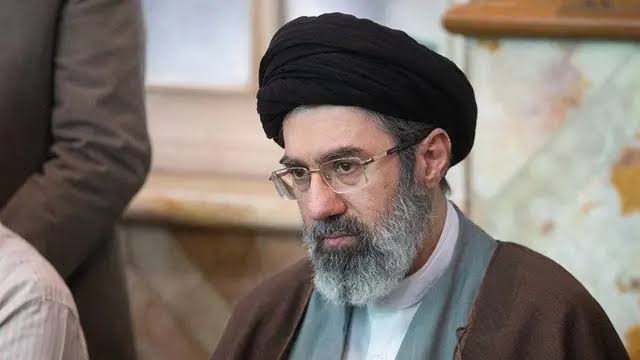
The humanitarian move follows earlier diplomatic engagement between Moscow and Tehran. Russian President Vladimir Putin recently sent a message to Iran’s new supreme leader, Mojtaba Khamenei, after his emergence as the country’s leader.

In a message released by the Kremlin and cited by Al Jazeera, Putin congratulated Khamenei and expressed confidence in his leadership at a time of mounting international pressure on Iran.

The Kremlin stated that the Russian president commended Khamenei’s potential to lead the country and referred to the legacy of his father. Putin said he believed the new leader would maintain the direction previously set for Iran.

Putin also said he was confident Khamenei would continue his father’s work “with honour” and unite the Iranian ⁠people “in the face of ⁠severe trials”.

He used the message to reiterate Russia’s close ties with Iran. Putin said Moscow would maintain its partnership with Tehran and added that he wished to “confirm unwavering support for Tehran ‌and solidarity with our Iranian friends.”

The Kremlin statement came at a time when hostilities between Iran and the United States-Israel alliance continue to raise global concern.

Russia and Iran have strengthened cooperation in recent years. Their partnership covers areas such as energy, security coordination and diplomatic engagement on international matters.

The aid delivery also follows a decision by the United States to ease restrictions on Iran’s oil exports. Washington said the measure aimed to reduce pressure on global crude oil prices amid disruptions linked to the Middle East conflict.

Iran’s strategic mastery: Why Tehran is poised to emerge victorious in the war against Israel and the US

By Dr. Umar Musa Kallah

As the US-Israeli war against Iran enters its second week, the initial narrative of a rapid Western triumph has collapsed. What began with coordinated strikes on Iranian leadership and infrastructure has instead unleashed a sophisticated Iranian counter-campaign rooted in decades of preparation, control of global chokepoints, and asymmetric warfare. Verifiable maritime data, energy market reports, and military analyses confirm that Iran is not merely holding ground, it is systematically eroding the economic foundations of American power and its Gulf allies.

The closure of the Strait of Hormuz stands as Iran’s most potent immediate weapon. Since Iran’s declaration and attacks on transiting vessels in early March 2026, shipping traffic has effectively halted, with oil and LNG flows, representing roughly 20% of global trade is severely disrupted. Global crude prices have spiked, insurance markets have pulled coverage, and Asian importers face acute shortages. This is no bluff: tanker tracking and satellite imagery show near-total cessation of commercial traffic, directly strangling revenues for US-aligned Gulf states.

Tehran has complemented this blockade with hundreds of ballistic missiles and drones targeting US military installations and infrastructure across Bahrain, Qatar, Kuwait, the UAE, and Saudi Arabia. Strikes have damaged communication systems, radar sites, and air bases, including the US Fifth Fleet headquarters and Al Udeid Air Base. The cost asymmetry is telling: cheap Iranian drones and missiles exhaust multimillion-dollar Western interceptors at a pace that cannot be sustained indefinitely.

Iran has also struck desalination plants and power infrastructure critical to Gulf freshwater supplies. With over 90% of drinking water in several Gulf nations dependent on energy-intensive desalination, these targeted hits are creating humanitarian pressure and accelerating economic paralysis. By weaponizing both energy exports and water security, Tehran is holding civilian populations and regional economies hostage.

This economic siege directly undermines the Gulf sovereign wealth funds that have bankrolled much of America’s AI boom. Saudi Arabia’s Public Investment Fund and Abu Dhabi’s Mubadala have channeled tens of billions into US tech, data centers, and AI ventures. With oil revenues frozen, airspace closed, and infrastructure under fire, these funds are already curtailing new commitments to American projects. The resulting capital drought threatens Silicon Valley valuations and risks triggering a broader stock-market correction, a strategic blow at the heart of US technological supremacy.

None of this is improvised. Iran has spent decades building precisely this capacity: an estimated pre-war arsenal of thousands of ballistic missiles, mass-produced drones, and resilient proxy networks designed for attrition warfare. Its high-ranking scientists and engineers have indigenously advanced these systems through reverse-engineering and innovation, often drawing on historical technological exchanges. Battle-hardened IRGC commanders , seasoned warlords operating with decentralized command, coordinate the response, while a population of over 90 million, tempered by generations of sanctions and pressure, demonstrates profound civilizational resilience and refusal to surrender easily.

This internal steel is coupled with broader strategic depth from longstanding partnerships. Russia, China, North Korea, and Pakistan have provided diplomatic condemnation of the US-Israeli aggression, alongside decades of technological collaboration in missiles, drones, and defense systems that now equip Iran to endure. While direct military intervention has been limited, these ties  combined with Iran’s own preparations will ensure sustained resistance that outlasts Western political will and munitions stockpiles.

The world now faces Tehran’s calculated endgame: choking global energy arteries, disrupting vital water supplies, and redirecting Gulf capital away from American innovation. Every day of blockade, every intercepted drone salvo, and every sign of Iranian societal cohesion deepens the strain on Washington and its partners. Iran did not stumble into this conflict; it prepared for it across a lifetime of strategic patience. As oil prices climb, water crises intensify, AI investments falter, and resilient Iranian forces continue to dictate the tempo, the balance of power is shifting decisively.

The verifiable data from shipping trackers, strike assessments, and resilience analyses  is clear: Iran is not on the defensive. It is leveraging geography, technology, alliances, and unbreakable national will to hold the world ransom. Tehran is on course to prevail.

Dr Umar Musa Kallah, a writer and community advocate, can be reached via yakubunasirukhalid@gmail.com.

Hamas urges Iran to avoid striking Gulf states, condemns aggression against Tehran

By Anwar Usman

The Palestinian group Hamas has urged its ally Iran to end attacks on Gulf states, while affirming Tehran’s right to defend itself against Israel and the United States in the war they launched.

Hamas on Saturday called upon its “brothers in Iran” not to target neighbouring countries, and urged the region to end the ongoing conflict that has embroiled much of the Middle East.

The group fought back against Israel’s genocidal war on Gaza following its October 7, 2023, attack, while Israel razed the besieged and bombarded enclave to the ground, killing more than 72,000, with Gulf nations, particularly Qatar, stepping in through mediation, diplomacy and aid.

Since the start of the Iran war by the US and Israel on February 28, several Gulf states in the region have reported Iranian missile and drone attacks.

Hamas said in a statement, “While affirming the right of the Islamic Republic of Iran to respond to this aggression by all available means in accordance with international norms and laws, the movement calls on the brothers in Iran to avoid targeting neighbouring countries.”

 The statement added that countries of the region should “cooperate to halt this aggression and preserve the bonds of fraternity among them”.

Iran has supported Hamas financially and militarily for decades, the group being a part of the now much-weakened so-called “axis of resistance” that includes Lebanon’s Hezbollah and Yemen’s Houthis.

Last month, Gulf countries pledged more than $4bn in combined financial support to US President Donald Trump’s Board of Peace, signalling backing for efforts to resolve the Israeli-Palestinian conflict.

The pledges were announced during the first meeting of the Board of Peace, which has gone quiet in the wake of the war, in Washington, where Qatar and Saudi Arabia each committed $1bn. Kuwait also pledged $1bn over the coming years, while the United Arab Emirates announced an additional $1.2bn in support for Gaza through the board.

Qatar, throughout the genocidal war on Gaza, also played a leading role as mediator, alongside the US and Egypt.

A US-backed “ceasefire” agreement has been in place in Gaza since October 2025, which was meant to halt Israel’s two-year onslaught that killed more than 72,000 people and injured more than 171,000 since October 2023.

Despite the “ceasefire”, however, Israeli forces have continued hundreds of violations through shelling and gunfire, killing hundreds of Palestinians.

US strike on Iranian school: China donates $200,000 to families of slain students

By Hadiza Abdulkadir

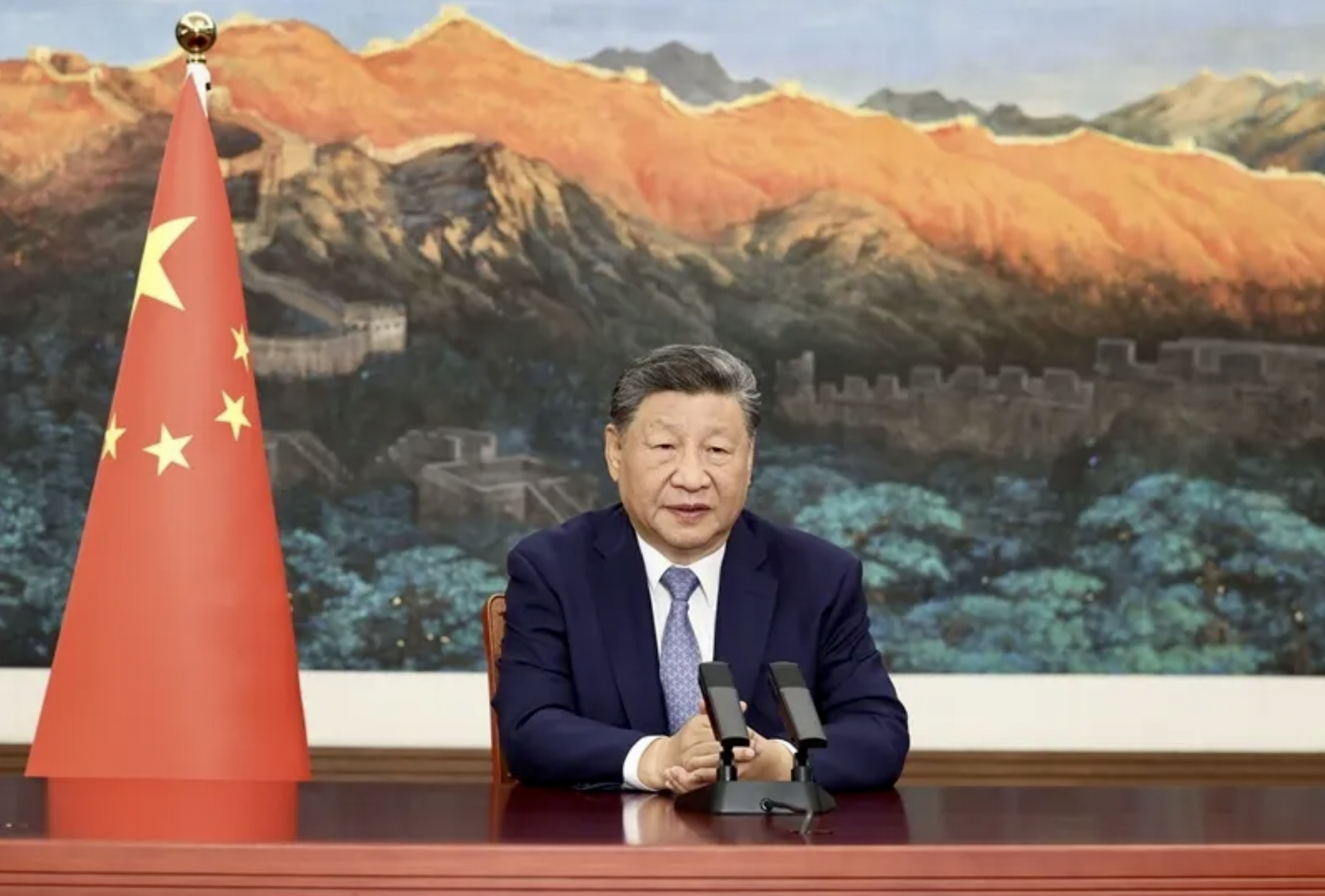
China has announced a $200,000 humanitarian donation to support the families of students killed in a missile strike on a school in Iran earlier in the war, according to reports by Agence France-Presse (AFP).

In a statement on Friday, China’s foreign ministry said the Chinese Red Cross Society will channel the funds through the Iranian Red Crescent Society to assist the parents of the victims.

Beijing described the incident as an “indiscriminate” missile strike carried out by the United States that resulted in the deaths of several students. The donation, officials said, will serve as emergency humanitarian assistance intended for “condolences and compensations” to the bereaved families.

China also reiterated its call for the protection of civilians, particularly children, during armed conflicts.

BREAKING: Spain recalls ambassador from Israel over Iran war, genocide in Gaza

By Sabiu Abdullahi

The Spanish government has withdrawn its ambassador to Israel amid growing diplomatic tension linked to the war in Gaza and the ongoing conflict involving Iran.

An announcement published in Spain’s official state gazette confirmed that the decision took effect on Wednesday. The move reflects Madrid’s strong criticism of Israel’s military actions in Gaza as well as the conflict involving the United States and Israel against Iran.

Spain has emerged as one of the European Union countries that openly condemn Israel’s conduct in Gaza. The government has also opposed the military campaign launched by Washington and Tel Aviv against Iran.

The gazette explained the decision regarding Spain’s diplomatic representation in Israel. It stated: “At the proposal of the Minister for Foreign Affairs, the European Union and Cooperation, and following deliberation by the Council of Ministers at its meeting on 10 March 2026, I hereby order the termination of Ms Ana María Sálomon Pérez’s appointment as Ambassador of Spain to the State of Israel.”

Following the ambassador’s removal, Spain’s embassy in Tel Aviv will now operate under a charge d’affaires, according to a source from the country’s Foreign Ministry cited by Reuters.

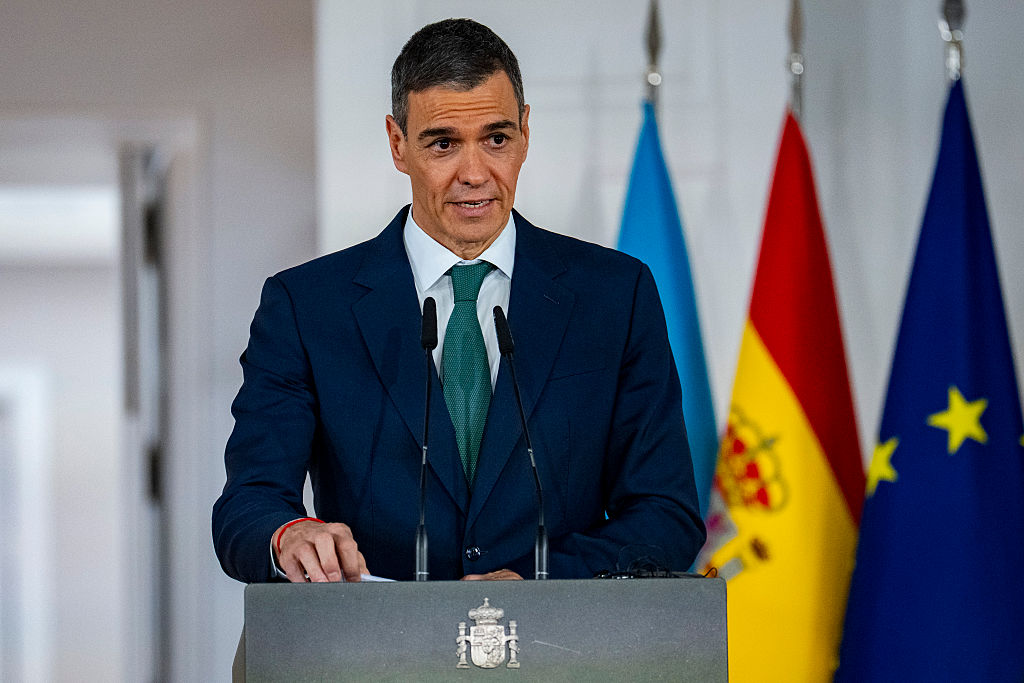
Spain’s Prime Minister Pedro Sanchez has been among the few left-wing European leaders who openly criticize the attacks carried out by the United States and Israel against Iran. He described the assault as “unjustifiable” and stressed that Madrid’s position remains “no to the war”.

The Spanish government has also maintained a strong stance against Israel’s operations in Gaza. In October, Spain’s parliament approved legislation that imposed a complete arms embargo on Israel. The law permanently blocks the sale of weapons, military equipment and dual-use technology to the country in response to the genocide.

Israel accuses Iran of hacking security cameras amid Middle East war

By Sabiu Abdullahi

Israel’s cybersecurity directorate has reported “dozens of Iranian breaches into security cameras for espionage purposes” since the outbreak of war in the Middle East, urging the public to remain alert.

“The directorate is working to alert hundreds of camera owners and calls on the public to change their passwords and update their software to prevent any security risk, whether national or personal,” Cyber Israel wrote on X on Monday.

Cyberattacks have been a recurring feature of the tense relationship between Iran and Israel, with both sides engaging in a shadow war that escalated into open conflict last June and again on February 28.

In December 2025, former Israeli prime minister Naftali Bennett — who plans to challenge incumbent Benjamin Netanyahu in this year’s general election — reported a cyberattack on his Telegram account, claiming hackers had accessed his phone.

Private messages, videos, and photographs allegedly taken from Bennett’s phone were later posted on a hacker site named after “Handala,” a character symbolizing the Palestinian cause, and on a related X account.

AFP quoted a cybersecurity expert noting that Iran-linked hackers intensified their activities in the region following attacks on the country.

Israeli cybersecurity firm Check Point highlighted in a report that since the start of the US-Israeli offensive on February 28, hackers have frequently accessed surveillance cameras, which are widely deployed but often poorly secured.

The images were reportedly used to evaluate damage from attacks and to “gather the necessary information” on “the habits (of targeted individuals) or locations to hit,” Gil Messing, head of cyberintelligence at Check Point, told AFP.

Messing added that the hackers “are part of (Iran’s) army” and “are largely supported by the state,” particularly by the Revolutionary Guards and the ministry of intelligence and security.

Last week, the Financial Times reported that Israel had monitored nearly all of Tehran’s traffic cameras for years in preparation for the operation that killed Iran’s supreme leader, Ali Khamenei, on the first day of the offensive.

Amnesty International condemns DSS arrest, detention of X user for allegedly criticising US, Israel amidst Middle East war

By Sabiu Abdullahi

Amnesty International has criticised the detention of Sani Waspapping by the Department of State Services (DSS), describing the arrest as arbitrary and calling on Nigerian authorities to respect the rule of law.

Waspapping was arrested in Kaduna on Friday. He has remained in DSS custody since then. Reports indicate that he has not been granted access to his family members or legal representatives.

Many observers believe the arrest may be connected to posts he made on social media about the ongoing war in the Middle East.

According to available information, Waspapping is the second person detained by the DSS in connection with discussions about the current Middle East crisis.

Some social media users have also expressed the view that his arrest may be linked to his criticism of the United States and Israel as well as posts seen as supportive of Iran.

However, authorities have not publicly confirmed that this was the reason for his detention.

Amnesty International also urged Nigerian authorities to follow due process in handling the case.

“The Nigerian authorities must abide by the rule of law at all times — including in the case of Sani Waspapping. He must be provided with prompt access to family and adequate legal assistance, charge him to court or release him from detention immediately.”