Over 3.1 million children would receive supplements against malaria, while 2.8 million children would be dewormed, the Kano state commissioner for Health, Dr Aminu Ibrahim Tsanyawa, said.
The Commissioner disclosed that there would be childhood immunization for about 68,135 children, adding that antenatal services would also be provided.
Tsanyawa stated this during a media briefing ahead of the exercise, which begins on Tuesday, July 5, 2022.
He noted that the Kano State Government had identified about 12 million children to receive the seasonal Malaria Chemoprevention for July to October 2022 in the 44 government areas of the state.
The Daily Reality learned that the previous exercise conducted in January 2022 recorded huge success with Vitamin A coverage of more than 88 per cent.
In his words, Tsanyawa added, “the aim was to prevent uncomplicated and similar proportion of severe malaria incidences amongst the age group.”
“We are integrating the two exercises, although the MNCHW is a week-long event conducted twice every year.”
“It has a high impact on low-cost interventions offered to pregnant women and children below the age of five to increase coverage level of preventive and curative health indicators,” Tsanyawa stated.
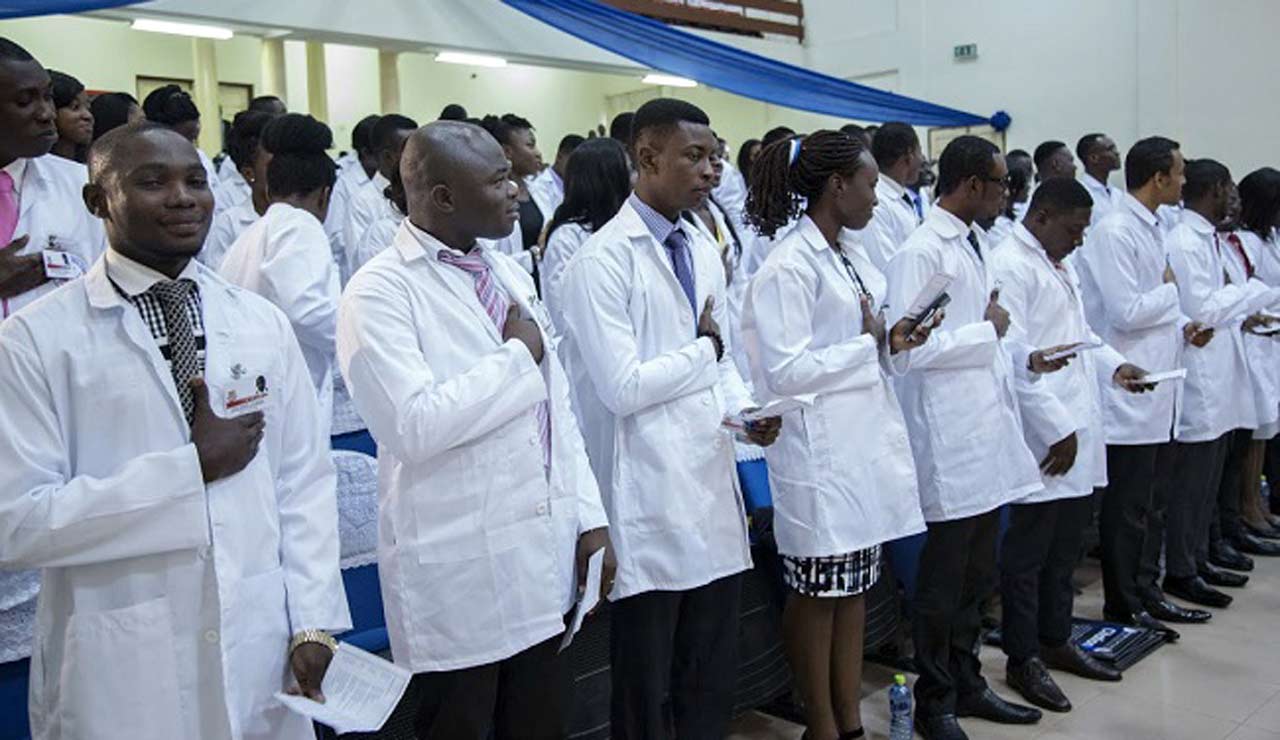
Undoubtedly, one cannot overemphasize the importance of health. Doctors ensure that we stay healthy and when we are knocked down by diseases, no matter how severe, they perform their magic to lift us. According to Mahatma Gandhi, “the best way to find yourself is to lose yourself in the service of others.” This is what doctors across the globe do: service to humanity.
Although we get graduates annually, doctors are still insufficient not only in Nigeria but across the globe. These numbers are supposed to increase with the number of universities that offer medicine and other related courses, colleges of health and schools of nursing and midwifery. Still, unfortunately, it is not the case as our health sector is threatened by a ‘mortal exodus’ of health workers, which is termed “brain drain” in the health sector.
Recent reports from different media outlets show that no less than 727 Nigerian-trained medical doctors have relocated to the United Kingdom between December 2021 and May 2022. Between March 2021 and March 2022, at least 7,256 Nigerian nurses have left for the United Kingdom. This statistics is only on the migration to the United Kingdom. What about those that moved to other parts of the world? Most doctors were reported to have moved during the period the federal government failed to pay their hazard allowance.
With a winsome smile, I was pleased that we have home-trained medical personnel that are fit to work abroad, especially in places as advanced as the United kingdom. But on the flip side, my winsome face turns gloomy because our beloved nation is losing the scarce service of the medical personnel to countries that are supposedly ahead of us. So who should we hold responsible for the ongoing migration, the leaders or doctors?
The question is, should the physicians and other medics move in search of greener pasture because they are not paid hazard allowance or because the health sector is crumbling? One could answer in the affirmative because scholars like Adams Smith, when propounding price (for goods and services) theory, said the higher the risk involved in a job, the greater the rewards or pay if you wish.
So, doctors are exposed to severe danger because they fight a battle against soldiers they can’t see: microorganisms (viruses, bacteria, fungi etc.). Hence, they deserve a decent salary. But should the pay be the criteria for doctors to work? What about the oath they swore during their various inductions to “….treat human beings because it affects family members and economic stability….”
Should those in charge of the doctors’ welfare (government and other stakeholders) relent because their job is supposed to make them selfless? In negation, as they work round the clock to ensure that citizens are healthy for self and economic development, somebody has to look after their welfare since they also have a family to cater for. Aside from catering for their welfare, who should be responsible for providing infrastructure, medical equipment and instruments for treating the sick? We can say those that swore the oath to protect the lives of citizens are.
My call to the doctors is that they wear the white coat and scrubs with dignity and pride and strive to make the profession worth practising in the country. Even though the practice still saves lives away from home, they should know that they owe the service more to the country.
To those in charge, efforts should be made to do well by the medics to avoid further migration. Leaders, they say, make choices that keep them awake at night, and if they sleep well, it means they are not getting the job done. Hence, the situation should be tackled in a way that favours the masses.
If the issue remains unchecked, the wealthy will continue to relish in the comfort of seeking medical attention abroad while the masses or less privileged live in despair.
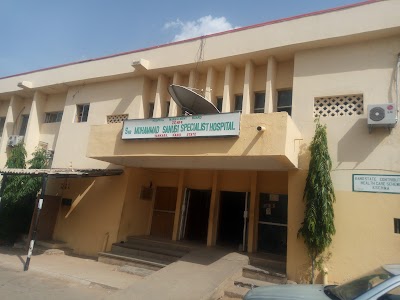
The level of dilapidation in Sir Muhammadu Sunusi Specialist Hospital, Yankaba, Kano, has graduated something not less monstrous.
Despite the Kano State Government’s claim that Governor Abdullahi Umar Ganduje’s second tenure would pay more attention to health and education, patients in the hospital have recounted their harrowing tales of how they live miserably without water and light.
Our reporter visited the hospital. He met some patients in dire situations, fighting excessive heat with their hand fans, which has thrown many of them into a dilemma.
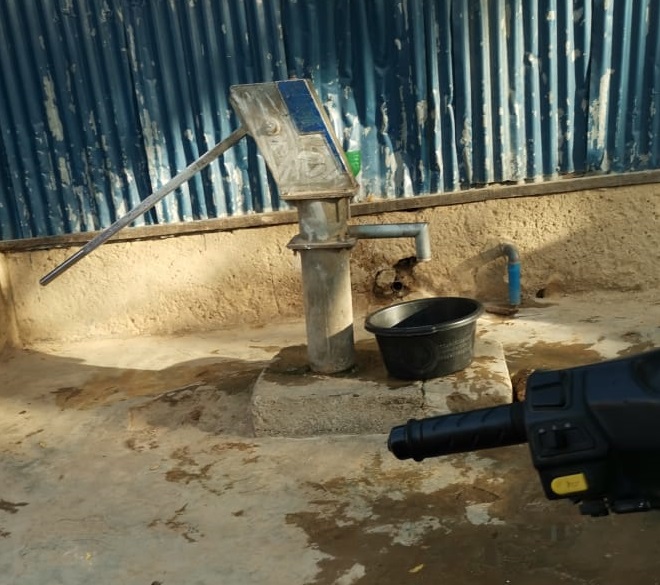
The Daily Reality learned that all the taps in the hospital are not working, except one borehole, which the patients said works for less than one hour every day.
Recounting their experiences, some patient sitters complained that they used sachet water, alias pure water, to bathe, flush toilets, make ablutions and wash their dishes.
They also complained about the lack of electricity, which they said was responsible for many problems in the hospital.
A patient, who pleaded anonymity, complained that he spent days without bathing because almost all the sources of water in the hospital were dead.,
He said, “I spend days without bathing because there is no water. Sometimes our brothers go outside the hospital and call a water vendor (“dan ga–ruwa“).
“Also, after all these difficulties, we slept in the dark without light at night. Mosquitoes exploit the opportunity to disturb our nights. The situation is just terrible.”
Also, a patient sitter, Mukhtar Muhammad (not real name), stated that they really faced difficulties mainly at night.
He said, “There is neither electricity nor water in the hospital. Thus we live in the heat with mosquitos singing and biting our patients and us.
“I have wanted to use water since yesterday. But there is no water in the tap. So I had to go outside in search of a water vendor.”
No water to wash new-born babies
Aishatu Isma’il decried that it was indeed a slap on the face for a big hospital like Sir Sunusi to allow this problem to be exacerbated.
“How can you imagine the state of a hospital without water or electricity? You would have shaded tears if you see women as they gave birth; there would be no water to clean the mother or her baby,” she bitterly said.
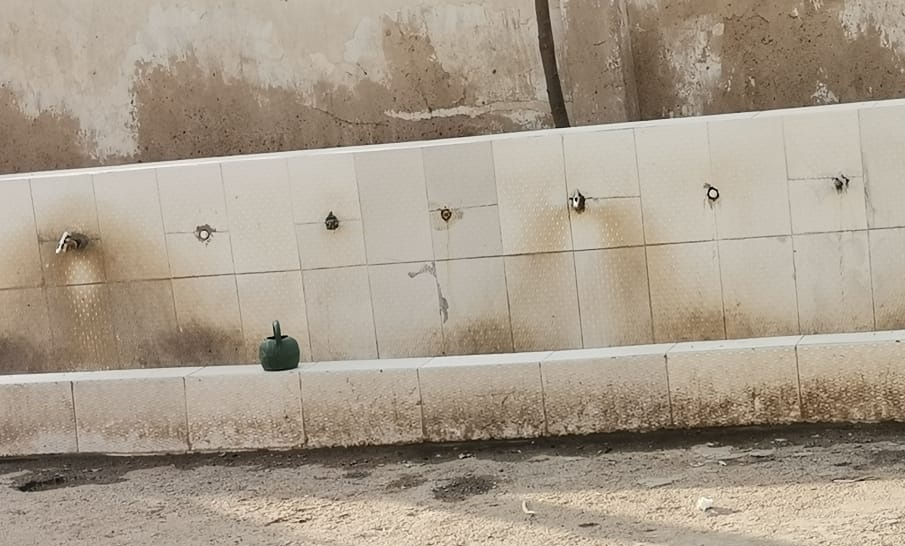
Dry taps
A group of four women, who happened to be patient sitters of their relatives, confided in our reporter that they used sachets water for there was no water in the hospital.
They added that there was no water in the hospital to even flush the toilets after being used.
They added that the condition of the hospital’s pharmacy too was deplorable as one would only get one or two medicine out of the five or six he was looking for.
The patients also urged the Kano State Governor, Dr Abdullahi Umar Ganduje, to set up a committee to investigate the matter.
Responding, the Managing Director of the hospital, Dr Abdussalam Usman Danjaji, told our reporter that all preparations to address the issues were in top gear.
Danjaji said, “Due to the electricity problem, the diesel provided to us by the government was never enough to use for thirty days.
“And we don’t want to add additional charges to what people are paying. If we do that, we can provide people with light, only that many people cannot afford to settle their bills,” he added.
There are so many simple ways through which each and every individual can take very good care of himself. In fact, there is no one to take good care of you, more than you. These easy procedures can vary, to some extent, between ladies and gentlemen, this is probably due to their biological and physical composition. Therefore, let us see these tactics for men, and for women.
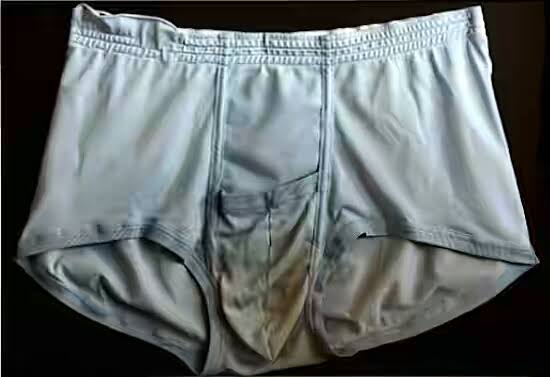
● Care of the Genitals – For Men Change your boxers frequently. Instead of sniffing it to know if it is still suitable for reuse simply have a ‘1 boxer a day’ policy. Let me further explain why you shouldn’t reuse boxers. You will recall the previous write up I did on understanding body odours. The pubic area has an abundance of apocrine glands that produce sweat rich in substances suitable for use by microorganisms. There is therefore more microorganism-sweat interaction in the pubic area (and armpits) than any other part of the body making them the most prone to bad smell. These microorganisms are also collected by your boxers. When you have your bath, you wash them off your genital area. But when you reuse the boxers of yesterday, rather than start afresh, you simply reintroduce those populations stuck on the boxers back into the genital area. Thus people who reuse boxers are more likely to have a smelly pubic area.
●Shave your pubic areas when due. You would wonder why anyone will neglect his most prized organ to be overgrown by ‘bushes’. Not only will you sweat more, you simply create a good environment for microbial ‘wildlife’ to thrive (pardon my sarcasm). Shave the pubic hairs when they are dyed and do it properly. Some men don’t know how to shave down there. They only shave off the visible/frontal part alone. You should include the hairs on the scrotal sack, that hidden crevice where the scrotum meets your thigh, and the stretch all the way to the anus. These hidden places are even the reservoirs of genital smells. A person may shave regularly but these parts he hasn’t touched in nearly a year. Please be thorough. This may not be related, but your pregnant wife in the last trimester may need your help with shaving because the bulging stomach may make it difficult for her to do it herself unless you don’t mind someone else doing it for her in the labour ward.
●Try to keep the genital area dry, don’t leave it damp. Dry yourself properly after having your bath before wearing your boxers (men know how impatient they can be about this especially when late for work). Due to the impact of water activity on microbial growth, a moist genital area makes life conducive for bacteria and fungi to thrive. The most common infection that results from a damp genital area is Tinea cruris (Jock itch) which causes an itchy, smelly and sometimes reddish ring-shaped rash on the genitals. If you notice this increases your hygiene in the genital area, avoid undies unless it becomes necessary (for instance go boxer less while at home) and seek medical assistance for an antifungal prescription.
So, if you don’t shave regularly and properly, don’t change your boxers frequently, and still keep a damp genital area, I can not begin to imagine how you smell down there. You can do better! May I add that it will be cruel for someone like you to demand oral sex from your wife!
●Avoid Sexually Transmitted Infections (STIs) as much as you can. Abstain from random sexcapades and stick to your wife. Use condoms if you insist (at least to protect your innocent wife at home). However, know that condoms do not protect you from all STIs.
For Women
It is important that as a woman you have a female who is a health professional with whom you can easily discuss changes in your body and get the right advice. This could be a friend, relative, acquaintance or even a social media personality you follow. You need the right information as there is a lot of misinformation out there.
● You need twice as much, all that has been said above about men. Biologically you are more ‘delicate’ and need more ‘maintenance’ than men. If men are Nokia -cheap and rugged, women are like Samsung – expensive and fragile, to be handled with care.
●The vagina is self-cleansing. You don’t need yoni pearls and those other ‘vagina cleansers’ out there whatever the claim of miracles. If you notice ‘abnormal’ changes in the smell and discharge from your genitals consult your Doctor.
●White and 100% cotton underwear is what is recommended, for proper aeration of the genitals and to reduce the chance of trapping microbes. Nylon, acetate and other kinds of underwear made from synthetic (man-made) materials make you prone to irritation. They may be sexier but not necessarily ideal.
●Insertions, especially when done for masturbation (making it frequent) makes you prone to infection.
●Use mild soaps only to wash the (outer) genital area to avoid irritation.
●Do not abuse antibiotics as this may upset the balance of beneficial bacteria (LAB) in your vagina allowing for pathogens to colonise the area.
●Follow female health professionals on social media for more health tips (you may tag and appreciate some you know doing a wonderful job).
‘Dirty’ and ‘woman’ are two words that should never go together for it will be a sight for sore eyes.
Audu Haruna J. is a lecturer from the Faculty of Pharmacy, Kaduna State University, Nigeria. He can be reached via: harun1789@yahoo.com
Kano State has recorded more than 2.8 million hospital visits due to the menace of malaria in 2021, the Commissioner for Health, Aminu Tsanyawa, said.
Tsanyawa spoke yesterday at a press briefing to commemorate 2022 World Malaria Day.
This, according to Tsanyawa, made the disease the single most common reason for about 60 per cent of outpatient visitations and consultations in Kano state.
However, Tsanyawa recalled that the Kano state government, in collaboration with its partners, did its best to mitigate the menace.
He said, “between July and October 202, the state government, in collaboration with its partners, administered more than 13,110,365 doses of malaria prevention drugs (sulfadoxine-pyrimethamine and Amodiaquine SP+AQ) with a view to preventing malaria and deaths in children under the age of five.”
Furthermore, Tsanyawa sounded a clarion call on residents to avail their children aged 3-59 months for the forthcoming 4-day cycles of mass distribution of malaria prevention drugs.
As your little one starts to explore the world of solid foods, he will learn to differentiate the tastes of different food items. This is where the struggle of a parent begins. Despite being a picky eater, making sure your child gets all the required nutrients can be frustrating. At times this frustration makes parents go overboard, and they pressurise their children to eat. Even though done with good intentions, force-feeding is never a good idea when it comes to the developing years of your child.
What is force-feeding?
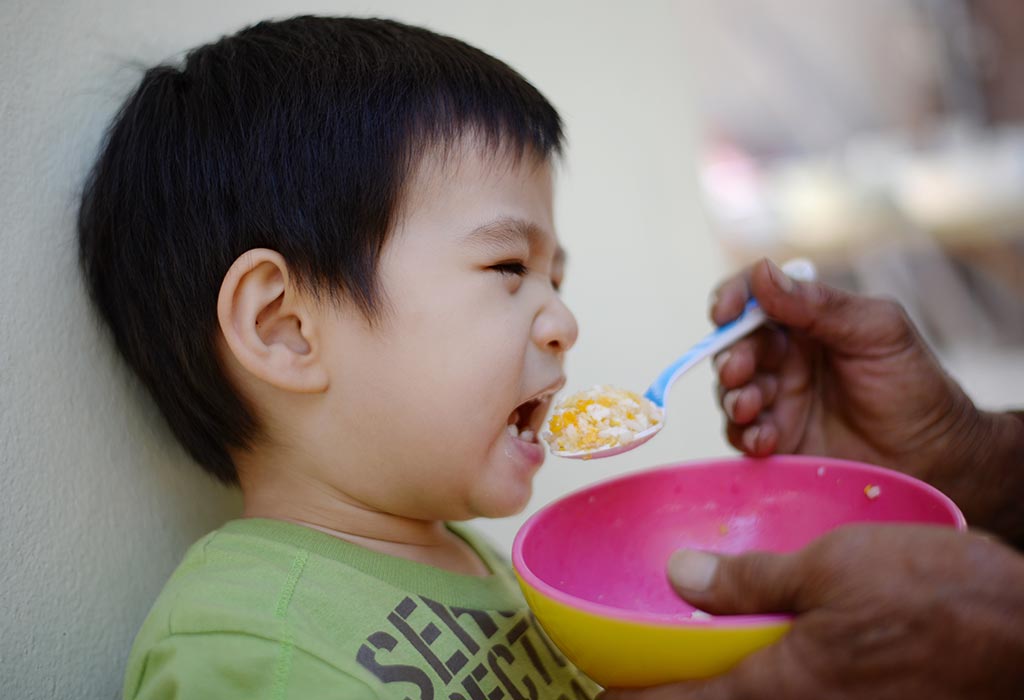
Force-feeding is basically forcing your child to finish the whole served food against their will. When happy mealtimes turn into a war between parents and children with a plate full of healthy foods in between, parents generally end up using force-feeding as the ultimate strike. Even though it seems harmless, it never leads to a “win-win” situation and can do more harm than good to your child.
Instead of force-feeding your child to eat a particular food, try to prepare different variants of dishes, including that food along with the food groups your child enjoys eating.
How do parents force-feed?
Here are a few common ways parents tend to force-feed their children –
Deciding on your own what, when and how much your child should eat.
Nagging, scolding or threatening your child to finish his plate.
Bribing or blackmailing your child into finishing his food and rewarding him later.
Punishing your children if they don’t eat.
Comparing your child with siblings or other children to make them feel shame or competitiveness.
Literally forcing food into your child’s mouth and making him swallow.
Ignoring his pleas to eat less and using fear to force him to eat.
Force-feeding seems to get the work done for the time being and may give you the “mission accomplished” feeling too. However, it actually can have harmful effects on your child. Let’s discuss seven negative effects of force-feeding that are usually seen among children:
1. Destruction of your child’s natural appetite
The natural desire to eat is known as one’s appetite. During mealtime, constant nagging and force-feeding will make your child lose interest in food and disrupt your child’s natural appetite. Forcing your child too much may lead to him puking out everything and hating even the idea of eating.
2. Strong aversion towards food
Studies have shown that force-fed kids often end up developing a strong aversion toward food. The negativity associated with food makes them traumatised and nauseous. This aversion sticks around even when they grow up as these foods continue to subconsciously remind them of the panic and bad memories of childhood.
3. Stressful meal-times
It is in human nature to avoid anything that causes stress or discomfort. The only way a child will accept something is if they enjoy it while doing it. Forcefully feeding your child healthy foods on his plate can leave him with a stressful and unpleasant experience. Hence instinctively, he will only learn to hate mealtimes and continue to struggle with food.
4. Inclination towards sugary or junk foods
Force-fed children often learn to develop unhealthy food habits. This happens because a force-fed child never learns when to stop eating as they get accustomed to overeating during those force-feeding sessions. Also, due to their hatred towards healthy foods, they get attracted more to sugary or junk foods.
5. Lose control over their eating habits
As parents, your ultimate focus should be on making your child less dependent on you and learning to do everything themselves. But, the more you take control and force-feed your child, the less control he will have over his own eating habits. This will hamper his life and food habits even as he grows up.
6. Development of eating disorders
Since force-fed children never learn how much food their bodies require, they tend to overeat or undereat even when they grow up. This loss of control over eating habits can lead to serious eating disorders such as obesity, anorexia, bulimia, etc.
7. Disrupted eating pattern
Every human body has a different food capacity and metabolism rate. The amount you decide to give your child may be much more than his capacity to digest. If you force-feed him to finish the entire serving even after he tells you that he is full, you are feeding him an excess amount. He will need more time to digest that portion, so he won’t be hungry when you serve his next meal. As the cycle continues, your child’s natural digestive pattern will end up getting disrupted.
Ja’afar Ja’afarsent this article via mrjaafar64@gmail.com.
The kidneys are two bean-shaped organs located in the abdomen. Their main function is to detoxify the body by removing waste products and excess water in form of urine. They also perform other vital functions such as regulation of blood pressure and secretion of hormones like erythropoietin (responsible for red blood cells production) and vitamin D (maintaining bone health, etc).
Any insult to the kidneys could result in irreversible damage, and kidney failure is not only expensive to treat but extremely distressing to the victims and their caregivers. It is quite worrisome that almost every day I scroll down my timeline on Facebook, there is always one person putting up a fundraiser for themselves or someone else suffering from kidney failure.
There are some causes of kidney injury that can neither be predicted nor prevented (such as acute haemorrhage, burns, congenital disorders, etc). But there are also some preventable causes that we should be aware of and guard against. When it comes to kidney health, prevention is definitely better than cure. Here are 7 simple tips on how to maintain healthy kidneys…
1. DRINK PLENTY OF WATER Apart from regulating the amount of water in the body, the kidney itself depends on adequate water (and blood) supply. Dehydration puts a strain on the kidneys and if this reaches a certain threshold, the kidneys begin to shut down. Dehydration also predisposes you to develop kidney stones, which can damage your kidneys by obstructing the pathway of urine flow. Aim for 3 litres of water daily. You may need more or less depending on the weather and your activity level.
2. DO REGULAR HEALTH CHECKS There are certain medical conditions that “kill” the kidneys slowly. These diseases are silent killers in the sense that they are often not manifested by clear signs and symptoms until they have damaged the kidneys and other vital organs to a considerable extent. Chief among these diseases are HYPERTENSION and DIABETES. Checking your blood pressure and sugar levels periodically will ensure early detection and quick intervention.
3. EAT RIGHT The importance of a healthy diet cannot be overemphasized. Avoid junk snacks and sugary drinks. Take a balanced proportion of every class of food but pay attention to more fruits and vegetables. Clean and healthy foods protect your kidneys from excess toxic wastes, therefore the more healthy food you ingest, the better.
4. STOP DRUG ABUSE The kidneys are actively involved in the metabolism of many drugs. When you take medications (either orthodox or herbal concoctions) indiscriminately, you are exposing your kidneys to more workload than they can handle. Also, some drugs are inherently toxic to the kidneys, so if you have a history of kidney disease, your doctor will help you adjust the dose or change to a less toxic alternative.
5. STOP SMOKING AND ALCOHOL Cigarette smoking and alcohol ingestion have direct effects on the kidneys because these products increase the amount of toxins that your kidneys need to deal with. Hence, it is clear that avoiding them will be beneficial to the kidneys and the entire body.
6. DON’T TAKE ANY DISEASE FOR GRANTED Whenever you fall ill, contact your doctor and get treated as soon as possible. Simple infections can become complicated if ignored or poorly managed. For example, malaria is a known cause of kidney failure. When infected red blood cells are broken down in large numbers, they produce a high concentration of toxic substances which can damage the kidneys if proper treatment is not sought.
7. MANAGE CHRONIC HEALTH ISSUES Some chronic illnesses pose a great threat to the kidneys. Examples are diabetes, hypertension, sickle cell disease, cancer, etc. Because of the vital role of the kidneys in maintaining a healthy body, they are easily affected by any deviation from the norm. Hence, individuals who have any of these diseases should take extra care by managing their conditions well and doing regular “kidney function tests” to ascertain how healthy the kidney is and detect early signs of kidney failure.
To sum up, early signs of kidney disease may not be easily recognized by people, so, it is extremely important to take precautions against the preventable causes and seek prompt treatment for any medical condition that may result in irreversible kidney damage.
Dr. Khadijah Tijani askodoctorkt@gmai.com Ibadan, Nigeria.