Health Education

The dilemma within the College of Health Jega

By Bilyamin Abdulmumin, PhD

Whenever I am in my community, I usually go to Kebbi State College of Health Technology, Jega, for computer business services. But suddenly, this Thursday, I encountered violent rioting students, blocking the road with what usually signals tension: burning tyres. When I noticed the school gate ablaze, I realised the situation was out of hand.

Later in the evening, I learned about even more harrowing stories, as the house and vehicles of the school provost, Haruna Saidu-Sauwa, were destroyed beyond imagination. The provost was barely said to have escaped lynching. This is the part of the country where even a peaceful demonstration is culturally and morally avoided, so bringing such riots of this magnitude called for reckoning.

The students reached the breaking point when they felt utterly swindled by the school management. According to some of them who spoke with correspondent of Radio Nigeria Equity FM Birnin Kebbi, they were admitted to study various newly introduced courses for national diploma, boldly indicated by their admission letters. But, unknowing to them, they would be given certificates because their courses were not accredited. What made the matter bitter was spending two years waiting for a ship that never came and the ultimatum to meet the deadline for registration fees or miss the national exam, so through the sweat of their brows, they cough up the 65k examination fee. One student’s story paints the extent of their predicament. According to this student, his father was due for an eye operation, but because of this dateline, the operation had to be delayed.

Penultimate to the incident, the students have been giving excuses, especially by the person they channel their anger the most: the school provost. When one-on-one with him, having exhausted all possible excuses, he allegedly steered up the honest net: “We have nothing to do for you; you can do your worst if you cannot accept certificates (instead of national diplomas). 

Why the student could not settle for state certificates? According to one graduate of the school, only the national diploma gets recognition countrywide, and the state certificate is the lowest pecking order, which is looked down upon even within Kebbi State. When the first set was introduced for employment this year, they were told such certificates didn’t exist.  Thus, one student bore his frustration about this turn of events: the management just wanted, at all costs, to reduce us to roadside hawkers by giving us state certificates.

This turn of events was not all the reason behind the escalation of the matter, just the straw that broke the camel’s back. The school students’ cries have been echoed offline for a long time, and only a few courageous people have taken their cries to social media. The situation of running the school was dire; the light availability, water supply, and environmental sanitation were all allegedly pathetic—these factors, together with the latest lack of accreditation, combined to culminate into the time bomb.

This matter escalated because loyalty wins over competence. Another allegation was that the current provost of the school was chosen over Sadiq Noma, an upright, principled scholar who upholds due process. He was appointed for several days, and even a Walima (eating party) took place to celebrate his appointment. However, the appointment was suddenly terminated in favour of the current provost.

But reading about the predicament of other schools and colleges of health, especially through Dr Muhsin Ibrahim’s posts and the trove of comments that followed them, I realised that the malaise in health colleges in Nigeria is widespread. The sale of admissions has been normalised; benefits for grades are rampant, and now a new layer of irregularity has been introduced: ghost courses.

Health-related courses have the tradition of graduating self-employed students, so unarguably, the reason behind desperation to get admission in such institutions at all costs. Unfortunately, this is the weakness that the officials exploited across the country. Therefore, it is imperative for his excellency, the Kebbi State governor (and, of course, over Nigerian governors) Dr Nasir Idris, as an educationist, to arrest the situation to avoid losing the benefits that come with health-related schools: providing sought-after health staff in the state as well as serving as a source for self-employment.

Bilyamin Abdulmumin, PhD, wrote via bilal4riid13@gmail.com.

GCC, government fight maternal mortality in Borno 

By Lawan Bukar Maigana 

According to a report by the World Health Organization, Nigeria, after India, has the highest number of maternal mortality in the world. The report shows 788 women and children deaths per hundred thousand’ in India, and 540 women and children ‘per thousand’ died in Nigeria.

Other countries with high maternal, neonatal, and stillbirth rates are Pakistan, the Democratic Republic of the Congo, Ethiopia, Bangladesh, China, Indonesia, Afghanistan, and the United Republic of Tanzania.

‘About 57,000 mothers died from pregnancy and complications during childbirth in 2023 alone,’ said Nigeria’s Minister of Health and Social Welfare, Muhammad Pate, at a public health function.

Unfortunately, the frequent loss of lives among pregnant women in Nigeria, particularly Northern Nigeria, remains an issue of concern. This gives Nigeria a poor global ranking.

Pate explained that the Federal Government was committed to drastically reducing maternal mortality through the new Safe Motherhood Strategy. He noted that the central government will take actionable steps and cascade the strategies to state and local governments, targeting at least seven million pregnant women.

“The aim is to ease six million new births by activating the Decentralised Facility Financing package, establishing robust collaboration with health NGOs, community leaders, and media to boost awareness campaigns.” 

Sequel to the Health Minister’s lamentation, the Girl Child Concerns (GCC), in collaboration with the Borno State Government through the Multi-Sectoral Crisis Recovery Project (MCRP), has trained 300 Community Health Extension Workers (CHEWs) on Basic Emergency Obstetric Care and Early Neonatal Care in Borno State.

The Chief Adviser and Coordinator for Sustainable Development, Partnerships, and Humanitarian Support to the Governor of Borno State, Dr. Mairo Mandara, stated that the training aimed to improve maternal and child health services across the state. The training was conducted in three zones of the state. Each zone underwent one week of theoretical training followed by one week of clinical training. 

The training for Borno Central was held on May 27, 2024, for Borno North on June 3rd, and for Borno South on July 1st, with each zone being exposed to theoretical and clinical aspects of the training.

Dr. Mandara emphasized the governor’s commitment to ensuring quality health services for the resilient people of Borno State, especially the locals, given the magnitude of the challenges they face due to the terrorist activities of Boko Haram insurgents in their communities.

Dr. Mina Endeley from the Namu Project in the UK and Oluwaseyi Akinlaja from Princes Alexandra Hospital Trust in the UK have also joined the training, leading a practical session on successful delivery and universal approaches to handling emergency cases.

Endeley at MCH Biu Local Government Area practically taught non-medical attendants the concepts of basic life support, including managing catastrophic bleeding in the community.

The participants practised approaching the scene safely, calling for help, managing catastrophic bleeding, and reviewing the patient’s airway, breathing, and circulation using a mnemonic we created.

Oluwaseyi Akinlaja from Princess Alexandra Hospital Trust, UK, explained the labour mechanism: how a baby is delivered as it passes through the pelvis into the birth canal and is born by expulsion. This was done to enable CHEWs to visualize the birth process so that they could make early referrals when necessary.

She exposed the participants to the seven steps/processes that a baby passes through before delivery, namely engagement, descent, flexion, internal rotation, extension, external rotation, and extension.

On his part, the Emir of Biu, Maidala Mustapha Umar Aliyu II, described the combined efforts of the organization—GCC—and Borno State Government as a “timely homily” and expressed readiness to support the effort in every way possible.

The lead facilitator of the training, Hadiza Yahaya, has expressed satisfaction with the performance of the participants during the training and expressed hope that the CHEWs will help greatly in the fight against maternal mortality. 

The training offered to Community Health Extension Workers (CHEWs) in Borno State is expected to result in each participant putting the knowledge into practice and witnessing a drastic reduction in maternal mortality in the state.

Lawan Bukar Maigana is the Communication Officer for Girl Child Concerns, GCC, and can be reached via email at lawanbukarmaigana@gmail.com.

Improving your immune system during illness seasons

By Aishat M. Abisola

Now that 2023 has begun, we are at a time when it is not uncommon for people to start feeling ill. This can be either physical or mental.

Already, a throat disease (diphtheria) is spreading fast in the North, affecting many Nigerians. Even though this disease can be cured and prevented with vaccines, not many people will be able to gain access to them.

Every single disease in the world works by attacking the immune system without rest, and this is exactly why people need to be more concerned about their bodies. Although the human body is strong, it can still be damaged quite easily, either internally or externally.

Your immune system operates in a very specific manner. It must be strong and complex enough to fight off a variety of illnesses and infections but not so strong that it overreacts to small issues.

It is because of this that we need to be more attentive to our health, especially in times like this. If you look around you, you will see many supplements and products claiming to help boost immunity. However, supporting a healthy immune system is a lot more difficult than just taking a mix of vitamins and minerals packaged into a pill or powder.

From fighting off a cold to flu and then to COVID-19, there are things you can do to help give your immune system what it needs to function optimally, though.

For those who do not have access to vaccines or medicines that can help them boost their immune systems, there are things you can do to help give your immune system what it needs to function properly. None of these methods involves taking supplements.

1. Stay up-to-date on recommended vaccines
If you do have easy access to vaccines, make sure to stay up to date on them. A strong immune system means taking advantage of whatever we are provided with to protect ourselves from harmful illnesses: vaccines.

The human immune system is smart, but vaccines train it to be even smarter by helping it learn how to recognize and fight off certain disease-causing illnesses. Vaccinations make it for your immune system to learn than through infection with harmful germs.

2. Maintain a healthy diet

Just like most things in your body, a healthy diet is vital in maintaining a strong immune system. This means ensuring that sure you eat plenty of vegetables, fruits, legumes, whole grains, lean proteins and healthy fats. These micronutrients include:

Vitamin B6 (Chicken, Fish, Bananas, Green Vegetables and Potatoes with the skin)

Vitamin C (Citrus fruits like oranges and, strawberries, Tomatoes, Spinach)

Vitamin E ( Almonds, Peanuts and Leafy Vegetables)

Zinc ( Red meat like beef, Poultry, Beans, Dairy products like milk)

Magnesium ( Whole Wheat Products, Nuts, Seeds)

Many health experts believe that your body absorbs vitamins better when they come from dietary sources instead of supplements. So, the best way to support your immune system is by eating a well-balanced diet.

3. Exercise regularly

Despite what many may think, physical activity isn’t just for building muscles and helping yourself de-stress — it also plays an important role in being healthy and supporting a healthy immune system.

Exercise helps in mobilising the immune cells that are outside of the bone into the bloodstream, and it also moves immune cells that are already in the bloodstream in the cell tissues. By doing this, immunity surveillance is increased.

It is your immune system’s monitoring process, and exercise helps the immune cells to be more efficient at detecting and reacting to infections. Staying active and exercising regularly is vital for this to occur.

4. Hydrate

When it comes to supporting the immune system, water plays an important part alongside other roles in your body. Blood and lymph have immune cells in them, and they need water in order to flow and circulate in the body.

You constantly lose water by breathing as well as through urine and bowel movements. It doesn’t matter whether or not you are exercising. If you want to support your immune system, replace the water you lose daily with water that you can use. In order to do so, you need to know what your daily water intake is.

5. Get plenty of sleep

When you sleep, it may not feel as if anything is happening, but there are a lot of processes going on when you’re not awake. Knowing how much sleep you should be getting on a nightly basis as well as what to do if you have trouble sleeping, is the best way to give your immune system the best chance to fight off infection and illness.

6. Minimize stress

Chronic stress can have dangerous effects on your health, whether it comes quickly or builds up over time. Stress can either cause major or minor impacts on how well your immune system functions if it leads to sleep disturbances, a tendency to eat less healthy food, reduced water intake, less frequent exercise, and more.

Stress appears differently for everyone, and however way we choose to relieve it is different too. When you take into consideration the effect it can have on your health, it’s important to know how to identify stress. If you want to reduce stress, it is necessary that you get familiar with any type of activity that helps you relieve it, such as deep breathing, meditation, prayer, or exercise.

7. Limit Alcohol Intake

A moderate consumption of alcohol doesn’t have any positive effect on your immune system. Evidence suggests that binge drinking, or having more than four drinks in two hours for women and five for men, impairs immunity.

Alcohol can temporarily increase the number of white blood cells, which fight infections, in your bloodstream, but when your liver clears the alcohol from your system, your white blood cell count falls below the normal amount for at least five hours. If you want to work hard to stay healthy, it is best for you to avoid or limit your alcohol intake.

8. Practice Proper Hygiene

If you want to have a strong immune system, proper handwashing is one of the most important things to keep in mind. All you need is just normal soap and water. You should scrub your hands for at least 20 seconds—the length of singing “Happy Birthday” twice. This is the minimum time needed to significantly reduce the number of microorganisms on your skin.

However, it doesn’t matter how good your handwashing skills are if they won’t help prevent infection unless you know when to scrub up. It is advised that a person should wash their hands before and after any type of risky exposure. This includes after using the restroom, sneezing, or coughing.

Your hands should also be washed before you prepare food, after caring for a sick loved one, treating a wound, or touching any publicly used door handles, knobs, switches, or surfaces. If your hands get very dry after washing, make sure to moisturize them with cream or Vaseline.

9. Use the Right Hand Sanitizer

Hand sanitiser tends to kill most microorganisms, which is the next best thing if you don’t have access to soap and water. Before you use it, make sure to look at the alcohol percentage first. Alcohol (ethanol) is the active ingredient in hand sanitiser, working to kill viruses and bacteria. It is advised to use a hand sanitiser with an alcohol percentage that is greater than 60%.16

The human body requires a lot of care so that it can stay healthy and fight off most diseases (or, at the very least, reduce their effects). If you don’t care for your body, you are just setting yourself up for a very bad experience in the future.

Your body is a temple. Keep it clean and tidy. Prevent it from decay with any method that is available to you.

Aishat M. Abisola is a member of the Society for Health Communication, Wuye District, Abuja. She can be reached via aishatmohd02@gmail.com.

The need for first aid training for all

By Abubakar A Gummi.

Accidents happen in daily activities – in house halls, schools, offices, markets, or on the roads. A woman cuts her hand while cutting an onion. A boy falls from the wall or on a bicycle and faints or breaks his leg. Motorcycles and cars crash every day. Many people die in a fire outbreak. Lives may be lost not because of these accidents but lack of knowledge of what to do at the moment of occurrence or before taking the victim to the hospital.

Many situations may require emergency treatment to save lives. A hospital may be located far. Fire service may not be available. Road safety may be far from the place of the event. As a result, victims suffer a lot. If it is an accident, he may lose much blood, resulting in death before taking him to the hospital. Hence, individuals need to be trained to rescue minor or serious ills or injuries.

An attempt has been made to reduce the number of mortality, hence introducing a new topic in basic science and essential technology in our primary and secondary schools; first aid. First aid is emergency assistance given to an ill or injured person before taking him to the hospital.

This was a good move because educating a child is like educating the whole society. As it was said, “teaching a child is like writing on a rock; it will never wash away”. Unfortunately, the topic mainly focused on what first aid is, the type of first aid, and why the need to know about first aid, not how to perform the first aid.

In recent years, new inventions have been made, more types of machinery increased, vehicles and more factories have been constructed, and people have turned to using gas stoves, Electric stoves and heaters. More and more electrical appliances are used .hence the chance of increased accidences and incidences.

Therefore, there is a need to explain more on the topic and expand it to subjects in particular in our various schools. There is a need to teach them the following:

-What is first aid.

-Importance of first aid 

-Types of first aid

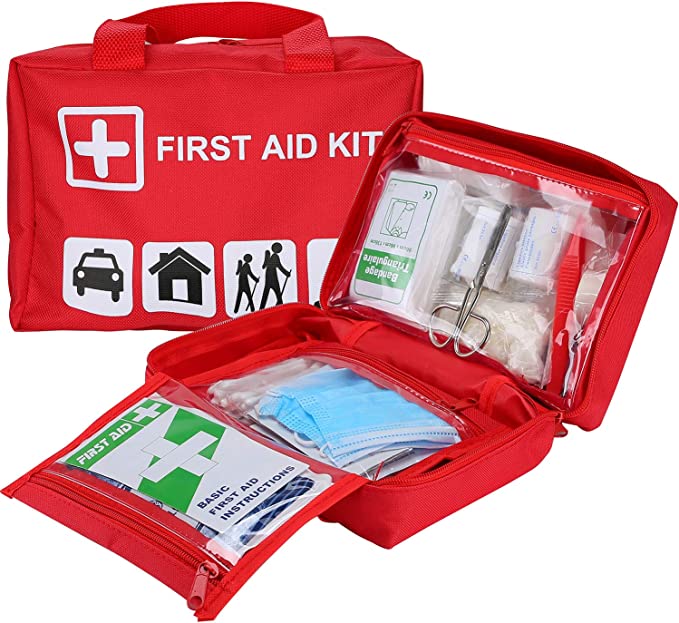
-First-aid Kit

-Travelling requirements

-What to keep at home for the need of first aid

-What to keep in our offices

-What to keep in our schools

-Precaution to stay away from Hazard 

-How to prevent hazard

-First aid for CPR

-First aid for a person choking

-First aid for a medication or drug overdose.

-Reducing the risk of infected wounds during first aid 

-Using a bandage during first aid

-Making an arm slip

-First aid during flooding

-How to return home safely after flooding

-Abdominal pain in adult 

-Abdominal pain in children

– How to respond to Hazard

-How to treat yourself when hot water burns you. 

-how to call for rescue.

And many more.

All these mentioned above can only be treated as a topic in detail with practicality. There is a need to focus more on it because more lives are lost every day, not because of the hazard but not knowing what to do.

Before government turn to this, there is a need for people in our society to learn more about first aid and enlighten others.

In today’s digital era, there are many ways to learn. There are free online courses, and there is 

Google and there are YouTube channels.

You can teach thousands of people through social media by sharing your ideas. It is not necessary that you must have an organisation. You can decide on your own to go to any school in your community and request permission to use one period to enlighten students. You can share in mosque one or two tips every day.

Our youths need to understand that no matter how little it is, their contribution is significant to society.

NGOs are doing their best to enlighten and give a day workshop to students or organise a few days of training to equip people on first aid. But people are also needed to contribute more.

Abubakar A Gummi wrote from Zamfara state via abubakargummi06@gmail.com.

Antimicrobial resistance, the quiet pandemic

By Aminu Shehu Karaye

You wake up at midnight with a running stomach, all sweating and with a terrible headache. You surrendered that it was typhoid and, of course, opened the first aid shelf and brought out some drugs to take. It was amoxicillin for typhoid and tetracycline for the running stomach. But you remembered that every Nigerian has got some malaria, so you brought out the artemether and took it also. However, are you aware of antimicrobic resistance?

Even among the literate, only a few understand the effects and dangers posed by antibiotic resistance. Especially in Nigeria, where awareness is low, the magnitude of antibiotic resistance is expected to increase considerably over the coming years due to excessive use of antibiotics and other practices that are said to trigger antimicrobial resistance.

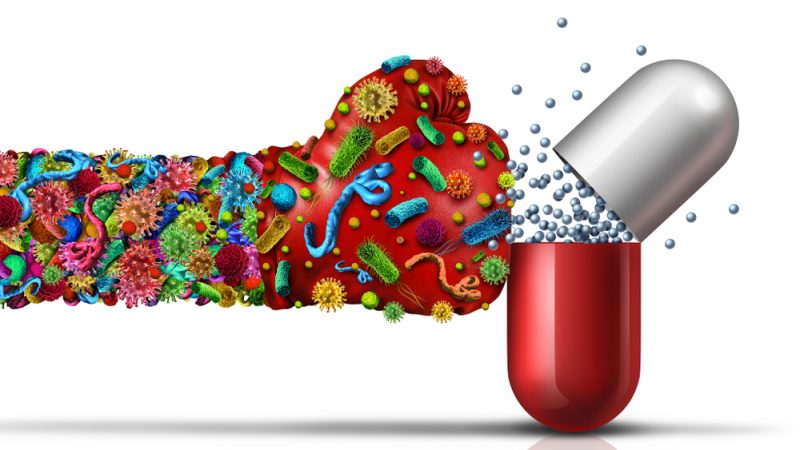
Antimicrobial resistance (AMR) is a general term used to describe the ability of microorganisms, including those that cause diseases (pathogens), to resist the effects of drugs that were once used to kill them or slow their activities. AMR is a worldwide concern and should be taken with all seriousness. The UN ad hoc interagency coordinating group on antimicrobial resistance warns that if action is not taken, drug-resistant diseases could cause 10 million deaths annually by 2050 and damage the economy, similar to the 2008-2009 global financial crisis.

Also, by 2030, AMR could force up to 24 million people into extreme poverty. The World Health Organization identified misuse and overuse of antimicrobials; lack of access to clean water, sanitation and hygiene (WASH) for both humans and animals; low-grade infection and disease prevention and control in healthcare facilities and farms; lack of access to quality, affordable medicines, vaccines, and diagnosis; lack of awareness and knowledge and lack of enforcement of legislation as the major drivers of AMR (WHO, 2021).

In Nigeria, people get antibiotics over the counter without a prescription from the appropriate specialist. An individual would take an antibiotic when he has a running stomach or even a mild headache. The misuse of antibiotics is one of the biggest causes of antibiotic resistance.

Antibiotic-resistant bacteria can also be transferred from animals to humans and vice-versa. Poultry is one of the leading industries that harbours these resistant bacteria. Due to our everyday association with poultry animals, we will likely get these bacteria into our bodies. Many other ways exist in which AMR can be established. However, it is our responsibility to curb this menace as we are the ones in danger!

Curbing the menace of AMR is everyone’s business. No matter how careful you are with antibiotics, you might buy and consume a chicken grown with antibiotics as a growth promoter, which will surely trigger resistance. Therefore, from farmers to healthcare workers to everyone else, we must all play our parts to control antimicrobial resistance.

In Nigeria, there is a need for appropriate bodies and the government to educate the masses and warn them about the dangers of antibiotic misuse. The government should also ban selling antibiotics over the counter, without doctors’ prescription, and see that previous restrictions on antibiotics are implemented.

No action today, no cure tomorrow!

Aminu Shehu Karaye wrote this article via aminushehukaraye@gmail.com.

Adverse effects of force-feeding infants

By Ja’afar Ja’afar

As your little one starts to explore the world of solid foods, he will learn to differentiate the tastes of different food items. This is where the struggle of a parent begins. Despite being a picky eater, making sure your child gets all the required nutrients can be frustrating. At times this frustration makes parents go overboard, and they pressurise their children to eat. Even though done with good intentions, force-feeding is never a good idea when it comes to the developing years of your child.

What is force-feeding?

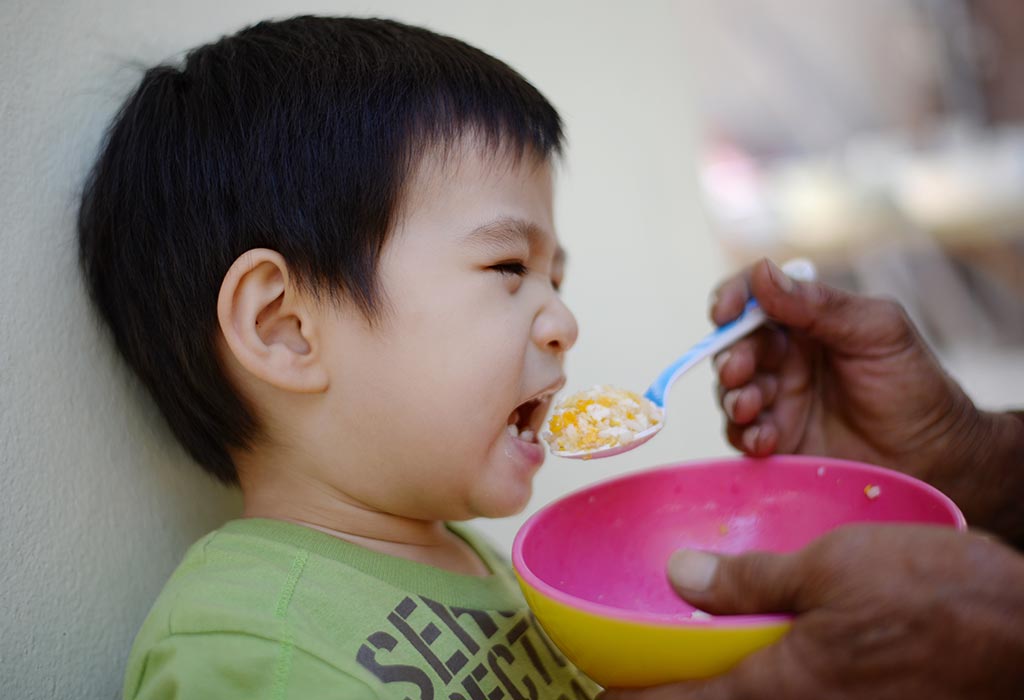
Force-feeding is basically forcing your child to finish the whole served food against their will. When happy mealtimes turn into a war between parents and children with a plate full of healthy foods in between, parents generally end up using force-feeding as the ultimate strike. Even though it seems harmless, it never leads to a “win-win” situation and can do more harm than good to your child.

Instead of force-feeding your child to eat a particular food, try to prepare different variants of dishes, including that food along with the food groups your child enjoys eating.

How do parents force-feed?

Here are a few common ways parents tend to force-feed their children –

  • Deciding on your own what, when and how much your child should eat.
  • Nagging, scolding or threatening your child to finish his plate.
  • Bribing or blackmailing your child into finishing his food and rewarding him later.
  • Punishing your children if they don’t eat.
  • Comparing your child with siblings or other children to make them feel shame or competitiveness.
  • Literally forcing food into your child’s mouth and making him swallow.
  • Ignoring his pleas to eat less and using fear to force him to eat.

Force-feeding seems to get the work done for the time being and may give you the “mission accomplished” feeling too. However, it actually can have harmful effects on your child. Let’s discuss seven negative effects of force-feeding that are usually seen among children:

1. Destruction of your child’s natural appetite

The natural desire to eat is known as one’s appetite. During mealtime, constant nagging and force-feeding will make your child lose interest in food and disrupt your child’s natural appetite. Forcing your child too much may lead to him puking out everything and hating even the idea of eating.

2. Strong aversion towards food

Studies have shown that force-fed kids often end up developing a strong aversion toward food. The negativity associated with food makes them traumatised and nauseous. This aversion sticks around even when they grow up as these foods continue to subconsciously remind them of the panic and bad memories of childhood.

3. Stressful meal-times

It is in human nature to avoid anything that causes stress or discomfort. The only way a child will accept something is if they enjoy it while doing it. Forcefully feeding your child healthy foods on his plate can leave him with a stressful and unpleasant experience. Hence instinctively, he will only learn to hate mealtimes and continue to struggle with food.

4. Inclination towards sugary or junk foods

Force-fed children often learn to develop unhealthy food habits. This happens because a force-fed child never learns when to stop eating as they get accustomed to overeating during those force-feeding sessions. Also, due to their hatred towards healthy foods, they get attracted more to sugary or junk foods.

5. Lose control over their eating habits

As parents, your ultimate focus should be on making your child less dependent on you and learning to do everything themselves. But, the more you take control and force-feed your child, the less control he will have over his own eating habits. This will hamper his life and food habits even as he grows up.

6. Development of eating disorders

Since force-fed children never learn how much food their bodies require, they tend to overeat or undereat even when they grow up. This loss of control over eating habits can lead to serious eating disorders such as obesity, anorexia, bulimia, etc.

7. Disrupted eating pattern

Every human body has a different food capacity and metabolism rate. The amount you decide to give your child may be much more than his capacity to digest. If you force-feed him to finish the entire serving even after he tells you that he is full, you are feeding him an excess amount. He will need more time to digest that portion, so he won’t be hungry when you serve his next meal. As the cycle continues, your child’s natural digestive pattern will end up getting disrupted.

Ja’afar Ja’afar sent this article via mrjaafar64@gmail.com.

Chores before health education graduates

By Mallam Musbahu Magayaki

I write to advise and to equally draw the attention of the Nigerian 2021 Health Education graduates to the vital task of putting their obtained certificates into positive and useful ways before securing various job opportunities, whether in the government or private sectors.

Some determinants traumatize many Nigerians’ healthy conditions, such as open defecation, drug abuse, and sexual assault. These factors, if our educated health graduates would voluntarily embark on advocacy visits to people living both in rural and urban communities, would be averagely diminished, if not eliminated.

Let’s take open defecation as a case study, as Nigeria is ranked as the highest country with the highest percentage of people defecating openly. They do so either because they do not have toilets readily accessible or due to unhealthy traditional and cultural practices. However, as for me, a 200-level student of health education, the practices of this determiner are prevalent in rural areas due to traditional cultural practices, as said earlier.

As a result, health education campaigns in rural and urban areas by 2021 health education graduates and those who have obtained their certificates but have yet to start working would be hugely advantageous in updating or promoting many people’s thoughts.

Some people engaged in the practice of risking diseases, either deliberately or naively, are uninformed of the hazards of their false assumptions; paying them advocacy visits would enable them to fully comprehend their harmful ideas and substitute them with knowledgeable ones. You should not arrogantly approach them, asking them to stop doing this and start doing that. No, this is not the most effective technique to teach people. Many academics argue that polite communication effectively leads to a good understanding.

Finally, several primary health care centres in Nigeria do not have enough employees to care for patients. Apart from that, our health education graduates should look for these hospitals and volunteer to serve but with a bit of incentive that would make them more zealous in rendering their voluntary services. Without the support of its citizens, no nation will be able to overcome its insurmountable hurdles.

Therefore, it is not optional but binding for us to support our country by being involved in various positive innovations that would improve our country’s potential to achieve optimally positive advancements.

Mallam Musbahu Magayaki is a 200-level student of Health Education at Aminu Saleh College Of Education Azare. He can be reached via musbahumuhammad258@gmail.com.