Health Care

Construction of Primary Health Care in Kwajale: What is causing its delays?

By Abdulaziz Isah Bagwai

After the Asr prayer on a rainy Monday, Jummai, who was pregnant, was sweeping her courtyard when her daughter Laure returned from the river, where she went to fetch the water they would use for the chores. “Assalamu alaikum,” Laure greeted as she entered the house and poured the water she fetched in a rubber bucket into a large pot.

Jummai, an all-female mother of five, had prayed endlessly during the day and night for a male child, and since the miracle of this pregnancy, her prayers have doubled. She’d often wake up in the middle of the night to remind God of her prayers and to jokingly remind Him that He’d promised to answer good prayers. Hers was.

One night in September, Jummai began her labour with low and intensifying moans that woke Baban Laure, her husband, whose sleeping groans filled the noiseless room. “What’s happening? Are you well?” He inquired in a low, creaking tune. She couldn’t answer him, but in her moans, he understood she was calling God for aid into her large tummy, and when he grabbed his torchlight, he saw that she was holding the belly tightly.

Baban Laure rushed to his neighbour, Rakiya, a traditional birth attendant. Upon their arrival, Rakiya confirmed that it was labour, but the condition was beyond her basic skills; hence, he should take his wife to the primary health care facility in Bagwai.

Amidst preparation, Jummai continued to bleed, and Baban Laure suggested that “if not for the bleeding, we could manage to wait until the morning when the staff of our health post come.” Baban Laure suggested this to Rakiya, who was engrossed in controlling the seemingly unending bleeding. Baban Laure said they could only travel to Bagwai on bikes that night of misery because the only person who had a car wasn’t in town.

Jummai gave birth to a beautiful baby boy at around 4:00 a.m., whom she was unable to see immediately until the day broke. “Where’s my baby?” She asked. But the strolling tears in Rakiya’s eyes told her everything. The baby is dead, she understood, with a bit of desperation in her face. When the birth attendant was telling Rakiya to report on time in emergency cases like this because the baby died as a result of oxygen starvation, which was, of course, due to the excess blood she had lost, she understood that her baby was a boy. Before Rakiya arrived at her bed to calm the tears that formed rivers in her eyes, she lay there stranded, unconscious, and was admitted for two weeks!

What is behind the pause of Kwajale Comprehensive Health Centers construction project?

Had this project been completed and launched today, there would’ve been a 24-hour medical service in this village, which could’ve saved the life of Jummai’s baby boy that she had wished and prayed for. 

“This project has put light on many faces in Kwajale, for it was initiated when our clinic and the services we rendered were insufficient for the community,” said Saifullahi, a healthcare worker at Kwajale Primary Health Post.

“When the construction started, we were assured that it wouldn’t take long to be completed, and we agreed to their assertion because they worked with an enthusiastic speed,” Saifullahi continued.

Who are the contractors?

It was a federal government project awarded in 2007 by the Association of Local Government of Nigeria (ALGON) to Mathan Nigeria Limited. This indigenous engineering company had quietly touched the lives of Nigerians long before it got caught in the eye of the storm because an April 2nd, 2012, Premium Times report stated that “Abandoned N37 billion health centre projects rot away nationwide.” However, “the contractor Mathan Nigeria Limited is insisting on a variation of the original contract sum.”

However, on October 24th, 2023, Platform Times reported that “After 16 years, ALGON disburses equipment to [an] abandoned hospital in Ogun [State].” Although this report might’ve meant ALGON was on another different project with a different contractor, the report continued to read, “The equipment, which was part of a federal government project awarded in 2007, was delivered to the health centre on Monday by a contractor, Mathan Nigeria Limited.”

Why the failed project in Kwajale is different

“We’re a little bit far from Bagwai [town], and we do not have good roads; referred patients suffer a lot [in the day, not to mention at night, and even in the dry season, speak less of the rainy season] along the way.” Malam Umar, a community member, lamented.

“We’ve been given classes to continue with our activities because the building meant for the primary health post has been under renovation for years now, but no progress has been made yet,” said Malama Aisha, the head of Kwajale Health Post.

“A non-governmental organisation (NGO), the United Nigerian Youth Forum (UNYF), has urged the Department of State Services (DSS), the police, other security agencies, and the Economic and Financial Crimes Commission (EFCC) to probe the contractor handling the construction of health centres across the country. The forum accused the contractor, Mathan Nigeria Limited, of abandoning the N57 billion contract, which the forum said had led to the deaths of many Nigerians.” Leadership news report.

Ali Muhammed, the UNYF’s spokesperson, alleged that the contractor’s negligence had caused the deaths of hundreds of expectant mothers who ought to have safely delivered their babies at the health facilities if the projects had been completed on time.

For 17 years now, the remedy for the continued pain like Jummai’s in Kwajale is still uncalled for; no medical condition is manageable at night in Kwajale, their bad roads are yet the same, and patients still suffer along the bicycle-and-motorcycle-only road.

GCC, government fight maternal mortality in Borno 

By Lawan Bukar Maigana 

According to a report by the World Health Organization, Nigeria, after India, has the highest number of maternal mortality in the world. The report shows 788 women and children deaths per hundred thousand’ in India, and 540 women and children ‘per thousand’ died in Nigeria.

Other countries with high maternal, neonatal, and stillbirth rates are Pakistan, the Democratic Republic of the Congo, Ethiopia, Bangladesh, China, Indonesia, Afghanistan, and the United Republic of Tanzania.

‘About 57,000 mothers died from pregnancy and complications during childbirth in 2023 alone,’ said Nigeria’s Minister of Health and Social Welfare, Muhammad Pate, at a public health function.

Unfortunately, the frequent loss of lives among pregnant women in Nigeria, particularly Northern Nigeria, remains an issue of concern. This gives Nigeria a poor global ranking.

Pate explained that the Federal Government was committed to drastically reducing maternal mortality through the new Safe Motherhood Strategy. He noted that the central government will take actionable steps and cascade the strategies to state and local governments, targeting at least seven million pregnant women.

“The aim is to ease six million new births by activating the Decentralised Facility Financing package, establishing robust collaboration with health NGOs, community leaders, and media to boost awareness campaigns.” 

Sequel to the Health Minister’s lamentation, the Girl Child Concerns (GCC), in collaboration with the Borno State Government through the Multi-Sectoral Crisis Recovery Project (MCRP), has trained 300 Community Health Extension Workers (CHEWs) on Basic Emergency Obstetric Care and Early Neonatal Care in Borno State.

The Chief Adviser and Coordinator for Sustainable Development, Partnerships, and Humanitarian Support to the Governor of Borno State, Dr. Mairo Mandara, stated that the training aimed to improve maternal and child health services across the state. The training was conducted in three zones of the state. Each zone underwent one week of theoretical training followed by one week of clinical training. 

The training for Borno Central was held on May 27, 2024, for Borno North on June 3rd, and for Borno South on July 1st, with each zone being exposed to theoretical and clinical aspects of the training.

Dr. Mandara emphasized the governor’s commitment to ensuring quality health services for the resilient people of Borno State, especially the locals, given the magnitude of the challenges they face due to the terrorist activities of Boko Haram insurgents in their communities.

Dr. Mina Endeley from the Namu Project in the UK and Oluwaseyi Akinlaja from Princes Alexandra Hospital Trust in the UK have also joined the training, leading a practical session on successful delivery and universal approaches to handling emergency cases.

Endeley at MCH Biu Local Government Area practically taught non-medical attendants the concepts of basic life support, including managing catastrophic bleeding in the community.

The participants practised approaching the scene safely, calling for help, managing catastrophic bleeding, and reviewing the patient’s airway, breathing, and circulation using a mnemonic we created.

Oluwaseyi Akinlaja from Princess Alexandra Hospital Trust, UK, explained the labour mechanism: how a baby is delivered as it passes through the pelvis into the birth canal and is born by expulsion. This was done to enable CHEWs to visualize the birth process so that they could make early referrals when necessary.

She exposed the participants to the seven steps/processes that a baby passes through before delivery, namely engagement, descent, flexion, internal rotation, extension, external rotation, and extension.

On his part, the Emir of Biu, Maidala Mustapha Umar Aliyu II, described the combined efforts of the organization—GCC—and Borno State Government as a “timely homily” and expressed readiness to support the effort in every way possible.

The lead facilitator of the training, Hadiza Yahaya, has expressed satisfaction with the performance of the participants during the training and expressed hope that the CHEWs will help greatly in the fight against maternal mortality. 

The training offered to Community Health Extension Workers (CHEWs) in Borno State is expected to result in each participant putting the knowledge into practice and witnessing a drastic reduction in maternal mortality in the state.

Lawan Bukar Maigana is the Communication Officer for Girl Child Concerns, GCC, and can be reached via email at lawanbukarmaigana@gmail.com.

Hypertension: The hidden epidemic affecting millions

By Mujahid Nasir Hussain

Hypertension, commonly known as high blood pressure, is characterized by persistent rising blood pressure levels in the arteries. It is often referred to as the “silent killer” because it presents no symptoms until significant damage to the cardiovascular system is achieved. This menace is a paramount health concern, affecting millions of people worldwide and contributing to a high risk of premature mortality. Therefore, as we marked World Hypertension Day on 17th May, raising awareness about this epidemic is very important. Raising awareness about hypertension is essential in combating this global concern as it will go a long way in educating the public about its dangers and causes and the importance of regular monitoring and early intervention.

Blood pressure is the force exerted by circulating blood against the walls of the arteries. It is measured in millimetres of mercury (mm Hg) and recorded with two numbers: systolic pressure (the pressure when the heart contracts) and diastolic pressure (the pressure when the heart relaxes). According to a lot of literature, normal systolic blood pressure in young adults is within the 90- 120 mmHg range, and diastolic blood pressure is within the 60- 90 mmHg range. Thus, it’s important to note that this value increases beyond the normal limit and consequently results in hypertension.

Hypertension is of two types: Primary hypertension and secondary hypertension. Primary hypertension accounts for about 85-90% of hypertension cases and develops gradually over many years. While other complications do not cause primary hypertension, the secondary type is always associated with underlying health conditions such as Kidney disease, Toxemia during pregnancy, etc.

The World Health Organization (WHO) reported hypertension as a global health issue, estimating that over 1.13 billion people worldwide suffer from it currently. Consequently, it is responsible for an estimated 7.5 million deaths annually, accounting for about 12.8% of all deaths. Its prevalence is increasing, particularly in developing countries like Nigeria, where health systems often struggle to diagnose and manage the condition effectively. In high-income countries, phishing awareness regarding its treatment rates is generally higher. However, even with that, the condition remains a significant health concern as a result of lifestyle factors such as poor dietary intake, physical inactivity, and high rates of obesity among individuals.

Several factors contributing to the development of hypertension include Genetic factors, Dietary habits, obesity, alcohol and tobacco use, stress, etc.

*Genetic Factors: Family history plays a vital role in the risk of developing hypertension. This means that if one or both parents have high blood pressure, the percentage of their offspring developing the condition is high.

Dietary Habits: Diets high in sodium (salt) and saturated fats are strongly associated with high blood pressure. Excessive salt intake can cause the body to retain water, leading to increased blood pressure.

 Obesity: Individuals with body mass index above 30kg/m² are at high risk of developing hypertension. Obesity often results in increased resistance in the blood vessels, making it harder for the heart to pump blood efficiently, resulting in high blood pressure.

Alcohol and Tobacco Use: High alcohol consumption and tobacco use are also contributing towards the development of hypertension. Alcohol can raise blood pressure by several mechanisms, such as stimulating the sympathetic nervous system. At the same time, smoking is associated with causing damage to the vessel walls, leading to increased blood pressure.

Stress: Prolonged stress can also contribute to the development of hypertension. Stress-related behaviours, such as inappropriate lifestyle modification, further attenuate the risk.

Age and Gender: As age progresses, so does the risk of developing hypertension. Men are generally at higher risk at a younger age compared to women. Still, the risk for women increases and often surpasses that of men after menopause as a result of hormonal withdrawal.

Some of the consequences of uncontrolled hypertension include Heart failure, Stroke, Kidney damage, vision loss, aneurysms, etc. Therefore, managing and preventing it requires a multi-faceted approach, such as lifestyle modifications, regular monitoring, and medication when necessary.

Some of the lifestyle modifications that need to be adopted to mitigate the effects of hypertension include:

Healthy Diet: A diet rich in fruits, vegetables, whole grains, and lean proteins can help manage blood pressure.

Exercise: Regular physical activity, such as brisk walking, cycling, or swimming, can help lower blood pressure.

Weight Management: Maintaining a healthy weight is crucial for controlling blood pressure. A small amount of weight loss can profoundly reduce blood pressure levels in overweight or obese individuals.

Limitation of Alcohol Consumption and Tobacco Use: Reducing alcohol intake and quitting smoking can have a significant positive impact on blood pressure and overall body health.

Stress Reduction: Stress-reducing techniques such as mindfulness, meditation, and deep-breathing exercises can help manage blood pressure. Ensuring adequate sleeping hours and managing work-life balance are also important.

Regular Monitoring: Regular blood pressure checks are crucial, especially for individuals with risk factors for hypertension. Home blood pressure monitors can help people keep track of their levels and detect any changes early.

Even with all the lifestyle modifications mentioned above, those changes alone may not be enough to control blood pressure for some individuals. In such cases, healthcare providers may prescribe antihypertensive medications. However, following the prescribed treatment strategies and attending regular follow-up appointments is essential.

Mujahid Nasir Hussain wrote via mujahidhnasir@gmail.com.

Dental floss: The secret to fresh breath and overall oral hygiene

By Aisha Musa Auyo

Do you know about dental floss? Please do not tell me that you don’t. I was shocked when I conducted an oral poll about dental floss and found out that only about 10 percent of people know about it, and only about 4 percent practice it. This could be part of the reason why dentists are making outrageous money. This could be part of the reason why people get irritated while listening to you. This could be part of the reason why your spouse doesn’t like kissing you.

According to the Cambridge Dictionary, flossing is the practice of cleaning between your teeth using dental floss. It also states that regular flossing is essential for healthy gums.

Flossing is an important oral hygiene habit. It is a habit that helps clean and dislodge food stuck between your teeth, which reduces the amount of bacteria and plaque in your mouth. Plaque is a sticky film (that looks like cream) that builds up on the teeth and causes gum disease, bad breath, and tooth decay if not managed properly.

Even though many people brush their teeth daily, some even do it twice daily, not everyone flosses their teeth. Flossing should be as regular as brushing. Brushing can never fulfill the function of flossing. Regardless of how expensive your toothpaste and toothbrush are, flossing is vital.

So now that you know, I need to tell you that it’s not about simply flossing. It is important to do it correctly, or else you will damage your teeth and gums. Brushing twice daily for at least two minutes each time is the first step in keeping your teeth and gums healthy. But even the best toothbrush can’t thoroughly cleanse the spaces between your teeth. That’s why the American Dental Association recommends that you floss once a day to remove food particles and plaque—the sticky film on your teeth that can lead to cavities and gum disease.

Plaque contains cavity-causing bacteria that feed on leftover food in your mouth. These bacteria thrive on sugary substances—and as they feast on them, they produce acids that can damage the shiny, protective surface of your teeth, setting the stage for tooth decay.

Plaque that isn’t removed by brushing or flossing can harden into a rough substance called tartar or calculus. Tartar builds up along the gum line, which can lead to gum disease.

Once tartar forms, only your dentist can remove it. However, flossing every day can help prevent plaque buildup. Some mouthwash can perform the function of flossing when gargled for over two minutes. However, excessive use of commercial mouthwash is not healthy or environmentally friendly.

Cloves soaked in water can also do it, but that should not stop you from mechanically flossing your teeth one by one.

How often should you floss?

The ADA recommends brushing your teeth for 2 minutes twice a day and flossing at least once a day. I floss after every meal or snack. I’m obsessed with it. I always carry my floss around with me, just like I do my phone.😀

I feel cleaner and more confident in my breath and teeth. I would advise you to do what works for you. It’s up to you whether you floss before brushing or afterward. It depends on your comfort and timing.

In conclusion, dental floss is readily available and affordable. It saves you the expense of visiting a dentist, spares you the embarrassment of bad breath and plaque-stained teeth, and improves both your confidence and oral health.

Let us take our oral hygiene very seriously. It reveals a great deal about our overall hygiene and self-care practices and strengthens our relationships with our spouses and others in general.

Crushed by Chickenpox: My journey of immunity, struggle, and healing

By Aisha Musa Auyo

I often dismiss the hearsay that everyone must be attacked by this virus once in their lifetime. It’s a superstition, I would reply to them. My sisters were all attacked by the virus, one after the other at a roll, all four of them. I was the one applying calamine lotion on them. We were all waiting for my turn, but I wasn’t infected. Very unusual, even the doctors would say. I must be immune to the chickenpox, I would boast.

After about 15 years, the virus knocked and crushed me to the point of losing hope of living again. From high fever, sore throat, muscle pain, dizziness, and general discomfort. My son was the one who contracted the virus, and obviously, I’ll be the one to take care of him. I did it with full confidence and carelessness that I was immune to the virus. However, I separated him from his siblings and classmates. His illness didn’t last for more than five days, and in a week, he was okay and mixing with everyone.

We travelled for Easter, and I was sick throughout the Easter break. It is Kano weather, I would say. All I do is lie down. Cooking and Tarawih during the last days of Ramadan became impossible for me, yet I didn’t go to the hospital. I deceived myself into thinking I’d get better when my body adjusted to the weather. Until one Tuesday, I felt so sick I couldn’t walk, couldn’t talk, and hated the sound of everything.

Then, one of my kids complained of heat rashes. I undressed him so I could bathe, and viola! Chickenpox rashes all over his body. I checked my other son and found the same issue, then I took a closer look at myself, the rashes were all over my body. I was so sick that I wasn’t paying attention to my skin. It then dawned on me that all three of us were infected by Haidar two weeks after his illness.

I made some calls and was told to stay at home, that we can infect the entire community by going to the hospital. The virus is very contagious. We stayed indoors, and medication was sent to us. We were told not to entertain visitors and not to go out till we were fully recovered and free from the virus.

“Lockdown II,” I thought to myself. We became prisoners in our house, and although the lockdown did give me a chance to rest and bond with the kids, it’s not anything I would hope for anyone.

My fever kept getting high, and I was told the virus punishes adults 50 times the way it treats kids. 

My kids were active and eating after three days, but I wasn’t. The rashes were all over me, including my feet, palms, ears, scalp, lips, throat and tongue. Eating and drinking become difficult. These rashes are not only irritating to the eyes, they hurt like ant bite. I have to be recording my temperature every 3 hours just to see if everything is going well. I finished all the painkillers in the house. Sitting becomes difficult, and leaving my room becomes difficult, too.

I kept thinking something else must definitely be wrong with me; chickenpox could not be this hard. A malaria drug was prescribed for me. Since I wasn’t eating, the ulcer came back in full force. Then I learned that the rashes and scars do not go away. My world was crumbling, and I was crying like a baby. I can’t imagine living with these scars forever.

After nine days, the pain became bearable. I felt better and had the hope of living again. I was told I could still spread the virus even at that time, so I spent my Eid al Fitr at home, browsing and researching chickenpox and how to get rid of the scars.

I learned that the only immunity to the virus is being infected by it. Once you are infected, you will hardly get infected again. It happens once in a lifetime. Although some countries were able to eradicate it, most countries are still battling the virus.

Now and then, especially during the hot season, this virus will spread. It’s there to make sure everyone is immunized, meaning everyone is infected with it once in his lifetime. If it’s a choice, one would prefer to be infected at a younger age, as the virus is merciful to kids and merciless to adults, lol. I’ve come up with a few things to do when the virus strikes.

• As a parent, once you notice that such a contagious virus infects a family member of yours, kindly seclude your ward from the public. It starts with one person, and in less than a week, the whole committee can be infected. Kindly reject visitors by letting them know your condition. Do not travel till you are fully recovered. These teachings from our beloved Prophet Muhammad, peace be upon him. He emphasized the importance of quarantine, separating sick individuals from healthy ones, and avoiding contact with contagious diseases to prevent their spread, all of which are integral to Islamic rulings on managing infectious diseases.

• Chickenpox medications are over-the-counter meds. You don’t have to go see a doctor. Once you notice fever, headache, muscle ache, and rashes, know that it’s either chickenpox or measles. They’re contagious. By going to the hospital, one may infect the nurses, receptionist, and even the doctors. Send an immune person to get the drugs for you.

• Drink a lot of water and fluids. Those monster rashes drain one to the point of dehydration.

• You, as a healthy individual, should not feel bad when a person tells you not to visit due to the nature of their illness. Kindly understand that they have your best interest at heart. A colleague of mine is still angry with his Uncle because the uncle told him not to visit them as the whole family is infected with chickenpox.

• Chickenpox doesn’t sit well with heat, so make sure you stay in a well-ventilated space and do not wear clothes since you are indoors.

• Bathe at least thrice a day with room temperature water, and avoid hot or warm water.

• If possible, wash your hands with a hand wash every hour when you are not sleeping.

• Try your best not to forcefully scratch or remove the rashes when they’re drying. Allow your skin to shed them. This is easier said than done. Feeling a blister or bump on your skin and letting go isn’t easy. Let me not deceive you.

• Calamine lotion helps to soothe and dry the rashes.

• If the fever is high, try using a damp cloth over the patient and take painkillers according to the doctor’s instructions.

• After you are healthy and free of infection, sanitize the house and the clothes you use with hot water and disinfectants. This includes towels, bedspread and sofas.

• I was told the rashes and scars never disappear; some said it takes years before they disappear. One of my sisters was born with a fair complexion, but after a chickenpox infection, her complexion darkened. She never recovered her colour. As discouraging and sad as this may sound, one should not relax and allow the virus to ruin one’s looks and confidence. Aloe vera gel does wonders with consistency and patience.

• Honey, neem oil, or water infused with neem leaves also help a lot. Retinol creams are also very effective. But please don’t bleach your skin or use harsh chemicals on your body.

Aisha Musa Auyo is a Doctoral researcher in Educational Psychology, a wife, and a mother of three. She is a homemaker, caterer, and parenting/relationship coach.

Empowering women against breast cancer: Awareness, prevention and support

By Harajana Umar Ragada

It all began with a small lump on her left breast. Over time, it grew larger with each passing day. Concerned, her husband took her to the hospital, where they were informed that a minor surgery was necessary. The doctor assured them of its safety and that she would go home immediately after the procedure.

However, an elderly woman approached her with a warning. She advised against allowing anyone to touch her breast at such a young age, claiming it was too risky. Unfortunately, she heeded the woman’s advice, ignoring her husband’s attempts to convince her otherwise. Instead, she returned home and relied on local herbs, hoping for a cure.

To her dismay, the condition worsened and developed into cancer. She underwent numerous treatments, including chemotherapy. I watched as she silently suffered, fervently praying for her quick recovery. However, she eventually succumbed to the illness after a lengthy stay at the hospital. She left behind three children, with the youngest just weaned off due to the mother’s illness.

Her death deeply affected me and shed light on the lack of awareness among many women about breast cancer, its preventive measures, predisposing factors, and signs to look out for.

According to findings from the World Health Organisation (WHO), in Nigeria alone, over 10,000 women die annually from cancer-related issues, with approximately 250,000 new cases recorded every year. These numbers are alarming, prompting me to contemplate how I could help.

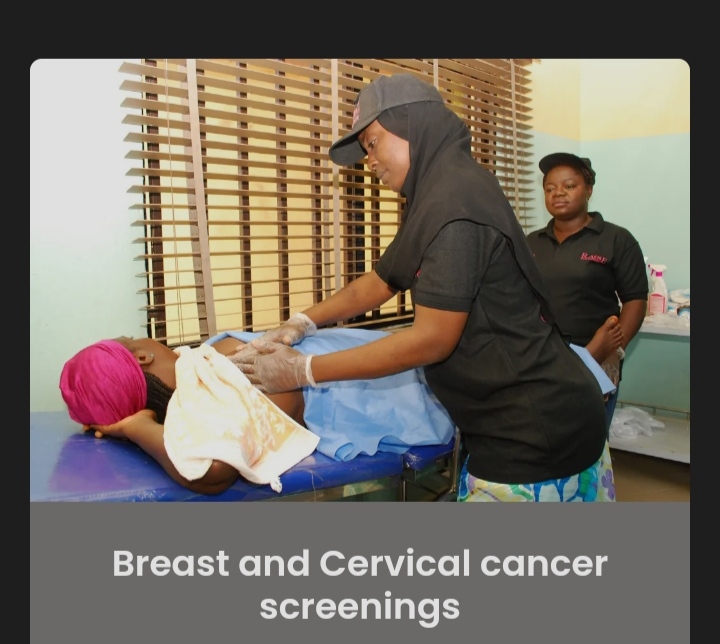
That’s when I discovered Raise Foundation, an organisation dedicated to providing free cancer screening, raising awareness about breast cancer, and supporting patients through their journey, founded by the wife of the former Niger State Governor, Haj. Amina Abubakar Bello.

In an interaction with the CEO of Raise Foundation, Mrs Toyin Dauda, she disclosed that their mission is to create awareness and opportunities for women and girls, allowing them to realise their full potential in a safe environment for pregnancy and childbirth. They aim to empower women to make informed decisions and seize available opportunities.

“We established the Raise Foundation in 2015, and we are proud to have the first breast and cervical cancer screening centre in Niger State. Additionally, we conduct outreach programs in hard-to-reach areas, where we screen women and educate them about breast cancer. We promote early detection and offer assistance to those diagnosed with cervical or breast cancer,” She affirmed.

Mrs.Toyin further explained that the screening is completely free of charge. Their healthcare professionals use gloves for examination, and if they identify any abnormalities or lumps, the woman will need to undergo a scan, which costs ₦4000. For women over 35, a mammography is recommended, priced at ₦10,000.

However, during October, Breast Cancer Awareness Month, they provide all these services for free. Operating from Monday to Friday, 9 a.m. to 4 p.m., Mrs Toyin urged women not to wait for the designated month but to seek screenings earlier. The foundation also guides self-breast exams.

Moreover, the Raise Foundation offers financial support for breast cancer patients. Rather than giving patients money directly, they cover the costs and provide receipts. They have partnerships that help fund their initiatives, allowing them to support women across Nigeria. Mrs Toyin appealed to governments, organisations, and individuals to contribute funds as the number of patients rose.

Furthermore, the program coordinator for Raise Foundation, Dr Fatima Tafida, emphasised the importance of understanding the risk factors associated with breast cancer and taking action to address them. She highlighted the risk factors, the consequences, the signs and symptoms, preventive measures, and how to perform self-breast exams.

According to Dr Fatima, the risk factors include being female, as breast tissue is present, an increasing trend of breast cancer among younger women (even as young as 25 years), early onset of menstruation, late menopause, not having been pregnant or breastfed, family history of breast cancer, smoking, excessive alcohol consumption, and poor diet or obesity.

She added that cancer is a significant threat as it impacts individuals socially, physically, emotionally, and financially. 

“Signs and symptoms of cancer can vary depending on the type. The most common sign is the presence of a small lump in the breast, which may or may not be painful. Other indicators include the growth of the lump, cracks on the nipples, or the presence of bloody or Clear discharge. Unfortunately, many individuals are unaware that they have cancer until it has progressed.

“To prevent cancer, there are several measures that can be taken. Firstly, creating awareness about the disease and its risk factors is crucial. Secondly, modifying one’s lifestyle by quitting smoking and reducing alcohol consumption is essential. Additionally, individuals who are obese should aim to lose weight and incorporate regular exercise into their routine. Maintaining a balanced diet is also important in preventing cancer. Conducting regular self-breast exams is recommended for those with a family history of the disease. Lastly, performing self-breast exams at the end of the menstrual cycle can help in the early detection of any abnormalities.” She stressed.

Dr Fatima Tafida also underlined the importance of regular self-breast exams. She provided step-by-step instructions on how to perform a self-exam for early detection. 

She advised standing in front of a mirror with the left hand raised above the head. Using the fingers of the right hand, one should palpate the whole breast, pressing the nipple and checking for any cracks or nipple discharge, be it bloody or clear. The person should then move their hand under the armpits and check for enlarged lymph nodes. 

Dr. Fatima also highlighted signs to look out for, such as an orange peel appearance of the skin, one breast being bigger than the other, nipple retraction, or sores around the breast or nipples. These indicators could suggest a problem, and medical attention should be sought immediately. 

She stressed the importance of early detection and shared the example of Angelina Jolie, who underwent a double mastectomy after testing positive for a breast cancer gene due to her family history.

For women over the age of 40, Dr. Fatima underscored the importance of getting a yearly mammogram. She advised against relying solely on herbal medicines and encouraged sticking to scientifically proven methods of treatment and prevention. She said teenagers should be aware and proactive in screening themselves. While adding that wearing bras made from secondhand clothes, often of European origin, does not increase any chance of having breast cancer.

In conclusion, Dr. Fatima appealed to society to show kindness and support to breast cancer patients. She highlighted the high costs associated with treating breast cancer and urged governments, NGOs, and individuals to provide assistance and support to these patients.

The Raise Foundation has received heartfelt gratitude from beneficiaries who have received free treatment and support. One patient expressed her appreciation, acknowledging that she would not have been able to afford the treatment without the foundation’s help. Another beneficiary thanked the foundation and called on the state government, NGOs, and individuals to support breast cancer patients.

As breast cancer continues to devastate lives, we must come together and fight it collectively. Let us join hands in raising awareness, providing support, and working towards a future where breast cancer no longer exists.

Harajana Umar Ragada wrote via kharajnah@gmail.com

Brain drain and funding challenges in Nigeria’s health sector

By Aishat M. Abisola


Over the years, Nigeria has dealt with a profound crisis plaguing its healthcare system, exacerbated by the alarming rate of brain drain among its highly skilled medical professionals. Nigeria’s health sector is precarious as doctors, nurses, and other essential healthcare personnel depart for greener pastures abroad.


A closer look reveals a critical factor fueling brain drain, harming our health sector. The consequences of this phenomenon are dire. It has led to a shortage of healthcare professionals, compromising the overall quality of healthcare services in Nigeria.


One key reason for the brain drain in the Nigerian health sector is chronic underfunding, which results in dilapidated infrastructure and insufficient resources. Healthcare facilities in the country also suffer from a lack of modern equipment, outdated technology, and inadequate supplies.


Motivated by their desire to provide high-quality care, healthcare professionals flee to countries with well-maintained and adequately resourced healthcare infrastructure.


Brain drain can also be linked to the frustration healthcare professionals experience due to a lack of basic tools and resources necessary for their work. Insufficient funding for maintaining and upgrading healthcare facilities creates an environment that fails to attract and retain skilled professionals.


Funding issues in the Nigerian health sector have led to inadequate remuneration and poor working conditions for healthcare professionals. Doctors and nurses are often given meagre salaries, delayed payments, and a lack of essential benefits despite their importance in society.


The financial strain, coupled with challenging working conditions, can serve as a powerful motivator for them to seek opportunities abroad, where they can be better compensated and work in more conducive environments.


Several organisations in Nigeria have lamented funding issues and poor remuneration of our healthcare personnel. The Joint Health Sector Union (JOHESU), the Nigerian Association of Resident Doctors (NARD) and the Nigerian Medical Association (NMA) have organised strikes and issued ultimatums to the federal government to improve the nation’s health sector.


Last year, NARD asked the federal government to declare a state of emergency for the health sector. The NMA also spoke out against the federal government’s decision to implement a no-work, no-pay plan in response to an indefinite strike by NARD.


The lack of funding allocated to training and development programs within the Nigerian health sector also contributes to the brain drain crisis. Healthcare professionals want to seek continuous learning opportunities and career advancement. However, insufficient funds for training limit their growth within the country.


The scarcity of adequate professional development investments harms local talent retention. It encourages healthcare professionals to pursue opportunities abroad, where they can further their education and skill sets.


A united effort is needed to address funding challenges and combat brain drain in Nigeria’s health sector. Boosting investments in healthcare can create an environment that will retain and lure back skilled professionals. The federal and state governments can implement some of these strategies to mitigate the impact of brain drain:


Remuneration Improvements: Increase healthcare professionals’ salaries and benefits to make them more competitive on an international scale. Ensure timely salary payments address concerns about delayed payments, a common issue among healthcare workers.


Enhanced Working Conditions: Allocate sufficient funds to improve healthcare facilities, ensuring modern and well-maintained conditions, comfortable accommodations, and safe working environments—investment in technology and equipment to ensure that healthcare professionals have access to state-of-the-art tools and resources.


Investment in Training and Development: Funds should be allocated for continuous professional development programs to enhance the skills of healthcare professionals.
Establish partnerships with educational institutions to provide healthcare workers with ongoing training and learning opportunities.


Research and Innovation Grants: Create funding for local medical research and innovations to attract professionals interested in making healthcare advancements. Provide research grants to healthcare professionals, encouraging them to stay in Nigeria while pursuing groundbreaking research.

Infrastructure Development: Allocate funds for the construction, renovation, and maintenance of healthcare infrastructures (hospitals, clinics, and other healthcare facilities). Equip healthcare facilities with modern technology and the resources to provide quality patient care.


Telemedicine and E-Health Initiatives: Allocate funds for telemedicine and e-health initiatives to enhance the accessibility and appeal of healthcare services to professionals. Invest in technology infrastructure to support telehealth services, reducing the need for healthcare workers to relocate physically.


Community Engagement and Support: Fund community programs to raise awareness about the importance of healthcare professionals in local communities. Establish support networks and incentives for healthcare professionals, including housing assistance, transportation, and other benefits.

Long-Term Strategic Planning: Implement and develop long-term plans for the healthcare sector, ensuring sustained and increased funding over time. Regularly assess funding needs and adjust budget allocations to address emerging challenges and opportunities.


Last line

Undeniably, the brain drain crisis in Nigeria’s health sector is strongly linked to constant funding challenges over the years. Concrete efforts and strategic investments in the healthcare system are essential to reverse this trend.


Adequate funding can improve infrastructure, enhance working conditions, and provide opportunities for professional growth, ultimately stemming the tide of skilled professionals leaving the country.


By addressing the root causes of brain drain through increased funding, Nigeria can build a more resilient and sustainable healthcare sector that meets the needs of its population.


Aishat M. Abisola is an NYSC member serving with PRNigeria Centre Abuja.

Bridging the healthcare service divide in Nigeria

By Aishat M. Abisola

Nigeria, a nation marked by diverse landscapes and cultural richness, grapples with significant healthcare disparities between urban and rural areas. While urban centers face issues such as minimal medical resources, a lack of healthcare workers and a lack of necessary equipment, they still provide decent healthcare services unlike rural communities who face numerous challenges that hinder their access to essential healthcare services.

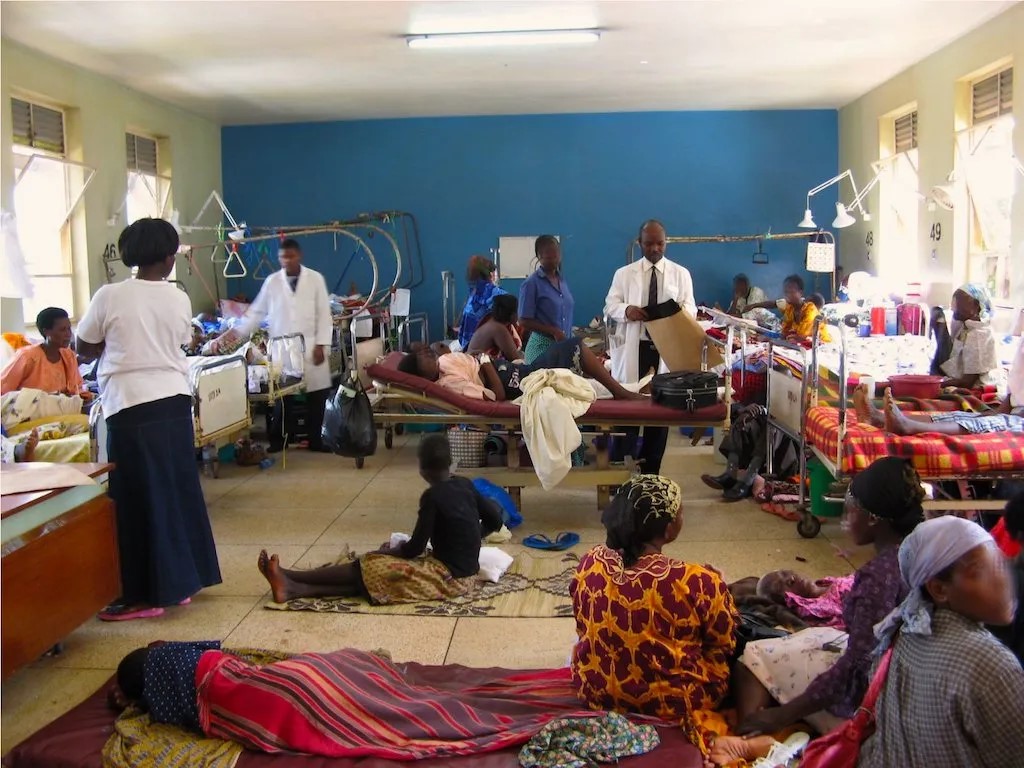
Rural communities in Nigeria encounter formidable barriers on regular basis when it comes to accessing healthcare services. One of the primary challenges is the shortage of healthcare facilities and trained medical professionals in remote areas.

According to a report by the World Health Organization (WHO), there is a significant urban-rural divide in the distribution of healthcare resources in Nigeria, with the majority concentrated in urban centers.

Challenges in Rural Healthcare Access

Geographic Barriers: One of the primary obstacles to healthcare access in rural areas is the geographic isolation of these communities. Many rural regions in Nigeria are situated far from urban centers, making it difficult for residents to reach healthcare facilities promptly. Long distances, poor road conditions, and a lack of reliable transportation options have contributed to delays or altogether neglected healthcare seeking behaviors.

Shortage of Healthcare Facilities and Personnel: Rural areas frequently deal with a shortage of healthcare facilities and trained medical professionals. Nigeria has a disproportionately low number of healthcare facilities in rural areas compared to urban centers. This shortage not only limits the availability of essential services but also results in prolonged waiting times for medical attention.

Financial Constraints:
Economic factors also play a significant role in healthcare access, especially in rural communities where poverty rates tend to be higher. The majority of rural residents often struggle to afford healthcare services, medications, and transportation costs to reach medical facilities. Out-of-pocket expenses associated with healthcare often deter individuals from seeking timely medical attention, exacerbating health problems and perpetuating a cycle of poverty.

Healthcare Infrastructure Disparities: The disparity in healthcare infrastructure between urban and rural areas is stark. Urban centers have significantly better hospitals and clinics, while many rural healthcare facilities are plagued by dilapidation and a lack of essential medical equipment. The Nigerian government’s National Health Facilities Registry highlights the uneven distribution of healthcare infrastructure, with urban areas having a higher concentration of better equipped facilities.

Lack of Skilled Personnel: In addition to inadequate facilities, rural areas face a shortage of skilled healthcare professionals. The WHO reports that the distribution of healthcare workers in Nigeria is highly skewed as urban areas have a more significant concentration of doctors, nurses, and other healthcare providers. This scarcity of skilled personnel in rural regions further diminishes the quality of healthcare services available to residents.

Power Challenges: Another critical aspect of healthcare infrastructure often overlooked is the lack of reliable electricity in rural regions. Many healthcare facilities in remote areas struggle with power shortages which hinders the functionality of medical equipment and limits the provision of essential healthcare services. Electrification rates in rural areas are considerably lower than in urban centers, exacerbating the healthcare infrastructure divide.

Proposed Solutions

Investment in Rural Healthcare Infrastructure: Increasing investments in rural healthcare facilities is imperative in order to address the healthcare infrastructure disparities. Building new, well-equipped healthcare centers and upgrading existing ones will improve the availability and quality of healthcare services in remote regions. The Nigerian government, in collaboration with international partners, can allocate funds specifically for rural healthcare infrastructure development.

Training and Deployment of Healthcare Professionals: Addressing the shortage of healthcare professionals in rural areas requires a comprehensive strategy. Government initiatives and incentives should be implemented to encourage medical professionals to work in undeserved communities. Investing in the education and training of local community health workers can also enhance primary healthcare services in rural areas and provide a sustainable solution to the shortage of skilled personnel.

Improving Transportation Infrastructure: Efforts to improve healthcare access should also focus on transportation infrastructure. Constructing and maintaining reliable roads in rural areas, as well as implementing affordable and accessible public transportation options, can significantly reduce travel barriers for rural residents seeking medical attention.

Financial Support and Health Insurance: The government can establish and promote health insurance programs targeted at low-income individuals in rural areas. These programs can provide financial relief and encourage healthcare utilization by covering medical expenses. Additionally, subsidies for essential medications and preventive healthcare measures can contribute to a healthier rural population.

Alternative Energy Solutions: Implementing alternative energy solutions such as solar power is crucial to provide a solution to address power challenges in rural healthcare facilities. The integration of sustainable energy sources can ensure a reliable electricity supply, enabling the consistent operation of medical equipment and improving the overall quality of healthcare services in rural areas.

Last line

Nigeria’s urban-rural disparities in healthcare accessibility and infrastructure can only be resolved when there is a concerted effort from the government, healthcare organizations, and the international community. By acknowledging the challenges faced by rural communities and implementing comprehensive, sustainable solutions, Nigeria can pave the way for a more equitable healthcare system.

Bridging these gaps is not just a matter of social justice but a strategic investment in the nation’s health and development. When stakeholders work collaboratively, the possibility of attaining accessible, quality healthcare for all Nigerians, regardless of their geographic location, can become a reality.

Aishat M. Abisola is a NYSC corps member with PRNigeria in Abuja

The impact of poverty on health, education, social structure, and crime

By Umar Sani Adamu

Poverty has far-reaching consequences on various aspects of society, including health, education, and social structure. Understanding these repercussions is crucial for addressing the root causes and developing effective strategies to alleviate poverty and its associated issues.

1. Health

Poverty significantly impacts health outcomes. Limited access to nutritious food, clean water, and adequate healthcare services contributes to a higher prevalence of malnutrition, infectious diseases, and chronic conditions among the impoverished. Lack of resources often results in substandard living conditions, exposing individuals to environmental hazards. Additionally, stressors associated with financial insecurity can lead to mental health issues, further exacerbating the overall health burden.

2. Education

Poverty creates barriers to educational attainment. Families struggling with economic hardships may prioritise immediate needs over investing in education. Children from impoverished backgrounds often face challenges such as inadequate access to quality schools, resources, and educational support. Limited access to books, technology, and extracurricular activities hinders their development. As a result, the cycle of poverty continues, as these individuals may find it challenging to break free from their circumstances through education.

3. Social Structure

The social fabric of a community is intricately linked to economic well-being. Poverty can contribute to the fragmentation of social ties as individuals grapple with the stress and uncertainty of their circumstances. Communities with high poverty rates may experience increased social inequality and a lack of social cohesion. This can manifest as reduced community engagement, weakened support networks, and a diminished sense of belonging.

4. Crime

Poverty is often identified as a significant factor contributing to crime. Several mechanisms explain this relationship. Firstly, individuals in poverty may resort to criminal activities as a means of economic survival. Limited opportunities for legitimate employment can lead some to engage in illegal activities to meet basic needs. Additionally, impoverished communities may experience higher rates of substance abuse, which can further contribute to criminal behaviour.

Furthermore, the lack of access to quality education and limited social support in impoverished areas can result in a higher prevalence of delinquency. The frustration and hopelessness stemming from persistent poverty may lead individuals, particularly young people, towards criminal behaviour as an alternative to breaking free from their challenging circumstances.

Addressing the Link Between Poverty and Crime

A multi-faceted approach is necessary to mitigate poverty’s impact on crime. Policies to reduce poverty through economic empowerment, education, and healthcare access are crucial. Investments in education, vocational training, and job creation can provide individuals with opportunities to escape the cycle of poverty and reduce the likelihood of resorting to criminal activities.

Social support programs that strengthen community bonds, mental health services, and addiction rehabilitation can address some of the root causes of criminal behaviour associated with poverty. Additionally, targeted efforts to improve law enforcement-community relations and reduce systemic inequalities can contribute to crime prevention.

In conclusion, poverty has profound consequences on health, education, and social structure, with a direct link to increased crime rates. Breaking this cycle requires comprehensive strategies that address the systemic issues contributing to poverty and simultaneously provide individuals and communities with the tools and resources needed for positive transformation.

Umar Sani Adamu (Kawun Baba) wrote via umarhashidu1994@gmail.com.

What do you do when antimicrobials stop working?

Bello Hussein Adoto

Last week, the world marked Antimicrobial Resistance Awareness (AMR) Week. The goal was to raise awareness about  AMR—a phenomenon where antimicrobials no longer kill or prevent the growth of the microbes they used to kill.

Our bodies do an excellent job of containing viral, bacterial, or fungal infections before a doctor chips in with a drug or two to kill the germs and bring us back to good health. These drugs include antibiotics for bacterial infections, antifungals for fungal infections, and antivirals for viral infections.

Unfortunately, some of us don’t go to—or wait for—the doctor to treat actual or presumed infections. We dash to the nearest chemist to buy ampicillin over-the-counter for boils (skin abscesses) and amoxil for typhoid. Patients who can’t tell the difference between dysentery and diarrhoea would buy branded Ciprofloxacin or Amoxiclav to resolve prolonged toilet troubles and stomach pain. Those who are not that buoyant would manage metronidazole.

Our health practitioners also contribute to the problem. A survey of 12 countries shows that Nigeria has the third-highest percentage of antibiotic prescriptions. Three out of every five patients on admission at our hospitals are on antibiotics. This heavy use of antibiotics contributes to Nigeria’s AMR burden.

The consequence of our use, abuse, and misuse of antibiotics is that the viruses, the bacteria, and the fungi have grown tough—they no longer fear us and our drugs. Our pills and creams are no longer as effective. Regular bacterial infections that were once treatable with first-line antibiotics have become stubborn. You may need a second or third line to treat them. Diseases that needed only Ciprotab now call for Ceftriazone and Imepenem. Diseases that were once tolerable have become debilitating, if not deadly.

The WHO recently spotlighted the story of a woman who had reconstructive facial surgery following an accident. The wound got infected and they treated the infection only for it to rebound and eat away at her face. Gradually, her facial muscles turned to cheese. Further tests showed she had MRSA, the dreaded methicillin-resistant Staphylococcus aureus. Luckily, the woman survived. “If I’d known earlier, maybe I wouldn’t have lost huge portions of my face,” she said years later.

Our ignorance about AMR doesn’t make it any less deadly. About five million people died from drug-resistant infections in 2019. More than one million of these deaths were linked directly to AMR.

Aside from being deadly, AMR is expensive. Infections with drug-resistant bacteria, for instance, mean that patients spend more on higher and more effective antibiotics. These antibiotics don’t come cheap. Augmentin, one of the go-to drugs for severe infections, is now 13,000 naira. That’s more than one-third of the minimum wage.

The task before us is to stem the tide this menace. The government is playing its part. It has drawn up a national action plan for AMR. The plan seeks to increase awareness about the problem

, promote surveillance and research, and improve access to genuine antibiotics. Doctors also have concepts like delayed prescription and antimicrobial stewardship to guide their prescriptions. You can join the fight too.

One, don’t use antibiotics without prescriptions. Trust your doctors when they say you don’t need antibiotics. Some viral infections like cold can resolve without drugs.

Secondly, complete your doses when using prescribed antibiotics. It could be tempting to abandon your drugs at the first sign of relief. It could be valid even: some research has shown that extended use of antibiotics after symptomatic relief doesn’t make any significant difference in recovery. Still, don’t discontinue your drugs at a whim. Speak with your doctor.

Thirdly, don’t share antibiotics or prescribe them to others. This should go without saying, but our desire to help friends and loved ones often pushes us to share drugs like antibiotics with them. You can do better by directing your friend or relative see a doctor. Antibiotics are not emergency drugs that can’t wait for a prescription.

Good hygienic practices can help, too. They limit the spread of infections, and the consequent antibiotics (ab)use. Wash your hands regularly. Adopt proper etiquette when you are in a hospital or laboratory environment. Doing otherwise increases your risk of contracting or transmitting new infections to your loved ones.

Five, get vaccinated. Vaccines protect you from contracting potentially resistant infections or spreading them to others. Moreover, viral infections that can be prevented with vaccines, like measles and influenza, are some of the reasons people abuse antibiotics. When you don’t contract influenza or measles, you won’t feel a need to abuse antibiotics.

The AMR Awareness Week has come and gone, but the problem and its consequences remain. They affect us all; everyone can and should contribute to the solution. You can be a part of the fight by not abusing antibiotics or demanding that your doctor prescribe antibiotics for you when you don’t need them. You can join in by not abandoning your treatment or sharing your drugs. You can get vaccinated too. Start now. Start today. Join the fight against AMR.

Hussein can be reached via bellohussein210@gmail.com.