Hadejia

Why Sport is the Vehicle Hadejia Needs

By Garba Sidi

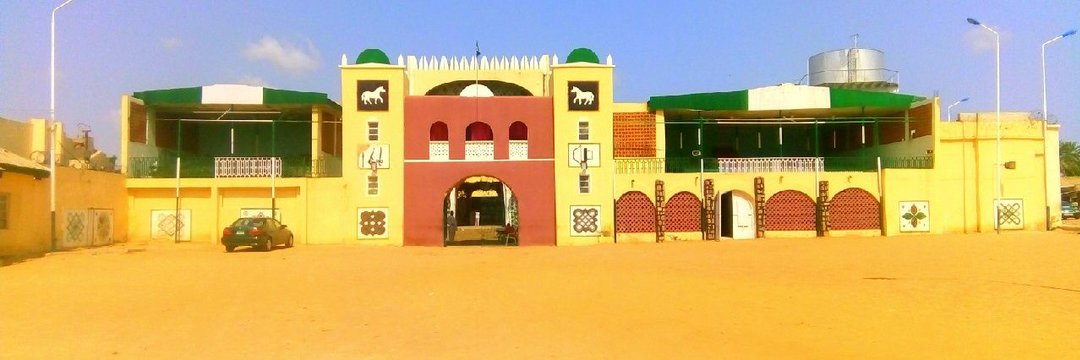
Hadejia Local Government Area is the largest of Jigawa State’s 27 local governments, with over 200,000 residents. It is a historic, peaceful, religious town known for its legendary hospitality. When Boko Haram displaced Maiduguri residents, Hadejia welcomed and sheltered hundreds, showing unity and support across all levels.

Between March 8th and 13th, 2025, five lives were lost in Hadejia. A political fight led to a young man being stabbed with scissors. A game with sticks turned deadly when a youth was injured in the head. Two friends fought, and one killed the other. A mechanic was attacked and fatally wounded with a large knife at his home. Most heartbreakingly, a newlywed bride, just five months married, was found dead with her throat slit.

These are not statistics. These are our children, our neighbours, our brothers, and our sisters. And their blood calls out for answers.

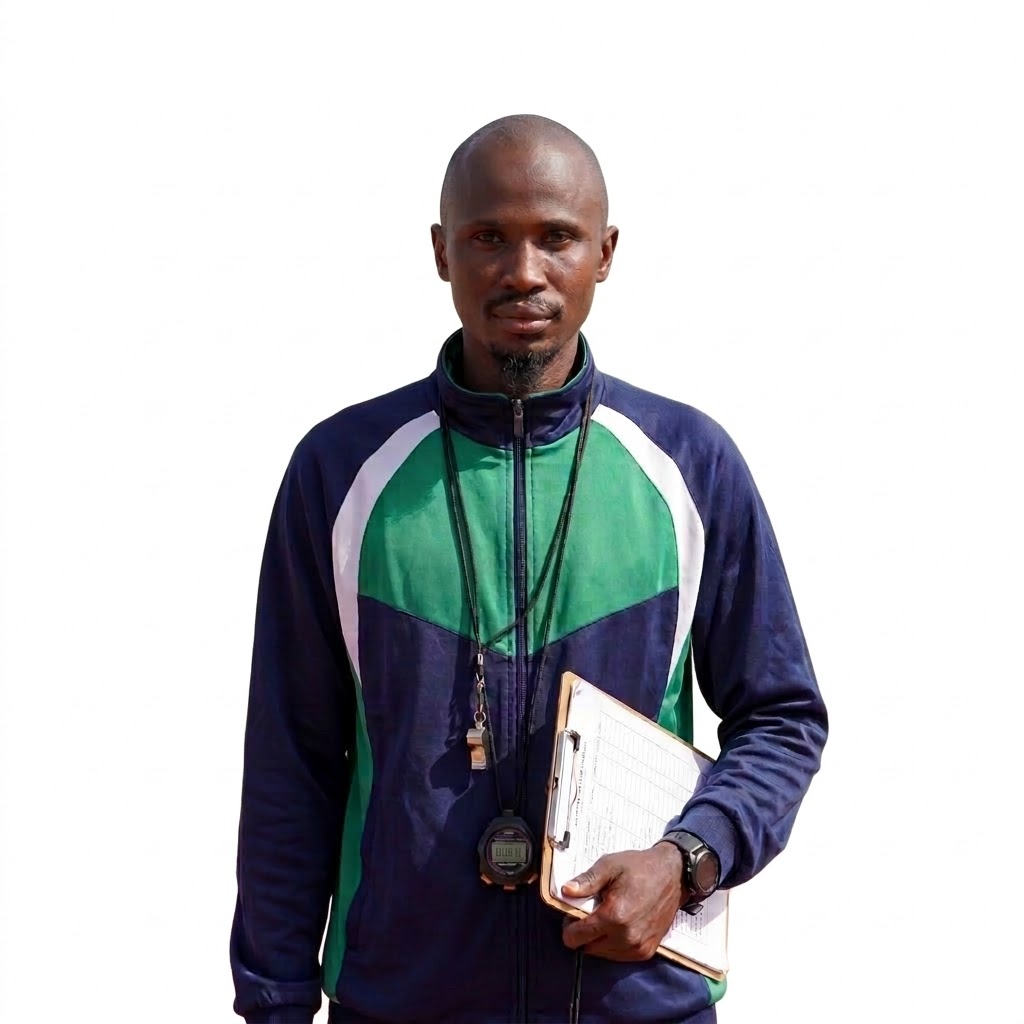
As a Sport Officer with the Jigawa State Sports Council, I have spent my career witnessing the transformative power of athletics. I have seen the discipline it instils, the hope it generates, and the community it builds. And I am convinced that while we need police, while we need laws, and while we need parental responsibility, there is one vehicle that can carry Hadejia out of this darkness: sport.

Before we can prescribe a cure, we must first diagnose the disease. The insecurity engulfing Hadejia did not emerge from a vacuum. It has grown from specific, identifiable roots.

According to December 2025 reports, Jigawa State is the third poorest in Nigeria, with 80% of children out of school. In communities with large families, parents struggle to meet basic needs, leading to despair in youth without education or job prospects, fueling crime.

Drug abuse existed before the Boko Haram refugees’ arrival, with local youths accessing substances like Wiwi, Sholisho, and Tramadol. But refugees introduced large, powerful drug dealers who settled in town, worsening the situation. Young people gained easy access to new, varied drugs, increasing abuse, especially among females and under-18s, who had been less affected before. These new dealers made drugs more accessible and affordable, even to children.

The chemicals in these illicit substances are too strong for young minds. They cause users to fight one another in their hideouts and gatherings. A minor misunderstanding that would once have ended with words now ends with knives, scissors, or sticks drawn in anger. The connection is undeniable: drugs fuel violence, and violence fuels insecurity.

The pattern of crime in Hadejia has followed a predictable and terrifying trajectory. It began with shop-breaking, which gradually became more rampant. Then some youths started blocking small roads with sticks and cutlasses, robbing passengers of their money and phones. At first, these incidents were rare.

Now, these gangs have escalated further. They attack businesspeople inside their own shops, arriving two to a motorcycle, armed with guns. The progression from petty theft to armed robbery has happened right before our eyes, and fear has filled the hearts of all Hadejia people.

Some will ask how football or athletics can solve serious problems like drugs and armed robbery. As someone experienced in sports development, I’ve seen a well-organised sports program achieve much. Troubled youths become disciplined athletes, communities unite behind local teams, and hope replaces hopelessness when young people discover their talents and worth.

Let me explain precisely how sport can serve as the vehicle to carry Hadejia back to peace.

1. Sport Occupies Idle Hands and Minds.

The Prophet Muhammad (peace be upon him) taught us that two blessings which many people take for granted are health and free time. An idle mind, unoccupied with productive pursuits, becomes a workshop for mischief. When young people have nothing to do from morning until night, when they have no place to gather except street corners, when their only entertainment comes from substances that destroy their minds, trouble becomes inevitable.

Sport provides an immediate and powerful alternative. A young person who reports for football training every evening has no time to sit around smoking weed. A teenager who is preparing for a weekend basketball tournament is focused on practice, not on planning robberies. A youth who is exhausted from athletic exertion sleeps soundly at night instead of roaming the streets looking for trouble.

I have seen this transformation with my own eyes. In communities where we have established regular sporting activities, crime rates drop. It is not complicated mathematics. It is simple: a busy youth is a peaceful youth.

2. Sport Teaches Discipline and Self-Control.

Drug abuse thrives in the absence of self-discipline. The ability to say no, to resist peer pressure, to choose long-term wellbeing over immediate gratification—these are skills that must be learned and practised.

Sport is one of the most effective teachers of discipline. Every athlete learns to follow rules, to respect coaches and officials, to control their emotions in the heat of competition, and to work hard even when no one is watching. These lessons transfer directly to life outside the field.

Consider the young men who killed their friends over minor arguments in March 2025. Would they have reacted differently if they had spent years learning emotional control through sport? If they had been taught that losing your temper leads to defeat, that self-control is strength, and that violence has no place in resolving disputes? I believe they would.

3. Sport Builds Community and Breaks Down Division.

One of the dangerous consequences of the drug trade in Hadejia has been the introduction of powerful dealers from outside. These individuals have no loyalty to our community, no investment in our peace, and no concern for our children beyond the profits they generate.

Sport creates the opposite dynamic. When you play on a team with someone, you develop bonds that transcend neighbourhood, ethnicity, or background. You learn to trust each other, to work together toward common goals, and to celebrate shared victories. These bonds strengthen the social fabric and make communities more resilient against those who would exploit division.

Imagine what would happen if we established a Hadejia Youth Football League with teams representing each quarter of the town. Young people from different backgrounds would come together regularly, not to fight but to compete by the rules and shake hands when the match ended. Suspicion would be replaced by familiarity. Hostility would be replaced by respect.

4. Sport Creates Positive Role Models and Mentors.

Every coach is a potential mentor. Every older athlete can set an example for younger ones. In a sporting environment, young people encounter adults who care about their development, who notice when they are struggling, and who can guide them away from dangerous choices.

Currently, who are the role models for many of Hadejia’s youth? In too many cases, they are the drug dealers with money and flashy lifestyles. They are the gang leaders who project power and fearlessness. Sport offers an alternative: coaches who demonstrate that hard work leads to achievement, athletes who show that discipline brings success, and community figures who prove that respect comes from contribution, not intimidation.

As a Sport Officer, I have seen coaches become fathers to boys who lack paternal guidance. I have seen athletic mentors intervene when they noticed a player showing signs of drug influence. These relationships save lives.

5. Sport Reveals Talent and Opens Pathways.

One of the most powerful weapons against hopelessness is discovering that you have value, that you are good at something, and that your life has potential. For many young people trapped in poverty and despair, sport provides this discovery.

Nigeria is filled with stories of footballers who rose from humble beginnings to achieve fame and fortune through their athletic talent. While not every young athlete will become a professional, many can earn scholarships, gain admission to higher institutions, or secure employment through sport. Even at the local level, talented players can earn income through semi-professional leagues, coaching opportunities, or equipment-related businesses.

When a young person believes their future holds possibilities, they are far less likely to risk that future on crime and drugs. Sport plants the seed of hope.

6. Sport Provides a Platform for Drug Education.

The fight against drug abuse cannot be won through arrests alone. We must also educate our youth about the dangers of these substances and equip them with the skills to resist temptation. And there is no better platform for this education than sport.

Young people trust their coaches. They listen to respected athletes. They absorb messages delivered during team meetings and training sessions. By integrating drug awareness programmes into sporting activities, we can reach the very population most at risk.

Imagine a football league where every team must complete a drug education workshop before being allowed to compete. Imagine tournaments sponsored by anti-drug campaigns, with messages printed on jerseys and banners at every match. Imagine former addicts speaking to young athletes about the destruction they witnessed. This is not fantasy. This is practical, achievable intervention.

I am not suggesting that sport alone will solve all of Hadejia’s problems. We still need effective policing, responsible parenting, economic opportunities, and strong leadership. But I am arguing that sport must be recognised as an essential component of any comprehensive strategy to restore peace.

Let me paint a picture of what Hadejia could become if we invested seriously in sport.

Picture this: Every quarter of Hadejia has a functioning football pitch where young people gather every evening for organised training. Coaches—some volunteers, some employed by the local government—provide supervision, instruction, and mentorship. Leagues operate year-round, with weekend matches drawing crowds of families and neighbours who celebrate their youth’s achievements.

Picture this: The Hadejia Township Stadium, which currently hosts only occasional events, becomes a hub of weekly activity. Basketball, volleyball, and athletics programmes complement football, ensuring that young people with different interests can find their place. Tournaments bring teams from across the local government together, fostering healthy competition and community pride.

Picture this: Every school in Hadejia has a functional sports programme. Physical education is taken seriously, not treated as an afterthought. Talented students are identified early and connected with clubs where they can develop. The 80% out-of-school rate remains a tragedy, but for those children who cannot attend school, community-based sport provides structure, supervision, and hope.

Picture this: The drug dealers who currently prey on our children find their customer base shrinking because young people are too busy, too healthy, and too hopeful to seek escape in substances. The gangs find it harder to recruit because belonging to a team provides the identity and camaraderie that gangs exploit. The armed robbers find fewer desperate youths willing to join their ranks.

This is not a dream. This is an achievable reality if we have the will to pursue it.

To the Executive Chairman of Hadejia Local Government, I say: invest in sport as seriously as you invest in security. Build pitches in every ward. Employ coaches for every quarter. Organise leagues that give young people something to look forward to each week. The budget required is small compared to the cost of insecurity.

To the Executive Governor of Jigawa State, I say: support local government initiatives with state resources. Make Hadejia a pilot project for using sport as a tool for peace. Deploy coaches and equipment from the State Sports Council. Create pathways for talented athletes to access higher-level competitions and opportunities. Show the nation that Jigawa is serious about innovative solutions to security challenges.

To the traditional rulers and community leaders of Hadejia, I say: use your influence to encourage youth participation in sport. Speak from your pulpits about the value of athletic discipline. Identify land that can be converted to playing fields. Support parents who allow their children to participate. Your blessing carries weight.

To the parents of Hadejia, I say: support your children’s involvement in sport. Attend their matches. Ask them about their training. Notice when coaches speak well of them. The same energy your child might otherwise devote to destructive activities can be channelled into athletic achievement.

To the youth of Hadejia, I say: choose the field over the street. Choose the ball over the drug. Choose the team over the gang. The path of sport is harder in some ways—it requires discipline, hard work, and patience—but it leads somewhere worthwhile. The path of drugs and crime leads only to prison or the grave.

The five lives lost between March 8th and March 13th, 2025, cannot be recovered. The newlywed bride, with her throat slit, will not return to her grieving husband. The mechanic killed in his own home will not repair another vehicle. The young men who killed their friends over arguments will carry that guilt forever.

But their deaths need not be the end of the story. They can be the beginning of a new chapter—a chapter in which Hadejia recognises the urgency of the crisis and takes bold action to address it.

I have spent my career believing in the power of sport. I have seen it transform individuals, unite communities, and create hope where none existed. I am convinced that sport can be the vehicle that carries Hadejia out of this season of insecurity and back to the peace for which this town has always been known.

The vehicle is ready. The road is before us. All we need are drivers willing to steer us toward safety.

Let us choose sport. Let us choose our children. Let us choose peace.

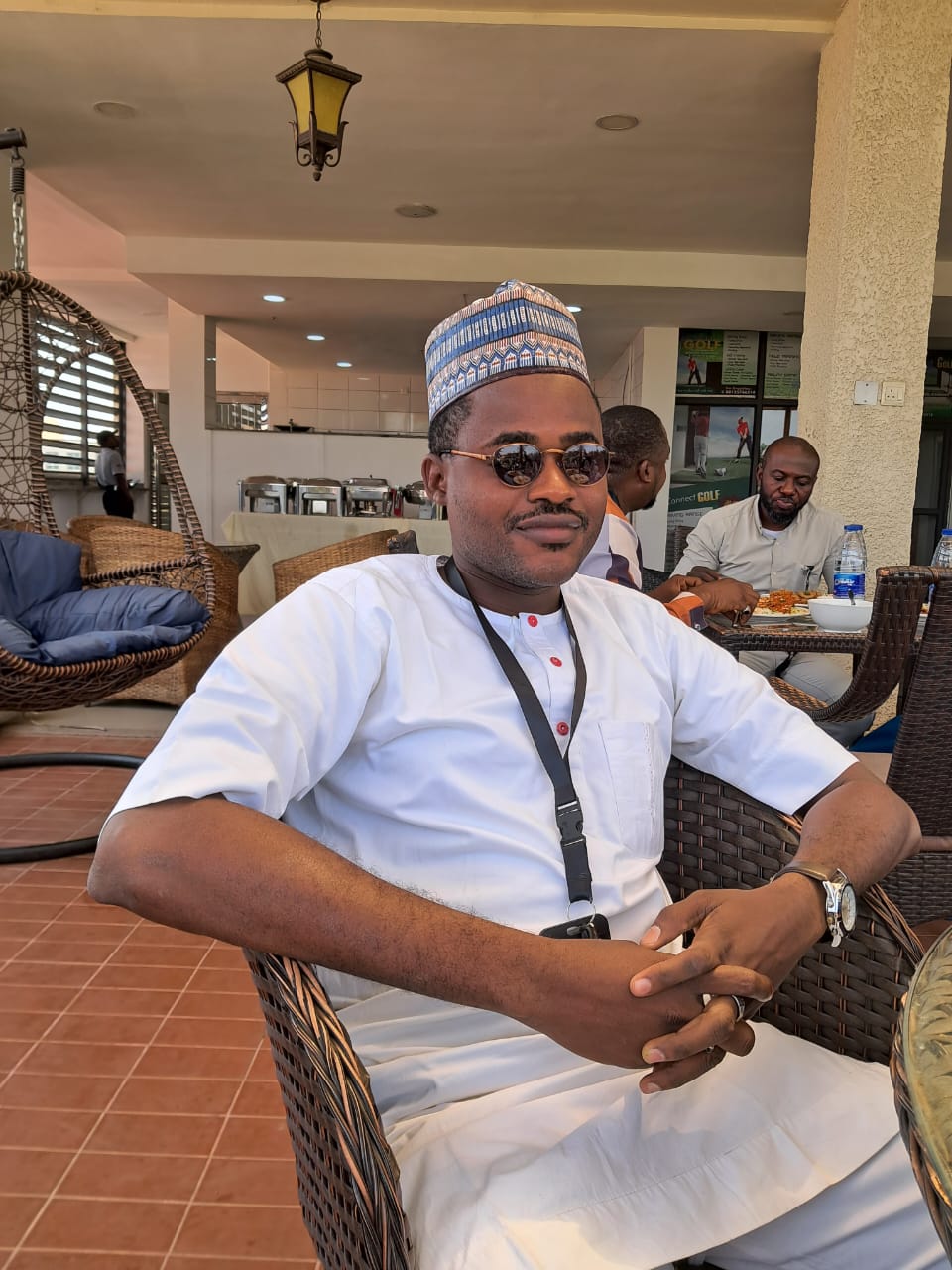
Garba Sidi is the Sport Officer 2, Jigawa State Sports Council, Hadejia, Jigawa State.

Is fighting His Excellency Namadi like fighting the Hadejia Emirate?

By Garba Sidi

The strategy used to support His Excellency, the Governor of Jigawa State, Malam Umar Namadi, made his emergence seem like a golden opportunity, especially for the people of Hadejia. That’s why people from this region, regardless of political affiliation, united in full support behind him.

In fact, it got to the point where anyone who didn’t support him was branded as someone who didn’t care about Hadejia’s interests. Youths and other residents were mobilised in large numbers to vote overwhelmingly for him, resulting in a decisive defeat for his opponent. All this was done with the hope that having “their son” in power would finally bring the kind of development other governors had brought to their own regions.

BUT DID IT BRING GOOD RRSUL?

The general assumption is that if a governor comes from a certain area, that area should naturally receive more projects, opportunities, and attention than others. Unfortunately, in the case of Malam Umar Namadi, this has not been the reality.

Right from the appointment of commissioners, things started to take a different turn. Prominent politicians from Hadejia—those who invested their money, time, and energy into mobilising support—were sidelined. Instead, individuals who contributed nothing to the campaign were brought in and handed key positions. These new appointees now operate as they please, whether their actions are right or wrong.

This understandably caused frustration among the loyal politicians, many of whom withdrew, allowing their protégés to take to social media to criticise the government openly. Their anger is rooted in the fact that they were abandoned, while others who made no sacrifices are now enjoying the fruits of power.

Even in terms of developmental projects, Hadejia has not seen any significant attention that reflects the governor’s origins. For instance, the Specialist Hospital that the former governor and the Current Minister of Defence, Badaru Abubakar, initiated has been abandoned under the current administration, despite the region’s urgent need for it, particularly due to the high incidence of kidney-related diseases. Patients are frequently referred to Federal Medical Centre Nguru, Rasheed Shekoni Specialist Hospital, Dutse and Aminu Kano Teaching Hospital.

So far, the government has no tangible project it can point to as a benefit for the people of Hadejia, despite their overwhelming support. Ironically, the previous governor—who isn’t even from Hadejia—executed more meaningful projects there. Clearly, “Kwalliya ba ta biya kuɗin Sabulu ba”.

WHO IS CRITICIZING MALAM UMAR NAMADI’S GOVERNMENT?

Some supporters of Governor Malam Umar Danmodi claim there is a grand conspiracy to sabotage his government, supposedly because it originates from Hadejia. They even suggest that people from other regions, aided by unpatriotic elements within Hadejia, are driving the opposition. But that narrative is misleading. And the critics of this government can be broadly categorised into three groups:

THE POLITICIANS.

These are politicians who worked tirelessly and spent their resources to bring this administration to power. After the victory, they were cast aside. Their disappointment and frustration have led them to form alliances and challenge the government.

LOYALISTS OF THE FORMER GOVERNOR.

While not necessarily politicians, these individuals are close to the former governor. They took offense when Malam Umar began probing the previous administration and took actions perceived as targeting their benefactor. In retaliation, they began opposing the current government, criticizing its every move and encouraging others to do the same.

THE COMMON PEOPLE.

These are ordinary citizens who feel betrayed. Despite numerous announcements of new projects and the release of funds, they see little to no work on the ground. They witness government officials living lavishly while their schools lack teachers, hospitals lack doctors and medicines, and basic infrastructure is crumbling. These are the same citizens whose votes made this government possible, and now they are rightfully speaking out. So, is it a crime for the people of Hadejia to fall into any of these groups?

Some people are trying to twist the narrative, making it seem like the government is being attacked simply because it’s from Hadejia. But the reality is this: it’s the government being critized, not the region.

WHAT’S THE SOLUTION?

There is still time for reflection and correction. The administration should reach out to the neglected politicians from Hadejia who worked hard for its victory. Offer them a sincere apology and reintegrate them into the fold. Once that happens, their supporters will follow suit, and the political tension will ease.

Likewise, the faction loyal to the former governor and now Minister of Defense, Badaru Abubakar, should be approached with humility. Apologize where necessary, stop discriminating against his allies, and rebuild that bridge. Doing so will reduce hostility from that quarter.

Lastly, address the real issues affecting the people: poor healthcare, teacher shortages, and neglected infrastructure. Let the people see and feel the benefit of the support they gave. Prove to them that they made the right choice.

CONCLUSION

No one fights their own child. The people of Hadejia do not hate Malam Umar Namadi. They are simply disappointed by the neglect and lack of attention he has shown them—despite the overwhelming support they gave him when he needed it most.

Once he wakes up to this reality and takes action—not just words—to correct his course, the people will forgive and support him again.

May Allah guide us to do what is right.

I wrote the Article in Hausa, and I used ChatGPT to translate it into English.

Hadejia Emirate relieves traditional ruler over drug abuse

By Muhammad Suleiman Yobe

Hadejia Emirate Council in Jigawa State has relieved one of its traditional title holders, Alhaji Abubakar Hussain Abubakar, known as Dan Lawan of Hadejia.

This is contained in a letter sent to The Daily Reality by Muhammad Garba Talaki, a Public Relations Officer of the Council, signed by Council Secretary Alhaji Muhammad Baffale Abbas.

Baffale said the dismissal was due to his engagement with illicit drugs.

He said the council confirmed the matter through a letter from National Drug Law Enforcement Agency (NDLEA) Jigawa State intimating the council on the issue.

He added that the traditional title holder refused to honour an invitation letter sent by the Emirate Council to defend himself, which was found to be disrespectful to the council.

Consequently, Alhaji Abubakar Hussain Abubakar was dismissed and warned to avoid parading himself as Dan Lawan of Hadejia.

Secretary Alhaji Muhammad Baffale advised the general public, especially those interacting with him, to take note.

He said the strict measure was taken to serve as a deterrent to other traditional leaders and urged traditional leaders in the area to be sound moral.

Jigawa politics: Between justice, fairness and inequality

By Kabir Musa Ringim

Immediately after the recently concluded presidential and national assembly elections on February 25th, the turn of events in the Jigawa gubernatorial race between the ruling APC and the main opposition PDP turned sour. The APC gubernatorial candidate, Mallam Umar Namadi, is from Hadejia Emirate, while his PDP counterpart, Mustapha Sule Lamido, is from Dutse Emirate.

The results of the elections, as declared by INEC, show that PDP won largely in Dutse, and APC won largely in Hadejia, and this results in the campaign of calumny between both parties. Social media, especially Facebook, was awash with propaganda from warring factions. This changes the narrative from a clean campaign to a battle of supremacy between the two Emirates on whose son will be elected as governor in this Saturday’s election.

Jigawa state was created in 1991 with the capital in Dutse and three senatorial zones of Jigawa North East (Hadejia Emirate), Jigawa North West (Gumel, Kazaure and Ringim Emirates) and Jigawa South West (Dutse Emirate). Since the creation of the state, it was governed by four civilian governors, two from my zone, Jigawa North West, and the other two from Jigawa South West (Dutse), leaving Hadejia Emirate with zero so far, and until now, a son of Hadejia Emirate was never opportune to be the gubernatorial flagbearer of a ruling party or biggest opposition party.

Having a leader from your region, religion, or tribe doesn’t translate to a better life for your people. Take Buhari and the North in his almost 8-year reign, for example. But humans, by nature, will always demand full privileges they are entitled to, as enjoyed by others living in the same territory. Every single one of us wants equity, justice, and fairness in life through equal representation, and that will surely bring a sense of belonging, self-esteem, fulfilment, and pride.

It is heartbreaking to think that you’re being treated like a second-class citizen in our own land, and this is why we have a federal character commission at the federation, and the major political parties introduced zoning for their presidential tickets. It is terrible for some people to assume or feel that having been from a particular region or practising a particular religion, they will never have a chance to be leaders of their country, state or local government. It is in that sense that I am rooting for an Igbo presidency one day, and that is why I am also in support of Hadejia’s call for their son to be the governor of Jigawa. Their grievances are legitimate. Their demand is justifiable.

But as we are in the peak of the political season, the third columnists, proponents of politics with bitterness and purveyors of evil propaganda with the intent to grab power and self-enrich themselves and their families, seized the opportunity to pitch Hadejia against their brothers from Dutse and vice versa. My heart sank when I started seeing the sort of messages being shared from both sides on different social media platforms meant to misinform, disinform and mislead the gullible ones among us.

The messages of hate going around are the worst I have ever seen in my life among fellow Jigawa citizens due to sectionalism. To find myself a respite, I started unfriending and muting several Facebook accounts from both ends until when I started to contemplate quitting the platform altogether for the sake of my mental well-being.

What is happening these days in our dear state is very shameful, to say the least. As adherents of Islam, it is totally against the teachings of our religion. Why the hatred? Where is the love? Where is the peace? Where is the brotherhood? Why all these lies, half-truths and malice? How can one claim that people from a whole Emirate hate the people of his Emirate? How is that even possible, please? Where are our senses of judgment and fairness? What are we going to achieve if our words cause divisions and nurture the seed of corruption and anger among fellow Muslims? Jigawa is the most homogenous state in the country, with over 90 per cent of the population speaking the same language and practising the same faith.

As I have earlier said, I have seen nothing wrong with Hadejia demanding their turn in leading Jigawa, but allowing a few bad politicians in their midst to turn their legitimate demand into a cold war between them and Dutse is very unfortunate and uncivilized. It is also heart-wrenching for the same bad eggs in Dutse to wage a similar war against their counterpart in Hadejia.

I’m from Ringim, but I am supporting APC’s Mallam Umar Namadi not because I am working and living in Hadejia or due to the fact that my biological mother is from Hadejia Emirate, but simply because for me, Umar Namadi (Danmodi) is by far more competent to be our governor than other contestants. Aminu Ibrahim Ringim, from my hometown and who is a father figure to me, is also in the race under NNPP. Likewise, Sule Lamido still remains my mentor, and I once supported his son Mustapha Sule Lamido, due to the former’s numerous achievements as a governor and how he worked tirelessly to unite Jigawa during his leadership.

However, instead of turning their preferred candidates into sectional flagbearers, APC and Danmodi’s fans should have stuck to their clean campaign purely based on the qualities of their candidate. They should have to keep selling the character and capacity of Danmodi and the required experience and exposure he possessed to lead Jigawa to the promised land. The same applies to the supporters of Mustapha Sule Lamido and PDP. We should all clean our hearts and rid them of hatred, anger, envy, and jealousy. Our life on this earth is very limited. We should desist from ruining our hereafter just to massage our egos and enjoy the illusions of this fake world full of fake pleasures.

The war of words and the campaign of calumny, fake messages of hatred, and intended character assassination of fellow Jigawa people from other zones will do us more harm than we have ever imagined. Almost all of us have friends and family from anywhere across the state. We work and live anywhere we wish in the state without facing any form of harassment, intimidation or injustice merely for being settlers. I was born and raised in Ringim, and I did my secondary school in Gumel, I worked in Legal Ringim and served a brief stint in Jigawa State Polytechnic Dutse, where I bought a house before transferring my services to Binyaminu Usman Polytechnic, Hadejia in 2018. I have said it several times to my close friends, and I will repeat it again that all my major achievements in life were facilitated by individuals from Hadejia, not Ringim.

We should bear in mind that what unites us is far greater than what divides us. We are united in faith, language, in culture. We are more alike than unlike; our food, dress and ceremonies cannot be differentiated clearly. We should never let the bad politicians separate us and destroy the peaceful atmosphere and harmony we have been enjoying to the envy of other states. We should never let our enemies succeed in their quest and evil plans to reverse the rapid development our state has been witnessing since 2007.

I’m supporting Mallam Umar Namadi based on the reasons I stated above, and I hold no grudge against those supporting Mustapha Sule Lamido of PDP and NNPP’s Mallam Aminu Ringim, provided that their intentions are pure and their reasons are not based on sectionalism and nepotism. We shall remain friends and brothers with all and sundry, and whoever emerges the winner of Saturday’s poll will have my goodwill, support and prayers.

The deeper we reflect on this sad scenario which is heading for a destructive crescendo, the more we understand that justice and equity are very important for our peaceful coexistence, and this cold war is all politics and a very bad one for that matter!

Kabir Musa Ringim is HOD Computer Engineering, Binyaminu Usman Polytechnic Hadejia and can be reached via ringimkabir@bupoly.edu.ng.