FRSC

20 Confirmed Dead In Plateau Road Crash

By Sabiu Abdullahi

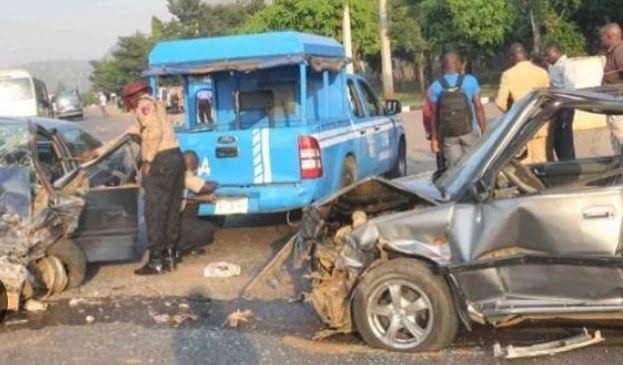
At least 20 people have died in a fatal road accident at Hawan Kibo community in Riyom Local Government Area of Plateau State.

The crash occurred at about 5pm on Friday along the Hawan Kibo bend, a section of the road known for frequent accidents, according to eyewitnesses.

The Plateau State Sector Commander of the Federal Road Safety Corps, Corps Commander Adelaja Ogungbemi, confirmed the death toll in a telephone interview with The PUNCH in Jos.

He said, “Yes it is true. There was an accident this evening at the Hawan Kibo area in Riyom LGA of Plateau state. Our Officers are right there at the scene on rescue Operation.

” It was a terrible accident. They have evacuated many injured persons to the hospital and others are still being taken to the hospital right now. At the moment, I can confirm to you that 20 people have been confirmed dead from the accident ”

Ogungbemi attributed the crash to brake failure and urged motorists to ensure their vehicles are in good condition before embarking on journeys.

“It was a brake failure. We will continue to advice that motorists should always check their vehicles before driving. And they should drive carefully especially when negotiating a bend,” he added.

An eyewitness, Moses Gyang, who arrived at the scene shortly after the incident, described the crash as severe.

“I was close by when it happened around 5pm. The vehicle lost control while descending the hill. It was a terrible sight, people were shouting for help,” the eyewitness said.

Another witness said the number of people who gathered at the scene made the rescue operation more difficult.

“We have never seen such an accident here in recent times. Many people were lying on the ground. FRSC officers came quickly and started carrying the injured to the hospital, but many had already died,” he said.

FRSC personnel remained at the scene as of the time of filing the report, where they continued rescue operations and evacuated injured victims to hospitals for treatment.
Ending the Tragedy of Road accidents in Nigeria

By Jessica Jummai Ayuba


Road crashes have become one of the deadliest yet most overlooked public health challenges in Nigeria. Every week, headlines carry grim reports of accidents that claim the lives of students, professionals, traders, and breadwinners, leaving countless families devastated. These accidents disproportionately affect people in their most productive years, robbing the nation of valuable human capital and entrenching poverty in households suddenly stripped of their providers.

The scale of the crisis is staggering. According to estimates, thousands die annually on Nigerian roads, with many more injured or permanently disabled. Yet, the recurring nature of these accidents has made the tragedies seem normal, almost inevitable. This complacency is dangerous because road accidents are not acts of fate—they are largely preventable with the right policies, infrastructure, and enforcement.

The causes of road accidents in Nigeria are painfully familiar. Poorly maintained roads riddled with potholes turn every journey into a gamble. Reckless driving habits, including overspeeding, drunk driving, and blatant disregard for traffic laws, continue to fuel crashes. Added to this are poorly serviced vehicles, particularly commercial buses and trucks that should not be on the highways. The danger is compounded by the menace of heavy-duty vehicles and petroleum tankers, whose accidents often lead to catastrophic explosions.

Unfortunately, government response has been inconsistent and insufficient. While aviation safety receives enormous resources and strict oversight—despite being used by a fraction of the population—road safety, which affects millions daily, is treated with neglect. This imbalance underscores a lack of political will to confront the issue of road carnage with the seriousness it demands.

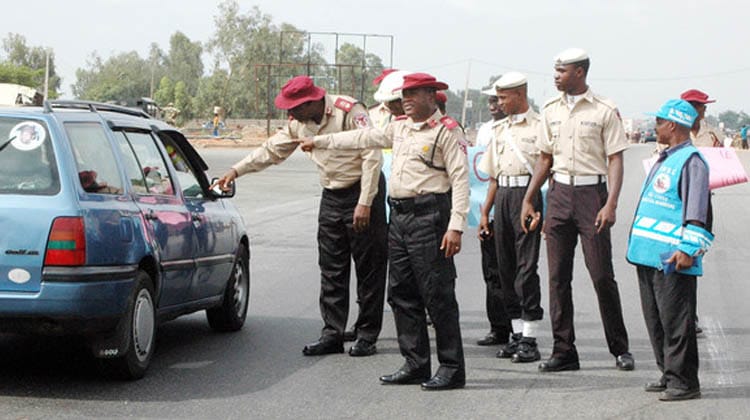
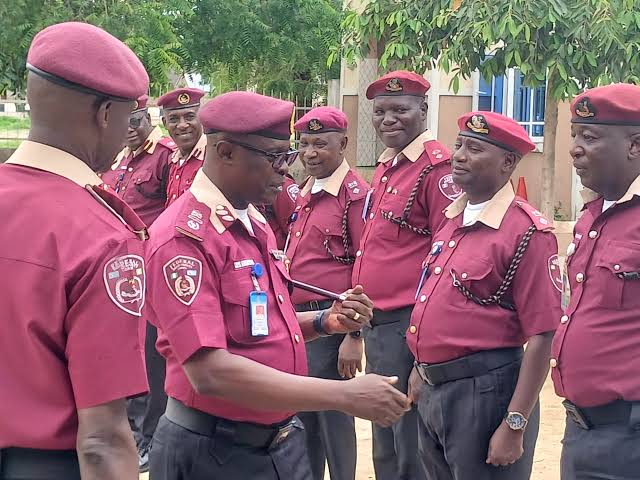
The Federal Road Safety Corps (FRSC), the primary agency tasked with promoting road safety, remains overstretched and underpowered. For years, it has operated with inadequate manpower, limited funding, and logistical constraints. Its absence in many Local Government Areas means that enforcement of traffic rules and rapid response to emergencies remain weak in vast parts of the country. Without a comprehensive presence across all 774 LGAs, the FRSC cannot effectively fulfil its mandate.

To reverse the trend, strengthening the FRSC must become a national priority. This requires increased budgetary allocation, recruitment of more personnel, and provision of modern tools to aid monitoring and enforcement. Beyond resources, the agency must also be given stronger legal authority to prosecute offenders swiftly and decisively. Reckless drivers must no longer escape accountability because of political influence or weak enforcement structures.

At the same time, state governments cannot remain passive. States without road traffic management agencies must establish them immediately. Those already in existence must work hand-in-hand with the FRSC, creating a coordinated framework for road safety enforcement. The collaboration between federal and state agencies should be backed by data-sharing, technology, and joint patrols to make the roads safer.

Public enlightenment is another critical tool in reducing accidents. Campaigns to educate drivers about safe road practices, dangers of overspeeding, and the importance of vehicle maintenance must be sustained and intensified. The culture of reckless driving thrives partly because many drivers are either unaware of the risks or dismissive of them. Changing attitudes will require persistent education and visible enforcement of penalties.

Equally, Nigeria’s dilapidated road infrastructure demands urgent attention. The poor state of highways and rural roads is a major contributor to road crashes. Massive investment in road rehabilitation, construction of safer highways, and proper signage is essential. Roads must be built with standard safety features such as barriers, lighting, and pedestrian crossings. Without safe infrastructure, even the best enforcement efforts will yield limited results.

Technology should also be embraced as a game-changer. Surveillance cameras, speed detectors, and digital monitoring systems should be deployed on major highways to track offenders and improve accountability. In addition, the creation of a centralised database for drivers and vehicles would help identify repeat offenders and ensure that penalties are enforced consistently.

The private sector can contribute significantly to tackling this menace. Insurance companies, transport unions, and vehicle manufacturers all have a stake in safer roads. By partnering with government in awareness campaigns, driver training, and vehicle inspection initiatives, the burden of road safety can be shared more effectively.

It is equally important to empower first responders and medical facilities. Many accident victims die not from the crash itself but from delays in accessing medical care. Equipping local health centres near highways and training paramedics can drastically reduce fatalities. Quick intervention can mean the difference between life and death.

The economic toll of road accidents is often overlooked. Beyond the human tragedy, crashes cost billions annually in healthcare expenses, lost productivity, and property damage. Nigeria cannot afford to keep losing lives and resources to problems that are largely preventable. Safer roads are not just a moral imperative but an economic necessity.

Nonetheless, the solution lies in political will. Government at all levels must stop paying lip service to road safety and treat it as the national emergency that it is. Every life lost on the highways is one too many, and the time has come to act with urgency and commitment.

Road crashes are not natural disasters; they are preventable tragedies. With the right policies, better infrastructure, strict enforcement, and collective responsibility, Nigeria can drastically reduce the number of lives lost on its roads. The message is simple but powerful: enough of preventable deaths. The government must act now—firmly and decisively.

Jessica Jummai Ayuba, Department of Masss Communication, University of Maiduguri.

12 Die In Kaduna-Kachia Road Crash, Two Others Injured

By Sabiu Abdullahi

Twelve people have died in a road crash along the Kaduna-Kachia Road in Kaduna State, the Federal Road Safety Corps (FRSC) has confirmed.

The accident involved two Volkswagen Golf cars and occurred at Doka Village in Southern Kaduna, according to the FRSC Sector Commander in the state, Andrew Paul Longkam.

Longkam said 14 people were travelling in the two vehicles when the crash occurred. Twelve of the occupants died, while two others sustained serious injuries.

The victims comprised eight males and six females. All eight males and four of the females died in the accident, while the remaining two females survived with injuries.

The two vehicles involved were a blue Volkswagen Golf with registration number APP 394 FN and a red Volkswagen Golf registered as ACN 205 HK.

The FRSC commander said a tyre burst was suspected to have caused the crash.

He added that none of the occupants, including the two drivers, wore seat belts or used any protective device at the time of the accident.

The two survivors were taken to Rapha Hospital for treatment, while the bodies of the deceased were deposited at Idon General Hospital pending identification and contact with their relatives.

FRSC Challenges Court Verdict Barring Patrols on Kano State Roads

By Uzair Adam 

The Federal Road Safety Corps (FRSC), Kano Sector Command, has announced plans to appeal the judgment of the Federal High Court in Kano that barred its personnel from operating on state and local government roads, limiting their activities to federal highways.

The judgment, delivered on Thursday by Justice M. S. Shuaibu, followed a suit instituted by Kano-based lawyer, Barrister Abba Hikima, who challenged the legality of FRSC checkpoints mounted on township roads in July 2025. 

He argued that motorists were being stopped despite committing no traffic offences.

In his ruling, Justice Shuaibu held that the FRSC acted beyond the powers granted to it by law by operating on state roads. 

He further ruled that the Corps’ actions infringed on citizens’ constitutional rights to personal liberty and freedom of movement as guaranteed under Sections 35 and 41 of the 1999 Constitution.

The court granted all the reliefs sought by the plaintiff, including a perpetual injunction restraining the FRSC from operating on state and local government roads in Kano. 

It also ordered the Corps to publish a public apology in a national newspaper and awarded N800,000 in damages and costs.

Reacting to the judgment, the Public Education Officer of the Kano Sector Command, CRC Abdullahi Aliyu Labaran, said the Corps respects the decision of the court but believes the ruling has been widely misunderstood.

He explained that the judgment did not invalidate the FRSC Establishment Act, 2007, but only restricted the Corps’ operations in Kano to federal highways pending further legal action.

According to him, the FRSC will continue to patrol major federal roads within the state, including the Kano–Zaria Road, Kano–Katsina Road, Kano–Maiduguri Road, Kano Western Bypass, Airport Road and Murtala Mohammed Way.

Labaran expressed concern over social media posts encouraging motorists to resist FRSC officers, warning that such actions could lead to unnecessary confrontations, threaten public order and endanger lives.

He added that the Corps decided to challenge the ruling because it believes its defence was not adequately considered during the proceedings.

Pending the outcome of the appeal, the FRSC assured members of the public that it would continue to carry out its statutory responsibilities professionally and within the confines of the law on federal highways across Kano State.

The Corps also urged motorists to cooperate with its personnel and disregard what it described as misleading online interpretations of the court’s judgment.

Jigawa road accident claims 11 lives, injures 12

By Anas Abbas

The Federal Road Safety Corps (FRSC) has confirmed that 11 passengers lost their lives and 12 others sustained injuries in a single-vehicle crash along the Ringim-Sankara-Beguwa road in Ringim Local Government Area of Jigawa State.

Ado Adamu, Acting Commander of the FRSC unit in Ringim, told the News Agency of Nigeria that the accident occurred at about 4:45 p.m. on Thursday. The Volkswagen vehicle involved was carrying 23 passengers seven males and 16 females when it was involved in the crash.

According to Adamu, preliminary findings indicate that the crash was caused by a tyre burst aggravated by excessive speeding, which forced the vehicle off the road.

Eleven of the passengers five males and six females died as a result of the accident, while 12 others, comprising seven males and five females, were injured and taken to Ringim General Hospital for treatment.

The FRSC Sector Commander for Jigawa, Mr. Umar Matazu, has extended condolences to the families of the deceased and prayed for the speedy recovery of those injured.

Adamu also said the victims were traveling from Bauchi State toward Kankia Local Government Area in Katsina State when the crash occurred.

FRSC returns ₦6.2 million recovered from crash scene to victim’s family

By Abdullahi Mukhtar Algasgaini

In an act of integrity, the Federal Road Safety Corps (FRSC) in Katsina State has handed over ₦6.2 million in cash and personal effects recovered from a fatal accident to the family of the deceased victim.

The incident occurred on Sunday, October 12, 2025, at Dikke along the Funtua-Sokoto road. A white Toyota Hiace bus with registration number SRZ 112 LG was involved in a crash after a tyre burst, exacerbated by excessive speed.

Preliminary reports indicate that of the 18 passengers on board, one adult male died, while 17 others sustained injuries and were rushed to the General Hospital in Funtua for treatment.

Following the crash, FRSC operatives recovered a bag containing ₦6,200,000 and other personal belongings valued at over ₦100,000 from the scene.

The Funtua Unit Commander later presented the items to the victim’s next of kin.The Corps Marshal, Shehu Mohammed, expressed his condolences to the bereaved family and reiterated the FRSC’s commitment to accountability and compassion.

He used the opportunity to advise motorists to prioritize vehicle maintenance, especially tyre checks, and to avoid speeding to prevent similar avoidable tragedies.

FRSC intercepts overloaded vehicle along Potiskum-Gombe route

By Muhammad Abubakar

Operatives of the Federal Road Safety Corps (FRSC), RS12.31 Potiskum Unit Command, on Sunday morning intercepted an overloaded Volkswagen Golf along the Potiskum–Gombe (PKM-GME) highway.

The vehicle, with registration number TRN 59 SB, was stopped during a routine patrol as part of the Corps’ nationwide enforcement operation targeting overloading and other critical traffic offences.

According to the patrol team, the vehicle was found to be carrying passengers and cargo in excess of the permitted limit, a violation that significantly increases the risk of road accidents.

“This action is in line with the Corps’ commitment to reducing road crashes caused by reckless practices such as overloading,” a spokesperson for the unit said.

No injuries were reported during the interception. The vehicle has been impounded, and further investigations are underway.

The FRSC continues to urge motorists to comply with traffic regulations and prioritise safety for all road users.

FRSC deploys 1,889 personnel for sallah special patrol in Kano

By Uzair Adam

The Federal Road Safety Corps (FRSC) Kano Sector Command has deployed 1,889 personnel for a special Eid-el-Fitr patrol operation aimed at ensuring smooth vehicular movement and safety on highways.

The Sector Commander, Ibrahim Abdullahi Matazu, stated that the operation, scheduled to run from March 27 to April 2, includes 1,348 regular marshals and 541 special marshals.

The Daily Reality reports that their duties will include traffic control, enforcement of road safety regulations, and providing immediate assistance to accident victims.

Matazu urged motorists to adhere to traffic rules, warning against reckless driving, underage driving, and car racing during the festive period.

“The FRSC Kano Sector Command wishes the good people of the state a peaceful and hitch-free Sallah celebration,” he said.

FRSC intensifies crackdown on mixed overloading after Kano fatal crash

By Uzair Adam 

The Federal Road Safety Corps (FRSC) Kano Sector Command has intensified efforts to curb the dangerous practice of mixed overloading of trailers with goods, animals, and human passengers. 

It was gathered that the initiative aims to enhance road safety and prevent fatal crashes resulting from unsafe transportation practices.  

In a statement on Friday, FRSC Kano Public Relations Officer CRC Abdullahi Labaran disclosed that the sector command, led by Sector Commander CC UM Masa’udu, in collaboration with the Nigeria Police Force, conducted a special public sensitization campaign on February 20, 2025. 

The exercise took place along Kano-Maiduguri Road, near the Muhammadu Buhari Interchange Flyover, Hotoro, from 4:00 PM to 6:00 PM.  

The campaign was prompted by the tragic road crash on February 13, 2025, at the same location, which claimed 23 lives and left 48 others injured. 

Investigations revealed that the accident was caused by a dangerously overloaded trailer, a practice that significantly increases the risk of fatal accidents.  

During the sensitization exercise, CC UM Masa’udu warned drivers, transport operators, and stakeholders about the severe dangers of mixed overloading and emphasized the need for strict compliance with safety regulations. 

He reiterated that the FRSC will not tolerate traffic violations that put lives at risk.  

The campaign was attended by representatives of key transport unions, including the National Association of Road Transport Owners (NARTO) and the Road Transport Employers Association of Nigeria (RTEAN), who pledged their commitment to raising awareness among their members and ensuring safer road transport practices.  

The FRSC Kano Sector Command reassured the public of its continued efforts to promote road safety awareness and strict enforcement to prevent further tragedies. 

It urged road users to cooperate with authorities and adopt safer transportation practices for the well-being of all.

411 Nigerians killed while scooping fuel in 2024—FRSC

By Sabiu Abdullahi

The Federal Road Safety Corps (FRSC) reported that 411 Nigerians died in 2024 while attempting to scoop fuel from fallen tankers across the country.

This was disclosed by the FRSC Corps Marshal, Malam Shehu Mohammed, during a press briefing on the Corps’ 2024 special patrol operations in Abuja.

According to Mohammed, the FRSC recorded significant improvements in road safety compliance in 2024, with a 26% increase in adherence to traffic rules and a 23.5% reduction in traffic law violations compared to 2023.

He noted that 21,580 traffic offenders were arrested in 2024, a sharp drop from the 29,220 recorded in the previous year.

Discussing road traffic crashes (RTCs), Mohammed stated that the Corps documented 9,570 RTCs in 2024, a 10% decrease from the 10,617 incidents recorded in 2023.

He added that injuries from these crashes also slightly decreased, with 31,154 people injured in 2024 compared to 31,874 in 2023, representing a 2% reduction.

However, the FRSC Corps Marshal revealed a 7% rise in fatalities, with 5,421 deaths recorded in 2024, up from 5,081 in 2023.

Of these fatalities, 411 were linked to fuel scooping, which accounted for 7.6% of total deaths.

Mohammed described the practice of scooping fuel as “the very monster the Corps is fighting,” and emphasized that without these incidents, the fatality figure for 2024 would have stood at 5,010.

The FRSC continues to advocate for strict compliance with traffic laws and urges Nigerians to avoid the dangerous act of scooping fuel from crashed tankers to prevent further loss of lives.