Mass shooting at Canadian high school claims 10 lives
By Sabiu Abdullahi
Ten people, including a female gunman, were killed in a shocking attack at Tumbler Ridge Secondary School in British Columbia on Tuesday, in what authorities have described as one of the deadliest mass casualty incidents in recent Canadian history.
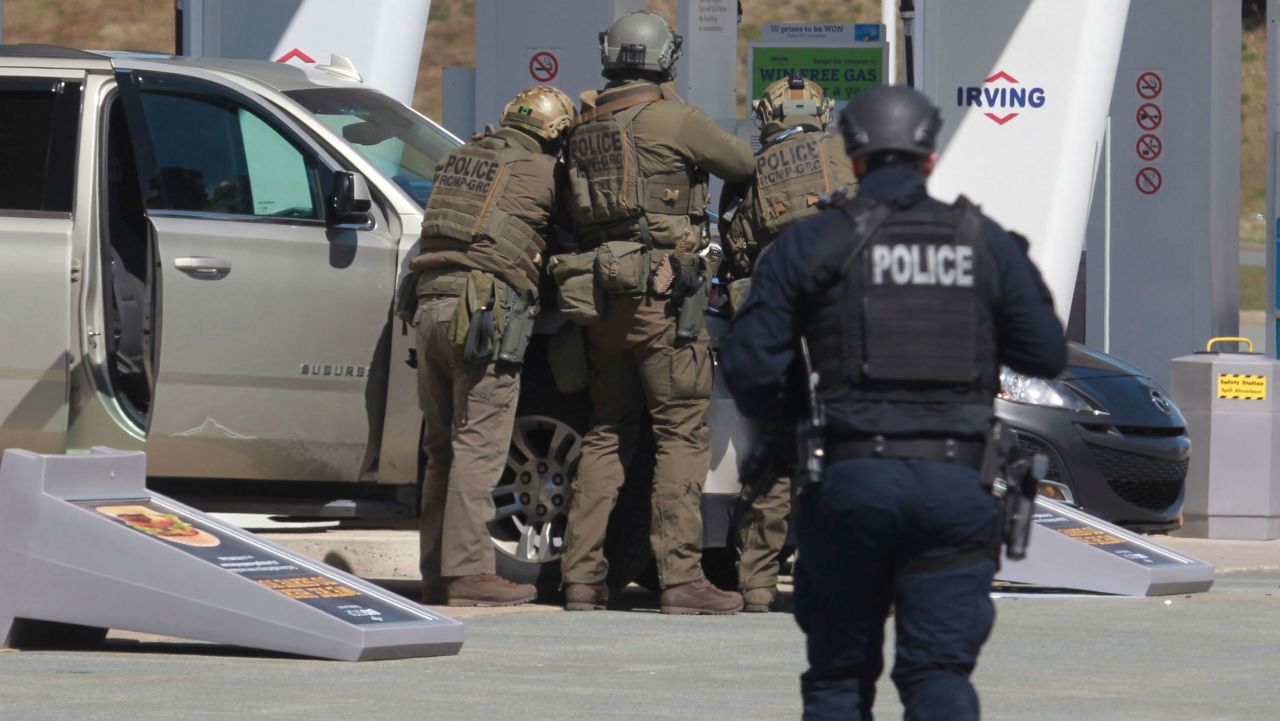
The Royal Canadian Mounted Police (RCMP) reported that the suspect, identified as female, opened fire inside the school before being found dead from what appears to be a self-inflicted injury. Authorities confirmed there are no additional suspects and no ongoing threat to the public.
The tragedy struck the remote town of Tumbler Ridge, a tight-knit community of around 2,400 residents located in the foothills of the Rocky Mountains, leaving the population in deep shock.
According to the RCMP, six victims were discovered inside the high school, while two more were found at a nearby residence believed to be linked to the incident. Another person died while being transported to the hospital. At least two individuals remain hospitalized with life-threatening injuries, and approximately 25 others received treatment for non-critical wounds.
Authorities have offered limited details about the shooter, beyond confirming the suspect was female — a rare occurrence in North American mass shootings, which are predominantly committed by men. An earlier police alert described the suspect as “female in a dress with brown hair.” Police Superintendent Ken Floyd later confirmed that this was the same person found dead at the school. Officials have not revealed a motive or the ages of all victims, some of whom may have been minors.
The attack has left the community struggling to process the scale of the tragedy. British Columbia Premier David Eby expressed his grief, saying, “It’s hard to know what to say on a night like tonight. It’s the kind of thing that feels like it happens in other places and not close to home.”
Images from Tumbler Ridge show a snow-covered town surrounded by pine forests, highlighting the isolation of the northern British Columbia community, roughly 1,155 kilometres northeast of Vancouver.
The school, which serves about 160 students in grades seven through 12, will remain closed for the rest of the week. Officials said counseling services will be available to both students and staff as the community begins the process of mourning and recovery.