Argungu Fishing Festival

Beyond the Books: How Student Unions Are Becoming the New Custodians of Campus Culture

By Dahiru Kasimu Adamu

University life is a vibrant tapestry woven from diverse activities, yet one of its defining features is its ability to accommodate people from different cultural backgrounds. Amid the pursuit of academic excellence, a powerful movement is taking root, ensuring that heritage is not lost but celebrated. 

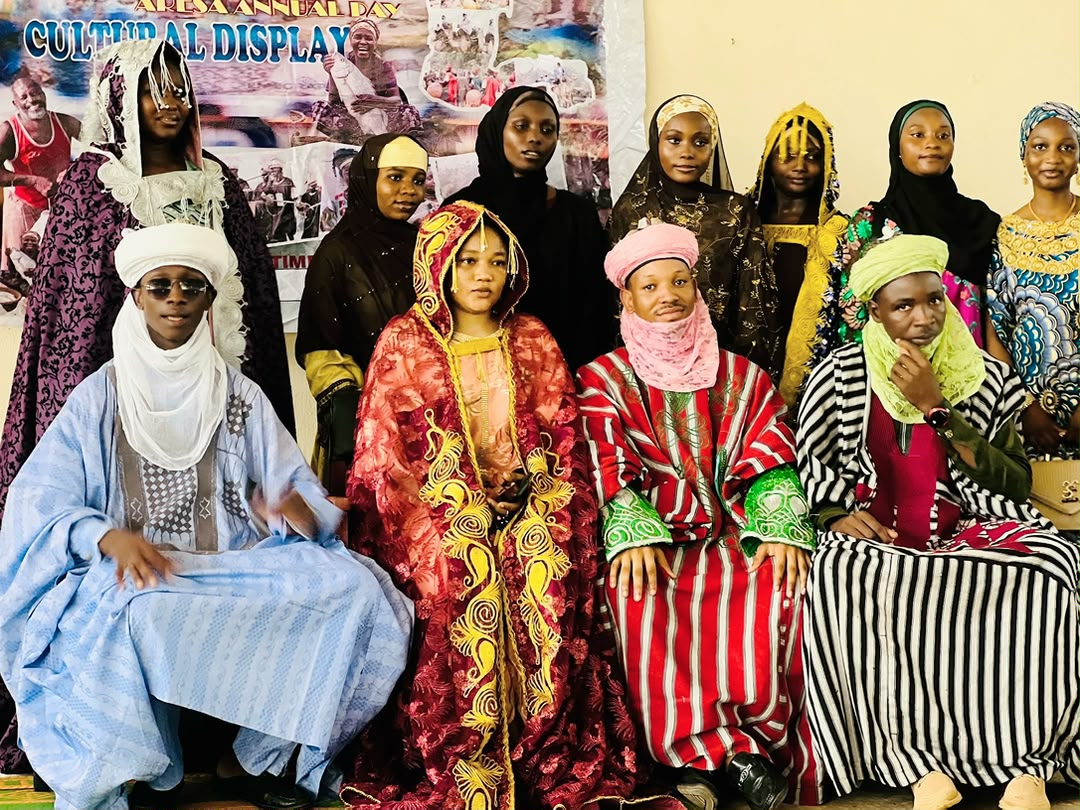
Over the years, students’ associations representing various states and local governments have been at the forefront of transferring cultural heritage across institutions, turning campuses into living museums of tradition. A prime example of this cultural renaissance is the Argungu Emirates Students Association (ARESA), Usman Danfodio University, Sokoto, chapter, which recently organised its annual ARESA Day. 

Academically, the event was a showcase of intellect, featuring debates, poetry recitals, and spelling competitions where students from different local governments participated in various categories. However, it was the cultural display that truly captivated the minds and hearts of hundreds of attendees, stealing the show with its vivid authenticity.

The highlight of the event was the recreation of the Argungu Emirate Council. In a meticulously staged setting, students assumed the roles of traditional rulers and dignitaries. Aminu Sani took on the prestigious role of Kunduɗan kabi, while Ahmed Sani served as Sarkin shanun Kabi. The court was complete with district heads, including the Sarkin Zabarmawa, Mai Arewa, and Sarkin Samari, who, along with other important figures such as Kunduɗa, paid homage to the Emir. Adding to the royal pageantry, Gimbiya was present, with Masa’uda Khadija Usman Abubakar and her entourage bringing the historical narratives to life.

The Argungu Emirate is a melting pot of the Hausa, Fulani, and Zabarmawa tribes; the event featured traditional dances from each group performed before the Emir. This spectacle served as a vibrant testament to the unity and peaceful coexistence that defines the Emirate.

According to the leadership of the ARESA UDUS chapter, the aim of this cultural immersion is to showcase Argungu Emirate’s rich history, cultural heritage, and strength, while fostering unity among students. The impact on the audience was palpable. Yusuf Garba, a student from Niger State, noted that the cultural display helped him “identify the structure of Argungu Emirate council, indicating the cultural heritage of the people.” Similarly, Ruadat Ibrahim from the south-west highlighted the traditional dances of the Hausa and Zabarma tribes as the aspect that “hijacked her mind.”

Witnesses of the event have since encouraged other student associations to emulate ARESA’s initiative in showcasing their culture. 
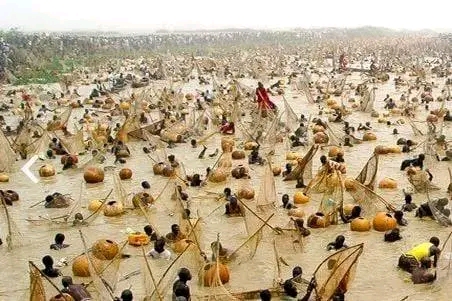
Beyond the riverbanks: Exploring the historic heart of Argungu ahead of the 2026 festival

By Dahiru Kasimu Adamu

Ahead of Argungu International fishing and cultural festival which was scheduled to hold from 11 February to 14 February 2025 we take a look of some tourist centers to visit in the ancient town of Kabawan Kanta.

Argungu International fishing and cultural festival is a unique  global event previously celebrates annually, it rooted in the pursuit of peace and unity. This extraordinary event showcases the rich historical legacy of the Kabawan Kanta and preserves the invaluable cultural heritage of the Kabawa people.

More than a festival, Argungu is a world-renowned tourism destination, significantly contributing to the socio-economic development of the town, Kebbi State and Nigeria as a whole.

Most people don’t know that, beside the famous fishing festival, there are so many colorful cultural and traditional activities, which are observed concurrently, during the same period. Some of  these activities which are attached to the festival include, 

  1. Traditional Boxing, 
  2. Durbar, Horse Racing,
  3. Motor Rally,
  4. Kabanci Display,
  5. The Grand Fishing Competition and many more.

Apart from the series activities of the festival, visitors also would have opportunities to visit historical and tourist centers of the town such as; the famous Kanta Museum.

Kanta Museum, is a Historical and cultural Center, which was the Emirs palace between 1831 and 1940, but it was converted to a Museum in 1942 after the European colonialists built the new Emir Palace in Tudun Wada Area of the ancient town of Argungu during the reign of Muhammed Sani.

Since then, the place has been a tourist center for many years. It showcases the true meaning of diversity with different cultures and histories of the Kabawan Kanta on display. It was named after Muhammed Kanta, who founded the Kebbi Kingdom in 1515. The Museum boasts a collation of historical artifacts and a testament to the ancient architectural beauty of the people.

It has eleven sections and contains historical and cultural elements related to the Kabawa and their history, which include the Royal Palace, then the Cultural section, the people and their religion section, the traditional crafts and the music section, the antiques section, a section dedicated to Surame, the first settlement of the Kabi Kingdom, war equipment, (such as spears, swords, woods, stones, bows and arrows and even drums on display) fishing tools section, amongst others.

Many people, including students from different schools and neighboring countries visit the museum at all times, for different purposes including educational and cultural research, although during the festive season about five to seven hundred people visit the Museum a day.

The Matanfada River

Matanfada river is a very special stage of the famous Argungu Fishing Festival competition. Over five hundreds fishermen storm the river for fishing competition. Visiting the river and the scenario give a deeper appreciation of its cultural and historical importance.

Another river site is the Mala River, which is another significant tributary in the Argungu. It forms part of the fertile river system that feeds the farmlands and fishing grounds of Argungu and its stage of Kabanci display.

The Argungu Bridge:

It is a prominent bridge that crosses the river connecting local governments of Argungu Emirate and also a route to Niger republic. It is a central landmark and a prime viewing spot for spectators during the fishing festival, offering a vantage point over the competitions. If you have a chance to be there during the event, try and climb the bridge!

The Argungu Fadama Land is a vast fadama land, which is nourished by the rivers. It is exceptionally fertile and crucial for agricultural activities, producing crops like rice, vegetables and many others, supporting the local economy of the residents.

The Emir’s Palace: Argungu Emir palace which is also known as Kanta Palace is located at Tudun wada Area of Argungu. The palace is the seat of the Emir of Argungu, the overall constituted authority of the Emirate. The palace also showcases historical and administrative system of government of the Kabawa, and it’s many sections reflecting living heritage of the Kabawan Kanta.

For equestrian culture, the Horse Racing Course roars to life during the festival and NSK Polo Ranch hosts the Polo tournaments and fates illustrating the horse sporting in the region.

There are 7 historical gates in Argungu and all are connected to the history and culture of the town, this gates are; Kofar Maicibi, Sagware, Kofar Tudu, Kofar Mala, Kofar Marina, Kofar Dankoji and Kofar tsohi.

Some of the gates such as Kofar Maichibi, Kofar Tudu had been rehabilitated and they serve as a symbolic of Argungu’s past history, marking and signifying old boundaries and stories of the community, its trade, strength and defense.

All these locations are interconnected elements of Argungu’s geography and culture and they are stages for a major cultural event contributing greatly to the socio-cultural development of Kebbi State and Nigeria at large.

See you there, and you will surely thank me for what you get.